
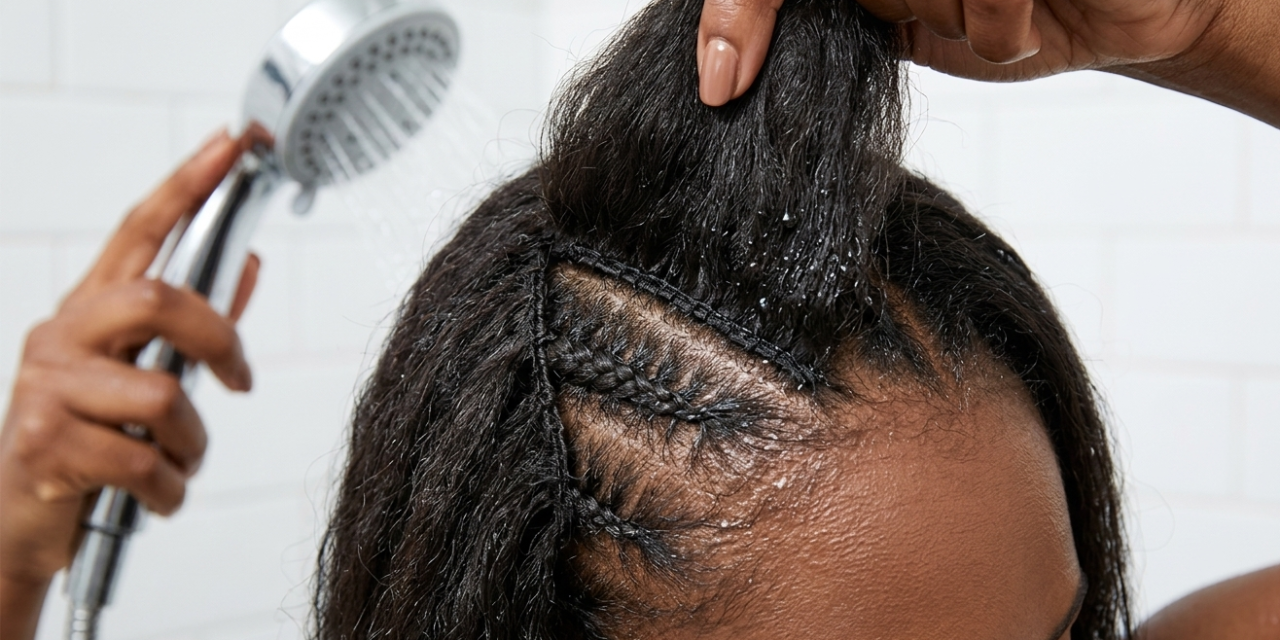
How to Wash Your Hair While Wearing a Hair Weave
Many people assume that once a hair weave is installed, washing their hair becomes impossible.
Fortunately, that’s simply not true.
In fact, keeping both your scalp and your weave clean is one of the most important parts of maintaining healthy natural hair.
The key is learning the correct technique.
Whether you’re wearing a sew-in weave, partial weave, or another professional installation, proper washing helps prevent odor, product buildup, itching, and even hair damage underneath the weave.
Let’s look at the safest way to wash your hair while keeping both your weave and natural hair in excellent condition.
Why Washing Your Hair Is So Important
Your scalp continues producing natural oils every day.
Sweat, dead skin cells, styling products, and dust also accumulate over time.
Without regular cleansing, this buildup can lead to:
- Itchy scalp
- Unpleasant odors
- Flaking
- Product residue
- Irritated skin
- Poor scalp health
Healthy hair always starts with a healthy scalp.
How Often Should You Wash a Hair Weave?
There isn’t one universal schedule.
How often you wash depends on:
- Your scalp type
- Your activity level
- Climate
- Product usage
Many people find washing every one to two weeks works well.
If you exercise frequently or live in a humid climate, you may need to wash slightly more often.
Listen to your scalp.
Persistent itching or excessive oiliness usually indicates it’s time for a wash.
Before You Start
Gather everything you’ll need beforehand.
This usually includes:
- Sulfate-free shampoo
- Moisturizing conditioner
- Wide-tooth comb
- Microfiber towel
- Spray bottle (optional)
Avoid harsh shampoos that strip moisture from both your natural hair and extensions.
Step 1: Detangle Gently
Before getting your hair wet, gently remove tangles.
Start near the ends of the weave and slowly work upward.
Never yank or pull aggressively.
Gentle detangling helps reduce breakage during washing.
Step 2: Wet the Hair Thoroughly
Use lukewarm water.
Allow the water to flow downward from your scalp through the length of the weave.
Avoid flipping your hair upside down.
Keeping the hair flowing in one direction helps prevent tangles.
Step 3: Focus on the Scalp
Your scalp needs the most attention.
Apply shampoo directly to your scalp and massage gently using your fingertips.
Avoid scratching with your nails.
Concentrate on removing oil and buildup around the braided foundation underneath the weave.
The shampoo running through the hair is usually enough to clean the extensions themselves.
Step 4: Rinse Completely
Take your time rinsing.
Leftover shampoo trapped beneath a weave can cause itching and irritation.
Continue rinsing until the water runs completely clear.
Step 5: Apply Conditioner Carefully
Condition mainly from the mid-lengths to the ends.
Avoid applying heavy conditioner directly onto braided areas or attachment points unless recommended by your stylist.
Too much conditioner near the roots may loosen certain installation methods.
Step 6: Dry Properly
Never leave the base of your weave damp.
Moisture trapped beneath the weave may encourage mildew, odor, or scalp irritation.
Use a microfiber towel to gently squeeze out excess water.
Allow the weave to air dry whenever possible.
If using a blow dryer, use moderate heat and make sure the braided foundation dries completely.
Products to Avoid
Some products create unnecessary buildup.
Avoid:
- Heavy oils
- Thick waxes
- Excessive silicone products
- Alcohol-heavy styling sprays
Lightweight products usually keep the weave looking fresher for longer.
Common Washing Mistakes
Many weave problems begin with improper care.
Some of the biggest mistakes include:
- Washing too aggressively
- Scratching the scalp
- Leaving shampoo residue
- Sleeping with wet hair
- Using extremely hot water
- Skipping washes for several weeks
Small improvements in technique can dramatically increase the lifespan of both your weave and natural hair.
What If Your Scalp Feels Itchy?
Occasional itching is common.
However, persistent itching may indicate:
- Product buildup
- Dry scalp
- Allergic reaction
- Tight braiding
- Incomplete drying
If itching continues despite proper washing, consult your stylist.
Caring for Curly Weaves
Curly textures need additional moisture.
Instead of vigorous rubbing:
- Gently squeeze shampoo through the curls.
- Apply conditioner generously.
- Finger-detangle while conditioning.
- Allow curls to dry naturally whenever possible.
This helps preserve curl definition.
Keeping Your Natural Hair Healthy
Remember that your own hair continues growing underneath the weave.
Between washes, consider:
- Moisturizing exposed hair
- Massaging the scalp gently
- Avoiding excessive tension
- Sleeping with a satin bonnet or pillowcase
Healthy habits underneath the weave make a noticeable difference after removal.
Frequently Asked Questions
Can I wash my weave every week?
Yes, provided you’re gentle and use suitable products. Many people successfully wash weekly, especially if they exercise frequently.
Can I use dry shampoo?
Dry shampoo can be useful between washes but shouldn’t replace regular scalp cleansing.
Should I oil my scalp?
Only if your scalp needs additional moisture. Too much oil may attract dirt and create buildup.
Is air drying better?
Whenever practical, yes. Just ensure the base dries completely before tying up your hair or sleeping.
Final Thoughts
A clean weave isn’t just about appearance.
Proper washing keeps your scalp healthy, helps your natural hair thrive, and allows your weave to last longer.
Gentle cleansing, thorough rinsing, careful drying, and consistent maintenance form the foundation of good weave care.
Once washing becomes part of your routine, you’ll enjoy fresher, healthier hair throughout the life of your installation.
AID: HC-001


