Month: November 2022

Mia Thornton’s Marble Laptop Case

Mia Thornton’s Marble Laptop Case in Miami

Real Housewives of Potomac Season 7 Episode 7 Fashion

As Wendy Osefo so kindly reminded us quite a few times that Mia Thornton is a CEO. And every CEO needs a laptop and every laptop needs a laptop case, right? Right. Especially when it is as cute as Mia’s marble print one. This is obviously a great thing to give yourself but, it’s also a great gift to give to someone else. Considering it’s in stock and very affordable means it’s kinda best case scenario.


Sincerely Stylish,

Jess


Mia Thornton's Marble Laptop Case

Click Here to Shop Her Case on Amazon

Originally posted at: Mia Thornton’s Marble Laptop Case

Read More

Lisa Barlow’s Houndstooth Blazer and Skirt

Lisa Barlow’s Houndstooth Blazer and Skirt on the RHOSLC After Show

Real Housewives of Salt Lake City After Show Fashion 2022

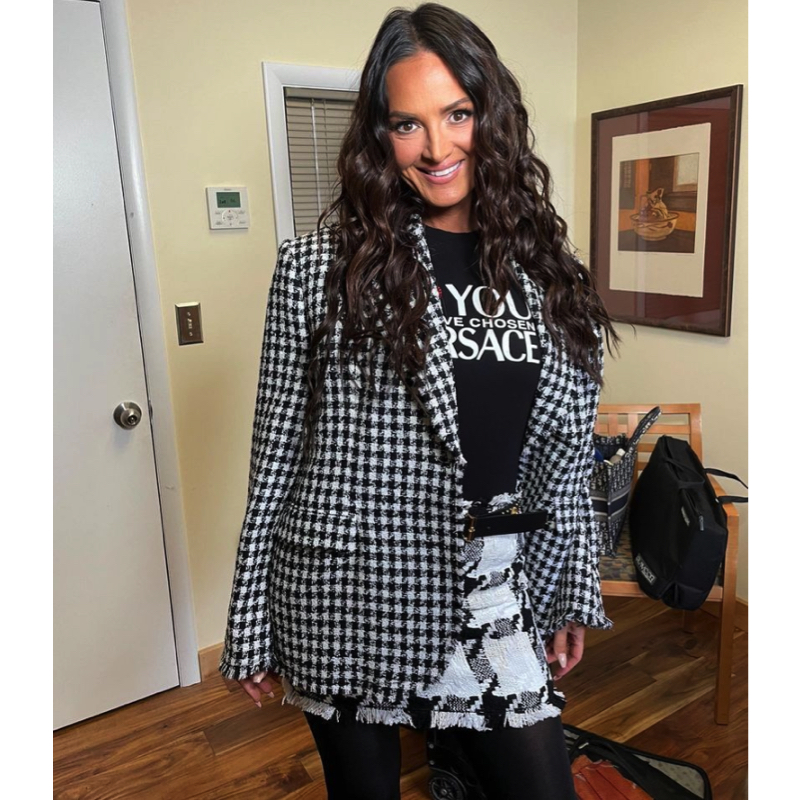
Lisa Barlow looks absolutely adorable in her houndstooth blazer and skirt while sitting down for the Real Housewives of Salt Lake City After Show this season. Which we’ve linked with the rest of her lewk down below, so keep on scrolling to get the Vida Tequila tea. ☕


Fashionably,

Faryn


Lisa Barlow’s Houndstooth Blazer and Skirt 1

Lisa Barlow’s Houndstooth Blazer and Skirt 1

Click Here to Shop Her Versace Blazer

Click Here to Shop Her Versace Skirt

Click Here to Shop Her Versace Tee

Click Here to Shop Her Versace Pumps

Click Here to Shop Her Versace Belt

Photo #2 & Hair: @EmGolieLocks

Originally posted at: Lisa Barlow’s Houndstooth Blazer and Skirt

Read More

The Joy of the Thanksgiving Stories

sharing thanksgiving stories

Ever since my childhood, Thanksgiving has been my favorite holiday. It was a time for us all to come together to share stories and connect. I recall my mother spending several weeks preparing for the festivities.

We Don’t Recollect the Same Things

What each of us remembers about our childhoods has always been a subject of fascination to me, in the sense that even those raised in the same home with the same experiences will recall different aspects of what transpired.

For example, when I was young, my cousins joined us each year for our Thanksgiving dinner celebration. Once we giggled talking about traditions and how one cousin did not recall what I so vividly remember and that is the chocolate turkeys my mother placed in front of every dinner plate.

Those treats were our rewards for eating our meals. I continued the same ritual when my own children were young and, now that they’re grown and have families of their own to consider, there’s a strong probability I’ll continue the tradition with my grandchildren.

A Reason to Gather Together

One of the things I love about holidays such as Thanksgiving is how they tend to bring families together, both physically and emotionally. In this highly technological age, it seems as if we’re more connected digitally instead. Coming together as families also offers the opportunity to share stories face to face.

Some individuals are better at remembering and sharing than others. In many cultures, one individual is often intuitively designated as the storyteller of the group. Healers are very often storytellers because we learn how to navigate our own lives by listening to the stories of people navigating theirs.

Learning from Sharing Stories

When we get down to it, we can say that life is really all about story and stories about the human experience. The holidays seem like an ideal time for family and friends to share stories, since they unite us as families and as humans.

Storytelling is a form of healing, since hearing and reading stories brings a dimension to our lives that helps and guides us. When telling stories, we’re able to share from our first-person perspective.

The best stories – whether in spoken or written form – have characters, conflicts, and resolutions. The same characters, like those in our lives, experience a variety of emotions, including joy and pain, comedy and drama. And often, a little bit of mystery and adventure is also thrown in.

Make the Best of Storytelling at Thanksgiving

This Thanksgiving, perhaps we can all make an effort to share stories and engage in mindful listening. Doing so serves as a reminder of our interconnectedness with others. Stories teach us lessons that help facilitate change, growth, and transformation, which can be very powerful.

Some years ago, I hired an assistant who told me she loved hearing her grandmother’s stories, but she did not know what questions to ask so that she could get to understand her grandmother’s life story. Her comment sparked a clever idea in me: I’ve since created Conversation Cards for Meaningful Storytelling, which are a great addition to the Thanksgiving table.

Additionally, here’s a fun holiday activity: share a story in the first person, then have someone else repeat it back in the third person. This is an interesting way to spin stories and help us make sense of our lives and helps to contribute to active listening.

Let’s Have a Conversation:

What do you do around the Thanksgiving table? Does storytelling take part of your holidays? Who is the best storyteller in your family? What story would you like to share this year?

Read More

10 Ways to Lower Your Blood Pressure Naturally (#6 Is SO Tasty!)

Lower Your Blood Pressure Naturally

Are you among the one in three adults who have a high blood pressure? If so, taking your prescribed medication every day is vitally important for your long-term health. You probably don’t have any obvious symptoms, but this is one of the most important conditions your doctor will screen you for.

Dietary and lifestyle changes can make a significant difference. Just losing half a stone of excess weight, for example, can bring your blood pressure down enough for your doctor to reduce your medication.

The approaches mentioned here can help too, but if you are on prescribed medication check with your doctor before taking any supplements.

Why Blood Pressure Matters

You need a certain pressure in your circulation to keep blood moving around your body. Your blood pressure naturally varies throughout the day and night in response to your emotion, hormone changes and level of physical activity. When you have hypertension, however, your blood pressure remains high all the time, even at rest. This means your arteries receive a pounding and, if not corrected, can cause damage that increases your future risk of health problems, including heart disease and stroke.

Unfortunately, blood pressure naturally tends to creep up with age due to hardening of the arteries, so that by the time you are 60, the average upper reading (systolic blood pressure) for women is within, or approaching, the range at which hypertension is diagnosed.

Some factors such as smoking, family history, being overweight and drinking alcohol can mean you are more likely to need medical treatment to bring your blood pressure under control.

The stress of having your blood pressure taken by a doctor or nurse commonly causes your blood pressure to shoot up, too. This phenomenon, known as white coat hypertension, is now well recognised, so you will usually have your readings assessed regularly, day and night, over a 24-hour period before starting on antihypertensive medication.

It’s a good idea to use a home blood pressure monitor to assess your readings yourself, too. This has been shown to help improve blood pressure control in people who are already on medication.

Whether or not you are taking antihypertensive medication, several nutrition and lifestyle approaches can help to improve your readings.

Cut Back on Salt to Lower Your Blood Pressure Naturally

Eating too much table salt (sodium chloride) increases blood pressure in people whose kidneys are less efficient at flushing away the excess. This promotes fluid retention and draws water into the circulation so blood pressure rises. Most adults need no more than 6g sodium chloride a day (2.4g sodium) – and would do even better on just 3g per day.

Reducing salt intake involves more than not adding salt during cooking or at the table. Most salt is hidden in processed foods, so check labels for sodium. If the label gives salt content as “sodium,” multiply by 2.5 to obtain the salt (sodium chloride) content. For example, a product containing 0.4g sodium actually contains 1g salt (calculated by multiplying 0.4 by 2.5). In general, per 100g of food (or per serving if a serving is less than 100g):

0.5g sodium or more is a lot of sodium
0.1g sodium or less is a little sodium

Also eliminate high-salt foods such as salted crisps, processed meats (e.g. ham, bacon, salami and hotdogs), cheese, spreads, packet sauces, gravies and ready-meals.

If you’re used to a lot of seasoning, it can take at least a month for salt receptors on your tongue to adjust and detect lower salt concentrations. If food tastes bland, add black pepper, herbs and spices for flavour instead. Adding lime juice helps your taste-buds detect salt better.

Drink Beetroot Juice

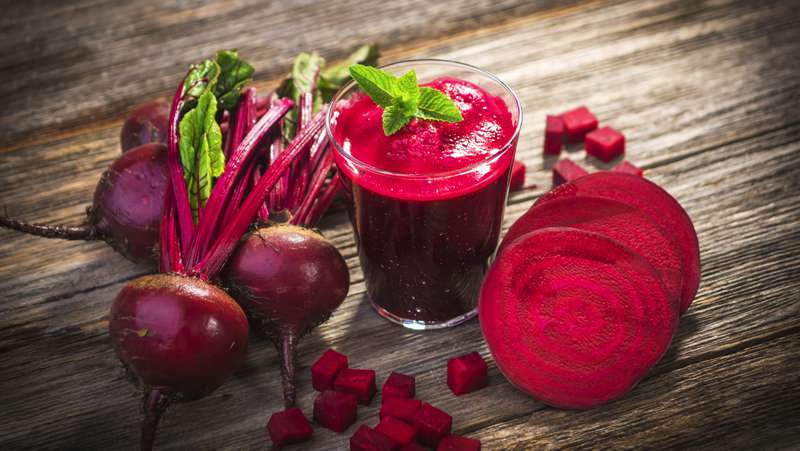
Lower Blood Pressure Naturally - Drink Beetroot Juice

Beetroot juice is as effective as some antihypertensive drugs. Its pharmacological action comes from a high content of nitrates which are converted into nitrites by bacteria that live on the surface of your tongue. These nitrites are absorbed into your circulation, where they have a powerful relaxing effect on blood vessels so they dilate and blood pressure comes down.

Researchers have found that drinking a glass (250ml) of beetroot juice every day can lower a high blood pressure by, on average, 7.7/5.2 mmHg, within four weeks, compared with a placebo beetroot juice from which the nitrates were extracted. Benefits are seen within one hour and last for 24 hours later.

Eating 100g cooked or grated raw beetroot supplies a similar amount of nitrates are found in 250ml beetroot juice. Swill the juice around your mouth, or chew beetroot thoroughly before swallowing, to maximise the conversion of nitrates to the beneficial nitrites. Don’t worry if you notice a temporary, red discolouration of urine (beeturia). This can look dramatic, but is harmless!

Follow the DASH Diet to Increase Your Chances of Lowering Your Blood Pressure

The so-called Dietary Approaches to Stop Hypertension (DASH) trials showed that nutritional approaches based on the Mediterranean diet can significantly reduce your blood pressure within eight weeks. The DASH diet essentially means eating:

MORE: fruit, vegetables, nuts, seeds, pules, wholegrains, poultry, fish and low-fat dairy products

LESS: red meat, fats, cholesterol-rich foods and sugary sweets.

This approaches partly works by increasing your intake of potassium, a mineral that helps to flush excess sodium from the body through the kidneys. Potassium rich foods include bananas, avocado, sweet potatoes (with skin), Brussel sprouts, spinach, broccoli, plain low-fat yoghurt, beetroot and beet leaves, celery, beans and lentils, parsley and sage.

The DASH diet is even more effective if you also reduce salt.

Snack on Nuts

Nuts are an important component of the DASH diet, but many people worry about eating them in case they put on weight.

Nuts are a concentrated source of protein and fibre, however, which helps to fill you up. Even though they are relatively high in calories, trials consistently show that snacking on nuts does not mean you eat more calories over all during the day, and people who regularly eat nuts may even lose weight as a result.

At the same time, their healthy oils (omega-3s and monounsaturated fats) and minerals (especially magnesium) have beneficial effects on your circulation. Eating a handful (about 23 kernels) of unsalted nuts a day can improve cholesterol balance, blood pressure and blood stickiness.

Add nuts to shakes and smoothies, sprinkle them over cereals, salads and desserts, and use nut oils in salad dressings. Brazil, almond, hazelnut or almond nut butters are delicious spread on oatcakes. Avoid any peanut butter that is heavily salted, however (check labels).

Eat an Apple a Day… No, Seriously!

Apples are one of the richest dietary sources of a type of antioxidant known as flavonoids. Studies involving over 187,000 health professionals have shown that people who eat four or more apples a week have a significantly lower blood pressure than those who eat less than one a month, on average.

Those eating the most apples also have a 41% lower risk of a stroke than those eating the fewest. Don’t peel them, as this is where most of the antioxidants lie – especially in red apples. Apple peel also contains substances that have a blood-pressure lowering actions similar to that of ACE inhibitor antihypertensive drugs.

Enjoy a Dark Chocolate Treat to Lower Your Blood Pressure Naturally

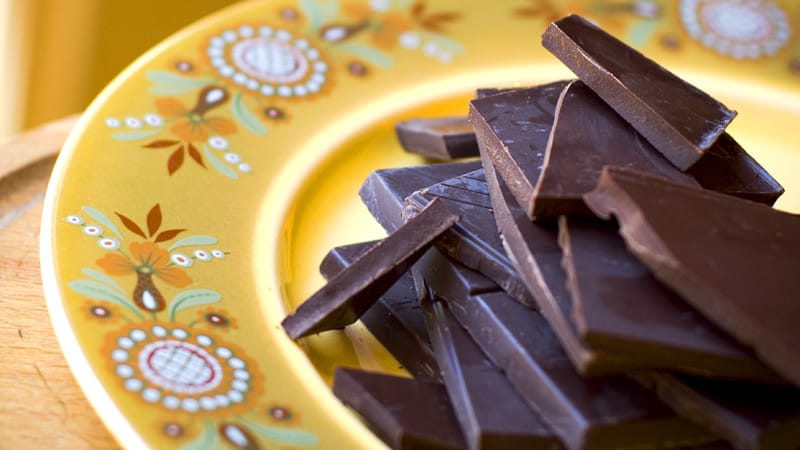
Lower Blood Pressure Naturally - Eat Dark Chocolate

Chocolate and cocoa are an even richer source of flavonoids than apples. What’s more, these are of a super-protective type known as flavanols, which have beneficial effects on cholesterol balance and blood pressure.

Data from 20 studies, involving over 850 people, has shown that drinking flavanol-rich cocoa can lower blood pressure by 2.8/2.2mmHg compared with a flavanol-free equivalent.

Eating dark chocolate provides even greater benefits. There is clear evidence that eating one hundred grams of dark chocolate (at least 70% cocoa solids) every day can reduce systolic blood pressure by 5.1 mmHg and diastolic blood pressure by 1.8 mmHg – enough to reduce your risk of heart attack or stroke by an average of 21%. Pretty impressive for something that tastes so delicious and is usually considered a treat.

While 100g dark chocolate a day may seem a lot – even for medicinal use – a small bar (say 40g to 50g) is an acceptable amount for most people. One of the few examples of medicine tasting good!

Cut Back on Coffee

This is probably not something you want to hear, but some types of coffee supply medicinal amounts of caffeine. This can cause your blood pressure to rise through effects on your metabolic rate, heart contraction and the way blood vessels constrict or dilate.

Although the effect of caffeine is temporary, it can cause a dramatic rise in blood pressure for some people. One study found that, in men with hypertension, caffeine caused their blood pressure to increase by as much as 10/8 mmHg which lasted for at least one hour.

You may be one of the lucky ones who are more tolerant to the blood pressure raising effect of caffeine. It’s easy to find out – measure your blood pressure with a home monitor after resting and before drinking a cup of coffee. Then measure your blood pressure again after ten, 20, 40 and 60 minutes to see how much it rises, and how long the effect lasts. If your systolic blood pressure (the top number) rises by 5 mmHg or more, then you are sensitive to the effects of caffeine. If so, limit yourself to one cup of coffee a day (or avoid it altogether if your doctor advises).

Meditate Every Day

Lower Blood Pressure Naturally - Meditate

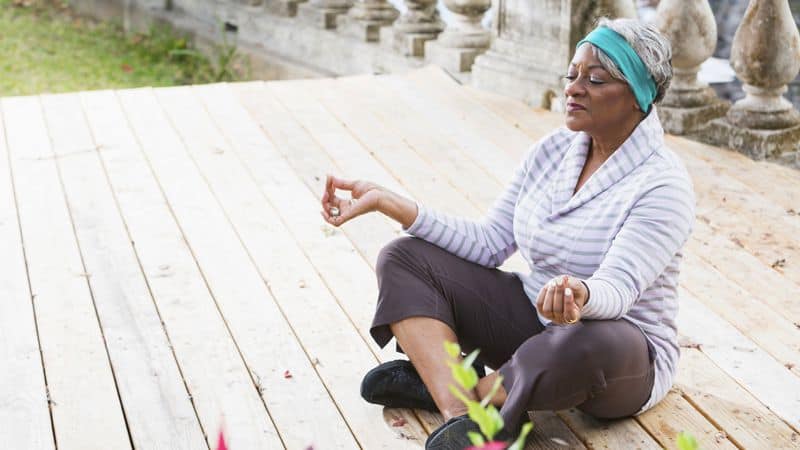
Meditation is an effective way to relax and bring down your pulse rate and your blood pressure. Transcendental meditation is practiced for 20 minutes, twice a day, and has been found to lower blood pressure on average, by 10.6mmHg in women within three months.

Follow-up studies suggest that people with hypertension who do this are also 30% less likely to experience a fatal heart attack or stroke, too. Mindfulness is another successful approach.

Consider Taking a Magnesium Supplement

Many of the foods within the DASH diet are good sources of magnesium, such as nuts and seeds, dark green, leafy vegetables, beans, fish, dried fruit, wholegrains, beetroot and even dark chocolate.

Magnesium is essential for most metabolic reactions, from the production of energy to the dilation of blood vessels and to maintain a normal heart rhythm and quality sleep. Lack of magnesium is common and can contribute to insomnia, fatigue, cramp, palpitations and a raised blood pressure.

Data from 19 studies involving over half a million people, shows that good intakes of magnesium are associated with a 15% lower risk of heart attack and stroke. Studies also show that taking a magnesium supplement can reduce average blood pressure by around 4/3 mmHg.

Consider Taking a Co-enzyme Q10 Supplement

Co-enzyme Q10 (CoQ10) is vital for energy production in cells – especially muscle cells such as those in your heart, and in your artery linings. It helps to improve the elasticity and reactivity of your arteries so they can dilate to even out blood pressure fluctuations.

Your natural production of co-enzyme Q10 peaked in your 20s and then fell so that, by the age of 60, levels are around half those present in youth. Lower levels mean that cells cannot make all the energy they need and this is a contributing factor to age-related changes such as increasing blood pressure.

In some parts of the world, doctors prescribe CoQ10 supplements to treat circulatory problems such as hypertension and heart failure. Adding supplements to anti-hypertensive drug treatment can produce significant improvements.

In one study of 109 people with hypertension, one in two (51%) were able to stop between one and three of their antihypertensive drugs (under the supervision of a cardiologist) within 4 to 5 months of starting the supplements.

Supplements reduce blood pressure readings, on average, by 11/7mmHg compared with inactive placebo.

Let’s Have a Conversation:

Do you have high blood pressure? If so, what approaches have you found helpful for bringing it down? Do you keep a regular eye on your readings with a home monitor? Research shows this can help you achieve better control.

Read More

The Crazy (Often Funny) Truth About Finding a Toilet While Traveling Abroad

Traveling-Wisdom-for-Women-Over-60

Most of us 60-somethings do a lot of research before we grab our bags and head off on a trip abroad.

We make sure our passport is up-to-date, that we have the necessary visas, ensure we have proper immunization requirements, a map of the area we’re visiting, a pre-booked room for at least the first few days, and some cash in the local currency.

But, there is something you may not have thought about, although you’re bound to need it.

Let’s Talk Toilets

Even if you think you’re too old to learn a new language, it’s a good idea to memorize at least a few local words before you travel to your destination.

I dare say, the first words you’ll definitely want to learn are the local words for toilet – which is often called a WC or Water Closet. You might be in for a surprise once you find one.

If you travel by train, for instance, you would notice that some of them don’t require flushing. Whatever you place in the toilet will simply end up on the tracks.

Spend a Penny

The expression “spend a penny” comes from England. I came across pay toilets there – although I’m sure they cost more than a penny.

Pay toilets can be found in other countries as well. Make sure to have change in the local currency. You might find an attendant you’ll need to tip if you’d like toilet paper or a paper towel during your visit. Imagine how you’d like to be treated if that was your job.

The first thing I noticed on my inaugural trip to France was the old-school toilet paper dispenser with small squares of rough, brown paper in the water closet down the hall from my room.

My next discovery was the bidet in my room, which even those who’ve never travelled are now familiar with. I was a teenager at the time and so this was a new one for me. I’d never seen one before. I didn’t make the common mistake of thinking it was a footbath, but I did wonder why there was no toilet paper.

Men Find Relief in Public

In Amsterdam, there were toilets ‘just for men’ right in the middle of the street. Basically, it was just a walk-in, wrap-around sheet metal curtain with a hole in the ground. You could see their feet sticking out underneath, too.

Luckily, I’ve not yet seen the new public outdoor urinals in Paris that have men peeing into what looks like a bread box. Women are less than impressed with this innovation. They’re even less impressed when guys just pee on the street. It happens.

A Challenging Situation

At least the toilets I visited at the start of my trip were normal height. That changed as I made my way toward the more eastern European countries.

Italy was a shock when, after spraining my ankle, the only toilet I could find was a squat toilet. This is not so much a toilet as it is a hole in the ground with two imprints in cement where you place your feet.

Beware when you flush. You’ll be washing the floor and you’d better know how to jump – unless your shoes could use a wash.

After that, I started asking for washroom recommendations. By the time I got to Greece, I discovered asking fellow travellers for washroom recommendations was as popular as asking where the Acropolis was or where to locate the best souvlaki.

My Favourite Toilet

Imagine my surprise when new friends gave directions to the toilet highlight of my trip. In the 1980s, I had never before seen such a washroom – at home or abroad. It was located in a luxury hotel in the middle of downtown Athens and was a vision to behold.

Not only was the luxurious room lined with marble on the walls, ceiling, and floor, but the full-height toilets automatically flushed when you stood up, the gold-plated taps ran hot and cold water as soon as you stood in front of them and the hand towels were made of cloth with a hamper beside to toss them in.

I was in heaven. I revisited that spot many times and it became popular with other female travelers as well.

It’s sad to say that although I loved the Acropolis and was mesmerized by the evening Sound & Light Show, the details from that special washroom are my clearest memory of Athens.

When Nature Calls

Once back in North America, my other memorable toilet travel experience was in the Okefenokee Swamp in Georgia, USA. I was canoeing there with friends when we stopped for lunch and a few of us went to use the facilities.

While waiting my turn, I noticed a large alligator sunning itself just to the right of the outhouse door. I decided I could wait until later and slunk back to the canoe as calmly as possible. Happily, everyone lived to tell this tale.

New Tourism Awards for Best in Toilets

The 2021 International Toilet Tourism Awards are now open for entry. They are awarded to the best toilets around the world. So, keep your eyes open while you travel and see if you can find a winner for these categories:

  • Best Location: best view. Previous winner was a cliffhanger – literally.
  • Best Design: for architectural brilliance, visual design or creativity.
  • Quirkiest Toilet Experience: use your imagination on this one.

When you travel, a secret supply of toilet paper may come in handy, and don’t be afraid to ask for directions to the best toilet seat in town. Share the news with friends. They’ll be glad you did.

Let’s Have a Conversation:

What’s the most memorable toilet you’ve found while travelling? Have you had to follow weird directions to get to a washroom? Please share any funny toilet stories in the comments below!

Read More