Month: June 2023

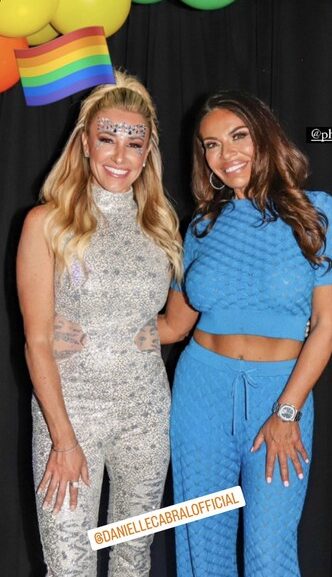
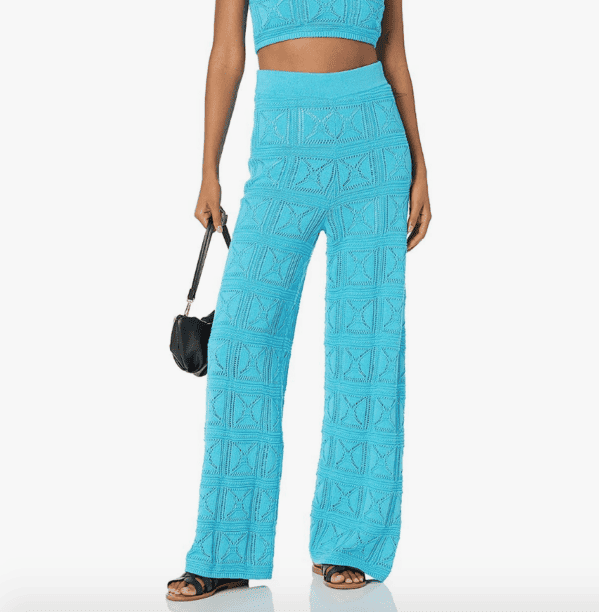
Dolores Catania’s Turquoise Crop Top + Pant Set

Dolores Catania’s Turquoise Crop Top + Pant Set / June 2023 Instagram Fashion

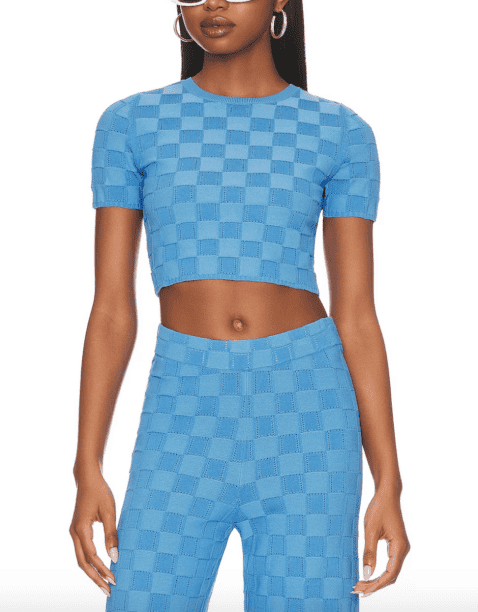
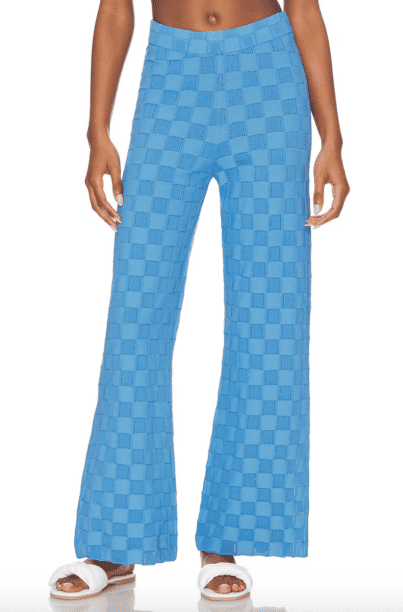
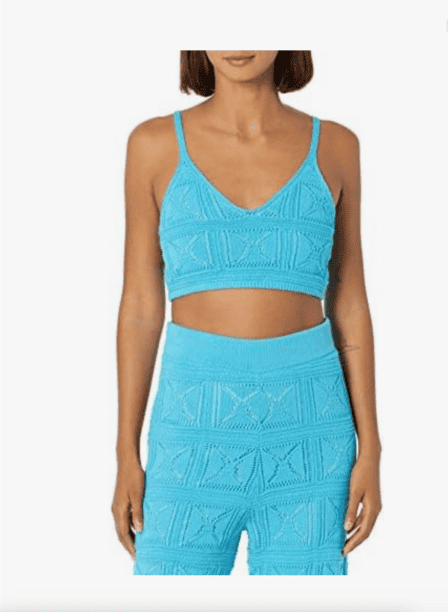
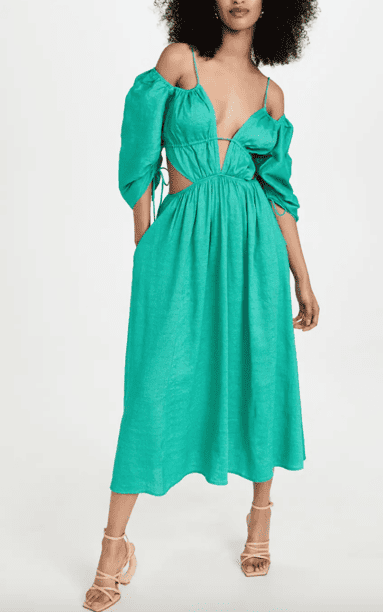
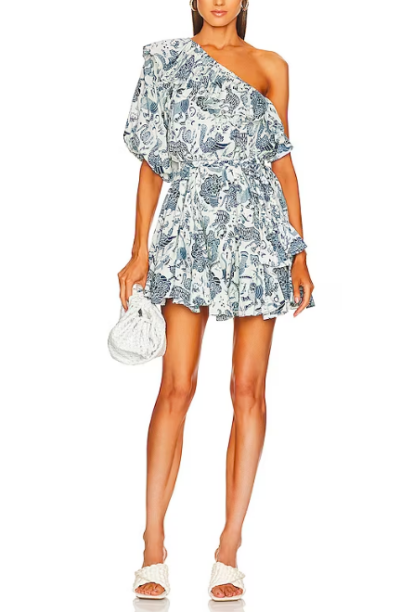
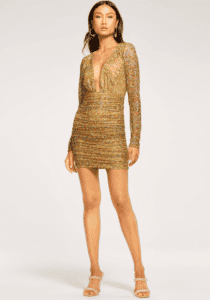
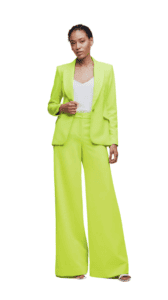
Dolores Catania looked bright and beautiful in her turquoise set on her IG stories. And speaking of stories, let me tell you about one of the greatest love stories of all time- Romeo and Juliet You and Your New Outfit. Ya know the one where you shout “where art thou pant set” to your delivery driver from your balcony after you order one, obvi. 💙

Sincerely Stylish,

Jess


Dolores Catania's Turquoise Crop Top + Pant Set

Photo: @dolorescatania


Style Stealers


Originally posted at: Dolores Catania’s Turquoise Crop Top + Pant Set

Read More

Kristin Cavallari’s White Leather Mini Dress

Kristin Cavallari’s White Leather Mini Dress / June 2023 Instagram Fashion

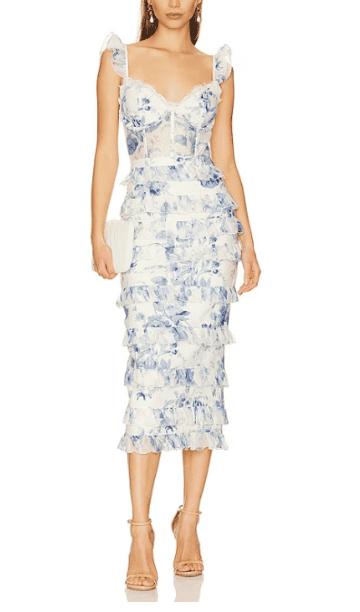
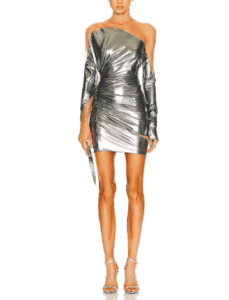
Kristin Cavallari looked chic af in her white leather mini dress. The stock of her exact dress is pretttttty slim. But we of course have some Style Stealers below that have a bit more Variety so you can look chic af too.

Sincerely Stylish,

Jess


Kristin Cavallari's White Leather Mini Dress

Photo: @kristincavallari


Style Stealers


Originally posted at: Kristin Cavallari’s White Leather Mini Dress

Read More

5 Ways to Be Gentle with Yourself When Dealing with Parent-Adult Child Estrangement

parent adult child estrangement

Parent-adult child estrangement is a complex and deeply challenging experience. It can be overwhelming, leaving parents with feelings of guilt, shame, and grief. This article offers guidance on navigating this painful journey, emphasizing the importance of self-care, setting boundaries, seeking support, and embracing personal growth. Healing takes time, and being gentle with yourself is essential to find peace and build a brighter future.

Acknowledge and Accept Your Emotions

When facing parent-adult child estrangement, it’s essential to acknowledge and accept the various emotions. Feel sadness, anger, confusion, or even relief without judgment. Remember that these emotions are natural reactions to a challenging situation.

Avoid suppressing or invalidating your feelings, as doing so may impede your healing process. Instead, create a safe space where you can honestly explore and express your emotions through journaling, therapy, or confiding in a trusted friend. Remember, your feelings are valid; accepting them is the first step towards self-compassion.

Practice Self-Care

Taking care of your well-being is crucial during parent-adult child estrangement. Nurture yourself physically, emotionally, and mentally by engaging in activities that bring you joy and solace. Prioritize self-care routines that promote relaxation and healing. Create a haven within your daily life filled with self-compassionate practices that rejuvenate your spirit.

Remember, self-care isn’t selfish; it’s a necessary act of self-preservation during challenging times. Prioritize your physical health by getting enough sleep, maintaining a balanced diet, and exercising regularly.

Nourish your emotional well-being by allowing yourself to feel and process your emotions without judgment, seeking support from positive relationships, and engaging in uplifting activities. Practice mindfulness and meditation to cultivate inner peace and self-awareness.

Engage in activities that bring you joy and make you feel alive. Connect with nature to gain perspective and find solace. Remember, by prioritizing self-care, you can replenish your energy, build resilience, and foster self-compassion, ultimately creating a foundation for healing and rebuilding your life.

Set Healthy Boundaries

Establishing healthy boundaries is crucial when dealing with parent-adult child estrangement. Boundaries protect your emotional well-being and maintain a sense of self. Identifying what you’re comfortable with and communicating those boundaries to others is okay.

Limiting or cutting off contact is okay for your healing process. Remember, setting boundaries is not a rejection of love; it’s an essential act of self-protection and self-respect. Surround yourself with individuals who respect your need for space.

Seek Support

Dealing with estrangement can feel isolating but remember that you don’t have to face it alone. Seek support from friends, support groups, therapists, or estrangement specialists who can provide a safe and non-judgmental space to express your emotions and guide you to move forward.

For those who have gone through similar situations, consider professional help navigating complex emotions associated with estrangement. Therapists can provide guidance and assist in developing healthy coping mechanisms.

Embrace Personal Growth

Parent-adult child estrangement can be an opportunity for personal growth and self-discovery. Engage in activities that promote self-improvement, such as reading self-help books and attending workshops. Channel your energy into personal growth, focusing on healing, forgiveness, and rebuilding your life on your terms.

Conclusion

Parent-adult child estrangement is an emotionally challenging experience, but it does not define you or determine your self-worth. You can navigate this journey with gentleness and resilience by practicing self-compassion, prioritizing self-care, setting healthy boundaries, seeking support, and embracing personal growth.

Healing takes time, and every individual’s journey is unique. Always allow yourself to feel and process your emotions, seeking support when needed. Take deliberate steps to care for your well-being and establish boundaries that protect your emotional health. Embrace personal growth opportunities and use this time to rediscover your true self.

And above all, remember that you are not alone. Many others have walked this path before you, and support networks exist to help you through this challenging time. Reach out to trusted friends, join support groups, and consider seeking guidance from therapists or counselors who specialize in family estrangement.

Take each day as it comes and know that the presence or absence of a parent-child relationship does not define your worth as an individual. Focus on your well-being, growth, and happiness. Being gentle with yourself can create a fulfilling life and help you find peace, regardless of the circumstances.

Let’s Have a Conversation:

What practices help you to be kinder to yourself? What resources can you share with others that have helped you on your estrangement journey?

Read More

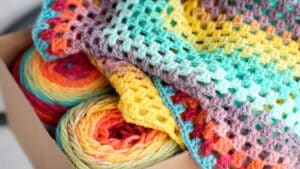
Crocheting a Blanket for Beginners

crochet a blanket beginners

If you’re starting out with crochet and want to make something simple, a blanket is a great way to go. Crocheting a blanket isn’t difficult and will allow you to practice basic techniques. Whether this will be your first project or you’ve already completed a few basic projects, here’s everything you need to know about crocheting a blanket for beginners.

Materials You’ll Need

One of the great things about crocheting a blanket is that it doesn’t require a lot of supplies. The materials you’ll need include the following:

Yarn

Any type of yarn works, but acrylic is ideal for beginners. It is easy to work with and less prone to breakage than other types. It’s also one of the least costly options. You’ll need to purchase enough yardage for your project, plus about 20% extra for mistakes. If you plan to add a border, you’ll also need extra yarn for that.

Crochet Hook (or “Hook”)

This is the tool you’ll use to make stitches while crocheting. Hooks come in various sizes. We’ll discuss choosing the right one for your project later in this article.

Scissors

When you finish the project, you’ll need scissors to cut your yarn. If using more than one color for your blanket, you’ll also need to cut the yarn between colors.

Tapestry Needle

You will need a tapestry needle to weave in yarn tails after finishing a project. You’ll have a yarn tail at the end of your blanket, plus tails anywhere you change colors or add another skein of yarn. In more complex patterns, tapestry needles are handy for adding embellishments and stitching pieces together.

Selecting Your Yarn

When first learning how to crochet a blanket, choosing the right yarn is important. Most patterns indicate what type of yarn to use, but knowing how to select yarn yourself allows for greater flexibility.

Yarn comes in many different weights and textures, with the weight referring to how thick it is. Each weight has a number ranging from 0 to 7, with 0 being the thinnest.

0. Lace Weight

Lace weight yarn is the finest and lightest of all weights. Often used for delicate projects, it creates intricate and lacy designs. When crocheting a blanket with lace-weight yarn, you can hold multiple strands and crochet them together for an elegant, detailed look.

1. Super Fine Weight

Also known as fingering or sock weight yarn, super fine yarn is slightly thicker than lace weight. It produces lightweight and dainty blankets that are perfect for babies or those seeking a more lightweight and breathable option. Fingering weight yarn is also great for creating detailed stitch work and patterns.

2. Fine Weight

Also known as sport weight, fine yarn is a versatile choice for crocheting blankets. It falls between fingering and DK (double knitting) weight and creates a slightly thicker and more substantial fabric. This weight balances warmth and drape, making it ideal for a vast range of projects.

3. Light Weight

Light yarn is also called double knit or DK yarn. It creates a drapey fabric that works up quickly and provides more warmth than lighter yarns.

4. Medium Weight

Medium-weight yarn is referred to as worsted or aran-weight yarn and is one of the most popular choices for crocheting blankets. It offers a nice balance between being thick enough to create a cozy blanket and not too heavy.

Worsted weight blankets are warm, durable, and work up relatively quickly, making them ideal for both beginners and experienced crocheters. This yarn is also suitable for accessories and garments.

5. Bulky Weight

Bulky weight yarn is perfect for those who want a quick and chunky crochet blanket. It works up rapidly due to its thickness and creates a thick, plush fabric that provides excellent warmth and coziness.

6. Super Bulky Weight

If you want to create a statement piece or finish a blanket in record time, super bulky weight yarn is your go-to option. It’s the thickest yarn weight available, allowing you to crochet an incredibly soft, warm, and inviting blanket. Due to its thickness, it can create beautifully textured stitches.

7. Jumbo Weight

The heaviest weight, jumbo yarn is super thick and used for large-stitch projects like arm crochet or knitting. It works up quickly but is challenging to work with due to its bulkiness and weight.

Yarn is also made from a wide range of materials. Acrylic yarn is ideal for beginners because it is affordable, widely available, and easy to work with. It is also water-resistant and machine-washable, making it an excellent choice for blankets. Cotton is another good option because it holds its shape well after washing.

Regular wool yarn is a popular choice, as well. However, some wool yarns are too scratchy to make comfortable blankets. I recommend feeling the yarn beforehand if you’d like to crochet a wool blanket. And, of course, wool shrinks when exposed to warm water or high temperatures, making wool less than ideal for baby blankets and afghans you plan to use frequently.

To make something a bit more luxurious, try alpaca or angora yarn. It’s super cozy but remember it may shrink or unravel in your washing machine or dryer.

Deciding What Size Crochet Hook to Use

Crochet hooks come in several sizes, from very small to very large and are made from several materials, including metal, plastic, and wood. Metal hooks tend to be more expensive than plastic ones as they are stronger, but they also weigh more and may cause hand fatigue if used for long periods of time (such as when making an afghan).

Plastic is lighter but won’t last as long as metal or wood because it’s less durable. Many crocheters like wood or bamboo hooks because they are lightweight and easy to use.

The hook size you need for a particular project depends on what you make, how tightly you crochet, and what type of yarn you use. Smaller hooks work well for small projects, but larger ones are usually better for blankets. Yarn labels list recommended crochet hook sizes to help you find a suitable option.

Choosing Which Crochet Stitch(es) to Use

I recommend starting with one or two basic stitches as a beginner. Once you get more comfortable with them and gain confidence, you can try more advanced patterns and techniques.

Keep in mind that “basic” doesn’t have to mean “boring.” You can make all sorts of lovely crochets with just a few simple stitches. Feel free to do your entire first blanket in single crochet, or try a simple – yet more detailed – option like blanket stitch, which only requires single and double crochet stitches.

When you use a pattern, it will tell you what stitches to use. If the stitches appear complicated and you’re still mastering the basics, feel free to find a simpler pattern. Your first blanket should be fun – not frustrating!

Easy Crochet Blanket Patterns for Beginners

If you’re looking for easy crochet blanket patterns, you will find plenty out there. Some of the best places to find crochet blanket patterns for beginners include:

You can also find blanket patterns by searching for “beginner crochet blanket pattern” or “easy crochet blanket pattern” on Google. If you’re specifically looking for free patterns, add that to your search query.

Here are a few free and easy crochet blanket patterns to try:

READ ALSO: 7 EASY CROCHET PATTERNS FOR BEGINNERS

How to Crochet a Simple Blanket

Not ready to tackle working from a pattern yet? No problem! You can crochet a blanket using basic stitches like single, half double, and double crochet. Here’s how to get started:

  1. Choose a worsted-weight acrylic yarn in a color that’s not too dark or too light. You also need a size I/9 (5.5mm) crochet hook.
  2. Decide what stitch to use. Double crochet stitches work up quickly, but single and half double stitches work well, too.
  3. Begin your project by crocheting a chain that is as long as you’d like the finished blanket to be wide. For a baby blanket, you’ll need around 100 to 150 chains. You’ll need 150 to 200 chains for a small throw blanket. You can, of course, go larger, but starting small is usually best for beginners.
  4. Crochet the first row using your chosen stitch. If you need help learning how to do the stitch, search for a step-by-step crochet tutorial on YouTube.
  5. Work back and forth in rows until you reach the desired length.
  6. Cut the yarn leaving a long tail, and weave in the loose ends using a tapestry needle.

Congratulations! You Just Crocheted Your First Blanket!

Crocheting a blanket is a rewarding and fulfilling journey for beginners. With the right tools, materials, and a willingness to learn, you can create a cozy masterpiece to cherish for years. Remember to start with simple stitches and gradually challenge yourself as you gain confidence. Embrace the process, enjoy the rhythmic motions of your hook, and let your creativity shine. Happy crocheting!

Let’s Have a Conversation:

How did crocheting your first blanket go? Which basic stitch is your favorite? Please share your thoughts in the comments below.

Read More

Ariana Madix Green Zebra Print Short Set

Ariana Madix Green Zebra Print Short Set / Instagram Fashion June 2023

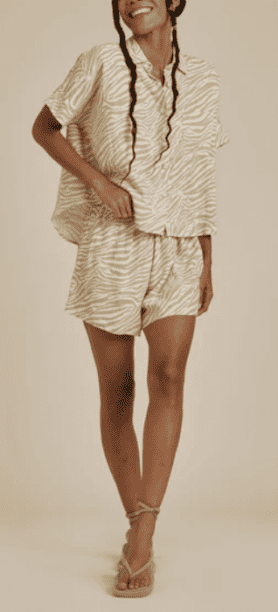
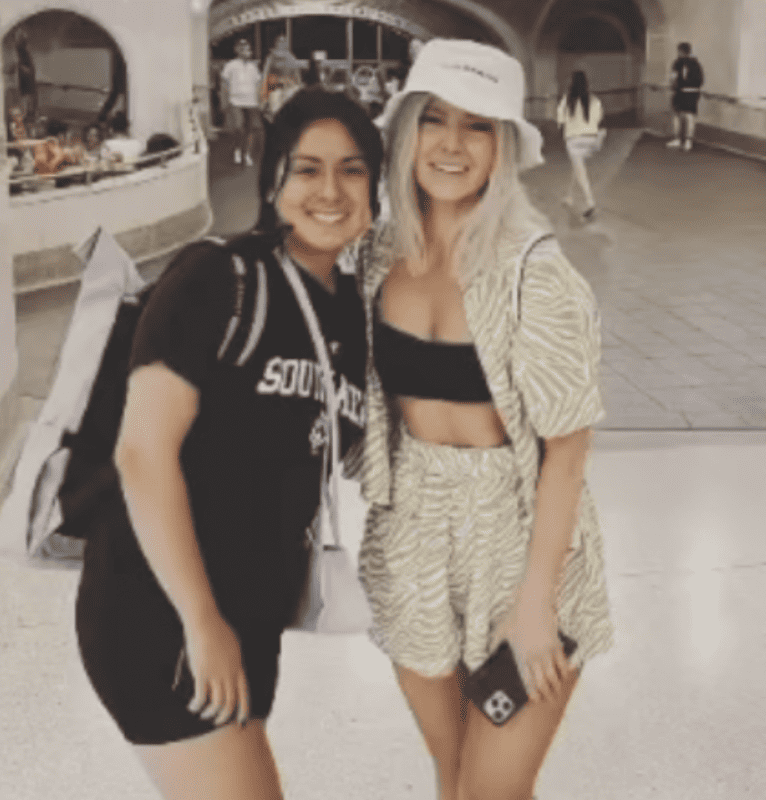
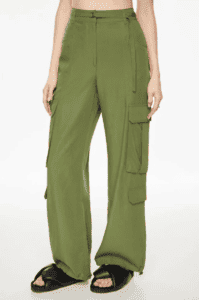
Ariana Madix posed to take a picture with a fan wearing an adorable green zebra print shirt and shorts set. Just when we thought we couldn’t love the Pump Princess any more, she goes and wears a perfect for summer look that costs under $100! And since once this news comes out we have a feeling the set will be as in demand as Ariana herself, we highly suggest you scroll and scoop up her look ASAP.

Best in Blonde,

Amanda


Ariana Madix Green Zebra Print Short Set Instagram

Photo: @dorisalvaxo


Style Stealers


Originally posted at: Ariana Madix Green Zebra Print Short Set

Read More