Month: November 2023

Reducing Stress in Your 60s: Capturing a Moment of Rest Through Music

Reducing-Stress-in-Your-60s

Have you ever been so tired that a stop light seemed like a blessing? You close your eyes for just a second and take a deep breath, trying to catch a wisp of the tiniest second – or maybe third wind?

Years ago, when I was starting a school, I had day after day with little rest. My mind was packed with to-do lists, problems to be solved and papers to sign. I would wake in the night, panicked that I had not signed the right papers or that children were unattended.

My mind would frantically try to remember what papers I needed to sign. Sometimes I would even get up and walk into the hallway of our home, sure I needed to do something.

My best friend finally solved the ‘sign the papers panic’ by advising me to leave a note on my bedside table that said, “The papers are signed.” It worked. She’s brilliant.

Red Light, Green Light

During those difficult years, I would relish even that red light telling me to stop. I would close my eyes and take a deep breath. Believe it or not, I got good at knowing how long a stop light would last before changing color.

Other times, I would give myself one extra minute standing under the hot shower. I would say to myself, “You can have this one minute. Your day will still be OK if you take just this one extra minute for yourself.”

An even better strategy I developed was the rest I ‘claimed’ while listening to music. I would often have some music playing while I worked at home or in my office. If a song came on that I truly loved, I would give myself the length of the song to rest.

I would close my eyes and just listen. Most songs are about two minutes and fourty seconds. I chose to be grateful for even that amount of time during my day when I could relax, rest and renew.

Seem crazy? Well it worked. I still didn’t get enough sleep. But those moments of rest sustained me. I would look forward to them and knowing I could grab them here and there gave me something to hold on to and helped me get by.

When Rest and Relaxation Is Difficult

Now imagine that you have Alzheimer’s. Your days and nights may give you ample opportunity for sleep. But the confusion in your mind, your new reality of uncertainty and memory loss make deep rest and relaxation difficult.

Then you hear a song you love. It triggers feelings and memories. The song ‘takes over’ for a short while. You don’t have to work at figuring out where you are or what you are doing. The song fills in the blanks.

The music lets you rest.

Can you imagine how wonderful that might feel? What a gift.

November Is Alzheimer’s Awareness Month and National Family Caregiver Month

I have seen first-hand the power of music to lift spirits, soothe, awaken memories and bring joy – for both people living with Alzheimer’s and for their care partners. I see the impact daily in my work, where I specialize in providing music experiences for people living with dementia.

Simply listening to music decreases cortisol, our ‘stress hormone,’ and increases dopamine, our ‘happiness hormone.’

For people with dementia, research is showing that music can literally reduce the use of pharmaceutical interventions – so fraught with side effects and yet commonly prescribed for agitation related to dementia.

If you care for someone who is living with Alzheimer’s, you know that days are made up of moments. I feel confident in saying that you are also familiar with a high level of fatigue and stress.

Just as my favorite songs gave me precious moments of rest that sustained me when I was super busy, I believe music can do the same for people living with dementia and for their care partners.

A few moments of rest by song may not seem like much. It’s not a cure for lack of sleep. And it certainly won’t cure Alzheimer’s. But sometimes all we get are moments. A stop light that turns red. An extra minute in the shower. Two minutes and fourty seconds of a song.

Moments of rest. We can claim them through music. For ourselves and for others.

How about giving it a try. Trust me – it’s a lot better than trying to sleep at a stop light.

Let’s Have a Conversation:

Can you find a few favorite songs to claim some precious moments of rest? Can you find a few favorite songs to give a moment of rest to a loved one living with Alzheimer’s? Please share your favorite song and how it makes you feel.

Read More

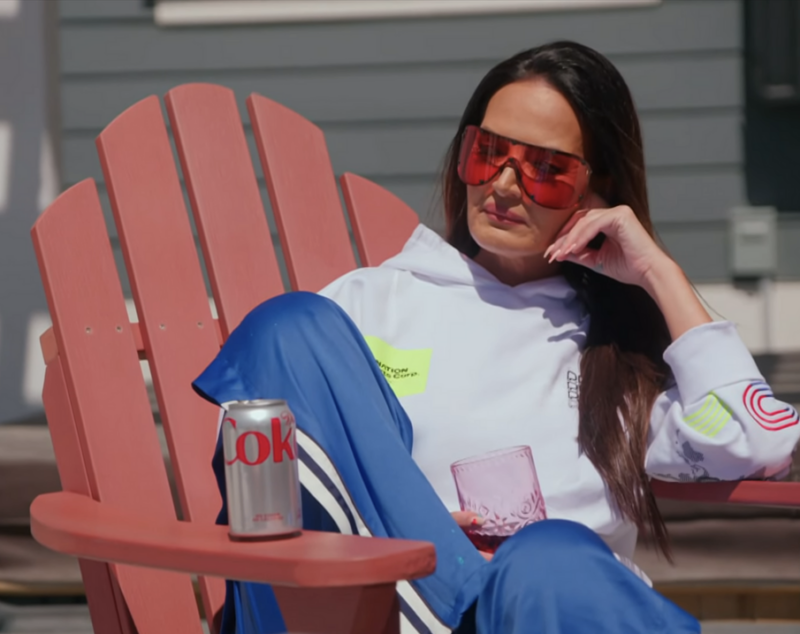
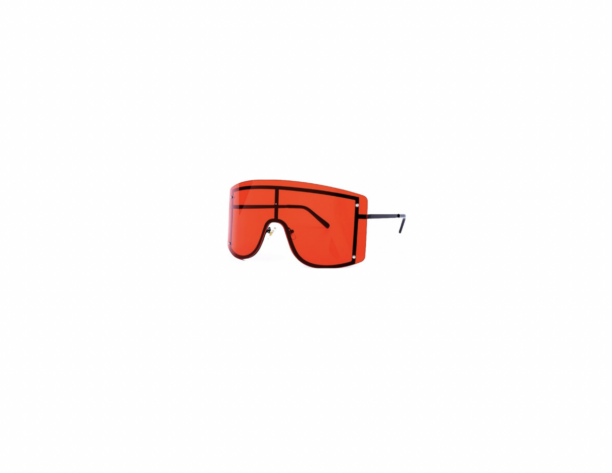
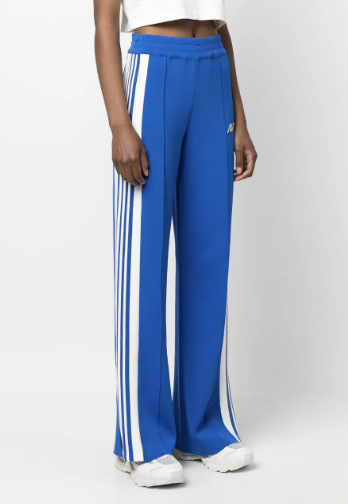
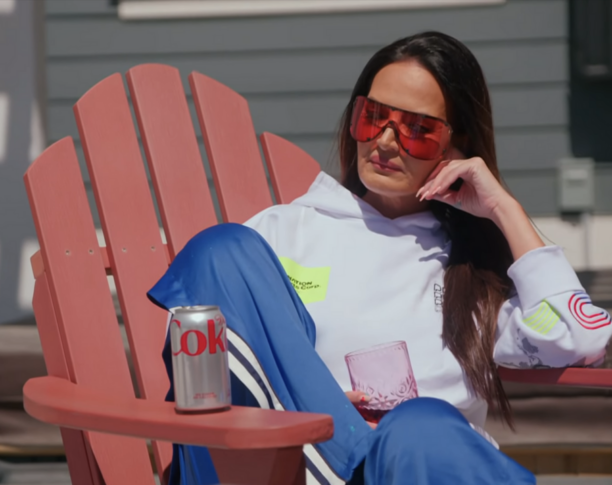
Lisa Barlow’s White Graphic Sweatshirt and Blue Pants

Lisa Barlow’s White Graphic Sweatshirt and Blue Pants / Real Housewives of Salt Lake City Season 4 Episode 9 Fashion

Lisa Barlow always keeps a Diet Coke within arms reach, much like me and my Dunkin’ Donuts iced coffee. That caffeine kick seems to be an everyday essential for both of us. Just like Lisa’s laid-back style on tonight’s episode of Real Housewives of Salt Lake City.

Her white sweatshirt is flying off the shelves, so grab it before it’s gone. The good news is that her blue pants are available in a variety of sizes, so you can scoop them up in a snap.

Best In Blonde,

Amanda


Lisa Barlow's White Graphic Sweatshirt and Blue Pants


Originally posted at: Lisa Barlow’s White Graphic Sweatshirt and Blue Pants

Read More
These 5 Nonfiction Books Answer Many Health Questions

nonfiction books on aging

I am excited to share my thoughts about each of my current must read nonfiction books. Yes, you read that right – I am excited about nonfiction books.

I think we are living in a fascinating time where scientific research is helping humans understand aging better than ever before. Whether you choose to do anything with your newfound knowledge, I assure you that you have a very good chance of feeling good about understanding the aging process a little bit better.

Breath by James Nestor

Journalist James Nestor covered a story on free divers and became fascinated by their breathing technique. As he investigated the benefits of breathing practices, he was met by the paradox that pulmonologists, for the most part, are not particular with how one intakes air. Their job is centered around what happens in the lungs.

Nestor started researching the healthful benefits of paying attention to HOW we breathe. As a result, he was taken on a personal journey, as well as a research journey, into the rich history and new science around breathing.

The book reads in part like a novel and in part like a travelogue (and only a little bit like a research paper). Recent scientific advances show us the benefits of nose breathing while Nestor explains the history of mankind forgetting what they knew about breath during ancient times.

We can benefit from his well-written book, which explains how breathing is a forgotten preventative practice for chronic conditions rather than acute illness. He concludes that breathing is a key input alongside diet and exercise as preventative medicine for healthy aging.

Lifespan by David A. Sinclair, Ph.D.

Even the subtitle is interesting: The revolutionary science of why we age – and why we don’t have to.

A Harvard Professor, Sinclair has spent 30 years searching for truths about human biology. He is a professor in the Department of Genetics and the co-director of the Paul F. Glenn Center for Biological Mechanisms of Aging.

Sinclair is one of the most cited researchers in his field and is cofounder of the journal Aging. He describes his research at a level of detail that may have you speed reading through a few chapters, but it is worth the effort.

He tries to provide practical suggestions for public policy as well as detailing his personal “what I do” list. In Lifespan, he has identified the diet, exercise, and supplement routine that works for him. But he honestly shares that it is not a proven recipe, it is his researcher’s best guess.

In the end, you may discover a couple of new ideas, but for the most part, the book underlines the importance of the healthy lifestyle choices we already know about.

The End of Alzheimer’s by Dale Bredesen

The tag line for this book is “The first programme to prevent and reverse the cognitive decline of dementia.”

Bredesen begins the book by telling us that Alzheimer’s is not the result of the brain doing something it is not supposed to do, like cancer. Instead, it arises from an intrinsic and healthy downsizing program for your brain’s extensive synaptic network.

Essentially, it is a program that has run amok. Alzheimer’s is the result of otherwise normal brain housekeeping gone haywire.

His book is not a scientific research paper but rather a step by step manual for preventing and reversing cognitive decline from Alzheimer’s or precursors. Bredesen does distinguish between three types of Alzheimer’s and explains them each with some scientific detail, but you can skip the detail if you choose.

His suggestions for blood work are extensive. He lists 36 metabolic factors affecting your future and details his proven regime to rebalance them. It is fascinating to read although the amount of information can be a bit overwhelming.

The XX Brain by Lisa Mosconi, Ph.D.

Dr. Mosconi is an Alzheimer’s researcher and advocate for women having access to information regarding what is going on in their bodies and brains. She gives women a roadmap for the path to optimal, lifelong bone health.

Her book outlines strategies to enhance mental acuity, memory, and cognitive skills as well as to reduce the risk of Alzheimer’s specifically in women. She also addresses common post-menopausal issues such as depression, anxiety, stress, and insomnia along with hormonal imbalances, diabetes, obesity ,and heart disease.

Mosconi is taking on a huge spectrum of issues and suggesting that we get some key diagnostics and then take charge of our brain health and minimize risks. She states that when she started working in the field of Alzheimer’s research she never thought she would be researching hormonal change.

A great part of the book discusses the impact of menopause and hormone changes on the brain. The good news is that she is not laser focused on estrogen replacement as “the” answer. Her suggested list of diagnostic tests and solutions is long and takes a good deal of patience to read through.

By page 149, she turns her attention to food, stress, and exercise. The suggestions are consistent with other researchers! In the end, her lifestyle suggestions are similar to the other books. I think it is a good book that has much in common with Breseden and Sinclair’s work.

Why We Sleep by Matthew Walker

Walker, the director of UC Berkeley’s Center for Human Sleep Science, explains how neglecting sleep undercuts your creativity, problem-solving, decision-making, learning, memory, heart health, brain health, mental health, emotional well-being, immune system, and even your lifespan.

Walker’s Main Points

Almost everyone really does need 7 to 8 hours of sleep. “That older adults simply need less sleep is a myth. Older adults appear to need just as much sleep as they do in midlife, but are simply less able to generate that still necessary sleep.” (p.95)

Sleeping is when we restock the “armory” of our immune system. It helps fight malignancy and prevents infection. Walker points out that “it means that elderly individuals fail to connect their deterioration in health with their deterioration in sleep, despite casual links between the two having been known to scientists for many decades.” (p.96)

Walker’s Recommendations for Improving Sleep Hygiene

Reduce exposure to blue light, particularly at night. Sleep in a cool room (65 degrees). Limit alcohol. Take naps if you can, but not after 3pm.

I enjoyed this book. Walker tends to use dramatic claims such as lack of sleep over a lifetime contributes to Alzheimer’s. He does not have scientific studies to support his claim, merely anecdotal evidence. But, he does get our attention!

What I Did After Reading These Books

I realized that I already have a breathing technique. I actually found that it is my superpower on the tennis court. If I find myself winded, I concentrate on nose breathing, and I come back to normal much faster than ever before!

For me personally, I am no longer worried about the random hand of fate delivering up Alzheimer’s to me. I changed my gut health and my nutrition when I was diagnosed with osteoporosis, and I feel as though eating for health is similar whatever the condition one is working on reversing. Also, I started supplementing with vitamin B and Omega 3’s.

As I was reading The XX Brain, I carefully went through chapter 6 with my own General Practitioner. I feel at ease about my health and my plans to age gracefully. I did not decide on brain imaging because all the signs are good. But I would have done it if we had noticed any red flags.

Matthew Walker’s book may have had the biggest impact on me because menopause came with a lot of sleep difficulties. I have gotten quite serious about sleep hygiene, and I am sleeping much better now!

Read more about SLEEP HYGIENE: A HEALTHY BEGINNING TO YOUR DAY.

Let’s Have a Conversation:

Are you happy with your breathing? Have you thought about improving your technique? What are you planning to change in your lifestyle to make it healthier? Have you had sleep issues since menopause? How did you solve them? Please share with our community! Also, if you have your own nonfiction recommendations, please list them below!

Read More
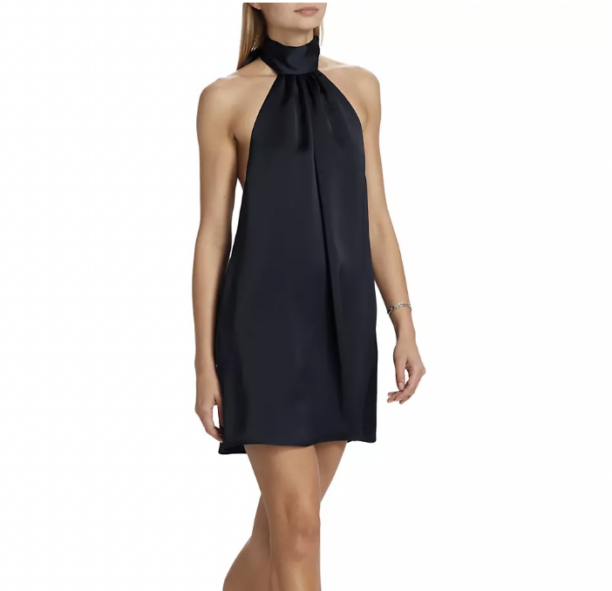
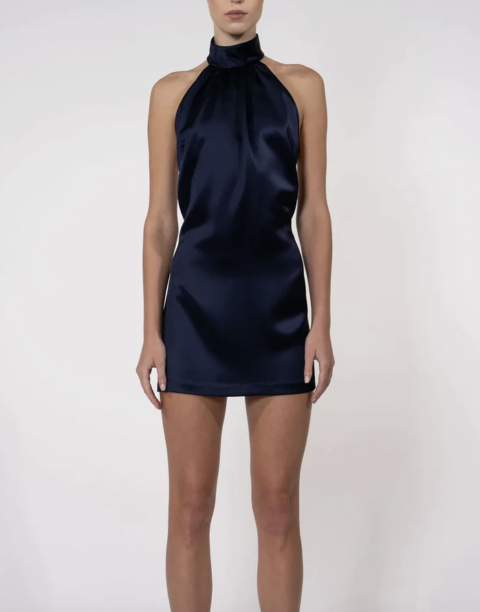
Whitney Rose’s Navy Silk Asymmetric Mini Dress

Whitney Rose’s Navy Silk Asymmetric Mini Dress / Real Housewives of Salt Lake City Season 4 Episode 9 Fashion

When Whitney Rose excitedly tells us to whip out our cards post-sound bath in tonight’s previews, I was all in! Just like i am with her navy silk asymmetric mini dress. With her mock neck, curled hair, and champagne, she totally owned it. Asymmetry is my style secret to level things up, so let’s toast to the dress being in stock with multiple colors to choose from! 🥂

Best in Blonde,

Amanda


Whitney Rose's Navy Silk Asymmetric Mini Dress

Style Stealers


Originally posted at: Whitney Rose’s Navy Silk Asymmetric Mini Dress

Read More