
Month: November 2023

Easy Dinner Recipes That Can Last a Second or Third Day

Easy-Dinner-Recipes

A favorite issue among retirees today is the difficulty of cooking for just two people. For the most part, I find it easy to cook for two, maybe because my husband is a big eater. He is not fat though – I just serve a ton of veggies, and he eats everything.

During the day I spend several hours marketing my book, painting any tote bag orders that may have come in, and of course, the house always needs something cleaned. I intersperse my days with lunches with friends and spending time with my husband.

I wrap up my days at 4 pm and get most of the dinner fixed at around 4:30 pm. That’s when we sit down and have a glass of wine, listen to music or maybe the news, but lately, not so much.

Cooking Ahead

We never have ‘leftovers’ in our house, but I do cook for two to three meals in advance: for the next night’s dinner and perhaps to put one portion in the freezer for future eating. I cook this way mainly in the fall and winter when we are not grilling on the barbecue as much.

I love when we have a meal the second night as it feels like someone came in and left dinner for me to just warm up. I know crockpots are famous for cooking ahead, and I am seriously thinking about using mine this winter. I have never been a true fan of slow cooking, but I may change.

My Favorite Easy Dinner

I have several dishes that seem to stretch for two to three meals. We even enjoy a special salad that keeps for several days. Imagine having your entire meal ready when it is time to eat. I will share with you my very simple eggplant casserole and salad.

To boot, this casserole costs so little, and nowadays, with the constantly rising food prices, it is a blessing when we can save some money.

Best Salad Ever* (enough for at least 3 dinners)

Ingredients

2 cucumbers, peeled and sliced thin

3 Roma tomatoes, cut up in small pieces

1/2 of small sweet onion, cut up in small pieces

1 large can of black olives, sliced in half

1 sweet red pepper, cut in small pieces

4 marinated artichoke hearts (optional), cut in half

Salad Dressing

1/2 cup of olive oil

1/4 cup of cider vinegar

2 tablespoons of water

1 tablespoon each of oregano, basil, thyme, garlic powder

salt and pepper to taste

Directions

  • Mix all the salad ingredients in a large bowl.
  • Blend the dressing ingredients in small bowl and transfer to a bottle with lid.
  • Pour desired amount of dressing on the salad and chill until ready to use.

*This salad tastes better every day

Easy Eggplant Casserole

Ingredients

1 large can of tomato sauce

3 tablespoons each of oregano, basil, thyme, garlic powder

1 teaspoon of red pepper flakes (optional)

Salt and pepper to your taste

1/4 cup of olive oil

1 medium eggplant

2 cups of grated mozzarella cheese (you may like more or less cheese)

4 fresh Roma tomatoes

1 large onion

1 cup of sliced fresh mushrooms

Directions

  • Put the tomato sauce in a pan with all spices and cook for about 15 minutes. You can start this while you are preparing the ingredients.
  • Pour a thin layer of olive oil on the bottom of the pan.
  • Slice the eggplant in 1/2 inch slices and score the tops.
  • Put a layer of eggplant on the bottom of the baking dish.
  • Add half of the grated cheese and spread to cover all the eggplant.
  • Slice the tomatoes and add them on top of the cheese.
  • Add the onions on top of the tomatoes.
  • Add the sliced mushrooms.
  • Pour the tomato sauce over the mushrooms.
  • Add a layer of mozzarella.
  • Bake in the oven at 350 degrees for about 1.5 hours.

Please note that this eggplant casserole recipe is very forgiving, and it is almost impossible to be unsuccessful. Add different or more seasonings, more tomatoes or more onions and mushrooms.

Let’s Have a Conversation:

Do you have a favorite quick meal that lasts for a second day? What do you do with your ‘leftovers?’ Please join the conversation below.

Read More

From Page to Place – 10 Literary Landmarks to Visit for Women over 50

literary landmarks worth visiting

Many classic novels are set against the backdrop of real-world landmarks, and visiting these places can bring those beloved stories to life. Here are 10 literary landmarks that should be on the bucket list of every classic book lover.

  1. Pride and Prejudice by Jane AustenChatsworth House, Derbyshire, England –Chatsworth House is believed to have served as the inspiration for Mr. Darcy’s estate, Pemberley. The magnificent estate and its grand house are mentioned in the novel.
  2. Moby-Dick by Herman Melville Nantucket, Massachusetts The island of Nantucket is where the journey of the Pequod begins in the novel. It’s the setting for much of the early part of the story.
  3. The Hunchback of Notre-Dame by Victor Hugo Notre-Dame Cathedral, Paris, France The iconic Notre-Dame Cathedral is central to Hugo’s novel, serving as the location for much of the action and playing a significant role in the plot.
  4. The Great Gatsby by F. Scott Fitzgerald The North Shore of Long Island, New York The novel is set on Long Island, with the fictional towns of West Egg and East Egg representing different aspects of the American Dream. The grand mansions of the North Shore, such as Oheka Castle, are reflective of the opulence of the era.
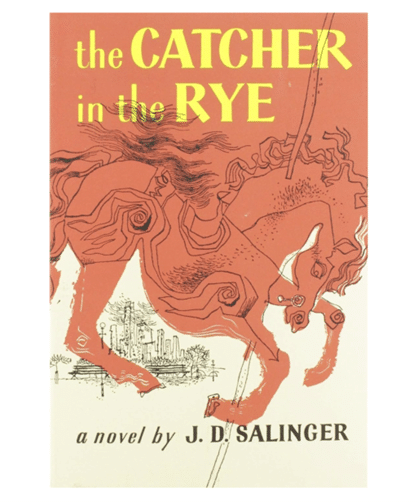
  5. The Catcher in the Rye by J.D. Salinger Central Park, New York City Central Park is where Holden Caulfield spends time during his adventures in New York. It’s a recurring location in the novel.
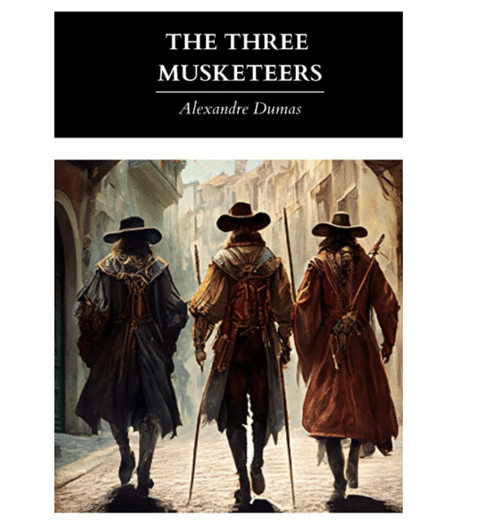
  6. The Three Musketeers by Alexandre Dumas Palais-Royal, Paris, France The Palais-Royal in Paris is where the musketeers often meet in Dumas’ novel. It serves as a central location for their intrigues and adventures.
  7. Dracula by Bram Stoker Bran Castle, Romania While the actual connection between Bram Stoker’s novel and Bran Castle is debated, this Romanian fortress is often associated with Dracula’s castle in popular culture.
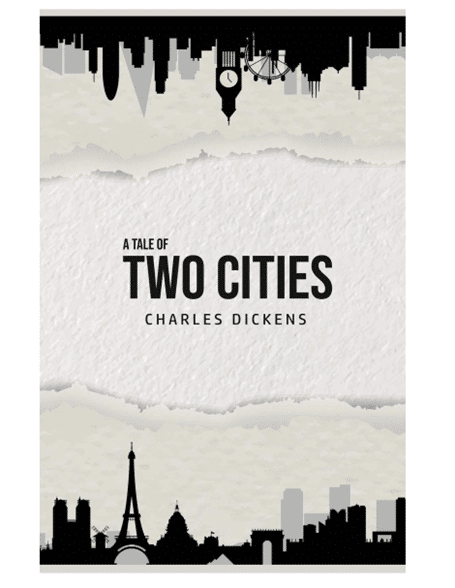
  8. A Tale of Two Cities by Charles Dickens Paris and London The novel is set in both Paris and London, with significant events taking place in landmarks like the Bastille in Paris and the Old Bailey in London.
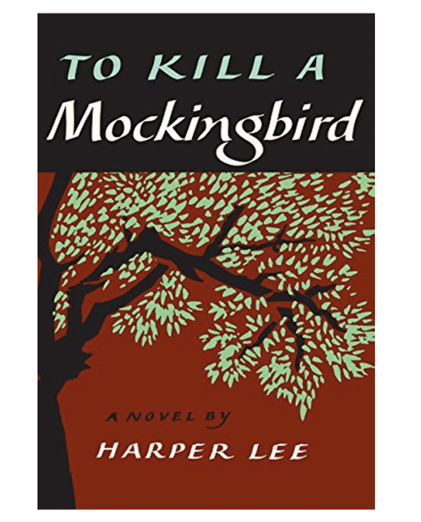
  9. To Kill a Mockingbird by Harper Lee Monroeville, Alabama The fictional town of Maycomb, where the novel is set, is inspired by Monroeville, Lee’s hometown. The Monroe County Courthouse is often associated with the book.
  10. The Adventures of Sherlock Holmes by Arthur Conan Doyle 221B Baker Street, London, England – The address of Sherlock Holmes’ famous apartment is a well-known landmark for fans of the detective series.

These classic literary works and their associated landmarks offer readers a chance to connect with the stories on a deeper level by visiting the places that inspired or were featured in the novels.

Literature has the power to transport us to different times and places, and these literary landmarks offer a unique opportunity for you to connect with the stories that have enriched your life. So, pack your bags, grab your favorite book, and go on a journey from the page to these remarkable places where literature comes to life.

How to Prepare for a Literary Landmark Journey

Going on a literary travel journey can be a truly enriching experience, allowing you to immerse yourself in the worlds of your favorite books and authors. Before you set off on your adventure, consider these essential preparations to make the most of your literary travel experience:

Choose Your Destination

Decide which literary destination(s) you want to visit. Research locations that have significance to your favorite authors or novels. Consider factors like accessibility, cultural appeal, and personal interest.

Select Your Reading List

Create a reading list of books related to the destination. Read or re-read novels set in or inspired by the place you plan to visit. This will help you appreciate the literary connections more deeply.

Research the Author and their Work

Familiarize yourself with the author’s life, writing style, and the specific work related to your destination. Understanding the context can enhance your appreciation.

Plan Your Itinerary

Create a detailed itinerary that includes literary sites, museums, bookstores, and other relevant places you want to visit. Make sure to allocate enough time at each location to fully immerse yourself.

Pack Your Books

Bring physical copies of the books you plan to read or reference during your trip. Reading in the actual setting can be a memorable experience.

Take Notes and Journal

Carry a travel journal or use a note-taking app to document your thoughts, reflections, and any interesting details you come across during your journey.

Join Literary Tours or Groups

Consider joining guided literary tours or local book clubs at your destination. These can provide valuable insights and opportunities to meet fellow book enthusiasts.

Visit Local Bookstores and Libraries

Explore local bookstores and libraries to discover books, editions, or souvenirs related to your literary interests. Engage with local bookshop owners and librarians for recommendations.

Attend Literary Events

Check if there are any literary events, book festivals, or author readings happening during your visit. Attending such events can be an excellent way to connect with the local literary scene.

Stay Open-Minded

Be open to unexpected discoveries and experiences. Literary travel is not just about following a checklist but also about embracing the serendipity of the journey.

By taking these steps, you can ensure that your literary travel journey is not only enjoyable but also deeply enriching as you connect with the books and authors that have left their mark on the destination you’re exploring.

Literary Landmarks to Put on Your List

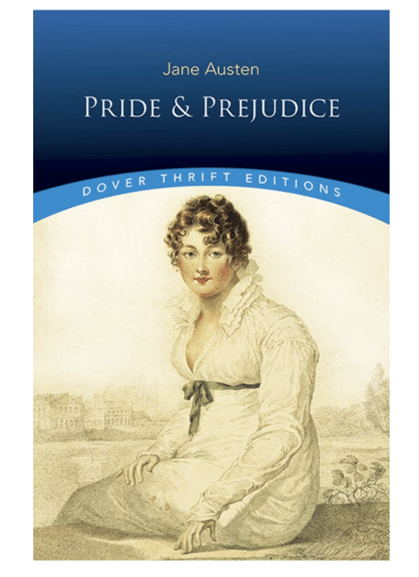
Pride and Prejudice by Jane Austen

Chatsworth House, nestled in the picturesque countryside of Derbyshire, England, is not only a stunning architectural marvel but also a place of literary significance. Believed to have served as the inspiration for Mr. Darcy’s grand estate, Pemberley, in Jane Austen’s timeless classic Pride and Prejudice, Chatsworth House holds a special place in the hearts of Austen enthusiasts.

The magnificent estate and its opulent house are mentioned in the novel as the iconic residence of the enigmatic and beloved Mr. Darcy. As you wander through Chatsworth’s meticulously landscaped gardens, admire its regal interiors, and gaze upon its breathtaking façade, it’s easy to see why Austen chose this location as the embodiment of Pemberley’s grandeur.

Visiting Chatsworth House allows you to step into the world of Elizabeth Bennet and Mr. Darcy, and perhaps even imagine yourself strolling through the gardens as they did. The estate’s historical charm and literary connections make it a must-visit landmark for literature lovers and those seeking to relive the romance of Austen’s novels in a real-world setting.

Pride and Prejudice (Dover Thrift Editions: Classic Novels)

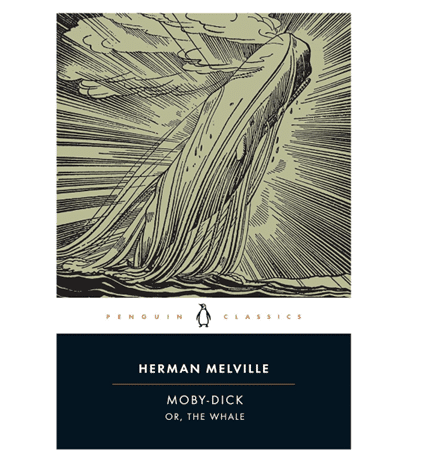
Moby-Dick by Herman Melville

Nantucket, Massachusetts, is not just a picturesque island with sandy shores and charming coastal towns; it’s also the setting for one of the most iconic and harrowing journeys in American literature. In Herman Melville’s Moby-Dick, Nantucket plays a central role as the place where the epic voyage of the whaling ship Pequod begins.

As you set foot on Nantucket’s shores, you step into the world of Captain Ahab and his crew, embarking on a quest to hunt the elusive white whale, Moby Dick. The island’s historical whaling heritage comes to life, with its quaint streets and old buildings reminiscent of the novel’s 19th-century setting.

Exploring Nantucket, you can visit the Nantucket Whaling Museum, which houses artifacts and exhibits that transport you back to the whaling era, helping you understand the context in which Melville’s story unfolds. Whether you’re a literature enthusiast or simply seeking the charm of a coastal retreat, Nantucket offers a unique opportunity to immerse yourself in the early chapters of this literary masterpiece.

Moby-Dick or, The Whale (Penguin Classics)

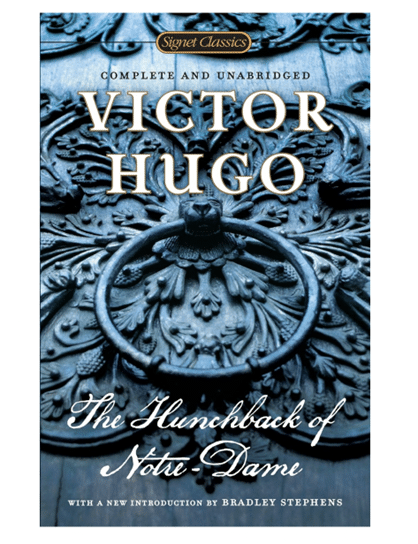
The Hunchback of Notre-Dame by Victor Hugo

The iconic Notre-Dame Cathedral in Paris, France, stands as not only a stunning architectural masterpiece but also as a central character in Victor Hugo’s timeless novel, The Hunchback of Notre-Dame. The cathedral’s Gothic splendor serves as the place for much of the novel’s action and is intricately woven into the story’s fabric.

Hugo’s vivid descriptions bring Notre-Dame to life, making it almost a living entity within the narrative. It’s where the tragic love story of Esmeralda and Quasimodo unfolds, where the archdeacon Frollo’s obsession takes root, and where the fate of the characters is sealed. The novel’s exploration of themes like love, obsession, and social injustice is interwoven with the cathedral’s grandeur and mystique.

Visiting Notre-Dame Cathedral today allows you to step into Hugo’s richly depicted world. As you admire its intricate facades, climb the iconic towers, and explore its dimly lit interior, you can’t help but feel the weight of history and literature converging. The cathedral remains a timeless testament to the enduring power of both architecture and storytelling.

The Hunchback of Notre Dame Mass Market Paperback

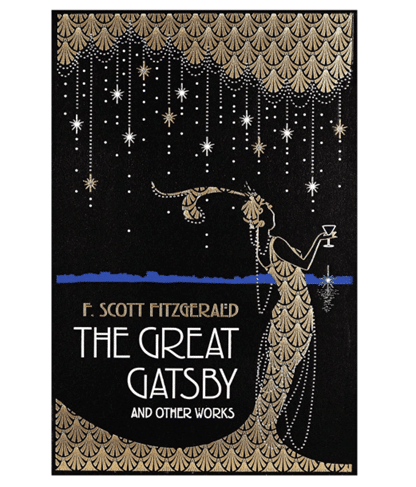
The Great Gatsby by F. Scott Fitzgerald

The North Shore of Long Island, New York, offers a glimpse into the opulent world of the Jazz Age, as immortalized by F. Scott Fitzgerald in his classic novel, The Great Gatsby. This region serves as the real-world inspiration for the fictional towns of West Egg and East Egg, which are symbolic of contrasting facets of the American Dream.

As you explore this picturesque area, you’ll encounter the remnants of an era marked by extravagance, excess, and social aspirations. The grand mansions that dot the North Shore, including the famed Oheka Castle, evoke the opulence and decadence of the 1920s. These stately homes, with their lavish gardens and ornate interiors, mirror the ostentatious lifestyles of the novel’s characters, particularly Jay Gatsby.

Wandering through the lush landscapes and along the shoreline, you can envision the lavish parties, romantic entanglements, and tragic conflicts that unfolded in Fitzgerald’s narrative. The North Shore of Long Island transports you back in time, allowing you to immerse yourself in the glitz and glamour of the Roaring Twenties while contemplating the novel’s enduring themes of wealth, ambition, and the American Dream.

The Great Gatsby and Other Works (Leather-bound Classics)

The Catcher in the Rye by J.D. Salinger

Central Park, the verdant heart of New York City, takes on special significance in J.D. Salinger’s classic novel, The Catcher in the Rye. This sprawling urban oasis serves as a symbolic refuge for the novel’s protagonist, Holden Caulfield, during his turbulent adventures in the city.

Holden’s visits to Central Park provide moments of solace and introspection as he grapples with the complexities of adolescence and the adult world. Whether he’s wandering through the park’s winding paths, contemplating the ducks in the lagoon, or observing children at play, Central Park becomes a sanctuary where he can briefly escape the phoniness and pressures of society.

Exploring Central Park today, you can walk in Holden’s footsteps and gain a deeper understanding of his quest for authenticity and his yearning to preserve innocence in a world he views as tainted. The park’s serene landscapes, iconic landmarks like Bethesda Terrace and the Central Park Zoo, and the sense of respite it offers amidst the bustling cityscape all contribute to the novel’s enduring resonance and the park’s role as a literary and cultural touchstone.

The Catcher in the Rye Hardcover

The Three Musketeers by Alexandre Dumas

The Palais-Royal in Paris, France, is not only a historic and elegant palace but also a central setting for Alexandre Dumas’ swashbuckling classic, The Three Musketeers (Les Trois Mousquetaires). This iconic landmark serves as a focal point for the novel’s thrilling intrigues and the meeting place for the valiant musketeers – Athos, Porthos, Aramis, and d’Artagnan.

As you stroll through the arcades and gardens of the Palais-Royal today, you can almost hear the clinking of swords and the passionate exchanges of the novel’s characters. The palace’s rich history and architectural splendor create an immersive experience, transporting you into the world of 17th-century France.

Within the novel, the Palais-Royal becomes a hub of political plotting, duels, and romantic courtships, mirroring the tumultuous era of Cardinal Richelieu’s France. This setting adds depth and intrigue to the adventures of D’Artagnan and his companions, making it an essential stop for literature enthusiasts seeking to immerse themselves in the timeless allure of The Three Musketeers.

The Three Musketeers: The Original 1853 Edition (Annotated)

Dracula by Bram Stoker

Bran Castle, perched dramatically in the Carpathian Mountains of Romania, is a place steeped in legend and myth, making it a captivating destination for enthusiasts of Bram Stoker’s iconic vampire tale, Dracula. While the exact historical connection between the castle and Stoker’s novel is debated, it has become inextricably linked to the fictional Count Dracula and his eerie abode in popular culture.

Exploring Bran Castle, with its imposing stone walls and turrets, transports visitors into the dark and mysterious world of Stoker’s Dracula. The castle’s labyrinthine corridors and Gothic architecture evoke the haunting atmosphere of the novel, even if the direct literary connection is tenuous.

As you tour the castle, you’ll encounter exhibits about the history of Transylvania, the real-life Vlad the Impaler, and the evolution of vampire lore. Whether or not Bran Castle is the actual inspiration for Stoker’s fictional Dracula’s Castle, it remains an atmospheric and captivating landmark for those intrigued by the intersection of literature, history, and folklore in the enduring legend of the vampire count.

Dracula: The Original 1897 Edition

A Tale of Two Cities by Charles Dickens

Charles Dickens’ A Tale of Two Cities takes readers on a gripping journey through two iconic European cities, Paris and London, against the setting of the tumultuous French Revolution. The novel’s dual locations serve as a powerful metaphor for the stark social contrasts and the themes of resurrection and sacrifice that permeate the story.

In Paris, the novel’s opening line, “It was the best of times, it was the worst of times,” reflects the stark disparities between the aristocracy and the oppressed citizens. Key landmarks like the Bastille, the notorious prison that symbolizes tyranny, and the bustling streets of revolutionary Paris, are central to the plot’s dramatic unfolding.

Meanwhile, in London, the novel contrasts the relative stability and order of the British capital with the chaos across the English Channel. The Old Bailey, where courtroom drama plays out, and the shadowy streets that conceal secrets are emblematic of London’s role in the novel.

Visiting these cities today allows readers to walk in the footsteps of Dickens’ characters and explore the rich historical and cultural tapestry that underscores this literary masterpiece. Paris and London, as depicted in A Tale of Two Cities, remain enduring symbols of contrasting worlds and the enduring human spirit in the face of adversity.

A Tale of Two Cities Hardcover

To Kill a Mockingbird by Harper Lee

Monroeville, Alabama, stands as a living testament to the literary legacy of one of America’s most beloved novels, To Kill a Mockingbird by Harper Lee. This small Southern town served as the inspiration for the fictional Maycomb, the setting for Lee’s Pulitzer Prize-winning masterpiece. The Monroe County Courthouse, with its striking neoclassical architecture, takes on a special significance in the novel.

The courthouse is where Atticus Finch, the novel’s moral compass, defends Tom Robinson, an African American man unjustly accused of a crime. This iconic landmark mirrors the courtroom scenes in the novel, where themes of racial injustice, morality, and the search for truth are explored.

Visiting Monroeville today, you can tour the Monroe County Courthouse and experience the atmosphere that inspired Harper Lee’s poignant narrative. The town also hosts the “Mockingbird Players,” a theatrical group that brings scenes from the novel to life. Monroeville’s deep connection to To Kill a Mockingbird offers a unique opportunity for literature enthusiasts to delve into the themes and characters of this timeless work while exploring the real-world place that inspired it.

To Kill a Mockingbird

The Adventures of Sherlock Holmes by Arthur Conan Doyle

221B Baker Street in London, England, is a place of pilgrimage for fans of Sir Arthur Conan Doyle’s iconic detective, Sherlock Holmes. Although 221B Baker Street is a fictional address, it has become an internationally recognized landmark due to the enduring popularity of the Sherlock Holmes stories.

The address is the location of Holmes and Dr. John Watson’s famous apartment, which serves as the scene for many of their adventures. Visitors can explore the Sherlock Holmes Museum, which is set up to resemble the interior of the fictional apartment, complete with period-appropriate furnishings and artifacts. The museum offers an immersive experience, allowing fans to step into the world of the brilliant detective.

Outside the museum, a plaque marks the spot where 221B Baker Street would have been, further cementing its status as a must-visit destination for Sherlock Holmes enthusiasts. It’s a place where fiction and reality blend, and where the enduring appeal of literature brings fans from around the world to pay homage to one of literature’s most famous detectives.

The Complete Sherlock Holmes Collection

Read HOW READING BOOKS CAN WAKE UP YOUR BRAIN AFTER 60.

Also read DO YOU NEED A WAY TO ESCAPE? TRY THESE 6 BOOKS.

Let’s Have a Conversation:

Have you read any of these literary classics? Have you visited any of these famous landmarks? Tell us about it in the comments below.

Read More

Solace for “Never to Be” Grannies

never to be grannies

Grandparents have had an outsized role in my life. No, I was not blessed with four doting “Grans.” I only had three: one disinterested grandparent who lived at the shore, and two who primarily spoke Yiddish and whose hearts were scarred by the Holocaust.

The grandparents I valued most were the four who stepped in to help raise and love my daughter, and later their non-biological grandson, after my first husband’s tragic death at the age of 30. I never imagined that I would not be a grandmother, because those people were so vital in my life. 

A Group I Didn’t Want to Join

It now appears that such a foregone conclusion will probably not come to pass. Because US Census data finds 86% of women in their childbearing years eventually have children, I find myself in a small, non-elite group of what a relative has termed, “infertile grandmothers.”

It is easy to feel the remorse of not having a new baby to hold or witness one’s family expand. There is not a natural outlet for sharing family stories, providing a legacy, or having a reference point as life marches forward.

There is a palpable sadness about loss of the opportunity to forge deep, emotional bonds with members of one’s own tribe. And it is in the word “tribe” that a wider understanding of grandparenthood emerges.

Are Humans Wired Up to Want Grandchildren?

Grandparenthood and the act of procreation are very closely aligned. Evolutionary biology finds that the interest in procreation is rooted in the human psyche. As the pandemic has vividly revealed, we are a social species. We like to gather and commune in familiar groups.

We value “belonging” in a huge way. However, there are differing opinions, both scientific and those based on social science about an innate need to procreate as parents, and later as grandparents.

What Are the Contrasting Theories?

The theory of pronatalism, which is a political idea dating back to the time of Louis XIV, promotes the value of human reproduction as an anchor to society. Religious groups such as Catholics, Haredi Jews, Mormons, the Amish, and Salafi Muslims are relevant examples. The main responsibility of their women is to procreate.

By contrast, scientific theories refute this idea, and claim that the sex drive in humans is more of a “pairing” ritual, because human infants benefit from more than one caretaker. Laura Carroll in her post on Invivomagazine.com refutes pronatalism. She describes three faulty assumptions: that it is “normal” to want to have kids, it is our “destiny,” and that having offspring is a key method for “fulfillment” in life.  

After examining the literature, I feel somewhat like a victim of society’s powerful messaging, not to mention a personal, embarrassing wish: to have a grandchild with curly blond hair and blue eyes just like my children and me.

I Did Not Create the World’s Problems

Ultimately, the decision about whether I will become a grandmother is 100% out of my control. It is up to my children. Of course, romance and financial circumstances play a role, but in the modern world, there is a multitude of compelling factors that enter into the decision to have or not have a child. Psychologists advise wannabe grandparents to avoid the subject altogether to prevent estrangement from adult children.

The Brookings Institution expects 300,000-500,000 fewer births as a result of the pandemic. Effects of the Great Recession on our economy, the high cost of having a child, and exorbitant daycare costs buffered by stagnant wages are well publicized reasons for this trend.

Climate change, the wars in Ukraine and the Middle East, and the previously unimaginable closure of schools for extended periods of time are other strong reasons for the personal choice of going childfree.

Statista reports that in the US, 60.4% of women ages 25-29 and 38.5% of women ages 30-34 are childless. Those numbers are staggering to a woman who had her first child at age 27, like so many of her peers! Medical experts suggest the prime ages for childbearing are the late 20s to early 30s. Obviously, our society is not attuned to that important biological fact.

These arguments are not offered as “sour grapes.” These are the real reasons many couples choose not to have children. There is also the issue of fertility as couples need to build significant resources before establishing a family, delaying attempts to become pregnant.

Creating a Life of Meaning

With the evidence that bringing a child into the world at this time can be a burden and a great risk, the more self-centered reasons of romanticizing babies, and seeing grandchildren as an extension of oneself seem quite trivial. The question of how a fertile or infertile grandma can find meaning in her own life will always be a key dimension of retirement in all circumstances.

The Voluntary Human Extinction Movement has many suggestions which it offers to young adults to encourage a childfree life. This organization aims to enlist followers to remain childfree to “return the earth’s biosphere to its former glory.” Their list of suggestions very closely parallels substitute activities for grandparent wish fulfillment.

If you want to make a lasting contribution to society, think of a good way to give back to the world. If you want to carry on your family name, make a donation to a charity in your own name. If you love babies, volunteer in an NIC unit or become a foster grandparent. If you have the need to nurture, use your skills with the elderly, the ill, the handicapped, plants or animals.

All philosophical discussions circle around the main objective of the later stages of life: finding meaning. Those who are bona fide grandparents cannot be seduced by an easy slide into this role, as the role of a grandparent is anything but “easy.”

While there are many advantages for three generations, there are limitations. Wishes of parents must be honored, unlimited freedom and control of the kids do not exist, and grandchildren can become an unhealthy obsession, becoming a placeholder for more individual pursuits.

Personally, my new-found acceptance of being grandchild-less fits more into my universal way of looking at the world. I accept that I am a very, very small part of the cosmos. I am but one of billions of organisms on this earth, each of which has a particular lifespan and connection to others.

I look at this stage of life as having the time and wisdom to begin seeing myself as a new individual, no longer bound by former roles and responsibilities. There is so much work which needs to be done in this world. I relish finding those situations which suit my values and physical capabilities. Most importantly, I truly accept that my two children are the sole deciders if there will be new branches on the family tree, a harmonious way of being.

Let’s Have a Conversation:

If you are a “never to be” grandma, have you learned to accept this situation? What life experiences have contributed to where you stand in this matter? If you are a grandma, is the reality as rosy as it appears to those of us without grandchildren? Are we truly missing out on a key life experience?

Read More

How to Make the Winter Days More Bearable

make winter days more bearable

The warm sunny months of summer have taken their leave now for another year. Summer holidays have gone for those of us living in the northern hemisphere. We face a longish spell before the buzz of expectation for the next holidays and warm sunshine brightens our days.

It’s not as bad as going to the dentist, but I, for one, also find it hard to feel as positive about the climatically less cheery months ahead.

Even though we’re not amongst the unfortunate group of people who are genuinely affected by SAD (seasonal affective disorder), heading into the colder winter months is not particularly inspirational. Unless you’re very much into skiing or other winter sports, which my partner and I are not at this stage.

To beat the winter blues and help smooth and hasten the way to the brighter and warmer days ahead, we’ve decided to try a few simple things. You might give them a go yourself.

A Future Travels Plan

We need to get going on drawing up a short list of some possibilities for our next exciting trips or getaways, and when that might be.

It’s one of the best ways to keep the eyes and mind looking forward and keep the excitement of anticipation bubbling. The conversations around that should help blunt the winter blues.

This kind of planning works both for solo travellers and non-solo.

Everyone’s different, but for us it doesn’t have to be a mega holiday to some faraway destination. In fact, our most recent trip was a special offer on a short break to a wonderful historic city in the south of France. It was a fantastic experience and included not only exploring the city and local walking trails, but also hiring bicycles and a day cycling along wonderful canal pathways.

At the moment, we are considering a visit to the Azores, hiking in the north of Spain or possibly in Italy for some time next year. North of Spain is ‘next door’, so to speak, and the other two would be a fairly short hop by air.

As long as it’s exciting for us, we’re looking forward to it. That will help us to move on from the winter weather season to the next spring and summer when big adventures await.

Exercise and Activity

When it’s not great weather outside, I find it easy to lose motivation and be less physically active. There’s always an excuse, such as I’m trying to finish writing an article today, or I think that’s a rain cloud coming our way, and so on.

Of course, the double-whammy is the extra visits to the cookie jar and the refrigerator that being less active seems to bring on.

Between one thing and another, that’s worth ‘taking steps’, so to speak, to distract ourselves from.

So, staying active can’t be emphasised enough. And I mean sufficiently active to maintain cardio, respiratory and muscular condition. This not only helps our physical health but also our mood and mental health.

Everyone will have different ways to maintain good physical condition. Mine is walking, cycling and a few simple pieces of exercise equipment lying around the house where I see them and use them daily.

It doesn’t have to be complicated, unless one is a fitness buff. I have written a short article here on some simple and inexpensive home equipment that will help keep us in reasonable shape through the winter months.

Air and Sun

It wouldn’t be news that walking is fantastic for our health, both physical and mental.

There’s loads of info on the Internet about how much walking we should be doing, and we can check that out as a start.

We hear that we should target 10,000 steps per day on our step counter, etc. But let’s be clear, as far as I’m concerned, counting steps we do while pottering about the house doesn’t cut the mustard. Walking to the supermarket would be fine. But I would also dismiss shuffling about in the supermarket or other shops as irrelevant to what we’re aiming for.

What we need is jacket, hat, trainers or walking shoes on, out the door, and walk briskly and continuously for a period of time. The benefit is we’ll get cardio exercise, fresh air, and also daylight. The daylight is beneficial for our mood, and if the weather cooperates, direct sunlight on our skin provides Vitamin D, important for bone health.

My activity target, as a septuagenarian, is a minimum of two 5-kilometer walks per week plus one 30-kilometer cycle ride. Total time taken for those would be about four hours. Sometimes I do more, and sometimes less if the weather doesn’t allow. I also include some daily home exercises with medium weights and resistance tube, stretches and plank.

I’ve been quite active for many years. For someone starting an exercise routine or less accustomed to this level of exercise, it’s important to obtain advice from a professional trainer first.

So, let’s get out walking regularly and get some fresh air and sun. When we get over the initial inertia, it’s quite addictive and a huge boost to our general feeling of wellbeing. All helps with what we’re aiming for here.

If you haven’t been walking for a while, read HOW TO RESTART YOUR WALKING HABIT.

The Cerebral Side

Almost everybody watches TV. But can we take some of that time to spend on something more mentally active during the colder months? Chances are, we can.

Reading is always a great option, especially where it supports an existing interest or pastime. Amazon makes it so easy to browse every imaginable subject. And for those lucky few who still have a great bookshop close by, what a way to get lost in different worlds, especially when they have an in-store coffee bar! And let’s not forget to mention public libraries!

Many people also have aspirations to write, or maybe start a blog. There are endless online resources to help with this. For me, blogging has been a great source of creativity and learning.

Perhaps there is a hobby we have thought about for some time. Maybe now is that time. Or maybe we are already actively involved with a hobby that we can now invest more time in.

Possibly there’s a course we’d always wanted to do. Udemy has a fantastic range of online courses for just about anything one could be interested in. I’ve done quite a few. They are at a good level and are excellent value.

Connections

Maybe this should go right at the top of the article – those whose company we treasure and enjoy are paramount to our happiness. Doesn’t matter the season.

But as we head into the colder, shorter, darker days, there’s all the more reason to keep in touch and get together with these significant others. No matter what we’re doing, family, friends and acquaintances make it more fun and the time passes quicker.

Get-togethers over coffee, group supper out at the local restaurant, card or board game evenings. Limited only by our imagination and willingness to pick up the phone and make the call to arrange. So why not do it – it can help shorten the wait to the longer warmer days again!

Let’s Have a Conversation:

What do your winter days look like usually? Do you experience winter blues? What are some great ideas to get the time to pass quickly until the long, warm, sunny days return?

Read More

Downsizing Your Shoes – How to Walk Away from a Footwear Obsession!

downsizing shoes

Shoes. Shoes. Shoes.

Most of my girlfriends have warned me that shoes would be the hardest category of clothing to reduce. My friend Maureen says she’d have trouble choosing 100 pairs from her collection of shoes – and trust me, she can pull off the most amazing foot fashion combinations. I love her style.

For me, however, two things went into my decision to reduce the number of shoes I owned. Two broken ankles and an ultimate and ongoing desire for simplicity and comfort in my life.

Shoe Obsessions Start Early

When I was a little girl, we didn’t have a lot of money. So, like many children, I wore the same pair of shoes until they wore out. Then got a new pair, usually exactly the same design, either the same size or two sizes bigger. I would “grow into them,” my mom would say.

My squished toes today testify to the fact that we often waited a little too long to actually measure my feet and get the right size shoe! I always wanted another pair of comfortable shoes! They became an obsession.

Shoes Fill the Empty Spaces

For years, I wore nothing but black shoes. Never in a million years had I thought of wearing beige, red, pink or leopard skin shoes. Absolutely no desire at all for buckles and bows or embellishment of any kind.

I had a pair of knee-high black lace-up boots for most of my bohemian teenage years that defined my style for years. I treasured them and will now be trying to find them in the new wave hitting the stores 40 years later!

Shoes Communicate Your Walking Style!

Over the years, I learned how shoes can communicate a personality and lifestyle. In my 20s I moved fast and my comfortable Easy Spirit shoes were a blur. Then, as a mum, my practical black slips-ons with good grip got me through the many beach trips and mountain hikes. In fact, I am not sure I ever took them off! My career shoes were conservative and, let’s face it, a little boring!

Fast forward 20 years. I turned 55 and got divorced. My corporate persona flew out of the window. Along with a forest green Saab convertible (don’t we all make those post-divorce purchases?) I started to buy stuff to support my reinvention initiative.

After a lot of unsuccessful experimentation with hair color and cuts, I started to accumulate shoes just for fun. They were meant to enhance and give confidence to my new emerging post-divorce personality. Buying new shoes just seemed like the right thing to do!

Those Shoes Are SO Cute!

I learned how to say, “Those shoes are SO cute!!!” along with the best of them. Most of them lived in little boxes, but I did have fun playing with shoes. Like most possessions we accumulate, it was the buying of shoes more than wearing them that gave me a sense of who I thought I was. Free, frivolous, sexy, and fun. As if shoes actually had that magical power. I know many many women would say they seriously do. But I digress.

Ouch!

Then one day, skipping down the stairs in my heels, I fell and broke my ankle, and it took six months to heal. I spent two weeks with ice packs on my feet and then another two months in flats. Which is where I discovered the beauty of simple shoes.

I loved them. They were inexpensive but gave me no foot support. I figured that people have been walking barefoot for a few thousand years on rocky roads – and that me sitting in my car and office would not push them too far.

Then a fall in Paris in my mid-60s reminded me that poorly fitting flats were no match for the cobblestone roads, and I then lived in not so attractive black ankle boots for 3 years. I am not kidding. It was time to downsize my shoes and find a comfortable and safe alternative!

Just Walk Away from Your Shoe Obsession

So, my downsizing approach to shoes was really very straightforward. I donated most of them and threw the worn and ugly ones away! Now I have 3 pairs of simple flats with velcro straps in black. They are comfortable and stylish.

I almost decided to keep one frivolous wedge with red trim and black and white polka dots. They were kind of 20s’ style and super comfortable but not me anymore.

Oh yes, I kept one pair of black ankle boots. They look good with anything and for the foreseeable future, I am living in a place where it is likely to snow at a moment’s notice.

So that’s it – shoes are done! I have promised myself that if I ever see a pair of shoes I MUST have – then I’ll trade them for one of the pairs I have selected.

I am ready now to attack clothes but have a bit of a journey with books first. Ah, the joys of downsizing. Onward with just four pairs of shoes to take me there.

Let’s Have a Conversation:

How many shoes do you own? Are shoes a downsizing project you are dreading or have you walked away from your shoe obsession? Perhaps you never had one! Please join the conversation! We are learning to simplify together! 

Read More