
Author: HairWeavings Editorial Team

Lisa Barlow’s White Graphic Sweatshirt and Blue Pants

Lisa Barlow’s White Graphic Sweatshirt and Blue Pants / Real Housewives of Salt Lake City Season 4 Episode 9 Fashion

Lisa Barlow always keeps a Diet Coke within arms reach, much like me and my Dunkin’ Donuts iced coffee. That caffeine kick seems to be an everyday essential for both of us. Just like Lisa’s laid-back style on tonight’s episode of Real Housewives of Salt Lake City.

Her white sweatshirt is flying off the shelves, so grab it before it’s gone. The good news is that her blue pants are available in a variety of sizes, so you can scoop them up in a snap.

Best In Blonde,

Amanda


Lisa Barlow's White Graphic Sweatshirt and Blue Pants


Originally posted at: Lisa Barlow’s White Graphic Sweatshirt and Blue Pants

Read More

These 5 Nonfiction Books Answer Many Health Questions

nonfiction books on aging

I am excited to share my thoughts about each of my current must read nonfiction books. Yes, you read that right – I am excited about nonfiction books.

I think we are living in a fascinating time where scientific research is helping humans understand aging better than ever before. Whether you choose to do anything with your newfound knowledge, I assure you that you have a very good chance of feeling good about understanding the aging process a little bit better.

Breath by James Nestor

Journalist James Nestor covered a story on free divers and became fascinated by their breathing technique. As he investigated the benefits of breathing practices, he was met by the paradox that pulmonologists, for the most part, are not particular with how one intakes air. Their job is centered around what happens in the lungs.

Nestor started researching the healthful benefits of paying attention to HOW we breathe. As a result, he was taken on a personal journey, as well as a research journey, into the rich history and new science around breathing.

The book reads in part like a novel and in part like a travelogue (and only a little bit like a research paper). Recent scientific advances show us the benefits of nose breathing while Nestor explains the history of mankind forgetting what they knew about breath during ancient times.

We can benefit from his well-written book, which explains how breathing is a forgotten preventative practice for chronic conditions rather than acute illness. He concludes that breathing is a key input alongside diet and exercise as preventative medicine for healthy aging.

Lifespan by David A. Sinclair, Ph.D.

Even the subtitle is interesting: The revolutionary science of why we age – and why we don’t have to.

A Harvard Professor, Sinclair has spent 30 years searching for truths about human biology. He is a professor in the Department of Genetics and the co-director of the Paul F. Glenn Center for Biological Mechanisms of Aging.

Sinclair is one of the most cited researchers in his field and is cofounder of the journal Aging. He describes his research at a level of detail that may have you speed reading through a few chapters, but it is worth the effort.

He tries to provide practical suggestions for public policy as well as detailing his personal “what I do” list. In Lifespan, he has identified the diet, exercise, and supplement routine that works for him. But he honestly shares that it is not a proven recipe, it is his researcher’s best guess.

In the end, you may discover a couple of new ideas, but for the most part, the book underlines the importance of the healthy lifestyle choices we already know about.

The End of Alzheimer’s by Dale Bredesen

The tag line for this book is “The first programme to prevent and reverse the cognitive decline of dementia.”

Bredesen begins the book by telling us that Alzheimer’s is not the result of the brain doing something it is not supposed to do, like cancer. Instead, it arises from an intrinsic and healthy downsizing program for your brain’s extensive synaptic network.

Essentially, it is a program that has run amok. Alzheimer’s is the result of otherwise normal brain housekeeping gone haywire.

His book is not a scientific research paper but rather a step by step manual for preventing and reversing cognitive decline from Alzheimer’s or precursors. Bredesen does distinguish between three types of Alzheimer’s and explains them each with some scientific detail, but you can skip the detail if you choose.

His suggestions for blood work are extensive. He lists 36 metabolic factors affecting your future and details his proven regime to rebalance them. It is fascinating to read although the amount of information can be a bit overwhelming.

The XX Brain by Lisa Mosconi, Ph.D.

Dr. Mosconi is an Alzheimer’s researcher and advocate for women having access to information regarding what is going on in their bodies and brains. She gives women a roadmap for the path to optimal, lifelong bone health.

Her book outlines strategies to enhance mental acuity, memory, and cognitive skills as well as to reduce the risk of Alzheimer’s specifically in women. She also addresses common post-menopausal issues such as depression, anxiety, stress, and insomnia along with hormonal imbalances, diabetes, obesity ,and heart disease.

Mosconi is taking on a huge spectrum of issues and suggesting that we get some key diagnostics and then take charge of our brain health and minimize risks. She states that when she started working in the field of Alzheimer’s research she never thought she would be researching hormonal change.

A great part of the book discusses the impact of menopause and hormone changes on the brain. The good news is that she is not laser focused on estrogen replacement as “the” answer. Her suggested list of diagnostic tests and solutions is long and takes a good deal of patience to read through.

By page 149, she turns her attention to food, stress, and exercise. The suggestions are consistent with other researchers! In the end, her lifestyle suggestions are similar to the other books. I think it is a good book that has much in common with Breseden and Sinclair’s work.

Why We Sleep by Matthew Walker

Walker, the director of UC Berkeley’s Center for Human Sleep Science, explains how neglecting sleep undercuts your creativity, problem-solving, decision-making, learning, memory, heart health, brain health, mental health, emotional well-being, immune system, and even your lifespan.

Walker’s Main Points

Almost everyone really does need 7 to 8 hours of sleep. “That older adults simply need less sleep is a myth. Older adults appear to need just as much sleep as they do in midlife, but are simply less able to generate that still necessary sleep.” (p.95)

Sleeping is when we restock the “armory” of our immune system. It helps fight malignancy and prevents infection. Walker points out that “it means that elderly individuals fail to connect their deterioration in health with their deterioration in sleep, despite casual links between the two having been known to scientists for many decades.” (p.96)

Walker’s Recommendations for Improving Sleep Hygiene

Reduce exposure to blue light, particularly at night. Sleep in a cool room (65 degrees). Limit alcohol. Take naps if you can, but not after 3pm.

I enjoyed this book. Walker tends to use dramatic claims such as lack of sleep over a lifetime contributes to Alzheimer’s. He does not have scientific studies to support his claim, merely anecdotal evidence. But, he does get our attention!

What I Did After Reading These Books

I realized that I already have a breathing technique. I actually found that it is my superpower on the tennis court. If I find myself winded, I concentrate on nose breathing, and I come back to normal much faster than ever before!

For me personally, I am no longer worried about the random hand of fate delivering up Alzheimer’s to me. I changed my gut health and my nutrition when I was diagnosed with osteoporosis, and I feel as though eating for health is similar whatever the condition one is working on reversing. Also, I started supplementing with vitamin B and Omega 3’s.

As I was reading The XX Brain, I carefully went through chapter 6 with my own General Practitioner. I feel at ease about my health and my plans to age gracefully. I did not decide on brain imaging because all the signs are good. But I would have done it if we had noticed any red flags.

Matthew Walker’s book may have had the biggest impact on me because menopause came with a lot of sleep difficulties. I have gotten quite serious about sleep hygiene, and I am sleeping much better now!

Read more about SLEEP HYGIENE: A HEALTHY BEGINNING TO YOUR DAY.

Let’s Have a Conversation:

Are you happy with your breathing? Have you thought about improving your technique? What are you planning to change in your lifestyle to make it healthier? Have you had sleep issues since menopause? How did you solve them? Please share with our community! Also, if you have your own nonfiction recommendations, please list them below!

Read More

Whitney Rose’s Navy Silk Asymmetric Mini Dress

Whitney Rose’s Navy Silk Asymmetric Mini Dress / Real Housewives of Salt Lake City Season 4 Episode 9 Fashion

When Whitney Rose excitedly tells us to whip out our cards post-sound bath in tonight’s previews, I was all in! Just like i am with her navy silk asymmetric mini dress. With her mock neck, curled hair, and champagne, she totally owned it. Asymmetry is my style secret to level things up, so let’s toast to the dress being in stock with multiple colors to choose from! 🥂

Best in Blonde,

Amanda


Whitney Rose's Navy Silk Asymmetric Mini Dress

Style Stealers


Originally posted at: Whitney Rose’s Navy Silk Asymmetric Mini Dress

Read More

Easy Dinner Recipes That Can Last a Second or Third Day

Easy-Dinner-Recipes

A favorite issue among retirees today is the difficulty of cooking for just two people. For the most part, I find it easy to cook for two, maybe because my husband is a big eater. He is not fat though – I just serve a ton of veggies, and he eats everything.

During the day I spend several hours marketing my book, painting any tote bag orders that may have come in, and of course, the house always needs something cleaned. I intersperse my days with lunches with friends and spending time with my husband.

I wrap up my days at 4 pm and get most of the dinner fixed at around 4:30 pm. That’s when we sit down and have a glass of wine, listen to music or maybe the news, but lately, not so much.

Cooking Ahead

We never have ‘leftovers’ in our house, but I do cook for two to three meals in advance: for the next night’s dinner and perhaps to put one portion in the freezer for future eating. I cook this way mainly in the fall and winter when we are not grilling on the barbecue as much.

I love when we have a meal the second night as it feels like someone came in and left dinner for me to just warm up. I know crockpots are famous for cooking ahead, and I am seriously thinking about using mine this winter. I have never been a true fan of slow cooking, but I may change.

My Favorite Easy Dinner

I have several dishes that seem to stretch for two to three meals. We even enjoy a special salad that keeps for several days. Imagine having your entire meal ready when it is time to eat. I will share with you my very simple eggplant casserole and salad.

To boot, this casserole costs so little, and nowadays, with the constantly rising food prices, it is a blessing when we can save some money.

Best Salad Ever* (enough for at least 3 dinners)

Ingredients

2 cucumbers, peeled and sliced thin

3 Roma tomatoes, cut up in small pieces

1/2 of small sweet onion, cut up in small pieces

1 large can of black olives, sliced in half

1 sweet red pepper, cut in small pieces

4 marinated artichoke hearts (optional), cut in half

Salad Dressing

1/2 cup of olive oil

1/4 cup of cider vinegar

2 tablespoons of water

1 tablespoon each of oregano, basil, thyme, garlic powder

salt and pepper to taste

Directions

  • Mix all the salad ingredients in a large bowl.
  • Blend the dressing ingredients in small bowl and transfer to a bottle with lid.
  • Pour desired amount of dressing on the salad and chill until ready to use.

*This salad tastes better every day

Easy Eggplant Casserole

Ingredients

1 large can of tomato sauce

3 tablespoons each of oregano, basil, thyme, garlic powder

1 teaspoon of red pepper flakes (optional)

Salt and pepper to your taste

1/4 cup of olive oil

1 medium eggplant

2 cups of grated mozzarella cheese (you may like more or less cheese)

4 fresh Roma tomatoes

1 large onion

1 cup of sliced fresh mushrooms

Directions

  • Put the tomato sauce in a pan with all spices and cook for about 15 minutes. You can start this while you are preparing the ingredients.
  • Pour a thin layer of olive oil on the bottom of the pan.
  • Slice the eggplant in 1/2 inch slices and score the tops.
  • Put a layer of eggplant on the bottom of the baking dish.
  • Add half of the grated cheese and spread to cover all the eggplant.
  • Slice the tomatoes and add them on top of the cheese.
  • Add the onions on top of the tomatoes.
  • Add the sliced mushrooms.
  • Pour the tomato sauce over the mushrooms.
  • Add a layer of mozzarella.
  • Bake in the oven at 350 degrees for about 1.5 hours.

Please note that this eggplant casserole recipe is very forgiving, and it is almost impossible to be unsuccessful. Add different or more seasonings, more tomatoes or more onions and mushrooms.

Let’s Have a Conversation:

Do you have a favorite quick meal that lasts for a second day? What do you do with your ‘leftovers?’ Please join the conversation below.

Read More

From Page to Place – 10 Literary Landmarks to Visit for Women over 50

literary landmarks worth visiting

Many classic novels are set against the backdrop of real-world landmarks, and visiting these places can bring those beloved stories to life. Here are 10 literary landmarks that should be on the bucket list of every classic book lover.

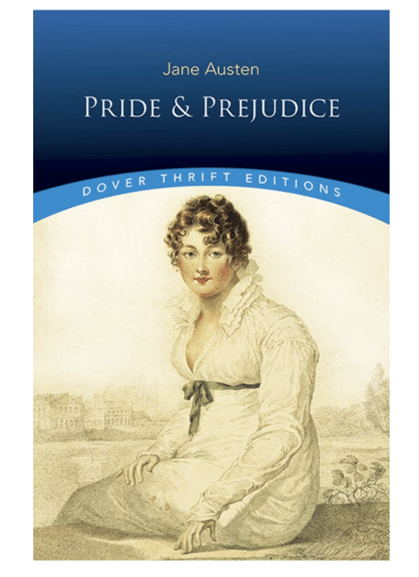
  1. Pride and Prejudice by Jane Austen – Chatsworth House, Derbyshire, England –Chatsworth House is believed to have served as the inspiration for Mr. Darcy’s estate, Pemberley. The magnificent estate and its grand house are mentioned in the novel.
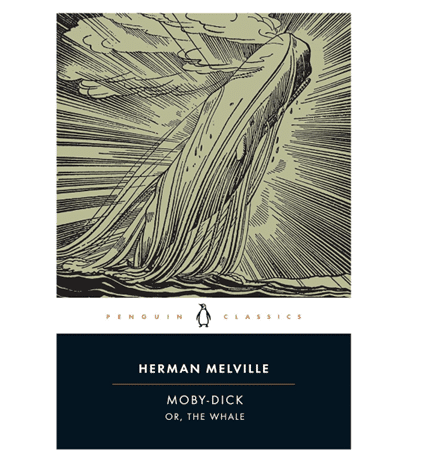
  2. Moby-Dick by Herman Melville – Nantucket, Massachusetts – The island of Nantucket is where the journey of the Pequod begins in the novel. It’s the setting for much of the early part of the story.
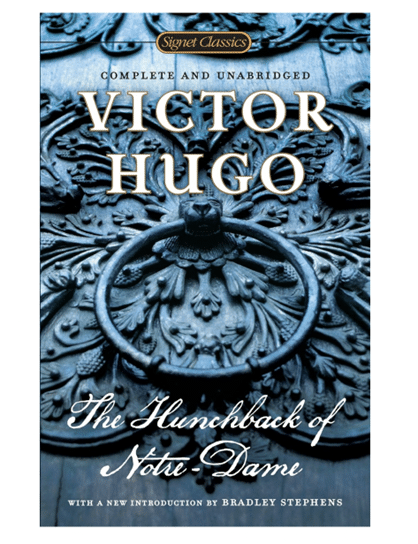
  3. The Hunchback of Notre-Dame by Victor Hugo – Notre-Dame Cathedral, Paris, France – The iconic Notre-Dame Cathedral is central to Hugo’s novel, serving as the location for much of the action and playing a significant role in the plot.
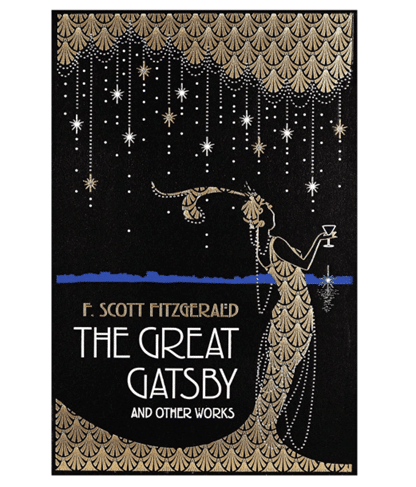
  4. The Great Gatsby by F. Scott Fitzgerald – The North Shore of Long Island, New York – The novel is set on Long Island, with the fictional towns of West Egg and East Egg representing different aspects of the American Dream. The grand mansions of the North Shore, such as Oheka Castle, are reflective of the opulence of the era.
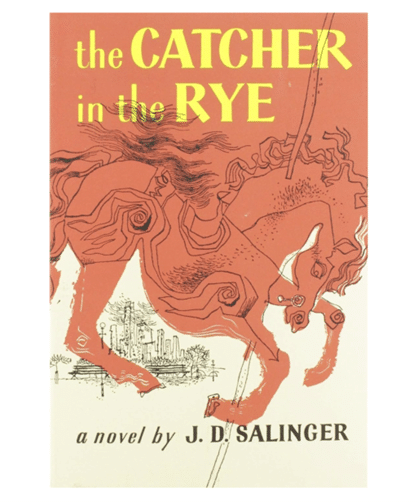
  5. The Catcher in the Rye by J.D. Salinger – Central Park, New York City – Central Park is where Holden Caulfield spends time during his adventures in New York. It’s a recurring location in the novel.
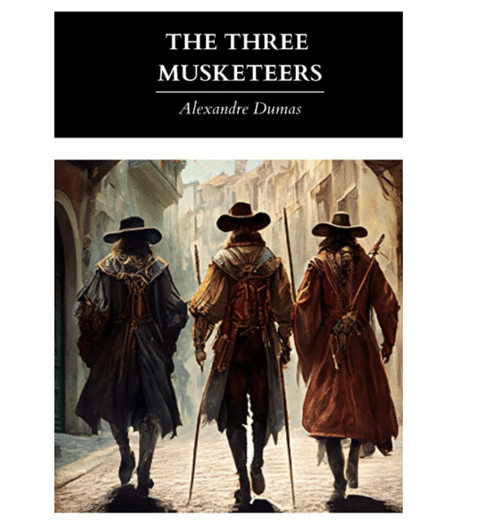
  6. The Three Musketeers by Alexandre Dumas – Palais-Royal, Paris, France – The Palais-Royal in Paris is where the musketeers often meet in Dumas’ novel. It serves as a central location for their intrigues and adventures.
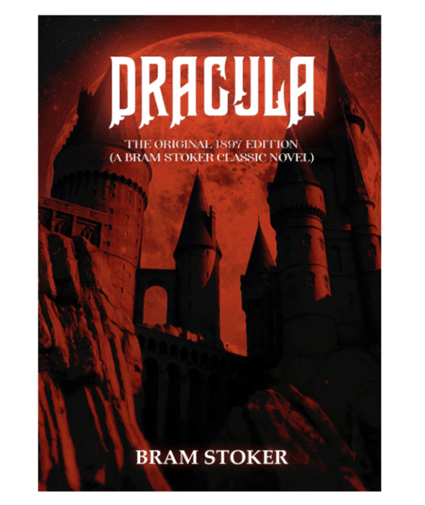
  7. Dracula by Bram Stoker – Bran Castle, Romania – While the actual connection between Bram Stoker’s novel and Bran Castle is debated, this Romanian fortress is often associated with Dracula’s castle in popular culture.
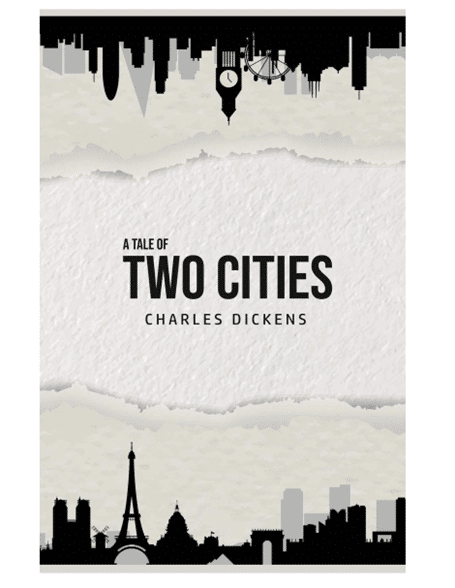
  8. A Tale of Two Cities by Charles Dickens – Paris and London – The novel is set in both Paris and London, with significant events taking place in landmarks like the Bastille in Paris and the Old Bailey in London.
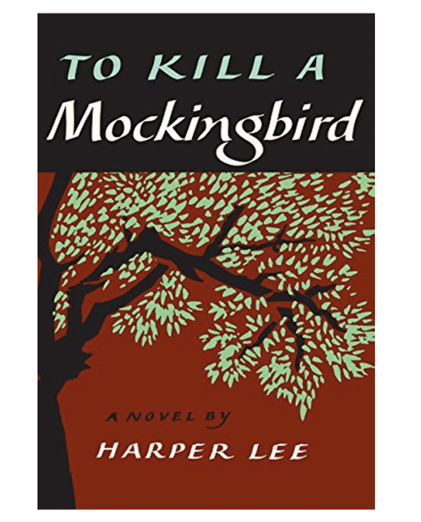
  9. To Kill a Mockingbird by Harper Lee – Monroeville, Alabama – The fictional town of Maycomb, where the novel is set, is inspired by Monroeville, Lee’s hometown. The Monroe County Courthouse is often associated with the book.
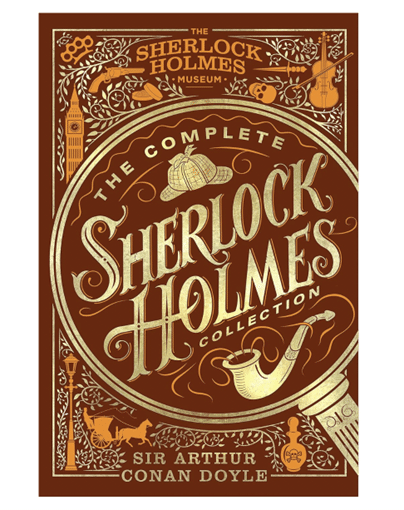
  10. The Adventures of Sherlock Holmes by Arthur Conan Doyle – 221B Baker Street, London, England – The address of Sherlock Holmes’ famous apartment is a well-known landmark for fans of the detective series.

These classic literary works and their associated landmarks offer readers a chance to connect with the stories on a deeper level by visiting the places that inspired or were featured in the novels.

Literature has the power to transport us to different times and places, and these literary landmarks offer a unique opportunity for you to connect with the stories that have enriched your life. So, pack your bags, grab your favorite book, and go on a journey from the page to these remarkable places where literature comes to life.

How to Prepare for a Literary Landmark Journey

Going on a literary travel journey can be a truly enriching experience, allowing you to immerse yourself in the worlds of your favorite books and authors. Before you set off on your adventure, consider these essential preparations to make the most of your literary travel experience:

Choose Your Destination

Decide which literary destination(s) you want to visit. Research locations that have significance to your favorite authors or novels. Consider factors like accessibility, cultural appeal, and personal interest.

Select Your Reading List

Create a reading list of books related to the destination. Read or re-read novels set in or inspired by the place you plan to visit. This will help you appreciate the literary connections more deeply.

Research the Author and their Work

Familiarize yourself with the author’s life, writing style, and the specific work related to your destination. Understanding the context can enhance your appreciation.

Plan Your Itinerary

Create a detailed itinerary that includes literary sites, museums, bookstores, and other relevant places you want to visit. Make sure to allocate enough time at each location to fully immerse yourself.

Pack Your Books

Bring physical copies of the books you plan to read or reference during your trip. Reading in the actual setting can be a memorable experience.

Take Notes and Journal

Carry a travel journal or use a note-taking app to document your thoughts, reflections, and any interesting details you come across during your journey.

Join Literary Tours or Groups

Consider joining guided literary tours or local book clubs at your destination. These can provide valuable insights and opportunities to meet fellow book enthusiasts.

Visit Local Bookstores and Libraries

Explore local bookstores and libraries to discover books, editions, or souvenirs related to your literary interests. Engage with local bookshop owners and librarians for recommendations.

Attend Literary Events

Check if there are any literary events, book festivals, or author readings happening during your visit. Attending such events can be an excellent way to connect with the local literary scene.

Stay Open-Minded

Be open to unexpected discoveries and experiences. Literary travel is not just about following a checklist but also about embracing the serendipity of the journey.

By taking these steps, you can ensure that your literary travel journey is not only enjoyable but also deeply enriching as you connect with the books and authors that have left their mark on the destination you’re exploring.

Literary Landmarks to Put on Your List

Pride and Prejudice by Jane Austen

Chatsworth House, nestled in the picturesque countryside of Derbyshire, England, is not only a stunning architectural marvel but also a place of literary significance. Believed to have served as the inspiration for Mr. Darcy’s grand estate, Pemberley, in Jane Austen’s timeless classic Pride and Prejudice, Chatsworth House holds a special place in the hearts of Austen enthusiasts.

The magnificent estate and its opulent house are mentioned in the novel as the iconic residence of the enigmatic and beloved Mr. Darcy. As you wander through Chatsworth’s meticulously landscaped gardens, admire its regal interiors, and gaze upon its breathtaking façade, it’s easy to see why Austen chose this location as the embodiment of Pemberley’s grandeur.

Visiting Chatsworth House allows you to step into the world of Elizabeth Bennet and Mr. Darcy, and perhaps even imagine yourself strolling through the gardens as they did. The estate’s historical charm and literary connections make it a must-visit landmark for literature lovers and those seeking to relive the romance of Austen’s novels in a real-world setting.

Pride and Prejudice (Dover Thrift Editions: Classic Novels)

Moby-Dick by Herman Melville

Nantucket, Massachusetts, is not just a picturesque island with sandy shores and charming coastal towns; it’s also the setting for one of the most iconic and harrowing journeys in American literature. In Herman Melville’s Moby-Dick, Nantucket plays a central role as the place where the epic voyage of the whaling ship Pequod begins.

As you set foot on Nantucket’s shores, you step into the world of Captain Ahab and his crew, embarking on a quest to hunt the elusive white whale, Moby Dick. The island’s historical whaling heritage comes to life, with its quaint streets and old buildings reminiscent of the novel’s 19th-century setting.

Exploring Nantucket, you can visit the Nantucket Whaling Museum, which houses artifacts and exhibits that transport you back to the whaling era, helping you understand the context in which Melville’s story unfolds. Whether you’re a literature enthusiast or simply seeking the charm of a coastal retreat, Nantucket offers a unique opportunity to immerse yourself in the early chapters of this literary masterpiece.

Moby-Dick or, The Whale (Penguin Classics)

The Hunchback of Notre-Dame by Victor Hugo

The iconic Notre-Dame Cathedral in Paris, France, stands as not only a stunning architectural masterpiece but also as a central character in Victor Hugo’s timeless novel, The Hunchback of Notre-Dame. The cathedral’s Gothic splendor serves as the place for much of the novel’s action and is intricately woven into the story’s fabric.

Hugo’s vivid descriptions bring Notre-Dame to life, making it almost a living entity within the narrative. It’s where the tragic love story of Esmeralda and Quasimodo unfolds, where the archdeacon Frollo’s obsession takes root, and where the fate of the characters is sealed. The novel’s exploration of themes like love, obsession, and social injustice is interwoven with the cathedral’s grandeur and mystique.

Visiting Notre-Dame Cathedral today allows you to step into Hugo’s richly depicted world. As you admire its intricate facades, climb the iconic towers, and explore its dimly lit interior, you can’t help but feel the weight of history and literature converging. The cathedral remains a timeless testament to the enduring power of both architecture and storytelling.

The Hunchback of Notre Dame Mass Market Paperback

The Great Gatsby by F. Scott Fitzgerald

The North Shore of Long Island, New York, offers a glimpse into the opulent world of the Jazz Age, as immortalized by F. Scott Fitzgerald in his classic novel, The Great Gatsby. This region serves as the real-world inspiration for the fictional towns of West Egg and East Egg, which are symbolic of contrasting facets of the American Dream.

As you explore this picturesque area, you’ll encounter the remnants of an era marked by extravagance, excess, and social aspirations. The grand mansions that dot the North Shore, including the famed Oheka Castle, evoke the opulence and decadence of the 1920s. These stately homes, with their lavish gardens and ornate interiors, mirror the ostentatious lifestyles of the novel’s characters, particularly Jay Gatsby.

Wandering through the lush landscapes and along the shoreline, you can envision the lavish parties, romantic entanglements, and tragic conflicts that unfolded in Fitzgerald’s narrative. The North Shore of Long Island transports you back in time, allowing you to immerse yourself in the glitz and glamour of the Roaring Twenties while contemplating the novel’s enduring themes of wealth, ambition, and the American Dream.

The Great Gatsby and Other Works (Leather-bound Classics)

The Catcher in the Rye by J.D. Salinger

Central Park, the verdant heart of New York City, takes on special significance in J.D. Salinger’s classic novel, The Catcher in the Rye. This sprawling urban oasis serves as a symbolic refuge for the novel’s protagonist, Holden Caulfield, during his turbulent adventures in the city.

Holden’s visits to Central Park provide moments of solace and introspection as he grapples with the complexities of adolescence and the adult world. Whether he’s wandering through the park’s winding paths, contemplating the ducks in the lagoon, or observing children at play, Central Park becomes a sanctuary where he can briefly escape the phoniness and pressures of society.

Exploring Central Park today, you can walk in Holden’s footsteps and gain a deeper understanding of his quest for authenticity and his yearning to preserve innocence in a world he views as tainted. The park’s serene landscapes, iconic landmarks like Bethesda Terrace and the Central Park Zoo, and the sense of respite it offers amidst the bustling cityscape all contribute to the novel’s enduring resonance and the park’s role as a literary and cultural touchstone.

The Catcher in the Rye Hardcover

The Three Musketeers by Alexandre Dumas

The Palais-Royal in Paris, France, is not only a historic and elegant palace but also a central setting for Alexandre Dumas’ swashbuckling classic, The Three Musketeers (Les Trois Mousquetaires). This iconic landmark serves as a focal point for the novel’s thrilling intrigues and the meeting place for the valiant musketeers – Athos, Porthos, Aramis, and d’Artagnan.

As you stroll through the arcades and gardens of the Palais-Royal today, you can almost hear the clinking of swords and the passionate exchanges of the novel’s characters. The palace’s rich history and architectural splendor create an immersive experience, transporting you into the world of 17th-century France.

Within the novel, the Palais-Royal becomes a hub of political plotting, duels, and romantic courtships, mirroring the tumultuous era of Cardinal Richelieu’s France. This setting adds depth and intrigue to the adventures of D’Artagnan and his companions, making it an essential stop for literature enthusiasts seeking to immerse themselves in the timeless allure of The Three Musketeers.

The Three Musketeers: The Original 1853 Edition (Annotated)

Dracula by Bram Stoker

Bran Castle, perched dramatically in the Carpathian Mountains of Romania, is a place steeped in legend and myth, making it a captivating destination for enthusiasts of Bram Stoker’s iconic vampire tale, Dracula. While the exact historical connection between the castle and Stoker’s novel is debated, it has become inextricably linked to the fictional Count Dracula and his eerie abode in popular culture.

Exploring Bran Castle, with its imposing stone walls and turrets, transports visitors into the dark and mysterious world of Stoker’s Dracula. The castle’s labyrinthine corridors and Gothic architecture evoke the haunting atmosphere of the novel, even if the direct literary connection is tenuous.

As you tour the castle, you’ll encounter exhibits about the history of Transylvania, the real-life Vlad the Impaler, and the evolution of vampire lore. Whether or not Bran Castle is the actual inspiration for Stoker’s fictional Dracula’s Castle, it remains an atmospheric and captivating landmark for those intrigued by the intersection of literature, history, and folklore in the enduring legend of the vampire count.

Dracula: The Original 1897 Edition

A Tale of Two Cities by Charles Dickens

Charles Dickens’ A Tale of Two Cities takes readers on a gripping journey through two iconic European cities, Paris and London, against the setting of the tumultuous French Revolution. The novel’s dual locations serve as a powerful metaphor for the stark social contrasts and the themes of resurrection and sacrifice that permeate the story.

In Paris, the novel’s opening line, “It was the best of times, it was the worst of times,” reflects the stark disparities between the aristocracy and the oppressed citizens. Key landmarks like the Bastille, the notorious prison that symbolizes tyranny, and the bustling streets of revolutionary Paris, are central to the plot’s dramatic unfolding.

Meanwhile, in London, the novel contrasts the relative stability and order of the British capital with the chaos across the English Channel. The Old Bailey, where courtroom drama plays out, and the shadowy streets that conceal secrets are emblematic of London’s role in the novel.

Visiting these cities today allows readers to walk in the footsteps of Dickens’ characters and explore the rich historical and cultural tapestry that underscores this literary masterpiece. Paris and London, as depicted in A Tale of Two Cities, remain enduring symbols of contrasting worlds and the enduring human spirit in the face of adversity.

A Tale of Two Cities Hardcover

To Kill a Mockingbird by Harper Lee

Monroeville, Alabama, stands as a living testament to the literary legacy of one of America’s most beloved novels, To Kill a Mockingbird by Harper Lee. This small Southern town served as the inspiration for the fictional Maycomb, the setting for Lee’s Pulitzer Prize-winning masterpiece. The Monroe County Courthouse, with its striking neoclassical architecture, takes on a special significance in the novel.

The courthouse is where Atticus Finch, the novel’s moral compass, defends Tom Robinson, an African American man unjustly accused of a crime. This iconic landmark mirrors the courtroom scenes in the novel, where themes of racial injustice, morality, and the search for truth are explored.

Visiting Monroeville today, you can tour the Monroe County Courthouse and experience the atmosphere that inspired Harper Lee’s poignant narrative. The town also hosts the “Mockingbird Players,” a theatrical group that brings scenes from the novel to life. Monroeville’s deep connection to To Kill a Mockingbird offers a unique opportunity for literature enthusiasts to delve into the themes and characters of this timeless work while exploring the real-world place that inspired it.

To Kill a Mockingbird

The Adventures of Sherlock Holmes by Arthur Conan Doyle

221B Baker Street in London, England, is a place of pilgrimage for fans of Sir Arthur Conan Doyle’s iconic detective, Sherlock Holmes. Although 221B Baker Street is a fictional address, it has become an internationally recognized landmark due to the enduring popularity of the Sherlock Holmes stories.

The address is the location of Holmes and Dr. John Watson’s famous apartment, which serves as the scene for many of their adventures. Visitors can explore the Sherlock Holmes Museum, which is set up to resemble the interior of the fictional apartment, complete with period-appropriate furnishings and artifacts. The museum offers an immersive experience, allowing fans to step into the world of the brilliant detective.

Outside the museum, a plaque marks the spot where 221B Baker Street would have been, further cementing its status as a must-visit destination for Sherlock Holmes enthusiasts. It’s a place where fiction and reality blend, and where the enduring appeal of literature brings fans from around the world to pay homage to one of literature’s most famous detectives.

The Complete Sherlock Holmes Collection

Read HOW READING BOOKS CAN WAKE UP YOUR BRAIN AFTER 60.

Also read DO YOU NEED A WAY TO ESCAPE? TRY THESE 6 BOOKS.

Let’s Have a Conversation:

Have you read any of these literary classics? Have you visited any of these famous landmarks? Tell us about it in the comments below.

Read More