Author: HairWeavings Editorial Team

Why Incontinence Is Not a Normal Part of Aging

Incontinence

Have you noticed how many ads on television promote the use of products for bladder control problems? And do you realize that nearly all of these ads are directed at women, even though many men experience bladder leakage, too?

While I’m grateful that these products exist, the ads often make me cringe. Typically, they portray bladder leakage (incontinence) as a normal and unavoidable part of becoming an older woman. This is far from the truth.

It is true that there are some forms of incontinence that are irreversible. However, many types of bladder control problems can improve or be corrected with proper treatment.

Today, let’s look at the three most common types of bladder incontinence and possible treatments. Note that some people experience a combination of these conditions.

Stress Incontinence

Bladder leakage occurs when you laugh, cough, sneeze, lift something heavy or during exercise. This results from weakening of the muscles that support the bladder and other pelvic organs.

The most common cause is childbirth. In addition, it can result from abdominal surgeries such as a hysterectomy.

Situations that put pressure on the bladder make it worse. Women often experience stress incontinence during pregnancy due to pressure on the bladder from the baby.

Treatments:

  • Kegel exercises are used to strengthen the pelvic floor muscles. These can be challenging to learn, so don’t be afraid to ask your medical provider for advice.
  • A device called a pessary is worn to help support the pelvic organs.
  • If other treatments aren’t effective, surgery may be necessary.

Lifestyle changes often help decrease stress incontinence. Reaching and maintaining a healthy weight is important. Carrying too much weight puts excess pressure on the bladder.

Another approach is to prevent constipation. Repeatedly straining while having a bowel movement can weaken the muscles that support the pelvic organs.

A chronic cough resulting from smoking may worsen stress incontinence. In addition, smoking increases one’s risk of developing bladder cancer.

Overflow Incontinence

If you have overflow incontinence, your bladder doesn’t empty completely. This results in dribbling of urine between trips to the toilet.

Blockages in the bladder – stones, tumors, etc. – neurological problems, weakened bladder muscles, and some medications may cause overflow incontinence.

Treatments:

  • Use of the double-voiding technique, that is, use the toilet, walk around in the bathroom for a few minutes and then try to urinate again.
  • Surgery to correct the underlying problem.
  • Intermittent catheterization (inserting and removing a catheter several times a day).

Urge Incontinence

With this condition, you feel a sudden and urgent need to urinate, and you might not make it to the toilet in time. During urge incontinence the bladder contracts involuntarily. You may have heard this referred to as overactive bladder.

A common cause of urge incontinence is a urinary tract infection. You can help prevent UTIs by wiping from front to back when using the toilet, wearing cotton underwear and drinking plenty of fluids.

Some people find that certain foods or chemicals cause bladder irritation and may worsen urge incontinence. Caffeine is one of the most common culprits. Artificial sweeteners, acidic foods or spicy foods also cause problems for certain people.

Medications are often used to treat urge incontinence. As with any medication, there are potential side effects, so be sure you understand the risks and benefits.

Lifestyle changes also may be helpful. This includes such things as using the toilet on a specific schedule and practicing relaxation techniques.

People often cut back on fluid intake believing it will reduce urge incontinence. However, this usually backfires. Overly concentrated urine becomes irritating to the lining of the bladder causing even more frequent urination.

I want to stress that a bladder control problem is not something to ignore due to embarrassment. Your physician won’t be shocked when you bring up the subject. They hear this concern frequently.

You also may wish to request a referral to a specialist. Depending on the cause of your bladder control problem, this could include a urologist, geriatrician or gynecologist.

Another great resource is a physical therapist. In my opinion, this is one of the best sources of help for bladder control issues. Unfortunately, most people aren’t even aware of this option. Look for a physical therapist with specialized training in managing incontinence.

Finally, it’s important to remember that early intervention often results in easier and more effective treatment. So, don’t put off seeking help in the hope that the problem will go away on its own.

What advice do you have for women who are beginning to experience bladder control problems? Is there a particular treatment that you’ve found helpful? Please share your tips in the comments below.

Read More
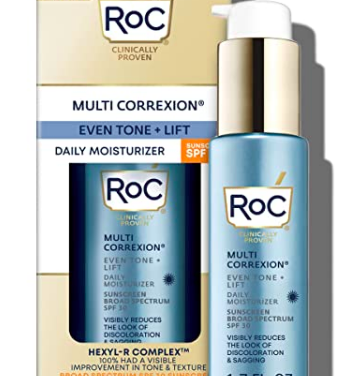
This ‘Magical’ Cream Provides ‘Drastic Results’ on Sun Damage & Signs of Aging—Grab It on Sale


If you purchase an independently reviewed product or service through a link on our website, STYLECASTER may receive an affiliate commission.

If you want to know the truth about a product, head to the reviews. You can always tell the difference between someone who’s, well, a bot, versus someone who’s genuinely excited about the product and just had to share it with the rest of the world. The latter is definitely the case with RoC’s five-in-one anti-aging moisturizer that has SPF built right in.

“I’m 47 and get told repeatedly that I have a baby face and look younger as I get older,” wrote one shopper. “This cream is my base and a staple.”

As if that review didn’t already sell me, there’s an even better one right underneath it: “This magical potion has single handedly done more for my middle aged, sun damaged skin, than anything else I’ve ever tried.”

Multiple customers report that this cream not only helped prevent future signs of aging, thanks to the SPF 30 and vitamin complex in the formula, but it actually helped to reverse existing signs of aging and damaged skin.

I’m a beauty writer and I can definitely attest: There aren’t many products on the market that can claim to do that, so you should definitely pay attention to this RoC option. The brand owes its success to its Hexyl-R Complex that contains a mix of lipids and antioxidants that targets the signs of aging four times more than competitors. Because the formula also includes shea butter, it’s gentle and hydrating on your skin, too. It can be used daily and even reapplied multiple times throughout the day after you’ve been exposed to excessive sunlight to prevent further harm.

roc moisturizer

Courtesy of Amazon.

RoC Multi Correxion Daily Moisturizer

One shopper said the results were so drastic, they immediately regretted not taking before-and-after photos. “I look 10 years younger, they added. “Just take my word for it is awesome.” If you’re looking for a product with drastic results, make sure to take your own before photos so you can compare after you’ve been using this product for a few weeks.

“People guess my age 15 years younger than I am,” wrote another shopper. “I’ve been using it about four years. Wrinkles, sags and bags are GONE! Skin firmed up, a dark patch on my jawline just vanished!” There are so many testimonies from people who were shocked that the cream helped to clear up existing damage on the skin.

The five-in-one capabilities the label promises includes improving discolorations, firming the skin, reducing dullness and restoring radiance, reducing fine lines and wrinkles and using SPF to prevent future damage. If you’re looking for an easy product to reach for and keep in your bag this summer, shoppers say you can’t go wrong with this cream that’s currently on sale for just $19.

STYLECASTER | Ashley Benson Interview

Read More

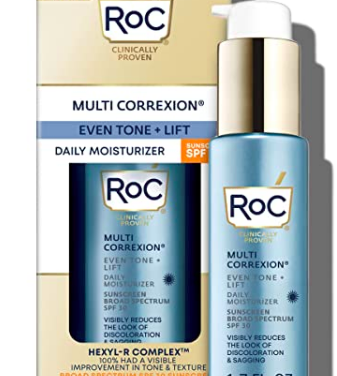
This ‘Magical’ Cream Provides ‘Drastic Results’ on Sun Damage & Signs of Aging—Grab It on Sale


If you purchase an independently reviewed product or service through a link on our website, STYLECASTER may receive an affiliate commission.

If you want to know the truth about a product, head to the reviews. You can always tell the difference between someone who’s, well, a bot, versus someone who’s genuinely excited about the product and just had to share it with the rest of the world. The latter is definitely the case with RoC’s five-in-one anti-aging moisturizer that has SPF built right in.

“I’m 47 and get told repeatedly that I have a baby face and look younger as I get older,” wrote one shopper. “This cream is my base and a staple.”

As if that review didn’t already sell me, there’s an even better one right underneath it: “This magical potion has single handedly done more for my middle aged, sun damaged skin, than anything else I’ve ever tried.”

Multiple customers report that this cream not only helped prevent future signs of aging, thanks to the SPF 30 and vitamin complex in the formula, but it actually helped to reverse existing signs of aging and damaged skin.

I’m a beauty writer and I can definitely attest: There aren’t many products on the market that can claim to do that, so you should definitely pay attention to this RoC option. The brand owes its success to its Hexyl-R Complex that contains a mix of lipids and antioxidants that targets the signs of aging four times more than competitors. Because the formula also includes shea butter, it’s gentle and hydrating on your skin, too. It can be used daily and even reapplied multiple times throughout the day after you’ve been exposed to excessive sunlight to prevent further harm.

roc moisturizer

Courtesy of Amazon.

RoC Multi Correxion Daily Moisturizer

One shopper said the results were so drastic, they immediately regretted not taking before-and-after photos. “I look 10 years younger, they added. “Just take my word for it is awesome.” If you’re looking for a product with drastic results, make sure to take your own before photos so you can compare after you’ve been using this product for a few weeks.

“People guess my age 15 years younger than I am,” wrote another shopper. “I’ve been using it about four years. Wrinkles, sags and bags are GONE! Skin firmed up, a dark patch on my jawline just vanished!” There are so many testimonies from people who were shocked that the cream helped to clear up existing damage on the skin.

The five-in-one capabilities the label promises includes improving discolorations, firming the skin, reducing dullness and restoring radiance, reducing fine lines and wrinkles and using SPF to prevent future damage. If you’re looking for an easy product to reach for and keep in your bag this summer, shoppers say you can’t go wrong with this cream that’s currently on sale for just $19.

STYLECASTER | Ashley Benson Interview

Read More

6 Reasons Living Alone Makes You Feel Rich

Single Woman Living Alone

Welcome to another installment of my “living like a millionaire on a retirement budget” series. No matter what our financial situation, we all have budgets. Living beautifully – or luxuriously – can hinge on changing a perception or making an attitude adjustment.

Living alone is like being rich. Wow, what a thought!

Today I want to celebrate people who live alone. As I said in my article on being single, living alone brings up a different set of challenges than family or partnered living. Singles often feel excluded and yet, so many of us live alone.

Loneliness is a cause for depression among all age groups, not only the elderly. The reason why loneliness is prevalent amongst retired people is that we don’t have the community of school mothers, or the social networks we create from working. Perhaps we’ve moved to a new place and are just beginning to make friends.

So I offer up these tips to celebrate solitude with a positive mindset. Ready? Here’s how living alone is like being rich.

I Command. Everything Is My Way

When I think of a wealthy person, I think of someone who has the freedom to do whatever she wishes because she’s not held back by financial restraints. She can also get things done exactly how she pleases because, “money talks.”

Well when you live alone, you can adopt this same behavior for an abundant, life embracing mentality. Just think, you have no negotiations, and no justifications to make for your tastes or desires. The flowers I like. The furniture this way. I can watch the shows I want at the hour I want to see them. I can channel flip if I feel like it.

I spend my money however I want to spend it. I can dress exactly how I want, in whatever makes me feel fabulous. I overhead two women in the dressing room yesterday: “I can’t buy this. Ralph wouldn’t like it.” Enough said.

I feel free. There is nothing to weigh me down, hold me back. No support duties. Everything I do is for pleasure: my pleasure.

Time Is On My Schedule

The super rich own their planes and fly whenever they want to, not on some airline’s schedule. While I don’t own a plane, nor can I force an airline to fly when I feel like it, there are many things I can determine on my own schedule. I can sleep as late or as early as I want I, not connected to someone else’s schedule.

If I wake in the middle of the night I can play Candy Crush on my iPad, or listen to a Maisie Dobbs novel on Audible. (I love being read to! Now that’s a luxury!) I often check in the with NY Times in the wee hours to see what’s going on in the world before anyone in my time zone. Sometimes I get up and make myself a cup of tea to bring back to bed.

Managing my life entirely on my own schedule is endlessly positive. I can travel without having to consider another person’s vacation schedule or finances. I can eat whenever I want, speaking of which…

Eating a La Carte

What I want, when I want it. I’m not catering to anyone’s tastes, just my own. Every meal is considered: what do I feel like eating? I do watch my weight, but I do it beautifully. Restaurant chefs should take a lesson from me when it comes to crafting a lusty salad. One morning a week I take myself out to breakfast to mingle with cafe patrons and feel the beat of the working city.

Yesterday I got inspired by GBBO and baked all afternoon. That evening, I brought the cake to a dinner party, making me most valued guest. If I want gummy bears and cheese popcorn for dinner, so be it. I had a hankering for Greek spinach pie and made one, savoring it for two days until it was gone.

There is no “what’s for dinner?” which I heard for umpteen years. This is pleasure and freedom. If I want company I invite a friend for dinner. No one ever says no.

I Am Free

To do whatever I want, whenever I want to. I can move to a new city. I can spend the entire day reading a book or writing blog posts for you, interspersed with watching knitting tutorials on you tube. The ability to be spontaneous is a luxury, don’t you think?

I mean, think of all the years you said, “I can’t, because…” Now I can go to a movie on the spur of the moment. I can decide to bake a lemon drizzle because I’d like to have some for tea time. I can leave the house a mess if I want to. There is no one to yell at me, no one to disappoint or displease. I can be indulgent with no guilt.

I Am the Star of the Show

I am the star of my life. The writer, director, heroine. I am free to discover exactly who I am, at my own pace.

All The Money I Have I Can Spend On… Me!

I’m not sending anyone to college anymore, covering someone else’s medical bills, paying someone else’s car insurance. Of course I’m on a budget, we all are. But I can be more generous with myself in many small ways.

I live alone, and I know that sometimes it can be lonely and scary. I’m not denying that. I’m not saying that living alone or with someone is better than the other. Life has its circumstances. At our age, we are complex people with baggage – good and bad – from our past. But you can live alone and have a good social life with support and backup systems in place.

Bottom line: I get to do what I want, when I want to do it. And that sounds pretty damn luxurious to me.

How do you feel about living alone? How do you feel about living in a couple or with family members? Do you have any tips about luxuriating in your solitude? Please join the conversation.

Read More

5 Tips for Exercising with Peripheral Artery Disease

peripheral artery disease

You may feel a little overwhelmed if you have been diagnosed with Peripheral Artery Disease (PAD). Don’t worry, though – we are here to help! This blog post will give you five tips for exercising safely and effectively with Peripheral Artery Disease. Follow these tips, and you will be on your way to living a healthier life!

As usual, make sure to first consult with your healthcare provider before making any changes to your routine!

What Is Peripheral Artery Disease (PAD)?

Peripheral Artery Disease is when the arteries that supply blood to your limbs (peripheral arteries) become narrowed or blocked. This can cause symptoms such as leg pain when walking (claudication). Patients may feel mild pain with even short walking distances.

PAD is caused by atherosclerosis, a buildup of plaque in the arteries. Plaque comprises fat, cholesterol, calcium, and other substances found in the blood. If you have PAD, you may be wondering if it is safe for you to exercise. The good news is that, in most cases, exercise is safe and beneficial for people with PAD.

How Can Exercise Relieve PAD Symptoms?

Studies show that exercise therapy improves blood flow and helps prevent plaque buildup in your arteries. It also helps to improve your overall cardiovascular health, reducing your risk of developing PAD or experiencing a heart attack or stroke.

Exercise therapy has even been shown to help relieve symptoms of PAD, such as pain, fatigue, and cramping. So, exercise is a great place to start if you are looking for ways to improve your PAD symptoms!

Tips for Exercising Safely with PAD

If you have been diagnosed with PAD, there are a few things you should keep in mind when starting any physical training program.

  1. It is essential to consult with your doctor before beginning any new exercise routine. They can help you to create an exercise plan that is safe and effective for you. Doctors can also help evaluate your walking ability and confirm that exercise intervention is appropriate for you.
  2. Start slowly and gradually increase the intensity of your workouts as your symptoms allow. It is important not to push yourself too hard, as this can worsen your symptoms. Understand your pain limits and find your own optimal program duration.
  3. Focus on low-impact activities, such as walking, swimming, and cycling. These activities are ideal for people with PAD because they do not put too much stress on your heart or your arteries and can minimize medical complications.
  4. Pay attention to your symptoms while you exercise. Stop exercising and rest if you experience pain, shortness of breath, or dizziness. These may be signs that you are overdoing it.
  5. Make sure to cool down after your workout and stretch your muscles to help prevent cramping.

5 PAD Exercises You Can Do at Home

Walking

Walking is a great way to pump your heart and improve blood flow. Start with a slow walk, and gradually increase your speed as you are able. Walking is an excellent activity for people with the Peripheral Arterial Disease (PAD). Don’t get too worried about your initial treadmill walking performance. The important thing in any exercise rehabilitation program is to start!

Patients with PAD have narrowing of the arteries that supply blood to the extremities, leading to classic claudication symptoms such as pain, numbness, and cramping in the legs during physical activity. Walking is a low-impact activity that can help improve symptoms by increasing blood flow to the calf and thigh muscles.

Treadmill walking or walking outdoors is a great way to get your steps in for the day.

It is essential to start slowly and gradually increase your pain-free walking distance and speed as you are able. There is no maximal walking distance; instead, go with what is comfortable, and if you are hesitant, speak to a physical therapist about supervised treadmill exercise.

A short walking therapy program like this one can help you get started:

  1. Warm up for 5 minutes by walking at a slow pace.
  2. Walk at a moderate pace for 10 minutes.
  3. Walk at a brisk pace for 5 minutes.
  4. Cool down for 5 minutes by walking at a slow pace.
  5. Repeat this circuit 2-3 times per week.

Swimming to Improve Blood Flow

Swimming is an excellent low-impact exercise for patients with PAD. The water can help take some weight off your legs and reduce pain. Here is a short program for swimming with Peripheral Artery Disease:

  1. Start by walking in the water to warm up your muscles.
  2. Then, start swimming laps at a moderate pace.
  3. Take a break to rest your muscles and catch your breath.
  4. When you are finished, walk in the water again to cool down your muscles.
  5. Repeat this routine 2-3 times per week for best results.

Cycling to Exercise Calf and Thigh Muscles

Cycling is a great way to exercise without putting too much stress on your joints and improve lower extremity functioning. If you have access to a stationary bike, start with low resistance and increase as you can. For seniors, electric tricycles or recumbent bikes can be a great way to exercise for PAD without additional stress on joints.

Here’s a short program so start on a bike with PAD:

  1. Start with 5 minutes of easy spinning.
  2. Increase the resistance and pedal for 3 minutes at a moderate pace.
  3. Return to an easy spinning for 2 minutes to catch your breath.
  4. Increase the resistance again and finish with 1 minute of hard pedaling.
  5. Repeat this cycle 3-5 times, depending on your fitness level.

Remember to warm up before starting and cool down after you’re done. Cycling is an excellent workout for your legs, but it’s also low-impact so that it won’t aggravate your PAD symptoms.

Yoga

People with Peripheral Artery Disease (PAD) often have reduced flexibility and increased stress. Yoga can help improve both of these conditions. Many different yoga poses can be beneficial for people with PAD. Some PAD exercises that can help improve flexibility include the following:

The Cat-Cow Pose: This pose helps to stretch the back and neck. It also helps to massage the spinal cord and relax the nervous system.

The Cobra Pose: This pose helps to stretch the chest, shoulders, and abdomen. It also helps to strengthen the back muscles.

The Triangle Pose: This pose helps to stretch the sides of the body and the hips. It also helps to open up the chest and lungs.

The Bridge Pose: This pose helps to stretch the back and chest. It also helps to strengthen the back muscles.

The Child’s Pose: This pose helps to calm the mind and relax the body. It is often used as a resting position between other yoga poses.

The Corpse Pose: This pose helps to relax the entire body deeply. It is often done at the end of a yoga practice.

Yoga can also help reduce stress by promoting relaxation.

Pilates

Pilates is a type of exercise that focuses on strengthening the core muscles. This can help to improve balance and reduce pain. For people with Peripheral Artery Disease, there are some specific Pilates exercises that can be helpful.

PAD exercises involve movements that help to increase blood flow and circulation in the legs and feet. In addition, Pilates can help to reduce pain and swelling and improve range of motion.

In addition, PAD exercises can help strengthen the muscles around the hips and thighs, improving balance and stability.

If you have Peripheral Artery Disease, talk to your doctor before starting any new exercise program. But incorporating some specific Pilates exercises into your routine can significantly reduce pain and improve your overall health.

Do you have peripheral artery disease? What do you do to manage your symptoms? What exercises help you to keep your body active and pain-free?

Read More