Author: HairWeavings Editorial Team

Retirement: Are You Ready for A Solo Act?

Senior Woman Retiring Alone

Most women in their 60s are headed for a solo future. Are you prepared for yours?

Millions of Americans are finding themselves on their own as they head toward retirement. Some are solo by circumstance, others by choice. Baby Boomers – all of them – are driving new trends in housing, work, caretaking and traveling while also redefining what it means to be part of a community.

These partner-less pioneers are rewriting the book on retirement as they learn what it takes to successfully retire solo and remain happy, healthy and independent in the coming years.

Women Spend Much of Their Lives Alone

The reality is that most of us will spend more time solo than in a married or committed relationship over the course of our lifetime. It is almost certain that we will be solo during the later years of our lives. Statistics indicate that most married Baby Boomers are destined to become solo again in the future, whether through death or divorce.

Nearly 10,000 Baby Boomers turn 65 every day – a reality that began in 2010 and is expected to continue through 2029. More than half of them are reaching that milestone on their own. Those who are still married are likely counting on a spouse’s income to save for retirement and to provide a second Social Security check. Whether solo or partnered, few women feel financially ready for retirement.

Everyone Is Potentially Solo

Any woman can become solo again at any time in her life. Regardless of whether you are married, partnered or otherwise in a committed relationship, life happens. It is practical to plan for that possibility. Despite the decline in the divorce rate, about 40 percent of marriages (first and subsequent) still end in divorce, transitioning women back into the solo category.

Ditto for the many Boomer women who will become widows in retirement. Women who reach age 65 are expected to live an average of 21 years more. The Association for Financial Counseling and Planning Education predicts that seven out of 10 Boomer women will outlive their husbands. Many of these women could end up living as “solo widows” for 15 to 20 years. It is important to plan for that possibility, even if your husband is healthy today.

On the average, 80-90% of all women will be solely responsible for their personal and financial health at some point, if they aren’t already. It makes good sense to plan for that eventuality now to ease the transition, and to avoid the financial hardship which often comes with a sudden shift in status. You wouldn’t want to find yourself on your own without a financial plan, a housing strategy and a support system in place. No one does.

If you are already solo, you know this, you’ve thought about it, and you’ve hopefully started to create a plan. If you’re not solo, you need to start thinking about the very real possibility that you will be solo again at some point in the future and begin planning for that time.

Successful Solo Retirement Takes Planning

There are no guarantees in life, whether you are solo, married or somewhere in between. Today’s Boomers know that they may have to continue working, start a business or come up with another source of income to supplement whatever Social Security benefits they may earn. Few have truly thought about how or where they may want to live, how they will stay active and healthy in the years ahead or who will be there for them as they grow old.

It’s never too late, or too soon, to develop a personal plan to protect your independence and make sure that the coming years are happy, healthy and supported by a sense of community. No one wants to rely on others for their financial well-being. No one wants to suffer from poor health. No one wants to end up in a nursing facility and no one wants to be without some type of support system to turn to when necessary.

These are issues that affect all of us as individuals, regardless of our marital status. In my book, Retiring Solo, I discuss different strategies that can help you plan for an independent future – even if that possibility seems hard to imagine right now.

Learning how to retire solo is practical knowledge that you can put to good use now and as you grow older – no matter what the future might bring.

What have you done to plan for your future? If you are already solo, what advice would you offer to someone who is married or partnered right now? Have you talked with your spouse or partner about what will happen if one of you ends up alone? Please share in the comments section.

Read More

How to Locate the Best and Healthiest Places for Aging Alone

Aging-Alone

According to Pew Research Center, globally, there are 604 million (plus) people in the 65 and older category. In the United States, the 76 million Baby Boomers magnify the 65-plus group that stretches to over 50 million today.

This has created a demand for research on how to live better as people move beyond the working years.

Studies suggest drilling down on individual behaviors that affect the health of adults – such as exercise and eating habits, as well as chronic conditions – especially when searching for a place to live.

Factors in Healthy Aging Alone

However, individual behaviors are not the only factors in healthy aging. There are influences like loneliness, car dependency, isolation, expensive housing and lack of health care services that exacerbate unhealthy lifestyles.

While “aging in place” is the preferred way to live for older adults, the ability to stay socially connected in familiar surroundings creates more problems.

Growing older and living alone in the suburbs is difficult enough, but for women and men over 60, it’s especially hard. I should know because my house is in the Waco, Texas suburbs and my errands require a car, but my preference is walking or at a minimum, public transportation. The city has no sidewalks and no buses in my area. None.

Plus, living off the beaten track keeps me apart from the hubbub. For me, the constant interaction and activity of urban living retains involvement and interaction, which is significant for someone living alone, and more importantly, brightens my day when receiving a smile or hello, even from strangers.

Considering the Numbers

Research says the less isolated and more connected we are, the happier we’ll be. I’ll start with Waco since that’s where I live. Unfortunately, the area has the highest number of older people aging alone, 31.8 percent, and over 73% are women. The next highest ranking is Beaumont with 31.54 percent, and 71% of those being female.

The number isn’t nearly as high when comparing Waco to Emeryville, California where 53 percent of those 65 and older live alone and 62 percent of them are female. If interested, I recommend everyone to search their city and state by using the Seniorcare.com guides. They offer useful health data that highlights information about where you live. As an example, I’ll continue with Texas.

Applying scores by the American Health Rankings, Texas is #40 overall on a scale of 1 to 50, lowest being the best in terms of chronic illnesses, obesity, habitual drinking, inactivity and smoking, etc. My state ranks high in poverty and food insecurity – surprising since Texas is farm country – and at #47 in community support, which is not good. Remember, the lower the number the better.

Since Texas ranks high in poverty and food insecurity compared to other states, the results when drilling down on Waco are not surprising, because it’s one of the poorest areas. Of senior households, 12% earn less than $10,000 a year, while 36% earn less than $20, 000 and 22% receive food stamps. Knowing the statistics and other information makes me question, “Should I stay or should I go, and just how supportive is the place for older adults?”

Where Do You Want to Age?

Data offers individuals a wealth of information. And learning about the places that best fit your needs, wants and desires will help you determine which place is best. If your city is walkable, as you age you’ll keep moving and connections will not shrink. When you stop working and driving, then your neighborhood matters more and factors like safe sidewalks are important.

And if you have a fixed income, like most seniors, affordability becomes an enormous concern. For example, Dallas meets many of my preferences. For one thing, the city officials put a big effort into the liveability factors. City government increasingly adds public metros and maintains affordable housing in highly sought after and walkable neighborhoods; even I can afford a condo there.

Whereas, in Austin the city does not because the urban locations are tremendously costly, which forced me to live in the suburbs. Had I known that this type of data could help me determine best place to live, I would have settled in another area.

So, if you’re seeking a certain type of lifestyle, like me, it’s imperative that you do your due diligence before; that way you’ll have no regrets.

Where would you like to age if you are living alone? Are you living on a budget that limits your choices? Do you agree that staying social connected is important as you get older or do you love living alone? Please join the conversation.

Read More

Diet and Nutrition Can Help You Manage Urinary Incontinence

urinary incontinence

It’s no secret that many boomers suffer with urinary incontinence. In fact, almost 60 percent of us in our 60s, and 75 percent of us over 75, will experience it.

Whether sporadic or ongoing, one specific type – stress, urge (also known as overactive bladder), overflow, functional – or a combination, it is something that can greatly impact us physically, emotionally and socially. It affects us almost twice as much as men.

Suffer in Silence No More

Many women used to not talk about urine incontinence even with their closest friends or doctors. They just chalked it up to getting older and dealt with it the best they could.

Luckily for our generation, we – and our healthcare providers – are much more aware and open with this health problem and are looking for solutions to it.

As a result, women’s magazines frequently address this issue and you can learn about Kegel exercises to strengthen the pelvic floor, techniques for training the bladder, surgeries to correct physiological problems, and even implants to help the nerves controlling our bladder do its job better.

We have gratefully come a very long way from having “suffer in silence” be our only option.

We Can Be Proactive

So, my first suggestion to women who may be experiencing urinary incontinence – and remember this is defined as any leakage whether as minimal as a drop or two when we laugh or as significant as not being able to make it to the toilet – is to not ignore it.

This is a medical condition so talk with a competent healthcare practitioner. You should not be any more hesitant to discuss it than you would any other health concern.

My second suggestion is to not overlook the role that diet, nutrition and lifestyle can play in helping you prevent, manage and perhaps even eliminate some types of urinary incontinence. Good nutrition and diet are the cornerstones of a healthier life so it just follows that they can also play a role in managing urinary incontinence.

2 Causes of Incontinence

Obesity is an example of a diet or nutrition related cause of urinary incontinence. It can aggravate or trigger both stress incontinence (which happens when you cough, laugh or sneeze, for example) and urge incontinence (which makes you have a strong, sudden need to urinate).

It does this by putting pressure on your bladder and weakening your pelvic muscles and the surrounding urethral structures. And being obese also increases your risk for diabetes, which can cause nerve damage as well as compromise your immune system, both of which can increase your risk for diseases or conditions that can contribute to incontinence.

Another potentially diet or nutrition-related culprit in triggering urinary incontinence is constipation, which can cause stress incontinence. Much as obesity puts pressure on your bladder, having a stool obstruction in your intestine can reduce the amount of space your bladder has to expand as it fills with urine, which can cause unwanted leakage or reduced bladder control.

Similar to obesity, constipation can also weaken the muscles in the pelvic region. Closely related to, and often the cause of, constipation is Irritable Bowel Syndrome, which, in addition to also causing diarrhea, can aggravate urge incontinence.

Other conditions such as urinary tract infections, also known as UTIs, have been linked to stress incontinence and urge incontinence.

Diet and Nutrition Play an Important Role in Urinary Incontinence

The first thing I recommend doing when it comes to addressing urinary incontinence is to check your nutritional status. This usually ensures your body is getting the nutrients it needs – and in the right amounts – to put you in the best stead to manage your weight and help your body defend against disease such as UTIs.

Talk with your healthcare practitioner about getting a comprehensive nutrient test. Checking your vitamin D level is especially important since there is some evidence suggesting that vitamin D deficiency can contribute to incontinence. Once you are armed with the results, you can then determine the best plan of action to address any nutrient deficiencies or imbalances.

In the meantime, take a look at your current diet to get an idea of how healthy it really is (it is often easy to kid ourselves that our diets are healthy when, in fact, they are not).

My diet, for example, is usually rich in plant-based foods. I also try to avoid processed foods, simple carbohydrates and added sugars. The latter is especially important since too much sugar can lead to more frequent UTIs, increased urine production and, of course, weight gain.

Since gluten can irritate the bladder, you may also want to talk with your doctor about eliminating it from your diet. I also make sure I am getting enough fiber, which is not really a challenge given the quantity of plant-based foods I consume.

In addition, I can’t reinforce enough the importance of drinking enough water. I understand this may sound counterintuitive if you are trying to manage urinary incontinence, but it really isn’t. Not getting enough water can make your urine more concentrated, which can irritate your bladder.

Some foods can also aggravate incontinence since they can act as irritants to your urinary system or as diuretics which increase urine production. These include caffeine, carbonated beverages, alcohol, artificial sweeteners, spicy foods, dairy, chocolate, vinegar, soy sauce and citrus fruits.

Don’t Forget Lifestyle

One important lifestyle change you can immediately make to help with urinary incontinence is to stop smoking if you still do. Many smokers develop a chronic cough, and this may worsen stress incontinence.

Exercise also plays a role in managing incontinence by helping you maintain a healthy weight, keeping your digestive system working well and even protecting your immune system. If you are not in the habit of exercise or if the idea of it is overwhelming, let me tell you that even a 15-minute daily walk will make a big difference! The idea is to start easy with something you enjoy and then build from there.

One last note is to review your current medications with your doctor to see if any of them may be causing or contributing to urinary incontinence. For example, some medications used for conditions such as high blood pressure, depression, water retention and insomnia can all play a role in incontinence.

This does not mean you should stop taking medications. Instead, discuss with your doctor other medications which do not have those particular side effects.

Have you experienced urinary incontinence? If so, did you talk with your doctor about it? What did you do to manage it? If you haven’t yet experienced incontinence, and you at some time do, would you feel comfortable talking with a healthcare professional about it? What about talking with your friends? Please join the conversation.

Read More

Melissa Gorga’s White Sequin Romper

Melissa Gorga’s White Sequin Romper

Real Housewives of New Jersey Season 8 Episode 11 Fashion

Melissa Gorga looks white red hot in everything her sequin romper on tonight’s Real Housewives of Beverly Hills. It’s the perfect late Spring / early Summer style to steal, which I highly recommend you do. Because much like Joe Gorga, it’ll make you regret it if you leave this baby behind*.

*Only teasing, we love us some Joe here on BBH. 


The Realest Housewife,

Big Blonde Hair


Melissa Gorga's White Sequin Romper

Generation Love Allegra Romper Sold Out at Envy

Photo: @EnvyByMG

Originally posted at: Melissa Gorga’s White Sequin Romper

Read More

ColourPop Is Basically Giving Away Lipstick & Buzzy Collabs Are Included

It sounds hard to believe after more than a year, but soon we won’t be wearing masks every day. I know. It’s going to feel so weird! Maybe now you’re taking yours off to have dinner outside with a friend or having a small get-together. And you know what that means? Lipstick is back. Luckily, ColourPop is having a lipstick sale so you can show off your pucker and not just your eye makeup.

This isn’t just any makeup sale. This is probably the best it’s going to get when it comes to lipstick. All lip products are buy one, get one free for two days. (And we wouldn’t be surprised if ColourPop extended it a bit.) This includes most of the brand’s buzzy launches, including the Lizzie McGuire collection. Right now only Make It Black and Animal Crossing products are excluded.

Pick up lip gloss and plumping gloss, matte lipstick, liquid lippies, cream lipstick and even lip scrub. Hurry before your favorite shades are gone.

Our mission at STYLECASTER is to bring style to the people, and we only feature products we think you’ll love as much as we do. Please note that if you purchase something by clicking on a link within this story, we may receive a small commission of the sale.

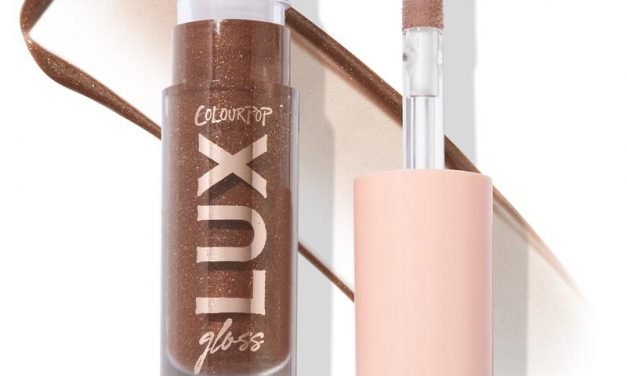
ColourPop. lux gloss

ColourPop.

Health Kick Lux Gloss

A warm chocolate with pink and gold pinpoints.

colourpop so juicy

ColourPop.

Fly Like Me So Juicy Plumping Gloss

A cool toned baby pink with hot pink pinpoints.

cp little snow lux lipstick ColourPop Is Basically Giving Away Lipstick & Buzzy Collabs Are Included

ColourPop.

Little Snow Crème Lux Lipstick

A creamy pink raspberry.

cp prairie home red blur lippie lipstick ColourPop Is Basically Giving Away Lipstick & Buzzy Collabs Are Included

ColourPop.

Prairie Home Lippie Stix

A brick red.

colourpop lip scrub

ColourPop.

Bubblegum Pop Lippie Scrub

A gentle sugar scrub that smells like bubblegum.

STYLECASTER | Ashley Benson Interview

Read More