Author: HairWeavings Editorial Team

Lindsay Hubbard’s Yellow Button Down Shirt and Jeans

Lindsay Hubbard’s Yellow Button Down Shirt and Jeans / Summer House Instagram Fashion June 2024

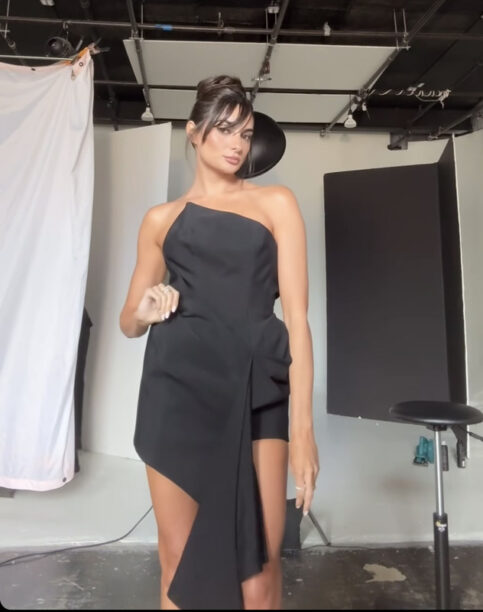
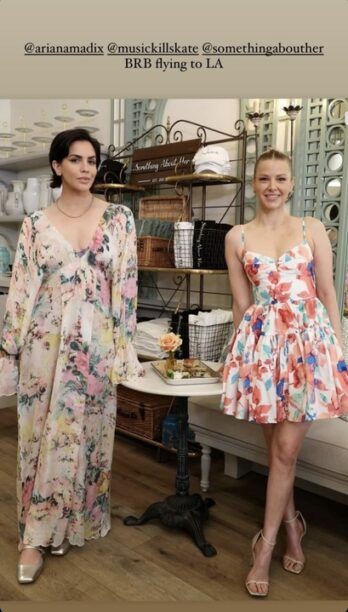
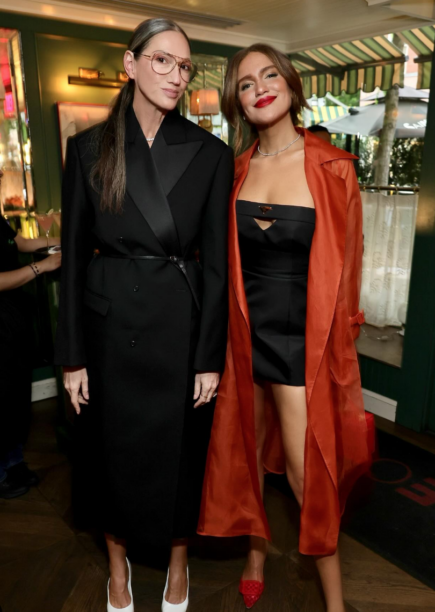
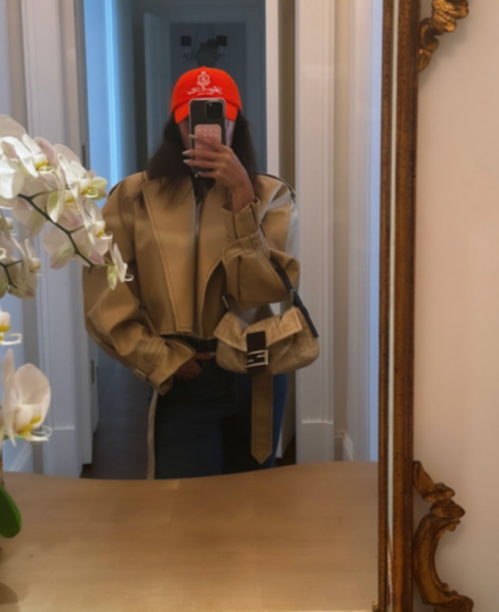
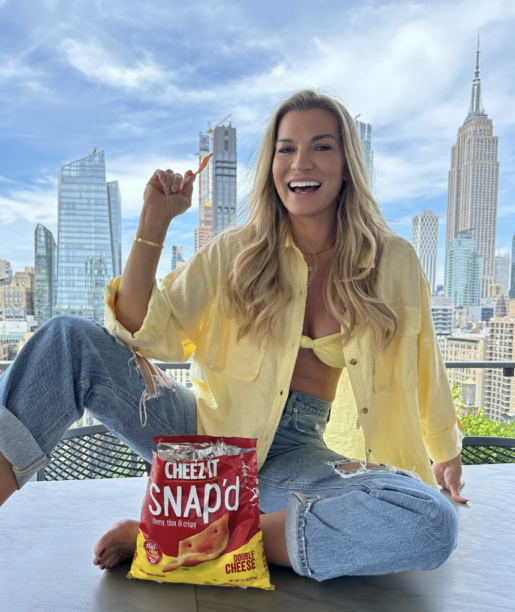
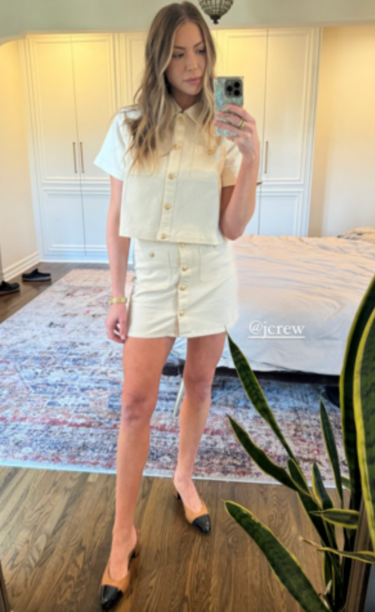
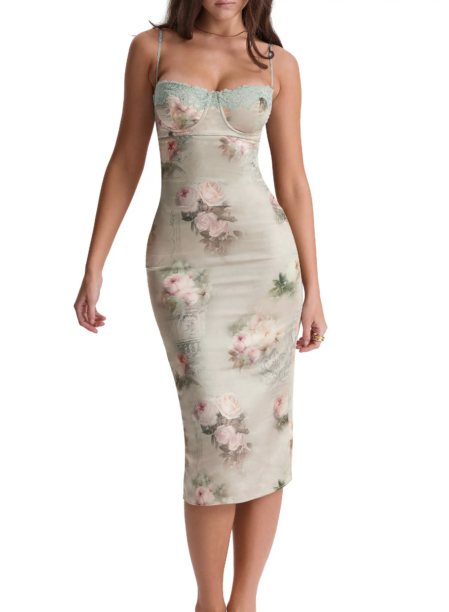
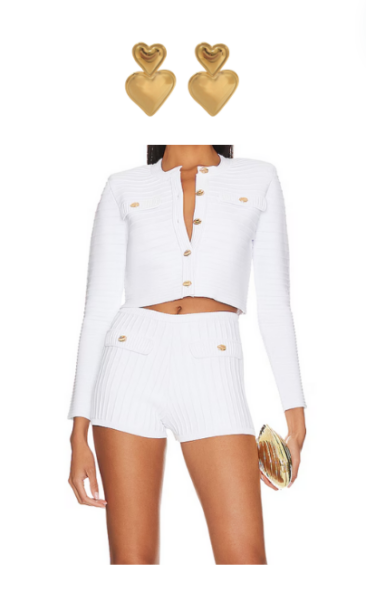
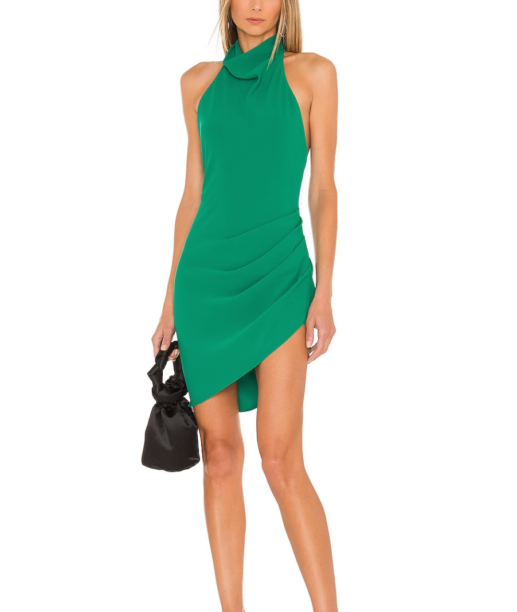
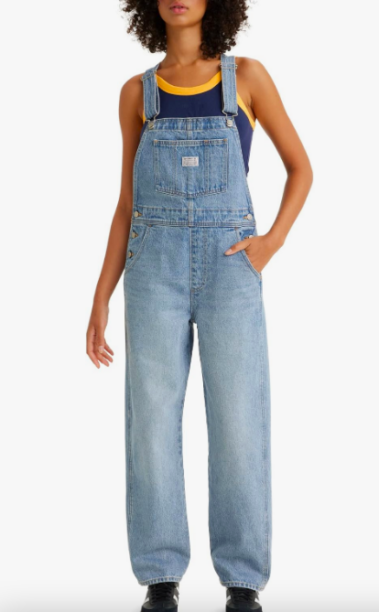
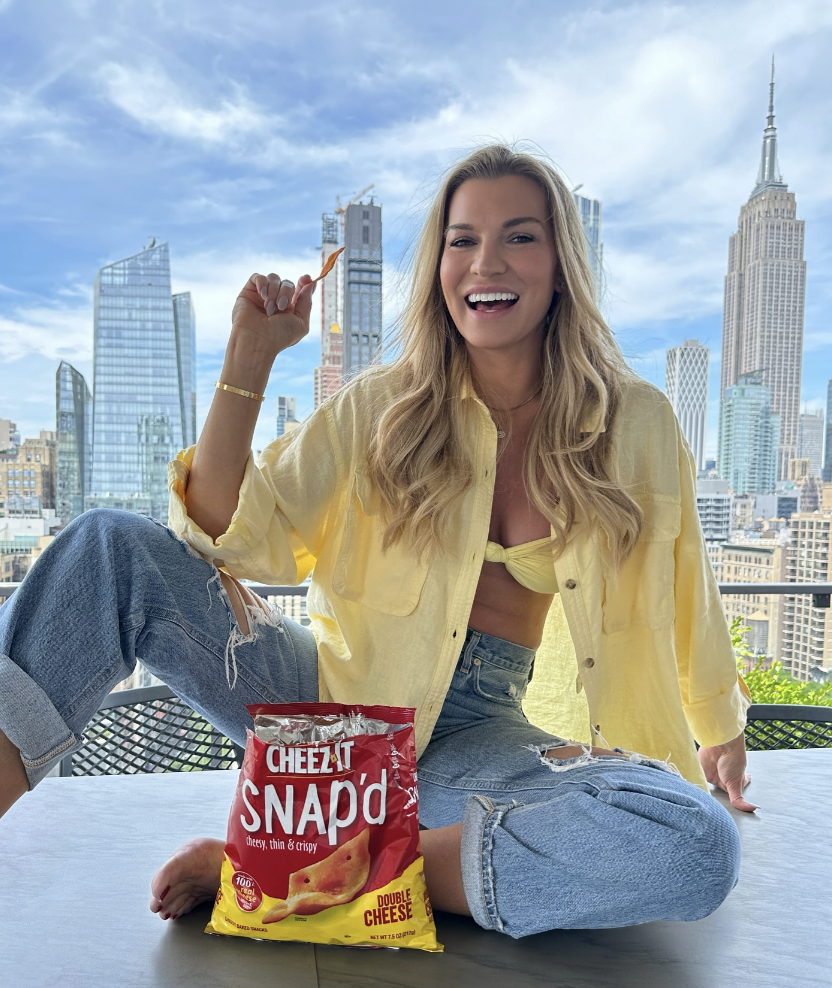
Lindsay Hubbard recently posted a Cheez-It ad looking stunning in a yellow button-down shirt and jeans. She captioned her picture “currently crushing life,” and she sure is in style! Her casual yet chic outfit is totally influencing me. And she paired this look with her radiant smile making this picture perfect. So while I also personally love Cheez-Its and casual fits, I’ve made it eazy for you to smile with her stunning look below!

Best in Blonde,

Amanda

Lindsay Hubbard's Yellow Button Down Shirt and Jeans

Click Here for Additional Stock in Her Top / Here for Her Top in Pink

Click Here for Additional Stock in Her Jeans

Photo: @lindshubbs


Style Stealers


Originally posted at: Lindsay Hubbard’s Yellow Button Down Shirt and Jeans

Read More

Are Stock Market Descriptions Confusing?

Are Stock Market Descriptions Confusing

When you hear someone talk about the stock market, do you understand the terms they use – domestic markets, international markets, emerging markets, developed markets; small- mid- or large-cap stock; growth or value stock?

Is the jargon confusing? Understanding these terms will help you navigate the world of stocks. This blog will cover broad market definitions. Market capitalization definitions are defined in my next blog, and growth and value were covered in my blog, A Lesson from Eigengrau.

The World Markets

As of 2023, there are approximately 80 stock exchanges throughout the world. However, only about 20 have market capitalizations (the total dollar market value of the outstanding shares of stock traded on that exchange) over $1 trillion each and they account for roughly 87% of global market capitalization. The largest stock exchange with $25.5 trillion market capitalization as of December 2023 is the New York Stock Exchange (NYSE). Many of the largest exchanges now reside in Asia.

As of December 2023, over 55,000 companies are publicly traded throughout the world. With international stock markets comprising about 41.6 percent of the world’s capitalization as of 2022, a broad range of investment opportunities exist outside the borders of the U.S. How can a person decide which of those companies make a good investment?

Domestic vs. International Stocks

Domestic and international stocks differ primarily in their geographic focus and the associated risks and opportunities. Here are some key differences:

Geographic Focus

  • Domestic stocks are issued by companies based and operating within the investor’s home country.
  • International stocks, also known as foreign stocks, are issued by companies based outside the investor’s home country.

Market Dynamics

  • Domestic stocks are influenced by the economic, political, and social factors of the investor’s home country.
  • International stocks are affected by a broader range of global factors, including geopolitical events, currency fluctuations, and regulatory changes in multiple countries.

Diversification

  • Investing in international stocks can provide diversification benefits by reducing exposure to risks specific to one country or region.
  • However, international investment may also introduce currency risk and additional geopolitical risks.

Market Liquidity

  • Domestic stock markets may offer higher liquidity due to greater familiarity and participation from local investors.
  • Liquidity in international markets can vary widely depending on the country and region, potentially impacting trading costs and execution.

Volatility and Returns

  • International stocks may exhibit higher volatility compared to domestic stocks due to factors such as currency fluctuations, geopolitical tensions, and varying economic conditions across countries.
  • Historically, international stocks have shown periods of both outperformance and underperformance relative to domestic stocks, providing opportunities for diversification and potential returns.

Access and Investment Options

  • Investing in domestic stocks is often easier and more straightforward for investors, with access to a wide range of brokerage platforms and investment vehicles.
  • Accessing international stocks may require specialized brokerage accounts, investment products such as global mutual funds or exchange-traded funds (ETFs), or direct investment in foreign markets, which may involve additional complexities and costs.

Developed and Emerging International Markets

Developed and emerging international markets represent different stages of economic development and maturity, each with its own characteristics, risks, and opportunities.

Basic Characteristics

Developed markets are characterized by mature economies with advanced infrastructure, well-established financial systems, and stable political environments. Examples include the United States, Canada, Japan, and Western European countries.

Emerging markets, on the other hand, are countries with rapidly growing economies, transitioning from low-income to middle-income status. These markets often have developing infrastructure, evolving financial systems, and may experience higher volatility in economic and political conditions. Examples include China, India, Brazil, and South Africa.

Regulations

Developed markets typically have larger and more liquid stock exchanges, with established companies and extensive investor participation along with well-defined regulatory frameworks, strong investor protections, and transparent reporting standards. Emerging markets may have less developed regulatory environments, with varying levels of transparency, corporate governance standards, and investor protections. Regulatory stability and enforcement can also differ significantly across emerging markets.

Currencies

Currencies in developed markets are often more stable and less susceptible to volatility compared to those in emerging markets. Emerging market currencies may be more volatile due to factors such as fluctuating inflation rates, political instability, and changes in global investor sentiment. Currency risk is an important consideration for investors in emerging markets.

Risk and Growth

Developed markets generally offer lower levels of risk but may also have lower potential returns compared to emerging markets. Emerging markets typically carry higher levels of risk. However, they may also offer higher growth potential and higher returns over the long term.

Diversification

Diversification is an important consideration when investing, and developed markets tend to have stronger correlations with each other, as they are often influenced by similar global economic trends and factors. Emerging markets may have lower correlations with developed markets and with each other, providing potential diversification benefits.

The differences in domestic and international investing as well as international developed and emerging markets offer a wealth of investment choices, and you will find that the same broad descriptions also apply to bonds.

Please don’t let all the choices overwhelm you. A good place to start for step-by-step assistance is my book, How to Dress a Naked Portfolio: A Tailored Introduction to Investing for Women.

Other Classifications

Is your head swimming? Enough for today! To give them justice, the characteristics of small-, mid-, and large-cap stocks will be covered in my next blog – Why is Market Capitalization Important to an Investor? Watch for it!

Let’s Have a Conversation:

Do you invest in both domestic and international stocks? How about bonds? What helped you make your choices?

Read More

Pet Acquisition Post-60: 4 Thoughts to Sniff Out in Advance

Pet Acquisition Post-60 4 Thoughts to Sniff Out in Advance

Pets sustain us and keep us healthier, happier and more hopeful as we age – no bones about it. A recent story in Harvard Magazine cited an American Heart Association finding that pets reduce our mortality rate by 24 percent and Mayo Clinic confirms pets keep us in much better shape, both physically and mentally.

But new challenges to pet ownership emerge as we age, including medical diagnoses that can keep us away from our furry, feathered friends or make it impossible to care for them, as well as unforeseen financial issues and living arrangements that reframe our capacity to keep them. These are tough scenarios to imagine, but it is a reality we should all expect and plan for during our second half.

Let’s sniff out a few ways to mitigate pet ownership challenges in advance so our glorious Golden Years don’t go to the dogs.

Plan Ahead

Have candid, real-talk conversations with your friends, loved ones and caregivers about how your pet will be cared for should you be unable to do it and how much it will cost.

Before you get a pet, make sure your friends and family are in on your planning. If you expect to offload an animal on another person should you become infirm or unable to care for it, communicate your wishes to your loved ones long in advance of the crisis. Make sure you have saved or budgeted enough money to cover vet, food and maintenance bills for at least a 10-year stretch.

Establish a relationship with a vet who makes on-site calls, so you can keep up with vet visits if you become incapacitated or unable to drive. Plan for all contingencies and communicate these plans with the people in your sphere. Aligning plans with the expectations of others, particularly the ones who will be supporting you during your Golden Years, is a must when it comes to pet ownership.

Choose Your Pet Thoughtfully

Consider carefully the breed or type of pet that best suits your lifestyle as you age.

Before you bring a pet into your home, think about the kind of animal that best fits the environment in which you live. How big is your house and yard? Does your HOA allow pets? What is your budget? What are the physical requirements for owning this pet or that?

Once you’ve answered those basic questions of environment and affordability, start thinking about the kind of breed that would flourish in this space. Is it a dog, cat, bird, rodent? Forbes recently published a list of good dogs for seniors, so start here if a dog is in your sights. Dog and cat breeds have very different strengths, so make sure you’re aware of them before bringing them into your home.

Pet and Travel Considerations

If travel is a big part of your second-half vision, do not get a pet. And if you must, implement a concrete plan for care and cost coverage.

Not much else to say here except that pets are a huge and expensive anchor point if you want to travel or be gone for long stretches. Doggy daycare can cost anywhere between $40 and $280 per day, according to a recent story in Rover.com. Pet sitters, dog walkers and generous friends are other options, but all must be investigated thoroughly prior to having a pet on the scene.

Adopting vs. Buying

Consider adopting a senior, rescue or feral pet, or foster one.

When reviewing options of pet ownership, it is generous, loving and wise to think about senior, rescue and feral contenders. Senior dogs and cats are desperate for a loving home. They are usually housebroken, slower moving, gentler and happily into their third act – meaning there is a more reasonable timeframe in play for managing them.

Rescue pets are a good thought because they generally must be returned to the rescue organization if you can no longer care for them. And feral pets require as little or as much attention as you give them – no binding arrangement is at stake here.

As we age, it is important to be open, communicative and realistic about pet ownership, its expense and associated logistics. While having a pet is beneficial to our health in many proven ways, it opens the door to problems that can change the scope of our senior experience.

Let’s Have a Conversation:

Do you have a pet? How do you plan to manage potential challenges on the horizon? What factors did you consider before acquiring your pet?

Read More

Summer House Season 8 Reunion Looks

Summer House Season 8 Reunion Looks

Even though summer is just beginning, Summer House season 8 is sadly ending. But not without a reunion of course! And I am obsessed with all the looks the ladies went with for it! They each had a more neutral toned palette nailing that perfect beach-y goddess-y vibe. There’s not much more else I can say besides we all need to shop these gorgeous styles below because they totally 8 ate this season’s reunion looks.

Sincerely Stylish,

Jess


Paige DeSorbo’s Summer House Season 8 Reunion Look

Paige DeSorbo's Season 8 Reunion Dress

Photo + Info: Bravo TV // Click Here for Styling Credits

Style Stealers


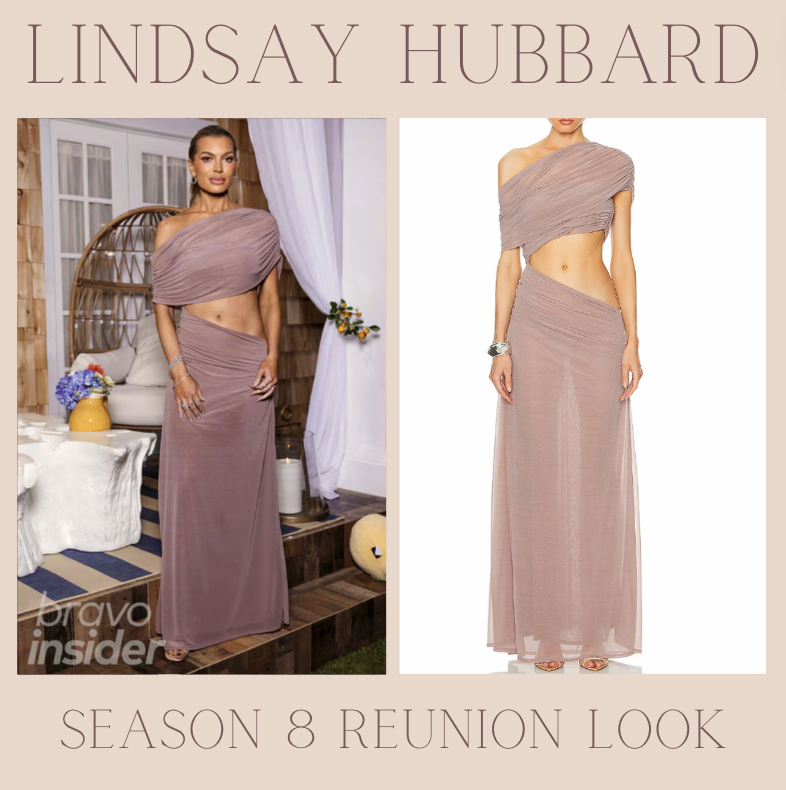
Lindsay Hubbard’s Summer House Season 8 Reunion Look

Lindsay Hubbard's Season 8 Reunion Look

Photo + Info: Bravo TV // Click Here for Styling Credits

Style Stealers


Amanda Batula’s Summer House Season 8 Reunion Look

Amanda Batula's Season 8 Reunion Look

Photo + Info: Bravo TV // Click Here for Styling Credits

Style Stealers


Ciara Miller’s Summer House Season 8 Reunion Look

Ciara Miller's Season 8 Reunion Look

Photo + Info: Bravo TV // Click Here for Styling Credits

Style Stealers


Gabby Prescod’s Summer House Season 8 Reunion Look

Gabby Prescod's Season 8 Reunion Look

Photo + Info: Bravo TV // Click Here for Styling Credits

Style Stealers


Danielle Olivera’s Summer House Season 8 Reunion Look

Danielle Olivera's Season 8 Reunion Look

Photo + Info: Bravo TV // Click Here for Styling Credits

Style Stealers


Originally posted at: Summer House Season 8 Reunion Looks

Read More

Piano Lesson 37: Love, Oh Love, Oh Careless Love 🎶

Piano Lesson 37 Love, Oh Love, Oh Careless Love 🎶

Welcome to Piano Lesson 37!

NOTE: If you are just joining us for the first time, you can find my previous Sixty and Me Free Piano Lessons on my Author page. You can join our lessons any time and move at your own pace!

37.1 A Technique for Developing Keyboard Instinct

When you have a song or piece that requires some jumping around, for example moving from the D chord to the A chord, or the B chord to E chord in Careless Love on p.91, you can practice by closing your eyes before jumping to the 2nd chord. This is the way we can accelerate building an instinct for how far apart the keys are.

If over these two weeks your brain has begun to instinctually know how far to jump between the D and A chord, then you will only have to glance down briefly to hit the A chord in time, or in the case of moving from the D chord to the B chord, you might not have to look down at all! (You can definitely move from the G chord to the G minor chord without looking at your left hand.)

Try it! You will be more successful at moving between these chords without losing time if you practice this technique of moving your hand from one chord to the next with your eyes closed. Sometimes you will just be taking a leap, but in other cases you will be able to use the black keys as “touchstones” to help guide you, as I demonstrate in my video:

37.2 Careless Love p.91

In my video 37.1 above I spoke about black keys as “touchstones” to help you to find a note or chord. White keys that are “common tones” can also be touchstones. Common tones are notes that two chords share in common. For example, a C chord and an E minor chord both contain an E and G. E and G are the “common tones” that the C major and E minor chords share.

In Careless Love, notice that when moving from the D chord to the G chord, the D that is at the bottom of the D chord (aka the root of the chord) is also the top key of the G chord, so you can use that D as your “touchstone.” Similarly, when moving from the E chord to the A chord, E is the root of the E chord, which will become the top key of the A chord. And when moving from the G minor (D is on top) to the D major chord (D is the root) you can use the D as your touchstone.

37.3 Piano Puzzler #2, p.92

Piano Puzzler #2 will help you to review some musical terms which you have learned in this book, that you will need to know in the Upper Hands Piano BOOKS 2-4, and in all sheet music, in general. If you come upon a musical term you don’t remember, you might want to make a list, or flash cards, to keep reviewing them until you know them. You can check your work on my UpperHandsPiano.com ANSWERS page.

Passion Practice

  1. Exercise #3 (Appendix v) Review Ex #3 in C, G, D, A, E and B with your hands together. Remember to play the notes 2x forte, and 1x piano, before playing the major, minor and diminished chords at the end.
  2. p.91 – Practice the chords in Careless Love with your left hand alone (watch my video about moving from 1 chord to the next with your eyes closed!) Then practice the right hand melody. When you feel ready, put your hands together. This piece is challenging, so take it slow. For some extra fun and an extra brain boost, try singing the lyrics with the melody!
  3. p.89 – Review the Minuet. If you haven’t yet been able to play the repeat the from the 1st ending to the beginning smoothly, without a pausing or making a mistake, keep playing it. Alternatively, review For He’s a Jolly Good Fellow (p.67) and/or Eine Kleine Nachtmusik (p.74).
  4. p.92 – Do the Piano Puzzler #2! Try to fill in the blanks without looking at the answers at the bottom of the page. Make flash cards or a list of the terms you still need to study.
  5. Chord Calisthenics #5 – (Appendix viii) Play the minor and diminished triads in the first line, C, G, D and A. See how many of these chords you can remember without looking at the letters.

Let’s Have a Conversation!

How is your practice going? Are you able to get to your keyboard 3-4 days per week? How much time do you usually practice once you are on the bench? Do you enjoy playing your songs or the exercises better? How does your body feel as you play the piano? Here is some inspo from Lesson 8 to help you practice consistently so that you can see gradual, steady progress.

Read More