
Author: HairWeavings Editorial Team

Delicious and Nutritious Wheat Substitutions for Healthy Aging

healthy eating healthy aging

For many of us, when it comes to healthy aging, wheat or gluten is a newcomer to our dietary “foods to avoid” list. Even though we love our baguettes, pasta and pizza, they don’t seem to love us anymore.

While some people cannot handle wheat, others find that it is the gluten in wheat, rye or barley that is bothersome. Many people report feeling bloated, gassy, spacey and tired soon after they eat a meal containing wheat or gluten.

What Is Going on with “Modern” Wheat?

Today’s “modern” wheat is altered, hybridized and stripped of its bran and germ. As a result, the proportion of gluten protein in wheat is enormously elevated. Correlated to that, there is a fourfold upward trend of people becoming sensitive or intolerant to the gluten in wheat, rye and barley.

In other words, these people were not born with Celiac’s disease, which is an allergy to gluten. These people became intolerant to wheat or gluten over time.

Some researchers point to gut dysbiosis as a reason for the sensitivity. Gut dysbiosis is a condition where not enough beneficial bacteria inhabit the bowel. In their place is an overgrowth of “bad” bacteria and yeast. This condition is a result of taking antibiotics, experiencing stress and eating too much sugar. It occurs naturally with age.

We all know how yeast works when baking bread. Add a sweetener to yeast and bread rises, giving off carbon dioxide (CO2) and alcohol. When yeast overpopulates the bowels, eating foods that contain sugar or yeast, “feeds” the yeast, causing them to release gas. Thus, you get bloated and gassy.

Leaky Gut

Gut dysbiosis can lead to changes in the lining of the bowel, which increases the permeability of the intestines. This results in a condition called leaky gut. Leaky gut makes it easier for larger food particles to breach the walls of the intestines. Our immune system sitting behind the wall protects us from foreign invaders.

When we have leaky gut, the immune system doesn’t recognize these larger particles of wheat or gluten as food and mounts an attack that causes inflammation, bloating and that feeling of being spacey!

For me, a combination of genetics, blood sugar issues, a low white blood cell count and elevated gluten protein in the wheat probably contributed to my sensitivity. But what is a girl to do if her favorite foods contain wheat?

How Can I Satisfy My Cravings with Healthy Aging Choices?

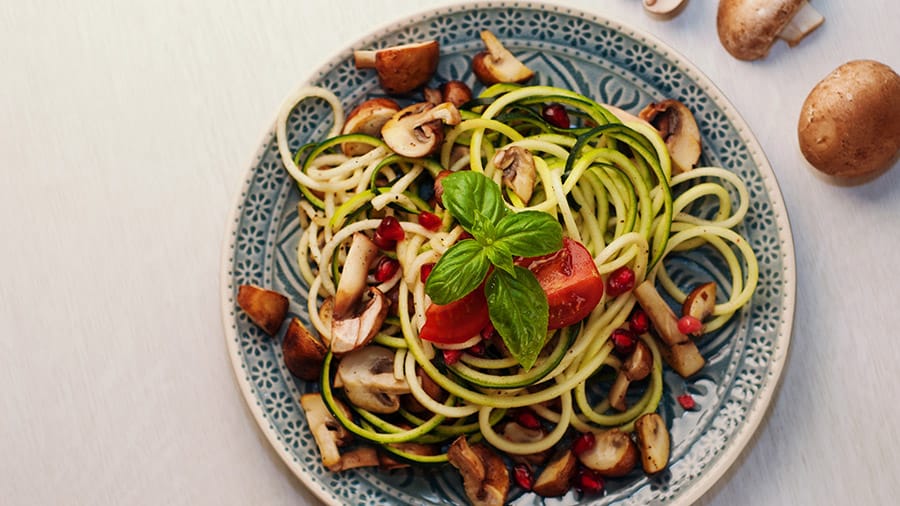
Zucchini Pasta
Delicious and Nutritious Wheat Substitutions for Healthy Aging

Head out to an upscale supermarket, like Whole Foods, and buy pre-made raw vegetable noodles like zucchini. Place the “zoodles” in a frying pan and drizzle olive oil over them to take the chill out. In another pot, heat up your favorite spaghetti sauce (or make your own.) Put the zoodles in a bowl, add sauce and voila, it’s pasta night!

I add parmesan cheese and some fresh basil. I am very happy. If you really love this recipe I recommend investing in a spiralizer or a Paderno turning slicer. Zucchini is good for about 24 hours once turned into pasta.

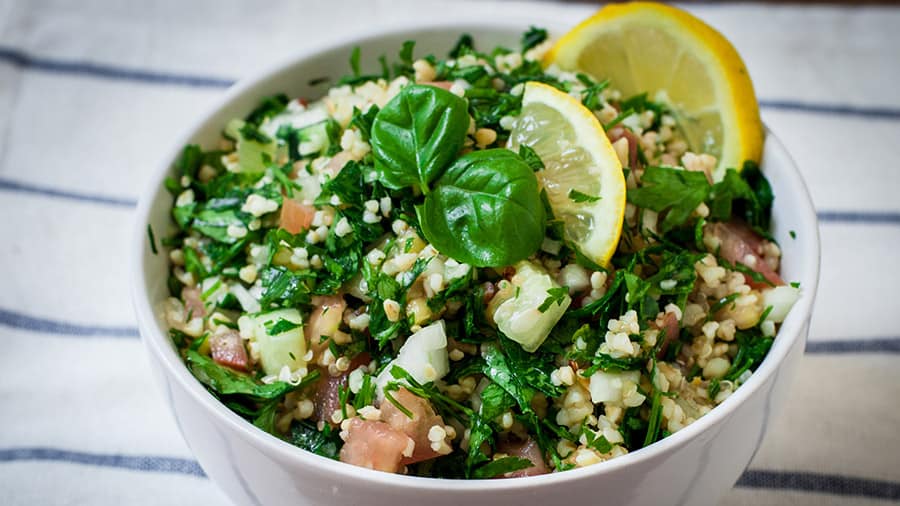
Tabouli or Tabbouleh
Delicious and Nutritious Wheat Substitutions for Healthy Aging

I love tabbouleh, a Middle Eastern vegetable dish that uses bulgur wheat for the base. Easy substitutes are cooked quinoa or cauliflower. Take the cauliflower and cut into large pieces. Place the cauliflower in a food processer and using the “S” blade, pulse until the cauliflower is in tiny pieces.

Place a cup of minced cauliflower (or a cup of quinoa) in a bowl. Add 1 cut up tomato, ½ cucumber chopped, ¼ cup fresh mint, 1 cup parsley. Dress with ¼ cup lemon juice, 2 Tbsp. olive oil and salt and pepper to taste.

How I Make Sandwiches

If you really want a sandwich “sandwich,” then gluten-free bread, waffles or wraps are your best option. I wanted to see what I could create with vegetables. My three favorites are nori wraps, blanched collard greens and red cabbage.

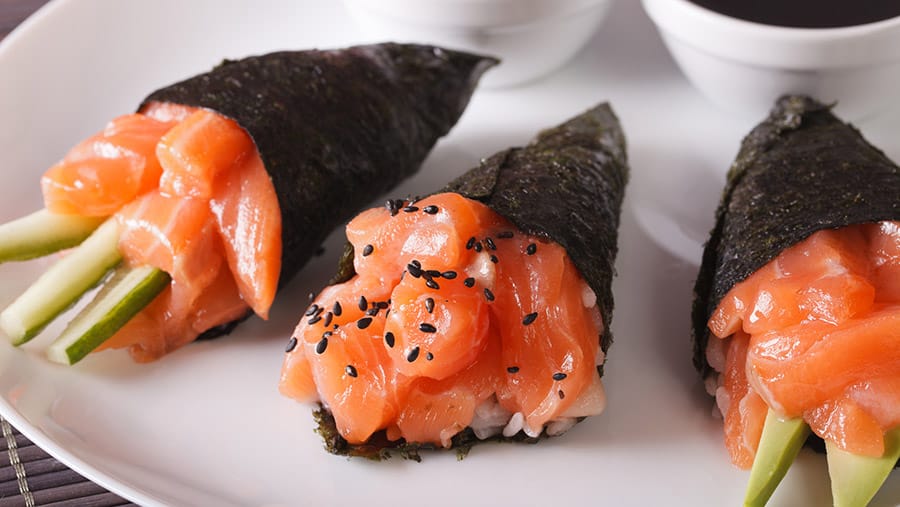
Nori Sandwich
Delicious and Nutritious Wheat Substitutions for Healthy Aging

For my favorite nori sandwich: Take one sheet of nori and place it on a bamboo sushi rolling mat. Goal: fill ¼ of the nori sheet with what you want to add. I start with a little smear of peanut butter on the nori. Next, I add brown rice, thin avocado slices, steamed fish and ½ a scallion cut vertically. Once filled, roll the nori from the full end to the empty end, using the rolling mat to hold everything in place. Your sandwich should look like one long sushi roll when you are done.

Collard Greens
Delicious and Nutritious Wheat Substitutions for Healthy Aging

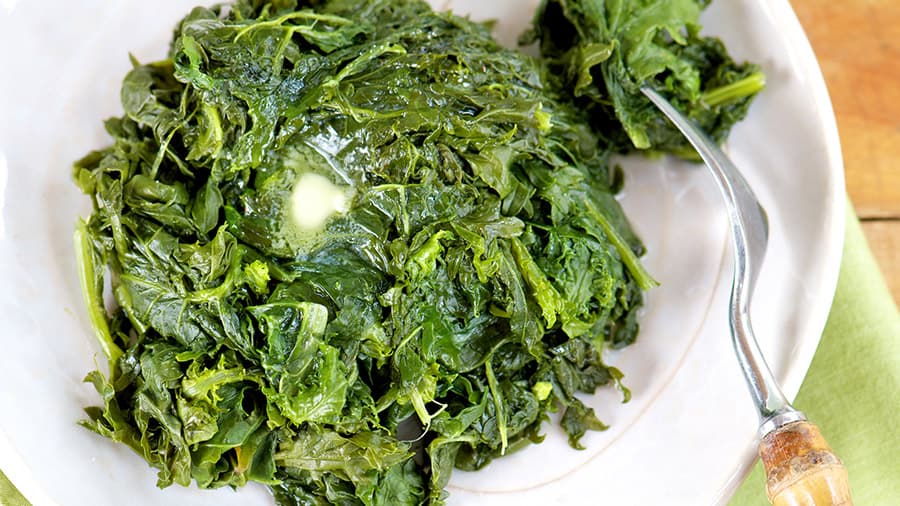
Collard greens are big leafy greens with a firm stem in the middle. Following the stem line, cut the greens off the stem so you end up with two big greens. Boil a small amount of water and place the greens in the water for 30 seconds. They will wilt but will remain be strong. Use these greens like the nori wraps, filling ¼ of the green with your meal and rolling them.

Red Cabbage

Red cabbage is a very sturdy vegetable. The goal is to peel off one layer and fold it in half like a taco. You may have to slice it near the center core to help peel it off. Fill the cabbage taco with anything you imagine: rice and beans, egg salad, tuna fish, chicken, smoked salmon with cream cheese, tomatoes, Bermuda onions and some capers.

While it isn’t easy to give up comfort food, at least there are some easy alternatives that are nutritious and delicious!

Let’s Have a Conversation:

Have you switched to a gluten free diet? Do you have any special foods or recipes that satisfy your cravings with healthy options? What other healthy aging tips can you share with the other women in our community? Please share in the comments.

Read More

Mastering Single Notes and Chords on Guitar

mastering single notes and chords on guitar

As a guitar player, you need to be proficient in playing both single notes and chords. Most people struggle with aspects of these skills at some time, but with the right approach, you can navigate them both with ease. Start by looking at what mastering single note playing can do for you.

Single Notes

Proficiency in single note playing is essential if you want to play lead guitar, but it’s equally important for rhythm and accompaniment players. Bass lines, runs, intros, outros, and riffs all make your playing more interesting and fun, regardless of the style of music you play. But single note mastery offers even more than that.

The strength, stretch, and finger independence you gain from practicing single note exercises will enhance the accuracy, speed, and clarity of your chord playing. And, by practicing scales, you’ll learn more about music and the fretboard, enabling you to lift limits on your creativity and expression.

How to Start

Start by learning to keep your left hand, or fretting hand, close to the fretboard. This will help you achieve not only speed, but also fluidity and endurance. The following simple finger exercise can help you with this important skill.

Play the first fret of the first string (the high E string) with your first finger (index finger), followed by the second fret, second finger, third fret, third finger and fourth fret, fourth finger. As you play each note, keep the previous finger or fingers down. By the time you have the fourth finger down, all four of your left-hand fingers will be down.

Repeat the highest note (fourth finger) and reverse direction, playing one note at a time (4,3,2,1). Upon completion move up a fret without a pause and continue, repeating the exercise in the second position (first finger on the second fret). Continue in this way, moving up one fret at a time. Use a strict down, up alternating motion with the pick and keep a regular beat. When you’ve gone as far as you can up the neck on the first string, do the exercise on the second string, then the third and so on across the fretboard.

As you progress, you’ll benefit from an expanded version of this exercise. You can find my favorite one, along with four other important lessons, in this free e-book. By focusing on the principles in this small book, you can solve or avoid the most common problems that guitar players encounter.

Chords

If you’re plagued with pauses when switching from one chord to another, you’re not alone. This can occur even when you’ve practiced the chords diligently and focused on changing them smoothly. You want to solve that problem before it becomes a deep habit – but how?

First, simplify your strumming by playing only one downward strum per beat. Strum slowly and regularly, putting the same amount of time between beats that it takes you to change chords. Once you can consistently play the entire song without pauses, begin to gradually increase the tempo. When you’ve reached your desired tempo, add in the strumming or fingerpicking pattern of your choice.

If you go through this process and you’re still having trouble, you need to know the chord shapes more deeply. Regardless of how well you think you know them, you can know them better! Take some time to rehearse the chords and the changes mentally. Then, print some blank chord diagrams and use them to practice drawing your chords.

Hands Synchronicity

If the problem persists, you’re suffering from a lack of synchrony between your hands. Most beginners experience this issue, but fortunately there’s a quick solution. Just keep strumming a regular beat with your right hand, whether you think your left hand is ready or not. Although it may be hard to believe, your left hand is actually changing chords soon enough, but your right hand is taking too much time to register that and respond!

It won’t feel natural to keep your strumming hand going while your fretting hand is still fumbling for the chord. In fact, it may feel impossible at first. But push through it and everything will change! Watch your left hand, think ahead, and mentally aim at the upcoming chord. When you make the change with your left hand, keep strumming, regardless of how it sounds. Just keep a slow and steady tempo and you’ll get there!

Also read SET YOURSELF UP FOR SUCCESSFUL GUITAR PRACTICE.

Let’s Have a Conversation:

Where in your life have you experienced the value of committing to one small practice every day, without fail? Have you ever been surprised at how much difference in your playing a small shift in your approach can make?

Read More

Purge-fection: 3 Processes, Resources and Reasons for Downsizing or Decluttering

downsizing and de-cluttering

Enjoying life’s second half is more about presence and experience and less about the stuff we’ve stockpiled along the way. With our Golden Years in sight, now is the perfect time to lighten our load, pare back and purge so we can focus on the things that matter. But how? Whether it’s your own decluttering project or the painful task of unloading a loved one’s prized horde, stuff-lessening can be manageable if you implement a few simple processes.

Getting Down to These 3 Decluttering Processes

Let’s dive into a few of them here:

Identify Your Clutter

Take account of the contents you’re storing in each drawer, closet, bin and storage unit. Do this at a manageable pace but get a sense of what you have.

Do the Sorting Game

Sort your items in each venue into piles, including ones for valuables, meaningful keepsakes, practical items that you use frequently, donatable items, salable items, objects in which loved ones have expressed an interest, photos/videos, and trash.

Create Action Plan

Then approach each pile with an action plan. For valuables you wish to keep, put them in a safe place and write a note on each as to why they are special. This will be a big help to loved ones down the road! Do the same for meaningful keepsakes and remember that you only need to keep a few of them – not all of them!

Put practical, daily-use items back in their rightful place. Put the donatable items into bags or boxes and take them directly to the donation center of any organization that will accept them.

Consider whether you will use an estate sale or auction company to market your salable pieces, or if you will stage your own virtual or in-person garage sale.

Give the pieces others want to them while you are living, and you can see how much they enjoy them! Send photos or videos to a company that will scan them to a drive or digitize the material yourself with a phone, camera or scanner.

Take your trash pile to the curb or call your community’s special collection number to have it hauled away.

The Resources You Will Need

You also will want to be familiar with the following kinds of organizations and resources:

  1. A “Got Junk?” or trash hauling company.
  2. The names and numbers of reputable estate sale and auction companies. Ask friends who have been there, done that.
  3. Organizations that accept donations. And be familiar with the kinds of items they will take, including mattresses, appliances and broken pieces if applicable. Learn which organizations will pick up donations from your house, and which ones require delivery of goods.

What Are Your Reasons for Decluttering?

But why do it, you might ask? Why go through all the trouble when it’s your stuff and it looks perfectly fine and squirreled away where it is? These thoughts may be on replay as you wade through stacks of children’s preschool artwork, sweaters you haven’t worn in years or your grandmother’s Hummel figurine collection. Why does it even matter anyway if my drawers are full, my closets are dense and my mini storage units are unbreachable? Let’s end with the three reasons why.

Mental Health Boost

First, decluttering is also good for our health. A University of Connecticut study indicates the following mental health benefits: better physical health and a boosted mood, a sharpened focus, energized productivity and relieved anxiety. “By removing or controlling clutter, we can directly reduce the stress that stems from the mess which can help us to feel happier, less anxious, and more confident in ourselves,” an article on the study detailed.

Keeping Clutter Is Expensive

Second, keeping copious amounts of useless stuff around is expensive. According to move.org, the average storage unit costs $180 a month. The best storage companies’ rates, the website says, are between $70 and $300 monthly. That starts adding up over time, and rates often go up every six months or so. Warehousing things that have no value or practical use is a waste of money, plain and simple.

Leaving an Ordered Home Is a Gift

Third, and most importantly, maintaining a purged home is a gift to the loved ones who will be left to manage our possessions when we’re gone. If you think getting rid of your own collection is challenging, remember it will be 10 times harder and more excruciating for your children, grandchildren, or friends to undertake. In addition to missing and mourning you, they will be heartbroken over this task.

As you may have discovered in your own purging, decluttering and paring back is physically and mentally exhausting. You don’t want this for your loved ones. Not to mention the trauma they must endure to get the job done may very well mar or alter the carefully curated legacy you designed for yourself. Be remembered as a loving, organized person who put the future experience of others before their own stuff dependence. Time to get purging!

Let’s Have a Conversation:

Have you started downsizing or decluttering your home during your second half? What’s hard about it, and what’s freeing? What are some things you’ve learned about the process?

Read More

10 Foods that Keep Heart Disease from Worsening or May Prevent It All Together

foods heart disease

Heart disease is actually any disease of the heart but what I will be addressing in this article is coronary artery disease – the most common heart disease. This causes narrowing of the arteries and may results in a heart attack. Heart disease is the leading cause of death in the United States.

Leading risk factors for coronary artery disease are family history, high blood pressure, high cholesterol, smoking, obesity and inactivity. Some of these risk factors are very much under your control. Try and control as many risk factors as possible.

Diet can greatly influence some of these risk factors. But, first and foremost, I want to stress that you need to take your medication as prescribed by your physician. Follow the medical advice and direction of your physician, keep your physician appointments, and do the necessary tests as instructed by your doctor.

Only after doing all of this should you consider fine tuning your heart health with the following foods that may be of benefit to you. Also, many people are on multiple medications such as warfarin that have restrictions. In addition, people may have coexisting disorders.

Restrictions due to the medications you take and diet instructions on your other disorders take precedence over the below suggested foods. Do not consume foods on the list that your physician has previously told you not to eat.

This being said, I would like to provide you with a list of 10 foods that help keep heart disease from worsening or may prevent it all together.

#1: Vegetables

Vegetables are low in calories and fat but are stock full of vitamins, minerals and fiber. The American Heart Association recommends at least eight servings of vegetables a day.

Leafy green vegetables in particular are most beneficial. Examples of leafy green vegetables are kale, collard greens, chard and spinach. Leafy green vegetables are high in nitrates that have been shown to improve the function of the cells lining the blood vessels.

Nitrates also decrease arterial stiffness and reduce blood pressure. Leafy green vegetables also contain Vitamin K which enhances proper blood clotting and protects your arteries.

Spinach is one of the best sources or magnesium, and magnesium is associated with a healthy heart rhythm. Swiss chard helps control blood sugar and reduces inflammation of the blood vessels.

Another great vegetable for your heart is asparagus. This vegetable has folate which prevents the amino acid homocysteine from accumulating in the body. High homocysteine levels have been associated with a high risk of coronary artery disease.

Some studies have shown regular broccoli consumption to lower cholesterol levels which prevents coronary artery disease.

#2: Whole Grains

Whole grains have many nutrients, and they are also high in fiber. Examples of whole grains are whole wheat, oats, barley, brown rice, quinoa, rye, and buckwheat. Read labels carefully when purchasing. Words like “multigrain” or “wheat flour” does not mean whole grain.

Oatmeal significantly reduces LDL and total cholesterol. Best benefits come from steel cut or slow cooked oats. The compound avenanthramide in oats may have protective anti-inflammatory effects on the heart.

Barley is one of the best sources of fiber when it comes to whole grain. Barley has flavonoids and other phytochemicals that have been shown to protect against heart disease.

#3: Beans

Beans are associated with reduced blood pressure and inflammation and lower triglyceride and LDL levels. They are filled with fiber, antioxidants, polyphenols and protein which are all beneficial for the heart.

Legumes are also very inexpensive. Beans are high in protein and contain no cholesterol. Therefore, they make a great meat substitute. Less meat consumption is good for your health and for the environment. Also, beans have starch that resist digestion and ferment by the good bacteria we have in our gut. So, beans are also good for our gastrointestinal health and help gut bacterial flora.

#4: Fish

Fish is a good substitute for high fat meats. The American Heart Association recommends a 3.5 ounce serving of fatty fish at least twice a week. Some fish are very high in omega-3-fatty acids which lower triglycerides and may lessen the risk of heart rhythm disorders and may also lower blood pressure. Cold water fish such as salmon, herring and mackerel have the highest omega-3-fatty acids content.

Sardines are also high in omega-3-fatty acids, and they have high levels of calcium. They are also usually low in mercury levels.

#5: Fruit

Fruits are a great source of minerals, vitamins and fiber. They are also low in calories. In addition, they contain substances that fight and prevent heart disease.

Oranges have fiber pectin which lowers cholesterol. They also have potassium that helps lower blood pressure. Oranges actually have more potassium that bananas.

Berries and cherries have anthocyanins which are antioxidants believed to protect blood vessels. Antioxidants neutralize free radicals that are known to cause oxidative inflammation and damage. These free radicals contribute significantly to heart disease.

Avocados have monosaturated fats which reduce cholesterol. The cardioprotective and lipid lowering effects of avocados have been shown in several studies. They are also a great source of blood pressure lowering potassium.

Tomatoes have lots of the antioxidant lycopene. Low levels of lycopene have been associated with an increased risk of stroke and heart attack. Lycopene helps lower cholesterol and blood pressure, and it helps with blood vessel wall health. Tomatoes also have lots of Vitamin C, choline, folate, potassium and fiber; all of which are good for the heart.

Grapes have also been found to improve blood flow, regulate blood pressure and protect your blood vessels.

Apples have procyanidins which have strong antioxidant activity and may lower LDL cholesterol. Red apples contain more procyanidins.

#6: Nuts

Nuts have healthy fats, and they are filled with fiber and protein. These also have lots of nutritious minerals and antioxidants. Walnuts, almonds, peanuts, pistachios, hazelnuts, and pecans are especially full of heart healthy nutrients. Of note, you should avoid nuts with added ingredients, such as sugary coatings or flavorings.

Walnuts have lots of omega-3-fatty acids, plant sterols, monosaturated fats, and fiber. They also have lots of copper, manganese and magnesium.

Almonds in particular may help increase your good cholesterol, HDL, and lower the bad cholesterol, LDL. HDL can reduce plaque buildup in your arteries, keeping them clear. Be aware though, while almonds are very high in nutrients, they are also very high in calories. So, take this into consideration if you are trying to lose weight.

#7: Olive Oil

Olive oil is a healthy fat made from smashed olives. It has lots of antioxidants. Replacing saturated fats like butter with olive oil can be particularly heart healthy. A higher intake of olive oil has been associated with a 48% lower risk of dying from heart disease.

#8: Tofu

Tofu is a great source of vegetarian soy protein. It also contains polyunsaturated fats, fiber and minerals that are good for your heart. Tofu takes on the taste of spices or sauces you put it in.

#9: Seeds

Flaxseed, hemp seeds, sunflower seeds and chia seeds have heart-healthy nutrients such as omega-3-fatty acids and fiber.

Hemp seeds are full of arginine, an amino acid that reduces some inflammatory markers.

Flaxseed may lower cholesterol and blood pressure. In addition to lowering risk for cardiovascular disease, flaxseed has been shown to lower risk of cancer and help with diabetes and gastrointestinal health.

#10: Garlic

Garlic has allicin which has been associated with a lot of health benefits. Garlic reduces cholesterol, decreases blood pressure and it inhibits platelet buildup, which reduces the risk of blood clots and stroke.

In Conclusion

To best manage or prevent heart disease, make sure you are under the care of a physician, take your prescribed medication, do the lab and other tests that are ordered, and follow a heart smart diet as instructed by your physician and/or dietician.

Once you are doing all of this, consider the value of the above-mentioned foods in helping manage or prevent coronary artery disease. See how supposedly small changes in diet can alter health.

Let’s Have a Conversation:

Do you have coronary artery disease? Do you regularly incorporate these foods into your diet? Have you noticed a difference in your lab results and energy levels when you eat these foods? Share your thoughts.

Read More

How to Do Mother of Bride, Mother of Groom, Bridal Makeup: Easy to Follow Tutorial!

bridal makeup; mother of bride; mother of groom

If you love weddings or resist the eyeroll as the happy couple say their vows, attending or being in one can present makeup challenges you hadn’t anticipated. In the video, I go step-by-step on how to create a pretty wedding look. In this blog, I walk you through the key components to be aware of to look gorgeous!

As a side note, I’ve made up hundreds (yes hundreds) of brides of all ages. I think this makes me a connoisseur of wedding looks and managing the all too common craziness of expectations tied to the event. In any case, here are my key takeaways for creating a beautiful wedding look.

How to POP Your Eyes

What woman doesn’t want her eyes to pop? To create this, find a good concealer like Amazing Concealer. Concealers cover all the discoloration, hyperpigmentation, and what happened in Vegas stays in Vegas under eye circles.

Cheaply made concealers sit on the surface of the skin and can set in our crow’s feet. Yikes. Having said that, be sure you are well hydrated and use a moisturizer or eye cream to give makeup something dewy to adhere to.

For top of the line moisturizers, try Truth Treatments Transdermal C Balm, and for something more mid-range try Image Vital C Hydrating Intense Moisturizer. I’m not a fan of eye cream, so use your moisturizer around your eye area if possible. (I’ve never noticed anything special from using a separate eye cream except that I spend more money on something useless.)

If you can, use the concealer on your lid as well as in the inner corner of your eyes. If you have oily lids and need to prevent eyeshadow from creasing, try a mattifying eye base like MAC Pro Longwear Paint-Pot. They have many shades and it lasts for hours. If your mascara tends to bleed under your eyes, use a little eye base next to the lower lashes and it will help prevent or minimize that tendency.

A key point for popping your eyes is to use the concealer around your nose and down the bridge. This not only brightens up unnecessary redness but lengthens your nose and brings attention to your eyes.

And don’t forget to fill in your eyebrows! This strategy is so important for enhancing your eyes, balancing out your face, and allowing for a stronger lip shade because it brings an equilibrium to the facial structure. Never underestimate a great eyebrow!

Sheer Foundation That Matches Your Neck

Using too dark (or light) a shade of foundation that’s full coverage is the number one mistake I see women making. It can be easy to miss, as we only look at our makeup in bathroom lighting at a certain angle. Because of this, the jawline demarcation between your face and neck can be avoided by checking it in daylight. (A comment on color: most bathroom lights are yellow or warm tinted, so when you step into the blue daylight, you can look… um… weird.)

Most people’s neck area is lighter than their face, so you have to either darken your neck a bit, or lighten your face. Normally, I do a mixture of the two to find a suitable, natural looking shade. Take your bronzer with a large brush and darken under your chin and down your neck a little in order to do this.

A word on full-coverage foundations. For anyone over 50, full-coverage foundations are too heavy. I like to use a sheer to medium coverage foundation and then add concealer on any age spots, darkness, redness, etc. This way you allow your skin to show through, while covering up the naughty bits.

Pick a Theme and Go for It

For the most part, brides like a rosy lip and plum shadows. I know this sounds like type-casting, but it’s the truth and the reason why in the video I use these shades. For example, with the rosy lip look, use a pinky blush, and plum and pink toned shadow. For warm tones, try a peachy lip, blush and any shade of eye shadow that hits your fancy!

What I recommend is deciding on your theme, whether it be a wardrobe color scheme, bouquet, or nail polish, decide on it and create your makeup look around those colors. A huge error is to do your makeup and not consider these external factors.

As an example, in one wedding I attended, a woman showed up in a yellow dress and pink lipstick so pale she fairly disappeared. A brilliant blue-red lipstick would’ve looked both classic and chic with her whole look. Getting out of your comfort zone can be wonderful, scary, and transformational. In this way, getting some help can be beneficial.

Have a blast at this season’s weddings and try not to cave to the pale lipstick, cheap concealer, or (God forbid) eyeroll!

Let’s Have a Conversation:

Will you be attending any weddings this year? Have you looked into makeup options? What type of makeup do you find best?

Read More