Author: HairWeavings Editorial Team

The Three Things to be Ready for When Redefining After 50

The Three Things to be Ready for When Redefining After 50

As we enter our 50s, many of us begin to take a serious look at our lives. What are we doing for our careers or jobs and is this what we want to continue to do? Or maybe we’ve been stay-at-home moms and are figuring out what’s next now that our kids are gone and we are faced with empty nests.

We often take a serious look at our health habits and want to make changes. We may look at relationships and friendships and decide to invest more time in those as we get older.

Many of us at this juncture are wanting to take time each day to find and do the thing that brings us joy.

As you embark on this journey – figuring out what’s next AND taking the steps needed to make it happen, there are three things to be ready for along the way. For some of us, these can be hurdles.

After going through each of them, I see them now as opportunities for growth along the way.

Boundaries May Need to be Set Along the Way

As you begin to reflect on what you’d like to be doing each day and how you’d like your life to look, it’s helpful to first consider what your values and priorities are currently.

Although our values don’t always significantly change as a function of our age, our priorities often do! My husband and grown kids are always a priority for me, but they don’t need me on a daily basis as they had in the past. So, I’m able to prioritize myself more than I have at any other time in my life.

And, I’ve had to set boundaries with people who don’t respect that. It’s not been easy to do, but it’s been beneficial for my own emotional health and ultimately my relationships with the people involved.

Sometimes those boundaries are internal ones. We often struggle to tell people “no” when they ask us to do something. But, what I’ve realized, is that when I say “yes” to someone or something who is not a priority, I’ve ended up saying “no” to someone who is.

And that doesn’t work for me in this phase of life.

Sometimes the Journey Can’t Be Done Alone

If you find that fear, anxiety, negative core beliefs, or anything else is stopping you from pursuing those things that bring you joy, seek help! In whatever form that might look like for you, including:

  • Life coaches;
  • Counselors;
  • Friends;
  • Communities of like-minded people who share your interest and are doing the things that you want to be doing.

It is completely normal to feel resistance when you begin to step outside your status quo. But it’s a shame to let this interfere with you doing the things that you want to be doing.

Don’t be afraid to reach out to someone who can mentor you along the way if needed.

Dream Big – Don’t Censor Yourself

Often, when the women in my community are working on my workbooks or reflecting on what an ideal day might look like, they censor themselves. For example, someone may start to picture an ideal day and incorporate travel around the world as a part of that. And then, they may stop themselves, saying, “That’s silly. That’s never going to happen. I’m not going to even write that down.”

And from there, their ideal day brainstorming is completely squelched.

Don’t censor yourself. Journal it all. Write it all down. The woman in the example may not travel the world. But this thought might lead her to plan shorter day or weekend trips throughout her year. It might lead her to exploring fun things to do in her local area.

Or maybe she’ll travel the world!

Censoring yourself robs you of being able to examine the trends in what you want from life as you move forward. Let the thoughts flow. They can lead you places when you don’t stop them.

Setting boundaries, not censoring yourself, and seeking help when needed can all be very big steps. But they are all opportunities for immense growth as we reflect on what we’d like our lives to look like on this side of 50.

Let’s Have a Conversation:

Are you looking to make some life changes on this side of 50 or 60? Do you anticipate places or people where boundaries may need to be set? How easy or difficult is it for you to seek out help along the way?

Read More

8 Low-Maintenance Long Hairstyles for Women Over 60

8 Low-Maintenance Long Hairstyles for Women Over 60

Do you wear your hair long? Are you trying to grow out your hair? Keep reading to discover several low-maintenance long hairstyles (with photos) that work beautifully for women over 60, offering ease and elegance for all hair types.

Long Hairstyles That Are Low-Maintenance

While aging hair may require some extra care, maintaining length doesn’t have to mean spending hours on styling. 

Loose Waves

Loose waves are a timeless option for long hair that adds a touch of softness and femininity. This style requires minimal effort—a simple curl with a large barrel curling iron or heat-free methods like braiding overnight can achieve natural-looking waves. The beauty of this look is that it can be tousled for an even more effortless finish, making it perfect for women who want to look polished without much fuss.

How to maintain: Use a lightweight, hydrating mousse or salt spray to encourage natural waves and avoid frizz.

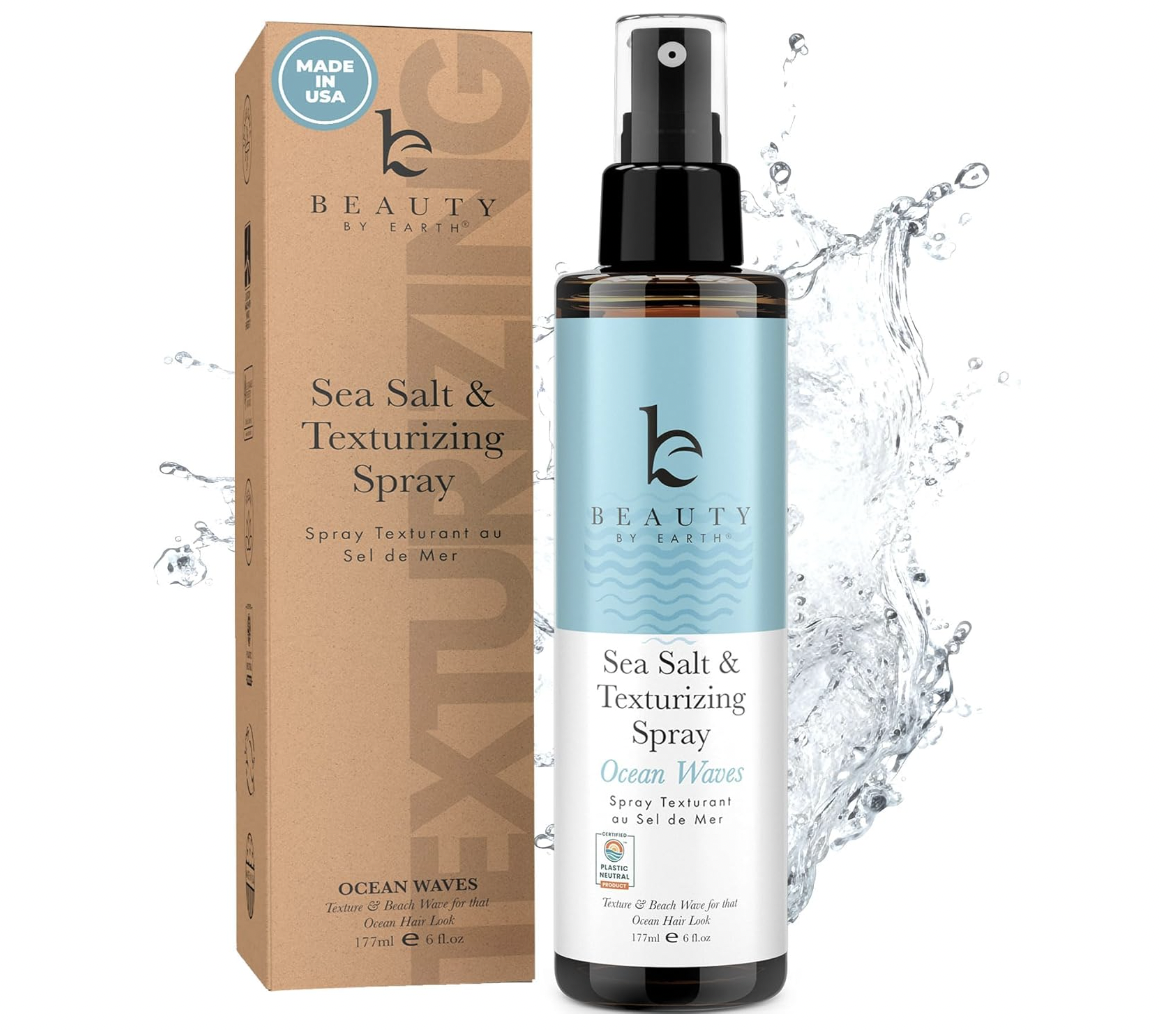
Sea Salt Spray for Textured Beach Waves & Volume

Sea Salt Spray for Textured Beach Waves & Volume

Long Layered Cut

Adding layers to long hair can bring movement and dimension without sacrificing length. A layered cut frames the face and adds body, which is especially beneficial for fine or thinning hair. The layers can also enhance natural texture, making it a versatile choice for wavy, curly, or straight hair.

How to maintain: Regular trims every six to eight weeks will keep layers fresh. Styling can be as simple as air-drying with a little texturizing spray.

Classic Straight

For women with naturally straight hair or those who prefer a sleek look, a classic straight style is chic and easy to maintain. Modern straight styles don’t require a pin-straight, flat-ironed finish; instead, a soft straight look with a bit of volume at the roots can be both youthful and sophisticated.

How to maintain: Use a heat protectant spray when blow-drying and opt for a smoothing serum to control flyaways.

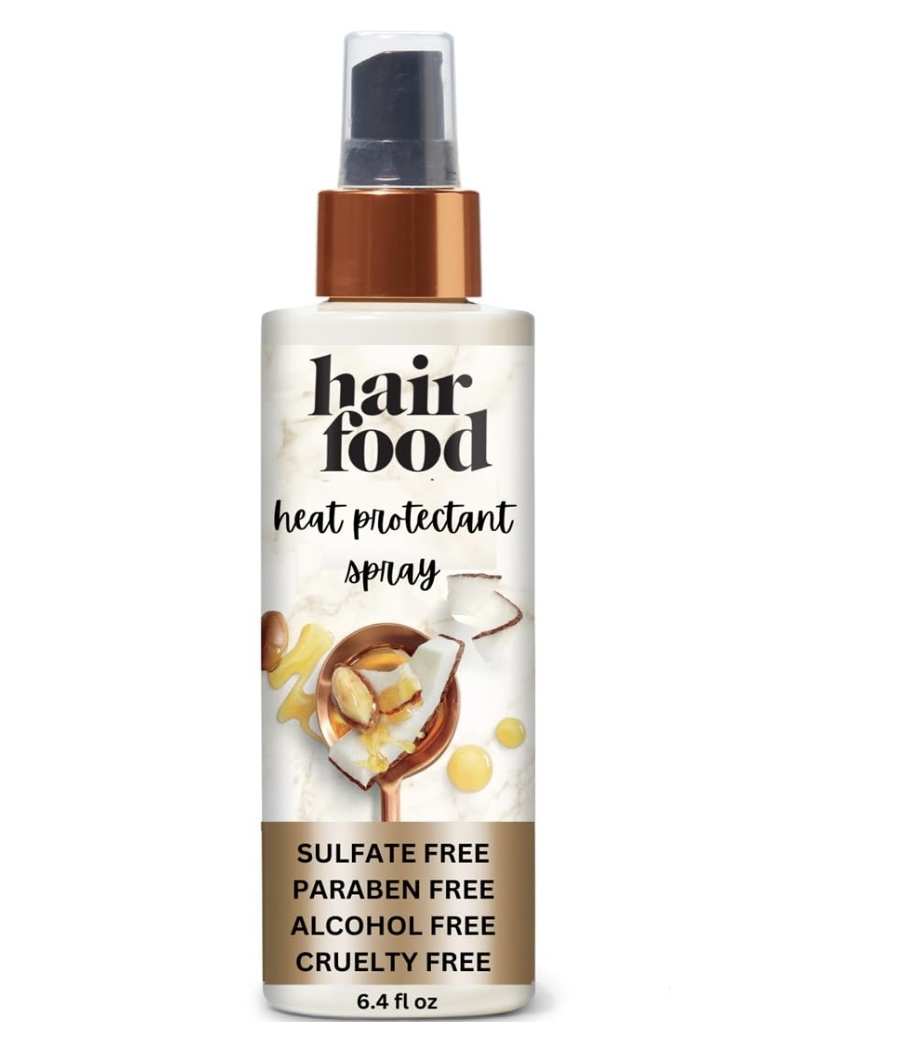
Hair Food Coconut & Argan Oil Heat Protectant Leave-In Spray for All Hair Types

Hair Food Coconut & Argan Oil Heat Protectant Leave-In Spray for All Hair Types

The Low Ponytail

A low ponytail is a practical and stylish solution for women who want to keep their hair off their face without elaborate styling. The ponytail can sit at the nape of the neck for a sleek appearance or be slightly loosened for a more relaxed, casual look. You can also wrap a strand of hair around the hair tie for an elegant touch.

How to maintain: A smoothing serum or light hair gel can help keep the ponytail neat without making it stiff.

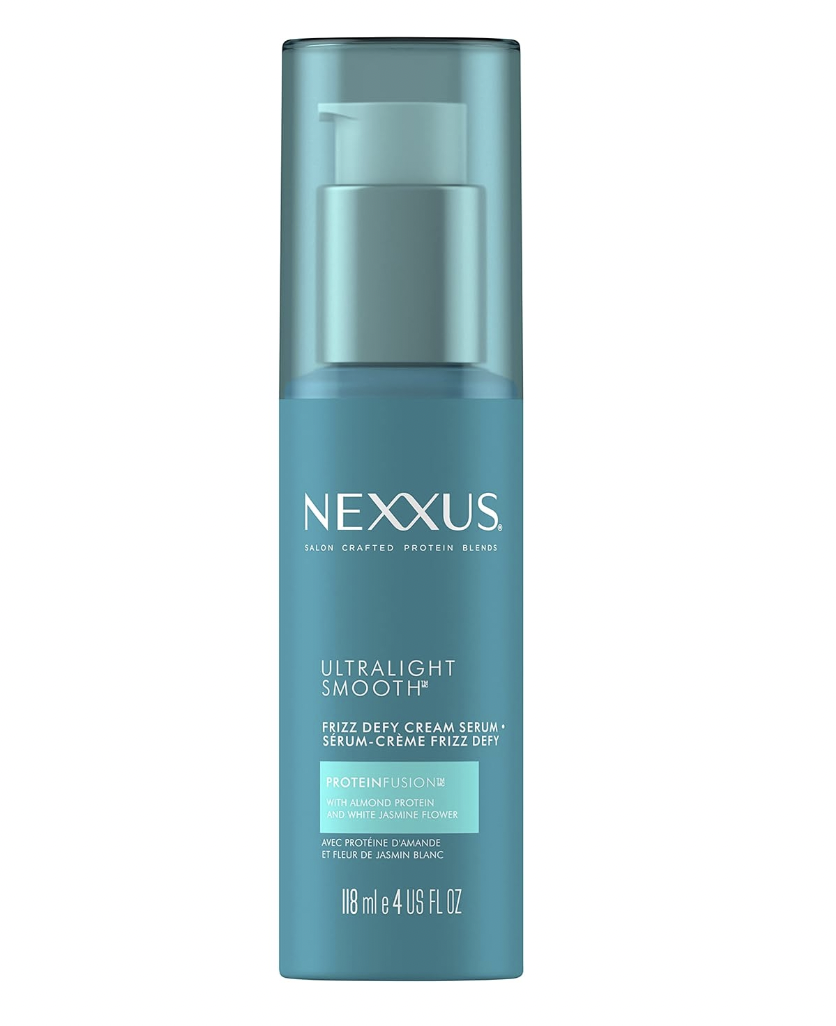
NEXXUS Ultralight Smooth Hair Serum for Dry and Frizzy Hair Weightless Smooth Hair Treatment to Block Out Frizz Against Humidity

NEXXUS Ultralight Smooth Hair Serum for Dry and Frizzy Hair Weightless Smooth Hair Treatment to Block Out Frizz Against Humidity

Long Bob (Lob) with Bangs

The “lob,” or long bob, with bangs is an ideal choice for women who love long hair. It’s still long enough to be styled up or down and easy to manage.

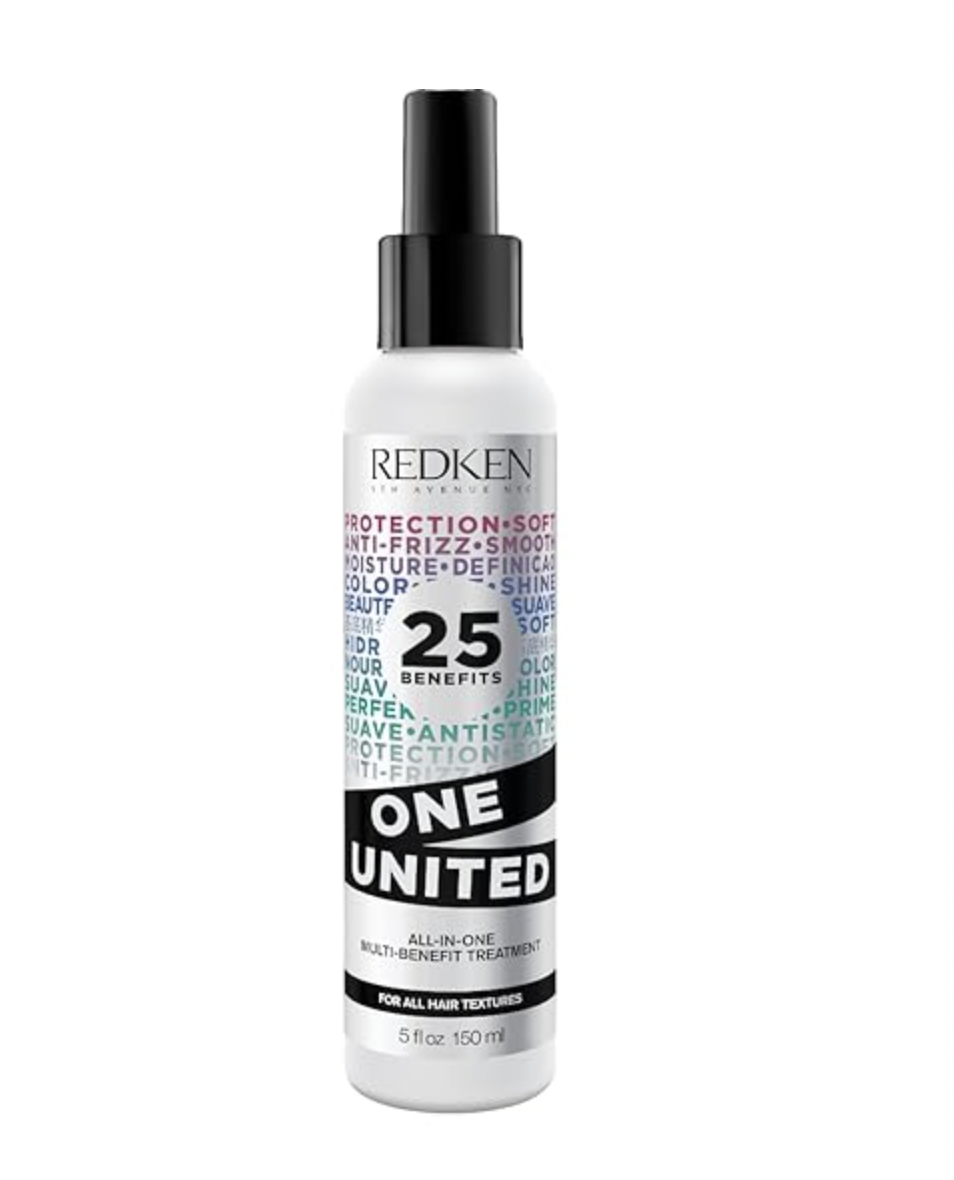
How to maintain: A leave-in conditioner spray can help add shine and prevent split ends. This cut looks great whether styled straight, wavy, or air-dried.

Redken One United Leave In Conditioner

Redken One United Leave In Conditioner

Side-Swept Bangs with Long Hair

Adding side-swept bangs to long hair can instantly modernize a look and provide a flattering frame for the face. Bangs can help soften features and draw attention to the eyes while allowing you to keep the length of your hair intact. They also blend seamlessly into the rest of the hair as they grow out.

How to maintain: Trim bangs every few weeks to keep them fresh and style with a round brush or just your fingers for a natural look.

Long and Natural Curls

For women with naturally curly hair, embracing your curls is a beautiful and low-maintenance option. Long, curly hair can look voluminous and full of life without much effort. To keep curls defined and frizz-free, incorporate a moisturizing routine that includes curl creams and leave-in conditioners designed for curly hair.

How to maintain: Allow hair to air-dry as much as possible and avoid brushing dry curls. A wide-tooth comb is ideal for detangling.

Half-Up, Half-Down

The half-up, half-down hairstyle offers the best of both worlds, keeping hair away from the face while still showcasing its length. This style can be as simple or as polished as you’d like, whether you tie it back with a simple hair tie or add a twist or braid.

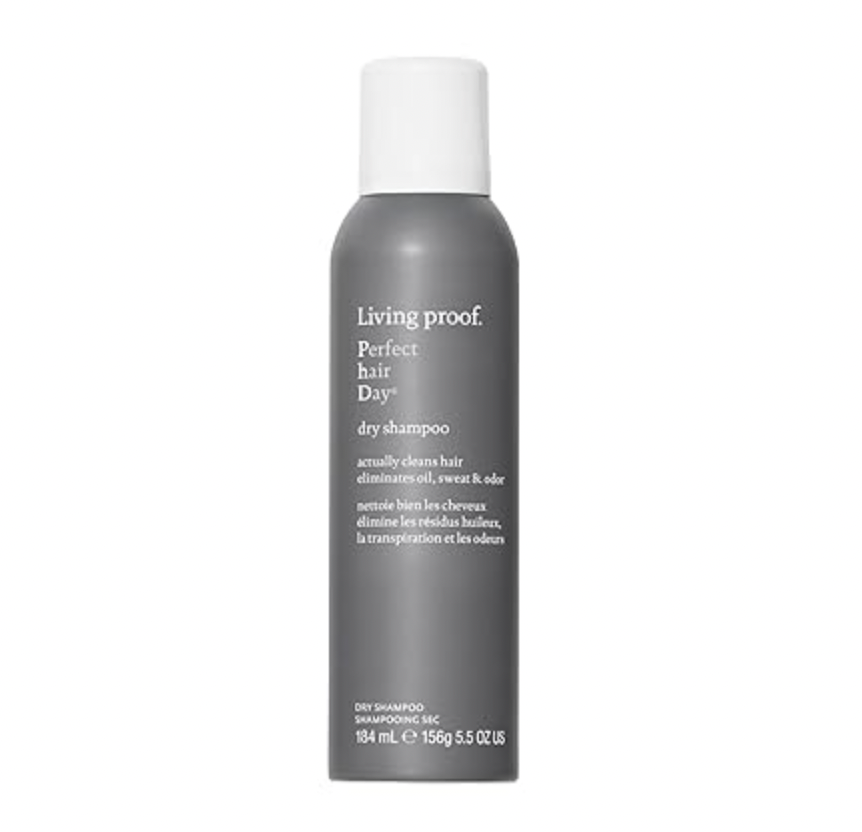
How to maintain: This style works well on both freshly washed and second-day hair, with a bit of dry shampoo or texturizing spray, adding volume and grip.

Living proof Dry Shampoo

Living proof Dry Shampoo

Tips for Maintaining Long Hair After 60

Hydration Is Key

Aging hair tends to be drier, so regular use of a hydrating shampoo, conditioner, and leave-in treatment can help.

Protect Your Hair from Heat Damage

When using hot tools like a blow dryer, curling iron, or straightener, always apply a heat protectant spray.

Go Easy on Washing

Washing hair too frequently can strip it of natural oils. Try washing every 2-3 days and using a sulfate-free shampoo for gentle cleansing.

Regular Trims Are Essential

To maintain healthy long hair, regular trims every 6-8 weeks will prevent split ends and keep your style looking fresh.

With minimal effort, you can enjoy a timeless, elegant look that complements your unique personality and lifestyle. Whether you prefer waves, layers, or a simple ponytail, there’s a perfect style for you to rock those lovely long locks!

Read Long or Short Hair Over 60?

Also read 31 Bold Hairstyles for Women Over 60 from Real-world Icons of Style.

Let’s Have a Conversation:

How do you wear your hair? If long, what is your usual style? Do you have tips and tricks for low-maintenance long hair? Tell us about it in the comments below. 

Read More

Sleep Tight: 10 Tips to Improve Your Health Through Solid Sleep

Tips-to-Improve-Your-Health-Through-Solid-Sleep

I’m over 70, and I figure I’ve spent over 203,000 hours of my life snoozing. That’s 8,500 24-hour days, 1200 weeks, 300 months, or 25 solid years of sleep. Call me Rip Van Winkle. I’ve loved every minute of it.

But has it been enough?

How Much Sleep Do We Need?

When I was still teaching, I seldom got the “required” eight hours, and I paid the price. When I didn’t sleep well, the wrong words would pop out of my mouth, I’d mess up writing on the blackboard, and I’d be short-tempered.

When I retired, I decided to toss my alarm and rely on my biological clock. Within a week of that decision, I fell into a routine of sleeping eight hours, from 11 pm to 7 am. It was heaven to wake up on my own, refreshed and eager for the day.

The National Sleep Foundation has recently revised its recommendations for healthy sleep, and for people over 65 they recommend seven to eight hours, with a range of five to nine hours considered appropriate, depending on individual health and needs.

I’m fortunate to be a good sleeper; the nights I toss and turn are rare, but I have a few close friends who struggle to get even five hours of sleep, and I worry about them. I know good sleep promotes health and long life.

Sleep deprivation can have serious consequences. The Harvard Medical School Division of Sleep Medicine has done extensive research and discovered that “in the short term, a lack of adequate sleep can affect judgment, mood, ability to learn and retain information, and may increase the risk of serious accidents and injury. In the long term, chronic sleep deprivation may lead to a host of health problems including obesity, diabetes, cardiovascular disease, and even early mortality.”

So, What Can We Do?

The Harvard Medical School offers the following tips for better sleep:

Go to Bed and Wake at the Same Time Every Day

A consistent pattern of sleeping and waking will become a habit, and your body will acclimate to the schedule, allowing you to fall asleep and wake more easily.

Use the Bed Only for Sleep and Sex

If you’re still sexually active, what better way to tire yourself out? The experts don’t even recommend reading in bed, but books are my sleeping potion. I seldom manage more than a few pages before dozing off. I guess a page-turner might not be a good idea, though.

Limit Your Caffeine

We all know that caffeine is a stimulant, and for some of us any amount of caffeine can keep us awake at night. My father was able to enjoy a strong cup of coffee before bed, while I have to cut myself off after three in the afternoon. Find your personal tolerance for caffeine and act accordingly.

Be Physically Active

Aerobic exercise helps us sleep. If I don’t exercise at all during the day, I usually have trouble sleeping. Whether you do an exercise class, a daily walk, or 10-minute spurts of exercise around the house, exercise will help you sleep.

Limit Naps to 30 Minutes

Though you can use short naps to catch up on sleep, it’s best to do your sleeping at night. Long naps mess up your sleep schedule, and who likes to wake up groggy?

If You Use Tobacco in Any Form, Quit

There’s nothing healthy about smoking, and if cancer isn’t enough of a deterrent, the nicotine found in tobacco is a stimulant that makes it harder to fall asleep. Give it up – it’s not worth it.

Use Alcohol Cautiously

Alcohol depresses the nervous system, so a nightcap may help some people fall asleep. However, this effect disappears after a few hours and may even lead to waking up throughout the night. I’ve found that the second glass of red wine with dinner guarantees me a 3 a.m. wake-up.

Improve Your Sleep Surroundings

You should have a quiet, dark place to sleep. You should also avoid any blue-screen activities for 30-60 minutes before going to bed. Recent research has shown that the blue light of televisions, computers, tablets and phones suppresses the production of melatonin, the hormone that helps us sleep.

Follow the 20-Minute Rule

If you haven’t fallen asleep in 20 minutes of going to bed, get up and do something to relax. You might read, take a warm bath, or drink a cup of warm milk – anything that settles you down. Once you feel tired, head back to bed.

Avoid Taking Sleeping Pills

If you are having ongoing sleep issues, consult with your physician before relying on sleeping pills.

Avoid the Specter of Blue Light

I was surprised to learn that blue light, even ambient blue light, is the most intense of all forms of light. That’s one of the reasons you see blue lights on ambulances.

Our bodies produce more melatonin as the day grows dark, and all lights impede its production, though the intense rays of blue light affect it the most. If you struggle with sleep, get rid of all the electronics in your bedroom.

I look forward to sleeping well in the coming years. Let’s see… eight hours a night for 25 years will be 73,000 hours, which is 3,042 days… That sounds like a blessing to me!

Let’s Have a Conversation:

How many hours do you manage to sleep on most nights? How often do you wake up from sleep? Have you found any sleep-inducing strategies that work for you? What keeps you awake late at night?

Read More