
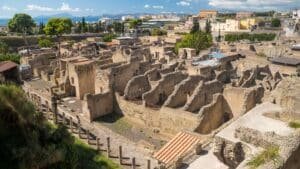
Historical Journeys – 15 Ancient Sites and Landmarks in Europe and the U.S.

Have you taken one or more historical journeys? As humanity progresses, we leave lasting marks on the world. Some landmarks, crafted millennia ago, still stand, offering a fascinating glimpse into our ancient ways of life.
Imagine yourself at Stonehenge, surrounded by the echoes of ancient whispers. Stand in wonder at the Colosseum, where the cheers of gladiators from centuries past seem to linger. This isn’t just a trip; it’s a unique opportunity to step into the stories etched in stone. History isn’t confined to textbooks; it’s an immersive adventure.
- Cahokia Mounds (Illinois): Cahokia was the largest pre-Columbian settlement in North America, with a population that peaked around 1200 CE. The site contains a complex of mounds, including Monks Mound, the largest prehistoric earthwork in the Americas.
- Chaco Culture National Historical Park (New Mexico): This site preserves the remnants of a complex ancestral Puebloan culture that thrived between the 9th and 12th centuries. The park contains remarkable stone structures, including the famous Pueblo Bonito.
- Mesa Verde National Park (Colorado): Known for its well-preserved cliff dwellings, Mesa Verde was home to ancestral Pueblo people from the 6th to the 12th centuries. The Cliff Palace and Balcony House are among the most famous dwellings.
- Hovenweep National Monument (Utah and Colorado): Hovenweep protects six prehistoric villages built between 1200 and 1300 CE, featuring a variety of structures, including multi-story towers.
- Casa Grande Ruins National Monument (Arizona): Casa Grande, or “Great House,” is one of the largest prehistoric structures ever built in North America. It was constructed by the Hohokam people around 1350 CE.
- Kennewick Man Site (Washington): While not a traditional archaeological site, the discovery of Kennewick Man in 1996 provided valuable insights into the early human history of the Americas. The remains are estimated to be over 9,000 years old.
- Stonehenge (United Kingdom): This iconic prehistoric monument consists of a ring of standing stones, each around 13 feet high, seven feet wide, and weighing around 25 tons. Its purpose and construction methods remain the subject of much speculation.
- The Colosseum (Italy): Located in Rome, the Colosseum is a massive amphitheater built during the Roman Empire. It could hold up to 80,000 spectators and was used for gladiatorial contests and public spectacles.
- The Acropolis (Greece): Perched atop a rocky outcrop in Athens, the Acropolis is a complex of ancient buildings, the most famous of which is the Parthenon, a temple dedicated to the goddess Athena.
- The Roman Forum (Italy): This rectangular forum surrounded by the ruins of several important ancient government buildings is located in the center of Rome. It was the heart of Roman public life for centuries.
- Ephesus (Turkey): An ancient Greek city, later a major Roman city, Ephesus holds well-preserved ruins, including the Library of Celsus, the Temple of Artemis, and the Great Theatre.
- Megalithic Temples of Malta (Malta): These prehistoric temples, dating back to 3600 BCE, are among the oldest free-standing structures on Earth. They are UNESCO World Heritage Sites.
- Newgrange (Ireland): A prehistoric monument in County Meath, Newgrange is a passage tomb built during the Neolithic period, around 3200 BCE. It is aligned with the winter solstice and is famous for its megalithic art.
- Pompeii and Herculaneum (Italy): These ancient Roman cities were preserved in ash and lava after the eruption of Mount Vesuvius in 79 CE. Excavations have revealed well-preserved buildings, artifacts, and even human remains.
- Avebury (United Kingdom): Like Stonehenge, Avebury is a Neolithic henge monument, but it is larger in scale. It includes a large circular bank and a ditch, within which stands a large outer stone circle and two separate smaller stone circles.
Visualize strolling through the Acropolis in Athens, once a city devoted to gods and adorned with remarkable architecture. Sense the vitality of the Roman Forum, the epicenter of a once-mighty empire. From enigmatic temples in Malta to the remnants of Pompeii, each site narrates a part of our collective human history.
What Defines an Ancient Site or Landmark
An ancient site or landmark is typically defined by its historical, cultural, or archaeological significance, often rooted in its age and the civilizations or cultures it represents. While there isn’t a specific universally agreed-upon timeframe for when a site becomes “ancient,” the term generally applies to structures, artifacts, or locations that date back many centuries or even millennia.
Key defining factors for an ancient site or landmark include:
- Age – Ancient sites are typically very old, often dating back hundreds or thousands of years. The age alone contributes to their historical importance.
- Cultural or Historical Significance – These sites often have cultural, religious, or historical importance, representing the practices, beliefs, or events of the people who built and used them.
- Architectural or Archaeological Value – The design, construction, and archaeological artifacts associated with the site contribute to its significance. Many ancient sites showcase advanced architectural or engineering skills for their time.
- Connection to Past Civilizations – Ancient sites are often remnants of past civilizations or cultures, providing insights into the way people lived, their societal structures, and their technological achievements.
- Preservation – The degree to which a site has been preserved over time is crucial. Some ancient sites remain remarkably intact, while others may be partially in ruins.
Read 8 SPIRITUAL JOURNEYS FROM AROUND THE WORLD.
Ancient Sites and Landmarks in the USA
While the United States is a relatively young country compared to many others, it does have some ancient sites and landmarks that offer a glimpse into its pre-Columbian history and indigenous cultures.
Cahokia Mounds (Illinois)
Cahokia, the largest pre-Columbian settlement in North America, thrived from 600 to 1400 CE, reaching its population peak around 1200 CE. Located in Illinois, it is famed for its complex of earthen mounds, with Monks Mound standing as the largest prehistoric earthwork in the Americas. Soaring to a height of approximately 100 feet, Monks Mound served both ceremonial and residential purposes, showcasing the advanced engineering skills of the ancient Cahokians.
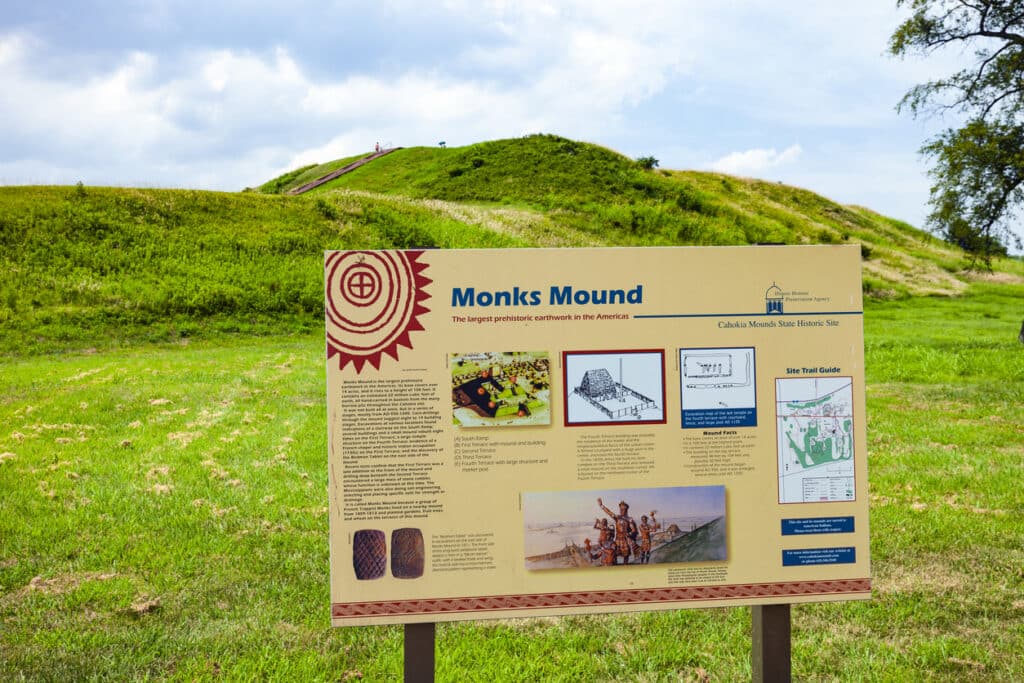
Surrounding Monks Mound are smaller mounds, contributing to a meticulously planned urban and ceremonial center. Recognized as a UNESCO World Heritage Site, Cahokia serves as a tangible connection to North America’s ancient past, inviting contemporary explorers to marvel at the achievements and ingenuity of its bygone inhabitants.
Chaco Culture National Historical Park (New Mexico)
Chaco Culture National Historical Park stands as a testament to the intricate legacy of the ancestral Puebloan people who flourished between the 9th and 12th centuries. Located in the arid expanses of New Mexico, this park preserves the remnants of a once-vibrant civilization, offering a fascinating window into the lives of its ancient inhabitants.
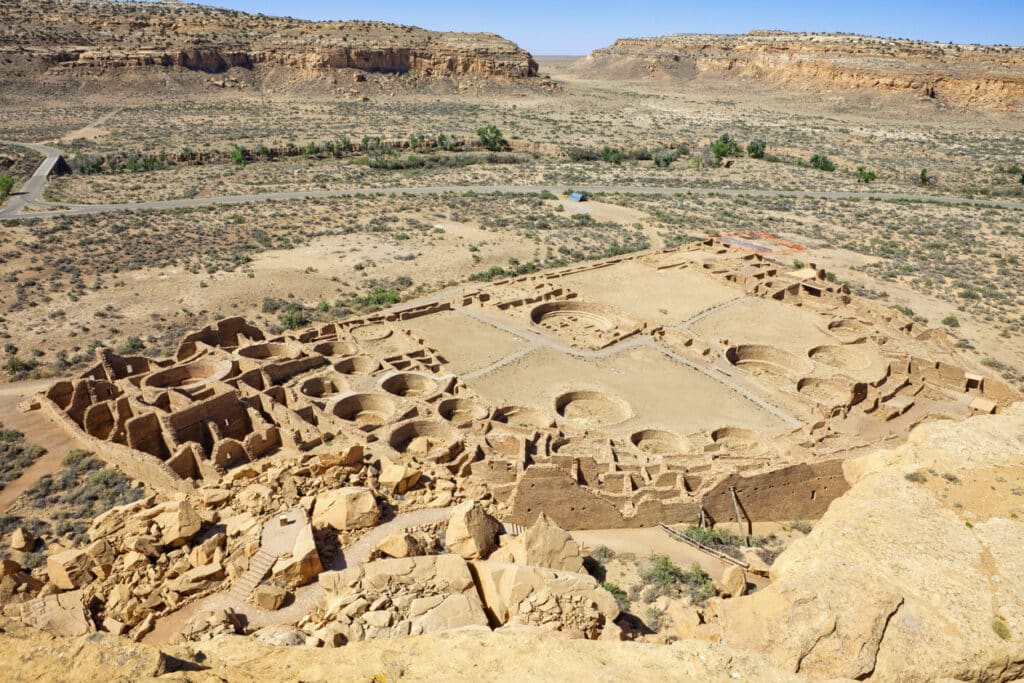
The park’s landscape is dotted with remarkable stone structures that reflect the architectural brilliance of the ancestral Puebloans. Among these, Pueblo Bonito stands out as a crowning achievement. This expansive structure, with its multiple stories and intricate masonry, was a significant hub within the Chacoan society. Pueblo Bonito, with its interconnected rooms and ceremonial spaces, serves as a poignant reminder of the cultural and spiritual practices that thrived in this arid region centuries ago.
Chaco Culture National Historical Park, designated a UNESCO World Heritage Site, not only preserves the physical remnants of the past but also invites contemporary explorers to contemplate the rich history and ingenuity of the ancestral Puebloan culture that once called this arid landscape home.
Mesa Verde National Park (Colorado)
Mesa Verde National Park, also a UNESCO World Heritage Site, is a captivating testament to ancient Puebloan life and cradles a wealth of history within its rugged landscapes. Inhabited by ancestral Pueblo people from the 6th to the 12th centuries, this park in Colorado offers a vivid glimpse into the unique cliff-dwelling culture that thrived here. The park is renowned for its exceptionally well-preserved cliff dwellings, which serve as silent witnesses to the ingenuity and resilience of their builders.
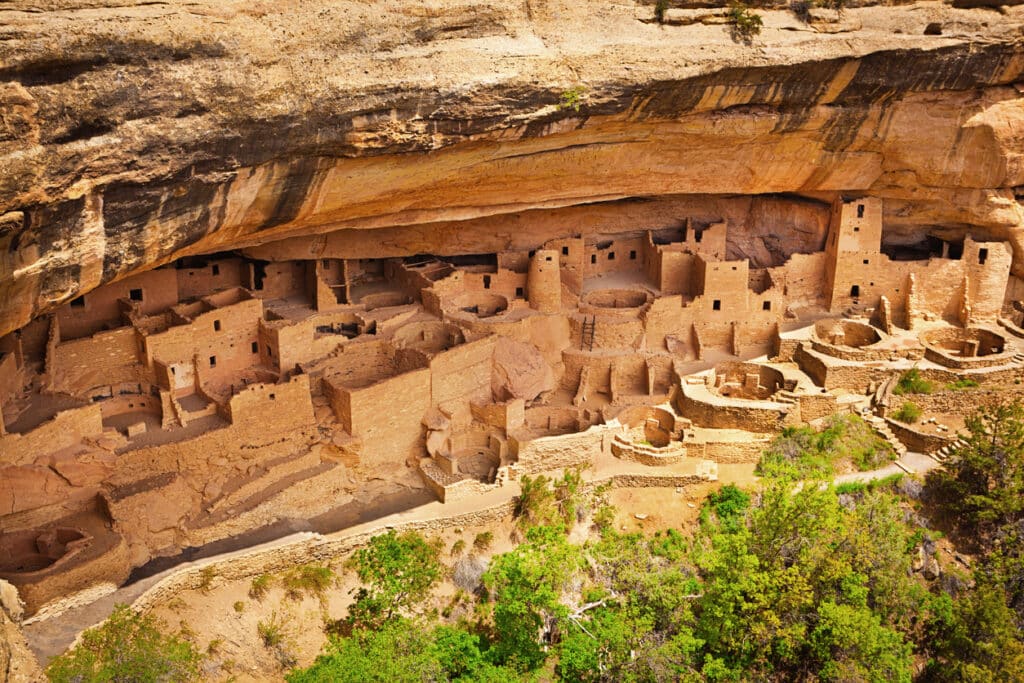
Among the remarkable structures, the Cliff Palace and Balcony House stand as iconic representatives of the ancient Puebloan architectural prowess. The Cliff Palace, the largest and most elaborate cliff dwelling in Mesa Verde, has over 150 rooms and 23 kivas. Balcony House, with its daring architecture and cliff-side location, further showcases the resourcefulness of the ancestral Puebloans.
Mesa Verde National Park calls on adventurers to unravel the mysteries of its ancient residents and to appreciate the enduring legacy etched into the cliffs and canyons of this southwestern marvel.
Hovenweep National Monument (Utah and Colorado)
Hovenweep National Monument holds the remnants of six prehistoric villages that emerged between 1200 and 1300 CE, providing a captivating portal into the lives of the ancestral Puebloan people. Located on the border between present-day Utah and Colorado, this monument safeguards a mesmerizing array of structures that showcase the architectural prowess of its ancient inhabitants.
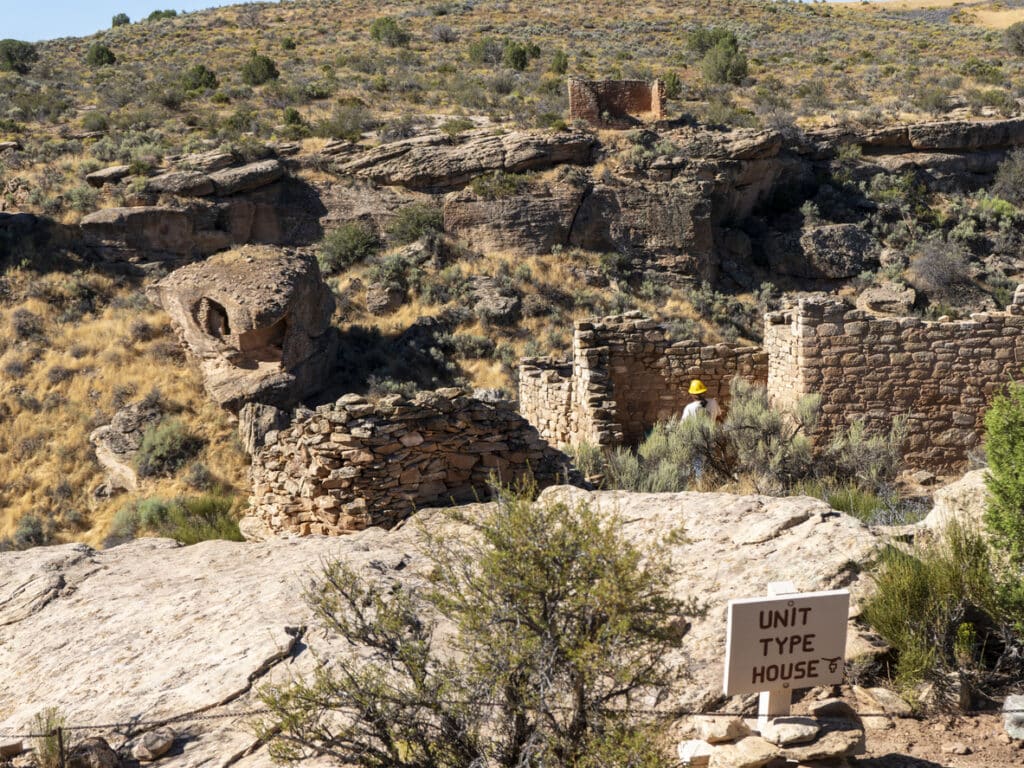
The villages within Hovenweep have a diverse range of constructions, with multi-story towers emerging as distinctive highlights. These towers, rising against the backdrop of the Southwestern landscape, stand as enduring symbols of the ancestral Puebloans’ craftsmanship and resourcefulness. Ingeniously engineered, these structures served various purposes, including residential abodes and ceremonial spaces, underscoring the complex societal dynamics of the time.
As visitors explore Hovenweep, they wander through the archaeological remnants of a society that once thrived amidst these canyons and mesas. The stone structures, meticulously crafted and strategically positioned, whisper tales of communal living, resource management, and the spiritual significance attributed to the landscape.
Casa Grande Ruins National Monument (Arizona)
Casa Grande, translating to “Great House,” stands as a colossal testament to the ingenuity of the Hohokam people, one of the ancient cultures of the American Southwest. Constructed around 1350 CE, it is among the largest prehistoric structures on the North American continent. This architectural marvel, located in Arizona, embodies the advanced engineering skills of the Hohokam, who ingeniously harnessed desert resources to create this imposing structure.
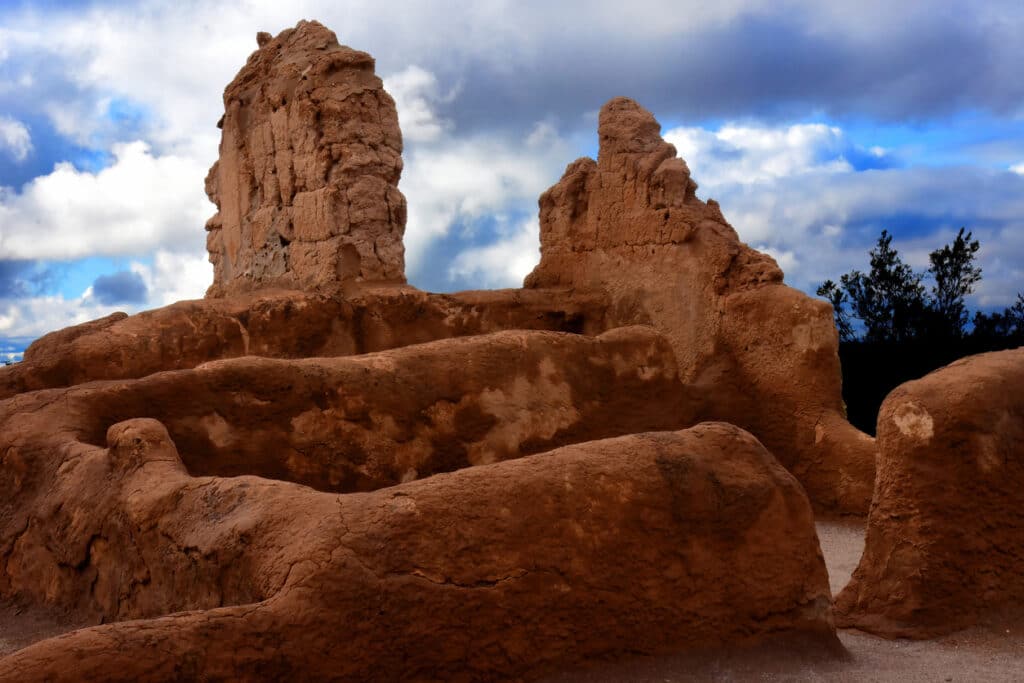
Rising amid the arid landscape, Casa Grande served multifaceted purposes for its builders. Its intricate design suggests a complex understanding of celestial events, potentially aligning with solstices and equinoxes. The significance of Casa Grande extends beyond its physical structure; it represents the cultural sophistication and societal organization of the Hohokam, offering a tangible link to a bygone era. As a National Monument, Casa Grande continues to captivate modern admirers, inviting them to contemplate the ancient mysteries concealed within its massive adobe walls.
Kennewick Man Site (Washington)
Kennewick Man, unearthed in 1996, stands as an unconventional but invaluable archaeological discovery, providing profound insights into the early human history of the Americas. Estimated to be over 9,000 years old, these ancient remains, found along the banks of the Columbia River in Washington state, challenge our understanding of the region’s prehistoric populations.
While not associated with a specific site, Kennewick Man is a crucial piece in unraveling the tapestry of North America’s indigenous history. Scientific analyses of the skeletal remains shed light on aspects such as diet, migration patterns, and genetic diversity, contributing significantly to our understanding of the continent’s ancient inhabitants.
These discoveries, from Kennewick Man to the diverse ancient sites and landmarks, collectively offer a mesmerizing journey into the rich history of North America’s indigenous peoples. They provide a nuanced narrative of cultures, traditions, and lifestyles that flourished long before the arrival of Europeans, inviting us to appreciate the depth and diversity of the continent’s pre-Columbian heritage.
Ancient Sites and Landmarks in Europe
Europe is rich in history and is home to numerous ancient sites and landmarks that reflect its diverse cultures and civilizations.
Stonehenge (United Kingdom)
Stonehenge, an iconic prehistoric monument situated on the Salisbury Plain in England, remains an enigmatic marvel. Comprising a ring of standing stones, each approximately 13 feet high, seven feet wide, and weighing a staggering 25 tons, its colossal presence has captivated human imagination for centuries. Despite exhaustive research, the purpose and construction methods of Stonehenge continue to elude definitive explanation, shrouding it in an aura of mystery.
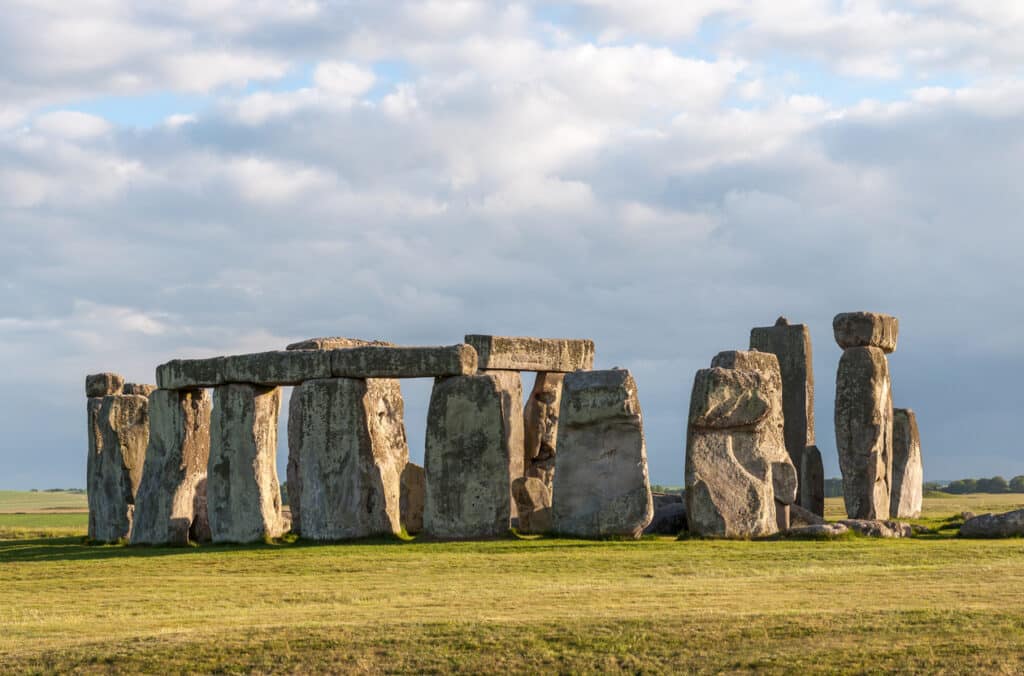
The arrangement of these monolithic stones, some of which were transported from great distances, suggests meticulous planning and astronomical significance. Theories abound regarding its use for celestial observations, rituals, or even as a burial site. The sheer scale of the stones and the precision with which they align defy the technological limitations presumed for the time.
Stonehenge’s enduring allure lies not only in its imposing physicality but also in the enduring questions it poses.
The Colosseum (Italy)
Located in the heart of Rome, the Colosseum stands as an enduring testament to the grandeur of the Roman Empire. This massive amphitheater, constructed with architectural brilliance during the 1st century AD, was a remarkable feat of engineering for its time. Boasting a seating capacity of up to 80,000 spectators, the Colosseum was a colossal venue for gladiatorial contests, wild animal hunts, and elaborate public spectacles that enthralled the citizens of ancient Rome.
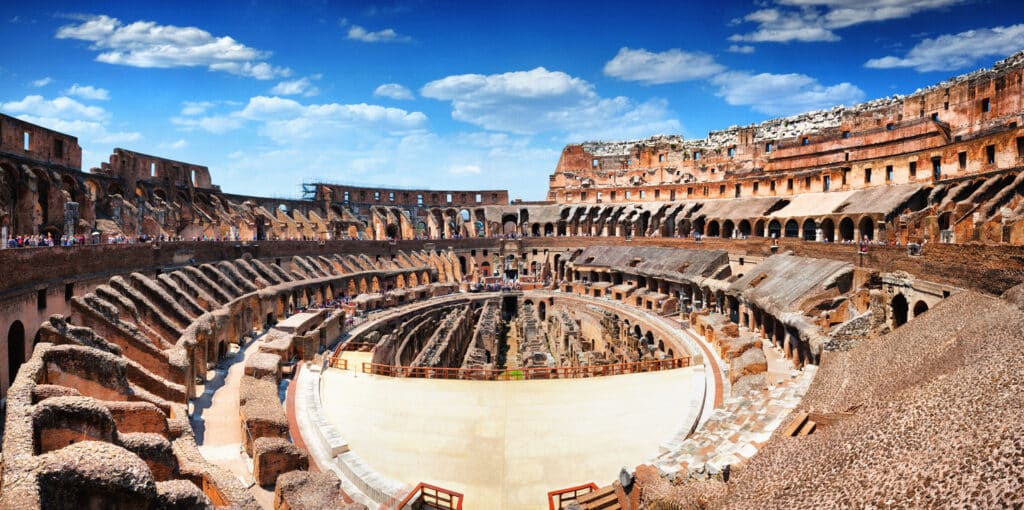
The amphitheater’s elliptical design and tiered seating created an immersive experience for the Roman audience, who gathered to witness the dramatic clashes of gladiators and the grandeur of theatrical performances. The Colosseum, a symbol of Roman engineering prowess and cultural entertainment, stands today as one of the world’s most iconic and well-preserved ancient structures, drawing millions of visitors to marvel at its historical significance and architectural splendor.
The Acropolis (Greece)
Gracefully perched atop a rocky outcrop overlooking Athens, the Acropolis stands as a majestic complex of ancient structures, echoing the rich history of ancient Greece. Dominating the skyline, the most renowned jewel in this architectural crown is the Parthenon, a masterpiece dedicated to the goddess Athena, the city’s patron deity.
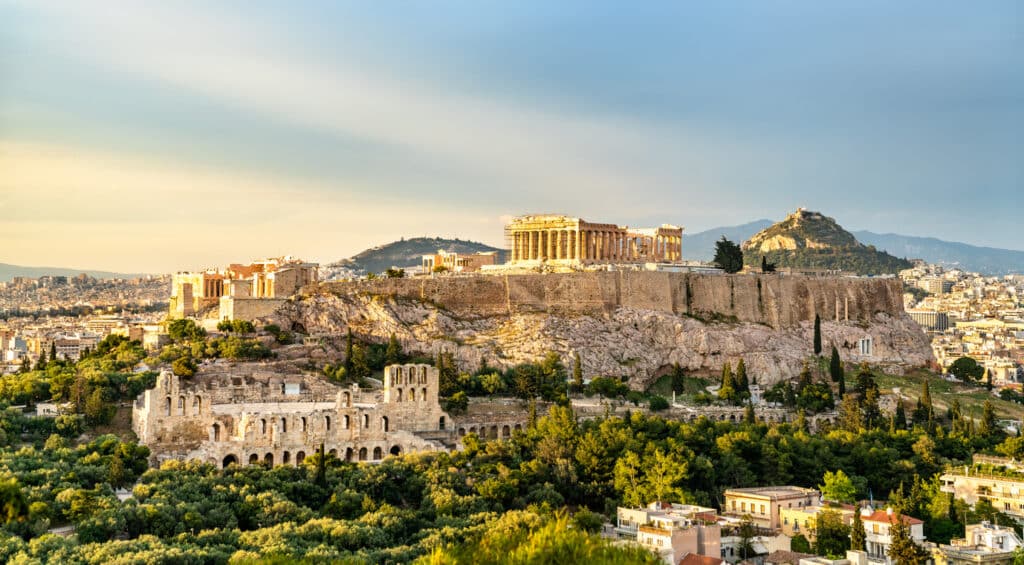
Constructed in the 5th century BCE, the Parthenon’s Doric columns and intricately carved friezes are a testament to the skill and aesthetic sophistication of ancient Greek architects and craftsmen. This iconic temple served not only as a place of worship but also as a symbol of the city-state’s cultural and political achievements.
As the focal point of the Acropolis, the Parthenon encapsulates the ideals of classical Greek art and architecture, with its harmonious proportions and dedication to the goddess of wisdom. Today, the Acropolis stands as a UNESCO World Heritage Site, inviting visitors to immerse themselves in the cultural legacy of ancient Athens and marvel at the enduring beauty of the Parthenon.
The Roman Forum (Italy)
At the heart of Rome lies a historical nexus – the Roman Forum, a rectangular expanse bordered by the remnants of vital ancient government structures. This hallowed ground, pulsating with the echoes of centuries past, served as the epicenter of Roman public life for generations.
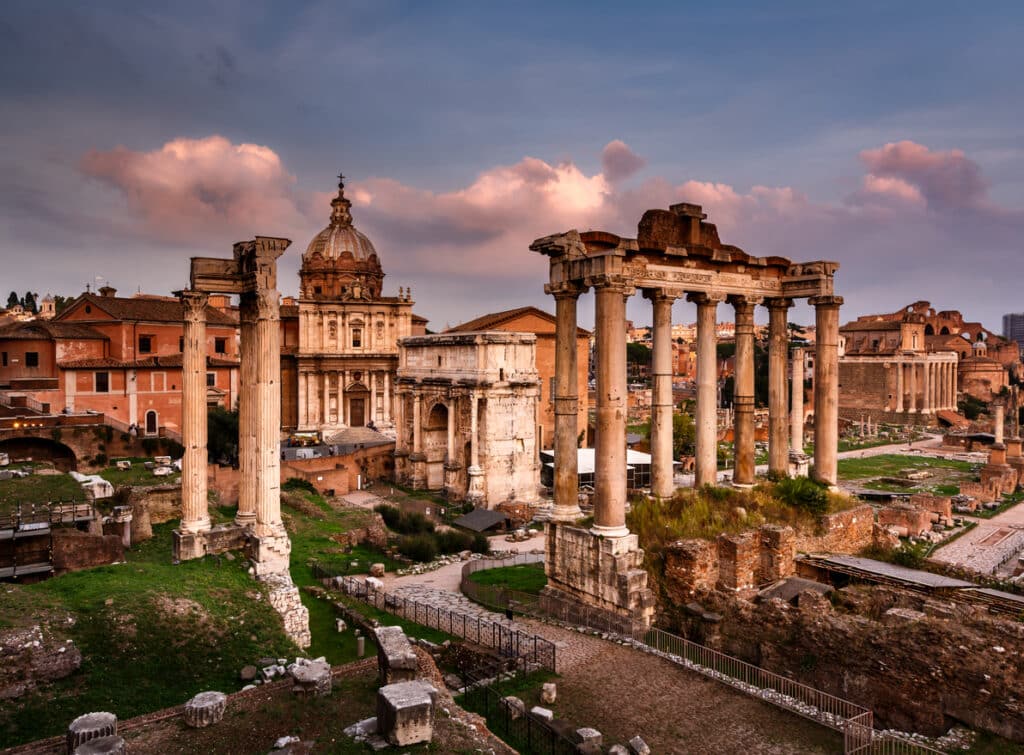
Encircled by the vestiges of significant governmental edifices, the Roman Forum was a bustling hub where the political, religious, and commercial facets of Roman society converged. Temples, basilicas, and arches adorned its periphery, testifying to the grandeur of a bygone era.
For centuries, the Forum bore witness to momentous events, political debates, and civic ceremonies. It was here that the pulse of Roman life reverberated – a place where emperors addressed the masses, legal disputes were settled, and religious rites unfolded. Today, as a captivating archaeological site, the Roman Forum invites modern visitors to tread upon the same cobblestones that once bore the weight of ancient senators and citizens, offering a tangible connection to the enduring legacy of Rome.
Ephesus (Turkey)
Ephesus, an ancient Greek city that later evolved into a prominent Roman metropolis, stands as a testament to the crossroads of civilizations. Found in present-day Turkey, its well-preserved ruins are a captivating journey through time, showcasing the architectural splendors of both ancient cultures.
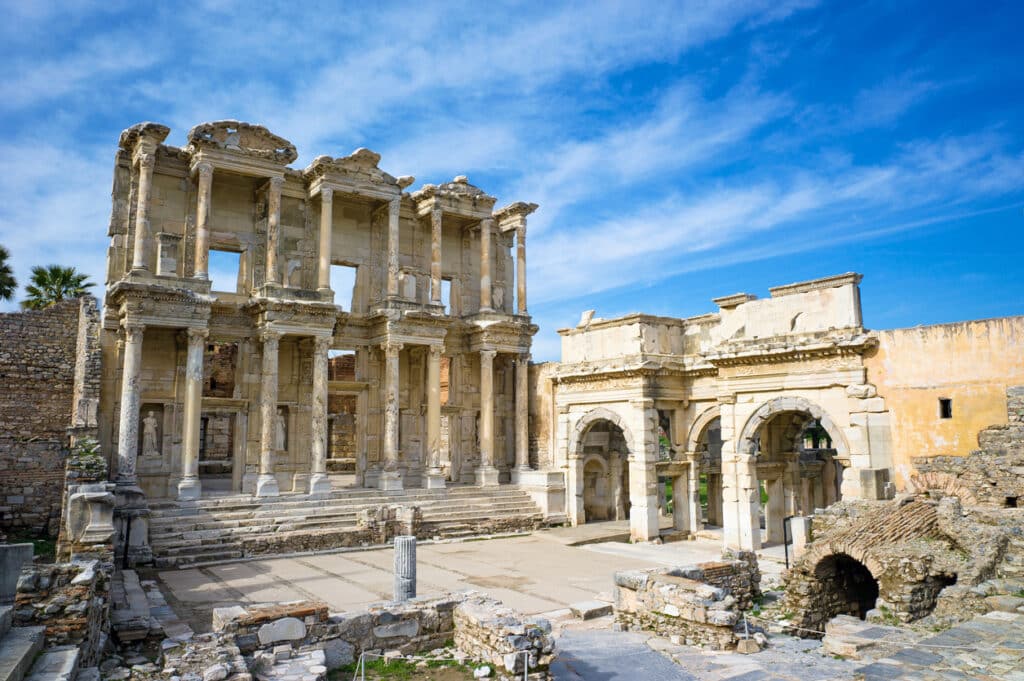
Prominent among its remnants is the Library of Celsus, an architectural marvel that once housed thousands of scrolls. Its elaborate façade and grandeur evoke the intellectual richness of ancient Ephesus. The Temple of Artemis, one of the Seven Wonders of the Ancient World, adds to the city’s allure with its monumental columns and religious significance.
The Great Theatre, a colossal amphitheater, epitomizes Ephesus’s cultural vitality. With a seating capacity of 25,000, it hosted theatrical performances, gladiator contests, and civic gatherings.
Megalithic Temples of Malta (Malta)
The megalithic temples of Malta, dating back to 3600 BCE, stand as awe-inspiring sentinels of a distant past, making them some of the oldest free-standing structures on Earth. Nestled in the Mediterranean archipelago, these prehistoric marvels are not merely archaeological relics but enduring testaments to the ingenuity of ancient builders.
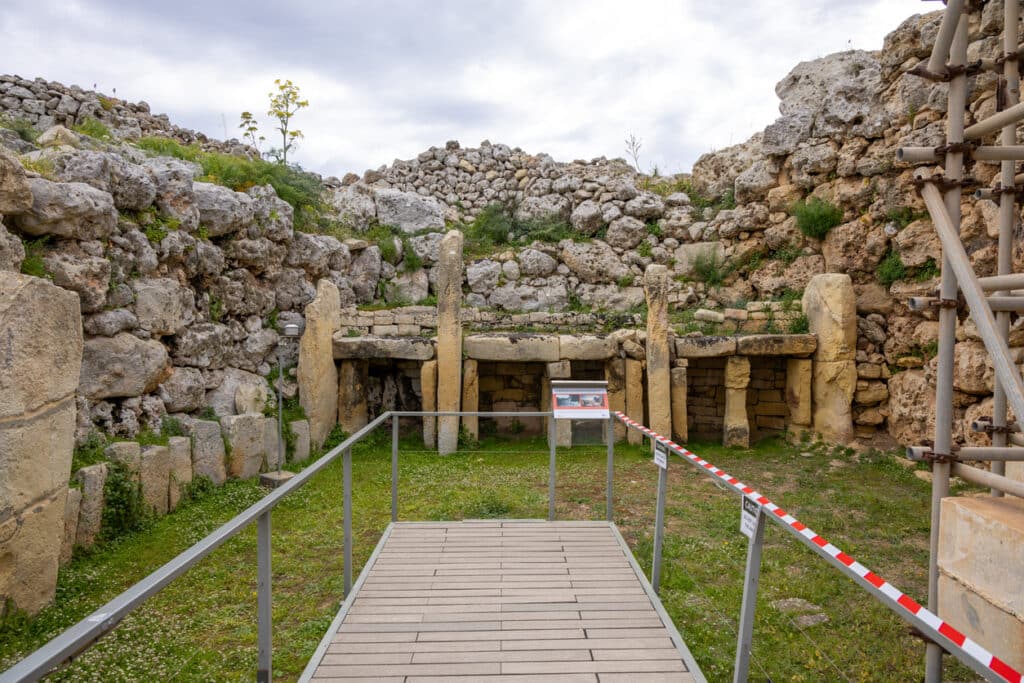
Designated as UNESCO World Heritage Sites, these temples, including Ġgantija and Ħaġar Qim, exhibit intricate stonework and architectural sophistication that defy their age. Serving as sacred spaces for ritualistic practices, these structures offer glimpses into the spiritual beliefs of their Neolithic creators.
As monumental landmarks, the megalithic temples of Malta invite contemporary visitors to traverse the millennia, touching the very stones that bear witness to the rituals and daily life of prehistoric communities.
Newgrange (Ireland)
Newgrange, a prehistoric marvel located in County Meath, Ireland, transcends time as a Neolithic passage tomb crafted around 3200 BCE. This ancient structure, older than Stonehenge and the Great Pyramid of Giza, captures the ingenuity and celestial awareness of its Neolithic builders.
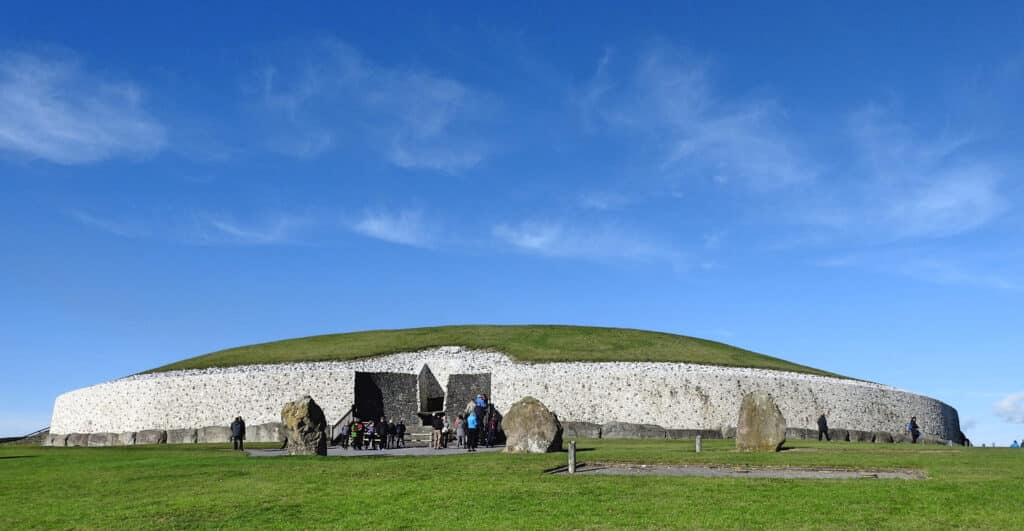
Notable for its alignment with the winter solstice, Newgrange showcases a remarkable understanding of astronomical phenomena. As sunlight pierces the passage during this celestial event, it bathes the tomb in an ethereal glow, illuminating its inner chamber.
Beyond its celestial alignment, Newgrange is renowned for its megalithic art – a testament to the artistic capabilities of its ancient creators. The intricately carved stones depict spirals, geometric patterns, and symbolic motifs, offering a glimpse into the spiritual and cultural significance of this sacred space.
As a UNESCO World Heritage Site, Newgrange beckons modern explorers to traverse its ancient thresholds, unlocking the mysteries and marveling at the artistic and astronomical prowess encapsulated within its timeless stones.
Pompeii and Herculaneum (Italy)
Pompeii and Herculaneum, ancient Roman cities frozen in time, bear the indelible marks of the catastrophic eruption of Mount Vesuvius in 79 CE. Enveloped in ash and lava, these once-thriving urban centers lay hidden for centuries until modern excavations unveiled a remarkably preserved glimpse into daily life during the height of the Roman Empire.
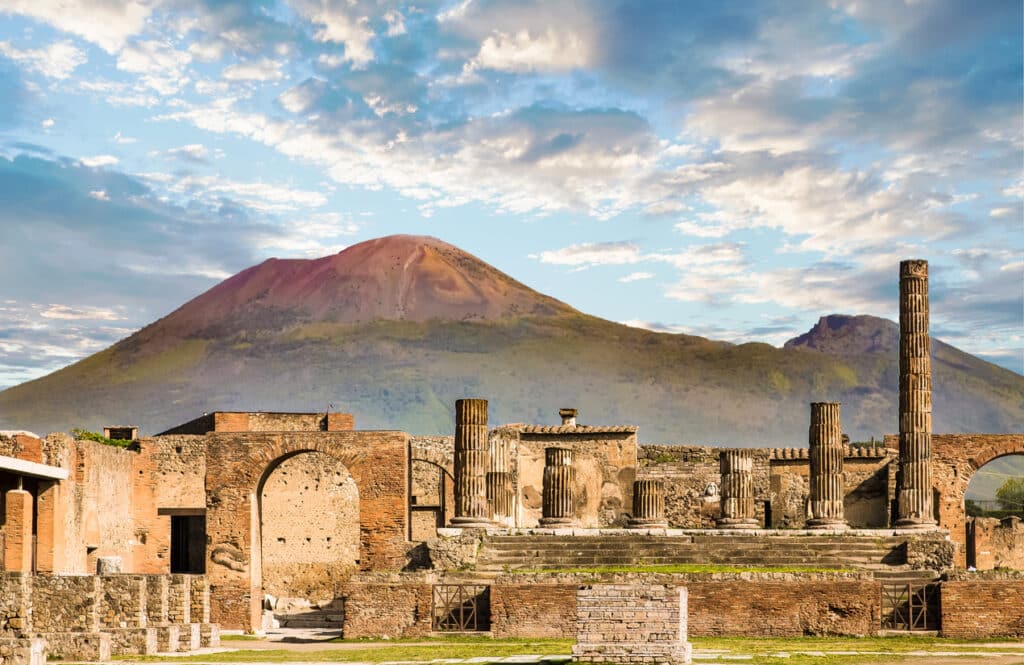
The excavations of Pompeii and Herculaneum have unearthed a treasure trove of well-preserved buildings, intricate frescoes, everyday artifacts, and poignant human remains. The remarkably intact structures, from lavish villas to bustling marketplaces, provide a vivid snapshot of Roman urbanism and societal norms.
As archaeological time capsules, these sites transcend mere historical record-keeping. They offer contemporary visitors an immersive journey through the Roman past, where the tragedy of a volcanic eruption paradoxically preserved the vibrant essence of two ancient cities, frozen in the throes of a catastrophic moment.
Avebury (United Kingdom)
Akin to Stonehenge, Avebury stands as a monumental Neolithic henge, but it surpasses its iconic counterpart in scale and complexity. Situated in Wiltshire, England, Avebury encompasses a vast circular bank and ditch, encircling an expansive space within which unfolds a captivating arrangement of ancient stones.
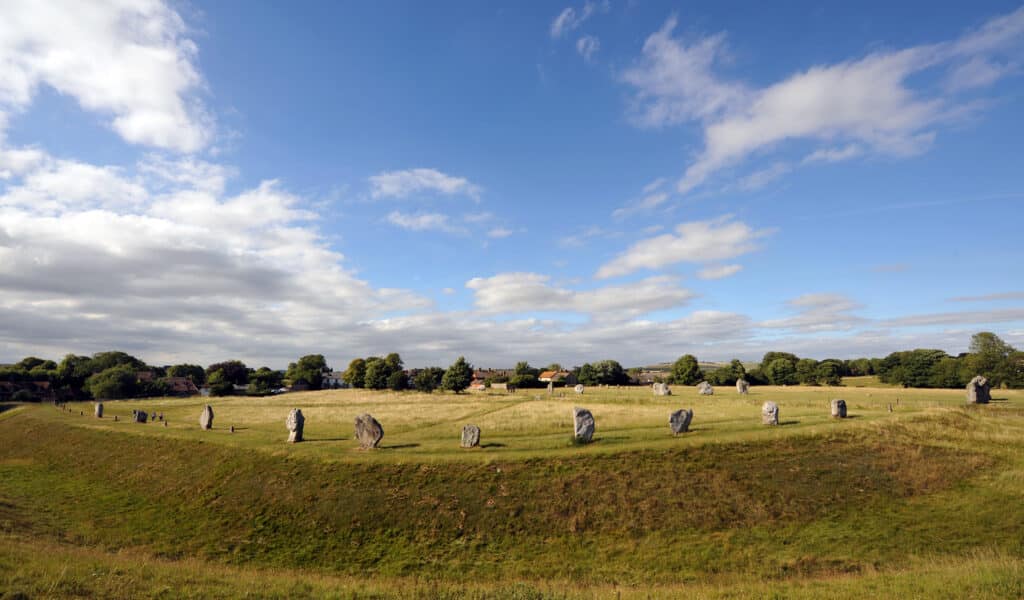
At the heart of Avebury lies a large outer stone circle, a colossal testament to the Neolithic builders’ ingenuity and communal effort. This massive ring of stones encloses an extensive area, symbolizing the significance of this site within the ancient landscape. Avebury features not only one but two smaller stone circles within its protective embrace, each exuding its own enigmatic aura. Avebury stands as an archaeological marvel, a testament to the enduring mysteries of ancient ritual landscapes.
These sites offer a glimpse into the diverse and rich history of Europe, spanning various civilizations and time periods.
Read 15 OF THE BEST UNESCO DESTINATIONS FOR WOMEN OVER 50
Visit UNESCO’s full list of Heritage Sites.
Let’s Have a Conversation:
Have you been to any of these ancient sites? Are you planning a trip to an ancient site or landmark? Tell us about it in the comments below.
Read More