Author: HairWeavings Editorial Team

Soothe Your Pain with This Beautiful Body Love Exercise!

body love

Loving our body can be challenging when we are experiencing any kind of pain. Whether it’s physical, mental or emotional pain that we feel, the last thing that many of us want to do is to stay with it, love it and befriend it. However, these are the very things that can help us to manage our pain better and to find some relief in the moment.

Chronic pain has been a constant guest in my life for over 20 years. At the age of 40, I developed psoriatic arthritis. It started in my fingers and soon claimed my toes, ankles, knees and parts of my spine.

At one point, my joints were so inflamed and swollen that walking was next to impossible. I stayed in bed. I didn’t want to get up because I knew that it would hurt. In the beginning, I fought it, hated it, argued with it and tried to get away from it – none of which worked to ease the pain I felt.
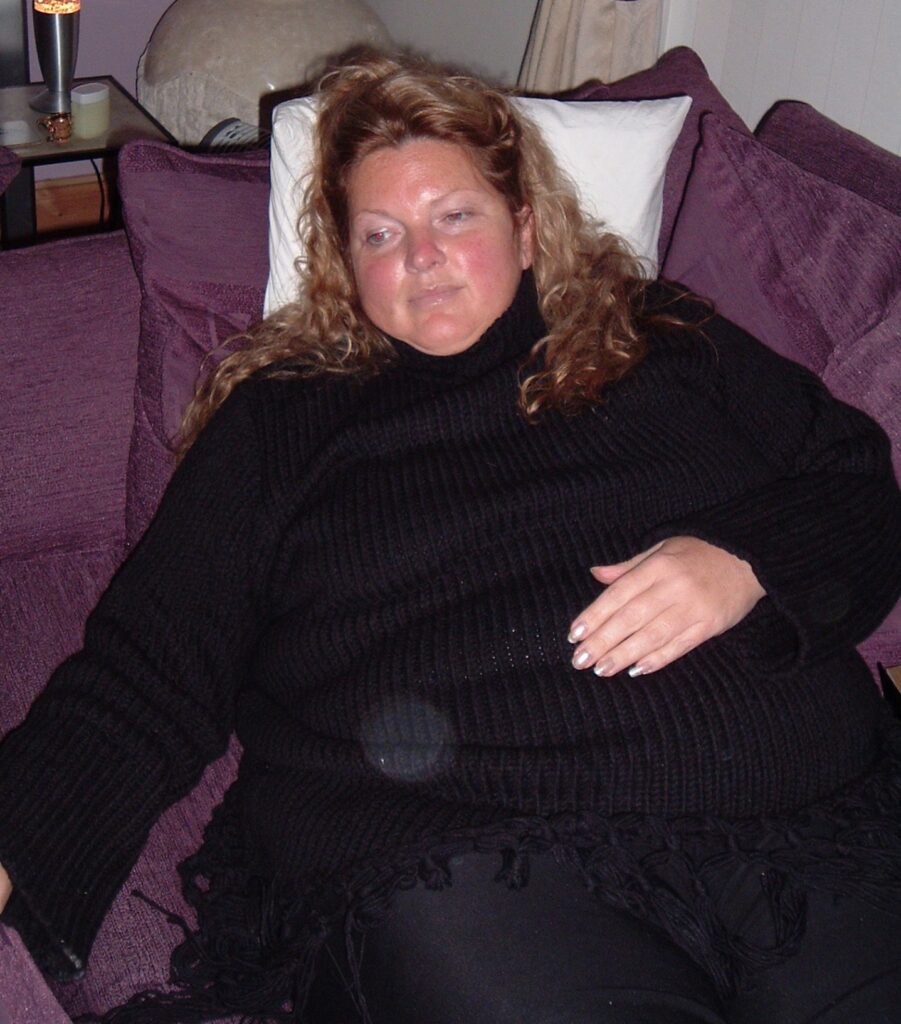
The Call of the Body

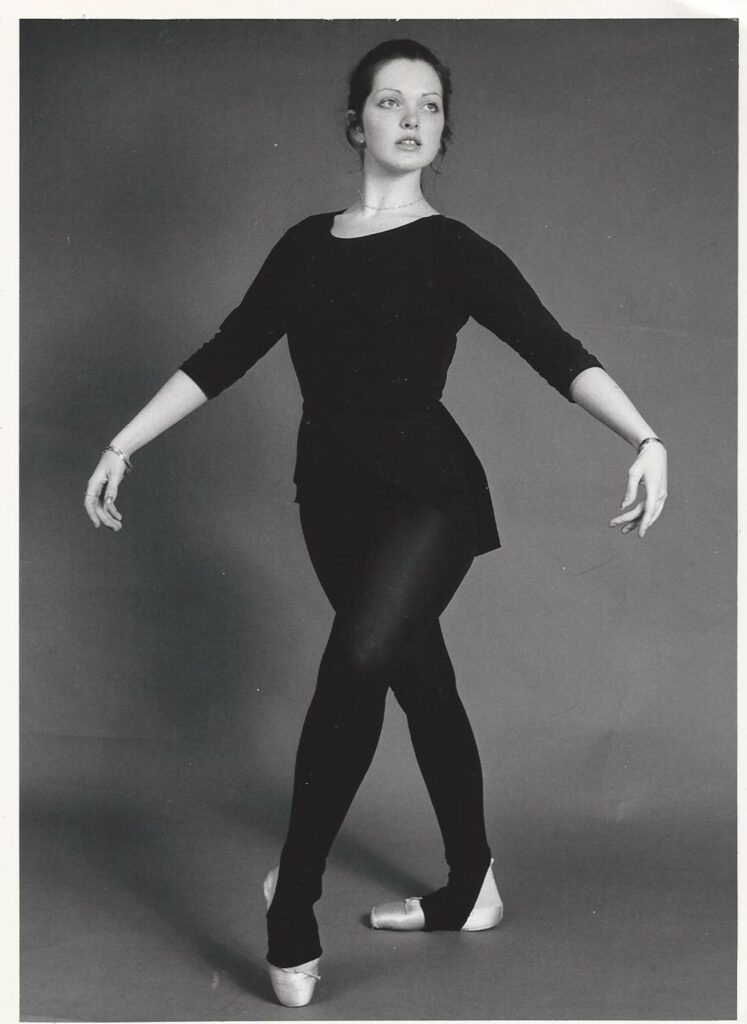
When I first developed arthritis, the last thing that I felt was love for my body. I resented my body and the lack of mobility that I now experienced. I had been a dancer in my early life and felt so much anger at not being able to do the things that I once loved.

I was angry at my body and demanded that it return to how it once was. However, my body, in her own inimitable way, had other ideas, and I embarked on a journey of learning how to really love and “talk” to my body in ways that I once would have thought impossible.
Pain Versus Suffering

A major shift happened in my life when I realised that although I was in considerable physical pain, I was causing myself to really suffer because of my attitude towards both my body and the pain. The more that I focused on what I couldn’t do, the more I suffered. The more I looked at the body I had and lamented over the body I had “lost” the more pain I felt.

Every time I tried to get away from what I was feeling, instead of being present and available in the moment, I created more resistance and struggle within every part of my body and my being. And so began a fundamental change which is what I now share with others in their own journeys of loving and looking after their bodies.

Pain Has Been One of My Greatest Teachers

However, although pain has been one of my most challenging things to deal with daily, it has also been one of my greatest teachers and I am thankful for the gifts that it has brought me.

It may seem strange to talk about receiving gifts from being in pain; however, without it, I wouldn’t be the woman that I am today. Pain has a deep wisdom and message that we can hear, if only we can turn towards it with an open mind and loving heart.

The poet Rumi puts this well in this quote, “These pains you feel are messengers, listen to them.”

As I listened and understood the messages that my pain brought me, I realised that I needed to change some of the food I was eating. I started going to bed earlier and taking more time to appreciate the moment I was in instead of rushing through my days.

I said “No” to the things that didn’t light up my soul and said “Yes” to following my dreams and being guided by my heart. It’s been a long process but one which has helped me grow into the woman I have always longed to be.

Fall Back into Your Own Loving Arms

Pain has taught me how to listen to my body, to rest when I am tired, to choose foods that support and truly nourish me. Pain has taught me to have more compassion; not only for myself but for this world and others too.

Pain has helped me to know that everything changes, moves and flows and that nothing ever stays the same. It has shown me how to greet and meet those parts of my body that I initially turned away from, wishing that somehow they were different – that they didn’t belong to me.

My own experience of pain has brought me “home” again and again back into my own loving arms as it seeks to be heard, soothed and tended to with compassion and care. Pain was also one of the key factors that inspired me to write my book, Romancing Your Body (How to Fall Deeply, Passionately & Wildly In Love With Your Body & Your Life).

When we turn towards our pain with love, compassion, kindness and respect, we begin to learn its secret messages and in so doing, lessen the impact or stress that it may have on our experience of life.

Have a Compassionate Conversation with Your Body

As a Body Confidence Expert, Author & Energy movement teacher, I am passionate about helping others to develop loving, compassionate and authentic relationships with their body so that they can live their fullest and happiest lives.

No matter what age you are or what has happened in the past, you can make powerful choices today, which can soothe and support you and help you to manage any pain that you may be experiencing.

The following exercise is a gentle, loving and compassionate conversation that you can have with your body if you are experiencing any pain.

Step 1: Find a Quiet Place

Firstly, find a quiet and comfortable space where you can be uninterrupted for the next 20 minutes or so. Close your eyes and connect with the pain that you are feeling. It may be physical, emotional or mental. If you can, place your hand over the area that hurts. If it’s emotional pain, place your hands over your heart.

Close your eyes and take a few deep breaths inviting your body to soften and just be in this moment. Notice what the emotion is that arises when you think of the pain. It might be anger, frustration, sadness, grief, impatience, intolerance etc. Try not to judge what you are feeling – just acknowledge it. It has a right to be felt, heard and seen.

Step 2: Communicate with Your Body

Begin to talk to this part of your body or the emotion that you are feeling. Imagine that you are speaking to a beloved friend or family member who is in pain and discomfort and that you are trying to reassure them and soothe them.

Start the conversation by saying words like, “I’m so sorry that you hurt. I am so sorry that you are in so much pain. I’m here for you and I’m not going anywhere. I’ve got you. I see you. I care about how you feel, and I am so sorry that this has happened. I’m here for you. You don’t have to change, and you don’t have to go anywhere. It’s ok to feel what you feel. I’m here for you. You’re safe. Thank you for enduring this pain – this has been so hard for you.”

It may feel quite strange to speak to your body in this way. Most of us have never been taught how to truly connect with who we are and how to listen and talk with our beautiful bodies. It can be an emotional experience as all pain desires is to be soothed, heard and validated. If you find emotions coming up, allow them to be expressed – this is part of the healing process.

Step 3: Shift the Conversation

When you feel ready, start to change your conversation to one of hope, wonder and possibility. Begin by saying words like, “I wonder if it would be easy to let go of this pain. I wonder if I might feel a little better tomorrow, later on today or in five minutes’ time. What if the pain I feel could change with ease and grace? What if it was all okay? I wonder how great I could feel next week, next month or next year? What if I could come through this stronger and more in love with my life than ever before?”

Step 4: Process the Exercise

Give yourself time to process this exercise. Sit quietly and just breathe into the areas that hurt. Notice how you feel. Observe if anything has shifted or changed in any way. Maybe you feel a little lighter or relieved. Perhaps you feel a sense of connection, love and compassion for your body and yourself.

There might be nothing that has changed; however, keep being aware of how you feel over the next week or so. Changes can take time, but the important thing is to simply keep connecting and communicating with your body whenever you are upset or in any pain.

You Have to Feel to Heal

I hope that you find comfort and great benefit from the exercise above. It has helped me come through some tough moments and my wish is that it does the same for you. The compassionate conversation provides a space in which you can begin to talk to the pain and the emotions that surround it.

For me, it helped me to realise that I am not my pain. I am so much more than the pain and the emotions I am feeling. I can separate my identity from my pain, and in that moment, I am able to manage my pain better.

This is powerful because pain can be all-consuming to the point that you feel all of you is in pain. This technique helps you to be there for your pain and gives a chance for your emotions to be felt, expressed and released.

Compassion connects and brings us back to the wholeness of who we are and also our deepest sense of belonging. It is the key element in all emotional healing and spiritual awakening. The heart of compassion begins with yourself.

When you turn towards your own pain or suffering with awareness and an intention to be kind, you end the struggle with yourself and open up a completely new and beautiful way of being with your body, mind, heart and soul.

For more ways to love and romance your body, do join me on Instagram. I would love to have your company and you would be most welcome.

Let’s Have a Conversation:

Have you found any ways that soothe and heal your own pain? What are your own tips and advice for managing your pain better?

Read More
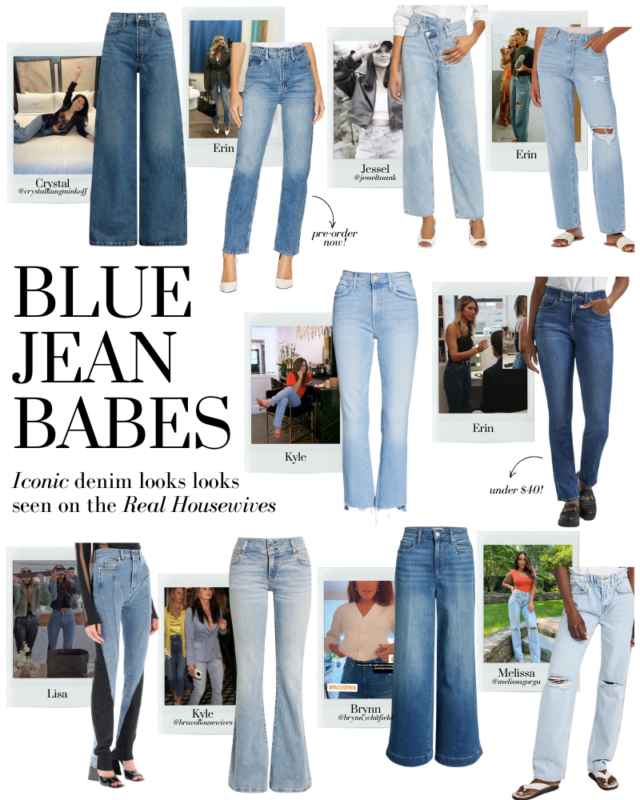
Jeans Seen on Our Favorite Real Housewives

Jeans Seen on Our Favorite Real Housewives

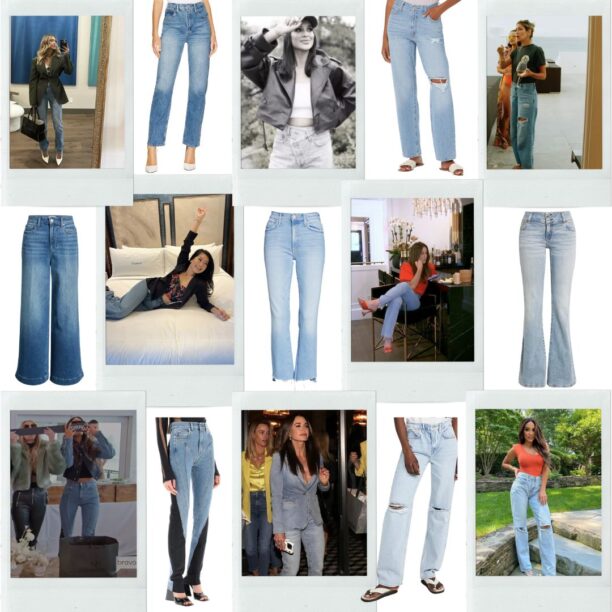
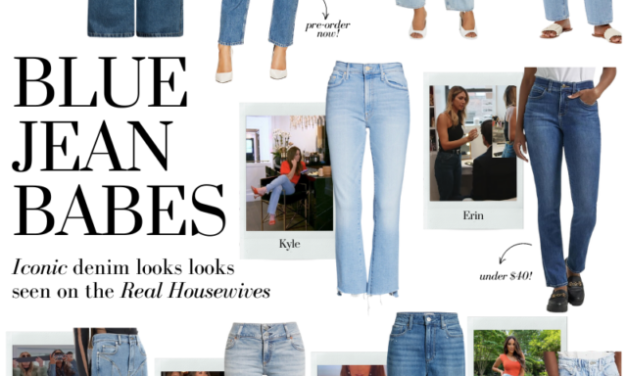
Our favorite jean queens, the Real Housewives, have given us a lot of to-die-for-denim inspo lately. I’ve compiled the still in stock best sellers to shop and steal their style. And the best part is they’re at all price points, with three pairs available for under $100. So whether you like straight leg or wide leg, ripped or clean, take a look below for the perfect jeans.

The Realest Housewife,

Big Blonde Hair


Real Housewives Jeans

1. Crystal Kung Minkoff’s Wide Leg Jeans 2. Erin Lichy’s Ankle Jeans (pre-order) 3. Jessel Taank’s Crossover Waist Jeans 4. Erin Lichy’s Distressed Boyfriend Jeans 5. Erin Lichy’s Dark Wash Jeans 6. Kyle Richards’ Cropped Jeans 7. Melissa Gorga’s Distressed Jeans 8. Brynn Whitfield’s Cropped Wide Leg Jeans 9. Kyle Richards’ Flared Jeans 10. Lisa Barlow’s Paneled Jeans


Originally posted at: Jeans Seen on Our Favorite Real Housewives

Read More

Second Homes: A Big Decision

second home

During the Covid-19 pandemic, the popularity of second homes jumped due to low mortgage interest rates and the surge in working remotely. Higher rates have dampened the mortgage market, but the interest in second homes continues as people look for:

  • A retreat from everyday life
  • A future retirement location
  • A way to be closer to family
  • An investment or income option

However, establishing a second home is a big decision with several moving parts.

Second Home: What Is It?

The term “second home” assumes you’re splitting your time between two or more locations. (For this blog, we’ll consider two homes, a main and a second.) Also, buying a property purely to rent out doesn’t fit the definition. You have to live there part of the year to bestow the title of “second home.”

Also, our definition can include a home you rent or own. When someone rents the same property for the same months year after year, it’s easy to think about it as a second home.

Additionally, a second home can take a variety of forms, such as:

  • House
  • Condominium or apartment
  • Cooperative
  • Mobile/manufactured home
  • Recreational vehicle or trailer
  • Boat

Boats and RVs might seem unconventional as a second home, but the IRS considers each a “qualified home,” assuming they have sleeping, cooking, and toilet facilities.

Note also that ownership can be full or partial. Additionally, instead of owning a second home, you could have contractual rights to use the home for a specified period, such as a timeshare. And, of course, there are rentals where you aren’t the owner.

Finally, second homes differ based on the amount of time you stay there. Tax laws can be a factor. States with income tax want to make sure residents with second homes pay state taxes if they primarily live in the state.

Another factor can be the form of ownership. Full owners can stay in the home anytime they choose. However, partial owners are restricted by contract to specified periods or number of days. The same is true for timeshare contracts that govern the amount of time that can be spent at the property.

So, if this defines a second home, what are the reasons for wanting one?

Second Home: Why?

As mentioned before, there are several reasons why you might want a second home. Let’s look at each in detail.

Retreat

A second home might be a vacation or weekend destination, or it can also be your home for months at a time.

Also, a second home might be devoted entirely to leisure, a remote work location, or a combination of both. Regardless of the amount of time or how you spend your time, there are other motivations for wanting a second home:

  • Better weather
  • Lifestyle differences such as city versus country living
  • Geography features like mountains versus the beach
  • Entertainment opportunities like performing arts or sports

Retirement

A second home initially used for vacations can evolve into one’s primary home in retirement. This gives a chance to experience a community before committing to it full-time. Also, it allows you to establish a social network there before retirement.

Closer to Family

A second home might be in one’s hometown, where other family members live. Also, a second home might be a vacation destination for the extended family.

Investment/Income Opportunity

A second home usually represents a real estate asset that changes up or down in value. (Boats and RVs are the exception since they generally depreciate.) Real estate has been an excellent long-term investment in the U.S. over the past few decades so that a second home could yield a profit in the long run.

A second home can also generate income as a rental. Many families can afford a second home by renting their property via Airbnb or VRBO for part of the year.

This overview of the “what” and “why” questions of establishing a second home merely scratches the surface of this complicated subject. Future blogs will cover more details to help you prepare for this big decision.

Let’s Have a Conversation:

What are your views on second homes? Have you thought about acquiring one? Even if you don’t have the finances for it, what would you dream it to be or look like?

Read More

Estrangements Impact on Health: Exploring Gender Differences and Urgent Calls for Mental Health Awareness

estrangement's impact on mental health

Estrangement, a universal emotional and psychological phenomenon, significantly influences the well-being of individuals. In this blog post, we will delve into the complexities of estrangement, examining its unique impact on both men’s and women’s mental and physical health. Additionally, insights from Sean Evans’ article, “Not Talking About Mental Health Is Literally Killing Men,” will be integrated to highlight the pressing need for mental health awareness.

Understanding Estrangement

Estrangement is a complex and nuanced emotional phenomenon characterized by a significant emotional distance that manifests in various forms within relationships. This distancing can occur among family members, friends, or partners and is often triggered by unresolved conflicts and cultural differences.

Family

In family dynamics, estrangement may arise when deep-seated disagreements or unaddressed issues create a palpable emotional gap between relatives. The inability to resolve conflicts or address underlying tensions can lead to a sense of detachment and emotional separation.

Friendships

Among friends, estrangement might occur when differing perspectives, values, or life choices strain the bond between individuals. Unresolved conflicts, from miscommunication or conflicting priorities, can result in a gradual emotional drift, ultimately leading to estrangement.

Romantic Partnerships

In romantic relationships, partners may experience estrangement when trust issues, communication breakdowns, or unmet expectations persist without resolution. The emotional distance in these cases may intensify, creating a barrier that hinders the connection between partners.

Cultural differences also play a significant role in the manifestation of estrangement. Divergent cultural backgrounds can lead to misunderstandings, misinterpretations, and clashes in values, contributing to the emotional distancing between individuals.

Estrangement is not a one-size-fits-all concept but a dynamic and multifaceted experience influenced by various factors. By acknowledging the role of unresolved conflicts and cultural differences in the process, we gain a deeper understanding of the intricate dynamics that contribute to the emotional distance observed in estranged relationships.

Estrangement and Women’s Health

Research suggests that women, who often prioritize relationships and social connections, experience unique challenges in the face of estrangement. The absence of these connections can lead to feelings of isolation and loneliness, impacting mental health. Additionally, stress-related health issues such as anxiety and depression may become more prevalent among women.

Moreover, the stress associated with severed relationships can have physical health implications for women, contributing to conditions like cardiovascular problems and weakened immune responses.

Estrangement and Men’s Health

Men, traditionally encouraged to prioritize autonomy, may respond differently to estrangement. Societal expectations for men to be stoic and independent can lead to internalized emotions, heightening the risk of mental health challenges like depression and substance abuse.

Men may also be more susceptible to the adverse physical effects of estrangement, with suppressed emotions and a lack of a support system contributing to increased stress levels and potential cardiovascular issues.

Sean Evans’ article,  “Not Talking About Mental Health Is Literally Killing Men,” emphasizes the urgent need to address mental health issues, challenging the stigma around men who discuss their struggles. The statistics presented are staggering, revealing daily struggles with depression for 9 percent of men, affecting more than 6 million individuals. Anxiety is a daily battle for over 3 million men and male suicide is classified as a “silent epidemic,” ranking as the seventh leading cause of death.

Evans denounces the antiquated and dangerous macho attitude of suppressing emotions, advocating for breaking the silence surrounding mental health. Courageous figures like Zayn Malik, Kevin Love, and Dwayne “The Rock” Johnson have shared their battles, inspiring others to open up and seek support.

Practical Guidance for Men and Women

How we feel and perceive our mental state reflects our daily choices, outlook, and overall well-being. Mental health stigma has prevented individuals from seeking assistance. However, with the convenience of virtual consultations and extended support, help is only a phone call away.

Stigma grows when individuals care what others think of their struggles and worry somebody will judge them. Sometimes, access and lack of insurance hinder mental health treatment. Then, some want to go it alone, accessing self-help books and committing to daily practices that promote mental health. Daily routines, an active lifestyle, and staying socially active are excellent.

The benefit of being informed and aware is following critical practices can reduce distress. Hopefully, when stress and state are overwhelming, one avails themselves to where they can gain relief. Decreasing stigma and supporting ourselves and others to address mental health and physical health is more important now than ever.

Conclusion

Estrangement’s impact on health is a complex and multifaceted phenomenon affecting both men and women. Understanding gender-specific implications is crucial for developing strategies to mitigate adverse mental and physical well-being effects. The urgency highlighted by Evans reinforces the need for open conversations, empathy, and support, contributing to positive change and replacing detrimental silence with a proactive dialogue on mental health.

Let’s Have a Conversation:

How has estrangement affected your mental health? What are your thoughts on mental health awareness? What has worked for you when you have had a tough go?

Read More
It’s Winter Soup Time! 3 Hearty Recipes, You’ll Love!

Winter-Soup-Hearty-Recipes

It is winter and except for a few of us who live in the tropics, most are experiencing some cold weather. We probably will not get snow where we live this year but the mornings are still very cold. The evenings are cold enough to enjoy a fire in our cozy living room.

This is great weather to enjoy some yummy and healthy soups. Soup is a favorite lunch for us. I always have a few containers in the freezer and one in the fridge.

We are often home for lunch, and I am too busy to think about what to make, so soup is perfect. Many soups are also excellent for weight loss diets as they are often filled with nutritious vegetables and, to boot, are very filling.

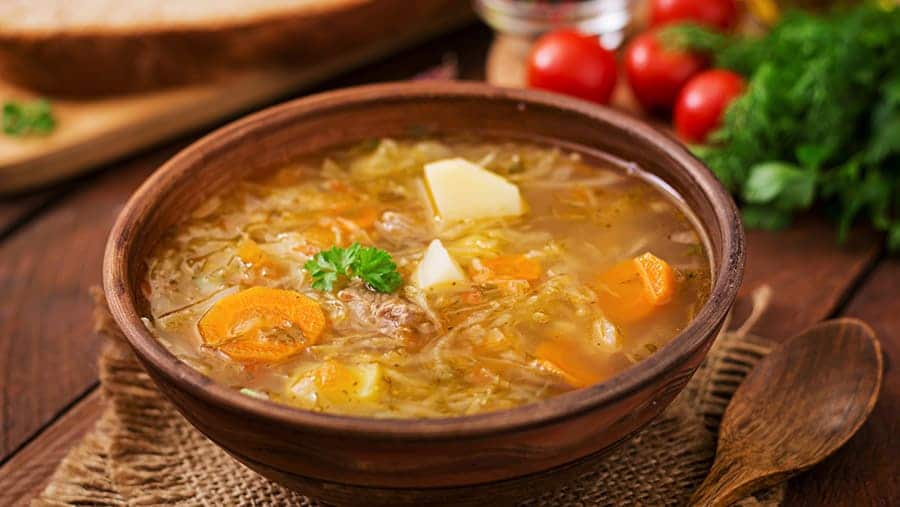
Cabbage Beef Soup

Winter Soup Hearty Recipes

Ingredients:

1 gallon of water 1/4 cup of olive oil
2 cups of cubed beef (sirloin or chuck) 4 tbsps each of basil, rosemary, oregano, garlic powder
1 tsp of cayenne pepper (optional) 2 cups of quinoa
1 medium head of chopped cabbage 1 large chopped onion
1 cup of chopped fresh spinach 1 cup of chopped celery
1 cup of chopped fresh parsley Salt and pepper to taste

Directions:

  • Set your large pot on the stove with the water at a medium heat.
  • Add the oil and seasonings.
  • Slowly add the beef and cook on a medium heat for about 30 minutes.
  • Add all the vegetables and cook for about 15 minutes.
  • Add the quinoa and continue cooking until tender.
  • Add extra water if the soup is too thick for your taste.
  • Add salt and pepper to taste.
  • Serve with some warm French bread.

*The soup will stay fresh in the fridge for about 4 days.

**The soup freezes very well.

***You can substitute chicken for beef.

Curried Lentil and Vegetable Soup

Winter Soup Hearty Recipes

The lentils cook up really fast, so when I’m in a hurry – which happens often – I make lentil soup. This is a favorite soup at our house and I make it just about every month. As you can tell, I make large batches of soup to last for many meals.

Ingredients:

1 gallon or water (or part chicken broth) 3 cups of dried lentils
3 tbsps of sesame seed oil 2 tbsps each of coriander, fennel seed, ginger and cinnamon
4 tbsps of curry powder (add two more tbsps for a stronger curry) 3 cups each of chopped celery, carrots, spinach and red onion
Salt and pepper  

Directions:

  • Add the water in a large pot and bring to boil.
  • Pour in the lentils.
  • Add the oil and all the seasonings.
  • Cook for about 30 minutes. (If the soup is too thick, add more water.)
  • Add all the veggies.
  • Cook for about 45 minutes.
  • Add salt and pepper to your taste.

*This soup will keep in the fridge for 7 days.

Chicken and Couscous Soup

Winter Soup Hearty Recipes

I often design my soups around what I have on hand in the meat and veggie department. This soup is thick and delicious. However, if you like a thinner soup add extra chicken broth or water.

Ingredients:

2 quarts of water in a large pot 2 quarts of chicken broth added to the pot
4 tablespoons of olive oil 2 cups of couscous
2 cups each of fresh spinach and baby kale 1 chopped red onion
1 cup of chopped zucchini 3 tbsps each of oregano, marjoram and rosemary
5 cloves of chopped garlic juice of one lemon
2 cups of chopped left over chicken (white or dark meat)  

Directions:

  • Bring the broth and water to a boil.
  • Add the oil.
  • Add all of the seasonings.
  • Add the couscous.
  • Add all of the vegetables.
  • Cook this mixture for about 30 minutes on a medium heat.
  • Add the chicken to the soup.
  • Cook for another 15 minutes.
  • Add salt and pepper to your taste.

*This soup will keep in the fridge for about 3 days.

Let’s Have a Conversation:

Do you have some favorite soups you enjoy? Feel welcome to share the recipes or some basic preparation tips that will be helpful!

Read More