Author: HairWeavings Editorial Team

Moving to a New Home Later in Life: Adjusting to Your New Home

moving to a new home later in life

Throughout the prior installments of this Sixty and Me blog series, I’ve covered the many facets of deciding to move to a new home later in life and how to prepare. Once you’ve moved, how do you adjust to your new living quarters and community?

All Those Boxes

If you followed the tips in the blog on preparing for your move, unpacking should be straightforward.

One of the first things to do is set up your bed and some tables and chairs so you can rest during the process. Next, unpack some of your favorite things to help you feel like this is your place. It could be a favorite picture or a special item that signifies you are at home.

Basic Arrival Chores

Take these practical steps to avoid headaches down the road.

Are the Smoke Alarms and Carbon Monoxide Detectors Working?

Replace batteries or entire units if necessary.

Are There Repair or Maintenance Issues?

Before unloading anything, walk through your new living space to spot anything that needs fixing or clean-up. If renting, alert the landlord. If you are the owner, make this your “to-do” list to keep your new home in top-notch shape.

Tell the State You’re Here

Moving across state lines? You may need to file a document called “Declaration of Domicile” to let the state know you’re a new resident ready to pay taxes. Check on the specific rules about declaring residency in your new state.

Register to Vote

It’s easy to forget this detail, so spare yourself problems on election day by registering as soon as possible. Also, look up the state and local government representatives who cover your area.

Where Are the City and County Offices?

Knowing where to find City Hall, the county service center, the police department, and the closest fire station can speed up getting help from the local government if needed.

Change Your Driver’s License

You may be able to use your old license legally for a while, but having a picture ID with your new address can help avoid many hassles. You may also need to register your vehicles in your new location. Check local rules concerning this to avoid future problems with law enforcement.

Get Out and Explore

It’s time to learn about your new community. Do a Google search on “stores near me” to compile a list of local businesses. Also, look for interesting destinations like coffee shops, cafes, restaurants, bars, gyms, museums, theaters, and community centers.

You’ll also want to know where to find the post office, parks, trails, libraries and recycling centers. For churchgoers, look for congregations in the area to find service times.

Making Connections

If your move has taken you away from your friends, it’s time to make new personal connections. Here are some tips for developing a new social network.

What’s Your Mindset?

If you’re an extrovert, making new friends might be easier. For many of us, however, getting out of our comfort zone takes more effort. Maintain a positive attitude and remind yourself that making friends takes time. Challenge yourself to take some social risks. It might be a slow process, and not everyone you contact wants to make a connection. Don’t take it personally and keep trying. Eventually, you’ll start to develop some satisfying social connections.

Your Peer Group

Connecting with people your age often is the easiest way to make friends. Moving into 55+ communities has this component built in. If you’re in an environment for all ages, look for local activities and venues with people closer to your age.

Neighbors

Neighbors are often curious about newcomers. Take advantage of this curiosity by reaching out to introduce yourself. It takes no time at all, and you can provide a note with your name and address so it’s easier for both parties to follow up.

Don’t Forget Old Friends

It’s a breeze to keep in touch with your existing friends via telephone and social media. Keeping in touch with your existing connections can help before your new social networks develop.

Use Social Media

Social media can help connect to people in your new community. Sites like Facebook Groups or meetup.com can help you find people with similar interests.

Sign Up

Enrolling in classes or workshops is a terrific way to meet people with common interests. Also, volunteering in the community at schools, churches, homeless shelters, food pantries, political parties, or city projects is a way to connect with like-minded people.

Successfully moving to a new location later in life involves a lot of forethought and planning. Taking logical steps throughout the process can help reduce stress in a time of many changes. Other stress-reducing tips are to be patient and expect ups and downs. Maintaining this mental and emotional flexibility will go a long way toward making your move go smoothly.

Let’s Have a Conversation:

What was the first box you unpacked after your most recent move? How did your life start in your new home and town? Which services and local shops did you look for first?

Read More

Best Winter Hair Colors for Women Over 50

best winter hair colors for women over 50

Winter’s arrival brings with it a magical opportunity to transform your look, and what better way to embrace the season than by experimenting with your hair color? As the world outside gets covered in a pristine blanket of snow, your hair can become the canvas for a stunning change.

  1. Silver with Lowlights – The silver hair trend takes on sophistication with lowlights, weaving darker hues into a luminous silver base for a chic, modern aesthetic with enhanced depth and brilliance.
  2. Chocolate with Caramel Balayage – Chocolate with Caramel Balayage is a rich and dynamic hair color, seamlessly blending velvety chocolate tones with warm caramel highlights through balayage for a dimensional, low-maintenance look that radiates warmth and elegance.
  3. Auburn with Caramel Highlights – This color is a captivating blend of rich red undertones and bright caramel accents, creating a warm and vibrant look, with strategically placed highlights enhancing its textured, multidimensional appeal to complement various skin tones.
  4. Chestnut Brown with Blonde Highlights – Chestnut Brown with Blonde Highlights is a beautiful hair color that effortlessly combines the richness of chestnut brown with strategically placed blonde accents, resulting in a dynamic and multidimensional look that enhances texture and vibrancy.

Whether you’re a trendsetter always on the lookout for the latest styles or someone craving a subtle change, these carefully curated shades cater to every taste. From rich, deep tones that mirror the cozy ambiance of winter evenings to playful pops of color that defy the frosty landscape, these hair colors promise to boost your style and confidence.

Read on to learn the difference between highlights and balayage.

How to Care for Colored Hair

Caring for colored hair is essential to maintain vibrancy, prevent fading, and ensure the overall health of your locks.

Use Color-Protective Products

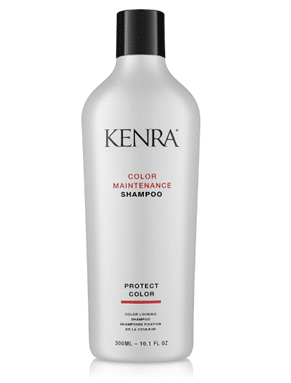
Invest in sulfate-free, color-preserving shampoos and conditioners specifically designed for colored hair. These products help retain color while keeping your hair nourished.

Kenra Color Maintenance Shampoo

Kenra Color Maintenance Shampoo

Limit Washing

Extend the life of your color by washing your hair less frequently. Washing too often can strip away natural oils and fade the color faster. When you do wash, use lukewarm water to prevent color leaching.

Deep Conditioning

Treat your colored hair with regular deep conditioning treatments. This helps restore moisture, keeping your locks silky and preventing dryness or damage.

Avoid Hot Water and Styling Tools

Hot water can open hair cuticles, leading to color loss. Opt for cooler water when washing. Additionally, minimize heat styling to prevent further damage.

UV Protection

Shield your hair from the sun’s harmful UV rays, which can fade color. Use hats or UV-protectant hair products when spending extended periods outdoors.

Color Touch-Ups

Schedule regular touch-ups to address roots and maintain a consistent color. This is crucial for a polished and well-maintained appearance.

Avoid Chlorine and Saltwater

Chlorine in pools and saltwater can be harsh on colored hair. Protect your hair by wearing a swim cap or applying a protective product before diving in.

AquaGuard Pre-Swim Hair Defense

AquaGuard Pre-Swim Hair Defense

Gentle Styling

Be gentle when styling to minimize breakage. Use wide-tooth combs and avoid tight hairstyles that can stress the hair shaft.

Balanced Diet and Hydration

A healthy diet rich in vitamins and hydration reflects in the condition of your hair. Consume foods that promote hair health and stay adequately hydrated.

Read DOES WHAT YOU EAT REALLY MATTER IN YOUR RETIREMENT YEARS?

By incorporating these tips into your hair care routine, you’ll not only maintain the brilliance of your colored locks but also ensure the overall health and vitality of your hair.

Winter Hair Colors for Women Over 50

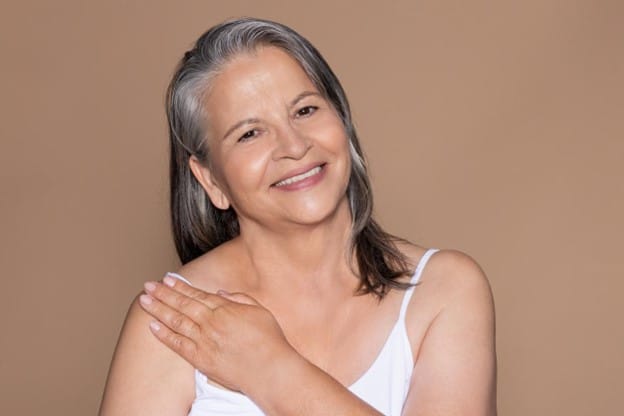
Silver with Lowlights

Silver with Lowlights

The silver hair trend receives a sophisticated twist with the introduction of lowlights, creating a captivating and multidimensional look. Picture a luminous silver base with strategically placed darker hues seamlessly woven throughout. These lowlights add depth and richness, enhancing the overall texture and brilliance of the silver strands. The result is a chic and modern aesthetic that combines the elegance of silver with subtle contrasts, creating a dynamic and stylish appearance.

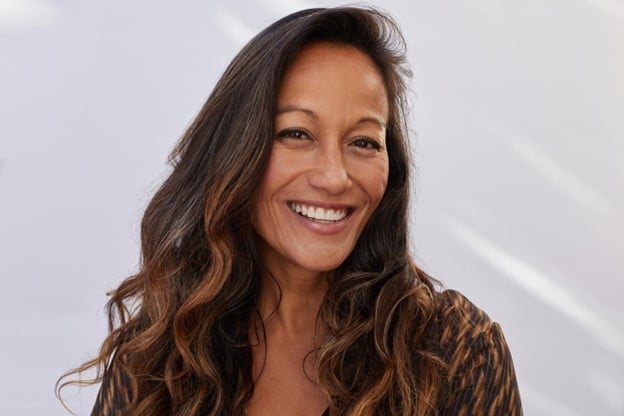
Chocolate with Caramel Balayage

Chocolate with Caramel Balayage

Chocolate with Caramel Balayage is a luscious and dynamic hair color that effortlessly combines rich, velvety chocolate tones with warm, caramel highlights through the artful technique of balayage. The base chocolate hue provides depth and sophistication, while the caramel highlights add a natural glow.

This harmonious blend creates a dimensional and low-maintenance look, perfect for those seeking a touch of warmth and elegance. The balayage application ensures a seamless transition between colors, offering a soft and natural appearance that beautifully frames the face. Chocolate with Caramel Balayage is a timeless choice that exudes both warmth and elegance.

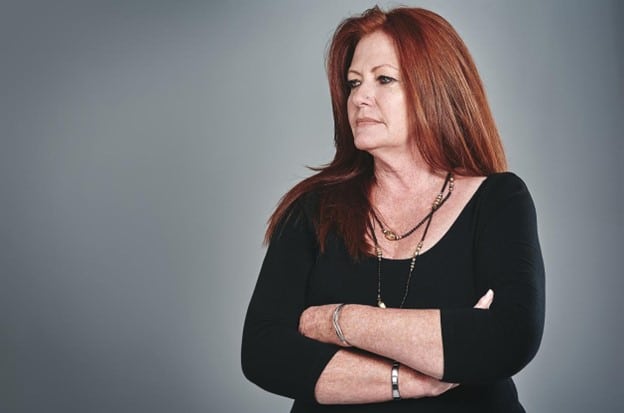
Auburn with Caramel Highlights

Auburn with Caramel Highlights

Auburn with Caramel Highlights is a striking fusion of rich, red undertones and bright caramel accents that seamlessly blend warmth and vibrancy. The auburn base exudes a deep, reddish-brown allure, adding depth and sophistication to the overall look. Intertwined with strategically placed caramel highlights, this color combination mimics the play of natural light on the hair.

The caramel highlights, delicately painted onto select strands, create a textured effect, enhancing the multidimensional appeal. This harmonious blend of auburn and caramel compliments various skin tones with its balanced and timeless charm.

Chestnut Brown with Blonde Highlights

Chestnut Brown with Blonde Highlights

Chestnut Brown with Blonde Highlights is a beautiful hair color that seamlessly marries the richness of chestnut brown with the luminosity of lighter blonde accents. The chestnut brown base delivers depth and sophistication, while strategically placed blonde highlights add a radiant touch, mimicking the natural play of light on strands. This harmonious blend creates a dynamic and multidimensional look, enhancing the overall texture and vibrancy of the hair.

The Difference Between Highlights and Balayage

Highlights and balayage are both popular hair coloring techniques, but they differ in terms of application, result, and maintenance.

Highlights

Application

Highlights involve sectioning off strands of hair and applying color, typically bleach, to lighten those sections. The process often includes wrapping the treated sections in foils to enhance the lightening effect.

Result

Highlights create a more uniform and structured appearance, with distinct lightened sections against the base color. This technique is known for providing a noticeable contrast between the highlighted and natural hair.

Maintenance

Highlights usually require more frequent maintenance, as the contrast between the lightened sections and natural hair growth becomes more apparent over time. Regular touch-ups are needed to maintain a seamless look.

Balayage

Application

Balayage, on the other hand, is a freehand painting technique. Color, typically a lighter shade, is applied to select strands or sections of hair, creating a more natural, sun-kissed effect. The color is blended upward from the mid-length to the ends.

Result

Balayage results in a softer, more gradual transition between the colored and natural sections. It provides a natural, lived-in look with less noticeable regrowth lines.

Maintenance

Balayage is generally lower maintenance than traditional highlights. The technique allows for more flexibility in terms of how the color grows out, making it suitable for those who prefer a less structured, more effortless appearance.

While both highlights and balayage involve lightening sections of hair, the key differences lie in the application method, the contrast between the colored and natural sections, and the level of maintenance required. The choice between the two depends on personal style preferences and the desired level of maintenance.

Read 7 WASH-AND-WEAR HAIRCUTS FOR WOMEN OVER 60.

Also read 13 BEST LOW MAINTENANCE HAIRCUTS FOR WOMEN OVER 50.

Let’s Have a Conversation:

Are you thinking about changing your hair color? What color is your favorite? Tell us about it in the comments below.

Read More

12 Alexa Skills For Seniors With Dementia

Alexa skills for seniors with dementia

Alexa is an intelligent companion and a great technology to engage senior dementia patients. Alexa skills are widely used in elderly care communities to keep seniors with dementia entertained, up-to-date, and connected with their family and friends.

Alexa’s presence is very helpful for caregivers and family members to keep older adults busy and entertained. Before discussing the Alexa skills for dementia patients, here are some of the benefits of Alexa devices for older adults.

1. Easy to Use

Seniors do not need to type or touch the device to operate, unlike smartphones. Dementia patients can ask anything from Alexa devices same as they ask questions from family members.

This is a great feature for advanced dementia patients as it helps to not have to fumble around with controls and buttons.

2. Never Get Frustrated or Tired

It is a common practice among Alzheimer’s and other dementia patients to ask the same questions repeatedly and some patients avoid asking questions to not annoy their family members or caregivers.

Alexa never gets tired or frustrated from answering the same repetitive questions. The tone of voice is the same whether it’s the middle of the night or early morning.

3. Set Reminders and Alarms

One of the effects of dementia is forgetfulness. Alexa can remind dementia patients to take their medicines on time. The reminders about doctor appointments and other daily tasks such as wishing for a birthday to your grandson on time or doing laundry or shopping are very helpful.

4. Find Your Phone

Find your phone is another Alexa skill that is useful for dementia patients. If you forget where you placed your phone, ask “Alexa, find my phone” and your phone will ring. You can follow the ring sound to locate your phone.

5. Drop-in Skill

This is a great skill for caregivers, family members, and friends to “drop in” on seniors with dementia to check and monitor their well-being. Using this skill, any Alexa user can “drop in” on other Alexa users and interact with them through video (if they have Amazon Echo Show devices).

6. Stay Connected with Family and Friends

This is another good use of Alexa for seniors. They can keep in touch with family and friends through video and audio calls. Talking to loved ones on screen is a great relaxing experience for many dementia patients.

7. Get Your Questions Answered

One of the main symptoms of dementia is memory loss among older adults. It is very common to forget about past things and historical events. Seniors can ask Alexa all the questions they want and Alexa will help. Alexa never gets annoyed by repetitive questions.

8. Brain Games and Activities for Dementia Patients

Brain-stimulating games and activities support cognitive skills among dementia patients. Brain exercises delay the onset of dementia for patients in the initial stages of the disease.

Many Alexa skills for dementia patients like Trivia are great for stimulating the brain and keeping the mind active and sharp.

12 Alexa Skills for Dementia Patients

Alexa comes with plenty of built-in features, but you can also download additional features as well. These features are called “skills.” Adding and enabling a new Alexa skill is very simple. Here are the steps to add a new skill in Alexa:

  • Open the Alexa app on your smartphone and tap Menu (3 horizontal lines icon at the top left of the screen)
  • Tap on the Skills and Games option in the drop-down menu and use the Search option to search the skill (the search option is a magnifying glass icon on the top right of the screen). You can also go through Categories to explore more than 100,000 Alexa skills.
  • Tap on the skill to learn more and choose Enable to Use option to enable the skill.
  • In the Skill Permission screen, select the check box for the skill request and tap on Save Permission. Your skill is now enabled.

Here are 12 skills to set up and customize Alexa for seniors with dementia.

Weather Updates – Big Sky Skill

Dementia patients do not have to read newspapers or watch TV news for local weather reports. You can ask Alexa about any type of weather information, and it will instantly provide you with weather updates. Although weather updates are available as a built-in feature in Alexa, you can add and enable the Big Sky skill for more detailed weather updates.

You can ask Alexa about future weather forecasts, humidity levels, UV index, etc. Some examples of voice commands for weather reports:

  • “Alexa, what is the weather like outside?”
  • “Alexa, what is the humidity today?”
  • “Alexa, when does the sun set today?”
  • “Alexa, ask Big Sky if it will rain in the next 6 hours?”
  • “Alexa, what will the weather be like tomorrow at 11 am?”

More about Big Sky Skill

Make Lists

One of the common symptoms of dementia is forgetfulness, so it is a good idea for dementia patients to make and maintain lists. This Alexa skill for dementia patients is pre-installed and enables users to make to-do lists, grocery shopping lists, travel packing lists, and any other lists.

You can make as many different lists as you need, and they will remain in Alexa to refer back to. Simply say, “Alexa, make a list” and then create any list. Some examples of voice commands for lists are:

  • “Alexa, add pasta and tomatoes to my grocery list.”
  • “Alexa, what is on my to-do list.”
  • “Alexa, delete an item from my packing list.”

Making lists is a good habit to get things done and you do not need paper and pen for lists anymore.

Drop-In Skill

This is one of the best Alexa features that works on Amazon Echo Show products (these Alexa-enabled products come with a touchscreen). It enables family members and caregivers to monitor elderly dementia patients and see how they are.

Once this feature is set up, Echo Show users can “drop in” on other Echo Show users and not only talk with them but also see them like a video call. The person you are connecting with has to permit you to “drop in.” Here are instructions to set up the “drop-in” skill.

  • Open the Alexa app on your smartphone and tap on the Menu icon (3 short horizontal lines at the top left of the screen).
  • In the drop-down box tap Skills and Games and then tap on the Search icon (magnifying glass icon on the top right).
  • Type in “calling and messaging” to search for the skill and tap on the Enable Skill button.
  • Agree to the TOS and allow to access the contact list.
  • Tap on the Communication icon at the bottom of the Alexa app.
  • You will need to confirm your name, enable contact access, verify your phone number via text, and allow Alexa to use the microphone and camera.
  • Tap on the Profile icon at the top right of your Alexa app.
  • Your name should pop up with My Profile & Settings below it. Tap on your name and enable the Allow Drop In option.

Now you are all set to receive Drop-Ins. To drop in on other Alexa devices, they will also have to allow drop-in permission just as you did.

Reminders and Notifications

Alexa can help you by reminding you about daily events like watering the plants, medication reminders, or wishing for birthdays.

You can set a reminder on Alexa by voice commands like “Alexa, remind me to take my diabetes medicines at 7 PM,” or you can set up the skill from the Alexa app on your phone.

  • Open the Alexa app and go to Menu > Reminders and Alarms.
  • You have options to set an Alarm, Reminder, or Timer.
  • Tap on Reminder > Add Reminder.
  • Tap on the plus sign to add a reminder and follow the prompts to set time etc.

You can use voice commands like “Alexa, what are my reminders” to get the list of reminders you have already set up. Alexa will remind you to take medicines at 7 PM sharp if that’s what you have set up.

Brain Games

One of the best uses of Alexa for dementia patients is playing games to keep their brains active. There are plenty of mind games and activities for your brain workout.

Here are some of them.

These are some of the games for senior dementia patients that you can set up from the Alexa app on your mobile phone (Go to Menu > Skills and Games and search the game by name).

Ask My Buddy Skill

Ask My Buddy is a very useful Alexa skill to alert your family or friends in case of an emergency. Elderly users can set their family members or friends as “buddies” and ask Alexa to contact them for help in case of emergency.

You can have several people assigned to the Ask My Buddy skill. Once Ask My Buddy is set up, you can use simple voice commands for help, such as “Alexa, ask my buddy to send help.”

To set up the Ask My Buddy skill on an Alexa device:

  • Go to Ask My Buddy and register; it is free for up to 5 buddies.
  • Open the Alexa app on your phone and go to Menu > Skills & Games > search “Ask My Buddy” to find Ask My Buddy.
  • Follow the instructions to register and set it up.

One Ask My Buddy is set up you can use voice commands on Alexa like “Alexa, ask my buddy to alert everyone” or “Alexa, ask my buddy to alert <name>”.

More about Ask My Buddy Skill

Ask Date or Time

A simple Alexa skill for a dementia patient is to check the date or current time. If you do not remember the date or want to check the time because you do not have glasses to see the clock, ask Alexa and get an instant reply.

You can use simple voice commands like “Alexa, what time is it?” and “Alexa, what is today’s date?” No additional skill is required for this basic information feature.

Calendar Events

One of the useful Alexa skills for dementia patients is to keep important dates like birthdays and hospital appointments on a calendar. Echo Show devices (because of the display screen) are a great choice for the elderly to use this skill.

To set up your calendar and use it on Alexa, follow these steps.

  • Open the Alexa app and go to Menu > Settings.
  • Scroll down and tap on Calendar & Email.
  • Tap on Add a Calendar. You will have options of using Google, Microsoft, and Apple calendars.
  • Follow the instructions to personalize the calendar.

After the calendar is set up, you can ask Alexa to read it to you “Alexa, what is on my calendar.” You can also delete, reschedule, or add anything to your calendar from there.

Calling 911 or Your Contacts

You can call anyone from your phone contact list via Alexa. It turns your Alexa device into a speakerphone and allows you to speak to someone while doing laundry or other tasks. You can also call 911 in case of an emergency.

Sleep Sounds

Sleep disturbance affects up to 50% of elderly dementia patients, according to Mayo Clinic. The Sleep Sounds is a great skill to help elderly dementia patients sleep peacefully. It sets a peaceful and relaxing environment by letting you play ambient sounds without interruption to meditate and relax and get to sleep faster.

To get started, use the voice command “Alexa, open sleep sounds” and then to play sound “play thunderstorm” or “play rain.” To get the list of all the sounds, say “list sounds.” When a sound is playing, you can use voice commands such as “Alexa, next” or “Alexa, previous” to play next or previous sounds.

More about Sleep Sounds Skill

Storyteller Café

Storyteller Cafe is one of the great Alexa skills for dementia patients to avoid boredom and loneliness. Seniors can chat with virtual friends Alex, Massidon, Collin, and Lilly to learn new things and see what they can remember. It provides a good experience for a senior living alone.

The interactive skits provide mental stimulation while reducing feelings of loneliness.

More about Storyteller café Alexa skill

This Day in History

This Alexa skill gives you a rundown of historical events that happened on a particular day. You can ask “Alexa, launch this day in history” for a list of historical events of the day.

You can also give any date to Alexa to provide you with events of that specific date like, “Alexa, tell me about the events from September 3rd.” It is a good way for dementia patients to learn new things daily and keep their minds active.

This Day in History Alexa Skill

The above list has some useful Alexa skills for dementia patients. The advantages and benefits of using Alexa for seniors with dementia are huge.

You can also check out the smartphone apps and iPad games for dementia patients that I shared earlier.

Let’s Have a Conversation:

Do you have an Alexa device? What do you use it for, primarily? Have you found it is good for many other things? What are they? Are there new Alexa skills you’d like to try?

Read More
Lies About Getting Older – Have You Heard of Them?

Lies About Getting Older

“Well, it’s going to take a lot longer
for you to heal,” the man intoned with the gravitas of great wisdom.

Uh-huh.

“The older you are, the longer it takes,” he
added, pointing at my right shoulder, which had just undergone extensive
surgery.

Uh, yep. If you say so.

As we walked through the garden store, he was bent over a bit. He’d broken his back a few years prior. So had I, in four places. I was 64 when it happened. He was a lot younger. In his 40s, in fact.

He was still crippled. Could barely lean over.

I can lean over and touch my face to my knees
with my legs straight. I learned to do that while healing my own broken back in
2017.

It’s About Choices

This is not about being superior or judgmental or “lookatme.” It is, however, about choices. This man didn’t exercise before his accident. I did. Including yoga six days a week, which means when I take a tumble (and I often do, spectacularly) I fall like a microwaved Gumby doll.

I’ve been bodyslammed by horses and rocks and
kayaks and anything with a nasty edge. But I train for it. My garden store
friend said, “I should do yoga.” But he doesn’t. So he stays crippled.

Training also means that I heal swiftly.

In a New York Times article
from 2012, the author makes a critical point about how we Baby Boomers grew up
exercising.

Some did. However, how well we continued to
make demands on ourselves rather than become overconfident weekend warriors,
which can indeed lead to strains and sprains, is another thing entirely.

One phrase I want to point out from the Times
article is this: “There is also the issue of the decreased bone and muscle
mass that often comes with aging.”

While to a degree this is true, there is a
great deal of research that points in the other direction – as in, the more you exercise regularly (and
eat intelligently), the more bone and muscle mass you have.

Not only that, by exercising you are forcing
your heart and lungs to push oxygen and nutrients efficiently through your
body, which supports healing.

Another point I’d like to address: “’And then
there is the matter of genetics,’ said Dr. Peter Jokl, a professor of
orthopedics at Yale. ‘No matter how good you are at staying in shape, your body
is following a clock.’”

While there is some basis to this, the other truth is that genetics aren’t necessarily absolute destiny. What we decide about ourselves, such as “Well, I’m just getting old,” or, “Well, that’s just my body,” is part of the ongoing communication we have with our physical selves.

We Are Not Our
Bodies

Our bodies are made up of trillions upon
trillions of collaborating, cooperating and occasionally competing
microorganisms which happen to function in a simply marvelous way to allow us
to exist. Our bodies are an “it,” not an “I.”

Understanding that critical difference is part
of inviting, inciting and instigating all the powerful changes that slow – but do not stop – the aging process. This magnificently complex
machine allows us the pleasure of walking around and being in this world.

For reference, please see I Contain Multitudes, by Ed Yong. It’s an eye-opener to the microscopic world. You are a walking community of teeming microorganisms, and they respond to your intentions.

People love to point to aging marathoners,
athletes and bodybuilders as just lucky and it’s all genetics. What we know now
is that you can start most any program at most any age (as long as we respect
where we are) and reap remarkable benefits.

But, as in all things, most especially with
the body, you don’t get what you don’t ask for.

Healing Is About
Setting Ourselves Up for Success

Rapid healing of my extensive rotator cuff surgery isn’t being lucky. I trained hard right up to the day of surgery. I eat very carefully for this body – which has some idiosyncrasies that I have studied and come to respect.

However, what I have come to respect most is
that no matter how serious my injury, I fully expect to heal quickly and
be back at my sports in half the time. I expect to regain my strength,
stamina and energy in no time.

Each time I injure, and I’ve had some doozies
in the last few years, I find out more about what I CAN do rather than what I
can’t.

Every injury is an invitation to see what’s
possible rather than to flatly state, “Well, I’m just getting old.”
Chronologically, of course I am. We all are. How I get there is another
matter indeed.

Sarcopenia

Genetics will only get you so far, and then,
as my father found out the hard way, if you engage in decades of abuse or
benign neglect, they will by god let you down.

To wit, sarcopenia, which happens to all of
us, is the loss of body mass with age. According to WebMD, “Physically inactive people can lose as much
as 3% to 5% of their muscle mass each decade after age 30. Even if you are
active, you’ll still have some muscle loss.” The amount has a great deal to do
with how much you and I use what we have.

We all age and die, and no, it doesn’t have to
be messy and awful along the way. You can rely on conventional wisdom about how
we heal and use that as an excuse not to exercise (“But I might sprain my
ankle!!” Yup, my hand is up).

Or you can invite the Kingdom of You, all the
various communities that make you up from head to toe, to take part in a
question: How Far Can We Go Today?

That may not be conventional wisdom, but it is wisdom. For my money (and the trillions that I carry around on and under my skin), I choose not to buy the lies of inevitability. I will die. Eventually. But as the magnet on a friend’s fridge says, “We don’t stop playing as we get old. We get old because we stop playing.”

Let’s Have a Conversation:

What aging wisdom do you follow? Which lies
about aging have you discovered over the years? How do you fight them? Please
share in the comments below.

Read More

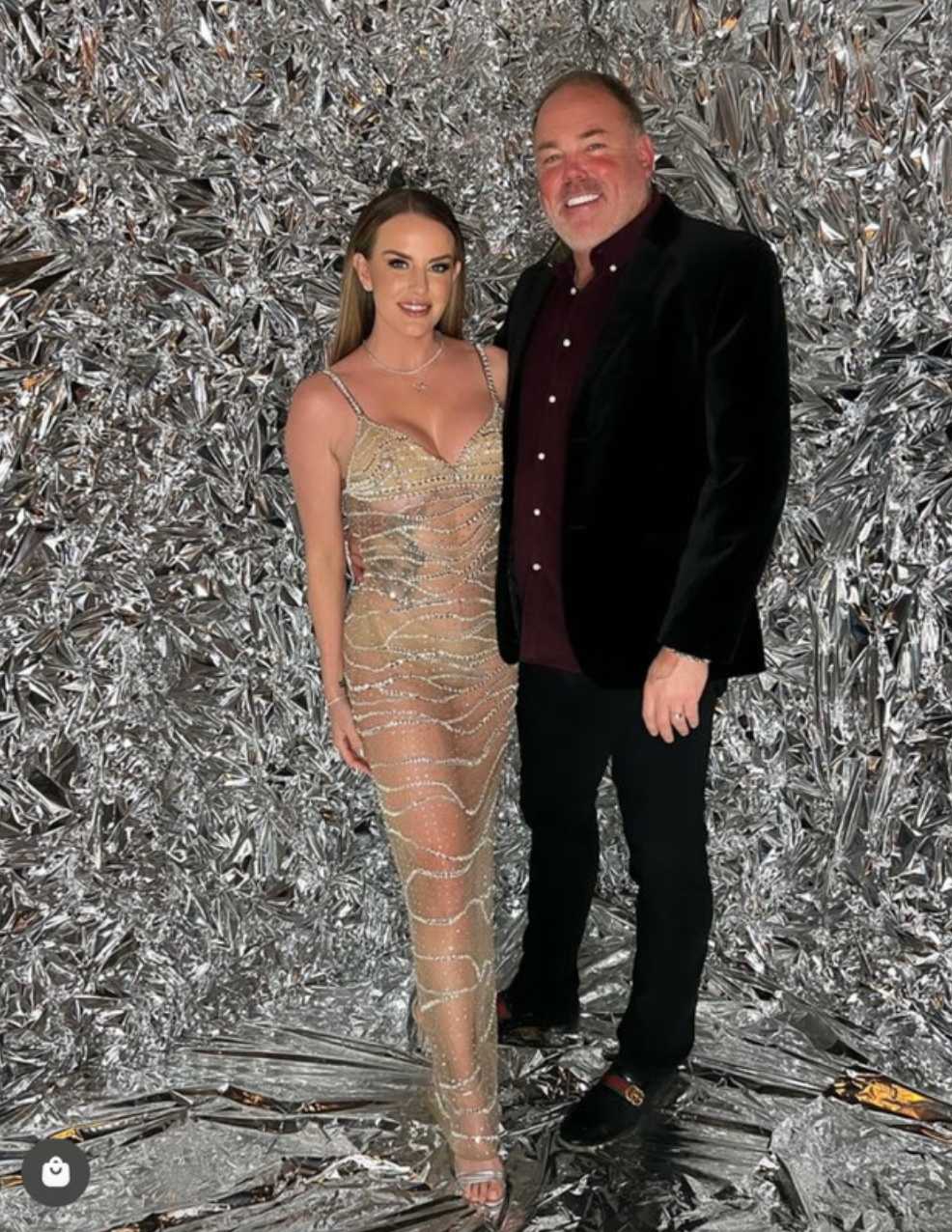
Whitney Rose’s Tan Sheer Embellished Dress

Whitney Rose’s Tan Sheer Embellished Dress / Real Housewives of Salt Lake City Instagram Fashion January 2024

Whitney Rose is leaving little to the imagination in this tan sheer embellished dress. But O M G does she look stunning in it, I’m obsessed. Thankfully when it comes to where she got it, we don’t have to use our imagination because she shared the deets. And of course we have that info along with some similar vibes below that you will sheerly want to shop!

Sincerely Stylish,

Jess


Whitney Rose's Tan Sheer Embellished Dress

Photo + Info: @whitneywildrose


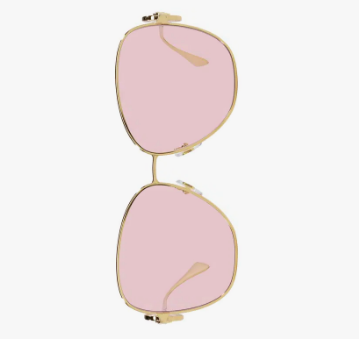
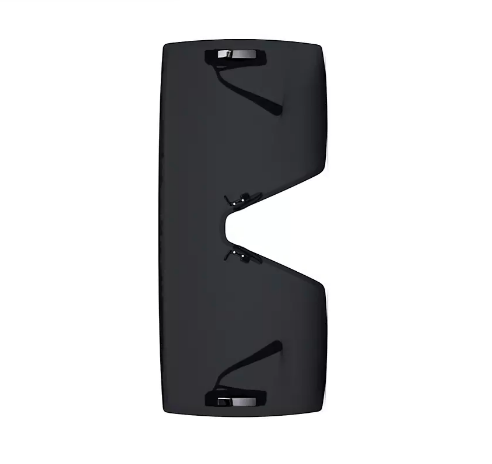
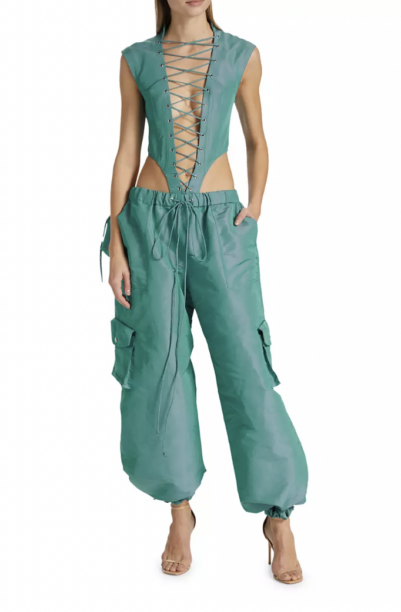
Style Stealers


Originally posted at: Whitney Rose’s Tan Sheer Embellished Dress

Read More