Author: HairWeavings Editorial Team

How I Found My New Passion by Facing Pain, Fear and Change

How Facing Pain, Fear and Change Can Lead to New Passion and Purpose at Any Age

I lay in the dark, kept awake by the throbbing ache in my right hip. Exhausted from a long day, I begrudgingly got out of bed.

I rolled out my yoga mat in the living room and lay down on my
back. With a cotton strap looped under my right foot, I slowly moved my leg
through space, stretching and working to “open” and release my hip. 

Middle-of-the-night stretching was becoming a ritual, as it seemed
this was the one thing that brought enough relief so maybe I could get back to
sleep.

It wasn’t long before I developed a new, equally aggravating
problem: sciatica, an almost constant ache in my right buttock that sometimes
traveled all the way down my leg and into my tingling foot.

My story is just one variation of uncountable scenarios where
physical pain intrudes on our daily (and nightly) lives. Chronic pain is a
growing epidemic in our society, often described by doctors as being idiopathic
or of “unknown cause,” leaving patients feeling abandoned, without the
therapeutic support they are seeking.

Hiding Behind a
Facade of Perfection

I was only in my mid-40s, but already my body seemed to be
breaking down. I was at a loss to understand why this was happening, while
feeling more than a little hypocritical.

I was a yoga teacher and massage therapist, after all. People came
to me seeking relief from the same sorts of aches and pains that I was now
experiencing. That made it hard for me to admit, except to my doctor, that I,
too, was in pain.

So, instead, I soldiered on, maintaining the facade of perfection
I so often held in front of me like a shield. However, there came a point when pretending
I didn’t hurt became too difficult, and thus began a parade to a physical
therapist, chiropractor, acupuncturist, and other massage therapists.

Unfortunately, what relief I did find, never lasted for long. I’d
heard this same story many times before, realizing that every day that I
struggled with pain, I gained new insights into the lives and frustrations of
my students and clients.

An Eye Opener

Eventually, I came across the work of Jean Couch, who taught an
approach to inhabiting the body that explained why some people in the world
could easily carry heavy loads on their heads without strain. I was more than a
little intrigued –
not that I wanted to carry heavy loads on my head.

I made an appointment to meet with Jean and bought a plane ticket
to California. Nothing could have prepared me for how much this first visit
would turn so many of my beliefs upside down.

Big Changes Up
Ahead

Jean began our session by pointing out the many ways that I held tension in my
muscles
.

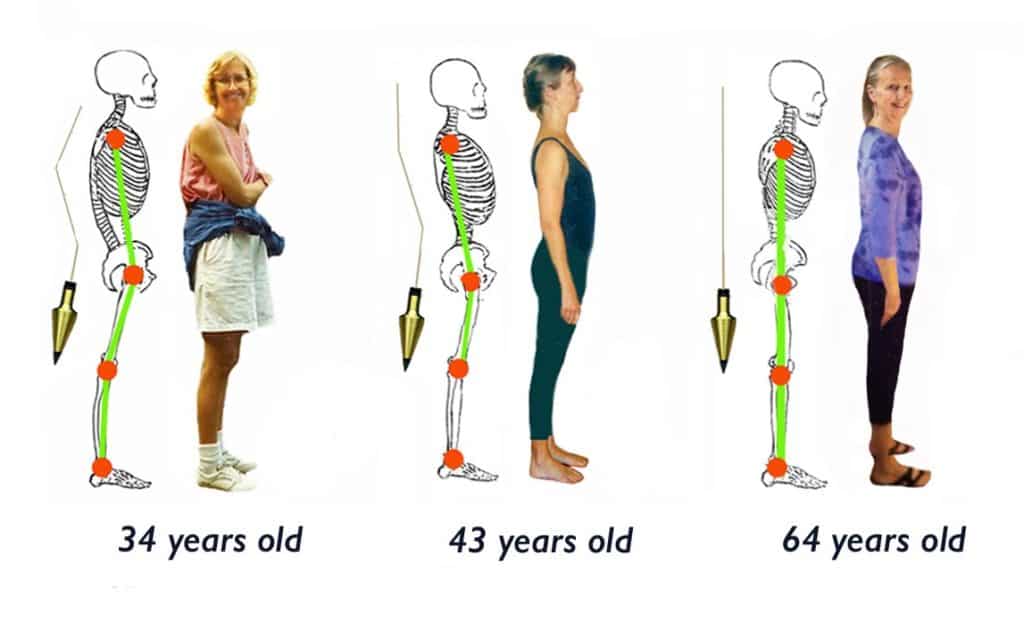
Although I had studied anatomy of the musculoskeletal system in
massage school and during my lengthy yoga training, I had never been taught
that the alignment of our bones, in relationship to each other, determines
whether the muscles attached to those bones (via tendons) are in a state of
contraction or weakness, or if they are naturally elastic, as intended
by the human design.

By the time the first session came to an end, both the chronic hip
pain and sciatica had all but disappeared, simply by changing the way I sat on
my pelvis.

I was both stunned and hugely relieved – and determined to continue learning everything else I could about
this amazing approach that Jean called “balance.”

A “New” Approach as
Old as the Hills

So in my 50s, I spent as much time as I could studying with Jean. While
I was free of pain and feeling much more comfortable, I could sense my life was
being turned upside down.

For starters, almost everything I was learning from Jean was at
odds with what I – and our entire modern society – had been taught to believe about
“good” posture. I wanted to help the people in my yoga classes to experience
the same relief I had. Instead, my once-full classes were shrinking drastically.

The new instructions I was giving, such as releasing the chest
down, rather than “holding it up” with tension, were just too much of a
departure from what our culture-wide beliefs about posture required.

Note: Yoga is chock-full of wonderful benefits for almost anyone – especially when it is practiced in conformance with the
foundational principles of the human body’s natural design.

Rough Waters Ahead

By then I had discovered that many women my age were making their way through the transition from mid-life to more mature aging while navigating the choppy waters of such events as menopause, divorce, and children leaving home. We were presented with a “SHEro’s journey.”

I was at a loss to know how to make my way through all the
upheaval I was experiencing – the grief I felt to have my last child leaving home, my search
for how to be a woman alone in the world, and the fear I was facing that I
would not be able to keep my business alive and thriving as I struggled to know
how to successfully teach this “new” way of inhabiting a human body.

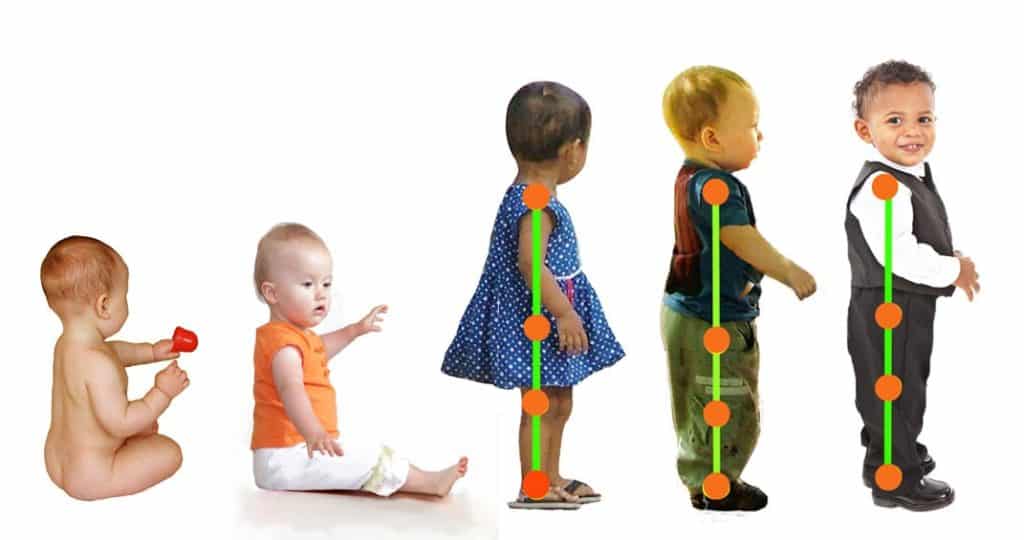
The irony, of course, was that this wasn’t new; it was as old as the hills. After all, babies and toddlers throughout the world have always discovered, entirely on their own, how to sit and then stand and walk, guided by these same rules set out by Nature – and physics. 
A New Purpose in My
Life 

By the time I entered my 60s, the transformation in me was
dramatic. In the process of surviving what I had feared most, I had discovered
that personal empowerment resided as much in my physical body as in my mind.

I found that as long as I could sense myself anchored within my
abdominal core, while resting my mind on a quiet peaceful breath, I could
handle almost anything. This fueled a desire to want to share this information
with others, which has shaped the course of my life ever since. 

It’s been 28 years since I was first introduced to the concepts of natural alignment. I’m 77 years old now and beyond grateful that the physical pain of earlier years gave me the opportunity to discover passion and purpose that would serve as a beacon to guide me forward.

This beacon has pushed me to travel solo to remote places in the
world, where I was able to photograph and interview women who not only carry
heavy loads on their heads with ease, but who age with elongated, supple
spines, and enjoy easy flexibility and enduring strength and vitality.

Living with Passion

Does this mean that natural alignment is a quick fix for pain
problems and issues related to poor posture? No, because, of course, there is
no such thing as a quick fix.

Some people may find immediate relief of a particular problem, as
I did, but for enduring change to continue to unfold, one has to learn a few
fundamental details, and then be willing to put them into practice with
conscious, mindful intent.

I’ve made it my mission to spread my knowledge and experience to
anyone who would listen. So, I’ve created a podcast.

Except for the joy we have in loving relationships with family and
friends (and grandbabies!), I can think of nothing more gratifying than to have
a passion for something – it can be almost anything at all, as
long as it stirs genuine interest and excitement. It can be writing or painting
or gardening or volunteering – fill in the blank.

Even in our 60s and beyond, it’s not too late to take stock of
what makes our hearts soar and follow its flight in the direction to the
discovery of who we might still want to become – despite all the hardships we
may face on the way. As the saying goes, we don’t grow and evolve during the
good times.

Let’s Have a Conversation:

When was the last time you watched yourself gain new understanding
through the more difficult periods in your past? How have you kept the fires of
passion burning in your own life? Is there something that still stirs your
heart, something you wish you could take on? Perhaps you still can. Let’s chat
about it!

Read More

Kyle Richards’ Red Bow Dress

Kyle Richards’ Red Bow Dress / Real Housewives of Beverly Hills Instagram Fashion

Today Kyle Richards posted some shots from what looked to be a very festive weekend, and you’d better believe I zoned right in on Morgan Wade her red bow dress. I’m obsessed! Talk about the perfect holiday look. And a picture can speak 1000 words, but for now the only thing we’re sure this snapshot is telling us is that we need a bold red bow dress this holiday season.

The Realest Housewife,

Big Blonde Hair


Kyle Richards' Red Bow Dress

Click Here to Shop her Dress in Red Polka Dot

Photo : @kylerichards18


Originally posted at: Kyle Richards’ Red Bow Dress

Read More

The Impact of Emotional Eating on Your Overall Well-being

impact of emotional eating on well-being

Emotional eating, the tendency to use food as a coping mechanism for emotional distress, can have significant implications for overall well-being.

Emotional eating usually develops gradually, influenced by a variety of factors. It often begins as a seemingly innocent response to occasional emotional discomfort or stress. At first, it may provide a temporary sense of relief or distraction from negative emotions. For instance, after a particularly challenging day at work, indulging in a sweet treat may offer a brief escape and create a sense of comfort.

Over time, however, this occasional behavior can develop into a habitual pattern as the brain starts associating food with emotional relief. The brain’s reward system reinforces the connection between consuming certain foods and feeling better emotionally, leading to a cycle of emotional eating.

In this article, we will delve into the impact of emotional eating on various aspects of well-being, including physical health, mental health, emotional well-being, and social functioning. By understanding the multifaceted consequences of emotional eating, we can take steps towards cultivating a healthier relationship with food and nurturing our overall well-being.

Physical Health Implications

Weight Management Challenges

Emotional eating often involves the consumption of calorie-dense, comfort foods, leading to weight gain and difficulties in weight management. The frequent intake of high-calorie foods can contribute to obesity, metabolic disorders, and an increased risk of chronic diseases such as diabetes, cardiovascular diseases, and certain cancers.

Nutritional Deficiencies

Emotional eating often involves consuming foods lacking in nutritional value, which can lead to deficiencies in essential vitamins, minerals, and other nutrients necessary for optimal health. These deficiencies can impact energy levels, immune function, and overall physical well-being.

Disrupted Eating Patterns

Emotional eating can disrupt normal eating patterns, leading to irregular mealtimes, mindless eating, and a disconnection from natural hunger and satiety cues. These disruptions can further impact metabolism, digestion, and overall digestive health.

Mental Health and Emotional Well-being

Emotional Distress

Emotional eating may temporarily alleviate negative emotions such as stress, anxiety, sadness, or loneliness. However, relying on food as a primary coping mechanism can contribute to a cycle of emotional distress. The underlying emotions often remain unaddressed, leading to increased emotional turmoil and diminished overall well-being.

Negative Self-Perception

Emotional eating can negatively impact self-esteem and body image. The guilt, shame, and regret associated with overeating can lead to a negative self-perception, reinforcing a cycle of emotional eating and perpetuating a negative relationship with oneself.

Mood Disorders

Emotional eating is closely linked to mood disorders such as depression and anxiety. The consumption of comfort foods can provide temporary relief from negative emotions, but the long-term consequences may exacerbate mood disturbances and contribute to the development or maintenance of these disorders.

Social and Interpersonal Implications

Isolation and Social Withdrawal

The secretive nature of emotional eating can lead to social withdrawal and isolation. Feelings of embarrassment, shame, and guilt associated with overeating can hinder social interactions, leading to a sense of disconnection from others and reduced social support.

Impact on Relationships

Emotional eating can strain relationships, particularly when it affects shared meals or social gatherings. The preoccupation with food and the emotional turmoil associated with overeating can lead to conflicts, misunderstandings, and a sense of disconnection within interpersonal relationships.

Impaired Quality of Life

Emotional eating can diminish overall quality of life by limiting participation in activities, restricting social engagement, and compromising emotional well-being. The negative impact on various areas of life can lead to a reduced sense of fulfillment and satisfaction.

Strategies for Nurturing a Balanced Relationship with Food

Cultivating Emotional Awareness

Developing awareness of emotional triggers and understanding the connection between emotions and eating patterns is essential in breaking the cycle of emotional eating. Mindfulness techniques, journaling, and therapy can aid in developing emotional awareness and building healthier coping mechanisms.

Implementing Mindful Eating Practices

Mindful eating encourages a deeper connection with the body, food, and the present moment. By practicing mindful eating, we can enhance awareness of hunger and satiety cues, savor the flavors and textures of food, and foster a healthier and more balanced relationship with eating.

Seeking Professional Support

Consulting with a registered dietitian, therapist, or counselor who specializes in emotional eating can provide guidance and support. These professionals can help address underlying emotional issues, develop personalized strategies, and provide tools to overcome emotional eating patterns.

Building a Supportive Network

Engaging in supportive relationships and seeking out support groups or communities can be beneficial in navigating emotional eating challenges. Sharing experiences, exchanging coping strategies, and receiving encouragement from others who have faced similar struggles can foster resilience and growth.

Reclaiming control over your eating habits and fostering a healthier relationship with food and with yourself can be difficult, but it is possible. You can start your journey by getting my free e-Book here and learn how emotional eating began for you.

Let’s Have a Conversation:

What is your favorite strategy to maintain a satisfactory level of well-being despite your emotional eating? Let us know in the comments.

Read More

If You Experience Dating Frustration, Give Yourself a High Five

dating is frustrating

As you date, it’s not unusual to experience frustration from time to time. The men you meet may be disappointing, second dates may be scarce, or maybe you’re not even able to get to the starting line. Frustration comes in all shapes and sizes. If you let it, frustration can cause you to close your heart and stop believing in love.

Starts and Stops

Frustration sets in for me when there are starts and stops along the three-step introduction process I teach and use when I’m just getting to know a man. If it gets choppy because there are starts and stops to getting to a coffee date and doesn’t flow, I can almost feel whether we’ll actually meet each other and how successful that meetup will be. In fact, that’s what inspired this article.

I met a man online; after a few messages within the dating platform, I used my three-step formula to ask him if he would be interested in having a real convo on the phone. He said “Sure” and then never called. His excuse was a bit lame, but plausible so we tried it a second day. Again, he didn’t call. INSTEAD, he called me early in the morning on the third day.

My lie detector was beeping so I kept the call extremely short. When I told him I had expected his call the night before, his response was that he got home late and then went out for dinner. WHAT???? You text me to say you’ll call me when you get home from work, and then go out to dinner instead?????

Now I’m wondering if he’s married because he only communicates with me when he’s at work. Either way, his words and his actions weren’t consistent, and those are qualities I look for in a high-value man. Obviously, he was just a boy.

When Words Don’t Equal Actions

My frustration wasn’t because he didn’t call me. It was because he told me he would and he didn’t. I’m someone who keeps her word. If I tell you I’m going to do something, I do it. It’s not a high expectation, it’s simply human kindness and good manners.

When you’re meeting someone new, the introduction process and first date set the benchmark for your ongoing experience. If the introduction process doesn’t go well, and you accept bad behavior, you’ll see that same bad behavior repeated throughout your dating-ship. In my case, if I accepted his behavior, he would have continued to disregard my feelings and blow me off any time something better came along.

I started getting frustrated on day number two, and my frustration was in full bloom on day three after our conversation. Then I started laughing at myself because I had an ah-ha moment.

I’m a High-Value Woman

When I first started dating, I would have believed his silly excuses and played along with his games. He would have continued to treat me poorly, and I would have let him. But now, because I’ve done the inner work and increased my self-confidence, I’m a high-value woman who never settles for less than I deserve. I totally understand that if things don’t go well at the beginning, they’ll only go downhill from there. How a man treats me when we first meet tells me so much about him.

If you’re dating and getting frustrated because you’re having similar experiences, congratulate yourself. This means you’re putting yourself first and raising the bar. Dating is always more about you than the men you’re meeting.

To be a successful dater and create a happy, healthy, loving relationship with someone special, you truly need to keep your mindset and heartset strong. It helps you learn something positive from every less-than-positive experience you have.

Yes, Frustration Is, Well… Frustrating!

It’s okay to take a break from dating if you feel yourself getting cynical. There is such a thing as dating fatigue. And you want to take a break rather than get snarky with the men you’re meeting. That’s never a good look, and probably not who you truly are.

When you shift your energy, you’ll feel better about yourself and uplevel the men you attract into your world. Be sure to nurture yourself and surround yourself with positive people you love to keep your vibration level high. You only attract men who are at your vibration level or lower, it’s a universal law.

If you want more information about how to date with more confidence and clarity, check out my inside-out/outside-in coaching system. You’ll feel powerful on the inside, while knowing what to say and do on the outside. The magic happens where these two forces meet in the middle.

Let’s Have a Conversation:

What frustrates you the most about dating, and how do you deal with it? Do you consider yourself a high-value woman? What inner work have you done to get to this point?

Read More

6 Steps to Manifest Your Dreams in 2024

manifest your dreams

When you look into the future of your life, how do you perceive it? As you look ahead to 2024, are you excited to look for ways to manifest your dreams into a new reality, or do you dread another 12 months?

It’s understandable that with the state of the world and a lot to do for the holiday season, it is easy to cast aside your dreams and desires for 2024.

What if you had a roadmap to arrive at your desired destination with less stress? What if you could choose a path to where the life of your dreams lives with more ease?

To help make this next year your most abundant and fulfilling yet, this article and accompanying video will begin a new, six-part article series on “Living Your Dreamlife in 2024.”

To commence our journey together, this article will introduce you to six steps to manifest your dreams in 2024. These steps will serve as the framework for our six-part series.

Facing Unique Challenges

We are a generation of women who completely rewrote the rules for what is possible and how to live life to the fullest.


And yet many women I speak to, who are 60 and over, hold a cynical viewpoint when it comes to believing they can have what they desire, let alone think it can happen in the next 12 months.

How is it that so many women of our generation find themselves uninspired to manifest their dreams at this stage of their life?

Let’s answer that by addressing some challenges that are unique to us. These include, but are not limited to societal expectations, personal beliefs, and life circumstances.

In my personal experience, coupled with years of research into this topic, here are five unique challenges many of us over 60 face when it comes to turning our dreams into a beautiful new reality:

  1. Limiting Self-Beliefs
  2. Fear of Change
  3. External Expectations
  4. Life Transitions and Caregiving Responsibilities
  5. Limited Social Support

To help you overcome these challenges, you will want to have an easy-to-follow roadmap for manifesting your dreams in 2024.

6 Steps to Manifest Your Dreams in 2024

When it comes to manifesting your dreams, a roadmap helps you clearly define your goals and aspirations, while laying out a pathway to have what you desire. It helps you focus your energy on specific dreams that are meaningful to you.

With that in mind, here is a six-step roadmap for you:

Reflect on Your Dreams and Desires

Take some time to reflect on your dreams and desires. What is it that you have always wanted to do or achieve, but up to now held yourself back from experiencing? Consider your passions, interests, and aspirations. Write down your dreams and be specific about what you want to manifest in your life for 2024.

Set Clear Goals

Once you have identified your dreams for the new year, break them down into achievable goals. Set clear and specific goals that will help you move closer to your dreams. Define the steps you need to take and the milestones you want to reach along the way.

Visualize Your Dreams

Visualization is a powerful tool for manifesting your dreams. Take some time each day to visualize yourself already living your dreams. Imagine the details, the emotions, and the experiences associated with achieving your goals. Feel the excitement and fulfillment as if it has already happened.

Create an Inspired Action Plan

Now that you have your goals and a clear vision of your dreams, you will want an inspired action plan that excites you. Break down your goals into small, actionable steps that are aligned with your desires. Identify those you may need support from along the way.

Cultivate a Growth Mindset

A growth mindset is essential for manifesting your dreams at any age, especially after 60. Have unwavering belief in yourself and know the possibility of achieving your goals is very real. But that may not be as easy as it sounds. Therefore, to remove limiting, fixed beliefs you will want to open your mind to new ways of achieving your dreams. Replace self-doubt and negative thoughts with positive affirmations and new, empowering beliefs.

Take Aligned Action

Finally, take consistent but aligned action towards your goals. Aligned action is not confusing activity with accomplishment. This is about staying committed and inspired even when faced with challenges or setbacks. Trust the process and believe that each step brings you closer to your dreams.

A roadmap is a flexible guide and not something that should be fixed in stone. It’s important to remain open to unexpected opportunities and adjustments along the way.

Manifestation is a personal journey, and everyone’s path is different. Adapt these steps to fit your own personal dreams and lifestyle.

Above all else, embrace the journey and enjoy the process of manifesting your dreams, knowing that you have a plan to guide you toward a fulfilling future.

I invite you to join me in the video at the top where I share additional insights on the challenges you may face in manifesting your dreams. I also guide you through six journal prompts to help you integrate what you are learning.

Further read, 5 PATHWAYS TO YOUR DESIRES AFTER 60.

Let’s Have a Conversation:

What are your dreams and aspirations for 2024? How did you determine them? Has anything ever stopped you from dreaming up new goals?

Read More