
Author: HairWeavings Editorial Team

The Stress-Eating Connection: Exploring the Effects of Stress on Emotional Eating

effects of stress on emotional eating

Stress is a pervasive aspect of modern life, and its impact on our eating habits can be profound. For many of us, stress often triggers the urge to turn to food for comfort or relief, leading to a behavior known as emotional eating. In this article, we will delve into the effects of stress on emotional eating, understanding the underlying mechanisms, and exploring strategies to break free from this cycle.

The Stress-Eating Cycle

Cortisol and Appetite Regulation

Stress triggers the release of cortisol, a hormone that regulates various physiological processes, including appetite. Elevated cortisol levels can increase cravings for foods high in sugar, fat, or salt, often referred to as “comfort foods.” These foods activate reward centers in the brain, providing temporary relief from stress.

Emotional Triggers and Coping Mechanisms

Stressful situations can evoke strong emotions such as anxiety, sadness, or frustration. Emotional eaters often turn to food as a coping mechanism to manage these emotions. The act of eating triggers the release of neurotransmitters like dopamine, which temporarily reduces stress and provides a sense of pleasure.

Negative Emotions and Reward-Seeking

Stressful experiences can generate negative emotions that individuals seek to alleviate. Food, especially high-calorie options, can activate reward pathways in the brain, creating a temporary mood boost. This association between food and reward leads to a reinforcing cycle, as we learn to rely on food for emotional relief.

Biological and Psychological Mechanisms

Physiological Responses to Stress

Stress triggers a cascade of physiological responses, including the release of stress hormones like cortisol. Elevated cortisol levels can disrupt appetite regulation, leading to an increase in appetite and cravings, particularly for foods high in sugar and fat.

Emotional Regulation and Self-Soothing

Eating can serve as a form of self-soothing, providing a temporary distraction or comfort during times of stress. The act of chewing and consuming food activates sensory pathways, which can have a calming effect on the nervous system and help regulate emotions.

Neurotransmitters and Reward Pathways

Stress and emotional eating are interconnected through the release of neurotransmitters, particularly dopamine. Dopamine is associated with pleasure and reward, and the consumption of certain foods can trigger its release. The resulting positive reinforcement strengthens the connection between stress, emotions, and food.

Cognitive Factors and Habit Formation

Stress can impair cognitive functioning and self-control, making it more challenging to resist the temptation of emotional eating. In times of stress, we may rely on ingrained habits, turning to familiar foods and eating patterns as a default response to emotional distress.

Strategies to Manage Stress and Break the Cycle

Stress Management Techniques

Implementing stress management techniques can help reduce the impact of stress on emotional eating. Regular exercise, mindfulness practices, deep breathing exercises, and engaging in activities that promote relaxation can all help manage stress levels and minimize the urge to turn to food for comfort.

Cognitive-Behavioral Strategies

Cognitive-behavioral strategies can assist in breaking the cycle of stress and emotional eating. Techniques such as cognitive restructuring, identifying and challenging negative thought patterns, and developing alternative coping mechanisms can empower us to respond to stress in healthier ways.

Building a Support Network

Seeking support from friends, family, or professionals can be beneficial in managing stress and emotional eating. A supportive network can provide encouragement, accountability, and guidance during challenging times, helping us navigate stressors more effectively.

Mindful Eating Practices

Practicing mindful eating involves paying attention to physical hunger and fullness cues, as well as being aware of the sensory experience of eating. By slowing down, savoring each bite, and cultivating a non-judgmental awareness of food choices, we can reduce stress-related eating and develop a healthier relationship with food.

Self-Care and Healthy Habits

Engaging in self-care activities is essential for managing stress and promoting overall well-being. Prioritizing sleep, engaging in enjoyable hobbies, practicing relaxation techniques, and nourishing the body with balanced meals can create a foundation of self-care that supports healthier responses to stress.

Stress has a profound impact on emotional eating, often leading us to turn to food as a means of comfort or stress relief. Emotional eating often begins as a seemingly innocent response to occasional emotional discomfort or stress. At first, it may provide a temporary sense of relief or distraction from negative emotions.

For instance, after a particularly challenging day at work, indulging in a sweet treat may offer a brief escape and create a sense of comfort. Over time, however, this occasional behavior can develop into a habitual pattern as the brain starts associating food with emotional relief. The brain’s reward system reinforces the connection between consuming certain foods and feeling better emotionally, leading to a cycle of emotional eating.

By understanding the mechanisms underlying the stress-eating connection, we can develop strategies to manage stress effectively and break free from the cycle of emotional eating. Incorporating stress management techniques, practicing mindfulness, building a support network, and prioritizing self-care can empower us to develop healthier coping mechanisms and cultivate a balanced relationship with food and emotions.

Reclaiming control over your stress and eating habits can be difficult, but it is possible. You can start your journey by getting my free e-Book here and learn how emotional eating began for you.

Let’s Have a Conversation:

If you are a stress-eater, how do you manage your eating behavior? What self-care habit helps you keep your stress-eating under control? Let us know in the comments.

Read More

Heather Gay’s Copper Satin Criss Cross Blouse and Pants

Heather Gay’s Copper Satin Criss Cross Blouse and Pants / Real Housewives of Salt Lake City Season 4 Episode 12 Fashion

I’m fully on board with Heather Gay about Angie Katsenevas’ mesmerizing house view on tonight’s Real Housewives of Salt Lake City. I mean the lighting is simply breathtaking. And Heather even stepped through the door into that amazing lighting, I initially thought her copper satin criss cross blouse and pants were a jumpsuit, but it was an equally stunning set. If the idea of grabbing a new blouse or bag crosses your mind, keep scrolling because you can steal Heather’s style just below!

Best In Blonde,

Amanda


Heather Gay's Brown Criss Cross Blouse

Style Stealers


Originally posted at: Heather Gay’s Copper Satin Criss Cross Blouse and Pants

Read More

Whitney Rose’s Black Gucci Shirt and Pilot Sunglasses

Whitney Rose’s Black Gucci Shirt and Pilot Sunglasses / Real Housewives of Salt Lake City Fashion Season 4 Episode 12

Whitney and Justin Rose are the ultimate couple fashion goals on tonight’s episode of Real Housewives of Salt Lake City., They both wear stylish black Gucci shirts and pair them with chic shades. I might need validation to purchase this t-shirt because it would make my pockets hurt short term to win in the long term. And if you want to pull up in style solo or as part of a pair I suggest you keep scrolling for more winning looks in my blog post book!

Best in Blonde,

Amanda


Sunglasses Also Seen on Lisa Barlow

Lisa Barlows Light Blue Blazer
Whitney Rose's Black Gucci Shirt and Pilot Sunglasses

Click Here for Additional Stock in Her Top / Here for More Stock

Click Here for her Top Oversized


Style Stealers


Originally posted at: Whitney Rose’s Black Gucci Shirt and Pilot Sunglasses

Read More

Lisa Barlow’s Sleeveless Fendi Sweatshirt

Lisa Barlow’s Sleeveless Logo Sweatshirt, Half Rim Sunglasses, Blue Fur Coat and Bag / Real Housewives of Salt Lake City Season 4 Episode 12 Fashion

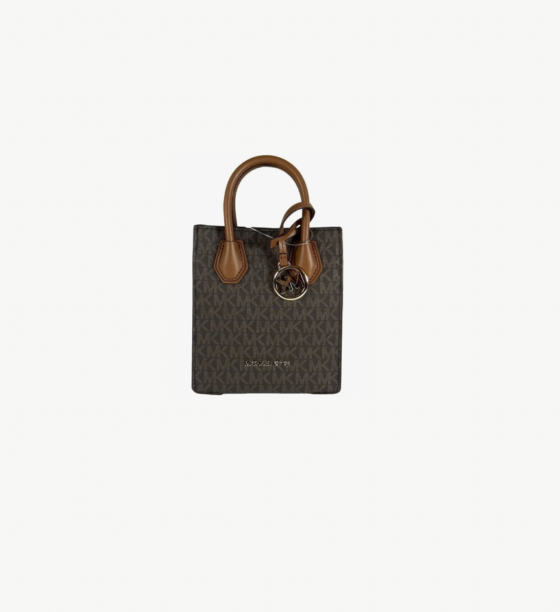
Jack Barlow may regret the shopping trip with his mom on tonight’s #RHOSLC, but Lisa Barlow transforms his mission attire with style on tonight’s Real Housewives of Salt Lake City. On the excursion she rocks a stunning sleeveless Fendi logo sweatshirt, half rim sunglasses, a micro bag and a blue fur coat. Because when it comes to fashion you know Lisa is always on a mission of her own.

Best In Blonde,

Amanda


Lisa Barlow's Sleeveless Logo Sweatshirt and Bag


Originally posted at: Lisa Barlow’s Sleeveless Fendi Sweatshirt

Read More

5 Ways to Safeguard Your Heart in the World of Online Romance Scams

romance scams

I’m going to start this article with my vulnerability hanging out. There’s no bra that holds vulnerability in and no underwire that can prop it up. It’s scary, and yes, my shoulders are a bit above my chin right now. But there’s strength in vulnerability so let’s tackle the tough topic of romance scams that hits many women 60 and above in the core of our heart and in our pocketbook.

I know what I’m talking about when it comes to relationship deception, particularly romance scams. I’m a survivor of not one but two relationship deceptions; one online financial romance scam way back in the early 2000s when I was first divorced after a long-term marriage, and another more recent one came out of nowhere in person at the gym. Something didn’t feel right almost from the beginning, and that’s why it had a short two-month shelf life.

The Bait of Online Romance

When women enter their sixth decade, we’re often divorced or widowed, and loneliness can wedge its way into our daily journey. Then it happens. A friend or family member suggests we go online to “see what’s out there.” They love us and their motives are pure. They may want to see us find love again.

We take the bait.

We create our profile and wait for clicks, likes, hearts, and messages. Some do find love. Others find long-lasting friendships as I have. And still others find companions to go places with and with whom to simply spend time together.

Beacon of Hope and Potential Minefield

For women who have witnessed the beauty and complexities of life for six glorious decades and more, it’s vital to navigate the digital realm with the same wisdom and discernment we apply to every other aspect of our lives.

In a world where technology connects us across continents, online romance has become both a beacon of hope and a potential minefield. The sweet whispers of love, the thrill of a new connection, and the promise of companionship can be captivating. However, as we wade into the digital waters, it’s crucial to safeguard our hearts against the rising tide of romance scams.

There are five primary ways to safeguard your heart (and pocketbook) in the world of online romance.

#1. Trust Your Instincts

Lots of sweet talk often precedes a scam. These charmers, masked behind eloquent words and charming profiles, know how to create a fairy tale out of thin air. Ladies, trust your instincts, your women’s intuition, your gut. If something seems too good to be true, it probably is. Your intuition, refined by years of life experiences, is a powerful guide.

Personal Story

When I was first navigating the seas of online dating, I was swept off my feet by a handsome man who seemed like a dream. He wowed me with compliments and attention and professed his desire to marry. He was in the investment world and said he was securing our future. Unfortunately, his securing our future meant using my credit card for several large purchases.

At the time, I didn’t know what I didn’t know, and I didn’t trust my instincts – I was so enthralled, I was blind to the tactics of a romance scammer. When a co-worker instantly spotted his façade, he knew the gig was up. He sat in my living room on the phone with his next target, planning their meeting.

The next day I took him to the airport, never to hear from him again. That was $2,500 later. He swindled the attorney before me for $18k and at this writing has been married five times and has had countless girlfriends.

#2. Guard Your Personal Information

In the dance of online connection, it’s crucial to guard your personal information as if it were a rare treasure. Scammers often use enticing stories to prompt you to reveal sensitive details. Whether it’s financial information or your home address, keep these treasures close to your heart. Don’t share how much you make, where you work, or hint that you have any financial assets.

In the documentary The Tinder Swindler, the featured women shared stories about willingly sharing their personal information with the perpetrator after he had established trust. Remember, the scenario must be set up first, thus love bombing to hook you in BEFORE the ask.

#3. Verify, Verify, Verify

In the world of online romance, verification is your shield. Before allowing someone into the sacred spaces of your heart, take the time to verify their identity. Ask questions, video chat, and if something feels off, don’t hesitate to do a little detective work. A legitimate connection will withstand the scrutiny. Use online tools like truepeoplesearch.com or socialcatfish.com (reverse image search) to check out the person to see if they’re who they say they are. If not, run for the hills with no further communication.

#4. Community Connection

The aftermath of a romance scam can make a woman feel isolated and embarrassed. I know that’s how I felt after I realized I had been duped. It was humiliating to have to go back to the people I shared my new romance with and tell them it wasn’t real.

The harsh reality is that a few people will judge you and think less of you – after all, they are smug in their belief that they would NEVER fall for something like that. They are not your friends. It’s important to remember that you’re not alone.

Share your experiences with safe, nonjudgmental people within your circle. The collective wisdom of a safe circle of women is a powerful force against the darkness of deception. Women can support and protect one another, but we must be vulnerable enough to share our story.

#5. Educate Yourself

Knowledge is your greatest ally. Stay informed about the red flags. Attend webinars, read articles, and participate in discussions. The more we educate ourselves, the better equipped we are to navigate the intricate dance of online romance safely. This is different from a “there’s a monster lurking behind every face” mentality, which is based more on paranoia. Educating yourself is all about personal and financial safety.

Nurturing Our Hearts

Your heart is a precious garden, worthy of love, respect, and nurturing. Plant these safeguards within your mind and heart so you can cultivate an environment where genuine connections can blossom. If you suspect you’re being love bombed by an online romance predator, tell someone immediately. Look out for the favorite lies of online predators.

Want more information? Read SCARED OF ONLINE DATING SCAMS? USE THESE TIPS!

Let’s Have a Conversation:

Are you or someone you know a survivor of a romance scam, narcissistic abuse, or other relationship deception? What have you found beneficial to help you heal and move on? How would you come alongside another woman to comfort her amid her emotional devastation?

Read More