How Long Does Hair Weaving Last? Everything You Need to Know
How Long Does Hair Weaving Last? Everything You Need to Know One of the most common questions...
Read More

How Long Does Hair Weaving Last? Everything You Need to Know One of the most common questions...
Read More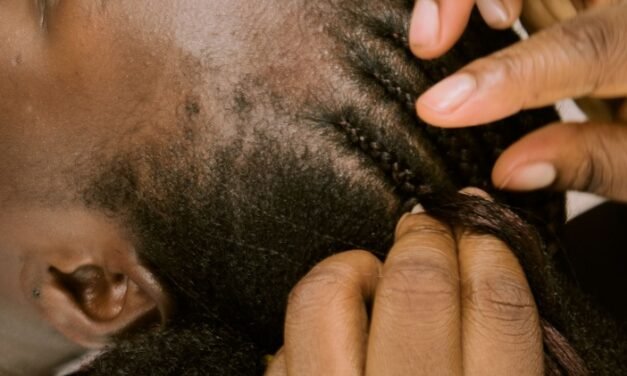
Can Hair Weaving Damage Your Natural Hair? The Truth Explained If you’re considering hair...
Read More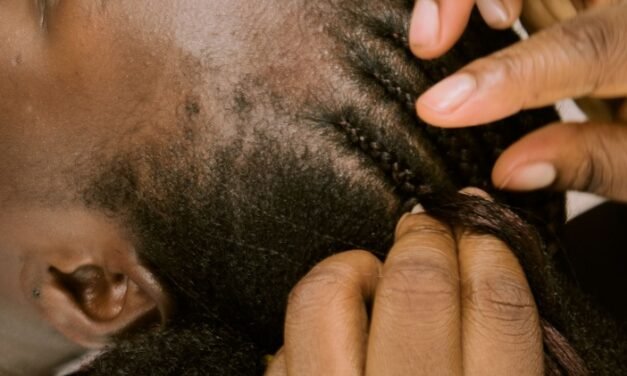
If you’ve been researching ways to add length, volume, or fullness to your hair,...
Read More
Have you ever been surrounded by others but felt alone? Or been alone and fully engaged in what you were doing? I sure have, and it got me exploring the distinction between being alone, a circumstance, and feeling lonely, an emotion.
Many of us assumed retirement would be lonely. We worried about losing coworkers, routines, or a spouse. Yet what surprised me was that living alone wasn’t what created loneliness. Some days I spend most of the day by myself and don’t feel lonely at all. Other times I’ve been with others and felt loneliness slowly sliding in.
I never feel lonely when I’m on my daily long walk. And I never encourage anyone to join me. The highlight of my day is being out on a trail and enjoying myself. Whether I’m listening to a podcast, music, or nothing at all, I’m deeply connected to my surroundings. The trees, the Canada geese, and the water lapping on the shore keep me in the here and now. I have the luxury of thinking about nothing at all or working through whatever life has challenged me with. It’s my special time, and I look forward to it every day.
What I don’t look forward to is going somewhere, for whatever reason, to be with a lot of people. I just know I’ll feel lonely, and that will lead to embarrassment and stress. Of course, I have best wishes for the event or celebration, but couldn’t I simply send my wishes in a note or with some flowers? Feeling like a stranger, even though I know many of the others, isn’t because I’m alone or don’t know people. It’s because I don’t always feel connected. Loneliness can exist in a crowd.
Both experiences have taught me that connection has far more to do with loneliness than whether we’re alone or with others.
I’ve come to think that feeling lonely is often the absence of connection. It’s feeling like a stranger, even when you’re surrounded by familiar faces. It has to do with how you feel about where you are, what you’re doing, and who you’re doing it with. Maybe you have no interest in the event, or perhaps you only know a few people who are busy with their own families.
Connection can happen almost anywhere. It happens when we have something in common with others or with our current situation. Often, the situation itself is the key. You can feel a strong connection while taking your time in the shops, going for a walk and enjoying the birds and plants, spending time on a hobby, or simply enjoying your morning coffee.
I feel a strong connection to my ideas when I’m writing, and I feel connected to my yarn when I’m making one of my creations.
Connection isn’t always with people we know well. I feel connected to those I encounter doing similar things, like walking on the pathways, carrying a tote bag with cats on it, or reading product labels in the cookie aisle. Even these brief moments matter. Feeling connected doesn’t always come from deep friendships. Sometimes it’s built through small, everyday interactions.
I’ve noticed that I feel less lonely when I have a purpose for the day. It doesn’t have to be anything special. Going for a walk, working on a knitting project, writing an article, or exploring somewhere new gives me something to look forward to and keeps me connected to my day.
Being curious about life helps too. Trying new things and exploring new possibilities gives me direction and purpose.
I’ve also learned to enjoy my own company. That might sound strange, but many of us spend years focused on work, family, and responsibilities. We don’t always get to know ourselves: our likes, our passions, or even our pet peeves. The more we know ourselves, the more we can enjoy our own company.
I’ve come to believe that loneliness isn’t measured by how many people are around us. It’s measured by how connected we feel to other people, to our surroundings, and even to ourselves.
We can’t always choose whether we’re alone, but we can look for the connections that tell us we’re part of something larger. Sometimes that’s all it takes for loneliness to quietly fade away.
Click for free access to my Substack, Retired Way Out There, where I publish a bi-monthly newsletter and provide handouts.
What does loneliness mean in your life and circumstances? Do you take being alone as a gift or a burden? How do you like to fill your alone time?
Read More

Women over 60 are a rapidly growing demographic of buyers seeking safety, lower maintenance, active social communities and family.
Why?
Over the years, I’ve helped many women over 60 buy homes in South Florida. Their stories are all different. Some were beginning a new chapter after losing a spouse. Others wanted to be closer to children and grandchildren. Some simply decided it was time to trade home maintenance for more freedom. Some decided they’d had enough of the city and wanted an easier life.
What they all had in common was wanting a home that fit the life they wanted today – not the one they had 20 years ago.
Each person is different. Each story is different.
That’s why there isn’t a single “best” type of home. The right choice depends on your lifestyle, priorities, finances, health, family, and future plans.
Because of this, their housing choices often vary from a traditional home.
As a real estate agent in Florida, these are the things I’ve noticed with women moving or looking to move in today’s world. The following are different types of homes they may be interested in.
Single Family Homes often offer space and privacy. In many of the 55+ communities, they also take care of your lawn. One less thing to worry about! Single Family Homes often offer more space with room for friends or family to visit. In today’s world, many of these homes are on one floor which makes for easy living.
A villa is a single-story attached home. It may be attached on one or two sides usually with no one above you. Some villas have garages.
Many villas also have smaller yards, making them a great option for people who want outdoor space without the upkeep of a larger property.
Villas are easy living without much exterior upkeep. Keep in mind some villas are governed by condo associations while others are governed by homeowner’s association. Condo associations vs homeowner’s associations governing documents will determine who takes care of what, but your lawn is usually taken care of.
Condominiums can be an excellent choice for buyers looking for a lock-and-leave lifestyle. Exterior maintenance is generally handled by the association, making travel easier. However, it’s important to understand the association’s financial health, reserves, insurance requirements, and any upcoming assessments before purchasing.
Many buyers over 60 tell me they prefer single-story living. While some townhomes include elevators or first-floor primary suites, others require climbing stairs several times a day. It’s worth thinking not only about today’s needs but also how comfortable the home will be 10 or 15 years from now.
Many women over 60 will buy in a community with activities. Commonly known as 55+ communities, they offer amenities and activities geared to the baby boomer.
They offer a social life. People have different interests, and they offer them.
One of the nicest things about many 55+ communities isn’t the clubhouse – it’s the people. It’s easy to meet neighbors while walking your dog, attending a fitness class, joining a card game, or simply sitting by the pool. For someone relocating alone, those everyday opportunities to connect with others can make all the difference.”
55+ Communities also offer aging in place. For that reason, many buyers choose a first-floor home or a building with an elevator. This is why I’d stick with a first-floor unit unless they have an elevator. They offer people with like – minded interests who often look out for one another. It’s a nice thing.
That’s a personal decision. Many women will move close to friends or family. Some are more comfortable in a gated community while others don’t care.
Before buying, make sure your monthly budget includes property taxes, homeowners’ insurance, HOA or condominium fees, utilities, maintenance and any future repairs – not just the mortgage payment.
There is no one-size-fits-all answer.
Some women want a villa.
Some want a condo.
Some want acreage.
Some want to lock the door and travel.
Some want grandchildren every weekend.
Some want peace and quiet.
The best home isn’t always the biggest or newest. It’s the one that supports the lifestyle you want for this next chapter. Taking time to think about your priorities – whether that’s less maintenance, more social opportunities, being closer to family, or finding a pet-friendly community – can help you make a decision you’ll be happy with for years to come.”
Are you a baby boomer looking to make a fresh start and finding a home for your next chapter? Do you have any questions that might help make your decision easier? Let’s talk about it!
Read More
