Wigs for Women Over 70

Are you in the market for a wig? Whether you’re a regular wig wearer or considering your first wig, setting on the journey to find the perfect one can be an exciting yet overwhelming experience. The world of wigs offers a vast array of styles, colors, and sizes, making it essential to navigate with a clear understanding of your preferences and needs.
Here Is Our List of Wigs for Women Over 70
- Raquel Welch Straight Up With A Twist – This wig is a versatile bob wig with a chic layered bang, a softly sculpted nape, and razor-cut tapering, featuring Tru2Life® Heat-Friendly Synthetic Hair, a Sheer Indulgence Monofilament Top, and a temple-to-temple Sheer Lace Front for natural movement and styling flexibility.
- Ellen Wille Tab | Synthetic Lace Front Wig – This wig, part of the Perucci Collection, is a versatile and stylish short wig with bold layers favored in colors like Salt/Pepper Rooted and Sandy-Blonde-Rooted. It features a monofilament crown, lace front, and a lightweight, well-ventilated basic cap design.
- Raquel Welch In Charge | HF Synthetic Lace Front Wig – This is an adaptable short, layered wig with a stacked bob, offering various styling options, featuring special elements like Memory Cap® III for a secure fit, Sheer Indulgence
 Monofilament Part for a realistic appearance.
 - Reese | Synthetic Wig – This chic and sassy bob wig has choppy layers and a side fringe. It can be easily styled with synthetic wig products and features ready-to-wear synthetic hair for a natural look and feel.
- Meryl WhisperLite® Wig – This mid-length bob wig exudes sophistication with voluminous layers of loose barrel curls that frame the face, creating a flattering silhouette, featuring a curly, tapered back, nape, and sides for a romantic touch and tailored elegance.
Read on to discover more wigs for women over 70.
The wig market is diverse, catering to various tastes and requirements. If you’re a seasoned wig wearer, you might be familiar with the different types, such as synthetic and human hair wigs. For newcomers, understanding the basics can help make informed decisions.
Different Types of Wigs
When considering the choice between synthetic and human hair wigs, it’s essential to understand the distinct characteristics of each type, as they cater to different preferences, lifestyles, and maintenance routines.
Synthetic Wigs
Pre-Styled Convenience
Synthetic wigs come pre-styled, maintaining their shape and structure even after washing. This characteristic makes them an excellent choice for individuals who prefer low-maintenance options or those with busy schedules.
Affordability
Synthetic wigs are generally more affordable than their human hair counterparts. This makes them an attractive option for those looking to experiment with different styles and colors without a significant financial commitment.
Color Retention
Synthetic wigs often retain their vibrant colors for a more extended period, providing a consistent and long-lasting appearance. This feature is especially advantageous for individuals seeking bold or unconventional colors.
Resistance to Climate
Synthetic wigs resist the effects of humidity, maintaining their style in various weather conditions. This durability ensures the wig remains intact, reducing the need for frequent restyling.
Allergen-Free
Synthetic wigs offer a hypoallergenic alternative for those with allergies to certain materials. They are crafted from synthetic fibers, minimizing the risk of allergic reactions.
Human Hair Wigs
Versatility and Natural Look
Human hair wigs provide a level of versatility that synthetic wigs may not match. These wigs can be styled, curled, or straightened just like natural hair, offering a more authentic and personalized look. The natural movement and texture of human hair contribute to a realistic appearance.
Durability and Longevity
While human hair wigs require more care, they often offer greater durability and longevity. With proper maintenance, these wigs can withstand regular styling and provide a longer lifespan than synthetic options.
Texture Variety
Human hair wigs offer a diverse range of textures, catering to different hair types and preferences. Whether you prefer straight, wavy, or curly hair, human hair wigs provide a broad spectrum of choices.
Heat Resistance
Human hair wigs can withstand heat styling tools, allowing for a variety of styling options. This flexibility is particularly beneficial for individuals who enjoy changing their hairstyle frequently.
Realism and Comfort
The feel and appearance of human hair contribute to a more natural and comfortable experience. Human hair wigs mimic the movement and texture of natural hair, enhancing overall comfort.
The choice between synthetic and human hair wigs ultimately depends on individual preferences, lifestyle, and the level of care one is willing to invest. While synthetic wigs offer convenience and affordability, human hair wigs provide versatility and a more authentic look. Consider your priorities and preferences carefully to find the wig that aligns with your desired style and maintenance routine.
What to Look for in a Wig/How to Choose a Wig Right for You
Choosing the perfect wig involves considering various factors to ensure it complements your style, comfort, and lifestyle. Here’s a guide on what to look for when shopping for a wig:
Material
Determine whether you prefer the convenience of pre-styled synthetic wigs or the versatility and natural appearance of human hair wigs. Each material has its own set of characteristics, and your choice depends on your lifestyle and preferences.
Style
Consider your face shape when selecting a wig style. Certain styles may enhance your features better, so choose one that complements your face shape.
Length
Decide on the wig length based on your personal style and comfort. Choose from short, medium, or long options, keeping in mind your lifestyle and the level of maintenance you’re comfortable with.
Color
Decide whether you want a wig that mimics your natural hair color or if you’re open to experimenting with bold and vibrant colors. Consider your skin tone to choose a color that complements your overall look.
Cap Construction
- Lace Front vs. Full Lace – Determine the type of cap construction you prefer. Lace front wigs have a natural-looking hairline, while full lace wigs offer versatility in parting and styling.
- Cap Size – Measure your head to find the right cap size. Many wigs come with adjustable straps for a secure fit.
Comfort and Breathability
Consider the cap type, such as traditional, monofilament, or capless. Monofilament caps provide a natural look and allow for parting, while capless designs enhance breathability and comfort.
Maintenance
Evaluate the maintenance requirements of the wig. Synthetic wigs generally require less care as they maintain their style, while human hair wigs demand more attention but offer greater styling versatility.
Texture
Straight, Wavy, or Curly – Choose a texture that aligns with your natural hair or suits your desired look. Human hair wigs offer a wide range of textures, allowing you to match your preferred style.
Adjustable Features
Look for wigs with adjustable straps or capless designs for a customizable fit.
Finding the Right Size
Ill-fitting wigs can be uncomfortable and compromise your overall look. Measure your head correctly and understand the sizing options available to ensure a comfortable fit.
Measuring Your Head:
- Use a flexible tape measure to determine your head circumference.
- Follow manufacturer size charts to find the right fit.
Personal Style Expression
Wigs are an excellent opportunity for self-expression. Explore styles that resonate with your personality.
Consider Your Lifestyle
- Are you looking for an everyday wig or something for special occasions?
- Consider factors like comfort, breathability, and ease of styling.
Brand Reputation
Reviews and Recommendations – Research and read reviews about the wig brand and specific models. Customer feedback can provide valuable insights into the quality and satisfaction of the product.
Remember that finding the perfect wig is a personal journey, and considering these factors will help you make an informed decision based on your unique preferences and needs.
Wigs for Women Over 70
Raquel Welch Straight Up with a Twist
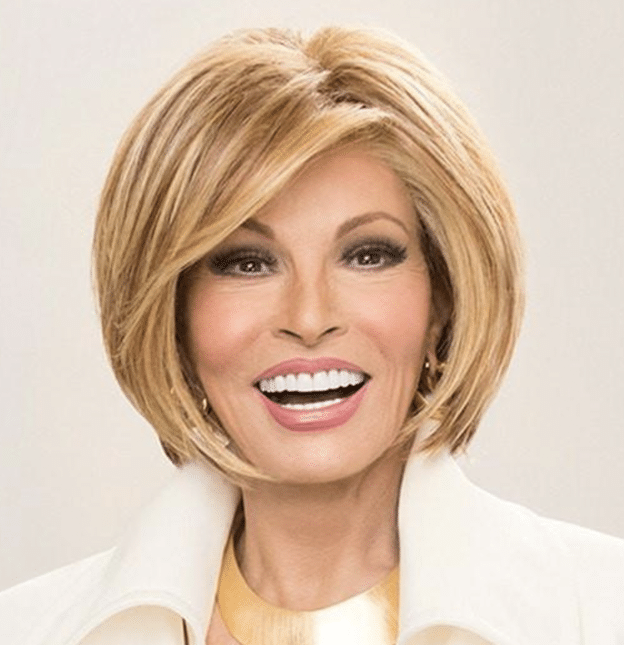
Raquel Welch’s Straight Up with a Twist is a stylish bob wig that combines classic charm with a modern touch. The wig has a chic layered bang, a softly sculpted nape, and razor-cut tapering for a fashionable edge. You can style it in different ways thanks to its temple-to-temple lace front and monofilament top.
Key features include Tru2Life® Heat-Friendly Synthetic Hair, which looks and feels like real hair and can be styled with heat tools. The Sheer Indulgence Monofilament Top allows natural movement, and the temple-to-temple Sheer Lace Front provides flexibility in styling.
The wig is comfortable with velvet-lined ear tabs and nape, and it has a secure fit with the Memory Cap II® Base, offering the lightest and most comfortable fit.
Ellen Wille Tab | Synthetic Lace Front Wig
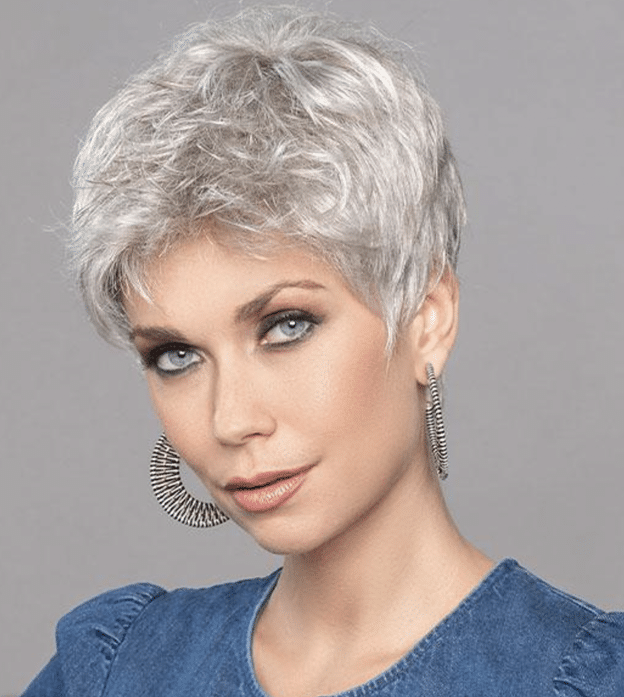
Tab by Ellen Wille Wigs is a stylish short wig with bold layers that you can wear in various ways – slicked, swooped, or spiked. It’s a powerful and perfect choice from the Ellen Wille Perucci Collection, known for cutting-edge wigs.
Tab’s top five customer favorites include Salt/Pepper Rooted, Sand-Rooted, Sandy-Blonde-Rooted, Silver-Mix, and Champagne-Rooted.
This synthetic wig features a monofilament crown for a natural look at the part, a lace front for an invisible hairline, and is easy to maintain. The basic cap design keeps it lightweight and well-ventilated.
Raquel Welch In Charge | HF Synthetic Lace Front Wig

In Charge by Raquel Welch is a versatile short, layered wig with a stacked bob that allows for various styling options. The wig’s shorter crown adds volume, and the gentle waves create fullness that can be brushed smooth, tucked behind one ear, or worn loosely.
Special features include a secure and comfortable fit with the Memory Cap® III, a realistic appearance with the Sheer Indulgence Monofilament Part, and a natural-looking hairline with the Temple-To-Temple Lace Front.
The velvet-lined ear tabs and extended nape ensure added comfort, while the Tru2Life® Heat-Friendly Synthetic Hair allows for heat styling between 275° F-300° F for optimal results.
Debut Human Hair Blend
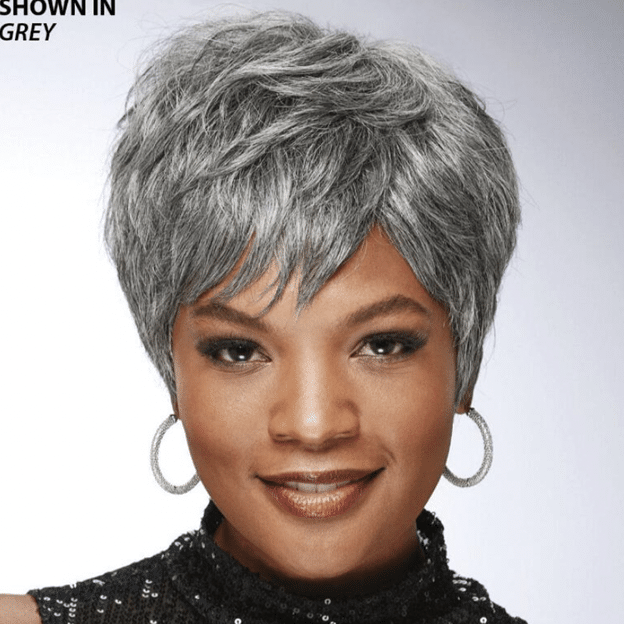
This chic and charming pixie wig effortlessly combines elegance with simplicity. Featuring feathery layers that add the perfect touch of texture, this style is both pretty and fashionable. The bangs delicately frame the face, while the neatly tapered back and nape create a tailored finish that is sure to please.
The wig is expertly crafted using a blend of natural human hair and heat-styleable synthetic fiber, allowing it to withstand the use of curling irons and heat tools on a moderate setting. This combination provides the look and feel of premium 100% human hair without the associated high cost.
Raquel Welch Crushing On Casual | Synthetic Lace Front Wig
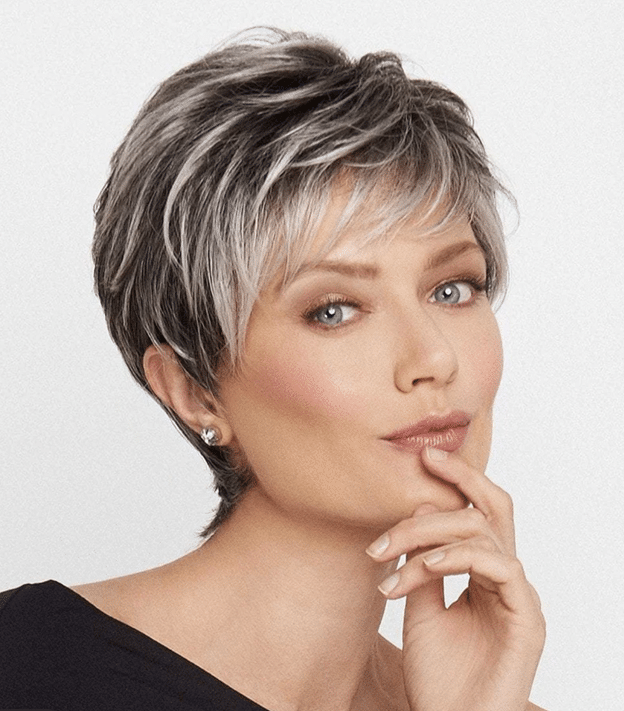
Crushing on Casual Wig by Raquel Welch is a short, stylish cut with plenty of fullness. The tapered lengths offer various styling options, from soft and full to textured and tousled. The slightly angled fringe can be worn onto the face or swept away, while the razor-cut nape creates a clean look at the back. The Sheer Indulgence, temple-to-temple lace front monofilament top, allows natural off-the-face styling and parting choices.
Notable features include Vibralite Fiber, specially designed to mimic the natural look and feel of protein-rich hair. The Memory Cap III ensures light comfort and a secure fit with resilient stretch lace that is silicone-coated and flexible. This groundbreaking technology provides a comfortable, custom-like fit by molding to the shape of the head.
Reese | Synthetic Wig

Reese by Noriko is a popular bob wig with choppy layers and a side fringe, offering a chic and sassy style. This short, versatile cut can be easily transformed using synthetic wig styling products. The ready-to-wear synthetic hair looks and feels natural, with open wefting for better air ventilation and a cool scalp. It’s breathable and lightweight, ensuring a comfortable fit for women on the go. Reese is a stylish option that can be worn straight out of the box and is also available in a Large Cap Size and with a Monofilament Part.
Reese features traditional cap construction with a closed flower net top for durability and maintained volume. The synthetic hair is ready-to-wear, pre-styled, and designed to mimic natural hair.
Nadeline Human Hair Wet ‘n’ Wavy
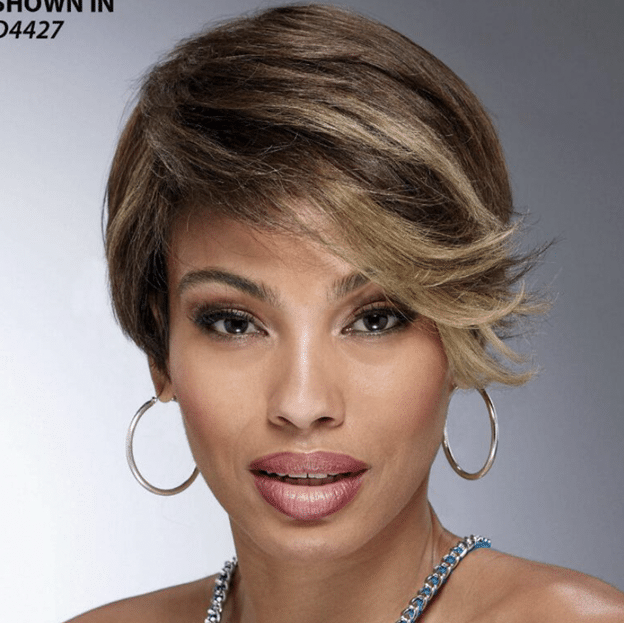
This lively pixie wig offers you the flexibility of two looks in one. Choose between going straight or embracing waves – it’s entirely up to you! The playful, asymmetrical bangs, tapered sides, and back create a short, salon-inspired silhouette.
Although it arrives straight, the 100% human hair fibers are selected for their ability to hold curls: spritz generously with water for waves or use a blow-dryer to achieve a straight style. The extended neck provides additional coverage for the nape, making it easy to tuck away any stray hairs underneath.
Noriko Alva | Synthetic Wig

Alva by Noriko is a synthetic mid-length wig, ready to wear with a straight, trendsetting collar-length bob and tapered fringe. The layers and length blend seamlessly, providing natural movement and versatility.
Special features of Alva include basic cap construction with adjustable tabs in the back nape area, ensuring a comfortable fit with a natural appearance that is both fashionable and easy to wear.
Jon Renau Cameron Petite
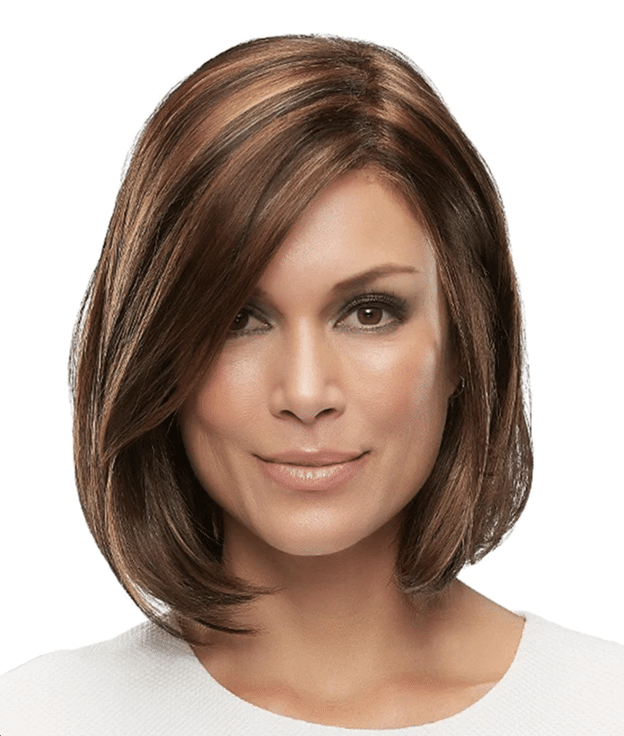
The Cameron Petite Wig by Jon Renau is a stylish lengthy bob with layered ends for shape and movement. Its sheer lace front allows adaptable styling away from the face, and the hand-tied monofilament top provides a natural appearance with multi-directional parting. This long bob is ready to wear, uniquely flattering for all ages and face shapes.
Cameron Petite is available in average and petite cap sizes, with additional options like Cameron Average and Cameron Large. The synthetic hair comes pre-styled with soft, rounded layers for an effortless look straight out of the box.
Special features include a monofilament top, 100% hand-tied cap, velvet ear tabs for added softness, and adjustable tabs for a customized fit.
Meryl WhisperLite® Wig
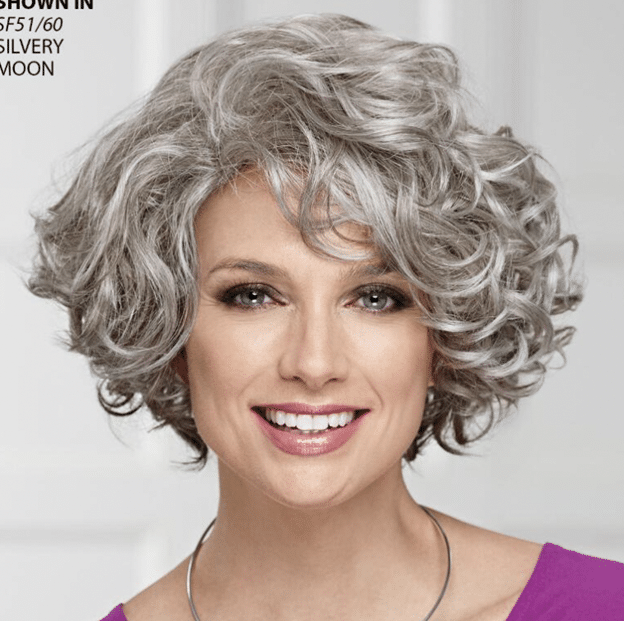
This elegant mid-length bob wig exudes sophistication with its voluminous layers of soft, loose barrel curls that beautifully frame the face, creating a flattering, slightly rounded silhouette. The curly, tapered back, nape, and sides add a romantic and feminine touch, finishing the look with a tailored elegance.
Crafted with super-light, baby-fine WhisperLite® fibers, the wig is exceptionally comfortable and lightweight, ensuring you won’t even feel like you’re wearing it.
Natalia Wig
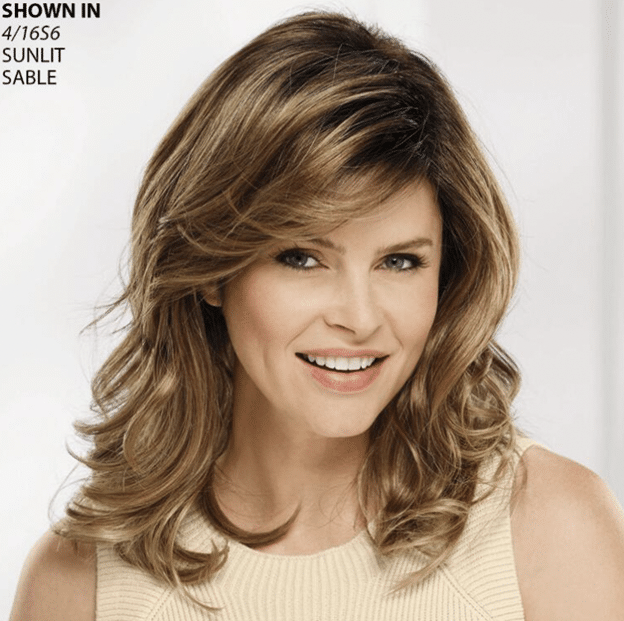
Flowing with lush layers of loose waves, this stunning long wig cascades gently past the shoulders to the upper back, creating natural movement and captivating dimension. The fringeless, side-parted front and full sides elegantly frame the face and neck, completing an irresistibly stylish look.
Made with easy-care Kanekalon® synthetic fibers, this wig maintains its style with minimal upkeep. Permatease adds volume without extra weight, and open ear tabs provide a natural look when wearing glasses.
Also read, BEST WIGS FOR WOMEN OVER 60.
Let’s Have a Conversation:
Do you wear a wig? Will you be purchasing your first-ever wig? Which wig on our list is your favorite? Have you ever ordered a wig online? How was your experience? Tell us about it in the comments below.
Read More