
Month: May 2020

These Clutch At-Home Lasers Remove Hair and Nix Fine Lines

Chances are, spas and salons won’t be returning to “normal” anytime soon. It might be time to try an at-home laser treatment. These easy-to-use devices can remove unwanted hair from even the most sensitive areas on the face. Other lasers target fine lines and wrinkles, especially around the eyes. There are multiple options depending on what you want to try at home. You might even eventually save time and money, too.

While at-home laser devices aren’t cheap, you might really enjoy having control over doing your treatments at home. Target exactly where you want to remove hair (everywhere from your face to your toes to your stomach) in the comfort of your bathroom. Maybe there are fine lines around your crow’s feet that bug you or your smile lines are a little heavier than you’d like. Focus your energy right on them for target treatment.

At-home lasers work by using pulsated light that converts to heat and breaks down the hair, as well as damaging pigment to stop future growth. Unfortunately, most laser hair removal works best on those with light skin and dark hair but technology continues to improve. When it comes to wrinkles, devices use wave-lengths at a lower energy level than at the spa (so you don’t damage your skin!) which means it might take a little longer to see results. But sticking with it could seriously pay off.

Shop some of the most popular at-home laser treatment devices, below.

Our mission at STYLECASTER is to bring style to the people, and we only feature products we think you’ll love as much as we do. Please note that if you purchase something by clicking on a link within this story, we may receive a small commission of the sale and the retailer may receive certain auditable data for accounting purposes.

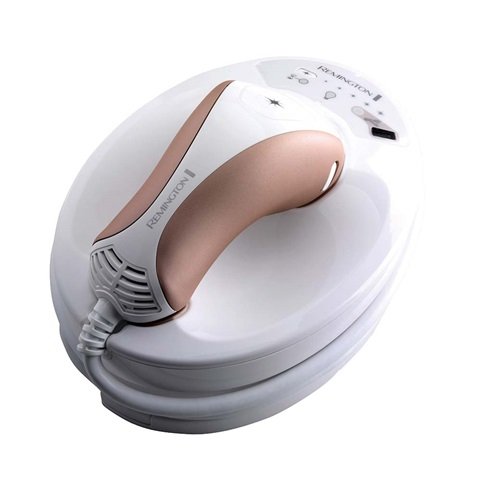
remington products laser

Image: Remington.

Remington iLIGHT Pro Hair Removal System

Remove up to 94 percent of hair with this gentle at-home hair removal device.

ria beauty age defying

Image: Amazon.

Tria Beauty Age-Defying Eye Wrinkle Correcting Laser

This cute device works to reduce the appearance of wrinkles around the eyes.

silkn flashgo jewel hair removal

Image: Amazon.

Silk’N Flash&Go Jewel Hair Removal Device

What the brand calls “home pulse light technology” works to remove unwanted hair painlessly.

BoSidin-Facial-Painless-Permanent-Removal

Image: Amazon.

BoSidin Facial & Body Painless Permanent Hair Removal

This brand promises the benefits of both laser and IPL with no rough regrowth.

lightstim for wrinkles

Image: Amazon.

LightStim for Wrinkles

Reduce wrinkles around your forehead, crow’s feet, cheeks, nasal labial folds and even lips with this LED light therapy device.

beauty newsletter banner

Read More

Downsizing After 60: Are You Surrounded by Too Much Stuff and Need to Let it Go?

Downsizing-After-60

Is your home filled with mementos and paperwork, or your closets stuffed with clothes? Are you or a person you live with a hoarder?

It’s easy to collect things over the decades, stow them away somewhere and never touch them. But there comes a time when we need to let go and get rid of the extra junk to give us more room and freshen up our living space.

Downsizing After 60: Why Are You Holding on to Something You Never Use?

Are you afraid to part with old, though unused, items? Would you truly miss them if they were gone? Could someone else use and enjoy them? For example, you may have a few old cell phones sitting in your desk drawer. They can be refurbished and given to a victim of domestic violence.

Are You Going to Get Your Broken Gadgets Fixed?

Do you have a box or drawer full of broken gadgets? Do you even know what they’re used for?

Unless you’re incredibly handy at repair work, it’s better to release them to the universe and let someone else deal with fixing them. Junk collectors, thrift stores and flea markets thrive on junk and you may even make a bit of money in return.

Is Your Closet Stuffed with Clothes?

Chances are, you’ll never lose enough weight to fit back in that gorgeous dress you wore in the 80s, but it may be a hit in a costume shop.

A homeless person can always use an outdated warm coat or a comfortable pair of pants. You’ll not only feel good that you made a difference in someone’s life, but you may also be able to take a tax deduction for donating to charity.

Make Extra Cash by Getting Rid of Useless Odds and Ends

Sell unneeded items on eBay, have a garage sale, or set up an estate sale. Put the money you make into your emergency fund or take a weekend trip and have some fun.

Don’t hold onto makeup, skincare, sunscreen, or food products that have expired. The last thing you want is a stomach ache, a painful sunburn or an infection. Once the expiration date has passed, toss it.

Tired of Dusting? Get Rid of Your Tchotchkes

How many candles, statues, awards, mismatched crystal glasses, old books, CDs, cracked teacups, and other odd objects d’art can you chuck to lighten the load on your shelves? Getting rid of clutter can reduce your housework by about 40%.

Update Your Lifestyle and Banish Previous Shopping Mistakes

Are you holding onto items collected from past relationships and want to give your living space a look that reflects your new life and style? Start fresh. Purge the ugly past and create a space that makes you happy and relaxed.

Paperwork Is the Curse of a Cluttered Life

Think of all the trees we destroy to stick piles of documents, receipts, and news clipping in a cardboard box. Why not recycle what you don’t really need so it can be remade into something useful? Sort out duplicates and only keep what is critical.

Are your 40-year-old child’s kindergarten scribbles gathering cockroaches in your closet? Do you have old newspapers piled up in a corner heap that will never get read? Try going paperless as much as possible.

Nowadays, you can pay all your bills online and keep track of them using an online free software program like Mint.com.

Less Is Always More

Add a little Zen to your life and simplify it by cutting out the clutter. It will clear your space and your mind for new ideas and creativity.

Where are you on your personal downsizing journey? What things are you finding it difficult to let go in your life? What habits have you started that help you achieve a simpler lifestyle? What do you think are the benefits of downsizing after 60? Please share all the good things you have discovered! Let’s have a chat!

Read More

Clean Foundations That Are Actually Healthy For Your Skin

Green beauty is an ever-expanding category on the cosmetics scene, and if you’re not on board with natural products, we promise you’ll be happy you made the switch (especially when it comes to complexion formulas). Why, you may ask? You may not be aware, but some of your favorite makeup items are chock full of toxic chemicals and fillers that can totally wreak havoc on your skin—whether you’re sensitive or not. As a general rule of thumb, if you see a listed ingredient on the packaging that you can’t even begin to pronounce, it’s probably not good for you.

When looking for a “clean” foundation, you’ll want to look for key terms like “natural,” “organic,” and “vegan.” What you want to avoid are synthetic and potentially-harmful additives like silicones, fragrance, petroleum, paraben, sulfates, and mineral oils, just to name a select few. While natural foundations tend to be associated with less coverage, pigmentation, and overall performance, there are actually plenty of non-toxic options on the market that don’t compromise the quality of the formula for healthy ingredients. Ahead, we’ve rounded up a few of our favorites to help your transition to clean beauty products a little bit less daunting.

Our mission at STYLECASTER is to bring style to the people, and we only feature products we think you’ll love as much as we do. Please note that if you purchase something by clicking on a link within this story, we may receive a small commission of the sale and the retailer may receive certain auditable data for accounting purposes.

Read More

The Best Hard Waxing Kits for All Your At-Home Hair Removal Needs

When your eyebrows are looking a bit unruly and you can’t get to the spa or salon, it’s possible to do your grooming at home with the right tools. Hard wax is great for the sensitive areas of the face as it’s generally better tolerated than soft wax. It also melts at a lower temperature so there’s less of a chance of your burning yourself at home. Plus, you don’t need wax strips with hard wax. It’s so simple.

These at-home wax kits come with everything you need to sculpt your brows to perfection. (Just do a tiny spot test first.) You can also wax your legs, underarms, bikini area—really anywhere as long as you feel comfortable. The best thing about hard wax is that unlike soft wax, it sticks to your hair and not your skin. Does it feel great when you pull it? Of course not but it’s much more tolerable than the other varieties.

In each kit, you’ll get a wax warmer, latex gloves, waxing sticks to apply wax, a product to spray before and after treatment, as well as protective rings and bags of hard wax. You really don’t need anything else except a little confidence. Shop a few different versions to find the right one for you, below.

Our mission at STYLECASTER is to bring style to the people, and we only feature products we think you’ll love as much as we do. Please note that if you purchase something by clicking on a link within this story, we may receive a small commission of the sale and the retailer may receive certain auditable data for accounting purposes.

Read More

The Complicated Relationship Between Stress and Nutrition for Women Over 50 (7 Things You Need to Know!)

What You Need to Know about the Complicated Relationship of Stress and Nutrition

Stress is an inescapable and unavoidable part of life. Common stressful events may include a new job or project, raising kids, managing household finances, being a caregiver, or the passing of a spouse or family member.

We all have our “go to” solutions – many of which we do without even thinking about them – to ease our stress.

While some people may opt for healthier stress management techniques such as exercise or meditation, many of us learned in our college days that nothing quite quelled the butterflies or anxiety over an exam like cookies, a piece of pie, some potato chips, or the favorite of many, several slices of pizza.

Carbs and sugar offer an almost immediate calming effect. Unfortunately, they are usually followed by a crash and cravings for more of the same unhealthy food.

Given the current state of world affairs, it would be more than understandable if you were tempted to reach for those cookies and potato chips. Or, maybe you never really gave up having an emergency stash of stress food in the house.

Nutrition and stress have a mutual cause-and-effect relationship. In addition to motivating us to eat comfort foods, stress may impact how effective our body is at using the nutrients contained in the food we eat. Moreover, the nutritional value of the foods we eat can increase or decrease our stress levels.

Stress Impacts Nutrition

Stress triggers a cascade of reactions in the body, many of which can contribute to a nutrient deficiency. If you think back to high school biology, you probably learned about the “fight or flight” response to any type of threat.

Your body basically reacts in the same way today as did our ancestors’ bodies millennia ago, although the “threat” now may be financial insecurity instead of a hungry predator. Here are some examples of what happens when you get stressed and the effect on your nutritional state:

Stress Hormones Make Us Crave Unhealthy Foods

Hormones such as cortisol and insulin are released (to get your muscles ready to either run or fight), and these, in turn, tell your brain that you need to eat to have enough energy.

The problem is your brain will not tell you to eat a salad. It will make you crave unhealthy foods. Stay stressed long enough, and you run the risk of becoming obese, with all its inherent health consequences.

Using Up Stores of Vital Nutrients

Your body will usually start tapping reserves of magnesium, B vitamins, and vitamin C to better support your cardiovascular system as well as your muscles. Depleting these nutrients can contribute to deficiencies.

And, as you can imagine, these are important nutrients for boomers, both for our health in general and also for managing stress (the cruel irony is that stress often depletes the very nutrients we need to better handle stress in the first place).

Poor Digestion

If you are in “fight or flight” mode, your body will give nutritional priority to your cardiovascular system and muscles. Whatever is left over would then go to support your digestive system.

This means that food may not be fully digested, and it may be harder for your body to absorb the nutrients it needs from this food as it passes through your digestive system.

What This Means

An interesting study asked participants to down a mineral drink while they were not stressed. When the researchers did a nutrient test shortly after, they found that the participants’ bodies had absorbed all the nutrients.

When the researchers then asked the participants to drink the same formula while having to concentrate on listening to two people who were simultaneously talking about two different subjects, the follow-up test showed a marked drop in nutrient absorption.

In addition to magnesium, B vitamins, and vitamin C, stress can also deplete vitamin A, vitamin E, chromium, copper, iron, and zinc. While all are important, zinc is especially vital for boomers since it helps our immune systems function properly.

Last but certainly not least, when we are stressed, our blood sugar levels rise. Over time, these increases may raise our risk for developing diabetes or make it harder to manage if it is already present.

Nutrition Impacts Stress

In the same way that stress can cause nutrient deficiencies, not having good nutrition can trigger stress or make stress management more difficult.

To better manage stress, we have to be proactive about our nutrition. So here are three suggestions:

Replace the Nutrients That Stress Depletes

Make sure to take in more of those nutrients that combat stress, including:

  • B vitamins, which you can get from whole grains, meat, eggs and dairy products, seeds and nuts, dark leafy vegetables, and fruits.
  • Magnesium, which is present in dark chocolate (just don’t eat too much), whole grains, fatty fish, nuts, and avocados.
  • Vitamin C, which is abundant in citrus fruits such as oranges, as well as in broccoli, leafy greens, and tomatoes.
  • Zinc, which is plentiful in meat, shellfish, nuts, eggs, dairy products, and legumes such as lentils and chickpeas.

Add Nutrients That Help Manage Stress

Stress management nutrients are:

  • Copper, which can be found in oysters, nuts, seeds, leafy greens, and dark chocolate (in moderation, of course).
  • Antioxidants, which are plentiful in foods such as dark chocolate, blueberries, artichokes, kale, and spinach.
  • Vitamin D, which can be supplied by a simple walk outside in the sun (which has the added benefit of exercise) or by including fatty fish, cheese, and vitamin D-fortified foods in your diet.
  • Omega-3 fatty acids, which can be found in nuts and seeds, plant oils, and fish such as salmon, tuna, and sardines.

Avoid Foods That May Increase Stress

Finally, make sure you don’t indulge (and even avoid) foods that increase stress. These include white flour, salt, processed meats, caffeinated beverages, fried food, and alcohol.

Some Tips to Reduce Stress and Get the Nutrients We Need

Luckily, when it comes to reducing stress and making sure we get the nutrients our body needs, we are not looking at an “either—or” situation.

We can readily manage stress without resorting to foods that end up creating more stress and harming our health. In other words, avoid eating foods that may trigger the vicious circle of stress-eating in the first place.

When planning your diet, be sure to include plenty of nutrient-dense foods from a variety of fresh fruits and vegetables. It’s also a good idea to prepare your own meals at home since this way you will know exactly what you are eating and how it was prepared.

It may be a good idea to get your nutrient levels tested on a regular basis to see if your body is getting what it needs and in the right amounts. There are even tests that your doctor or healthcare provider can order to test your stress level by measuring the amount of “stress hormones” you have in your system.

It’s important to remember that exercise – especially walking – is an excellent stress reliever in addition to bringing physical benefits of its own. You may also want to consider other stressbusters such as yoga, Pilates, tai chi, meditation, and even aromatherapy.

How much stress would you say you have in your life? How often do you catch yourself stress-eating? Do you keep “stress food,” such as junk food and simple carbohydrates, and sugary snacks around the house? How do you handle your stress? Please join the conversation.

Read More