
Month: April 2021

This Skincare Ingredient Treats Acne, Hyperpigmentation & Dry Skin—All At Once

In the skincare world, retinol has long worn the crown as the triple-threat ingredient that does it all. (It reduces the appearance of fine lines! Addresses acne! Evens skin tone!) But retinol’s not the only J.Lo of skin actives: there’s another skincare star with multi-hyphenate qualities that’s just starting to get its due. We’re talking about niacinamide skincare. Like Jennifer Lopez, it has its own street name: vitamin B3. With credits that include boosting skin barrier function, controlling sebum production and minimizing hyperpigmentation, niacinamide seems primed to benefit just about any skin concern.

But is beauty’s buzzy ingredient really the cure-all that it appears to be—and does it really belong in just about every formulation out there? We talked to dermatologists for tips on how and when to use it and the extent to which it can really deliver. (Trust us, there are caveats galore.) Here’s how it works.

Strengthens Skin

“It is believed that niacinamide helps to improve skin barrier function by increasing ceramide production and stimulating epidermal cell turnover,” says Dr. Shereene Idriss, a New York-based dermatologist and clinical instructor in dermatology at the Icahn School of Medicine at Mount Sinai. What’s so important about optimizing our skin’s barrier? For one, healthy cell turnover and ceramide production can manifest as moisturized, bouncy skin. But a reinforced barrier can also mean skin is better equipped to defend itself against external irritants, like air-born chemicals, wind chapping and even viruses—which couldn’t feel more important these days.

What’s more, a fortified barrier may prevent excess UV radiation and reduce hyperpigmentation, notes Dr. S. Manjula Jegasothy, a cosmetic dermatologist in Miami and associate professor of dermatology at the University of Miami.

Locks-In Hydration

If your skin is dry, it can likely use a boost in the barrier department, too—and niacinamide can serve as a key ingredient for long-term repair. “Niacinamide is one of those ingredients that can help when incorporated amongst others in a dry skincare routine,” says Dr. Idriss. “Given that ceramide production doesn’t get regulated overnight, combining it with a ceramide-rich product can be a huge boost for both instant and long-term soothing effects.”

Dr. Idriss’s go-to, niacinamide pairings for dry skin? Proven moisturizers, such as colloidal oatmeal, glycerin, beta-thio glucan and ceramides in combination with cholesterol and free fatty acids. She suggests reaching for thick creams or overnight masks made with vitamin B3 to build the skin’s barrier and amplify bounce.

Fades Dark Spots

For countless skincare products, niacinamide is touted as a callout ingredient to help fade dark spots and Dr. Idriss credits the ingredient as able to “decrease hyperpigmentation by minimizing the transfer of melanin to keratinocytes.” Those with sensitized skin may prefer niacinamide to others known to cause irritation in some, like vitamin C, hydroquinone, kojic acid or retinoids.

According to Dr. Jegasothy, those with compromised skin barriers, (such as psoriasis, eczema or chronic skin disease) may also be best treated with niacinamide to fade dark spots because the ingredient works to build the keratin barrier in the skin. This smoothes the skin and helps it become less inflamed. “Niacinamide promotes keratin production, and as such, can play a vital role in any skincare routine by building up the skin’s natural defense barrier, making it more resistant to external irritants such as chemicals in the air and wind chapping,” she says.

But before going all-in on niacinamide as a treatment for hyperpigmentation, know this: those who don’t suffer from atopic dermatitis or sensitized skin, there might be better first-line treatments. According to Dr. Jegasothy, those include kojic acid, hydroquinone and arbutin. “There were a few reports in the medical literature showing patients who used very high-strength hydroquinone (we’re talking 10 or 20 percent), would experience irritation and would end up with more hyperpigmentation, particularly in darker-skinned patients,” she says. But the dermatologist calls these reports and controversy “murky,” adding, “I doubt any of this is correct when looking at concentrations below two to four percent.”

In short, forget what thousands of product labels say about niacinamide’s ability to thwart hyperpigmentation. Instead, try a consultation with your dermatologist to figure out which skincare actives are best suited to address hyperpigmentation in your own skin.

Minimizes Acne and Inflammation

While Dr. Jegasothy may be lukewarm about niacinamide as a treatment for hyperpigmentation, the dermatologist says the ingredient really shines in its ability to address acne and acne-related inflammation. “Probably, the most proven and effective use of niacinamide is in addressing acne,” she says.

In acne, a blocked pore is typically exacerbated by an overproduction of sebum, something that can cause more inflammation to a pore that’s already enlarged. “So anything that would reduce sebum in the pore is going to help sort of all facets of the acne papule formation,” says Dr. Jegasothy. When used in lower concentrations, niacinamide does just that. “Up to a certain percentage, niacinamide helps to control sebum production, which in turn minimizes acne formation and inflammation,” she adds. Dr. Idriss puts niacinamide’s efficacy sweet spot at between two and five percent. “Anything more may induce irritations, resulting in inflammation,” she says. As always, check with your derm if you have any increased irritatation.

Not All Is Created Equal

That brings us to one more caveat: not any old niacinamide formula will work to minimize inflammation and irritation. With a pH of between five and seven, niacinamide is not acidic. As Dr. Jegasothy points out, formulas that pair niacinamide with acids (like kojic, glycolic and salicylic acid) are primed to neutralize the niacinamide and turn it to niacin, which causes rosacea, flushing and redness in the skin.

“I’m afraid that’s why some people are saying bad things about niacinamide’s effects, because they’re using formulas that pair it with acids,” notes Dr. Jegasothy. Since products made for acneic skin commonly contain alpha and beta hydroxy acids, Jegasothy says it’s important to read labels and choose a niacinamide product that isn’t also loaded with acids. This doesn’t mean we have to bypass the inclusion of acids in our skincare sessions altogether; Jegasothy suggests using AHAs and BHAs in a separate product instead.

No matter what kind of skin concern you’re using niacinamide to address, the ingredient can be easily added to a skincare routine already rich in actives if your skin is generally tolerant to products, our pros say. “Niacinamide can be mixed with pretty much any active ranging from retinols, to vitamin C, AHAs/BHAs or even peptides. As long as your skin can handle it, you can mix it,” says Dr. Idriss. “If in doubt, then spread out its use and apply the niacinamide in the morning and your other active at night.”

Whether you’re in the market for a skincare solution for acne, hyperpigmentation, or dry skin, find 14 ways to do it with niacinamide, ahead.

Our mission at STYLECASTER is to bring style to the people, and we only feature products we think you’ll love as much as we do. Please note that if you purchase something by clicking on a link within this story, we may receive a small commission of the sale.

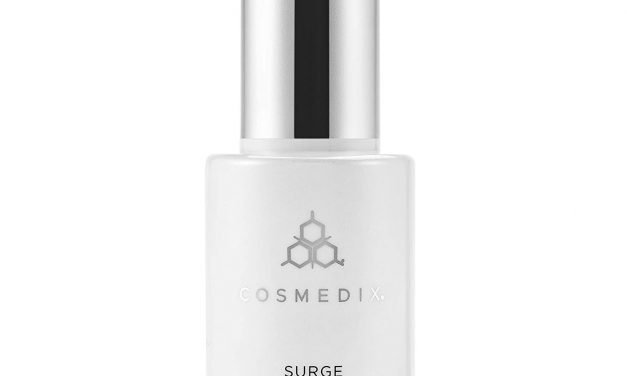
Cosmedix surge hyaluronic acid

Cosmedix.

Cosmedix Surge Hyaluronic Acid Booster

It’s no accident this gel-cream makes us think of a pricey pressed juice. To start, the citrus and ginger extracts inside make the lightweight moisturizer smell as fresh as a superfood drink. But it’s also chock full of nutritiative ingredients: niacinamide addresses large pores; a cocktail of hyaluronic acids hydrate; and moringa extract (straight out of California’s Coachella Valley, no less) and papaya extract de-gunks pores and minimizes shine.

Buy: Hyaluronic Acid Booster $110

farmacy daily greens

Farmacy.

Farmacy Daily Greens Oil-Free Gel Moisturizer with Moringa and Papaya

This silky emulsion serum is designed to fade acne scars, redness and inflammation, thanks to niacinamide and an award- winning technology that stops the stimulation of melanocytes, making it a solid choice for oily and blemish-prone skin types.

the ordinary niacinamide

Deciem.

The Ordinary Niacinamide 10% + Zinc 1%

This no-nonsense serum is designed to balance runaway sebum production, (thanks to a generous 10 percent dose of niacinamide) and brighten skin, (thanks to 1 percent zinc), making it a solid and wallet-friendly choice for oily and blemish-prone skin types who don’t easily succumb to irritation.

First Aid Beauty serum

First Aid Beauty.

First Aid Beauty Facial Radiance Niacinamide Dark Spot Serum

Teeming with plant-derived ingredients, this serum contains pumpkin seed, avocado oils, prickly pear, hemp seed oil, guava papaya mimosa extracts. It’s a no-brainer for those who love vitamin-rich products that brighten (thanks to niacinamide and vitamin C) and neutralize free radicals.

doctor rogers face cream This Skincare Ingredient Treats Acne, Hyperpigmentation & Dry Skin—All At Once

Doctor Rogers Restore.

Doctor Rogers Restore Face Cream

“This enhanced keratin production created by niacinamide may also reduce pore size, although this has yet to be proven in placebo-controlled studies,” says Dr. Jegasothy. This fragrance-free, no BS moisturizer puts that idea to the test. Made with niacinamide among its tight edit of ingredients—all geared to hydrate and soothe skin while addressing large pores and uneven tone—the rich cream left our complexion looking soft lit and absent of the slick shine that magnifies pores.

shani darden intensive eye renewal cream This Skincare Ingredient Treats Acne, Hyperpigmentation & Dry Skin—All At Once

Sephora.

Shani Darden Skin Care Intensive Eye Renewal Cream with Firming Peptides

Even if this eye cream wasn’t loaded with peptides—which constrict blood vessels and therefore, reduces puffiness—and niacinamide, we’d still reach for this formula created by Hollywood’s go-to esthetician because it sinks into skin without irritating eyes or causing makeup to slide.

Aethera Beauty Botanical Rejuvenating Cannabis This Skincare Ingredient Treats Acne, Hyperpigmentation & Dry Skin—All At Once

Aethera.

Aethera Beauty Sunset Botanical Rejuvenating Serum with Cannabis Sativa Seed Oil

What hyperpigmentation? This oil and fragrance-free serum uses a trifecta of melanocyte-suppressing ingredients (niacinamide, licorice root and kiwifruit) to fade residual acne marks and other forms of discoloration over time. But it also packs immediate rewards: the milky liquid melts into our skin without leaving a tacky residue in its wake.

Buy: Botanical Rejuvenating Serum $35

dark spot Hero Cosmetics

Hero Cosmetics.

Hero Cosmetics Lightning Wand

A Godsend for those with combination skin who want to address dark spots only and not the surrounding skin, this pen allows for precise application of proven melanocyte inhibitors including vitamin C, niacinamide and tranexamic acid.

The INKEY List Niacinamide Oil Control Serum

The INKEY List.

The Inkey List Niacinamide Oil Control Serum

This gel serum is designed to fade acne scars and balance sebum without drying out the skin thanks to 10 percent niacinamide (and 1 percent hyaluronic acid), making it a great choice for oily and acne-prone skin that isn’t too sensitive.

Buy: Oil Control Serum $13.50

watermelon glow Niacinamide drops

Glow Recipe.

Glow Recipe Watermelon Glow Niacinamide Dew Drops

This niacinamide jelly bills itself as a highlighting serum—and it does leave skin with a lit-up sheen that tricks people on Zoom into thinking we’ve found our best light. But it also quenches skin’s thirst (compliments of hyaluronic acid and glycerin) and addresses hyperpigmentation, too.

cle palo-santo-multi-cream

Cle.

Cle Cosmetics Multi Cream

This ultrarich cream may smell like the desert (thanks to cedar, frankincense and palo santo essential oils and extracts), but it hydrates like a tall drink of water (thanks to niacinamide and hyaluronic acid), without leaving a greasy finish on skin.

pop beauty lit af essence skin This Skincare Ingredient Treats Acne, Hyperpigmentation & Dry Skin—All At Once

CVS.

Pop Beauty Lit AF Essence Skin Perfecting Essence

With an lineup of ingredients that includes yuzu extract, ginseng, squalane, green tea, peptides, caffeine, niacinamide and peptides, we’d expect this essence to ring in at $50 or more, but the hydrating multitasker costs less than a movie rental on Amazon.

dermalogica powerbright-dark-spot-serum

Dermalogica.

Dermalogica PowerBright Dark Spot Serum

Made with niacinamide (to slow the delivery of melanin to the skin cells) and hexylresorcinol (a flower compound that slows the enzyme that triggers melanin production), this brightening serum tackles post-inflammatory hyperpigmentation and melasma, but without irritation. The brand says the formula can be used during pregnancy and by those with sensitized skin, unlike formulas containing more aggressive skin brighteners, like hydroquinone or alpha hydroxy acids.

It Cosmetics  Hello Results Wrinkle-Reducing Daily Retinol Serum-in-Cream

Ulta.

It Cosmetics Hello Results Wrinkle-Reducing Daily Retinol Serum-in-Cream

Part serum, part moisturizer, this twofer features a double dose of retinol countered by soothing and hydrating vitamins (B3, B5 and E), making it gentle enough for daily use.

STYLECASTER | Ashley Benson Interview

Read More

Retirement: Are You Ready for A Solo Act?

Senior Woman Retiring Alone

Most women in their 60s are headed for a solo future. Are you prepared for yours?

Millions of Americans are finding themselves on their own as they head toward retirement. Some are solo by circumstance, others by choice. Baby Boomers – all of them – are driving new trends in housing, work, caretaking and traveling while also redefining what it means to be part of a community.

These partner-less pioneers are rewriting the book on retirement as they learn what it takes to successfully retire solo and remain happy, healthy and independent in the coming years.

Women Spend Much of Their Lives Alone

The reality is that most of us will spend more time solo than in a married or committed relationship over the course of our lifetime. It is almost certain that we will be solo during the later years of our lives. Statistics indicate that most married Baby Boomers are destined to become solo again in the future, whether through death or divorce.

Nearly 10,000 Baby Boomers turn 65 every day – a reality that began in 2010 and is expected to continue through 2029. More than half of them are reaching that milestone on their own. Those who are still married are likely counting on a spouse’s income to save for retirement and to provide a second Social Security check. Whether solo or partnered, few women feel financially ready for retirement.

Everyone Is Potentially Solo

Any woman can become solo again at any time in her life. Regardless of whether you are married, partnered or otherwise in a committed relationship, life happens. It is practical to plan for that possibility. Despite the decline in the divorce rate, about 40 percent of marriages (first and subsequent) still end in divorce, transitioning women back into the solo category.

Ditto for the many Boomer women who will become widows in retirement. Women who reach age 65 are expected to live an average of 21 years more. The Association for Financial Counseling and Planning Education predicts that seven out of 10 Boomer women will outlive their husbands. Many of these women could end up living as “solo widows” for 15 to 20 years. It is important to plan for that possibility, even if your husband is healthy today.

On the average, 80-90% of all women will be solely responsible for their personal and financial health at some point, if they aren’t already. It makes good sense to plan for that eventuality now to ease the transition, and to avoid the financial hardship which often comes with a sudden shift in status. You wouldn’t want to find yourself on your own without a financial plan, a housing strategy and a support system in place. No one does.

If you are already solo, you know this, you’ve thought about it, and you’ve hopefully started to create a plan. If you’re not solo, you need to start thinking about the very real possibility that you will be solo again at some point in the future and begin planning for that time.

Successful Solo Retirement Takes Planning

There are no guarantees in life, whether you are solo, married or somewhere in between. Today’s Boomers know that they may have to continue working, start a business or come up with another source of income to supplement whatever Social Security benefits they may earn. Few have truly thought about how or where they may want to live, how they will stay active and healthy in the years ahead or who will be there for them as they grow old.

It’s never too late, or too soon, to develop a personal plan to protect your independence and make sure that the coming years are happy, healthy and supported by a sense of community. No one wants to rely on others for their financial well-being. No one wants to suffer from poor health. No one wants to end up in a nursing facility and no one wants to be without some type of support system to turn to when necessary.

These are issues that affect all of us as individuals, regardless of our marital status. In my book, Retiring Solo, I discuss different strategies that can help you plan for an independent future – even if that possibility seems hard to imagine right now.

Learning how to retire solo is practical knowledge that you can put to good use now and as you grow older – no matter what the future might bring.

What have you done to plan for your future? If you are already solo, what advice would you offer to someone who is married or partnered right now? Have you talked with your spouse or partner about what will happen if one of you ends up alone? Please share in the comments section.

Read More

How to Locate the Best and Healthiest Places for Aging Alone

Aging-Alone

According to Pew Research Center, globally, there are 604 million (plus) people in the 65 and older category. In the United States, the 76 million Baby Boomers magnify the 65-plus group that stretches to over 50 million today.

This has created a demand for research on how to live better as people move beyond the working years.

Studies suggest drilling down on individual behaviors that affect the health of adults – such as exercise and eating habits, as well as chronic conditions – especially when searching for a place to live.

Factors in Healthy Aging Alone

However, individual behaviors are not the only factors in healthy aging. There are influences like loneliness, car dependency, isolation, expensive housing and lack of health care services that exacerbate unhealthy lifestyles.

While “aging in place” is the preferred way to live for older adults, the ability to stay socially connected in familiar surroundings creates more problems.

Growing older and living alone in the suburbs is difficult enough, but for women and men over 60, it’s especially hard. I should know because my house is in the Waco, Texas suburbs and my errands require a car, but my preference is walking or at a minimum, public transportation. The city has no sidewalks and no buses in my area. None.

Plus, living off the beaten track keeps me apart from the hubbub. For me, the constant interaction and activity of urban living retains involvement and interaction, which is significant for someone living alone, and more importantly, brightens my day when receiving a smile or hello, even from strangers.

Considering the Numbers

Research says the less isolated and more connected we are, the happier we’ll be. I’ll start with Waco since that’s where I live. Unfortunately, the area has the highest number of older people aging alone, 31.8 percent, and over 73% are women. The next highest ranking is Beaumont with 31.54 percent, and 71% of those being female.

The number isn’t nearly as high when comparing Waco to Emeryville, California where 53 percent of those 65 and older live alone and 62 percent of them are female. If interested, I recommend everyone to search their city and state by using the Seniorcare.com guides. They offer useful health data that highlights information about where you live. As an example, I’ll continue with Texas.

Applying scores by the American Health Rankings, Texas is #40 overall on a scale of 1 to 50, lowest being the best in terms of chronic illnesses, obesity, habitual drinking, inactivity and smoking, etc. My state ranks high in poverty and food insecurity – surprising since Texas is farm country – and at #47 in community support, which is not good. Remember, the lower the number the better.

Since Texas ranks high in poverty and food insecurity compared to other states, the results when drilling down on Waco are not surprising, because it’s one of the poorest areas. Of senior households, 12% earn less than $10,000 a year, while 36% earn less than $20, 000 and 22% receive food stamps. Knowing the statistics and other information makes me question, “Should I stay or should I go, and just how supportive is the place for older adults?”

Where Do You Want to Age?

Data offers individuals a wealth of information. And learning about the places that best fit your needs, wants and desires will help you determine which place is best. If your city is walkable, as you age you’ll keep moving and connections will not shrink. When you stop working and driving, then your neighborhood matters more and factors like safe sidewalks are important.

And if you have a fixed income, like most seniors, affordability becomes an enormous concern. For example, Dallas meets many of my preferences. For one thing, the city officials put a big effort into the liveability factors. City government increasingly adds public metros and maintains affordable housing in highly sought after and walkable neighborhoods; even I can afford a condo there.

Whereas, in Austin the city does not because the urban locations are tremendously costly, which forced me to live in the suburbs. Had I known that this type of data could help me determine best place to live, I would have settled in another area.

So, if you’re seeking a certain type of lifestyle, like me, it’s imperative that you do your due diligence before; that way you’ll have no regrets.

Where would you like to age if you are living alone? Are you living on a budget that limits your choices? Do you agree that staying social connected is important as you get older or do you love living alone? Please join the conversation.

Read More

Diet and Nutrition Can Help You Manage Urinary Incontinence

urinary incontinence

It’s no secret that many boomers suffer with urinary incontinence. In fact, almost 60 percent of us in our 60s, and 75 percent of us over 75, will experience it.

Whether sporadic or ongoing, one specific type – stress, urge (also known as overactive bladder), overflow, functional – or a combination, it is something that can greatly impact us physically, emotionally and socially. It affects us almost twice as much as men.

Suffer in Silence No More

Many women used to not talk about urine incontinence even with their closest friends or doctors. They just chalked it up to getting older and dealt with it the best they could.

Luckily for our generation, we – and our healthcare providers – are much more aware and open with this health problem and are looking for solutions to it.

As a result, women’s magazines frequently address this issue and you can learn about Kegel exercises to strengthen the pelvic floor, techniques for training the bladder, surgeries to correct physiological problems, and even implants to help the nerves controlling our bladder do its job better.

We have gratefully come a very long way from having “suffer in silence” be our only option.

We Can Be Proactive

So, my first suggestion to women who may be experiencing urinary incontinence – and remember this is defined as any leakage whether as minimal as a drop or two when we laugh or as significant as not being able to make it to the toilet – is to not ignore it.

This is a medical condition so talk with a competent healthcare practitioner. You should not be any more hesitant to discuss it than you would any other health concern.

My second suggestion is to not overlook the role that diet, nutrition and lifestyle can play in helping you prevent, manage and perhaps even eliminate some types of urinary incontinence. Good nutrition and diet are the cornerstones of a healthier life so it just follows that they can also play a role in managing urinary incontinence.

2 Causes of Incontinence

Obesity is an example of a diet or nutrition related cause of urinary incontinence. It can aggravate or trigger both stress incontinence (which happens when you cough, laugh or sneeze, for example) and urge incontinence (which makes you have a strong, sudden need to urinate).

It does this by putting pressure on your bladder and weakening your pelvic muscles and the surrounding urethral structures. And being obese also increases your risk for diabetes, which can cause nerve damage as well as compromise your immune system, both of which can increase your risk for diseases or conditions that can contribute to incontinence.

Another potentially diet or nutrition-related culprit in triggering urinary incontinence is constipation, which can cause stress incontinence. Much as obesity puts pressure on your bladder, having a stool obstruction in your intestine can reduce the amount of space your bladder has to expand as it fills with urine, which can cause unwanted leakage or reduced bladder control.

Similar to obesity, constipation can also weaken the muscles in the pelvic region. Closely related to, and often the cause of, constipation is Irritable Bowel Syndrome, which, in addition to also causing diarrhea, can aggravate urge incontinence.

Other conditions such as urinary tract infections, also known as UTIs, have been linked to stress incontinence and urge incontinence.

Diet and Nutrition Play an Important Role in Urinary Incontinence

The first thing I recommend doing when it comes to addressing urinary incontinence is to check your nutritional status. This usually ensures your body is getting the nutrients it needs – and in the right amounts – to put you in the best stead to manage your weight and help your body defend against disease such as UTIs.

Talk with your healthcare practitioner about getting a comprehensive nutrient test. Checking your vitamin D level is especially important since there is some evidence suggesting that vitamin D deficiency can contribute to incontinence. Once you are armed with the results, you can then determine the best plan of action to address any nutrient deficiencies or imbalances.

In the meantime, take a look at your current diet to get an idea of how healthy it really is (it is often easy to kid ourselves that our diets are healthy when, in fact, they are not).

My diet, for example, is usually rich in plant-based foods. I also try to avoid processed foods, simple carbohydrates and added sugars. The latter is especially important since too much sugar can lead to more frequent UTIs, increased urine production and, of course, weight gain.

Since gluten can irritate the bladder, you may also want to talk with your doctor about eliminating it from your diet. I also make sure I am getting enough fiber, which is not really a challenge given the quantity of plant-based foods I consume.

In addition, I can’t reinforce enough the importance of drinking enough water. I understand this may sound counterintuitive if you are trying to manage urinary incontinence, but it really isn’t. Not getting enough water can make your urine more concentrated, which can irritate your bladder.

Some foods can also aggravate incontinence since they can act as irritants to your urinary system or as diuretics which increase urine production. These include caffeine, carbonated beverages, alcohol, artificial sweeteners, spicy foods, dairy, chocolate, vinegar, soy sauce and citrus fruits.

Don’t Forget Lifestyle

One important lifestyle change you can immediately make to help with urinary incontinence is to stop smoking if you still do. Many smokers develop a chronic cough, and this may worsen stress incontinence.

Exercise also plays a role in managing incontinence by helping you maintain a healthy weight, keeping your digestive system working well and even protecting your immune system. If you are not in the habit of exercise or if the idea of it is overwhelming, let me tell you that even a 15-minute daily walk will make a big difference! The idea is to start easy with something you enjoy and then build from there.

One last note is to review your current medications with your doctor to see if any of them may be causing or contributing to urinary incontinence. For example, some medications used for conditions such as high blood pressure, depression, water retention and insomnia can all play a role in incontinence.

This does not mean you should stop taking medications. Instead, discuss with your doctor other medications which do not have those particular side effects.

Have you experienced urinary incontinence? If so, did you talk with your doctor about it? What did you do to manage it? If you haven’t yet experienced incontinence, and you at some time do, would you feel comfortable talking with a healthcare professional about it? What about talking with your friends? Please join the conversation.

Read More

Melissa Gorga’s White Sequin Romper

Melissa Gorga’s White Sequin Romper

Real Housewives of New Jersey Season 8 Episode 11 Fashion

Melissa Gorga looks white red hot in everything her sequin romper on tonight’s Real Housewives of Beverly Hills. It’s the perfect late Spring / early Summer style to steal, which I highly recommend you do. Because much like Joe Gorga, it’ll make you regret it if you leave this baby behind*.

*Only teasing, we love us some Joe here on BBH. 


The Realest Housewife,

Big Blonde Hair


Melissa Gorga's White Sequin Romper

Generation Love Allegra Romper Sold Out at Envy

Photo: @EnvyByMG

Originally posted at: Melissa Gorga’s White Sequin Romper

Read More