Month: October 2021

Heather Gay’s Red and Green Aviator Sunglasses

Heather Gay’s Red and Green Aviator Sunglasses on RHOSLC

Real Housewives of Salt Lake City Season 2 Episode 5 Fashion

In this scene on this week’s episode of RHOSLC Heather Gay discusses with Meredith about talking to her daughters about the birds and the bees. And if there’s one thing more uncomfortable than that, it would be us having to tell you that her red and green aviator sunglasses are sold out (thankfully they’re not). 


Fashionably,

Faryn


Heather Gay’s Red and Green Aviator Sunglasses

Click Here to Shop Her Gucci Sunglasses

Click Here For Additional Stock

And Here For More Stock

And Here For Even More Stock

And Here For Even MORE Stock

And Here For Even Moooore Stock

Click Here to Shop Her Anon Ski Goggles

Originally posted at: Heather Gay’s Red and Green Aviator Sunglasses

Read More

Robyn Dixon’s White Leopard Print Outfit

      Robyn Dixon’s White Leopard Print Outfit

Real Housewives of Potomac Season 6 Episode 14 Fashion

I was glad to see Robyn Dixon decided to go to the weekend getaway. I was also glad to see her suuuper cute white leopard print outfit she wore while doing so. And you will be glad to see that her top just so happens to be in stock AND on sale. A duo that is just too hard to pass up.


Sincerely Stylish,

Jess


Robyn Dixon's White Leopard Print Outfit

Click Here To Shop Her Alice + Olivia Top *On Sale*

Click Here to Shop Additional Stock *On Sale*

Click Here to Shop Her Alice + Olivia Joggers (Limited Sizes) 

Originally posted at: Robyn Dixon’s White Leopard Print Outfit

Read More
4 Things You Need to Know About Sleep, Aging and Weight Loss This Fall

sleep and weight loss

As fall sets in and the days grow longer, you might find yourself more reluctant to get out of bed, or perhaps suddenly your sleep may feel more disrupted.

For those who want to optimize aging and weight management, seasonal sleep disruptions can have unforeseen consequences.

Why Your Sleep Quality or Sleep Time May Be Hurt by Changing Seasons

Your sleep cycle is controlled, in part, by the amount of light your eyes receive. When the sun is up, your body gets the signal that it’s time to be awake, and when the sun is down, your body produces more melatonin to help you sleep.

Therefore, shorter days mean less stimulation to be awake. For some, this results in more sleep or feelings of tiredness during the day, for others it can lead to disjointed sleep, like falling asleep easily at first and then waking up a lot at night.

The hormone responsible for controlling your sleep-wake cycle (also known as the circadian rhythm), is the fight-flight-or-freeze hormone, cortisol.

The stress hormone cortisol is also linked to weight gain and food cravings when elevated. If you’re struggling with poor sleep and nighttime eating, cortisol may be to blame.

What Happens to Sleep as You Age

In a phenomenon known as “phase advance,” the circadian rhythm gradually shifts to an earlier bedtime by a half hour every decade starting in middle age.

According to the Sleep Foundation, by ages 60-65 the circadian rhythm has shifted so an optimal bedtime is 7pm-8pm and wake up time is 3am-4am.

Sleep quality also reduces with age, as does frequently waking up (and for many those midnight trips to the bathroom).

Unfortunately, daytime napping can alter the circadian rhythm making it harder to fall asleep at night.

The Impact of Menopause on Sleep

Many women begin to notice sleep issues around the time of menopause. Research indicates that postmenopausal women may experience the following in comparison to premenopausal women:

  • Reduced sleep efficiency
  • Trouble falling asleep
  • Trouble staying asleep

Increased Risk of Sleep Disorders Over 60

Furthermore, it is estimated that 45%-62% of people over the age of 60 (compared to 2% of women ages 30-60!) have “obstructive sleep apnea syndrome,” which is obstructive sleep apnea co-occurring with daytime sleepiness.

Experts say older adults are less likely to seek medical attention for their sleep issues and some doctors may even miss the signs, as the treatable issues are often blamed on the normal progress of aging.

How Much Sleep Is Needed for a Woman Over 60?

Sleep needs are the same for older adults as for younger adults, most people needing about 7-8 hours of sleep a night.

And yet, older adults are more likely to be sleep deprived, only getting 6.5-7 hours a night, according to the Sleep Foundation.

Why Should Women Over 60 Care About Their Sleep?

It’s tempting to throw your hands in the air and declare good sleep a thing of the past, and yet there are many good reasons to consider improving your sleep quality.

Sleep Is Good for Your Brain Health

In a recent study funded by the National Institute on Aging, people in their 50s and 60s who slept less than 6 hours a night were at greater risk of developing dementia later in life.

Sleep May Help Prevent Chronic Disease

Sleeping less than 5 hours or more than 9 hours a night is associated with increased risk of chronic disease like diabetes, heart disease, and obesity. Negative mental health effects (namely increased risk of depression) have also been found for those outside the recommended 7-8 hours.

Sleep Is Good for Your Mood

Poor sleep is associated with increased amounts of the stress hormone cortisol, which can lead to irritability and stress.

Sleep Can Boost Your Immune System

While you sleep your immune system is hard at work, whether you are sick or not. Adequate sleep can help your immune system stay strong so it is able to fight off sickness after exposure.

Sleep Deprivation Impacts Weight Loss

Sleep deprivation has very real consequences for weight management. For every hour of sleep you are deprived, it is estimated that people eat an additional 385 calories.

By that math (and certainly not an exact science here), one month straight of sleep deprivation can result in over 3 pounds gained!

Poor sleep can result in emotional eating to manage tiredness and the mood changes that can occur. If you’re noticing more emotional eating at night, don’t miss my free guide to stop after dinner overeating.

How to Improve the Quality of Your Sleep and/or Get More of It

The good news is there is much you can do to care for yourself to improve your sleep!

Monitor Your Light Exposure

To help set your circadian rhythm, aim to get as much natural light as possible in the morning. Watch your light exposure at night, use blue-light blocking apps on your phone and computer, like Apple’s night mode, and wear blue light blocking glasses if you’re going to watch TV at night.

If you, like me, live in a region of the world without much sunlight in the fall or winter, talk to your doctor about using a sun lamp.

Improve Your Sleep Hygiene

Make sure your bedroom is optimized for sleep. Dark, cool, quiet. Products like black out curtains, cooling sheets, a comfortable mattress, and ear plugs or noise machines may help. Follow the same sleep schedule as much as possible, consider trying an early night/early morning schedule to go with natural cycles.

Limit Late Night Eating

Eating large amounts of food, or foods high in sugar/carbs before bed can imbalance your blood sugar and cortisol, disrupting your sleep.

Safe Sleep Supplements

Talk to your doctor about taking melatonin in supplement form to help your body recognize it’s time to go to sleep. Generally thought of as safe and non-habit forming, melatonin can help your body reset its sleep cycles.

Get Help

If you have been struggling with sleep for a while, make an appointment with your doctor to get help.

Have you noticed sleep issues with the changing seasons? Has your sleep quality or sleep time declined as you age? What have you tried to improve sleep? Has it worked?

Read More
6 Ways to Utilize Tax-Smart Charitable Giving

charitable giving tax benefit

Charitable giving often conjures up images of the uber-wealthy creating foundations and complex trusts. While this is certainly true, a lot of people without millions regularly give money to the causes they support.

It is also important to note that this article will focus on income tax benefits as opposed to estate tax benefits. The latter typically would only be applicable for people worth millions.

You wouldn’t typically give money solely for a tax benefit. However, if you give, you might as well receive the greatest tax benefit you can.

Receiving these benefits has traditionally been done by itemizing deductions on your federal tax return. With the Tax Cuts and Jobs Act of 2017, significantly fewer people itemize their deductions because the standard deduction is so much higher now.

However, there are still some savvy moves you can make to lower your taxes when giving to the causes you care about.

Like most things in the tax code, there are exceptions (and even exceptions to the exceptions!). Therefore, it’s important to consult with a qualified tax advisor on your specific situation.

“Bunching” Itemized Deductions

Many of you probably don’t itemize anymore, but you’re close. If this is the case, it can make sense to “bunch” two years’ worth of donations into one year, every other year.

This should allow you to itemize in one year and take the standard deduction for the other year, thereby obtaining a slightly higher deduction amount over each two year cycle.

Donor Advised Fund

A Donor Advised Fund (DAF) allows you to contribute money to it and receive a full charitable deduction in the year of contribution, but actually distribute the money to a qualifying charity over time. This can be used in conjunction with the bunching strategy so your causes can still receive the money on a similar schedule as before.

This can also be used as a standalone strategy, especially if you ever have a year with a high tax event. A large contribution would lower your taxes in that year, and you would be able to use the funds for several years of giving.

Qualified Charitable Contribution

This may be the best deal in the tax code, but you have to be over age 70.5. Once you are, you can give money directly from your IRA to a qualifying charity. Those funds would be excluded from your tax return, which can also help you avoid other thresholds related to your Adjusted Gross Income, or AGI.

Make sure you coordinate this strategy with any Traditional IRA contributions since there is no age limit on contributions anymore as a result of the SECURE Act passed in December 2019.

Donate In-Kind Appreciated Securities

In-kind donations are for those of you who have investments in non-retirement accounts. If you sell a security for a gain, then you may owe capital gains tax. If a charity sells a security for a gain, they won’t owe any tax due to their tax-exempt status.

This creates an opportunity to donate appreciated securities ‘in-kind’. You would get a deduction for the full amount, assuming you itemize. Even if you don’t itemize, this strategy can still benefit you.

The cash you would have donated can be used to re-purchase the donated security, thereby resetting your basis. This would reduce potential future capital gains for yourself.

Charitable Beneficiary on IRAs

For those of you with a desire to leave money to a charity and heirs upon your death, consider leaving a portion of pre-tax retirement accounts like IRAs and 401ks for the charitable portion.

Pre-tax accounts would be taxable to your heirs when they take the money out, but a charity would not pay any tax on those withdrawals due to their tax-exempt status. You should definitely run this type of thing by a qualified professional to avoid any unintended consequences for your heirs.

Hopefully, one of these strategies will help you get a benefit for the giving you’re already doing.

Download‌ ‌Robert’s‌ ‌e-book‌ ‌‌9‌ ‌Mistakes‌ ‌to‌ ‌Avoid‌ ‌When‌ ‌Retiring‌ ‌Solo‌‌ ‌for‌ ‌more‌ ‌retirement‌ ‌guidance‌ ‌from‌ ‌a‌ ‌‌Fee-Only‌‌ financial ‌advisor.‌

How often do you donate? Which are your favorite organizations to donate to? Have you considered getting a tax benefit for your charitable giving? Let’s have a conversation!  

Read More
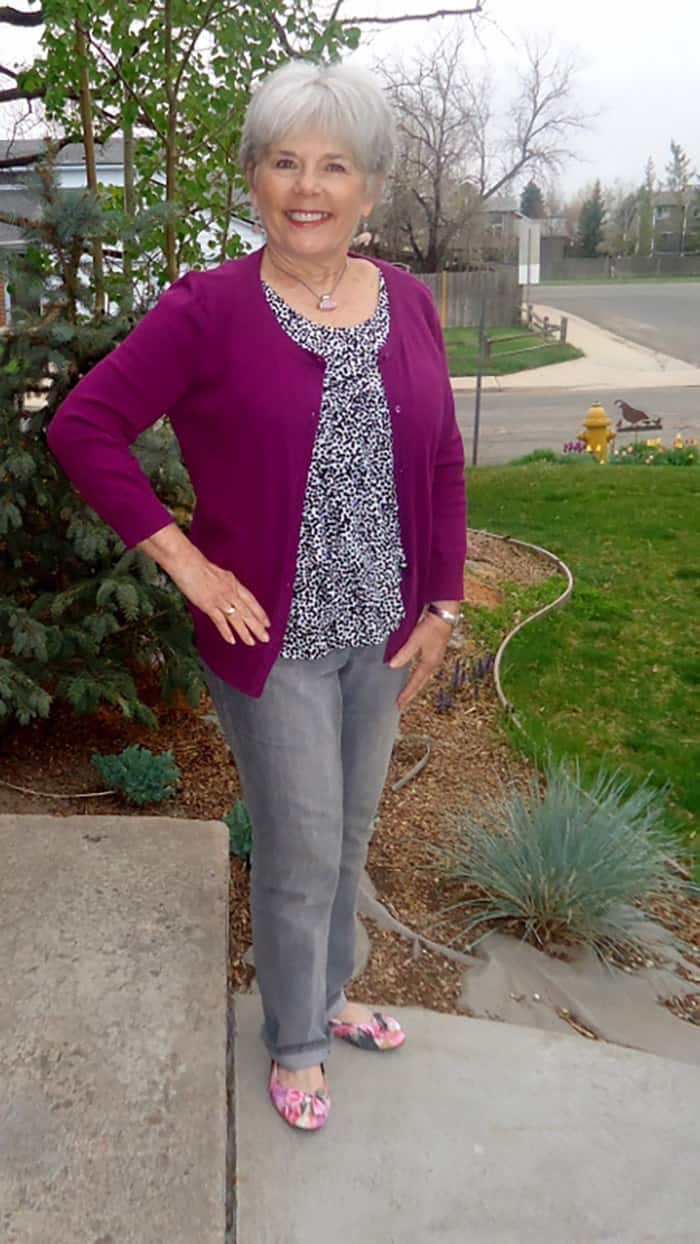
Jeans for Older Women? Why Every Single One of Us Needs a Pair!

Jeans for Older Women

When you were growing up, I bet there was a trend or style that every girl had to have. For some women, I hear it was saddle shoes, and for others it was the Capezio shoes! Well, in today’s day and age the item is denim jeans.

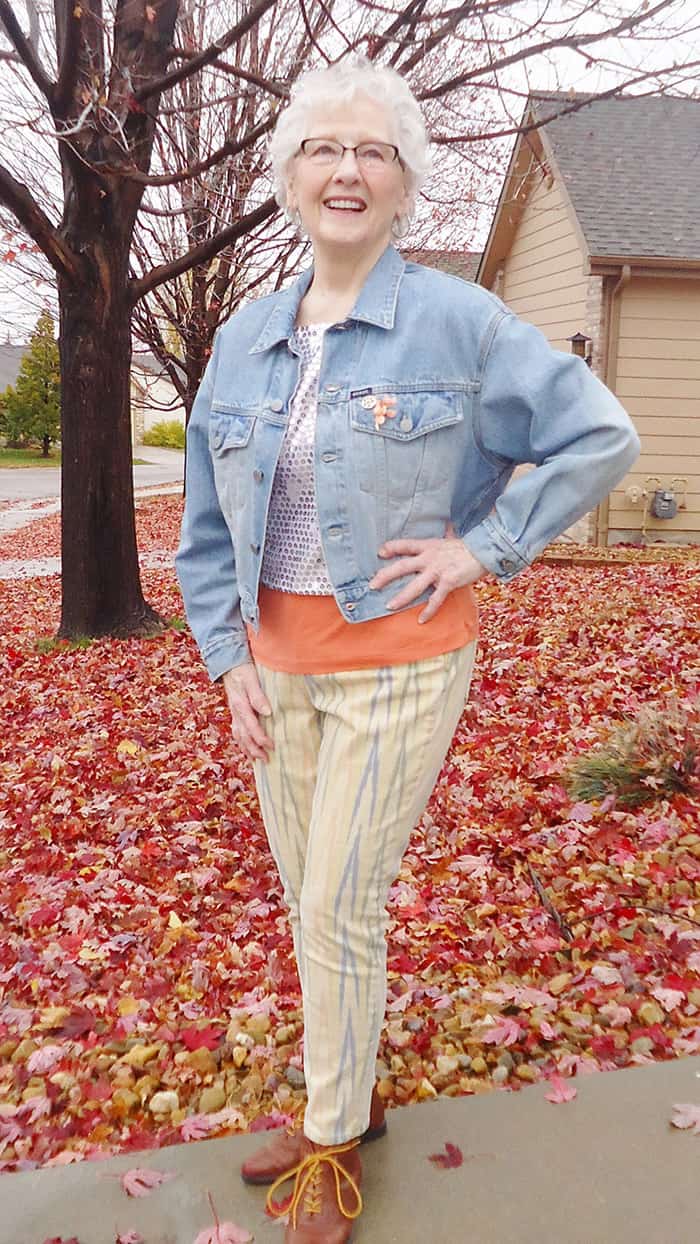
Of course, many of us might have read the article that said after the age of 53 you shouldn’t wear jeans anymore. Really? Who of you out there believes that? Because I’m here to say that even if you’re 90+ years old, you can rock a pair of jeans! And let me tell you why.

Contemporary Style: Why Jeans Work for Any Woman

Even if you aren’t retired, our society has certainly gotten more casual compared to the standards that we grew up with. And not that I think we must wear what everyone else is wearing, but…
Let’s talk just a minute about when you were growing up. What did you consider old lady style at that time? For my mother, it was the “old lady” shoes. For me, it’s the same color pants and top worn together. And I know some of you think that brooches are only for old ladies. I’m sure we all have different takes on what constitutes old lady style!
Therefore, I do think it’s smart to dress in the contemporary styles of the decades. Not that I want each of you to look like one another. Nor do I want you to lose “yourself” in fashion trends. But I want you to embrace the time that you live in.

The other aspect of looking modern in your clothing is the fact that you are smart women. Each and every woman I meet has some personal trait that is amazing unto itself. And part of having that trait should be to share it with the younger generation.

But let’s be real. The younger generation doesn’t always want to learn things from “old ladies,” right? But if your clothing blended in more with the younger crowd, then they might be more open to your valuable experience.

Riveting History of Jeans

See the play on words I did there? Rivets are a big part of most jeans’ design and construction.

Blue jeans go back to 1871 when Levi Strauss & Co. first made them as workwear for cowboys and miners. The original fabric was woven in the French town of Nîmes, thus creating the iconic name. Denim transliterates from de Nîmes, or from Nîmes. The indigo dye came from indigo bush plantations in India and was used right up until the end of the 19th century, before being replaced by more inexpensive synthetic dyes.

Jeans sure have come a long way!

Let Me Tell You About the Modern Jeans

Have you tried on many jeans lately? Have you noticed there’s some new technology in most of the jeans made now? It’s called spandex. And I know you’ve experienced it because the majority of you love your leggings. So, if you love your leggings so much, then you should love the fact that the same spandex is now in denim!

As for the wonderful selection of jeans, there is almost every option imaginable now. One of the latest fun trends is embroidered denim. This may transport you back to the 1970s, but that’s the fun aspect of style. Everything comes back around at one time or another.

embroidered jeans at Chico's
CHICO’S

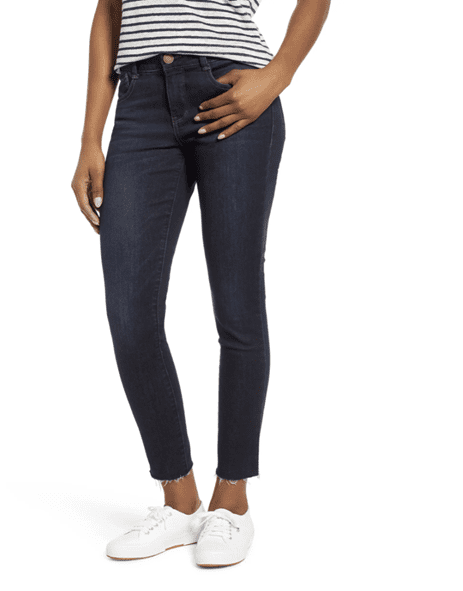
If you’re not a fan of embroidery, then how about the distressed versions? Now, I realize most of us look at distressed jeans and think, why would I pay extra money to have a pair of jeans with holes in them? But it’s not just about holes. There’s the detail of the raw hem at the bottom of the jeans!

Distressed jeans at Nordstrom
Nordstrom

Coming from the perspective of someone who always needs to shorten their jeans, this is the best trend. It means I can just cut off the extra material to make them the right length without having to sew anything!

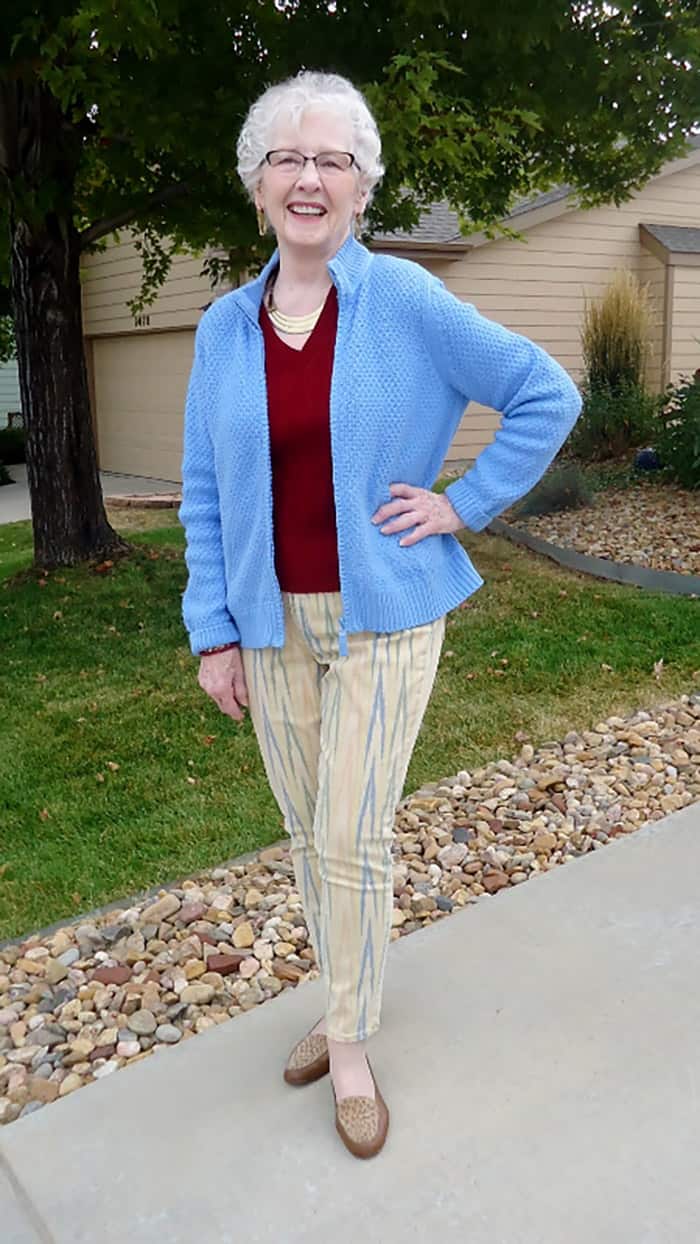
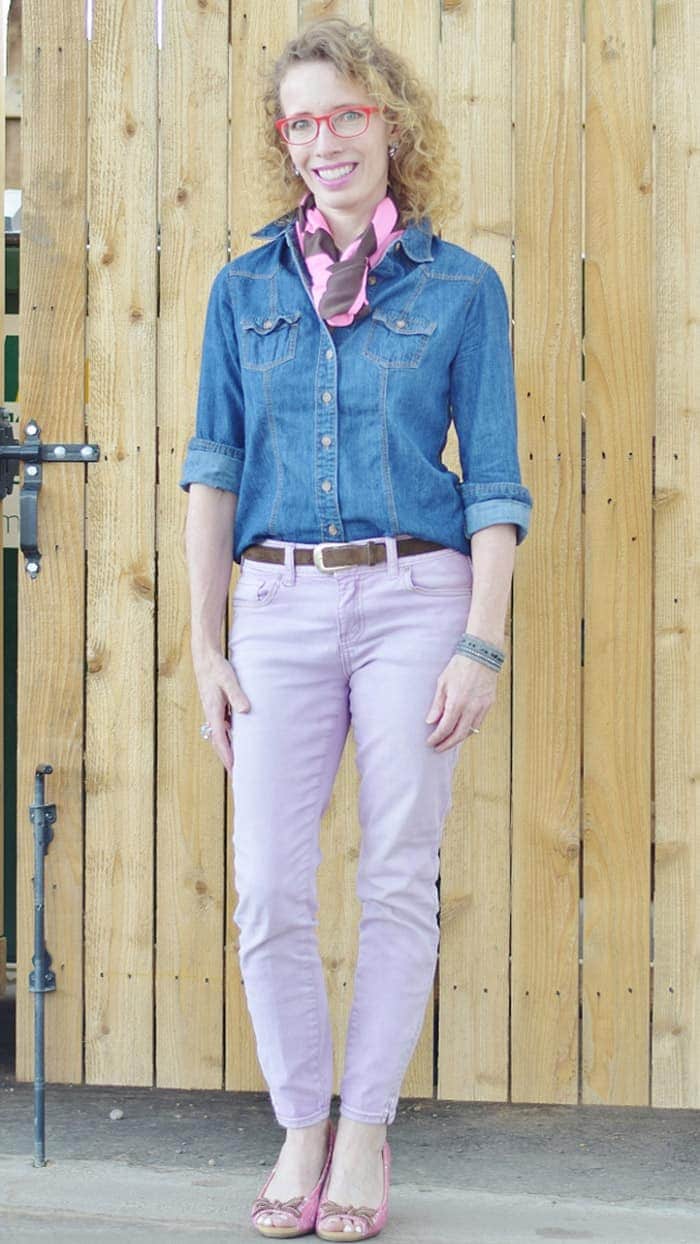
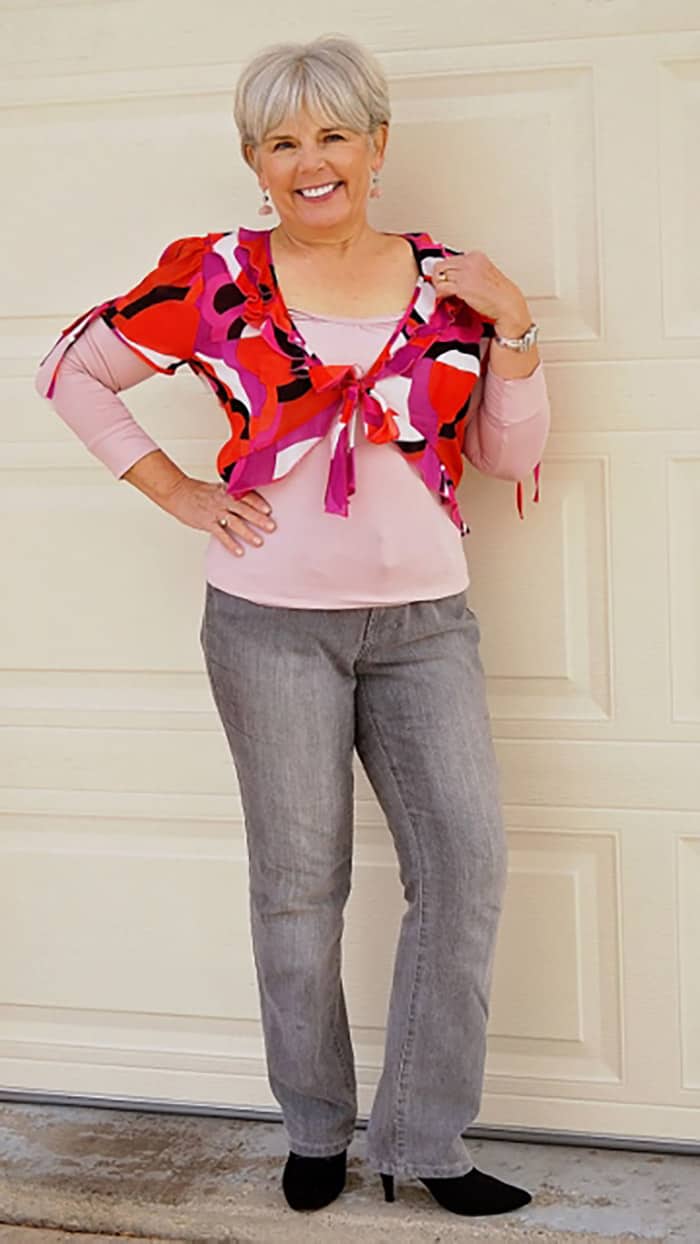
Another fun aspect of the new jeans is colors! There is almost every color available. If you like pink, then hey, you are in style! But grey, black, red, and print can all be found in the denim jeans right now.

color jeans at NYDJ
NYDJ

However, if you like your basic blue denim jeans, you too can be happy, because there are classic jeans that look fabulous also. This is because there are many different silhouettes available.

classic denim at CHICO'S
CHICO’S

We are starting to see more flared jeans, and then, there are the skinny jeans. If you don’t think an older woman should be wearing skinny jeans, then I have to ask how are they that much different than leggings? Maybe you try a pair of skinny jeans with a tunic over them?

Skinny jeans at CHICO'S
CHICO’S

My point would be to make sure the fit is good. That can make or break the entire look, so let’s talk about that!

The Right Fit

I know every stylist out there will clamor on about the fit of an item. And there’s a reason for that. Fit really can make an item better or worse!

Let’s talk about jeans that are too tight. In my experience, most older women steer away from any piece of clothing that is too tight. But just in case, if your jeans are too small, it can make you feel uncomfortable in them or look squashed.

Most women I work with end up buying their jeans too big because they worry they will otherwise be too tight. And having your jeans even just one size too big tends to make you look sloppy. Having a saggy butt in your jeans can be just as bad as leaving the house in your pajamas. It makes it look like you don’t care about your appearance!

There are a couple of ways to figure out the correct size for your jeans. And trust me; it’s not always easy, but it’s extremely worth it!

The first aspect is to have an open mind and be in a good mood. Don’t even try to go jean shopping if you’re crabby or hungry! The best time is to take a fun friend and make it an adventure. Include wine if that makes it special for you!

Then try on a ton of different sizes and styles! I don’t care if you usually wear a size 10. Take in the size above it and the size below it. And stop thinking about the size as a number that identifies you. It’s just a number and trust me, no one else even knows what size you are wearing.

After you have all of these jeans in the fitting room with you, put them on! And then don’t just stand there – get moving. Sit down, move around, and see how they feel and look. If you don’t have a friend with you, it’s ok to ask someone else their opinion.

Last, but not least, look at your rear in these jeans. The placement of the pockets can really make your derriere look fabulous or not!

One consideration is that jeans can get stretched out at the end of the day, even with the spandex in them. It’s hard to figure out which jeans will do this when you’re only trying them on for five minutes.

So, I would suggest when you take them home, wear them around the house for a couple of hours with the tags still on. If they get awfully saggy after a couple of hours, it’s probably best to return them. Remember that clothing that looks baggy, makes you look bigger!

And the most important piece? Do not get discouraged, although this is easier said than done. Remember, your body is wonderful! If the jeans don’t fit great, it’s the jeans’ fault, not your body’s!

The jeans you just tried on were made for certain measurements, and maybe your measurements are different. You just have to find the style and brand that works for your body. And don’t forget that alterations can make any piece of clothing fit you better! Is the waistband sticking out? That’s an easy fix on jeans!

What to Look for in Your Jeans

Pay attention to the size and placement of the pockets. Side seam pockets will flare out and make wide hips look even bigger. Horizontal tab front pockets are more flattering if you’re carrying a little more weight around your hips.

Back pockets that are very low placed will drag your bum down visually. Very widely spaced pockets will make your bum look very wide. The size of the pockets should be reasonable: too big and your behind shouts: “Hey, look at my big bum!” Too small pockets on a larger derriere can do the same.

Then there is the all-important waistband. If you have anything that resembles an hourglass or pear-shaped body, you must have a contour waistband or you will find yourself exposing your ‘goods’ every time you bend over.

It’s very important to check out how well the waist stays close to your own waist as you move, sit, bend over, and crouch down.

Jeans Reinvented Just for Us Older Women

The tide began to turn in our favor in 2005 when fashion entrepreneur Lisa Rudes-Sandel came up against the same frustrations many of us face – finding clothing to fit her womanly-sized body!

Since she still loved wearing jeans, she set out to re-invent the entire industry by founding Not Your Daughter’s Jeans, a brand designed to flatter a ‘lived-in’ body, like yours and mine.

It became an instant hit! A few years later, the company polled its customers to ask about the brand name, thinking it might be a little limiting. Thus the name morphed into NYDJ – a hipper, less ageist moniker.

Marketing aside, this opened up the entire industry to recognize that simply being over 50 was not the end of the buying public’s love of this quintessential wardrobe staple. Today, you will see women from their 20s to their 80s wearing jeans and looking smashing in them.

You could say that, in many ways, they are the uniform of the world’s population. They make us feel young because we first wore them when we were young. And they make us feel part of the fashion culture because you will see them on couture runways as well as at H&M.

What Can You Do to Change Up Your Jeans?

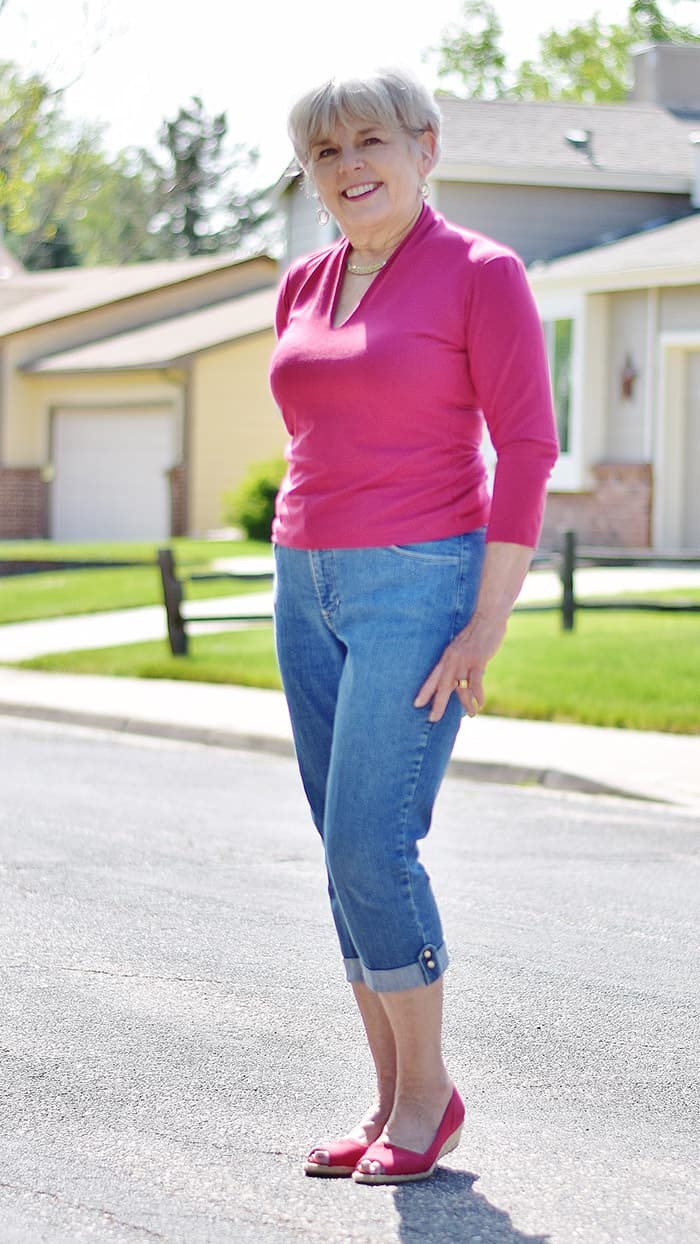
One of the modern ways to wear jeans lately is to cuff them. I know there will be women who say this is silly because it makes them look shorter! And I would counter, would you rather look taller and out of date, or shorter and contemporary? But not only that, I think a cuff can work with the right jeans and shoes. So, give it a try!

cuffed jeans at CHICO'S
CHICO’S

Or, if you have some jeans that don’t fit perfectly, you might try taking them to a tailor and have them altered.

You can also take an older pair of jeans you still like and embellish them. I had a reader do this for me, and we posted a DIY article about it.

Jeans Styling Ideas

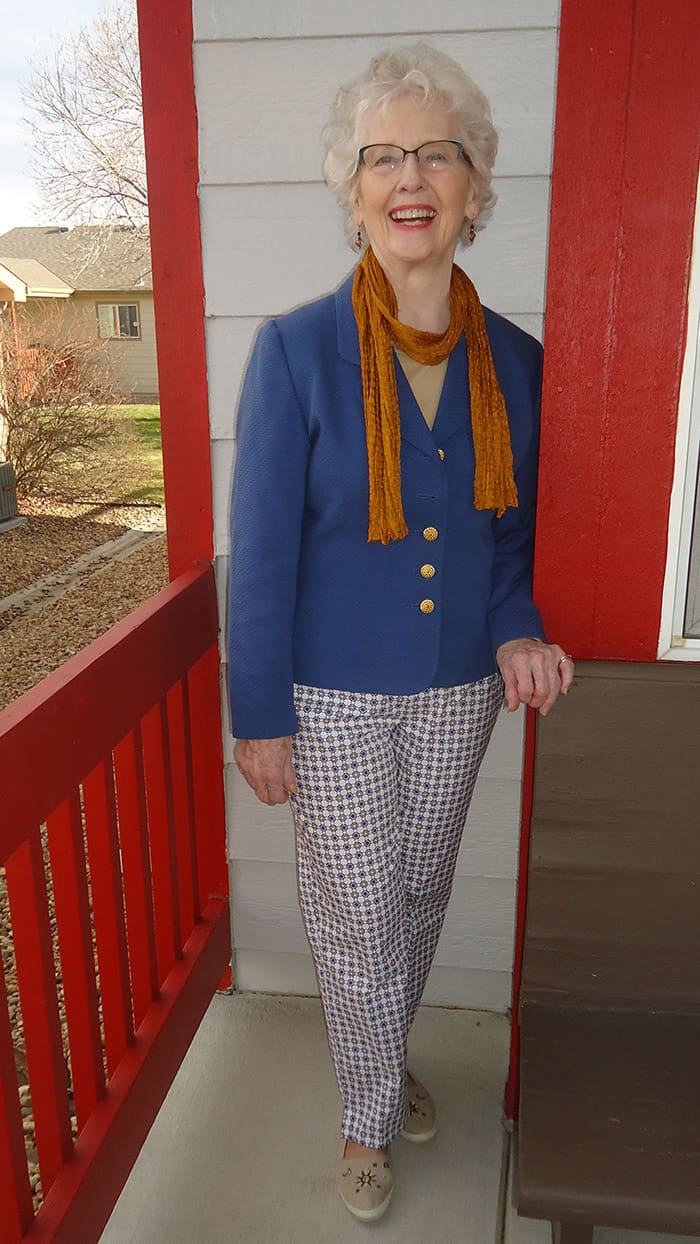
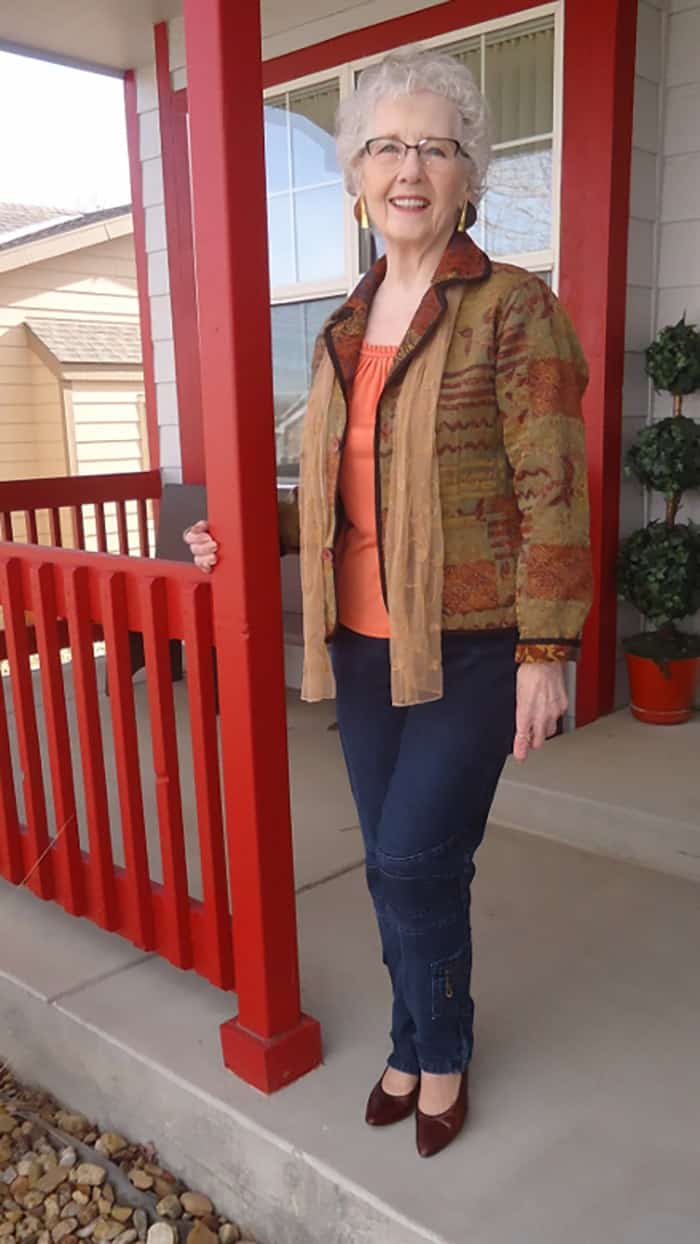
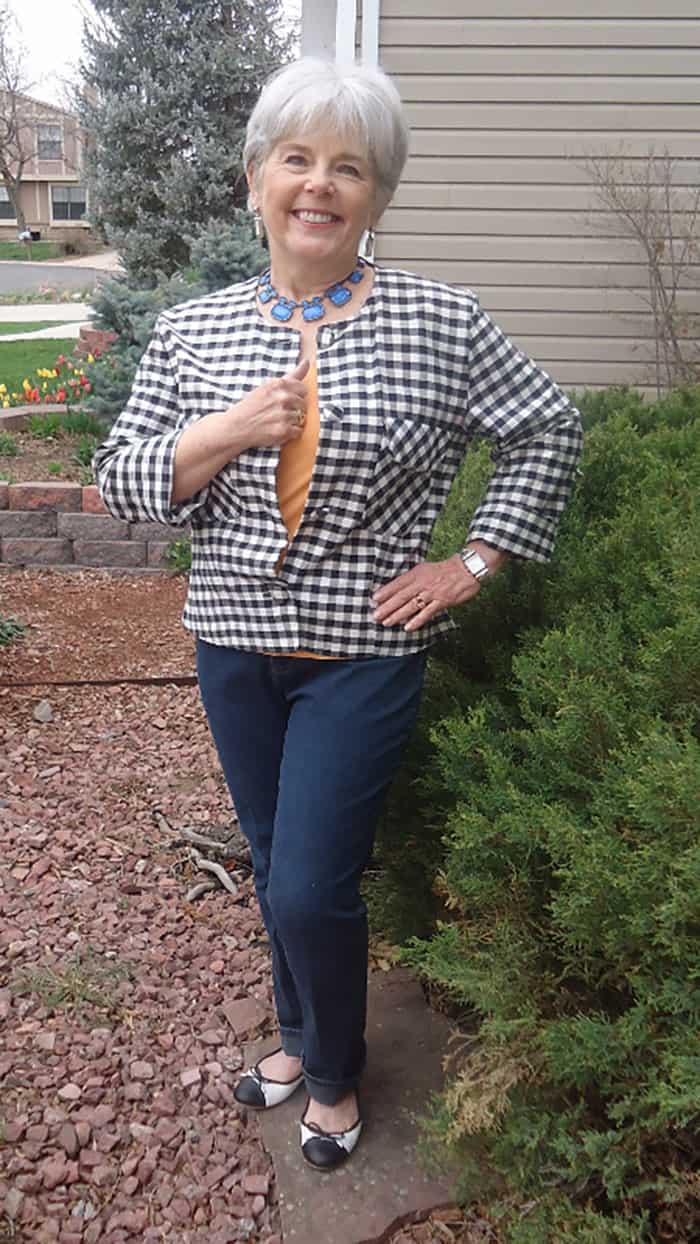
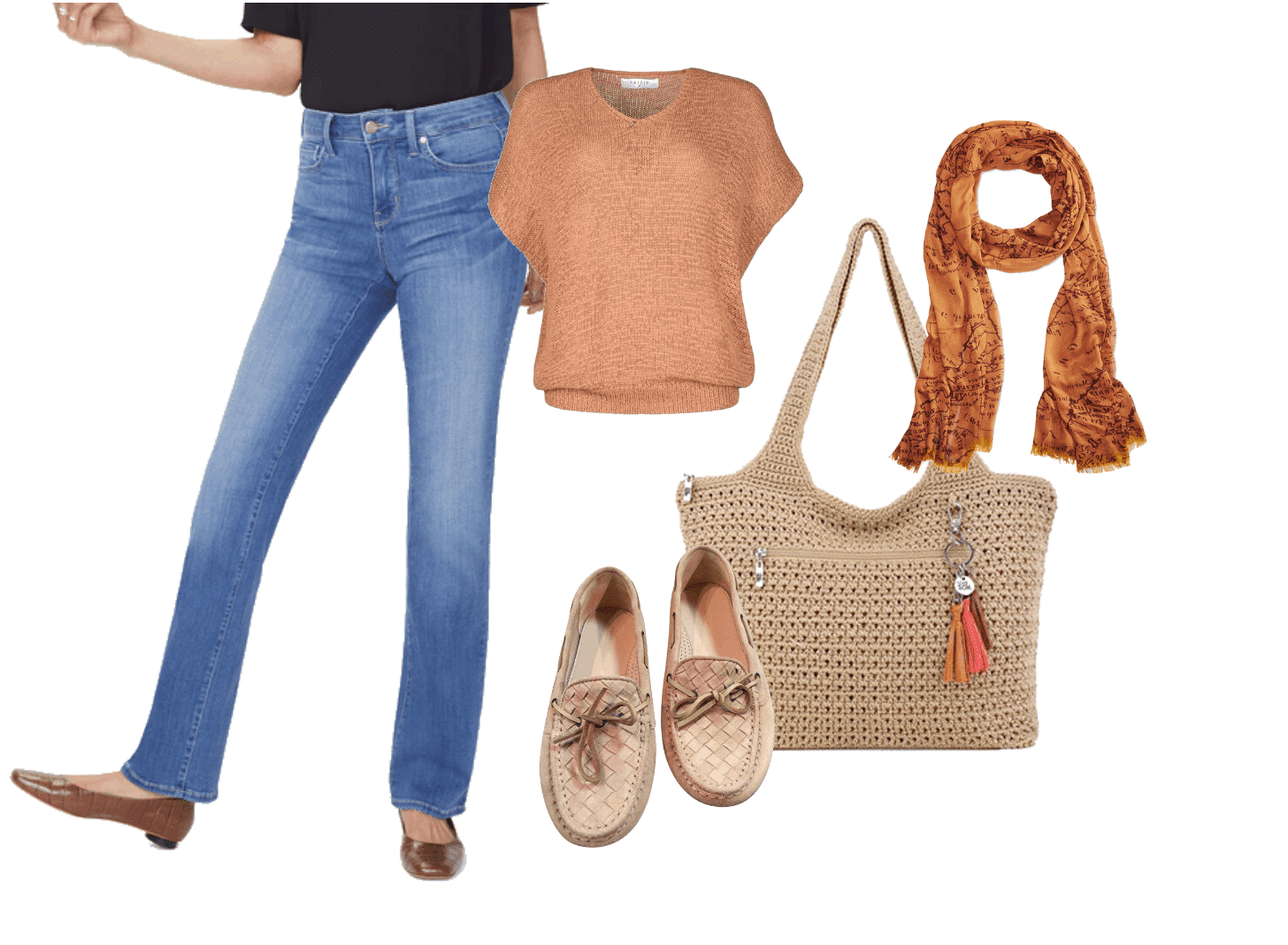
Sandra Roussy, a Fashion and Beauty contributor at Sixty & Me, put together a few jeans styling ideas for women over 50. She’s also right on board to proclaim high and wide that we are never too old to wear jeans!

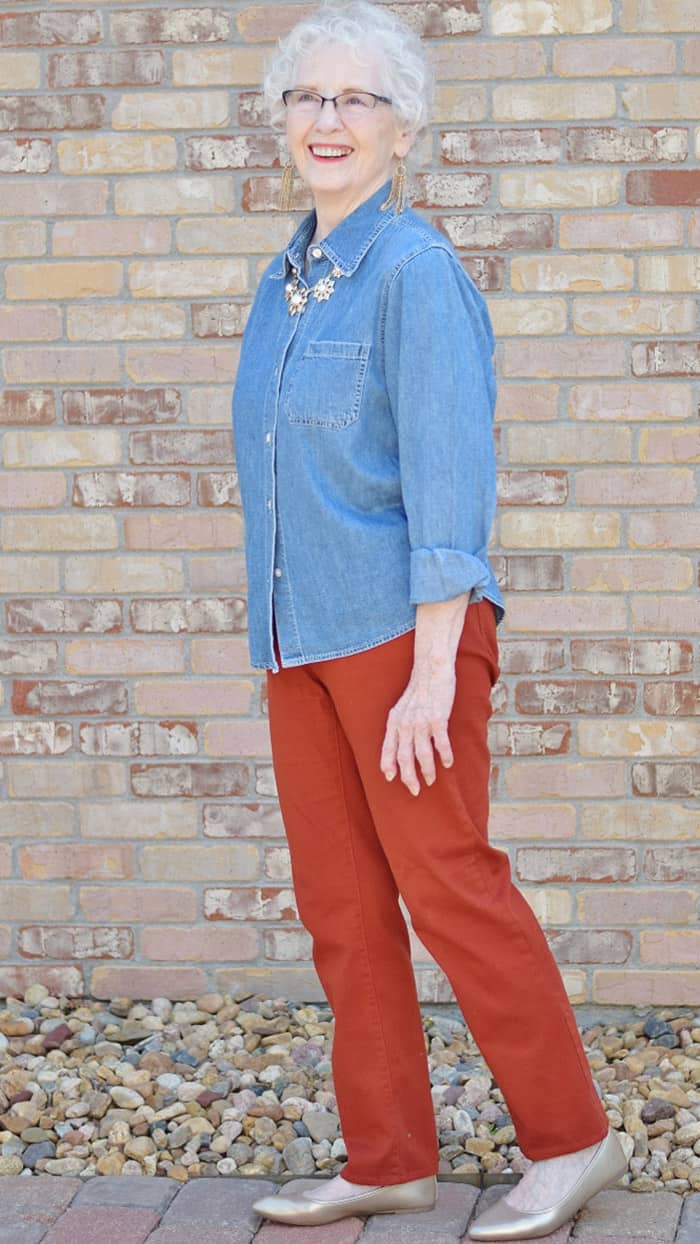
medium-colored jeans

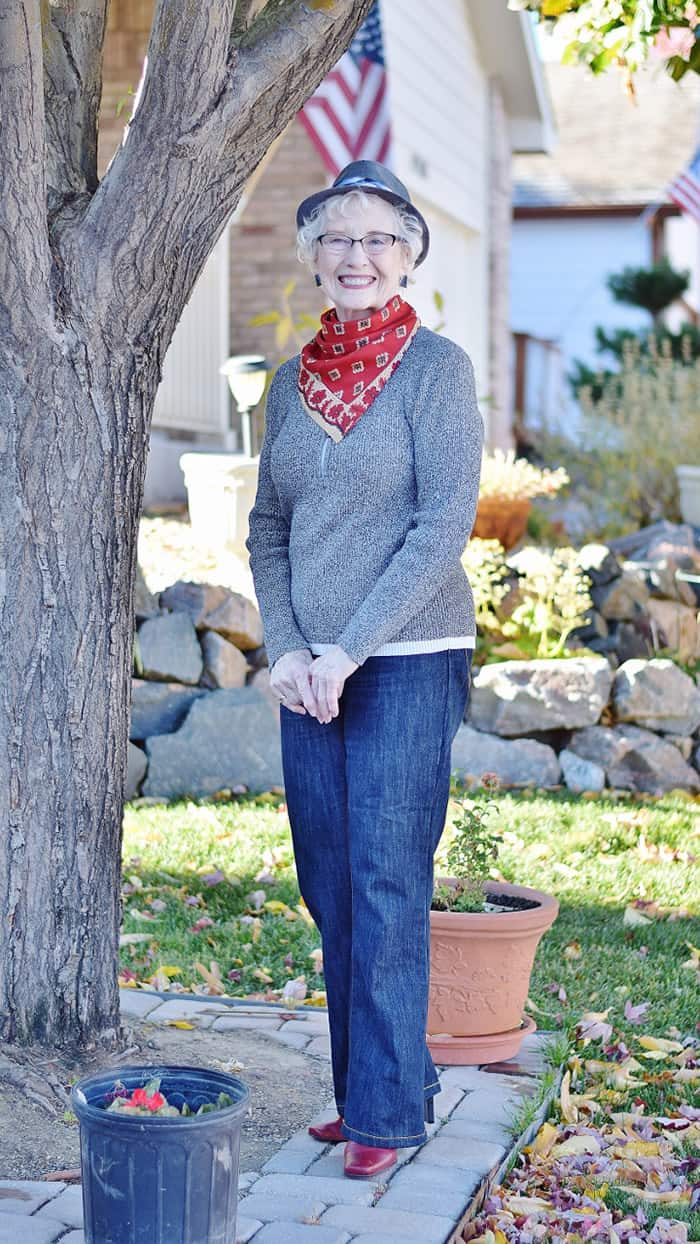
For a casual, everyday look go for medium-colored jeans and pair them with matching accessories.

darker denim jeans

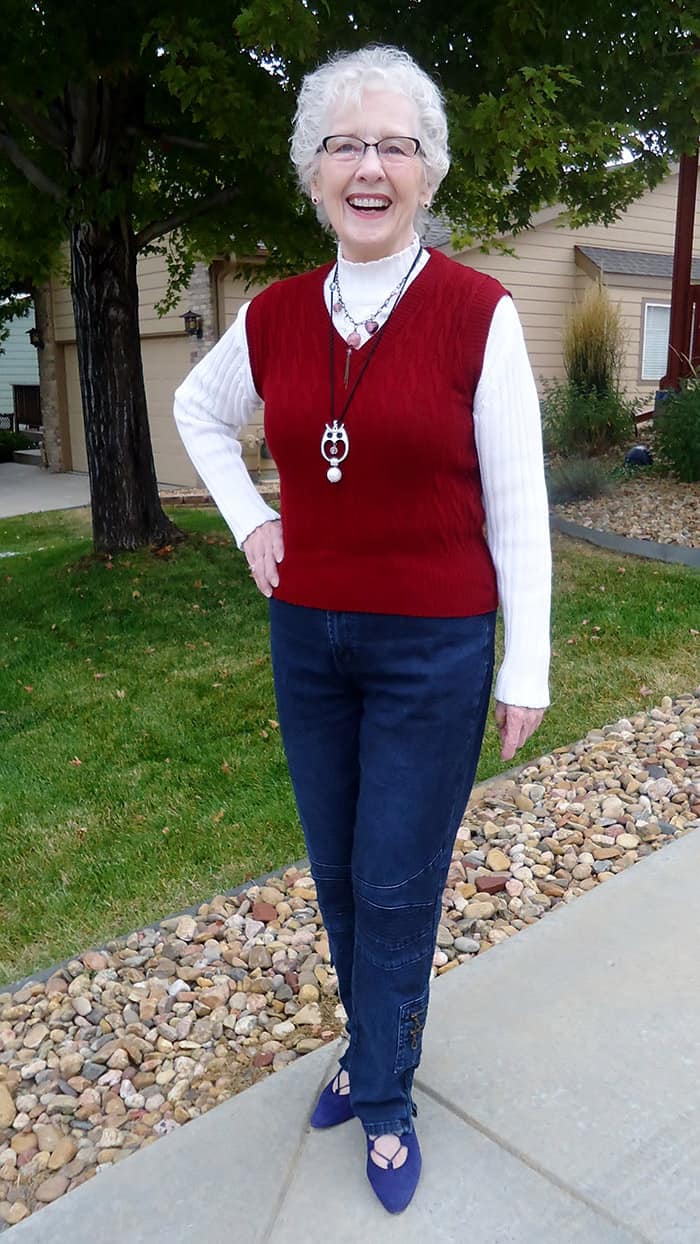
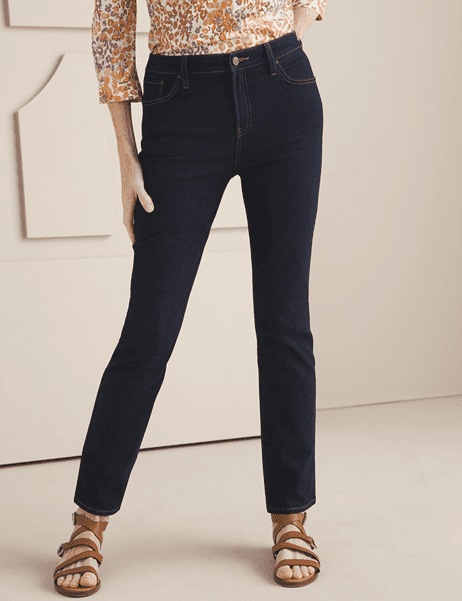
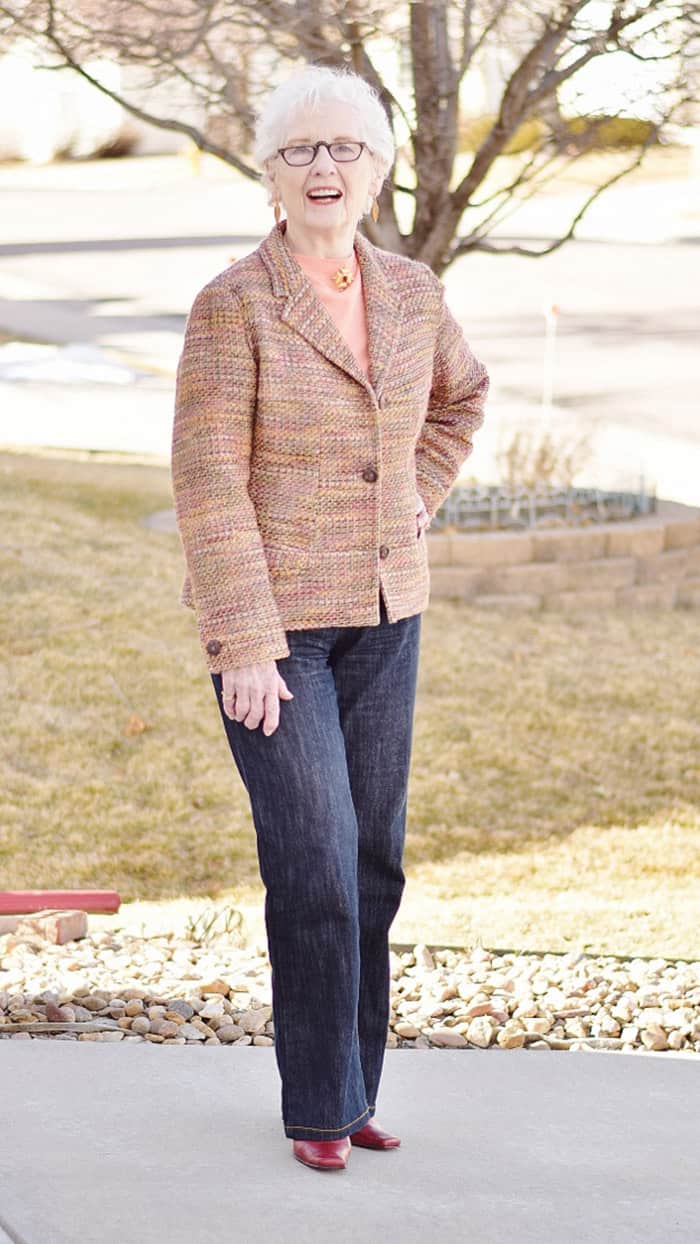
Darker denim can be worn to semi-formal events by pairing them with elegant and chic items.

cropped up cuffed jeans

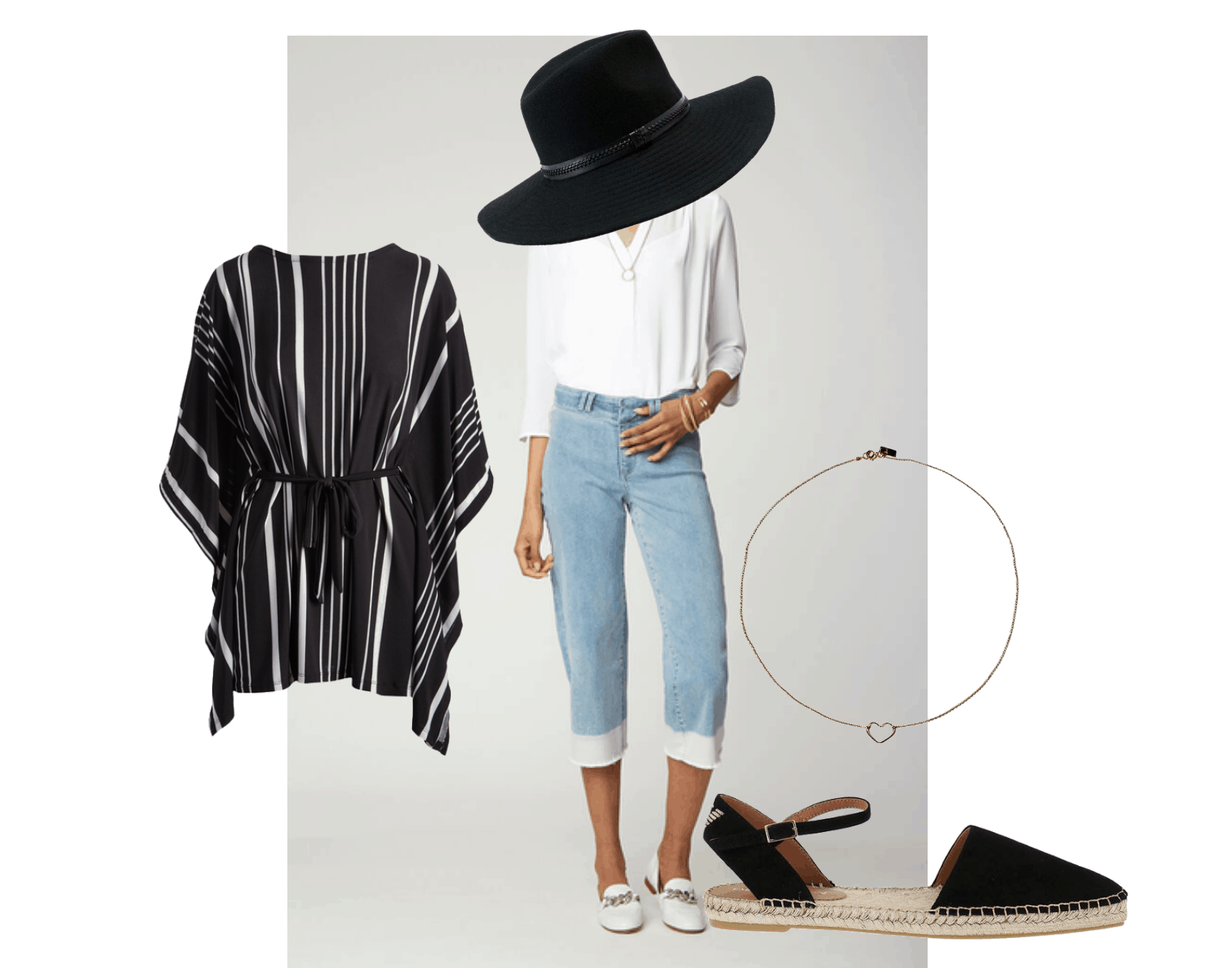
Cropped or cuffed jeans are great for a casual look and when paired with black & white items can instantly give you that casual-chic look.

how to style white jeans

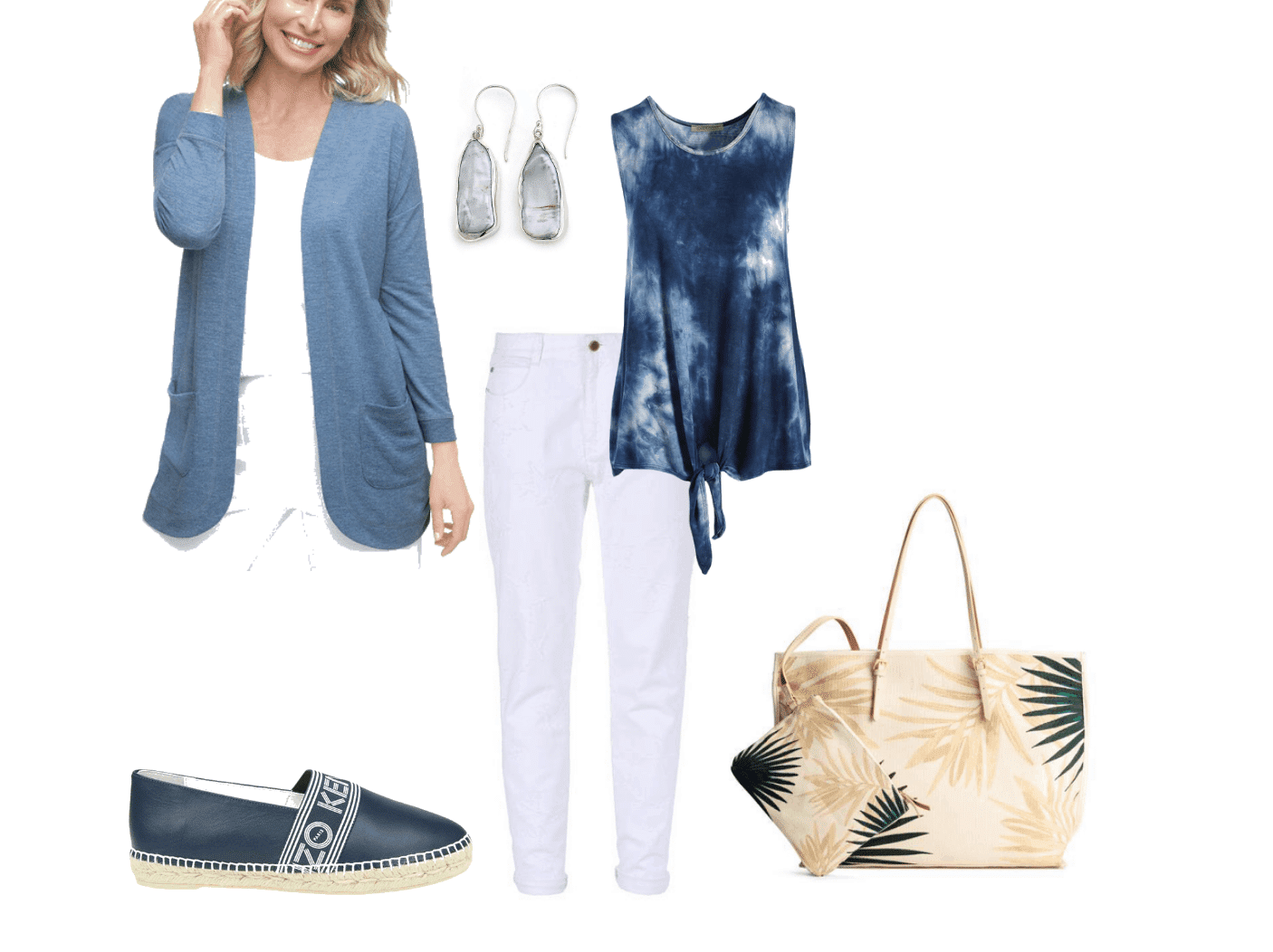
White jeans are a great addition to any closet and can be dressed up or dressed down depending on the occasion.

How many pairs of jeans do you currently have in your closet? Are they from this decade? Are they different colors, styles, or what? Tell me what you think, and let’s have a conversation!

Read More