Month: July 2022

5 Beach-ish Reads for the Summer

summer books

I don’t know about your part of the world, but it is HOT where I live. I want everything else around me to be lighter, cooler, and more relaxed. My clothes, our dinners, the sheets on my bed. And the books I read.

When the weather is hot and sticky and relentless, I crave books that don’t require too much effort on my part. I still want good stories, but I like plots that don’t demand too much of my concentration. I hope you find one – or more – novels in this list that appeal to you. Happy summer reading!

Nora Goes Off Script by Annabel Monaghan

I didn’t want this book to end!

Fans of the Hallmark Channel, please take note… My favorite read of the summer so far, this novel is fun and light without being fluffy or silly.

In the tea house of her beloved, well-worn home, Nora Hamilton writes formulaic movies for the Romance Channel. Her scripts are all the same. A quaint small town. A cupcake bakery or a flower shop or a romantic inn. Two people butt heads, only to fall in love after the commercial break and live happily ever after. 

After her divorce, Nora pounds out the best screenplay of her career. Heartthrob Leo Vance is cast as her loser husband, film crews take over Nora’s home, and her life will never be the same.

This feel-good, happy book would make a great movie in real life. I can picture it on the big screen!

True Biz by Sara Novic

True biz (adj./exclamation; American Sign Language): really, seriously, definitely, real-talk

This is the first book I’ve read focusing on a deaf community’s perspective. I enjoyed this dive into sign language, cochlear implants, and homes with hearing siblings or parents. 

At River Valley School for the Deaf, a boarding school, readers follow students and their hearing headmistress through the ups and downs of high school life. Although the coming-of-age story was entertaining, I was more intrigued with the deaf world I knew little about. 

Author Sara Novic, also deaf, attended college and graduate school classes with an interpreter, often feeling isolated from the mainstream. She wanted this bestselling novel “to be a place where deafness is the norm and you, as the hearing reader, are the weird one.”

The Truth About Ben and June by Alex Kiester

When Ben wakes up in the morning, he can’t calm his crying baby, and he can’t find his wife, June. She is gone, without a trace. 

Although I enjoyed this story, young moms will especially relate to it. New mothers often wonder who they are and what they will become. Add newborn baby exhaustion, overworked husbands, minimal communication, and tense relationships. 

When June became pregnant, she gave up a dancing career and now wonders what might have been. As Ben tracks down June’s friends to determine her whereabouts, he discovers his wife isn’t the person he thought she was. 

I enjoyed the unique structure of this novel, with June’s version of the story told through letters June wrote to her deceased mom. I also liked the dancing reference, the novel’s quick pacing, and its characters. Although the Greek mythology angle didn’t work for me, I know other readers will appreciate it. 

Let’s Not Do That Again by Grant Grinder

Nancy took over her dead husband’s congressional seat, and a few years later, she’s running for the Senate. She wasn’t always available when her young children needed her. But Greta and Nick are now adults, and Nancy needs their help. 

The problem is Nancy’s grown kids are floundering. Greta hates her mom and loves an extremist. Nick is struggling with writing a musical about the life of Joan Didion. But family must help one another, right?

This smart novel marches along with a unique, albeit semi-outlandish plot. Family dynamics tossed with politics and rebellion make for an enjoyable read. The author, a former political aide, also wrote The People We Hate at the Wedding, coming soon to theaters.

The Perfect Neighborhood by Liz Alterman

Another reminder we never know what goes on behind neatly painted front doors or white picket fences…

When an actress/model leaves her husband in the middle of the night, the Oak Hill neighborhood tongues start wagging, and speculation abounds. And then, a young boy disappears from this picture-perfect neighborhood while walking home from kindergarten. My first thought? A five-year-old walks home alone? Who allows that to happen? But it did. 

Lots of twists and turns and fingerpointing ensue. The mom? The babysitter, stepbrother, former nanny? 

And then another child goes missing. 

This novel is a quick-moving read, and the anecdotes reminded me of people we all know. Since it does revolve around missing children, this book may not be for everyone. But, as I read, I knewI could tell the story would not have a disturbing end. And I was correct.

Do you read lighter books in the summer? What reading recommendations do you have? Any beach reads to share?

Read More
Billie Eilish Just Dropped Her Nighttime Routine—& It Includes This TikTok-Viral Hair Repair Treatment


If you purchase an independently reviewed product or service through a link on our website, STYLECASTER may receive an affiliate commission.

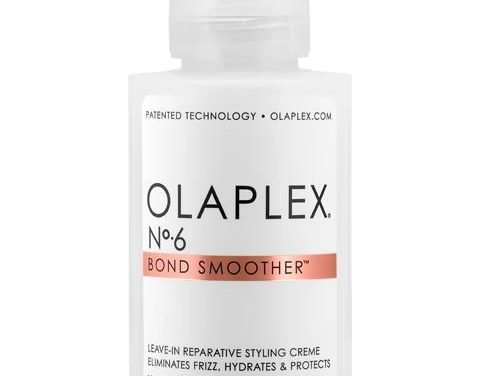
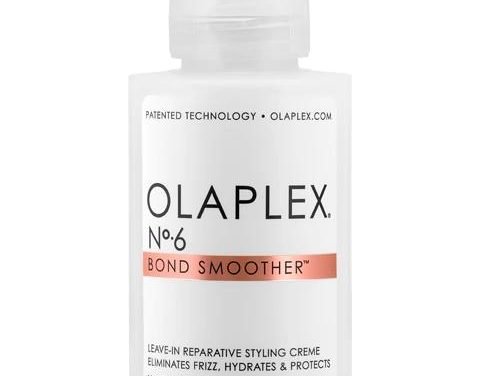
Let’s be honest: Anything Billie Eilish recommends is a yes from me. Luckily, she recently shared her post-concert routine in a Vogue Beauty Secrets video for us all to see. If you’ve witnessed the 20-year-old superstar in person, you know she puts on quite a show, so it’s only right she does some proper self-care after each performance. One of the products she swears by? The TikTok-viral Olaplex No.6 Bond Smoother

“I use this after every single time I wash my hair. And you can use it on your dry hair before you go to bed and it’ll just kind of give some volume,” Eilish says, before demonstrating how to use the product. The singer says she uses a lot of Olaplex products on her hair, but as someone who is known for frequently dying her strands, it makes sense. Her healthy locks have to be credited to this hair repairing treatment.

Olaplex Bond Smoother No 6

Olaplex.

Olaplex No.6 Bond Smoother

Olaplex No.6 Bond Smoother adds hydration to the hair without weighing it down. The highly concentrated leave-in cream provides numerous benefits to damaged strands, such as speeding up blow dry time while smoothing and softening, defining the hair’s natural texture, and reducing frizz and flyaways for up to 72 hours at a time. It’s suitable from coily to finel hair types, and can be used on chemically-treated and colored locks. 

RELATED: This Shampoo Transforms Thinning, Brittle Locks—& Shoppers Confirm Their Hair Feels ‘10 Years Younger’

Beyond getting approval from Billie and thousands of TikTok users, the treatment has over 30,000 five-star ratings on Amazon from shoppers who love this product for dyed and damaged hair. 

One reviewer described the product as their “secret weapon.” They went on to say, “I have bleached, over-processed bright blonde hair which is thin and prone to breakage and split ends. I chopped a good deal of it off because I couldn’t get any decent length without it fraying completely and looking thin and limp. This bond smoother eliminates all frizz and has strengthened my hair and prevented breakage from styling. My hair is actually thicker and healthier than its ever been from using this line.”

Coming in at $30, this may not be the most affordable option, but everyone who has splurged on it has said the price is worth it. “I’m going to start this by saying I truly wanted to hate this stuff. I balked at the price and then was even more annoyed when I saw how small the bottle actually was. But oh man, this stuff is amazing,” another reviewer raved. 

While Eilish has boasted several hair colors, it’s safe to say her hair always looks flawless due to this Olaplex product, which I’ve now added to my cart too. 

STYLECASTER | Ashley Benson Interview

Read More

How Journaling at 60 Can Help You Heal from the Grief of Estrangement with Your Adult Child

journaling helps estrangement

Estrangement from an adult child is an emotional and/or physical distance that is emotionally troublesome for all involved. The complicated nature of the process and elements of estrangement are as varied as the individual stories. Estrangement can be a grueling condition with no one-size-fits-all solution.

Parents experience feelings described as having been “stabbed in the heart,” “crushed,” and “torn apart.” Grieving is a natural response to loss.

Since loss brings so many strong emotions, with the hardest being depression, it can be extremely challenging. This article discusses how journaling can help you heal from the grief of estrangement from an adult child.

Stages of Grief

Grief is the natural response to loss, whether from death or estrangement. The stages of grief gifted to us by Elizabeth Kugler Ross and co-authored by David Kessler are meant to guide one through the varied individual responses to grief.

Everyone’s experience is unique, with no best or typical way to get to an endpoint. One’s experience will change over time, and the mentioned stages can come in waves. The pain of grief is heart-wrenching, and although one may pine for an end to these emotions, there is no endpoint or shortcut.

The stages of grief include shock, denial, anger, bargaining, depression, guilt, and acceptance. Parents may have intense anger over the loss of their adult child with guilt following.

Anger, depression, and guilt can be difficult to process. Parents experiencing these normal reactions, unfortunately, can become stuck. They can be so overcome with strong emotions that it becomes too hard to move forward.

Journaling Your Way to Process and Heal

Grieving over your child’s decision to estrange can cause anxiety and a sense of hopelessness. Common questions of grieving parents include: When will my child want to talk to me again? How will this ever get better? What can I do so my child will want to speak to me again?

Focusing on estrangement with the goal of improving can be extremely frustrating. The sad fact is that in most cases, it is up to the adult child to be ready. In the meantime, parents will benefit by allowing themselves to heal from the loss of the relationship status at this time.

Journaling is an excellent way to process hurts. It allows you to move through the stages, and eventually come to acceptance. Journaling when grieving is an active form of self-care so that you move through the stages and heal. Journaling allows you to slow down and write your thoughts and feelings in raw format.

Writing freely without judging yourself is important. Daily journaling can take as little as 10 minutes. You can use a regular notebook or a designated special journal with a special pen. Don’t be concerned with spelling and grammar. You can either journal at a specific time or whenever the urge strikes. The idea is to allow yourself to feel, express honestly, and return to another activity.

You may also use your journal to track your wellness. Assess your emotional, physical, cognitive, behavioral, spiritual, and social state. You will want to note what are you experiencing emotionally. Are you angry, anxious, hurt, frustrated, shocked, agitated, or guilty?

How is your physical health? Are you exercising, eating, well, getting good sleep? Are you having trouble concentrating and are more forgetful than usual? Keep track of your social involvement. Social connection is a vital piece of your wellness.

Be mindful of each of these areas. If you are having difficulty, it is advisable to find a professional to help you.

When journaling be sure to set reasonable expectations for yourself. If you aren’t fond of writing, keep it simple. You can draw stick figures and use colored pencils to express your feelings. Allow yourself to let emotions come to the surface, in whatever way you can, flow without judgement.

Another benefit of journaling is preparation for reconciling. Journaling will assist you in being mindful of your emotions so that you learn to manage your reactions.

When you are hurt by an adult child, on the off chance you can communicate with them, you want to be composed. Journaling will allow you to express yourself, stay in tune with what you feel, and help you respond instead of react.

Journaling and Emotional Visits

Make time for an emotional visit to allow yourself to feel acceptance of what is happening in the moment. It’s uncomfortable to have estrangement in your life. The onslaught of big feelings requires time to sort out your emotions.

There is no right or wrong way. Consider making a favorite cup of tea, grab a journal if you like, and let yourself feel through your writing. Be compassionate, and if you need to cry or groan, let it be.

Spend as much time as you need; rest when you feel a release. When you are ready, do something you like to do. Then go back to your journaling emotional visit on another day.

This exercise allows you to ventilate. Processing the gravity and loss of estrangement is a necessary step you cannot afford to skip.

This exercise will also help you decrease the power of feelings such as guilt and shame. Strong unprocessed feelings keep us stuck. Getting out of the stuck state requires time to process. Essentially, you are helping yourself to grieve and move forward.

Keys to Journaling Your Grief Over Your Adult Child

  1. Be patient with yourself and your emotions.
  2. Be compassionate. Treat yourself as you would a good friend.
  3. Allow yourself to feel all emotions. If you are angry, write about why you are angry. If you are feeling depressed, write about how sad you are and why.
  4. When you feel some type of release, do something that brings you pleasure like call a dear friend, hang out with your pet, watch a funny movie, or go for a walk.
  5. Look forward to acceptance and expect that you will get through the worst of grieving.
  6. Focus on caring for yourself by doing basic self-care with eating, sleeping well, staying hydrated, socializing, and exercising.

Many parents hoping for reconciliation benefit by learning communication skills, caveats, and exercises to better cope with inner turmoil. It is a tough journey that need not be done without support.

Journaling Your Emotions Is a Supportive Self-Care Process

Some estranged parents do have minimal contact with their adult child. If your adult child is abusive, learn to practice setting boundaries. Boundaries are essential with adult children that treat you disrespectfully are essential.

Healthy boundaries are clearly stated, can be adhered to, and are easy to remember. With adult children, boundaries are a parent’s method of creating a fence around what is permitted and what is not. Your relationship is not fair, but while your estranged adult can decide when and how to speak to you and see you, you still get to decide what works for you.

Journaling and emotionally processing will help to move you forward.

What have you tried to heal from the grief of your adult child cutting you off? What do you think about journaling to help express emotions? What is your estrangement story?

Read More

Billie Eilish Just Dropped Her Nighttime Routine—& It Includes This TikTok-Viral Hair Repair Treatment


If you purchase an independently reviewed product or service through a link on our website, STYLECASTER may receive an affiliate commission.

Let’s be honest: Anything Billie Eilish recommends is a yes from me. Luckily, she recently shared her post-concert routine in a Vogue Beauty Secrets video for us all to see. If you’ve witnessed the 20-year-old superstar in person, you know she puts on quite a show, so it’s only right she does some proper self-care after each performance. One of the products she swears by? The TikTok-viral Olaplex No.6 Bond Smoother

“I use this after every single time I wash my hair. And you can use it on your dry hair before you go to bed and it’ll just kind of give some volume,” Eilish says, before demonstrating how to use the product. The singer says she uses a lot of Olaplex products on her hair, but as someone who is known for frequently dying her strands, it makes sense. Her healthy locks have to be credited to this hair repairing treatment.

Olaplex Bond Smoother No 6

Olaplex.

Olaplex No.6 Bond Smoother

Olaplex No.6 Bond Smoother adds hydration to the hair without weighing it down. The highly concentrated leave-in cream provides numerous benefits to damaged strands, such as speeding up blow dry time while smoothing and softening, defining the hair’s natural texture, and reducing frizz and flyaways for up to 72 hours at a time. It’s suitable from coily to finel hair types, and can be used on chemically-treated and colored locks. 

RELATED: This Shampoo Transforms Thinning, Brittle Locks—& Shoppers Confirm Their Hair Feels ‘10 Years Younger’

Beyond getting approval from Billie and thousands of TikTok users, the treatment has over 30,000 five-star ratings on Amazon from shoppers who love this product for dyed and damaged hair. 

One reviewer described the product as their “secret weapon.” They went on to say, “I have bleached, over-processed bright blonde hair which is thin and prone to breakage and split ends. I chopped a good deal of it off because I couldn’t get any decent length without it fraying completely and looking thin and limp. This bond smoother eliminates all frizz and has strengthened my hair and prevented breakage from styling. My hair is actually thicker and healthier than its ever been from using this line.”

Coming in at $30, this may not be the most affordable option, but everyone who has splurged on it has said the price is worth it. “I’m going to start this by saying I truly wanted to hate this stuff. I balked at the price and then was even more annoyed when I saw how small the bottle actually was. But oh man, this stuff is amazing,” another reviewer raved. 

While Eilish has boasted several hair colors, it’s safe to say her hair always looks flawless due to this Olaplex product, which I’ve now added to my cart too. 

STYLECASTER | Ashley Benson Interview

Read More

Can Frozen Shoulder Have a Connection to Menopause?

frozen shoulder and menopause

The relationship between menopause and frozen shoulder is a topic that has been debated for many years. Some experts believe there is a clear correlation between the two, while others claim that there is no evidence to support this theory.

In this blog post, we will look at the evidence that suggests a correlation between the two conditions and explore the symptoms and treatment options available for those who suffer from frozen shoulder during menopause.

What Is Frozen Shoulder?

Frozen shoulder, or adhesive capsulitis, is a shoulder disorder characterized by the painful loss of shoulder mobility. It can occur in any person, but certain risk factors are associated with frozen shoulder.

It is most commonly seen in patients with diabetes and obesity; women are four times more often affected than men, and the non-dominant shoulder is more prone to be involved. The peak incidence in women is in the perimenopausal time.

Symptoms of Frozen Shoulder Pain

Frozen shoulder pain is often described as a deep, aching pain in the shoulder joint and deep in the shoulder capsule. The pain may radiate down the arm and can be aggravated by the shoulder or arm movement.

Other symptoms of frozen shoulder include stiffness and decreased range of motion in the affected shoulder and neck pain.

3 Distinct Phases of Frozen Shoulder

The first stage, or the freezing stage, is characterized by the gradual onset of shoulder pain and stiffness. The pain is often worse at night, making it difficult to sleep. The shoulder becomes progressively stiffer, making it difficult to move the arm away from the body. This phase typically lasts for two to nine months.

During the second or frozen stage, the shoulder pain and stiffness continue but may improve slightly. This phase usually lasts for four to twelve months.

The third and final stage is the thawing stage. In this phase, the shoulder gradually regains its range of motion. The pain also improves during this time. However, some people may still have some residual stiffness in the shoulder. This stage typically lasts for six to nine months.

Frozen Shoulder and Menopause

There is a possible correlation between frozen shoulder and menopause. Before we get into the research, let’s take a moment and have a refresher on the scientific process. Science ultimately determines cause and effect, and our scientific process is the systematic approach to deciding this.

In the absence of high-quality research on a specific topic, such as frozen shoulder and menopause, we look at possible correlations with the research that we do have.

The etiology of frozen shoulder is complex and multifaceted, and to date, there is no specific cause of frozen shoulder. However, some populations tend to have a higher risk. For example, diabetes, thyroid disorders, and obesity patients are more likely to experience frozen shoulder. In addition, age is a factor, and perimenopausal women are the most common group to experience frozen shoulder.

The authors of a recent review indicated an association between chronic, low-grade systemic inflammation and frozen shoulder. How does this relate to menopause?

We know menopausal women have a higher level of inflammatory markers than their younger counterparts. Estrogen specifically has been shown to modulate inflammatory mediators. A plausible theory then unfolds between the lower estrogen levels during menopause, creating a low-grade inflammatory environment for the increased possibility of frozen shoulder.

This concept needs specific research and testing; until that happens, it is merely a hypothesis with a biological foundation.

Treatment Options for Frozen Shoulder Pain

Frozen shoulder can last for several months, if not years. It will get better eventually, but that can be difficult if you are in severe pain from a frozen shoulder with limited shoulder motion. Some treatments are effective. In general, success will be slow and steady. Catching the problem quickly and addressing the loss of mobility with stretching and strengthening exercises will help.

Stretching and Strengthening Exercises

Frozen shoulder is a soft tissue problem with an increase in collagen formation, resulting in pain and stiffness in the joint and surrounding musculature. External rotation is typically the first motion affected, and patients will notice difficulty reaching overhead or behind them.

Gentle mobilization and stretching exercises are a great starting point for any at-home exercise treatment. Early treatment with regular exercise can facilitate the healing process and alleviate tight tissues causing pain. In addition, simple exercises that can be performed at home to improve shoulder movement in the affected arm to relieve pain can be effective.

Physical Therapy for Shoulder Joint Pain

Physical therapy is an excellent option for treating frozen shoulder pain. A physical therapist can help to mobilize the joint and surrounding muscles with basic exercises.

Ultrasound and TENS units are two modalities often used in physical therapy to help with frozen shoulder pain. Ultrasound provides deep heat to the tissues, can help reduce inflammation, and works in controlling pain. The TENS unit sends electrical impulses to the muscles and can help to reduce pain.

Natural Pain Management

Natural pain remedies that help manage inflammation may help with the myofascial pain associated with frozen shoulder. For example, topical salves and herbs can work together with home exercises to improve function and relieve pain.

Oral Medication

Prednisone and other oral corticosteroids can be effective in reducing inflammation and providing pain relief. NSAIDs, such as ibuprofen can also help reduce inflammation and relieve pain. However, check with your doctor before taking any medication, as there can be potential side effects.

Steroid Injections

Corticosteroid injections are a standard treatment option for frozen shoulder pain. The medication is injected into the shoulder joint and can help to reduce pain and inflammation.

Surgery for Severe Pain

Surgery may sometimes be recommended to release the shoulder joint capsule. The surgical procedure can include manipulation under anesthesia to forcefully mobilize the shoulder. This is typically a last resort when all other treatment options have failed.

Platelet-Rich Protein (PRP) Injections

Platelet-rich protein injections are a relatively new treatment option for frozen shoulder pain. The injection is made up of a concentration of platelets and plasma that are derived from the patient’s blood. The injection is thought to help to reduce pain and inflammation by promoting the healing of the tissues.

Hormone Replacement Therapy (HRT) and Frozen Shoulder

There is some anecdotal evidence that frozen shoulders have resolved with hormone replacement therapy (HRT), and many women have their frozen shoulder stories. In addition, there is some evidence that introducing calcitonin may improve frozen shoulder. However, there needs to be much more research done.

There is a movement in medicine to address the hormonal imbalances and hormonal fluctuations through menopause to manage some symptoms. In addition, through an anti-inflammatory diet, regular exercise, and medication, women can address the inflammation associated with menopause symptoms.

Conclusion

There is no definitive answer to the extent of correlation between menopause and frozen shoulder, although there is some evidence to suggest that is the case.

Menopause is a complex event with many factors contributing to symptoms. However, managing inflammation can help with muscle pain and give you a solid foundation for treating frozen shoulder.

What do you think? Have you had any experience with frozen shoulder with menopause? What has helped you?

Disclaimer: This article is not intended to provide medical advice. Please consult with your doctor to get specific medical advice for your situation.

Read More