
Month: June 2023

Sheree Whitfield’s Neon Knot Front Confessional Dress

Sheree Whitfield’s Neon Knot Front Confessional Dress

Real Housewives of Atlanta Season 15 Fashion

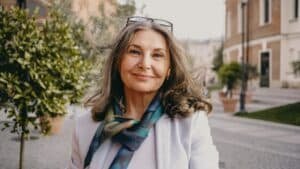
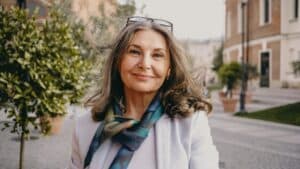
Sheree Whitfield’s neon knot front confessional dress immediately caught my eye. Yes because it’s bright af, but also because it’s chic af. I love Alex Perry dresses for that reason- they are super chic. They have that sleek look to them and most have the bold shoulder too. Which means when you wear a dress like this thankfully the only thing hiding up Kenya’s your sleeve would be an iconic shoulder pad.


Sincerely Stylish,

Jess

 

Sheree Whitfield's Neon Knot Front Confessional Dress

Click Here to See Her Alex Perry Dress

Originally posted at: Sheree Whitfield’s Neon Knot Front Confessional Dress

Read More
Beginner Makeup Over 70

makeup over 70

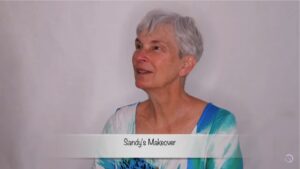
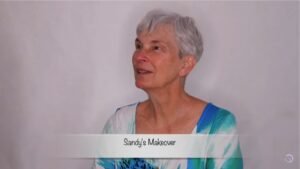
Sandy has lived in Ecuador for 9.5 years. We happen to live in the same neighborhood and met one day as I was headed to buy some vegetables at the local tienda (store). Her cute little Shih Tzu ran up to me, jumping up and down as if I were an old friend.

As a retired executive assistant married for almost 50 years, Sandy doesn’t wear makeup because she has felt that makeup will only make her hooded lids look heavier. To a certain extent, she is correct. When you apply makeup to mature hooded eyes, it’s important to work at it slowly so that you don’t overdo it, adding just enough to make your eyes pop, but not look like a badger.

How do you do that? Let’s find out!

Dry Skin and Pastries

For those of you overwhelmed by Instagram makeup applications that use, like, 50 products, this video is for you. I used only 3 products on Sandy’s eyes including the eyeliner, and it took me less than 10 minutes to complete the whole makeup, and she doesn’t look like a badger. You’re welcome.

The most important aspect of makeup is having hydrated skin. I cannot tell you the number of people who have sat in my makeup chair with parched skin and want me to fix it with foundation. Foundation will not fix dry, dehydrated skin any more than eating pastries will make you thin (although that’s a huge bummer because I just ate the most fabulous pastry and my bum is growing as I type this).

Sandy doesn’t have dry skin, but does need a nourishing boost of vitamin C serum. This immediately brightened her complexion and helped the foundation glide on her face.

Where to Put Color on Hooded Lids

Sandy has beautiful blue eyes, so I used a blue grey cream eyeshadow as eyeliner to make the color stand out. Using a thin brush, I put the color next to her lash line being careful to keep the line fairly thin. Then I grabbed a neutral shade with brush #217 in her outer crease in order to give her eyes a lifted appearance.

Using the same color, I added a bit under her eye as well which works because the color is very soft and doesn’t look heavy. To pop the inner corner of her eye, I applied a slightly glittery cream color just on the inner corner.

Because I felt she needed a little more umph for the camera, I added a smidge of a dark blue to the outer edge of her top eyeliner, but for everyday wear, she probably doesn’t need it. I then applied a pretty pink lipstick and rosey blush to keep the focus on her eyes but not lose her other features.

Many times, we think we can’t wear bright lipstick because we haven’t added enough eyeliner. It’s all about balance, including having your eyeliner and lipstick be complementary to your face shape.

Minimalism for Mature Skin

Sandy has, in my opinion, minimalistic makeup without looking dead. Returning to the Instagram makeover idea, our younger counterparts can sometimes get away with wearing almost no makeup and still look stylish, but for mature women, it’s a bit tougher.

In general, I go for having a pop of color with minimal makeup added to the right spots. The idea is to avoid the badger look, but still be pretty and show off your best features.

For more information about dryness and the holy grail products for mature skin, check out this interview with skin care chemist Ben Fuchs.

Whatever your approach to makeup, take with you the notion that you can wear brighter colors, and eyeshadow with hooded lids. It’s all in the application and the warm, kind hearted vibe of my friend Sandy in Ecuador and her Shih Tzu.

Let’s Have a Conversation:

When applying makeup, do you prefer to go for fewer products than what you see in most tutorials? Which area of your face is the most problematic to make up? Have you found ways to fix the issue without much hassle?

Read More

Anti-Aging and Longevity Drug? What Studies Say About Rapamycin

studies on rapamycin

The first time that I heard of the drug rapamycin was in the year 2000, when my dad just barely survived heart transplant surgery. Miraculously though, he did, and his doctors gave him rapamycin to prevent his body from rejecting his new heart. He’s been on rapamycin, or a very similar drug, ever since.

What Is Rapamycin?

Rapamycin is a compound produced by bacteria first discovered on Easter Island (also known as Rapa Nui, hence “Rapa”-mycin). It’s traditionally been used to suppress the immune system for transplant patients where it’s used under the clinical name “Sirolimus” or “Rapamune.” It was approved by the FDA in 1999 to prevent organ rejection in transplant patients, meaning it’s safe enough for use in humans for this purpose.

Since my dad’s heart transplant 23 years ago, rapamycin has been quite the focus in the aging field. In addition to preventing organ rejection, it’s been shown to extend the healthy portion of life in a variety of laboratory animals.

The benefits of rapamycin in aging mice are rather remarkable. Not only does it increase lifespan, it also improves cognitive function, kidney function, and heart function, lowers the rate of cancer and reverses periodontal disease. Essentially, it makes mice get older later in life.

I became re-acquainted with rapamycin in 2014, as the Project Manager for the Dog Aging Project. The goal of this project was two-fold. One, to confirm what we had been suspecting for quite some time. That rapamycin was safe at low doses for use in larger animals such as companion (pet) dogs. Remember that it was already approved for use in humans by this point. And two, to determine if the positive effects from laboratory animals could also be seen in dogs.

The results of that project did indeed confirm our first line of thinking but brought up a whole series of other questions as well. At that point in time, even veterinarians didn’t know what healthy aging looked like in companion dogs. There was no consensus, no baseline for comparison of the influence of rapamycin to what was normal aging in a dog.

And so began a nationwide, long-term study under the same name, to study both normal aging and the long-term effects of rapamycin in volunteer companion dogs. I’m no longer working on this much larger project, but my dog is a happy and proud member of the Dog Aging Project Pack. It will be a few more years before we know anything for certain. Preliminary results suggest rapamycin may have a positive effect on heart function and activity in older companion dogs.

My most current work with rapamycin arose from the dawning realization that there are many people already taking rapamycin for its potential “anti-aging” properties. These people are taking it either by prescription or ordering it from overseas and with a huge range of results.

Even though rapamycin is not approved by the FDA for use as a longevity drug, medical doctors are allowed to prescribe medications already approved by FDA for other indications “off label,” meaning to be used for other purposes, when they believe it is in the best interest of their patients. Most doctors don’t know much about rapamycin, but a few have become comfortable prescribing it for these purposes.

Today, thousands of people around the world are taking rapamycin off label in hopes it may help them live healthier longer. There is no general consensus of how much or how often people should take it or what the side effects of taking it in combination with other drugs may be. While there are groups of individuals here and there sharing their resources and findings online, very little was known about rapamycin use in healthy people.

What Was Known as of 2021

Rapamycin prescribed at extremely high doses for immune suppression, such as organ transplants, has a long list of potential undesirable side effects. Most notably, an increased risk of bacterial infections. In addition, patients like my dad often experience mouth sores, slower wound healing and increased levels of blood lipids.

Interestingly, there is some evidence that rapamycin actually improves immune function at low doses in otherwise healthy older adults, with few side effects involved. Two large clinical trials found that a slightly modified version of rapamycin could boost flu vaccine response in the elderly and potentially protect those individuals from subsequent viral infections, including the coronavirus.

Our University of Washington Rapamycin Survey Study, 2021-2023

Funded by the Impetus Grants Program, the goal of the UW study was to survey the people taking rapamycin on their own, to determine if there are any significant side effects or positive benefits from their experiences. We (my husband, several colleagues and I) surveyed over 300 people taking it, as well as 150 people not taking it for a comparison.

The basic findings of this survey, just published, suggest that rapamycin can be taken safely at low doses by normally healthy humans, but also that some caution may be warranted with respect to bacterial infection and also suggest some unexpected possible benefits. While there are numerous biases inherent in a self-reported, survey-based study, there were a few key takeaways from our findings.

There was about a two-fold increase in self-reported mouth sores and risk of bacterial infection among the people taking rapamycin. It’s important to keep in mind that these results have not been confirmed by a doctor or other medical professional, so we are relying often on an individual’s recollection and self-diagnosis of things like infections, which may or may not be very accurate. Unexpectedly, there was an apparent benefit from rapamycin use for abdominal pain, eye pain, depression, and anxiety, which were all self-reported more often in non-users compared to the users.

Potentially of the most interest, the study suggests that there may be a significant reduction in the severity of COVID-19 infection and protection against long-COVID among people who took rapamycin, but further research is needed in this area. In addition, rapamycin users reported a general improvement in self-perceived quality of life.

Lastly, we found that there are several people with a range of diseases that are finding positive effects from their use of rapamycin. Included in this group are those with PHTS (Cowden’s Syndrome), arthritis, frozen shoulder and ADHD.

The numbers for each of these groups are too low to apply statistics, but their results and self-reported improvements in quality of life are noteworthy. While truly very promising, more funding and more effort is necessary to assess the positive impact of rapamycin for these people.

What Does It All Mean for You?

Hopefully the UW survey study will make it easier for clinical trials to begin to establish whether rapamycin can prove beneficial toward a variety of age-related endpoints. Clinical trials have recently been funded, also by the Impetus Grants Program, to assess the impact of rapamycin on both periodontal disease and premature ovarian failure.

Our study should also facilitate a better understanding of rapamycin for physicians. Most physicians remain unaware of alternative uses of this drug outside of organ transplant medicine. Hopefully, that will change as additional studies like this provide information on the actual risks and potential rewards of off-label, low dose rapamycin use.

Will It Make a Difference in Your Life?

Maybe. Should you take it? Maybe. Maybe not. That’s a question for you and your personal physician to discuss.

What Can I Do Now, to Live Healthier Longer?

As a scientist in the field of aging, I’m often asked variations of this same question. And the answer is A LOT.

Even without rapamycin, there are many things you can do right now to extend the quality of your life. They’re simple, inexpensive and available to you now. And most importantly, they’re proven many times over to be effective in living a longer, healthier and happier life.

The four main components for healthy living are nutrition, fitness, sleep and mindset. These are the best things you can focus on to extend the healthy portion of your life, regardless of your current age.

Pay Attention to Your Diet

Having a balanced and nutritious diet can lower your chances of developing various age-related illnesses such as cancer, heart disease and diabetes. In addition, it can also enhance your ability to recover quickly from illnesses in the short term.

There are many cultures whose cuisines contribute to good health and long life, and taste fantastic too. Do we have to give up our eating habits in favor of theirs? No, but we can be open-minded to finding new and healthier options that might work for us. That we might even love. To incorporating some of their signature dishes into our own lifestyle.

Engage in Physical Activity

Focusing on physical fitness can improve your balance, coordination, cardiovascular health, muscle and bone strength, and help you maintain independence for a longer period of time. These aspects are crucial if you aim to achieve optimal health throughout your life.

How to move more? Start by making the commitment to do so. Be open to ideas and opportunities. Spend time outside if you can, doing whatever it is you enjoy doing, with friends or on your own. Look for a hobby you enjoy that will allow you to move more. Walking is one of the very best, by the way, for your coordination, dexterity, cardiovascular capacity and your mindset.

Get Enough Sleep

Sufficient sleep provides your body with the time it needs to restore itself. Getting enough sleep can enhance your energy levels, outlook, memory, concentration, productivity, mood, and interpersonal interactions.

There are many steps you can take to improve the quality of your sleep. The first step is recognizing that you need to, and the second step is making a commitment to do something about it. Invest in learning more and you will be investing in your future.

Take Care of Your Mindset

Mindset refers to the way you approach life, face challenges and overcome setbacks. A healthy mindset allows you to maintain a positive perspective and make the most out of each day. This type of mindset can lead to improved physical and mental health, greater independence, a supportive community, and a more fulfilling lifestyle.

It’s important to develop a growth mindset, especially as you get older. If you don’t already have one, you will be shocked at the difference it makes in every aspect of your life. This is possibly the best gift you can give yourself, wherever you are in life.

These four pillars will have the most profound impact on your current and future life, regardless of the outcome of rapamycin studies.

FAQs About Rapamycin

Here are some of the many questions I’ve heard regarding rapamycin and its use.

Can Rapamycin Reverse Aging?

No. Rapamycin has been shown to slow the rate of aging in laboratory animals, but nothing has been proven to reverse aging.

What Can’t Rapamycin Do?

It cannot and never will provide the nutrition, exercise, sleep or mindset that you need to live a fulfilled life, whatever your age.

Do I Need a Prescription for Rapamycin?

Currently you need a prescription for rapamycin in the United States and most other countries as well. Physicians within the United States are able, if not always willing, to prescribe rapamycin to their patients as it’s already FDA approved.

What Foods Are Rich in Rapamycin?

Foods do not naturally contain rapamycin, as it is derived from soil bacteria on Easter Island.

Final Thoughts

Rapamycin is a powerful drug with unknown but promising potential. It appears to have few side effects when taken at low doses and may have significant positive effects on the quality of our lives in the future. Further research is needed to fully assess its effectiveness in a wide range of diseases. The results of this research will likely have a profound impact on a huge number of people.

Let’s Have a Conversation:

What are you doing to improve the quality of your life now and in the future? Do you feel science is helping or hurting our perceptions on the aging process? Which of the four main components of healthy aging are you strongest on? Which one do you need to focus on more?

Read More

Honoring Our Fathers’ Legacies

father's legacy

My father died in 1991. I was 47 years old, and I continue to feel him with me each and every day. It is difficult to lose someone we love. In her poem, “One Art,” Elizabeth Bishop says, “So many things seem filled with the intent to be lost.”

It’s even harder for us baby boomers, who feel as if we are becoming the ones with the guiding light for younger generations. For me, the transition to being the family elder seems to have happened rather quickly. As a result, I view it as a good time to examine my parents’ legacies.

Thinking About My Father

Looking back at my father’s life, I see the transformation of a man who survived the Holocaust and emigrated to the United States and how his life was forever changed. I note how, regardless of the trials and tribulations of war, he managed to always be a positive-thinking man who looked at the glass as half full.

He was always thankful for his life, especially because he lost most of his family in the Dachau camp. I am honored to carry his life force inside of me, along with his people-pleaser personality.

Though some might believe that we should honor loved ones every day, it’s nice to have a special day, like Father’s Day, put aside to celebrate and highlight the influence of fathers and fatherly role models in our lives.

I’ve always found that during special holiday celebrations it’s a good practice to turn to writing about those who we have lost. A few years ago, I wrote the following poem and dedicated it to my father. It’s a reflection of who he was and the parts of him which continue to live inside of me:

To Dad

You had this radiant smile

and handshake to fracture a bone

a giving heart

void of bad intention,

even risking tossing the shirt

off your back to the beggar on the street.

As a child I sat on the borders of

Rockefeller Center as you taught

Paul Newman to skate every Sunday

morning in the place where they called

you ‘Mr. Mark’ because they couldn’t

pronounce your long European last name.

We’d return home for steak and

whipped potatoes and then

vanilla pudding, your favorite meal

before your bedtime snack of

pumpernickel bread with a smear

of cream cheese.

In the morning I eyed you sitting

in the corner diner

as your flattered waitresses

making them giggle with your charm,

as they poured you steamy coffee in

the same seat each day, the same

place I saw grandma for the very last time.

Now more than two decades since your passing,

I miss you more than ever and relish

each moment in which your

spirit encircles me. I still talk to you

each day — you — the only person who

loved me unconditionally.

I shall be forever warmed by you.

Forever in My Heart

For many years after my father’s passing, I sent flowers to his gravesite, thanking him for being such an amazing father and powerful force in my life. As a writer, I also wrote and continue to write him letters or poems telling him how much I miss him and what everyone in our family is doing. I believe this to be a healing ritual, one that I also share with the participants in my writing workshops.

I believe that if you love someone who has passed away, it’s important to honor them in a way which would make them proud and/or happy. On days that remind you of them, it is a nice gesture to do things which they would like to do or see. My dad was very kind, passionate, and generous. He also loved a good home-cooked meal, so to honor him on Father’s Day or his birthday, I serve his favorite meal – like I mention in my poem: meatloaf, mashed potatoes and vanilla pudding.

Being a storyteller is one way to keep the family legacy alive, and that’s why writers have such poignant roles in society. The idea of writing a letter to a loved one shows gratitude and recognition and can be important both for the sender and the recipient.

Even if you are not a writer, consider ways you may honor your father or any other male role model in your life this month, whether or not they are still living. Most importantly, try to keep in touch with your inner voice and feelings. Sending blessings, and I hope you are enjoying your journey in this magical universe.

To read more of my inspirational essays, please visit my website.

Let’s Have a Conversation:

Have you thought about your father’s legacy? If you are/were estranged from your father, has another male figure influenced your life positively? What will you always remember about this person? How will you honor them this month?

Read More

Fragile Is Only a Feeling

feeling fragile

Driving over 14 hours with my estranged ex-husband, I remembered I know how to thrive. Leading up to this trip I was in a funk, or my meds had stopped working, but it was definingly a low-grade depression.

Empty nest syndrome, my 60th birthday, dreading that the next 20 years might be long because I have already lived my life and chased my dreams. Add a Lupus diagnosis to my TBI brain and another disintegrating joint that will need to be fused to a body part so it does not fall off, and I was not feeling that great.

It was at this moment that my daughter asked, “Can Dad drive up to my graduation with you?” I agreed without hesitation and then proceeded to have nightmares and PTSD flashbacks that I was being strangled in the middle of the night.

I was already concerned about how I was going to manage such an intense weekend in my physical state, which often requires rest and resets. My yoga guru/therapist/spiritual advisor responded to this news with, “Well, I guess your lack of boundaries means we have much MORE to work on.”

The Trip of a Small Lifetime

Despite this ominous prediction, Friday morning dawned clear with all males, including my two grown sons actually showing up on time and ready to roll. I clearly laid out the ground rules. “We’re only stopping for gas, and you can use the restroom and smoke then.”

I looked at my ex and pointed my finger. “YOU are paying for gas. Let’s get in the car.” I drove, and my youngest rode shotgun. My oldest navigated from the back seat.

We were all excited to celebrate my daughter’s law school graduation, so emotions and voices were high, and I told the guys often to shut up and lower their voices. Despite this, and them all talking at jet plane decibels, I arrived in Concord New Hampshire with a migraine, my head spinning but I had left no one at the side of the road, and no one had poisoned my water bottle.

“We are having a pizza with my fiancé’s parents!” my daughter informed me at 8pm when all I wanted was my bed and two Tylenol pm.

I drove to the pizza joint, and plastered a smile on my face. Thankfully, the fiancé’s parents had already ordered five pizzas, and I swore not to drink but sipped my son’s beer trying not to dive into the pizzas like a specter of famine. Slipping my daughter my debit card I said, “Pay for dinner.”

The next day we had a happy blended family road trip to the legal weed dispensary, and we all smiled and held our white baggies for a group photo. There was a two-hour lull before graduation where I chose to take a walk and then rest.

I’m Driving My Car

Later, while a soft rain misted us, the graduates of Franklin Pierce, their parents, grandparents and children gathered into the tent to celebrate. I was so proud of my daughter as well as of my sons who got her flowers. My ex, for the entire trip, sat like a moldy French fry on the floor of the car, not requiring any attention or concern.

The graduation dinner, where entrees began at 60$ had me anticipating a conflict with the fiancé’s parents who kept insisting on paying. I had budgeted, and my daughter wasn’t going to feel like her people, to include her father, were Crapallachia (a derivative of Appalachia) which is a phrase she came up with to describe the hard scrabble setting she grew up in. My ex sat on oblivious or entitled. He ordered surf and turf.

I’d been feeling so fragile leading up to this trip – the PTSD flare up, a confirmed Lupus diagnosis, the real sense that my best days were behind me as if all I could every accomplish was just getting through my day peacefully, without killing anyone or more importantly myself. I felt a bit like Otto in the movie A Man Called Otto, starring Tom Hanks, about a sad, rigid, lonely old man whose only solace is being grumpy. Spoiler alert – he learns he is still alive too.

The Epiphany

I came out of this weekend remembering that it might take some fire to thrive but that I still have fire, passion, can practice self-care, discernment and can get through physically and demanding episodes without being rushed to the hospital or the fifth floor (or wherever they take you when you have a breakdown).

My best self-showed up for this trip – I was calm, content, happy and grooving. A challenge and a precarious adventure shook me loose.

I have chronic and serious health issues, but I’m not going to blow away if the wind gets over 3MPH. I may get overwhelmed because my brain fritzes out but it works and, it actually works well enough that I can stop making lists like an OCD crazy person because my lists are actually making me feel like a crazy person. If I forget something, it wasn’t that important.

Despite returning home tired, I had a newfound sense of clarity and strength because I realized that treating myself like a hot house flower is not quite the same as practicing self-care. I can still dance on the edge, even with my orthopedic shoes and bunions, only now, I don’t stand on the edge with one foot.

Within 24 hours of returning home, a text came from a man whose name I can’t seem to ever remember because we’re distant acquaintances, and frankly, it has not seemed important.

“Let’s meet in Paris and then hike the Camino de Santiago – come on!”

For the first time since my car accident, I am leaning into an impulsive unchartered adventure. I can thank my ex-husband.

Stay tuned.

Let’s Have a Conversation:

Do you often feel fragile mentally or physically? Why? How do you get your Mojo back? What might be a small or big adventure that you could lean into?

Read More