Month: July 2023

Tamra Judge’s Black Mesh Corset Dress

Tamra Judge’s Black Mesh Corset Dress / Real Housewives of Orange County Season 17 Episode 5 Fashion

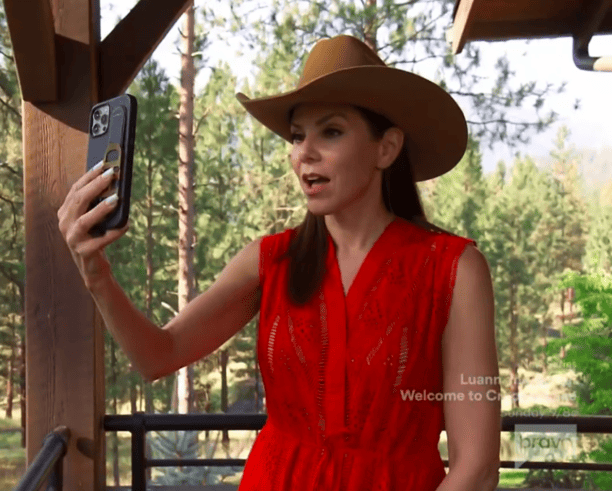
Tamra Judge looks like a modern day sexy saloon girl in her black mesh corset dress. She will fit right in if her and Eddie end up getting a place in Montana. But not only is this dress great for the ranch life (or night life), it’s also great for events and such. Which is why we need to stay on corset to getting one for ourselves.

Sincerely Stylish,

Jess


Tamra Judge's Black Mesh Corset Dress

Style Stealers


Originally posted at: Tamra Judge’s Black Mesh Corset Dress

Read More

Gina Kirschenheiter’s Ivory and Black Fringe Vest

Gina Kirschenheiter’s Ivory and Black Fringe Vest / Real Housewives of Orange County Season 17 Episode 5 Fashion

Gina Kirschenheiter’s ivory and black fringe vest in Montana is the ultimate, edgy, city meets country statement piece. The shoulder pads are an unexpected pairing with the pattern and the fringe, and they make the piece so special.

As it ends up, the vest is by the same designer as the much asked about necklaces Gina has been wearing in her confessionals with her denim corset. So if you’ve been wondering about those, scroll for the ultimate style two step.

The Realest Housewife,

Big Blonde Hair


Gina Kirschenheiter's Ivory and Black Fringe Vest

Style Stealers


Originally posted at: Gina Kirschenheiter’s Ivory and Black Fringe Vest

Read More

How to Make Stained Glass

how to make stained glass

Whether you’re drawn to the vibrant colors or the interplay of light and shadow, creating your own stained glass masterpiece is a rewarding and fulfilling endeavor. While learning how to make stained glass may seem intimidating initially, this beginner’s guide will provide you with the essential information and techniques to start your stained glass journey. Let’s dive in!

Essential Tools and Materials

Before starting your first project, you’ll need to invest in a few essential stained glass tools and materials.

Stained Glass Tools

The most crucial tool is a glass cutter, which allows you to precisely score and break your glass. There are various glass cutters, including pencil-style and pistol grip cutters. Experiment with different models to find the one that feels comfortable in your hand and suits your cutting style.

You also need running pliers, which break the glass along the scored line. These pliers have curved jaws that apply pressure on either side of the score, ensuring a clean break. Grozing pliers are handy, too, for shaping and smoothing glass edges after breaking.

Glass Grinder

A glass grinder is a versatile device designed to shape and smooth the edges of glass pieces, allowing for precise fitting and seamless assembly. The grinder comprises a motorized rotating grinder head with a diamond-coated grinding bit.

With its adjustable speed and various grit options, the glass grinder removes sharp edges, creates bevels, and shapes glass pieces to fit perfectly within your desired design. It allows artists to refine their work, ensuring a professional finish and enhancing the quality of their stained glass creations.

Copper Foil

The two primary techniques for assembling stained glass pieces are copper foil and lead came. Copper foil is a thin adhesive-backed copper tape applied to the edges of each glass piece. It allows for intricate detailing. Stained glass artists often use it in smaller projects or designs requiring more flexibility.

Since copper foil is much easier to work with than lead came, it’s a more suitable option. In this article, I will share how to make stained glass with copper foil. Once you have some experience, feel free to experiment with using lead came in your stained glass pieces.

Flux

Flux helps the solder flow smoothly and create strong bonds. You can apply it using a small brush.

Soldering Equipment

Soldering is crucial in stained glass making as it joins the copper foiled or lead came edges together. Look for a soldering iron with adjustable temperature control, and don’t simply buy the least expensive option. The Hakko FX-601 is an excellent choice for stained glass.

Solder, a metal alloy of tin and lead, is used to create the seams that hold the glass pieces together. It comes in various diameters containing different ratios of tin and lead. Beginners often find 60/40 solder easiest to work with due to its low melting point and smooth flow.

Safety Gear

Working with glass and soldering equipment requires safety precautions. Invest in safety glasses or goggles to protect your eyes and heat-resistant gloves to safeguard your hands when handling hot glass or using the soldering iron. Adequate ventilation in your workspace is essential to avoid inhaling fumes produced during soldering.

Glass

Now, the fun part: Glass! Stained glass comes in various colors, textures, and transparencies. As a beginner, starting with a selection of basic colors is helpful to get acquainted with the process. Clear glass is often used as a base, while shades of red, blue, green, and yellow are popular for creating vibrant designs.

Explore different glass textures, such as rippled or seeded, to add visual interest to your projects. Remember that heavily textured glass may be more challenging to work with, especially when soldering. Smooth, thin glass is easy to cut and handle, especially for beginners.

The Process

Now that you have the necessary tools, it’s time to start making your first stained glass masterpiece.

1. Choose or Design a Stained Glass Pattern

Designing your stained glass piece is an exciting and creative process. Start by exploring various inspirational sources, such as books and online resources. You can also create your own designs by sketching or using design software.

Consider the size and complexity of your project, especially as a beginner. Opt for simpler patterns initially, with fewer intricate details and only a few pieces. As you gain confidence, you can challenge yourself with more elaborate designs.

Selecting Colors and Textures

Color selection is crucial in stained glass design. Consider the mood or ambiance you want to convey through your piece. Bright, vibrant colors create a lively and energetic feel, while softer, pastel tones evoke a more tranquil atmosphere.

Experiment with different combinations of colors to achieve the desired visual impact. Consider using complementary or contrasting colors to create dynamic and eye-catching effects. Additionally, incorporating different glass textures can add depth and interest to your design.

Transferring the Design onto the Glass

After choosing a pattern and glass, it’s time to transfer the design. Tracing the design directly onto the glass using a waterproof marker or a wax pencil is a common option. Alternatively, you can make a paper pattern by tracing or printing the design and cutting it out.

Place the paper pattern on the glass, secure it with small strips of tape, and trace around the edges using a marker. Whichever option you choose, be careful. Accuracy is essential in this part of the process.

2. Score and Cut the Glass

The idea of cutting glass seems complicated, but it’s easier than you might think. You may make a few mistakes along the way, but with practice, it’s relatively easy to master. Here’s how to do it:

Score the Glass

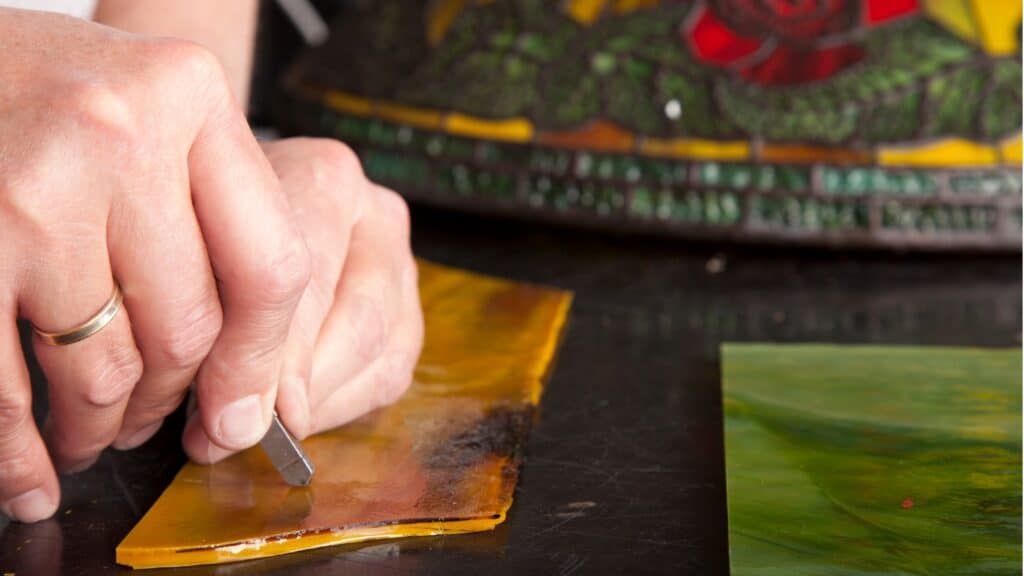
Glass cutting involves scoring the surface of the glass to create a controlled break. Hold the glass cutter firmly and at a slight angle to score the glass. Start at the edge of the glass and apply even pressure as you draw the cutter along the marked line. Maintain a steady, continuous motion as you cut from one edge to another. Avoid going over the same area multiple times, which can cause the glass to chip or crack.

You should hear a distinctive scratching sound as the cutter scores the glass. It’s important to achieve a consistent and well-defined scored line, so press firmly but not hard enough to break the glass.

Break the Glass Along the Scored Line

Place the scored line over the edge of a table or another flat, supportive surface. Hold the glass firmly on both sides of the scored line, ensuring your fingers are clear of the break. Apply downward pressure or a quick snapping motion to break the glass cleanly along the score. Alternatively, gently tap along the back side of the scored line using your glass cutter. Don’t hit it too hard, or the glass will likely break somewhere other than the line.

You may need running pliers for larger pieces or more complex shapes. Some folks also prefer this option for larger pieces. It’s all about finding what works best for you. Position the jaws of the running pliers on either side of the score line, close to the edge of the glass. There should be a small line in the center of the pliers to indicate where to position the jaws. Apply gentle pressure to the pliers to induce a controlled break along the scored line.

Smooth the Edges

Once you’ve broken the glass, the edges may be sharp or uneven. Use grozing pliers to carefully smooth the edges. Grip the glass near the edge with the pliers and gently nibble away small pieces to create a smooth contour. Take care not to remove too much glass or apply excessive pressure, which can alter the piece’s shape.

Next, use a glass grinder to smooth the edges further. Fill the grinder’s base with water, turn it on, then carefully grind each piece to the exact shape needed.

Always wear gloves and safety glasses when cutting and grinding glass. No one wants to cut themself or be injured by flying glass shards!

3. Foil the Edges

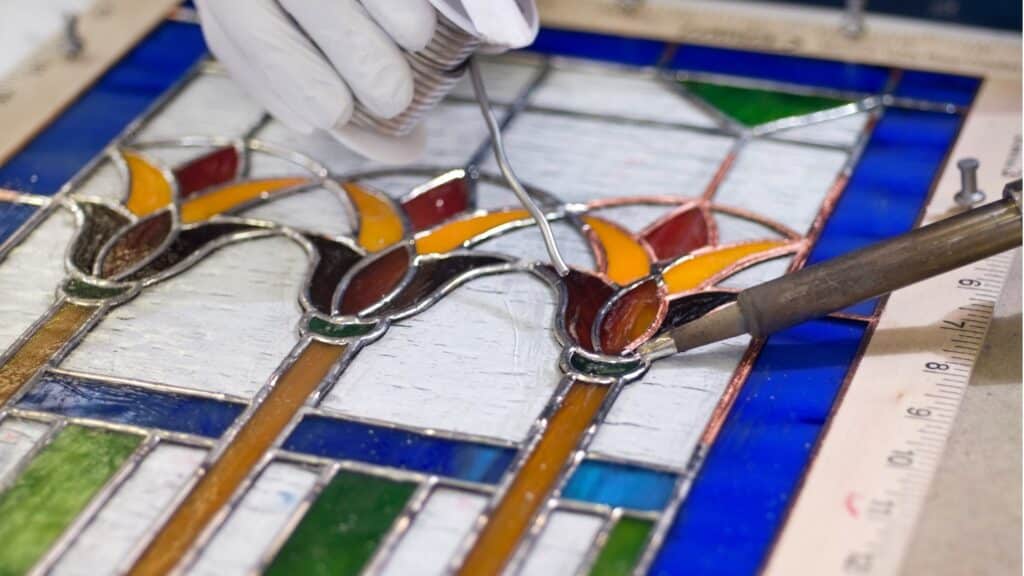
The copper foil technique connects pieces of stained glass. A thin strip of adhesive-backed copper foil — which acts as a conductive material for solder — is wrapped around the edges of each glass piece, allowing the glass pieces to be joined. The copper foil technique offers flexibility and precision, making it popular among beginner and experienced stained glass artists.

  1. Cut a piece of copper foil slightly longer than the edge of the glass you are working with.
  2. Remove the backing from the foil and carefully align the center of the foil strip with the edge of the glass.
  3. Press the foil firmly against the glass, ensuring it adheres smoothly and wraps around the edge evenly.
  4. Continue applying the foil along the entire perimeter, overlapping the ends slightly.
  5. Use a burnisher or a smooth, rounded tool to firmly press the foil against the glass, ensuring a tight bond.
  6. Trim away excess foil using a craft knife, following the contour of the glass. Be careful not to cut into the glass itself.

4. Solder and Finish Your Piece

Before you begin soldering, ensure your workspace is well-ventilated to dissipate any fumes produced during the soldering process. Consider using a solder fume extractor or a respirator if working in an area with limited airflow. Once you’ve ensured a safe setup, follow these instructions to solder your glass:

  1. Preheat your soldering iron to 680-770F (360-410C).
  2. Apply a thin flux layer to the copper foil using a small brush or flux pen.
  3. Hold your hot soldering iron against the joint where the copper foil meets the glass. The iron tip should touch the metal and the glass surface.
  4. Allow the joint to heat up for a few seconds until it reaches the melting point of the metal.
  5. Touch the solder wire to the heated joint, allowing it to melt and flow into the gap between the glass and the foil.
  6. Move the solder along the joint, adding enough solder to create a smooth and even seam. The solder should completely cover the copper foil.
  7. While the solder is still molten, use the soldering iron to smooth and blend the seam. Gently drag the iron along the solder line, ensuring it is uniformly distributed and free of rough edges.

Take care not to overheat the solder or apply excessive pressure, as this can distort the shape of the glass or create unwanted marks.

5. Clean and Finish Your Creation

Once the solder has cooled and solidified, it’s time to clean and finish your stained glass piece.

Cleaning the Solder Seams

Use warm water, dish soap, and a cloth or sponge to wipe away any flux or adhesive residue on the surface of the glass. Avoid scrubbing too vigorously, as this could scratch the glass.

Applying Patina (Optional)

If desired, apply a patina solution to enhance the appearance of the solder seams. Patina comes in various colors and can add depth and richness to your stained glass piece.

Follow the manufacturer’s instructions for applying the patina. Typically, it involves brushing or dabbing the solution onto the solder seams and allowing it to react and darken over time.

After applying the patina, rinse the solder seams with water and dry them thoroughly.

Polishing and Final Touches

  • Use a soft cloth or a polishing compound designed for stained glass to gently buff the glass and make it shine.
  • Inspect your stained glass piece for any rough edges or imperfections. Make repairs as needed.

With the soldering and finishing steps completed, your stained glass piece is ready to be admired and displayed. The soldered seams should provide structural strength and integrity to your artwork, while the cleaning and finishing steps ensure a professional and polished appearance.

Displaying and Caring for Stained Glass

When displaying your stained glass artwork, selecting the right location is essential. Consider the following factors to ensure optimal visibility and preservation of your piece:

Natural Light

Place your stained glass in an area with ample natural light. The play of light through the colors and textures of the glass will enhance its beauty and create stunning visual effects.

Protection from Direct Sunlight

While natural light is beneficial, prolonged exposure to direct sunlight damages the glass and solder joints. Avoid placing your stained glass in areas with extended direct sunlight exposure.

Stable Temperature and Humidity

Fluctuations in temperature and humidity can adversely affect stained glass. Choose a location with stable environmental conditions to minimize the risk of expansion, contraction, or condensation.

With the basic techniques and information covered in this article, you can learn the basics of making stained glass. Remember to start with the right tools and materials, practice safety precautions, and take your time to develop your skills.

I hope this article has provided valuable insights into making stained glass and ignited your passion for this craft. Please share your thoughts, experiences, or questions in the comments below. I’d love to hear your thoughts!

Let’s Have a Conversation:

Have you decided on a specific design or pattern for your first stained glass project? Do you have any specific challenges or concerns regarding making stained glass? What are your expectations and goals for your stained glass journey?

Read More

Yoga’s Not What It Used to Be

yoga and ageing

There are two yoga books on my shelf, both with the number 50 in the title. One was a 50th birthday present from my sister, and the other was co-written by one of my favorite yoga teachers, Desiree Rumbaugh. Glancing at my bookshelf, you’d be inclined to think that 50 is the age at which a woman can expect her yoga practice to fade or to morph. I think that’s the wrong number.

In the Beginning, I Wanted to Dance

As a little girl, I nagged my mother for dance lessons, and she finally sent me to a Russian named Krasnow who hit my leg with a big stick when I missed a position or a beat. I’ve since learned that was common practice among Russian ballet masters. In junior high, I studied with an American ballet teacher and learned to do a cartwheel, not exactly classical. In college, I took modern dance lessons because they were free.

Then, while working at my first job in San Francisco, I took jazz lessons from a man who had a performing troupe. He invited me to join the chorus – the highlight of my dancing career! – but I had other aspirations at the time. During the next phase of my working life, I switched to a different physical discipline altogether: downhill skiing, which was totally exhilarating and highly impractical.

Enter a New Thought

One day at work, I came across a book by a British former dancer who declared that yoga was better than any dance style or sport she’d tried, and she’d tried them all. For some unknown reason, I photocopied the entire book and tucked it away.

Fast forward a few decades, punctuated by motherhood and a stint in Little League, to a new job in a new city. A colleague told me about a yoga studio she had discovered. Yoga, huh? I dug out the fading photocopy, re-read it, and decided to give yoga a whirl.

I was 52. I soon discovered that the British ex-dancer was right, yoga had it all: rigor, beauty, body wisdom, and transcendence. The people at the yoga studio were sympathetic for the most part, and I launched into the pursuit of mastery.

Becoming a Yogi

At age 56, I enrolled in a 200-hour yoga teacher training program – not to teach, just to go deeper – led by a husband-and-wife team who were opposites. A former Buddhist nun, she was flexible and emotional. He was a stiff former engineer who lectured about the structure of the human body. They were both great teachers, in their different ways. I learned a lesson just watching them: there is no ideal yoga, there’s only one’s own yoga. So, I went about searching for mine.

Over the years, when gurus came to town, I took their seminars and learned about their philosophies and techniques. I was willing, and for the most part able, to try Ayurvedic medicine and 40 sun salutations in a row to see what benefits they might bring. At age 65, the world of yoga felt like a banquet, with me joyously sampling the fare.

Tempus Fugit

Fast forward another decade, and my, oh, my, how things have changed. Just as I no longer eat all the dishes at a culinary banquet, choosing carefully to avoid allergies and too much spice, my participation in the yoga banquet is now limited in ways I couldn’t have imagined at age 50. And it’s not a question of strength.

You know how unsymmetrical our bodies are? My right shoulder has always been slightly lower and more forwardly rotated than my left. When I was younger, I could muscle that shoulder into a place that let me lean on my forearms and lift my body off the floor. But after thousands of repetitions, my shoulders have become more asymmetric than ever. Now when I try to take that pose (Pincha Mayurasana, meaning a peacock spreading its tail), it hurts too much to proceed.

Pain Is the Best Teacher

My hips and pelvis now twist unevenly, too, perhaps because my shoulders have influenced them (everything is connected). Perhaps it’s the other way around: perhaps my forward-rotating right shoulder has been compensating for a leftward twist of the pelvis? Oh, well.

I also have arthritis in my big toes. It hurts to bend them, and they don’t bend much anyway, which throws off my balance in certain poses. So I modify the position, or don’t do it at all.

I’m told by others that balance is a key issue for them, too. In my case, although I can still lift a straight leg in the air and reach the big toe (on a good day), I hang onto a wall with the other hand because I wobble like crazy, and I don’t want to risk a fall. (In the old days, I didn’t give a hoot about falling out of a pose. You have to play the edge to learn your limits.)

Supposedly, you can train your body to regain balance. But just as I don’t need to eat garlic nowadays, I don’t need to let go of the wall.

What’s Left?

An hour of yoga these days still brings me joy. It’s quiet, a refuge from the quotidian. I take pleasure in skillful movement and achieving elegance in a pose, however modified. Plus, in the first 15 minutes after a class, I enjoy unmatched mental clarity.

My teachers always said that it was more than okay to have an idiosyncratic practice. Unlike ballet, where a pirouette has an objective enforced by gravity, yoga poses are ideals you’re not expected to attain. My current triangle pose doesn’t look like the one I struck a decade ago, but it’s mine, and that’s enough.

I am so grateful for the practice that has improved my balance on and off the mat for so many years. If I were to write a yoga book for older women, I would put “70” in the title, or better still, no number at all. Yogis each find their own way.

Let’s Have a Conversation:

Is yoga part of your daily routine? Has your yoga changed with the years? What are you still able to do? What’s become more challenging? What modifications have you created for yourself?

Read More

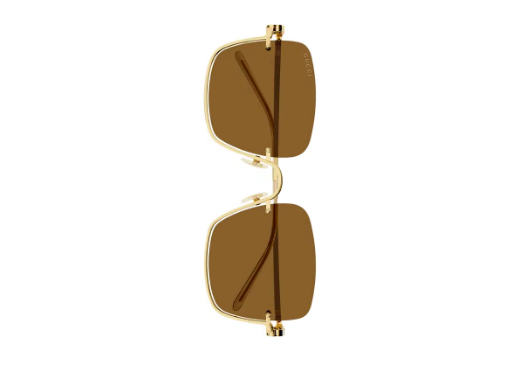
Tamra Judge’s Gold Square Sunglasses

Tamra Judge’s Gold Square Sunglasses / Real Housewives of Orange County Season 17 Episode 5 Fashion

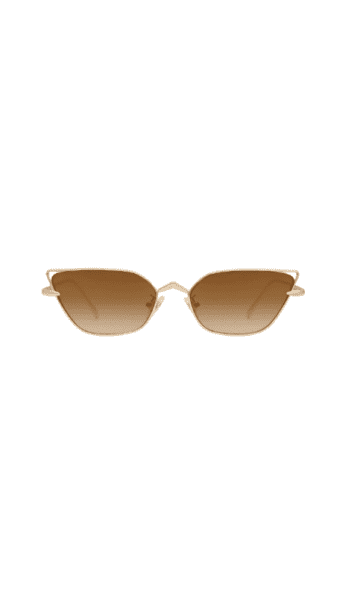
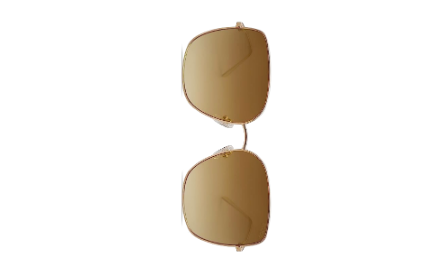
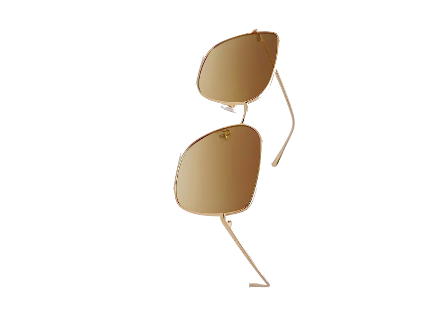
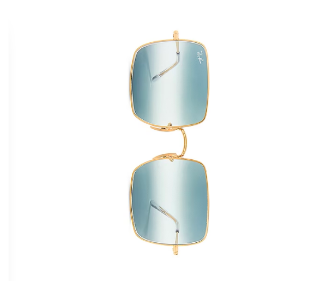
Tamra Judge’s gold square sunglasses probably look familiar because they’re a classic style that we’ve spotted her in before. But since they’re still fully stocked at our favorite stylish retailers, we decided we’d say howdy to them one more time.

The Realest Housewife,

Big Blonde Hair


Tamra Judge's Square Gold Sunglasses

Click Here for Additional Stock / Click Here for Even More Stock / Click Here for Even MORE Stock


Style Stealers


Originally posted at: Tamra Judge’s Gold Square Sunglasses

Read More