Month: July 2023

Lesson 13: Random Notes, a Drinking Song, and Piano Puzzling!

piano lesson random notes

[NOTE: If you are just joining us for the first time, you can find my previous Sixty and Me Free Piano Lessons on my Author page. You can join our lessons any time!]

13.1 Random Notes to Read and Write, p.45

It is lucky Lesson 13, and we are going to continue learning the Bass notes C, D, E, F and G this week. Sometimes our ears help us to remember melodies so that we are not practicing our reading skills as much. This week we will be playing random bass notes in the left hand in the Bass Note Writing Drill on p.45, so that your ear can’t help you remember the notes. Don’t worry, having a good ear is a great benefit, but I want you to both develop your ear and practice your note reading.

This week, PLAY p.45, 2-3 lines per day. Next week, WRITE the letters next to the notes as per the instructions, as you play Drink to Me Only with Thine Eyes on p.46.

13.2 Drink to Me Only with Thine Eyes, p.46

Notice that the first 2 lines (pink) are in the treble staff, and are played with your right hand. The 3rd and 4th lines are written in the bass staff and are therefore played with the left hand. Remember to always get both hands ready to play their first notes, before you start playing a piece. Try to keep your tempo steady, as you play Drink to Me:

13.3 Piano Puzzler #1, p.47-48

Let’s start the Piano Puzzler on p.47-48 together! I have created this crossword puzzle to help you review the musical terms we have learned so far, while also challenging your brain. All the answers are written at the bottom of p.48, but do try to come up with the answers yourself before searching for the term in the ANSWERS section. Let’s do the first 4 questions together:

Passion Practice!

  1. Exercise #3 in E and B. Play each exercise 3 times: 2x Forte (loudly) then 1x Piano (softly) with each hand. Use the PENTASCALES chart at the back of the book if you are not sure of the hand positions for E and B. Review Ex #3 in C, G, D and A when you can.
  2. Chord Calisthenics #1 – Play the whole page with each hand. Play these chords broken and block in random order in your 2nd week.
  3. 1st week: PLAY p.45 Bass Note Writing Drill, 2 or 3 lines at a time (see video 13.1) Start filling in the Piano Puzzler, p.46-47 (see video 13.3).
  4. 2nd week: Make a copy of p.45 if you can, for further writing practice. Then WRITE the letters next to the note heads.
  5. 2nd week: Play Drink to Me Only with Thine Eyes (see video 13.2).

Curious Summer Travel Facts

If it is summer or break time in your part of the world, how can you make sure that you don’t lose your skills while traveling?Research shows that practicing your exercises and songs on a table (on a flight?) or desk (at a hotel?) is almost as effective as playing on an actual piano! Take photos of your music on your phone or tablet and read the notes as your fingers “play” them. It is also effective to set an intention to leave and then return to your piano practice. Don’t worry, even if you are away for a while, you will soon get your skills back after you start playing again.

Let’s Have a Conversation!

How will you maintain your practice while traveling? Will there be a piano on your travels? Don’t be shy, go ahead and play it! Leave us a comment below, or feel free to ask any questions about your piano playing. We love to hear from you!

Read More
The Ultimate Guide to Wet Felting

Wet felting is a special kind of alchemy. Using nothing more complex than wool fibre and soap, with this versatile craft you can make anything from an elegant wrap or scarf to a novelty cat bed! As the fabric forms from fluff between your soapy hands, it feels like a kind of magic.

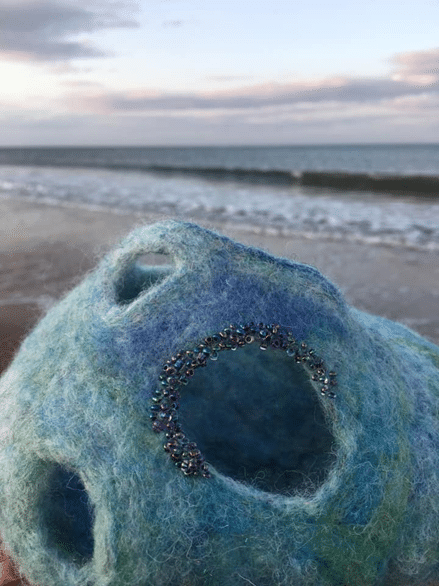
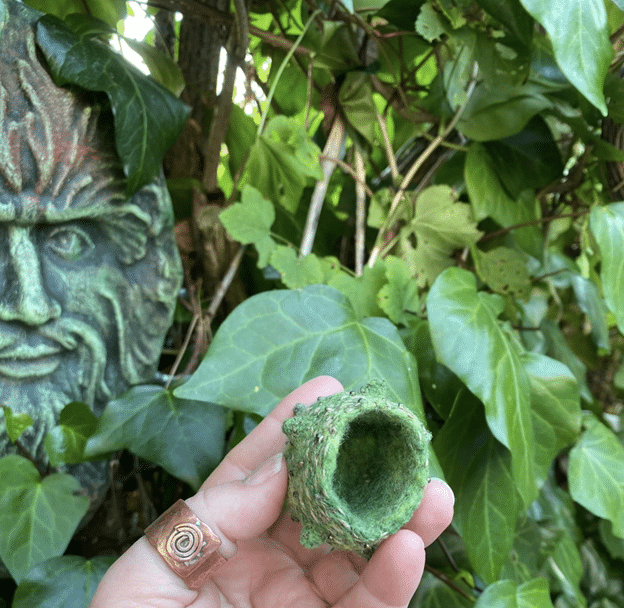
Wet felted pod
Wet felted pod; Enter the Wildwoods

Felting is an ancient craft – one of the oldest. People made felt before they knew how to spin and weave fabric. Bronze Age excavations have found felted wool caps dating back 3500 years, and the 2300-year-old remains of a fierce female warrior discovered in Siberia wore gorgeous felted and beaded boots.

The Mongol people used felt for everything from their yurts to live in, to their clothes and furnishings. Interestingly, ancient felt remains have only been found in Asia and Europe – but in more recent times felting has become popular around the globe. Felt is hard wearing, soft and warm – and just as useful and decorative today as it was in ancient times.

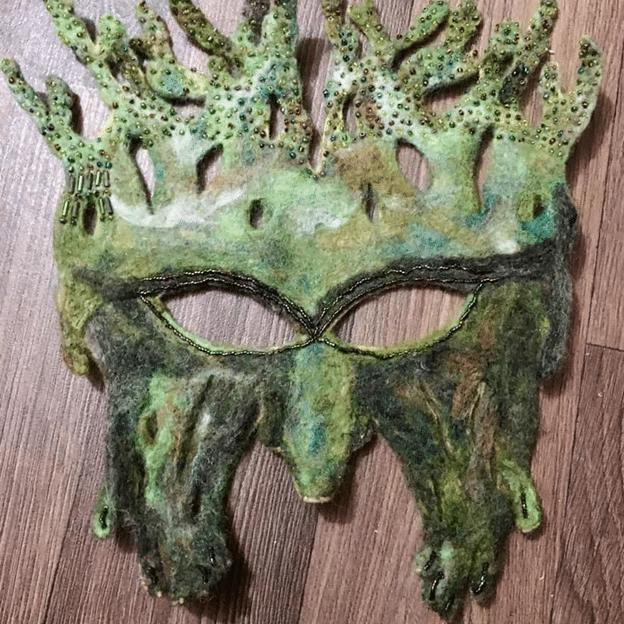
Wet felted mask
Wet felted mask; Enter the Wildwoods

What Is Wet Felting?

It really is a case of the clue being in the name here – wet felting uses water, soap and friction to turn fibre into fabric. Sheep wool is the main material used, but others such as alpaca are used widely, adding speciality fibres such as silk, buffalo, bison, rose and nettle for texture.

Natural fibre such as wool has scales on it like human hair. If we do not brush and condition our hair to smooth these scales down, our hair gets tangled. Backcombing hair – like we did in the 80s to get the biggest hair we could manage – uses these scales to create volume.

When we wet felt, water and soap open the scales so that friction can make them mat together. These scales stay interlocked as the felted fibres dry – and a smooth fabric is made.

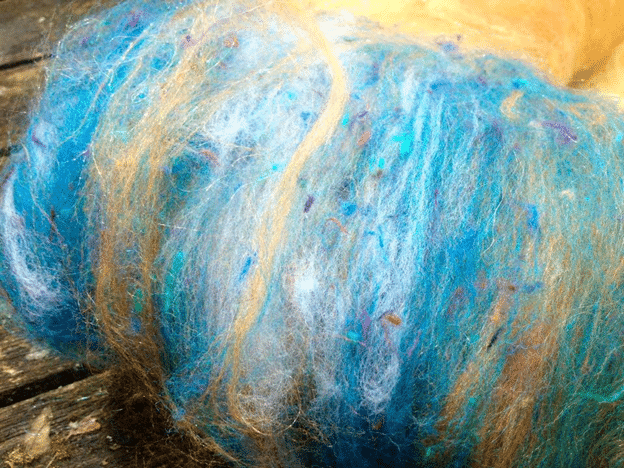
Carded batt of mixed fibres for wet felting
Carded batt of mixed fibres for wet felting; Enter the Wildwoods

What Do I Need for Wet Felting?

You need surprisingly inexpensive equipment to get started. You can buy a wet felting kit that has everything you need, or you can assemble your own kit. You need:

  • A bamboo mat (like the type used for making sushi);
  • A piece of netting – this can be nylon tulle; I use thick mosquito netting for durability as I felt; regularly
  • A piece of bubble wrap;
  • Ties or rubber bands.
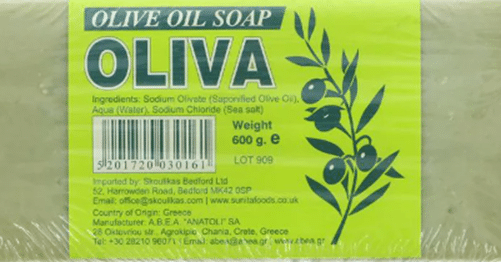
Olive oil soap
Olive oil soap; Enter the Wildwoods
  • Soap – I prefer to use olive soap as it is kinder to the hands and helps the fibres to mat quickly, but even dish soap works.
  • Spray bottle (plant spray is fine)
  • Water
  • Old towel
  • Then, all you need is fibre!

You can wet felt with a variety of different types of wool, from silky merino to domestic breeds. For beginners, a pack of mixed colours is a good way to experiment without spending too much. A blend such as ecosoft is ideal, as it felts down quickly, but you can also dive in with merino or any of the gorgeous, jewel-coloured roving or batts that take your fancy.

When sheep are sheared, we have piles of fluffy – and sometimes greasy and muddy – fleece. The fibres are cleaned and carded. That means the clumps of fleece are brushed out and the fibres are aligned into the same direction. The result is called roving, and you buy it rolled into balls.

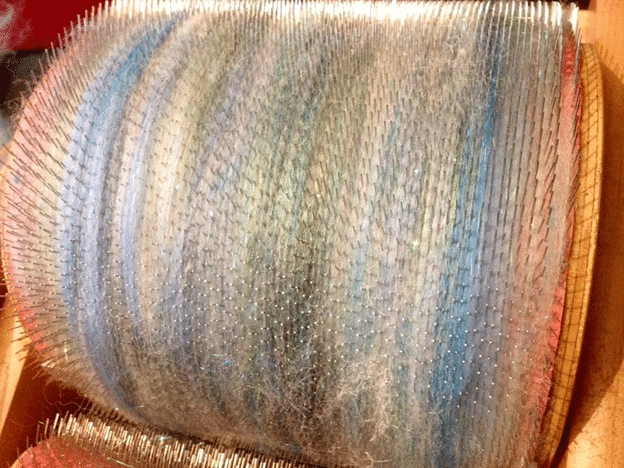
Carded batts – especially bought from small artisanal sellers on platforms like Etsy – can give you some glorious colour mixes to play with. If you get hooked by felting, you can even buy carders or a drum carder to make your own blends.

Fibres being mixed on a drum carder
Fibres being mixed on a drum carder; Enter the Wildwoods

For the finest felt, you might like to choose merino wool tops. This fine, smooth fibre is a delight to work with, and is ideal for making felt items such as scarves that are worn next to the skin.

How Do I Get Started with Wet Felting?

  1. Lay your old towel on your surface to protect it from water. Lay out your bamboo mat and place the bubble wrap on top.
  2. Take a length of wool roving about 45cm long. Split it in half down the middle so you have two thinner pieces – it’s easier to handle.
  3. Gently pull a short tuft of wool from the end of one of the lengths of fibre. There’s a trick to this – if you pull too hard, the fibre will resist you. Hold the length about 10cm from the end in one hand, and grasp the other end of the fibre between your fingers and palm, drawing it slowly towards you.
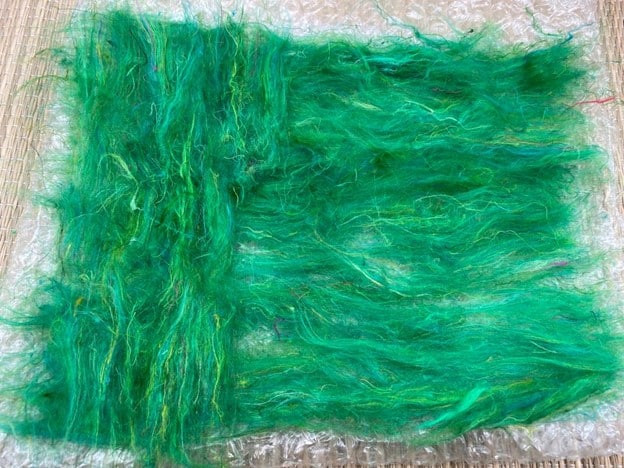
  4. Lay the chunks of fibre all in one direction on the bubble wrap. Then repeat this at 90 degrees to the first layer. Fibres are built up in layers at right angles to each other because it increases the strength of the finished felt.
Laying the fibre first east to west, then north to south to create layers
Laying the fibre first east to west, then north to south to create layers; Enter the Wildwoods
  1. Lay the netting on top of your wool layer and spray the netting with water, gently patting down the fibre so it saturates and sticks.
Rubbing soap across the netting
Rubbing soap across the netting; Enter the Wildwoods
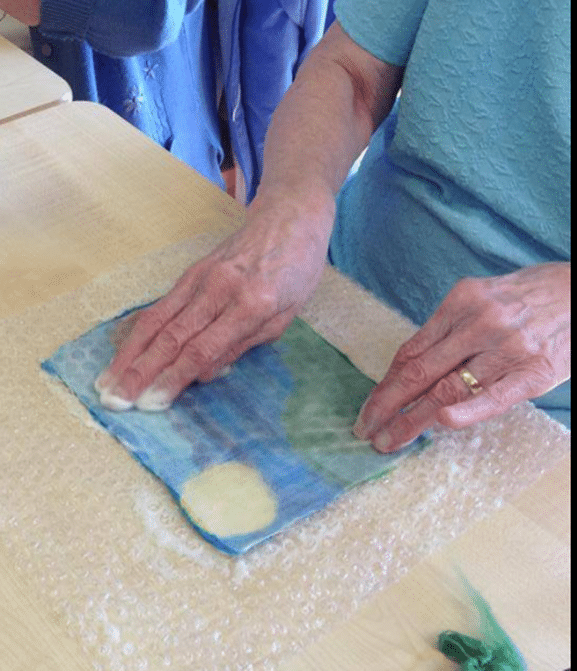
  1. Rub the bar of soap across the netting and use circular motions with your fingers to rub the netting to create suds. Keep rubbing until the fibre seems to stick together. This will take several minutes.
  2. Gently lift the netting and do a ‘pinch’ test. Grasp the felting between your finger and thumb and gently lift. The fibres should be starting to hold together, and not pull away individually.
  3. Gently slide the bamboo mat out from under the bubble wrap, and place it on the top of the netting. Flip the pile over and remove the bubble wrap.
  4. Roll the felt and mat up tightly and secure it with either fabric ties or elastic bands. You are now fulling the felt – finishing it and making it strong and smooth. Roll the bundle backwards and forwards on the table with your hands, 30 times.
  5. Unroll the mat, then turn the wool and net 90 degrees. Roll again 30 times. Repeat this twice more; unrolling, turning, rolling up and rolling 30 times. You will know when the felt is finished as it will be firm and will have shrunk by about 25% in size.
  6. Rinse the finished felt in tepid water until there is no soap. Dry your felt flat – it keeps the shape it’s in as it dries.
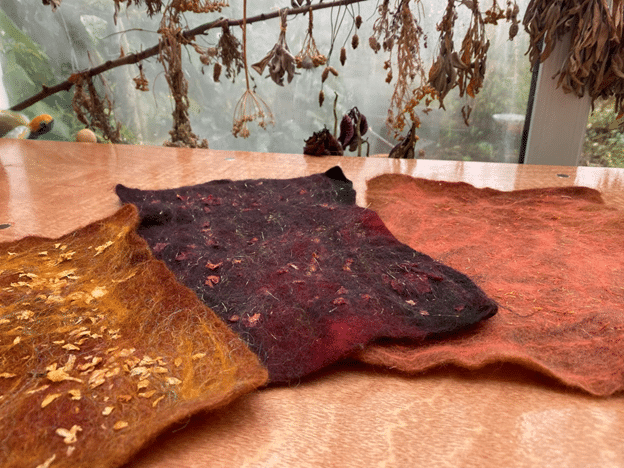
Wet felted pieces
Wet felted pieces; Enter the Wildwoods

Going Further with Wet Felting

Once you have learned the basics, there are many exciting things you can do to experiment with this versatile craft.

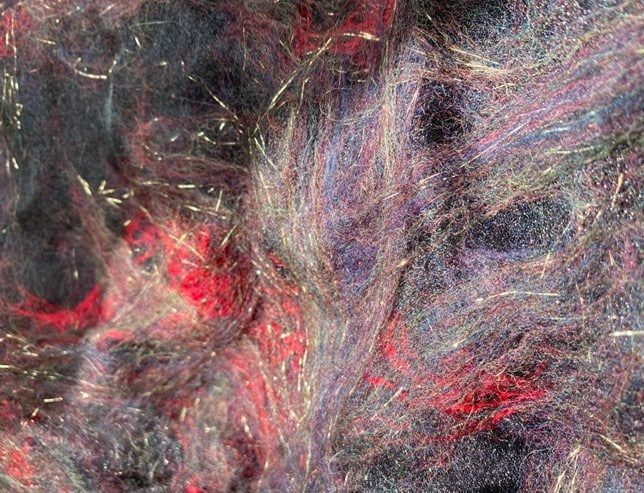
Silk, wool and angelina fibre on chiffon
Silk, wool and angelina fibre on chiffon; Enter the Wildwoods

Nuno Felting

Nuno felting is a wonderful wet felting technique that combines fine fabric such as an open weave silk or chiffon with a layer of merino silk fibre. The felting process makes the fibres migrate through the weave of the fabric to create a silky texture. Nuno felting makes luxurious wraps to wear for parties on warm summer evenings.

Cobweb Felting

Cobweb felting makes – as the name suggests – gossamer-light felt which is fabulous for a shawl or scarf to accessorise your outfits or give as a handmade gift.

Felting with a resist
Felting with a resist; Enter the Wildwoods

Resist

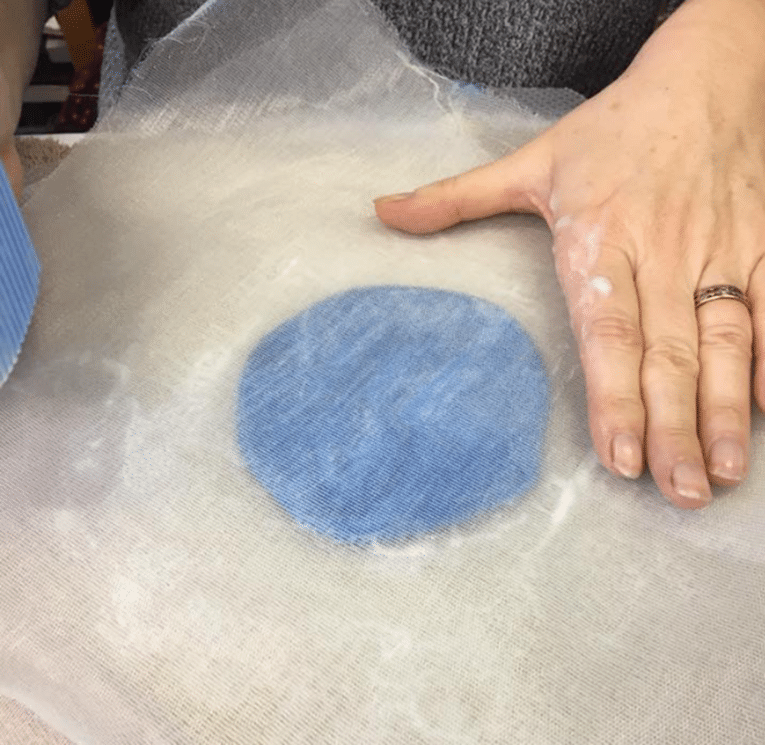
If you enjoyed wet felting, once you feel confident, try making a 3D object with a resist. Start with a small pod to see how it works. You use the same felting technique, but build up layers around a waterproof shape (for a pod, you would use a circle). The ‘resist’ is a barrier that stops fibres from bonding together. Resists can be made from old plastic bottles and packaging – it’s a great way to reuse and recycle!

Wet felted pod made with resist
Wet felted pod made with resist, Enter the Wildwoods

Shibori

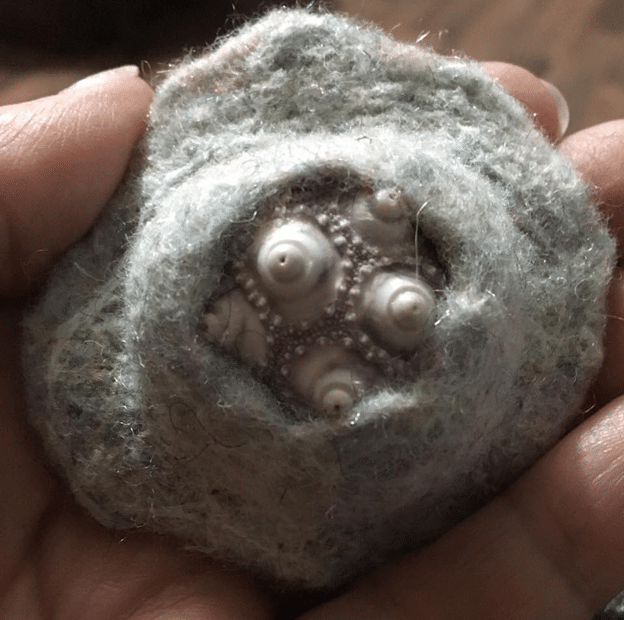
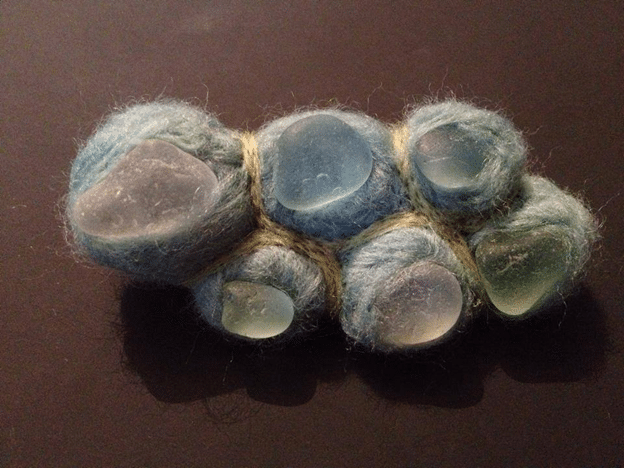
Shibori felting uses objects such as coins and marbles, tied in to half made felt to create a wonderful bubbled or cratered effect. This type of felting is experimental and fun, and amazing effects can be created for wraps, on 3D objects – or even jewellery.

Shibori technique to embed fragment of sea urchin in felt as a brooch
Shibori technique to embed fragment of sea urchin in felt as a brooch; Enter the Wildwoods

A Voyage of Discovery

Wet felting is a wonderful craft, where every piece you make is unique – it’s an exciting journey every time you work! It’s an inexpensive and simple craft to try – but be warned, it’s quite addictive once you get started, and you’ll never look at sheep in the same way again…

If you decide to experiment with wet felting, we’d love to see your work – so please share your photos and ideas here in the comments and on our Facebook page.

Shibori technique with sea-glass
Shibori technique with sea-glass; Enter the Wildwoods

Let’s Have a Conversation:

Have you tried wet felting yet? How did it go? What did you make? Did you encounter any challenges? What would you like to make, and would you like to see a ‘how to’ article to help you?

Read More

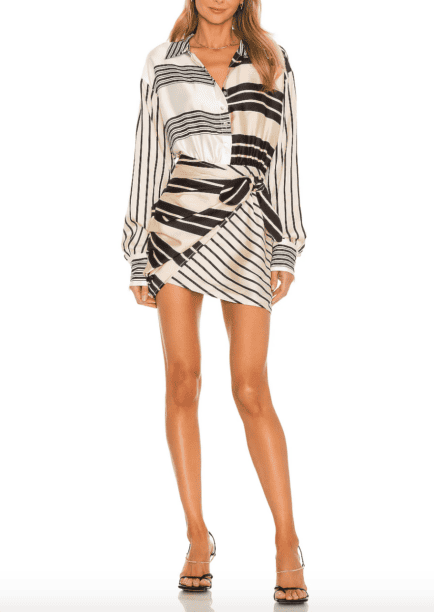
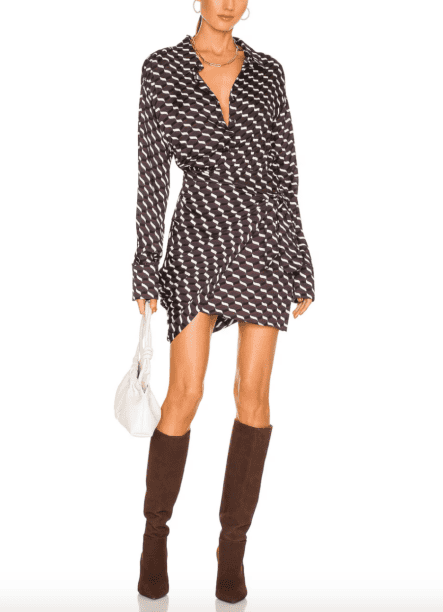
Tamra Judge’s Mixed Print Shirt Dress

Tamra Judge’s Mixed Print Shirt Dress / Real Housewives of Orange County Season 17 Episode 5 Fashion

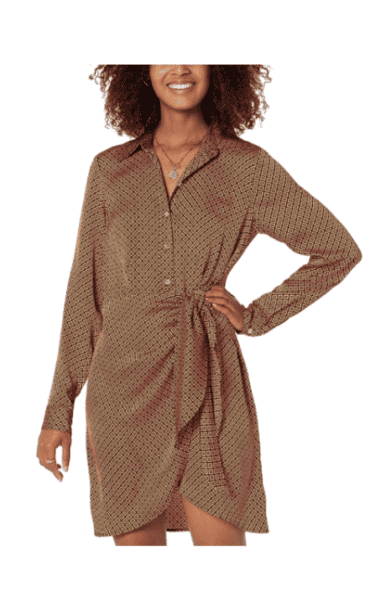
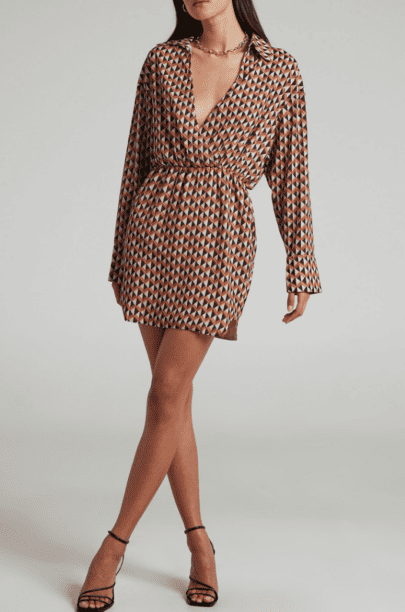
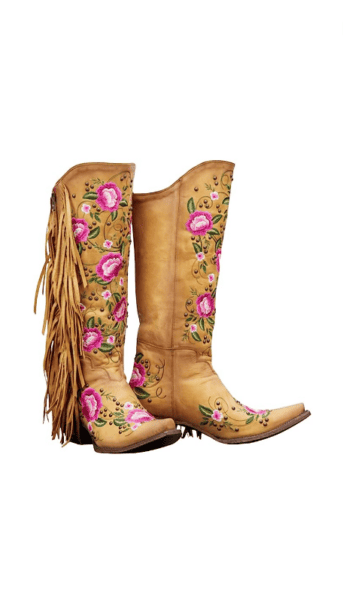
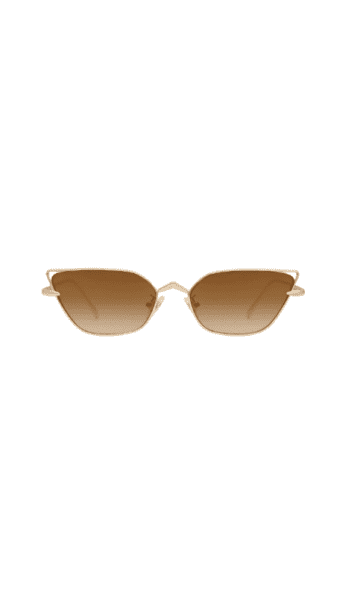
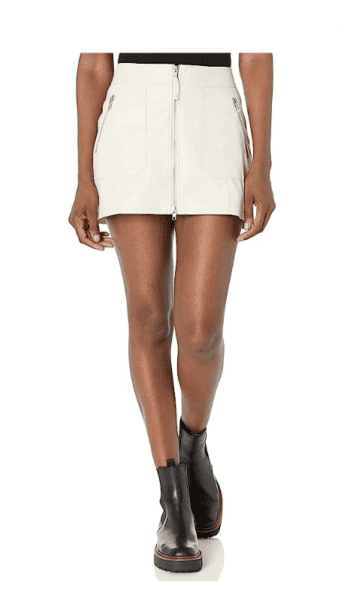
Okay so this is a terrible quality picture, but the mixed print shirt dress that Tamra Judge is wearing is def high quality style. And thankfully we can be like Tamra and take shots too by trying to take a shot at purchasing this dress. But even if you miss it there’s no need to build up resentment, because we still have some similar styles below!

Sincerely Stylish,

Jess


Tamra Judge's Mixed Print Shirt Dress

Style Stealers


Originally posted at: Tamra Judge’s Mixed Print Shirt Dress

Read More

Unlocking the Truth: Pilates Is for Everyone, Regardless of Age or Flexibility!

pilates flexibility

Pilates, a low-impact exercise method developed by Joseph Pilates, has gained immense popularity over the years due to its numerous benefits. However, there’s a common misconception perpetuated by the mainstream media – the notion that Pilates is exclusively reserved for young and flexible women. But let me tell you, if you believe this, you couldn’t be more mistaken!

Since Pilates is a low-impact exercise program it makes it a great fit for mature adults who are looking to build bone density, get stronger and ease joint pain. Pilates can provide a gentle yet effective fitness routine that enhances your overall well-being.

During my time as a Pilates instructor at a local seniors’ center, I had the privilege of witnessing the extraordinary popularity of Pilates classes among mature individuals. It was a testament to the effectiveness of Pilates that almost every Pilates class had a waitlist. The seniors at the center were well aware of the transformative power of Pilates and embraced it as an integral part of their wellness journey.

In this article, I will explore how to modify Pilates for mature adults, making it safe and accessible for this age group.

Pilates and Aging

Before diving into specific modifications, it is crucial to recognize the physical and physiological changes that occur as we age. Older adults often experience a decline in muscle mass, flexibility, balance, and bone density. Additionally, specific health conditions such as arthritis, osteoporosis, or joint pain can start to pop up with age. Understanding these factors is key to developing a safe and effective Pilates program for years to come.

Focus on Core Strength and Stability

In the Pilates world, we refer to the core as our powerhouse for a good reason. Core strength and stability are essential for older adults to maintain proper posture, balance, and functional movement. However, traditional Pilates exercises involving intense abdominal work or advanced movements may only be suitable for some aging populations.

Instead, emphasizing exercises that gently engage the core muscles, such as pelvic tilts, modified planks, bridges, and core work that doesn’t put too much pressure on the neck muscles is ideal.

Adaptations for Joint Health

Adults with joint issues, such as arthritis or limited range of motion, require modifications to avoid discomfort or injury. Replace exercises that put excessive stress on the joints with low-impact alternatives.

For instance, if you find kneeling difficult, opt for seated or standing variations of exercises. Utilize props, like towels or resistance bands, to provide support and reduce strain on joints during exercises.

Enhancing Mobility of Joints and Range of Motion

Maintaining mobility is vital to counteract stiffness and joint pain. Incorporate dynamic stretching exercises into your Pilates routine to improve your range of motion and prevent muscle tightness. Gentle stretches for the hamstrings, hip flexors, shoulders, and spine can be incorporated into a Pilates workout to promote flexibility and reduce the risk of injury. Overall, gentle mobility work is very healing for your joints. Remember: movement is medicine!

Incorporating Balance and Fall Prevention

This is one of my favorites! It’s the unsung hero of Pilates that sets you up for success in your everyday activities.

Balance training is crucial for anyone over the age of 40 as it prevents falls, which can have severe consequences as we age. Integrating balance exercises into the Pilates routine has been proven to improve stability and proprioception. Examples include standing exercises with a focus on weight shifting, heel-to-toe walks, or modified single-leg movements. Ensure to provide proper support, such as a chair or wall, when necessary.

Modifying Pilates as we age is essential to ensure safety and accessibility while reaping the benefits of this remarkable exercise method. By understanding the unique needs of mature adults and adapting exercises accordingly, we can provide a safe and effective Pilates program that promotes core strength, joint health, flexibility, balance, and overall well-being.

Always remember to consult with healthcare professionals and certified Pilates instructors experienced in working with older adults to design a personalized program that suits your specific needs. With proper modifications and a focus on individual abilities, you can enjoy the numerous benefits of Pilates and maintain an active and healthy lifestyle for years to come.

Let’s Have a Conversation:

Have you ever tried Pilates? What are the benefits you have experienced from a regular Pilates practice? How does Pilates compare to other forms of exercise in terms of its benefits and what sets it apart?

Read More

Want to Become an Entrepreneur in Retirement? Here Are 5 Important Points You Should Consider

Become-an-Entrepreneur-in-Retirement

Many of us are turning our hands to starting a small business to supplement retirement income. This will probably pose no problems if you have been an entrepreneur previously – though few entrepreneurs retire!

It is those who have dedicated their working lives to the corporates that might have difficulty with changing their mindset.

Having spent more than 20 years as an entrepreneur, I would like to look back on some of the things I feel one needs to be aware of when making the shift from corporate employee to entrepreneur.

Becoming an Entrepreneur Requires a Shift in Mindset

An entrepreneur tends to see everything as an opportunity to be explored or exploited. The employee, on the other hand, works for the good of the company or to satisfy the requirements of an employer. This involves, in many cases, toeing the line or adhering to company norms.

Entrepreneurs usually see the end goal and minimise the obstacles and limitations, whereas the employee is given the company goal and is asked to focus on how to get there.

Ring-Fence Your Retirement Finances

Do not pour your retirement savings into starting a new business. If you need to use some of your retirement capital, structure your company so that debtors cannot get to the rest of your carefully saved retirement funds.

When you are just starting out, that might sound rather negative, but it is foolhardy to risk your retirement savings when you no longer have the time to build them up again.

Time Is Money

When we start out, we tend to do everything ourselves. As the business begins to grow, many entrepreneurs forget that doing everything themselves will lead to burnout.

It is usually cheaper to pay an expert to do certain jobs that you would struggle with due to lack of expertise. For example, if you have never before done any book-keeping, it would save you time and money to pay someone to look after the financial side of the business.

Stay True to Your Values

Our value system is like a compass, if we are aware of what we regard as important, we can use this to steer us in the right direction. Our parents, schooling, and religion play a large, though far from finite, role in forming our values’ structure.

Recently I hit an impasse in my business progress. When I pulled out my values’ structure, I realised that I was not being true to what I value in life and this was at the root of my problem.

The starting point, however, is knowing what you value. There are many suggestions on the Internet to help you draw up a list.

You Cannot Ignore the Internet

Many boomers have slipped through in the shallow waters before the wave of connectivity hit the world and are afraid of the Internet because they do not understand it. Unfortunately, the saying “when in Rome, do as the Romans” could not be more true for this aspect of business.

These days as an entrepreneur, it is almost impossible to survive without some kind of presence on the web – if not a website, then a Facebook or Linkedin page.

I have written a couple of articles on the value of digital marketing, you can refer back to them for guidance.

Telephone directories are diminishing, and print adverts are few and far between. More often than not, if clients want to find you, they will go to the Internet!

Therefore, Be Prepared!

These are some of the first things that come to mind when I think about the adjustment of becoming an entrepreneur.

Successful entrepreneurs tend to be those who take calculated risks, step outside of their comfort zone, and have a clear idea of what they want to achieve.

If this is not you, it does not mean you should not start your own business, it simply means you need to define your product carefully and draw up a detailed description of your target market and start small.

Baby steps are important. Building on each completed stage to grow your business slowly will go a long way to diminishing the risks.

Let’s Have a Conversation:

If you were to start your own business, which niche would you choose? Do you have expertise in that field and how did you acquire it? What do you think you will need to change about your mindset in order to succeed as an entrepreneur? Please share your thoughts below.

Read More