Month: August 2023

How to Embody Your Worthiness After 60

embody your worthiness

At each stage of life, we adopted specific beliefs, traits, and behaviors to adapt to different people, environments, and circumstances.

Where did these beliefs, traits, and behaviors come from?

In most cases, they were passed down to us from previous generations and authority figures in society as a roadmap to live happily ever after.

Unbeknownst to us at the time, a majority of these beliefs, traits, and behaviors were rooted in a disempowered mindset.

This mindset may have prompted us to work extra hard to achieve our desired outcomes, but in the end, a disempowered mindset limits our capacity to be truly fulfilled.

How is this relevant to your desires being met after 60?

A Repetitive Cycle of Unfulfillment

If you did not uncover and remove the root cause of earlier struggles with unworthiness, a repetitive lack of fulfillment in life will follow you well into your 60s.

To stop this cycle requires that you embody the worthiness to be, do, and have your desires fulfilled.

But how do you do this if you are unknowingly living your life through a disempowered mindset?

In this article and accompanying video, I am going to answer that question as I share with you how to embody your worthiness by becoming aware of a disempowered mindset.

This is the third of a six-part series titled, 5 Simple Steps to Being What It Is We Seek.”

What Is a Disempowered Mindset?

A disempowered mindset keeps you stuck in a repetitive cycle of permission-driven self-worth. It is where your worthiness is directly tied to other people’s permission and approval for you to feel loved, happy, and fulfilled.

A disempowered mindset comes from focusing on being the person others want you to be, rather than embracing who you are and confidently embodying that.

When you try to live up to other people’s expectations or you privately demean yourself based on people’s negative opinions of you, you are disempowering yourself.

In these instances, your sense of worthiness and value are diminished. As a result, you place more stock in the negative stories of your inner critic than you do in believing the loving and nurturing voice of your true, authentic self.

How or where did so many people from our generation unknowingly adopt a disempowered mindset?

Mirroring and Projecting

From the time we were children, and well into our adulthood, we observed the beliefs, traits and behaviors of everyone from highly successful people to those who were routinely depressed and angry.

Along the way, each of us unconsciously processed, adapted, and merged the beliefs, behaviors, and traits we picked up into what would become our go-to behaviors for getting our desires met.

Unfortunately, for many of our generation, even when our desires were met, being fulfilled remained frustratingly elusive.

The reason is that most of the people you observed from childhood to adulthood were likely operating under a disempowered mindset. This meant you were unknowingly attempting to get your desires met through limiting beliefs.

Since few of us were ever taught to understand what a disempowered mindset consisted of, how could any of us have known?

Therefore, without realizing how your desires may have been unconsciously sabotaged at earlier stages of your life by a disempowered mindset, you could easily believe your innermost desires after 60 are not feasible.

Easier Than You Think

To replace a disempowered mindset with an empowered mindset begins with accepting your value and worthiness is no longer dependent on other people or outside gratification.

Nor is your well-being and fulfillment today defined by how you used to get your desires met in the past.

Acknowledgment and embodiment of unconditional worthiness of your innermost desires after 60 comes down to being responsible for how you feel.

Sounds easy enough, right?

You may think you take responsibility for how you feel. But consider how often you look to blame other people, world affairs, or even past experiences for the state of your emotional being.

This brings us to one of the keys to unlocking an empowered mindset after 60. It is doing away with the limiting belief that being constantly busy and sacrificing your fun is the sure-fire path to fulfillment.

This may have seemed to work early on in life. But not so much today.

Achieving your desires now has less to do with a flurry of activity and more to do with being responsible for how you feel. This means reclaiming your power to choose the life you desire by accepting that your emotional state of well-being is 100% your responsibility.

To arrive at that point may require a slight re-adjustment of your daily activities. Taking quiet time to meditate, journal, and contemplate your desires and what specific beliefs, traits, and behaviors will be required to fulfill them is incredibly important.

With that in mind, I’m here to remind you that not only are your innermost desires after 60 feasible but having them fulfilled is easier and more enjoyable than you may think.

To further help you with that, in the next article and video of this series for Sixty and Me, we will focus on step four of being what it is you seek, “Be Responsible for How You Feel.”

In the meantime, join me in the video where I will share additional insights on getting rid of a disempowered mindset. To help you integrate what you are learning, I will guide you through an empowering three-part action item.

Let’s Have a Conversation:

Are you feeling disempowered and unfulfilled in your 60s? Why do you think that is? What is the root cause, in your opinion?

Read More
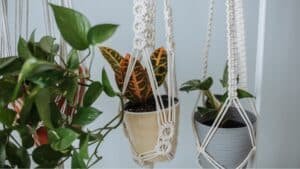
How to Make a Macrame Plant Hanger

macrame plant hanger step-by-step guide

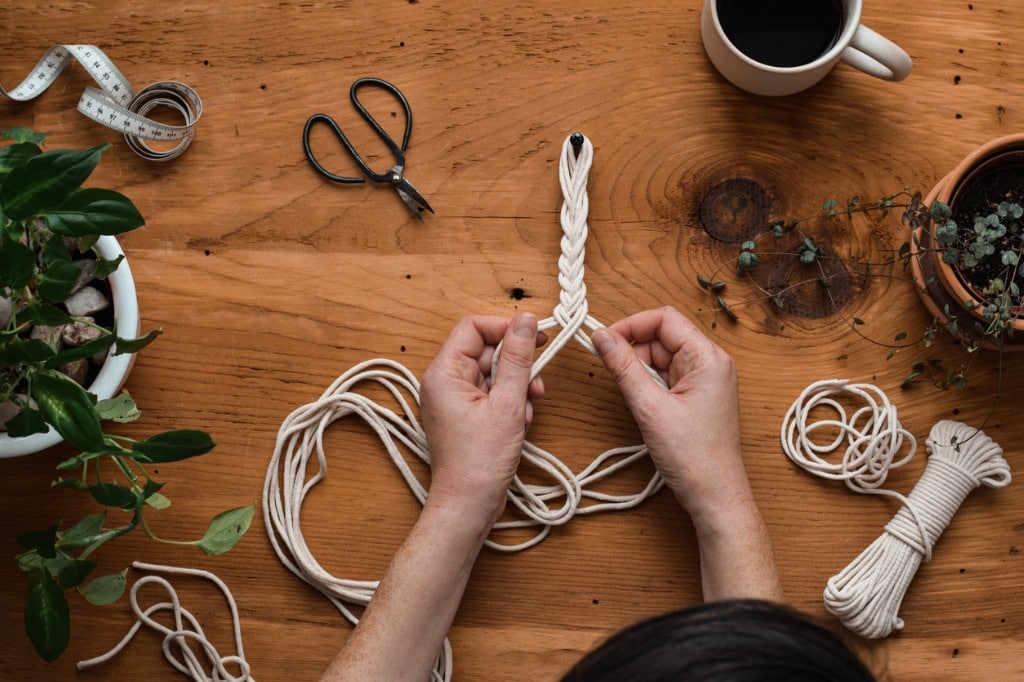
Macrame, an ancient craft of knotting, has made an amazing comeback in the last few years, enchanting DIY enthusiasts with its bohemian flair and endless possibilities. In this comprehensive step-by-step guide, I will unveil the magic of macrame and show you how to make a stunning plant hanger that effortlessly blends nature with art.

So, grab your crafting tools, unleash your creativity, and let’s dive into the world of macrame to create a unique and eye-catching plant hanger!

Necessary Materials

Before we start knotting, make sure you have the following materials:

  • High-Quality Macrame Cord: Opt for a soft, durable cord like cotton or jute with a thickness of approximately 4 mm. Ensure it can hold the weight of your chosen plant pot and provide long-lasting support.
  • Sturdy Wooden Ring or Metal Hoop: Select a 2.5 to 3-inch diameter ring to anchor your macrame plant hanger. This ring will hold your creation securely and add an aesthetic touch.
  • Trusty Scissors: A sharp pair of scissors makes cutting the cord a breeze and ensures precision.
  • Measuring Tape: The key to achieving a balanced and symmetrical design lies in precise measurements. Your measuring tape will be your trusty companion throughout your macrame journey.
  • Potted Plant: Choose a potted plant that complements your aesthetic and will fit in the hanger once complete.
  • S-Hook or Ceiling Hook: To ensure a secure display, use an S-hook or ceiling hook to hang your macrame plant hanger.

Once you’ve gathered your supplies, you are ready to start working on your first macrame plant hanger. Let’s go!

Step-by-Step Process

Step 1: Measure and Cut the Macrame Cord

To begin, cut 8 pieces of cord measuring about 4 yards in length. Feel free to adjust this length based on your desired hanger length. If you have high ceilings, you may need longer cords to ensure your plant hangs in the right place. Fold each rope in half, ensuring they are equal in length.

Step 2: Create the Top Loop

Hold your wooden ring or metal hoop in one hand, and gather all 8 cords together in your other hand. Now, create a loop by passing the folded end of the cords through the ring and pulling the ends through the loop, securely fastening the ropes. This loop will be the foundation for hanging your macrame plant hanger, so make sure none of the cords are loose.

Step 3: Begin Making Square Knots

Divide the cords into four groups of two, and you’re ready to begin creating square knots with each pair. Here’s how to make a square knot:

  • Cross the left cord over the right cord.
  • Pass the right cord behind the left cord and through the loop you created on the left side.
  • Gently pull both cords to tighten the knot.
  • Now, cross the right cord over the left cord.
  • Pass the left cord behind the right cord and through the loop on the right side.
  • Once again, pull both cords to tighten the knot.
  • Repeat with each group of two cords until you’ve made a square knot for each group.

Step 4: Make a Gathering Knot

With the square knots in place, create a gathering knot by tying a simple knot using all the cords. This gathering knot will provide a beautiful transition from the loop to the main body of the macrame hanger.

Step 5: Start Shaping the Hanger’s Body

It’s time for the fun part!

Shaping the body of your macrame plant hanger defines your creation’s overall look and style. This stage of the process allows you to unleash your creativity and experiment with various knot combinations to craft a unique design.

Determine Length

Before proceeding, decide how long you want to make your macrame plant hanger. Opt for a shorter hanger for a simpler look, or go bold with a longer one for more visual impact. Use your measuring tape to ensure the cords are the right length, and feel free to trim them if necessary.

Start Knotting Rows

To shape the hanger’s body, continue knotting rows of square knots (or experiment with other decorative knots) below the gathering knot. Playing with alternating square knots, half-square knots, or diagonal knots adds texture and complexity to your design.

Of course, you are free to use square knots exclusively to keep things simple. It’s a great way to practice the basics if you are new to macrame.

Once you’ve reached the point where you want the pot to sit, it’s time for the next step.

Step 6: Create the Pot-Holding Knot

When your hanger’s body reaches the desired length, it’s time to create a pot-holding knot. To do this, simply tie all the cords together securely. There’s no specific type of knot required!

The pot-holding knot will keep your plant pot snuggled in place, ready to bask in the sunlight. Ensure the pot-holding knot is strong and secure, as it will bear the weight of your cherished plant.

Step 7: Adding the Finishing Touches

With the main structure complete, it’s time to add creative flair to your macrame plant hanger. Trim the ends of the cords to your preferred length. For an artsy touch, consider creating a beautiful fringe by cutting the cords at different lengths. Alternatively, you can add wooden beads, seashells, or colorful feathers for an earthy, bohemian vibe. Embrace your unique style and preferences as you infuse your macrame creation with personality.

Step 8: Display Your Green Companion with Pride

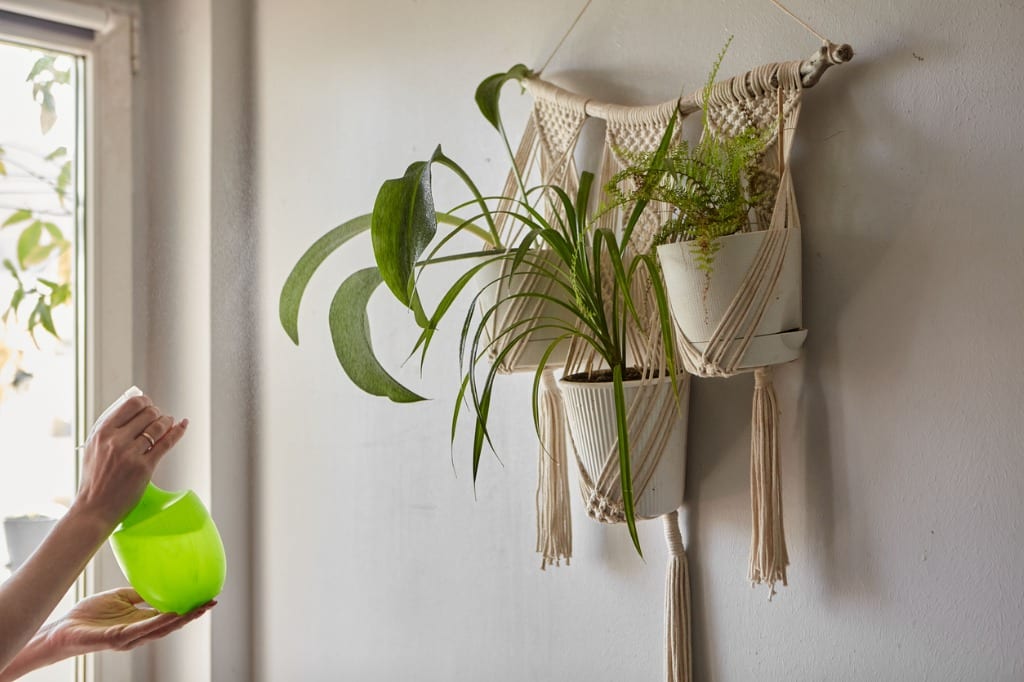
Securely nestle your plant pot in its new macrame home, and hang your masterpiece in a special spot in your home. Use an S-hook or ceiling hook to suspend your macrame plant hanger from the ceiling. You could also use a wall hook or a sturdy curtain rod.

Congratulations on crafting your very own macrame plant hanger! You’ve unlocked the beauty of macrame and transformed simple cords into an artistic and functional creation. Embrace the spirit of creativity as you explore new knotting patterns, cord colors, and plant pot sizes to create a diverse range of macrame plant hangers to infuse your living space with warmth and character.

So, let your imagination run wild, and immerse yourself in the gratifying art of macrame. Happy knotting!

Let’s Have a Conversation:

Will this be your first macrame piece? If you’ve done macrame before, what’s your favorite knot? What other projects have you created or would like to try out? Any tips for newbies?

Read More

What Should Your New Love (and You!) Bring to the Relationship?

new relationship

When you start dating someone new, often the initial spark takes over. But for the relationship to hold, and to bring happiness and joy, both parties must put their best foot forward.

Clients and potential clients ask me these questions constantly: What should I bring to the relationship? What should I expect my partner to bring to the relationship?

I realize some of you never want marriage, but a long-term relationship. I’ve had clients who had told me they’d never marry again. Then, voila! A year later, I get a wedding photo or a wedding invite!

Whether you want to date, have a long-term relationship or marriage, both parties need to bring certain qualities to make a relationship sound and happy.

Running a dating consulting service for well over 25 years, I’ve realized there are certain things a potential mate does that makes them worthy of the other’s love and a long-term commitment. If they don’t, I suggest we move on as we have a very big sea full of great men and women. (BTW, if I had a dollar for every man who asked me “Are there really any good women out there? I assume they are all married,” I would be very well off.)

I also like to provide the hard-core stats – there are 128 million singles in the US alone. You are single, right? And a wonderful catch for a lucky man? So, let’s see what a partner can/should bring to the relationship:

Prioritizing Health

It doesn’t mean either of you need to be a triathlete. However, taking care of oneself is important. Exercise and healthy eating habits are important. You don’t want to be the caretaker of someone who is only 50, 60 or 68, right? Of course, this goes the other way around as well.

Giving with No Expectations

That’s amore! Keeping track of what you did for him and what he did for you will never work. Now, this doesn’t mean it’s a one-sided relationship with one partner doing all the giving either. It means caring and giving with your heart and not keeping count.

Respecting Each Other’s Careers/Occupations

He may make more money than you or travel more for his career. He may have two Ph.Ds., and you have a four-year degree. If you both enjoy your professional life and hobbies, that’s what adds joy to a relationship.

Being Fully Supportive

No, I don’t mean financially. The vast majority of my clients want to date someone with the same financial stability and ability to pay for things on their own. Supportive means providing encouragement, practicing empathy. You give help when they need it, and it is reciprocated.

Being Considerate Where Large Decisions Are Involved

If you are in a relationship, and one of you gets an exciting job offer elsewhere, or wants to move closer to children/grandchildren, oh yes, absolutely this is something you need to discuss as it affects both of you.

Married or living together? Home improvements should definitely be discussed beforehand. After all, you are both going to have to live with the result (and enjoy it!).

Finding Inspiration in Each Other

You admire each other! He has new plans for travel that you’d never thought of. You come up with a new sport for the two of you. You have different traits and that is something I know from my own relationship.

I admire his analytical mind and organizational skills. He admires my ideas and outgoing nature. We both inspire each other. Now I put things back in the correct places in the fridge as he takes the time to keep it neat and organized!

Taking Responsibility for Mistakes

This is big, friends. No one is perfect. Two words are crucial in a relationship: I’m sorry.

Honoring Each Other’s Boundaries

You may like quiet time in the morning to meditate. He may like tennis and drinks with friends twice a week. A relationship does not mean you are joined at the hip, so set your boundaries early on.

Keeping the Spark Alive

Both of you take responsibility to keep the fires burning. Passion is important. One of my clients just gave her 3-month boyfriend a massage kit with a sweet note to save Fridays at 5pm for a massage. (No, she’s not a masseuse).

Another gave her boyfriend a set of sateen sheets – he was thrilled. A male client asked my advice – he sent me four cute photos of negligees from Nordstrom and asked me which one I thought she’d like. The reason for the gift: none at all!

Integrity

What a loaded word. Without it, a strong, stable relationship is impossible. It’s the quality of being honest, having strong moral principles, behaving ethically even behind closed doors. I like this definition of five attributes of integrity: follow a set of examples, be truthful, help others, lead by example, and take responsibility.

If your partner is missing some of these attributes/habits, and they are important to you, think about why you settle and is it worth it.

Let’s Have a Conversation:

What do you do to keep the spark alive? How do you keep healthy? Are you good at discussing boundaries? Or do you view this as conflict?

Read More

Lesson 16 – Reading and Playing Dotted Notes

piano lesson meaning of the dot

I’m currently reading a great book called Atomic Habits by James Clear. In a chapter entitled, “The Best Way to Start a New Habit,” Clear cites a large study showing that people were most successful in engaging in activities such as exercising when they formed an “implementation intention,” such as this:

“During the next week, I will partake in at least 20 minutes of vigorous exercise on [DAY] at [TIME] in [PLACE].”

Clear states: “Hundreds of studies have shown that implementation intentions are effective for sticking to our goals” of all kinds, including piano practice (of course, you knew where this was going 😉).

Clear also talks about “Habit Stacking” in which you pair two habits:

“After I pour my cup of coffee each morning, I will meditate for one minute.”

I love reading about strategies that explain how we can turn our goals into habits, because I know that once we form a habit we are more likely to stick with it, and I have several activities for which I want to improve my skills.

I am only on Chapter 5, but I will continue to share Clear’s findings in future lessons if I think they might be of use to you. When you think about it, our daily habits and rituals make up a large part of who we truly are.

[NOTE: If you are just joining us for the first time, you can find my previous Sixty and Me Free Piano Lessons on my Author page. You can join our lessons any time!]

16.1 Dotted Notes p.54-55

You have been playing dotted half notes, but what does the dot actually mean? Today I talk about the dots you see to the right of notes. A dot increases the note by half of its value. In the video below, I demonstrate how to play the dotted quarter notes you see in Trumpet Tune, in our Upper Hands Piano, BOOK 1 on p.54.

Dotted quarter notes are usually followed by eighth notes or eighth rests, because together they equal 2 beats. Dotted quarter notes are held for 1½ beats, and eighth notes or rests are held for ½ beat:

16.2 Trumpet Tune p.54

If you are ready to start playing Trumpet Tune, watch my video to help you hear the rhythm, and count the beats:

16.3 Chord Calisthenics #3

Today we are starting Chord Calisthenics #3. Play each triad as a major chord, then a minor, then back to the major again, with each hand. You will do just the first 4 keys for now, but I am demonstrating all 12 keys (alternating hands) here:

16.4 Rhythm Review p. 53 lines 4-7

For the next two weeks, you will finish up the Rhythm Review on p.53. For the first week, try playing and counting lines 4 and 5. Notice that line 4 is in 4/4 time, so that there are 4 beats per measure. Line 5 is in 3/4 time, with 3 beats per measure. After playing and counting lines 4 and 5, try putting words to the rhythms.

In your second week, play lines 6 and 7. Notice that line 6 is in 2/4 time, and line 7 is in 3/4 time. For these two lines I have asked you to write the counts under the notes, then also come up with words to go along with the rhythms.

Passion Practice!

  1. Exercise #3 in D-flat (review) and A-flat (new). Play each exercise 3 times: 2x Forte (loudly) then 1x Piano (softly) with each hand. Use the PENTASCALES chart at the back of the book if you are not sure of the hand positions for F# and D-flat. Review Ex #3 in C, G, D, A, E, B and F# when you can.
  2. Chord Calisthenics #3 – This week you will start Chord Calisthenics #3! Play the major, then minor, then major triads in C, G, D and A.
  3. Rhythm Review p.53- lines 4-7
  4. Trumpet Tune p.54 – Play and count the beats as written, very slowly. Once you feel confident that you understand the rhythm, play a little faster without counting.
  5. Do the Musical Math on p.55 (check your answers here).
  6. Optional: If you subscribe to my blog you can also play Gershwin’s song, ‘S Wonderful, my August free sheet music giveaway. Download and print the “easier” arrangement and feel free to write in letters next to any notes you haven’t yet learned. You can omit some of the left-hand notes, or even play just the right hand. There is a demonstration video on the post.

Sometimes when I am practicing my French, the thought comes into my mind, “I will never get this! It’s just too hard! Why am I even trying?” Then I remind myself that I have had that thought before, when confronting something difficult in my French Lessons. I tell myself that I will get it eventually if I keep studying, just as I have before. I remember that I have set French fluency as an important and beloved aspiration, so even if I doubt my ability, I will keep my resolve.

Let’s Have a Conversation:

What strategies or affirmations do you use to keep moving forward when you encounter something very challenging in your piano (or other) practice?

Read More

Revolve Under $100 Fall Picks and More

Revolve Under $100 Picks and More

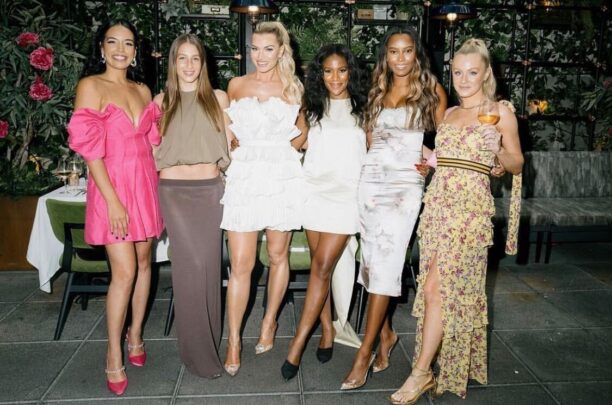
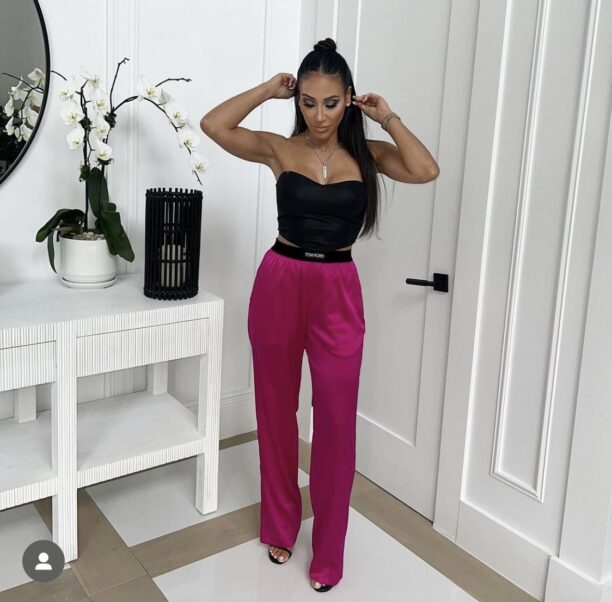
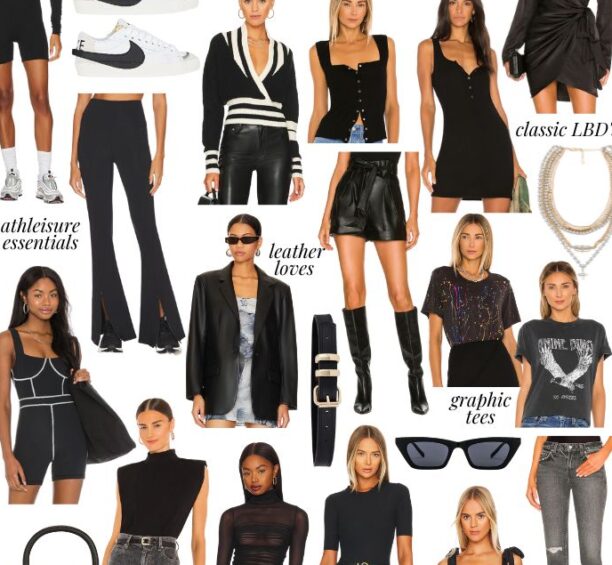
Like our favorite Bravolebs we love shopping at Revolve. And as I was doing a little bit of shopping for my own Fall wardrobe refresh (even thought it’s still literally 103+ degrees still 🥵) I noticed that this fall they’re really bringing it with this season’s essentials. And even better the amount of cute under $100 picks is major right now! So I’ve rounded up my favorite under $100 picks, fall sweaters and our Best Sellers to share before there’s a chill in the air … which hopefully comes sooner for you than it’s looking like for me.
The Realest Housewife ,

Big Blonde Hair


!function(d,s,id)
var e, p = /^http:/.test(d.location) ? ‘http’ : ‘https’;
if(!d.getElementById(id))
e = d.createElement(s);
e.id = id;
e.src = p + ‘://widgets.rewardstyle.com/js/widget.js’;
d.body.appendChild(e);

if(typeof(window.__moneyspot) === ‘object’)
if(document.readyState === ‘complete’)
window.__moneyspot.init();

(document, ‘script’, ‘moneyspot-script’);


JavaScript is currently disabled in this browser. Reactivate it to view this content.

Click the Collage Images to Shop

!function(d,s,id)
var e, p = /^http:/.test(d.location) ? ‘http’ : ‘https’;
if(!d.getElementById(id))
e = d.createElement(s);
e.id = id;
e.src = p + ‘://widgets.rewardstyle.com/js/widget.js’;
d.body.appendChild(e);

if(typeof(window.__moneyspot) === ‘object’)
if(document.readyState === ‘complete’)
window.__moneyspot.init();

(document, ‘script’, ‘moneyspot-script’);


JavaScript is currently disabled in this browser. Reactivate it to view this content.

Click the Collage Images to Shop

!function(d,s,id)
var e, p = /^http:/.test(d.location) ? ‘http’ : ‘https’;
if(!d.getElementById(id))
e = d.createElement(s);
e.id = id;
e.src = p + ‘://widgets.rewardstyle.com/js/widget.js’;
d.body.appendChild(e);

if(typeof(window.__moneyspot) === ‘object’)
if(document.readyState === ‘complete’)
window.__moneyspot.init();

(document, ‘script’, ‘moneyspot-script’);


JavaScript is currently disabled in this browser. Reactivate it to view this content.

Click the Collage Images to Shop


Originally posted at: Revolve Under $100 Fall Picks and More

Read More