Month: September 2023

Looking Backwards: Nostalgia or Reflection?

looking backwards with nostalgia or reflection

Do you ever find yourself caught in a repetitive mental loop of nostalgia? It is not uncommon, with more time on our hands, to relive our careers or past challenges from our personal lives. Some memories are quite horrifying, but the sum of these experiences is what has delivered us to this unexpectedly extraordinary moment.

Crossing over to retirement is the ceremonial exit from the tasks of youth: striving and constantly reinventing the self. Appearances and being rooted in the material world are primary in this earlier time. Making the transition to a wiser, more mature stage in life includes a different agenda: developing a more steadfast self, reevaluating the meaning of one’s life, and turning inward, rather than focusing outward.

Reminiscing Isn’t Just for the Retired

The idea of looking backwards is not solely reserved for the retired. Such pursuits are common throughout the life cycle at milestone birthdays, change of seasons, moves to a new home, or changes in employment.

There is often an emotional connection to the past when things start changing. There is the undeniable desire to hold on to the familiar when the ground starts shifting. We need a coping mechanism. The transition to retirement, however, throws a spotlight on this process, and might take up a lot of band-with during waking hours and while dreaming.

Looking Backwards Is a Genuine Task in Maturity

Carl Jung, the Swiss father of analytical psychology, mined this area in his “old age to do list”: The Seven Tasks of Old Age. They include facing the reality of living and dying, conducting a life review, defining life realistically, letting go of ego, finding a new rooting in the self, determining the meaning of one’s life, and death and spiritual rebirth.

Wouldn’t you agree that this is quite an ambitious, if not impossible, list for most? Items cannot be checked off this list without some serious contemplation of the past. This will require significant time and effort.

Nostalgia vs. Reflection

There are two paths to these overwhelming and profound tasks: nostalgia and reflection. Keep in mind that the tasks unfold naturally, but not the process we choose. This is not a Robert Frost Road Not Taken moment. There will be excursions down both roads for a long time, until one path is chosen. The outcome of this choice can have a significant effect on the quality of the later years.

It has been my experience that retirees who are not accustomed to self-reflection operate in the nostalgia mode. This can be ok when life is spent with friends and family who shared the same decades. It is not an effective communication style when paths cross with younger people. An emphasis on nostalgia can keep one stuck in a time that will never return.

The Dark Side of Nostalgia

Surprisingly, most of us do not really have many negative connotations for the word “nostalgia.” It is commonly viewed as a wistful longing for the past, a time with positive personal connections. How could looking back on the best times of our lives harm us? After all, these were times of comfort with pleasant memories, and they can be summoned up at a moment’s notice.

However, the Greeks knew nostalgia was a minefield. The very word comes from “nostos,” meaning return (ok so far so good) and “algos” (suffering). There it is. Although it is tempting to affirm our best selves, and to use these memories to provide continuity in our lives, and comfort during the stress of retirement, nostalgia is not the path that will move us forward. We still have a good number of years to live, if we are lucky, and need a new perspective, not a rehash of the familiar.

By clinging to one’s identity as a mother of young children, romantic events, music, and clothing of another era, a professional identity, and all other iterations of the “past you,” the mind is populated with things that have already transpired. These things take away from the present moment, where anything is possible. The idea is to hold on to memories that have the power of propulsion and to let go of things that encourage stasis.

Looking backwards as a default setting is also a highway to unresolved issues, unfortunate events, painful life lessons, and those deep hurts that still lurk. That is where the concept of “reflection” comes in. Retirement is a time to process these fiends to make room for the unique opportunities that lie ahead. This has been termed “reflective nostalgia.”

Moving on with Mindfulness and Reflection

Being locked in the nostalgia of only the positives of one’s life is a growth-stunting arrangement. Think of a plant with pot-bound roots. It’s time for replanting into a different container. This will be very difficult if one cannot let go of expectations of how things should be or the need to be right. There will be the need to let go of an old identity to begin building a new one, and all at an advanced age!

There Will Be a Need to Replace Pain with Forward Motion

Are there any strategies for this essential work? The field of mindfulness, once again, offers help. Try to create physical distance from thoughts of the past. Use a mental stop sign when the mind wanders into the past too often. Practice self-care. Forgive and stay present.

A workshop leader for seniors in nursing homes also has some excellent suggestions: Consider passing your life story down to the next generation. At the very least, contemplate your most important accomplishments, the time you felt the most alive, and your hopes for the future. Be sure to include yourself in those wishes!

Let’s Have a Conversation:

Are most of your relationships in life based on nostalgia for the past or shared prior experiences? Have you been able to establish new connections with people or activities in this new stage of life?

Read More

Why Traveling with Your Grandchildren Is a Great Bonding Experience

traveling-with-grandchildren

Have you tried traveling with your grandchildren? If you haven’t, my husband and I heartily recommend the experience!

In recent years, multigenerational travel has become a growing market. An emerging subset based on this is grandparents and grandchildren are taking trips together, leaving the parents at home.

My husband and I are quick to attest that such trips are great bonding experiences filled with wonderful memories. Good planning is the key.

Family travel was an important part of our children’s lives as they were growing up. It just seemed natural to continue the tradition as grandchildren came along. We feel fortunate that all six of our grandchildren live within an hour of us, so we are together often. As a result, they’re accustomed to spending weekends or overnights with us.

Winter holidays in Florida with us frequently involved their parents going off for a few days on their own. The parents thought they were the lucky ones, but we knew that we were! We loved having the grandchildren all to ourselves and the young ones appeared to feel the same.

Traveling with Grandchildren

Our grandkids have always been curious about the frequent travels of Nana and Jiddo (Syrian for Grandpa). They’ve wanted to know why we spend so much time in Europe. Maps and globes have been regularly consulted. They even like seeing our photos. Well, maybe not all of the photos.

As the young ones have matured, our travels with them have changed in scope.

Our two teenage granddaughters flew to Nice, France with us, and we spent a very special week in nearby Antibes. They know the Côte d’Azur is virtually a second home. They were as thrilled to visit many of our favorite haunts as we were to take them. They were delightful, interested, appreciative and great fun!

Our oldest granddaughter also spent a busy week with us in Antibes. Then she met up with us again in Vienna, along with her younger brother. More unforgettable memories were made.

It was such fun to watch our grandchildren enjoy and appreciate the culture, the cuisine, and just hang out together. They were also a big help with luggage and gave us lessons in using our iPhones, taking selfies, and figuring out Snap Chat and Uber.  

Our two youngest are eagerly anticipating their turns to visit Europe with us. We can’t wait too! In the meantime, we will keep having winter fun in warmer climes with them along with the odd weekend at a hotel in downtown Toronto.

A Few Words About Planning

Once the destination is decided upon, get some travel brochures and library books about the area for the younger children. Send the older ones informative links to websites. Read about where you are going with your grandchildren and then ask what they think they might like to do there. Have fun developing an itinerary together.

If making your own plans to travel with your grandchildren feels rather daunting, there are companies who will be happy to do the planning for you.

If an organized tour or distant travel is cost-prohibitive, plan to your budget. You don’t have to go far or spend a great deal. How about camping? Kids love to go hiking and exploring. The backyard can be a wonderful place. Rent a beach house or a ski chalet. City hotels often have discount family weekends.

The Most Important Lesson We Learned

These shared experiences are all about the memories. They are created from the time spent together along with the added dimension that develops in the bond you share with your grandchildren.

What Documents Do You Need?

No matter where you’re going, it’s a good idea to bring some ID. Photocopies of the grandkids’ birth certificates should be fine for all needs, if you are not leaving your country.

In addition, you should bring a notarized letter from the parents giving permission for medical care. Also carry copies of the grandchildren’s health cards (in Canada) or insurance cards. In the U.S., don’t forget prescription cards, dental insurance, etc.

Although most grandparents will never have to show it, carrying a letter of permission is advisable. Templates for such letters are available online, or you can create your own letter of permission. If a grandchild’s parents are divorced, ideally documents should be signed by both parents, as sometimes children are transported across borders during custody disputes.

For Travel to a Foreign Country

Everyone, including infants, must have an up to date passport. Be sure you have photocopies of each one and take one copy with you as well as leaving one with family at home. Of course, this is a wise practice for everyone all the time.

Check to ensure what requirements there might be for a visa for entry or vaccinations. Some travel authorities suggest that you obtain a limited power of attorney if traveling abroad with grandchildren. At least you should have a letter of permission as described above.

Let’s Have a Conversation:

Have you already joined the ranks and taken your grandchildren someplace special? Do you have any questions about planning such a trip? Please join the conversation. We would love to hear about your experience!

Read More

How Long Have You Been on Your Own?

how long have you been on your own

I was visiting in the UK, traveling by train between Manchester and Shrewsbury en route to Wales. Seated in one of those foursome seats with a table between, I shared conversation with two women traveling from different locations in England.

We chatted as strangers on a train will do, comparing and commenting on the different final destinations for each of us. One of the women mentioned meeting with friends for a holiday weekend for the first time since she lost her husband.

As the conversation continued, the third seat mate asked the widow, “How long have you been on your own”? Her question struck me as a kind and forward thinking way to approach a loss.

Directing Life Forward

She wasn’t expressing condolences or asking when the husband died or anything else about the deceased. She was asking this woman who had suffered a loss how she was moving forward. I found it to be a thoughtful way of saying, you are important. How are you moving forward, looks to the horizon of the widow’s life rather than questions about how long she had been married, when her husband died.

No, her question was, “How long have you been on your own?” The question opened up the widow to respond that it had been 13 months, describing changes she had made to her home in the meantime, and plans for the future which included this particular holiday weekend with friends in a seaside village in Wales.

New to Being on Our Own Through Life’s Transitions

That conversation and the questions of ‘how long have you been on your own’ can apply to many transitions and take various forms, whether it be a divorce, estrangement from family members or perhaps loss of community due to a location move that is beyond our control.

As the topic arises with friends, or with strangers, how do we engage? There may be need to commiserate and hear out a friend, a mother, a sister. But after doing so, as the seat mate so beautifully did, how do we ask the questions or invite comments about how are you since this disruption in your life, and how have you been moving forward. We already know what was behind us, but what is on the horizon?

As we pass the ages of 60, 70 and beyond, the likelihood of loss in the form of people in our lives or a beloved home we must move on from, even when it is unspoken, even when, and especially when, relationships with people and place were a part of us, the need to move beyond sweet memories and regrets will come.

By the time we are reading a publication such as Sixty and Me, most of us will have already experienced some transition, whether an unexpected job loss or a death of someone close to us.

We need the time to mourn and digest our loss, but hopefully, when the time is right, someone will be there to ask the questions about you, not about the person, home, or employment that was taken from you. Someone to ask about you, how you are moving on, asking the questions, “How long have you been on your own since that loss? How are you doing since then, and what is on your horizon?”

If no one is there, asking us these questions, perhaps we will need to ask it of ourselves. “How long have you been on your own,” with the unspoken subtext of “How are you moving forward since your loss; since your life changing event?”

Thank you, stranger on a train, for offering me this tool as those close to me will inevitably face life’s losses. 

Let’s Have a Conversation:

How long have you been on your own? How are you moving forward? What’s on the horizon for you?

Read More

Vicki Gunvalson’s White Strapless Cutout Mini Dress

Vicki Gunvalson’s White Strapless Cutout Mini Dress / Real Housewives of Orange County Season 17 Episode 15 Fashion

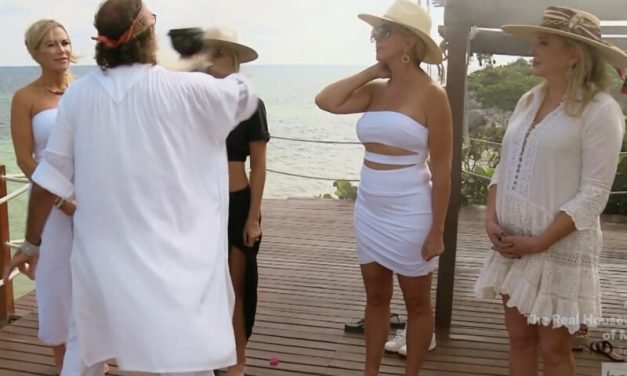
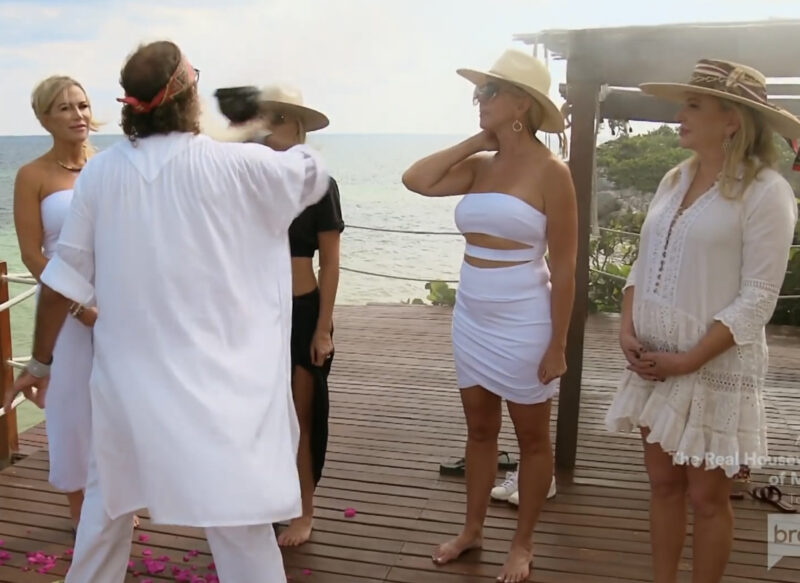
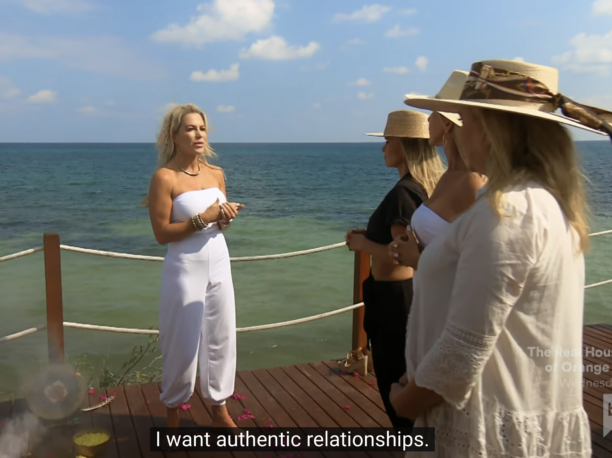
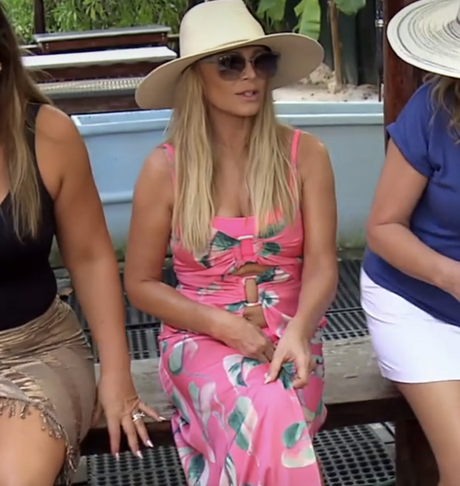
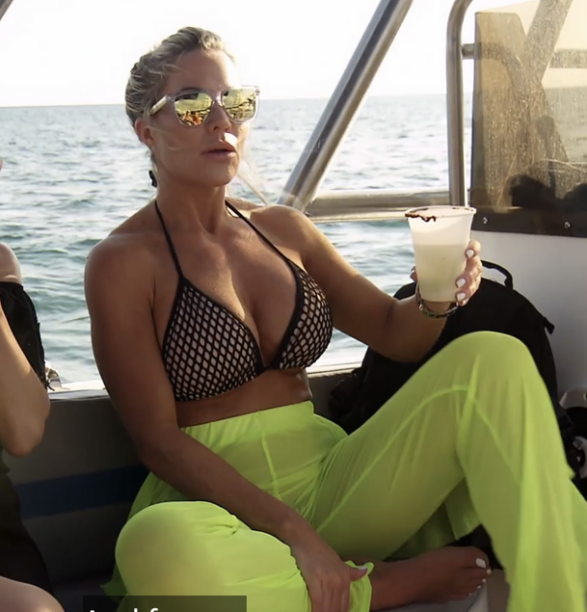
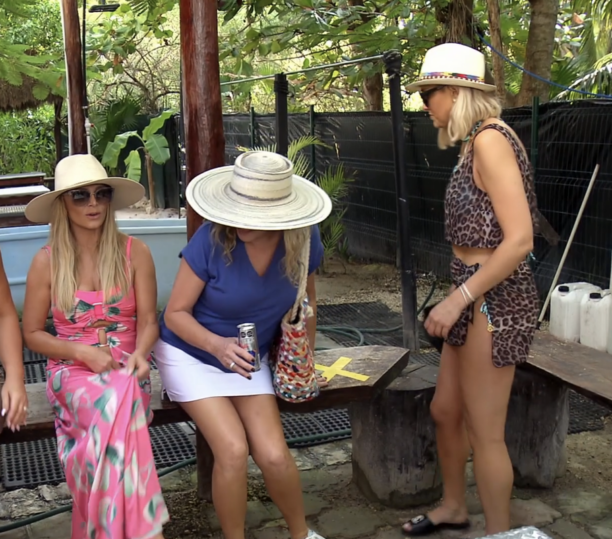
I thought it was nice that the Tres Amigas joined Jennifer Pedranti to see the shaman on last night’s episode of #RHOC but the bar for nice is pretty low at this point. And what I thought was even nicer was Vicki Gunvalson’s white strapless cutout mini dress. It left such an impression that I’m seriously considering grabbing one for my next trip. And based on the price, whether you choose to call her Vicki or Victoria, I think you have no choice but to scoop up her under $70 dress.

Best In Blonde,

Amanda


Vicki Gunvalsons White Strapless Cutout Mini Dress

Click Here for Additional Stock


Style Stealers


Originally posted at: Vicki Gunvalson’s White Strapless Cutout Mini Dress

Read More