
Month: September 2023

How Do We Transition to a New Phase of Life?

This article focuses on the transition out of full time work. The ideas also are relevant to anyone seeing 65 as a transition into a new phase of life. Let’s begin by framing the end of a full-time career as simply a transition in a continual sequence of life transitions. We have been through many and know how to do it. Step away from phrases like “final phase, third act, and golden age.” Such language builds an expectation of decline that may not be true for you, and certainly not for many of us.

A recent study by Age Wave (June 2023) found that on average, the concept of “old” for our grandparents was at 60 years and now is 80 years for our generation. I think that calls for a new language and understanding of what our post full-time years are about! Don’t you?

As we navigate the end of full-time work, we often ask ourselves, “What will I do with my days?” Or “Will I feel lonely?” Or, “Am I still relevant?” Or, “How can I do what I want and still have some life structure?”

Inspired by Bruce Feiler, in his book Life Is in the Transitions: Mastering Change at Any Age, the most fertile and meaningful inquiry is, “I am at the point in my life when…” How have you answered that question? How do you respond to it now?

Life Transitions

Think about the transitions you have experienced. Certainly, you remember moving into young adulthood, graduating from college or facsimile, starting a career, establishing a family perhaps, children leaving home if you had them, menopause… perhaps a divorce or losing a mate. I know you have your own personal list of the transitions that have shaped your life.

For which of your life transitions did you look outside of yourself for the answer to “This is the time in my life when….”? Surely, as a young adult, your parents, peers, and socioeconomic environment played a role in your choices. For the “empty nest” phase, we have examples in the media and of course our peers. There is even a movie called The Empty Nester’s Handbook!

The above transitions do not interrupt entirely our sense of purpose and life rhythm. If we work or are deeply involved as a volunteer, we have that context to bring meaning and provide some kind of community through work relationships. Of course, being in a demeaning or toxic work environment is a different story! Still, we continue to have an external structure to rely on.

The Post Full-time Transition

That brings us to our choices as women 60 and beyond moving into a post full-time life. What is different about this transition?

First, it can occur through choice. Alternatively, with ageism widespread in organizations, or due to health issues, it may not be by choice. It is important to notice what initiates your leaving full-time work. Yet, in the end, the question before you is the same. What is next?

Much of the messaging around us is still based on the premise that at 60 we are “old.” It is time to start looking at retirement facilities, to accept that it is time for younger adults to take over and quiet your voice, to enjoy more physically safe activities, and to generally try to navigate our inevitable decline with all the prescriptions and anti-aging treatments we need (if you notice what advertising suggests!).

Many of us, I know not all, have more vitality than we imagined for our age. What we have used as our models for this transition are out of date and do not serve us.

Each of us needs to decide for ourselves how old we feel. If you feel vibrant and more youthful than expected, then research has shown you probably are! There is a difference between chronological age and senescence – the process of physical aging. Then, make your own decisions about how you will spend your time.

What if you see the transition from full time work as just one more life transition with more to come? What if you removed false barriers and expectations to discover what is true for you? What then if you asked yourself, “I am at the point in my life when…”?

We are rewriting what is conventional and we will need to reshape our society as we go. We’ve been doing that for decades, so why stop now? Businesses will need to rethink retirement timing expectations and become flexible in providing options for experienced employees to continue to contribute if they want.

Increasingly, professionals are choosing to work into their 80s because they love what they do. Schools are already finding ways to adapt so we can continue our education in topics that fascinate us now. Research has shown the improved performance of multi-generational groups – so do not quiet your voice.

You might choose something altogether different. I invite you to shake off the expectations about aging that we have lived with for a lifetime and discover who you are now as a woman in your 60s, 70s and beyond.

Here is the real gift. This may be the first time in your life when you have had the freedom to choose what you truly desire. At the same time, we are being called to discard the outdated societal images of who we are, who we can be, what we can do. There are no rules.

Find those butterflies of excitement inside and follow them. What do you want next in your life? Allow it to come true.

Let’s Have a Conversation:

I am curious about your life transitions and how you find moving into your 60s and 70s different than expected. How do society’s expectations influence you? What ideas for yourself give you butterflies inside? Have you ever not moved ahead with a desire because it is not typical of someone ‘your age?”

Read More

If Not Now, When? Or How to Accomplish Our Dreams

accomplish dreams

This little phrase can help you in the smallest tasks throughout your day, or in very large decisions that will affect your future. What is it that you are wondering about doing today, or wishing you were on the other side of?

Skilled at Delaying the Inevitable

I’ve become extremely skilled and proficient at putting the thought of clearing out my garage shelves the farthest out of my mind as possible. Each time I pull my car into the garage, I see the stuff and it taunts me. It says, “You’ll never get this part of your life organized.” “Just give up on the idea of organizing this stuff, it’s too much!”

My garage is a catch all for things I’m not sure what to do with. For me, there’s obviously many things that fit in this category. The phrase that helped me begin this looming project is, “If not now, when?” To me, it didn’t mean that I must get the whole thing revamped and done. It did mean that if I don’t start, it won’t get done, and now is better than never.

Starting small on projects is the key for me. I give myself an hour or so, then I quit. If I take on too much, it will overwhelm me and I’ll stop. If that happens to me and my garage, it’s back to pulling in and seeing the mess again. I’ve come too far now to stop!

What Project Is Hanging Over Your Head?

What’s the project that haunts you? Is it a closet that needs clearing out? A phone call that needs to be made? Cleaning the dishes today? Try asking this question to see if it’s the gentle motivation you need to start.

A Bigger Dream

On a bigger scale, this phrase helped me start my own business. The thought of being an independent lifestyle coach rolled around in my mind for years. I even had the name of the business, Courage Daily Coaching, years before anything began. I was working in the corporate world as a lead to a group of coaches, but I longed for my own style and my own timing.

After retirement, the phrase “If not now, when,” kept popping up. So, I began small by dipping my big toe in the possibilities. Now it’s a rewarding business where I use all I learned through the difficult personal school of hard knocks, my corporate experiences of working with others, and my studies. It took courage to begin, and now I help others find their own courage in their life challenges.

Another Big Dream

On an even bigger scale was the thought of moving to another country for three months. Some friends and family questioned our sanity. Hey, I questioned the sanity of this. But, as a retiree in my late 60s, if not now, then when? We took the plunge, booked our flights and apartment, spent more money than we expected, and had an experience that rivaled nothing else in our lives.

What About You?

Do you have a dream that seems so out there, that you stop trying to make it happen? Put the dream to the test. Ask yourself, if not now, then when? Will you look back on this time, where you are able to make it happen, and things are scary yet accomplishable, and will you be glad you started the dream? Or will you be a bit disappointed with yourself that you didn’t at least try?

Let Some Dreams Go!

Some dreams die. They were planted in us by well-meaning parents or friends or spouses. Circumstances beyond our control over time made them impossible to achieve. Maybe they never were our own dreams. Getting to the point where you can say, “Yes, this is what I want,” will help. I often ask myself this question, “What do I really want right now in my life?”

It’s good to sort it out in your 60s. Time is shorter now. Is it what I really want or is it what someone else wanted for me? Once I can answer, I have a definition of my true inner urging and wishes. I’ve found that when I start to take steps toward the dream, the most unusual and interesting things show up! This is true when cleaning the garage as well as the bigger scale dreams. Have you found this to be true, too?

Dead Dreams and No Regrets

Then a few times nothing clicked, nothing showed up to inspire, and the dream shriveled up and died. It’s ok. That one was left by the wayside, and I have no regrets. The ones that take-off have added untold joy and satisfaction to life.

I challenge you today to ask yourself, “If not now, when?”

Let’s Have a Conversation:

Does this little phrase, “If not now, when?” inspire you? Is there an example where this type of phrase helped you get going? Do you have regrets that you didn’t start something when you had the time, energy, and financial strength to do it?

Read More

How to Deal with “Relocation” Anxiety

relocation anxiety

Are you considering relocating or are you in the process of relocating to downsize or be near family or let go of a house that has become unmanageable? Perhaps, due to health challenges, you are moving to an assisted living facility or retirement community. It can be a stressful, anxiety provoking time.

You may be leaving a home you have had for many years, friends and familiar things behind. Things may feel uncertain. You may be filled with anxiety and worry. This article will help you stay calm and get through the process.

I Went Through a Recent Relocation Myself

I left the moderate climate of central Ohio, where I had lived for 37 years, and moved to over 90-degree blazing hot sunshine. I’m now in Dallas, Texas with a sizzling summer nipping at my heels! This is NOT where a Canadian born woman should be!

The relocation was our decision. My daughter and her family, including my two grandsons, were reason enough to move just down the street from them in the Dallas area.

Despite family being a stone’s throw away, a new house and furniture and being an anxiety coach myself, I was empty emotionally and exhausted. Unpacking was a hurried frenzy. Feeling lost and sad, I frequently fought back tears, lost sleep, and doubted the move. What was I thinking!? Would I ever find myself again?

Come to find out, I was not alone. Relocating is a common experience for many post-retirement and aging adults. I’ve met several such folks here in Texas. Being close to family seems a shared underlying motivation. Other reasons include downsizing, preferring a different (warmer?) climate, being closer to medical facilities, or any number of changing needs that come with aging.

I was surprised to learn that there’s a name for the stress and anxiety of relocating. “Relocation Stress Syndrome” or “Transfer Trauma” is prevalent among seniors being uprooted from homes they have lived in for a long time (Companions for Seniors, 2021).

Any way you look at it, transitions like this are stressful and difficult. So, how can we manage this emotional experience with more calm and less anxiety and worry?

Here are 3 steps to take to stay calm and reduce your anxiety during relocation or any life event.

Identify the Source of Anxiety

Try thinking like an archeologist. Dig into the barriers and fears prompting tension. Get honest with yourself. This takes courage and commitment. What’s the worst thing that could happen in this situation? How true are these imagined outcomes, really? What sparks anxiety for you? Getting to root causes of worry will begin the process of releasing panic and dread.

Bring Chaotic Thoughts Down to “Zero”

After unearthing your worst fears, you are ready to make a change that will alter your life in worry-free ways. Throw out the anxious, obsessive, worrisome thoughts and welcome fresh positive thoughts. This will involve releasing self-judgment. Explore and practice various strategies and tools to create new ways of thinking that ease and transform anxiety.

Design a Plan to Combat Anxious Thinking and Become Stress Free

Developing a strategy for practicing anxiety-free functioning on a daily basis is critical. Create new routines for unwinding and recharging. Put a plan in place to calm yourself when challenges or stressful surprises pop up. When worry escalates, you will have a way to cope with it.

These 3 steps can help get you on the road to anxiety free living. You can do it! You can learn how to manage overwhelming stress and shift towards a life happening BY you instead of a life happening TO you. I invite you to try it.

Anxiety-free living is possible even in the middle of a giant relocation experience or anything else that life throws at you. If you are going through a time of anxiety due to relocation or anything else, you can find support right here.

Let’s Have a Conversation:

Are you planning a move or some other serious life transition? How well are you coping with the anxiety? What has helped you overcome anxious emotions?

Read More
4 Habits to Kick to Feel Younger

feel younger

I am not young. Yet I’m not old either. I don’t feel old. And yet many of my same-age peers do. I do, however, feel the impact that society has on people over the age of 50. On the habits we’ve developed, in particular.

Aging is a natural, inevitable process. There are many society-driven misconceptions that can negatively impact our habits and our perception of, and interactions with, older adults and ourselves. Whether we notice it or not.

As we age, societal influences can detrimentally shape our habits. Negative stereotypes based on age can lead to lowered self-esteem and reduced confidence. The internalization of these stereotypes can result in habits that align with lowered expectations. Here are 4 such habits, how they can make you feel older and what you can do about each of them.

Reduced Physical Activity

While many older people may become less active due to health issues, many more do so because of a more sedentary lifestyle. Usually, it’s one that has evolved over a long period of time. And one that’s expected of us as well.

Fun Fact: Your metabolism slows down more from inactivity than natural aging.

Physical activity helps maintain muscle mass, joint flexibility, and cardiovascular health. When we are less active, we may experience decreased energy levels, reduced mobility, and a greater sense of fatigue, all of which are often associated with aging. All of which can contribute to feeling older.

What to do about it? To begin with, recognize what’s holding you back from being more active on a regular basis. You owe it to yourself to be honest. If you can do something about it, then it’s not aging, it’s you. You can take steps to move forward with a different mindset, one that will help you feel younger instead of older.

For instance:

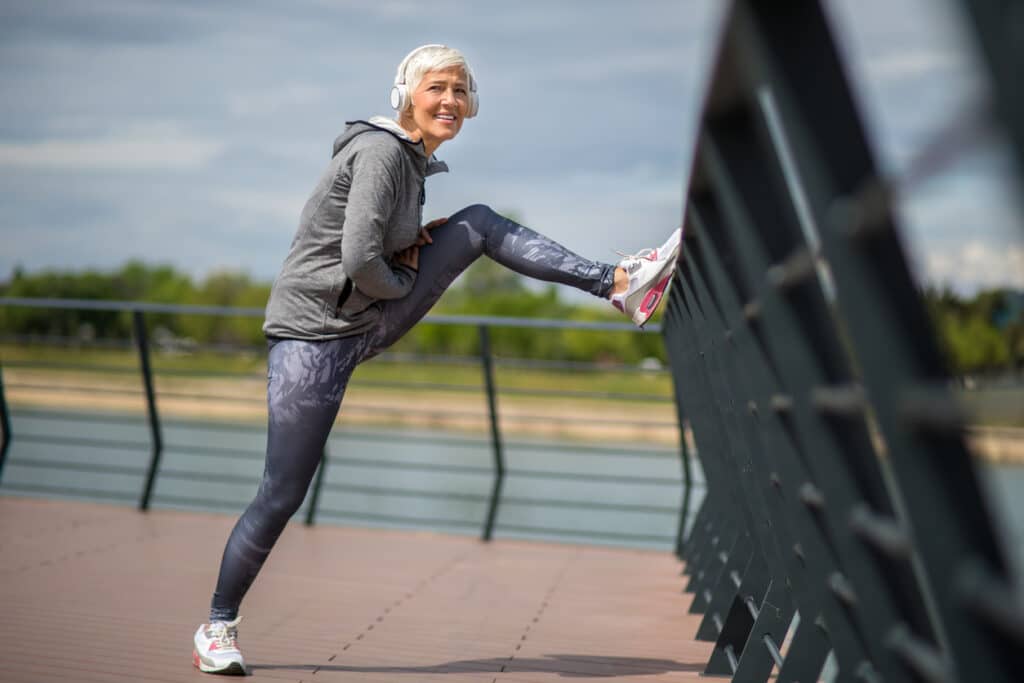
  • Start with small, achievable goals for daily movement. Walk around the block, or a mile.
  • Participate in activities you enjoy, like walking, dancing, or gardening. Move more.
  • Consider joining an online or in person group exercise class
  • Find a workout buddy for motivation.
  • Consult with your physician or a trained fitness instructor if you need help.
  • Add things to your life, relaxing hobbies that keep you moving but also bring peace of mind.

Understand that at first you might actually feel more tired. This is only because your body isn’t used to moving quite so much. It will adjust. Give yourself time to rest and adapt, go at your own pace and keep trying.

Resistance to Technology

Some people may not be as comfortable with or interested in using new technologies, for a variety of reasons. Perhaps it’s because the words are getting smaller and harder to see. Perhaps it’s because things don’t seem as straightforward as they used to be. Or maybe it goes too fast, and you struggle to keep up. Frustrating, I know.

Whatever the reason, shunning new tech can create a sense of being disconnected from the modern world. It’s that disconnect you want to avoid as much as possible, no matter how comfortable it seems. Studies have shown that the more isolated you are, the higher your risk of dementia. If you’re in this habit, and do come across tech you’re unfamiliar with, you automatically feel a sense of frustration. And age.

Embracing technology is a mindset that allows you to connect with others, access information, and engage in modern activities. Being open to it doesn’t mean you have to integrate it into your lifestyle. It just means you’re open to the idea of trying new things.

What to do about it? If all this sounds familiar to you, recognize and admit that maybe you could improve on this end. I know I can. It’s a struggle not just for all the reasons listed above but also because I’m quite comfortable in my own little world. It’s a habit I’ve gotten into and one I might always work toward getting away from. And that’s okay.

The great news is that it’s not that hard, you can take tiny steps in whatever direction you want, and it actually does feel good to connect through technology.

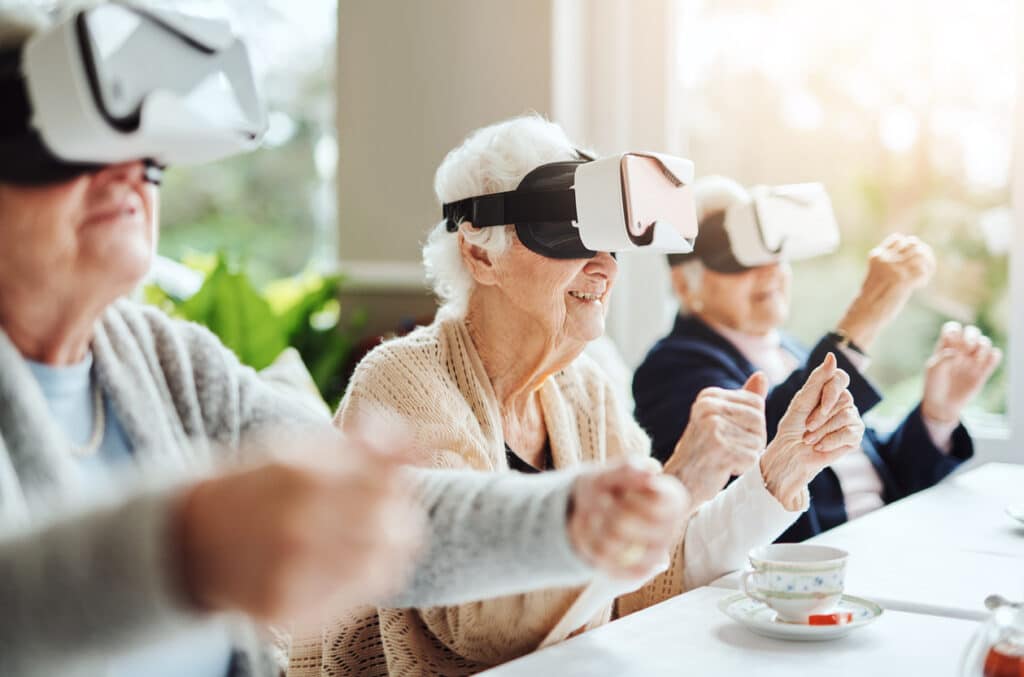
  • Start with basic technology use and gradually explore more advanced tools. Do you have a smart phone? Have you used Bluetooth for anything? What about streaming your movies the modern way?
  • Enlist the help of friends or family members to guide you through technology adoption.
  • Focus on the benefits of technology, such as staying connected and accessing information easily.

Many older adults have embraced technology and have become experts in using it. What’s more, many have found that technology can play a vital role in enhancing quality of life, facilitating communication, providing access to information, and enabling independence.

The next time you’re faced with a technological struggle, embrace it! Look at it as an opportunity. If at all possible, take your time, enlist help if you need it, understand it, then decide if you want it to be part of your life.

Negative Self-Talk

Engaging in negative self-talk and focusing on limitations rather than possibilities can contribute to a mindset that reinforces feelings of being older. We all do this from time to time, but some of us do this all the time. It’s a bad habit any way you look at it, and one that takes a little work to break.

To counter the impact of negative self-talk, it’s important to practice self-compassion, challenge negative thoughts with evidence-based reasoning, and seek support from friends, family, or mental health professionals.

Developing a positive and compassionate internal dialogue can not only improve your emotional well-being but also contribute to a more youthful outlook on life. Here are a few things you can do:

  • Practice self-awareness and catch yourself when engaging in negative self-talk.
  • Replace negative thoughts with positive affirmations and self-compassionate statements.
  • Surround yourself with supportive and uplifting people.

Participating in negative self-talk and fixating on limitations instead of opportunities can foster a mentality that strengthens the perception of aging. While occasional engagement in such behavior is common, some people make it a constant practice.

Regardless of the angle from which you consider it, this is an unfavorable pattern that requires effort to overcome. Breaking this habit demands dedication and effort. You will feel happier, and younger, when you do.

Health-Related Preoccupations

While it’s important to prioritize health, obsessively discussing health issues can lead to a sense of being defined by your ailments. This can contribute to a feeling of aging and a diminished sense of overall well-being.

What to do about it? First, recognize when health issues take over your thoughts. This might be the hardest part. Habits are actions we perform almost automatically, often without conscious awareness. In many cases, we might not actively notice that we’re engaging in a habit because they become so ingrained that they’re almost second nature.

However, there are instances when we do notice our habits. For example, you might become more aware of a habit when you deliberately try to change it. So, the first step is to recognize you need to change the habit and learn to recognize when you do it. Even if it’s after the fact.

Eventually, you’ll catch yourself before you speak. And there are other things you can do too.

  • Prioritize a healthy lifestyle instead of obsessing over health concerns.
  • Focus on the positive aspects of your well-being and celebrate small victories.
  • Engage in activities that bring joy and enhance your overall quality of life.

Focusing on health issues is a habit that contributes to feeling older by fostering a mindset and lifestyle that emphasize limitations, disconnection, and a lack of engagement with the present and future.

Alternatively, adopting habits that promote physical activity, a healthy diet, open-mindedness, social interactions, and a positive outlook can help you feel more youthful and engaged. Which would you prefer?

Let’s Have a Conversation:

What habits can you think of that make you feel older? Have you recently learned some new technology and how did it go? What’s your favorite technological development in recent years?

Read More

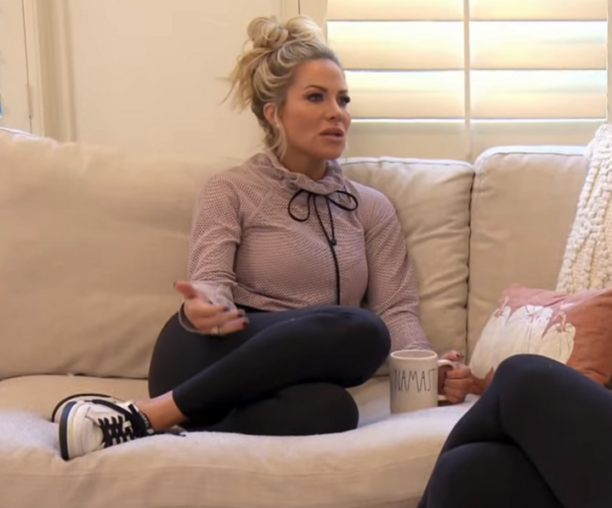
Jennifer Pedranti’s Mesh Top

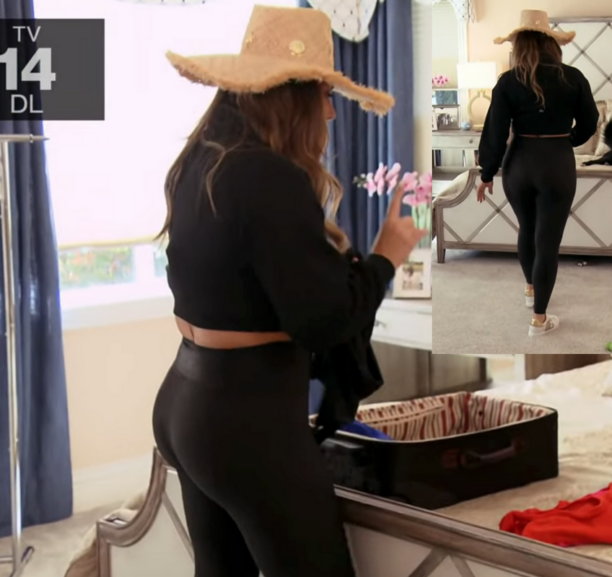
Jennifer Pedranti’s Mesh Top / Real Housewives of Orange County Season 17 Episode 13 Fashion

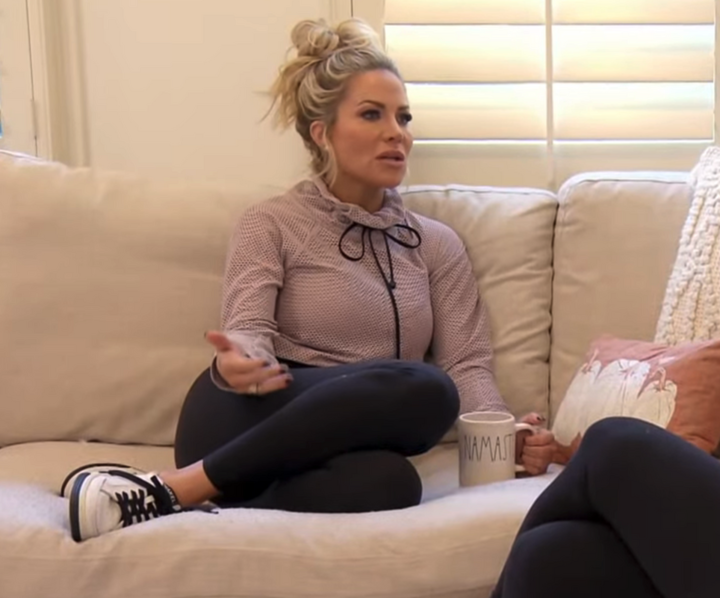
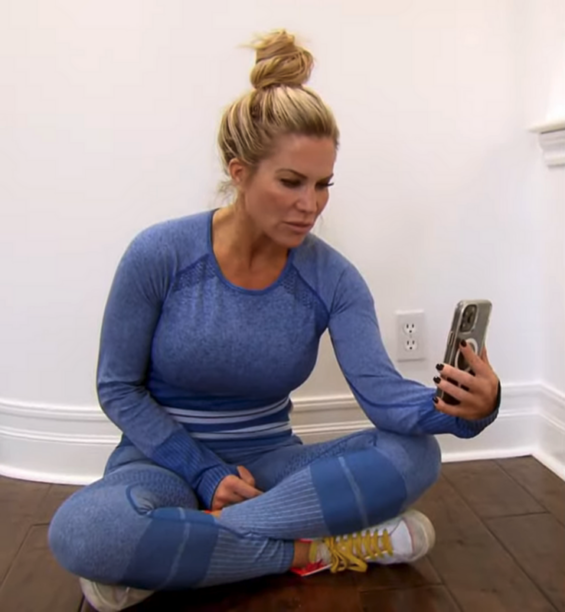
Jennifer Pedranti’s workout and casual outfits are absolutely on fire! The mesh sweatshirt top she rocked in last night’s episode of Real Housewives of Orange County? I can totally picture myself wearing that on a lazy day at home or while I’m busy whipping up some chocolate chip cookies like Jen. What really caught me off guard, though, was finding out it was Jennifer’s very first time making them! But hey, considering her mom’s recent introduction to Ryan, I guess that’s not entirely shocking either.

So, if you’re itching for more laid-back outfit inspo as the seasons shift, no worries. Just keep scrolling, and I’ve got your back! 😎👕🍪

Best In Blonde,

Amanda


Jennifer Pedranti's Mesh Top

Style Stealers


Originally posted at: Jennifer Pedranti’s Mesh Top

Read More