Month: October 2023

Jenna Lyons’ Red Lipstick at the Reunion

Jenna Lyons’ Red Lipstick at the Reunion / Real Housewives of New York Season 14 Instagram Fashion

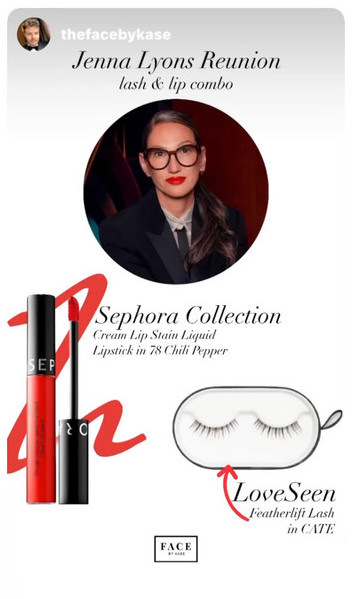
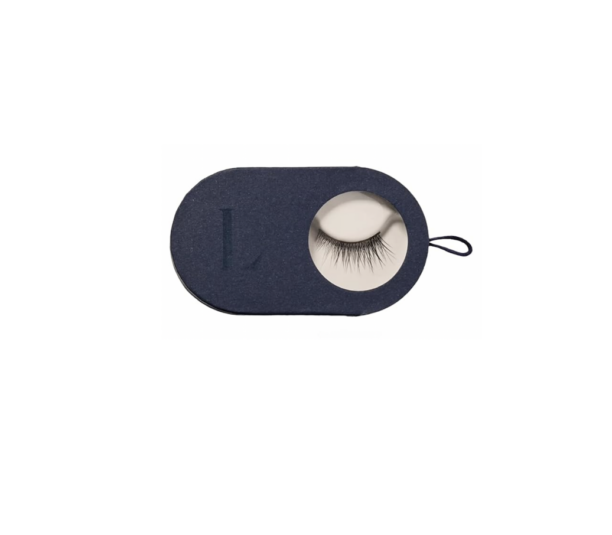
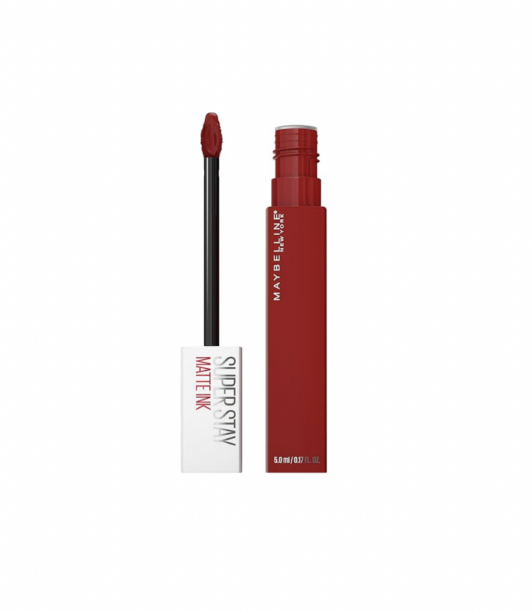
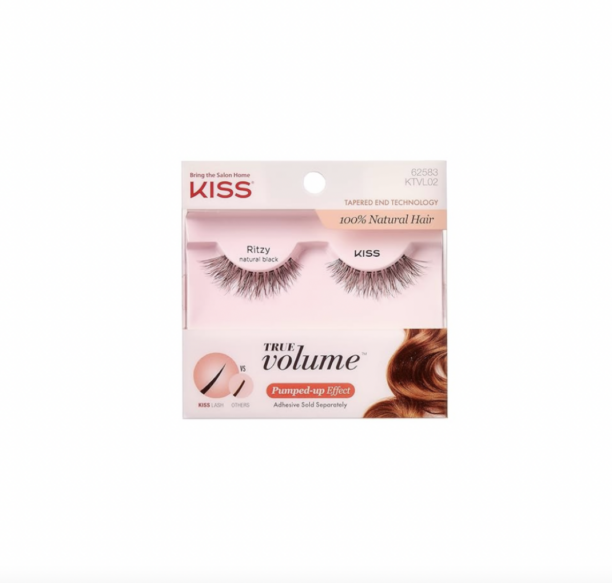
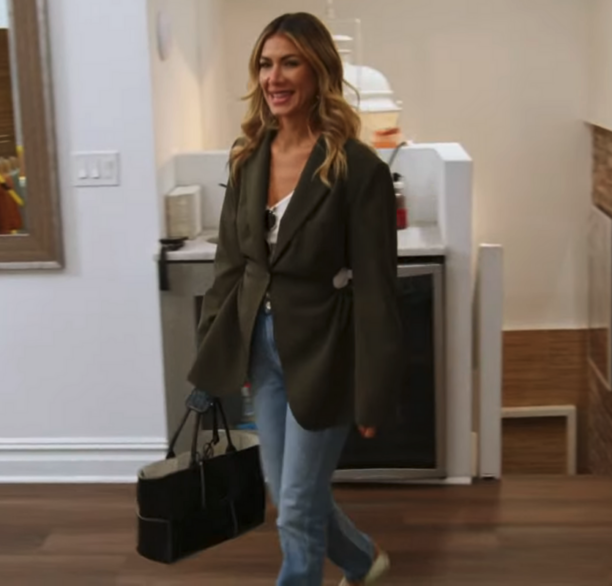
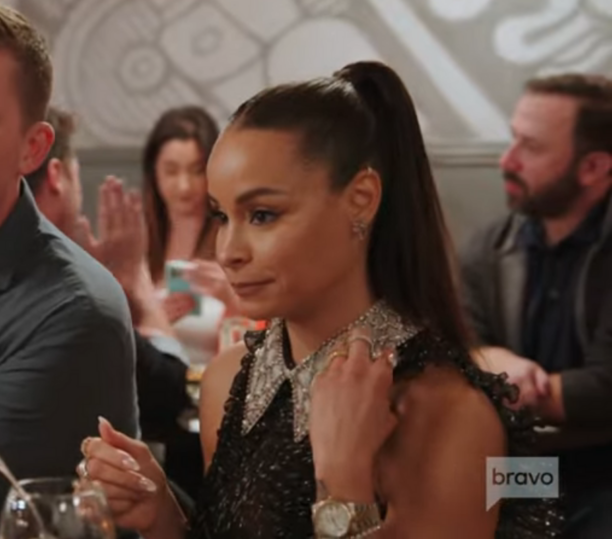
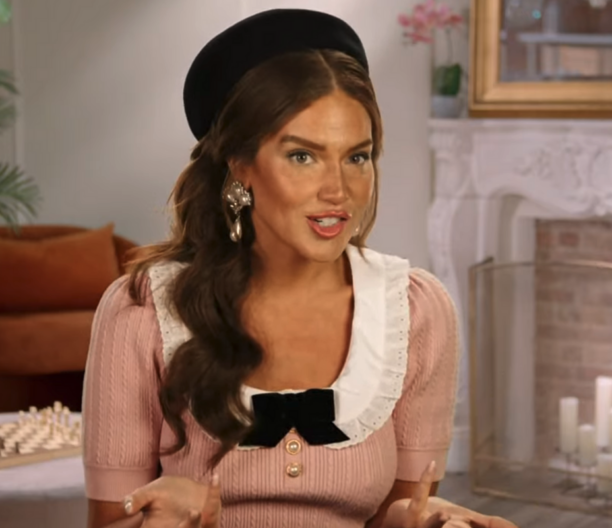
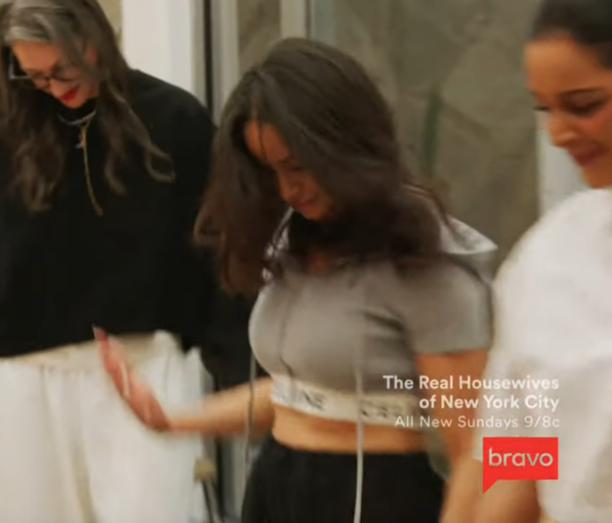
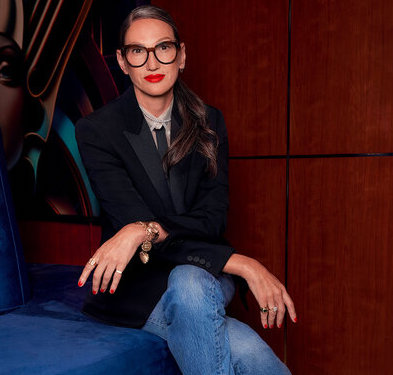
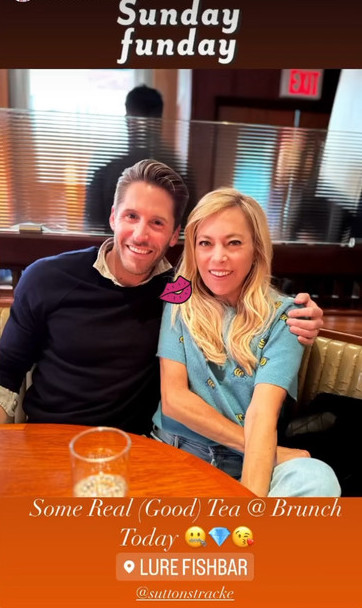
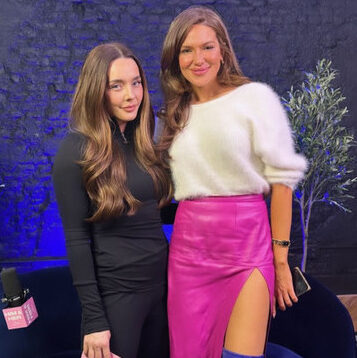
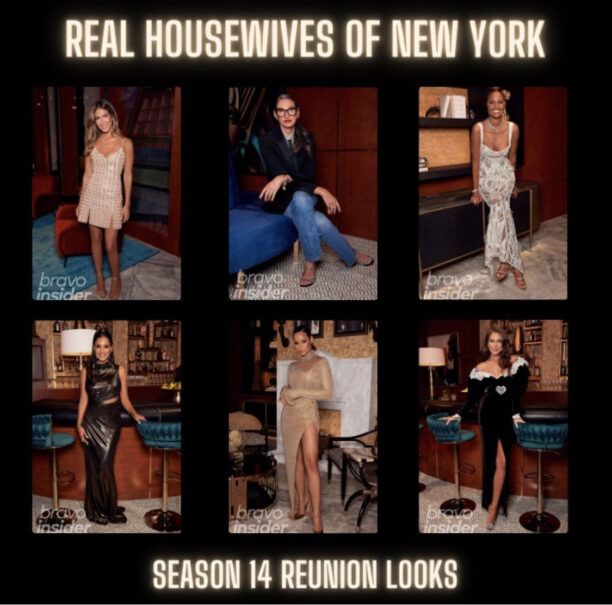
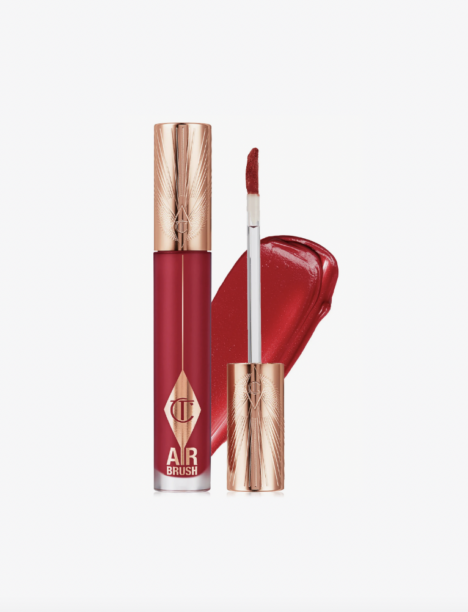
We finally got our hands on Jenna Lyons’s go-to red lipstick shade thanks to her MUA @thefacebykase, and I couldn’t be happier about it. While watching this season of #RHONY, I’ve been absolutely obsessed with Jenna’s lipstick. I find myself staring at her lips sometimes, and it’s not just her lipstick that has caught my attention; her eyelashes are on point too!

Now, I’m not typically a big lipstick person, but I’m definitely going to add some red shades to my collection for the upcoming holidays. And the best part is that Jenna’s lipstick is just $15, so I don’t have to wait until Christmas to treat myself to it! 💄

Best in Blonde,

Amanda


Jenna Lyons Red Lipstick at the Reunion

Click Here for Additional Stock in Her Lipstick

Info + MUA: @thefacebykase

Style Stealers


Originally posted at: Jenna Lyons’ Red Lipstick at the Reunion

Read More

Unveiling the 8 Root Causes of Emotional Eating

root causes of emotional eating

Emotional eating is a complex behavior that often stems from underlying emotional, psychological, and environmental factors. It develops gradually, influenced by a variety of factors. Understanding the root causes of emotional eating is crucial in addressing this issue, unraveling its origins, and developing effective strategies to break free from its grip.

In this article, we will explore some common root causes of emotional eating, focusing on the psychological, environmental, and physiological factors involved, and shedding light on the deep-seated triggers that drive this eating behavior so many of us are struggling with.

How Emotional Eating Begins

Emotional eating often begins as a seemingly innocent response to occasional emotional discomfort or stress. At first, it may provide a temporary sense of relief or distraction from negative emotions. For instance, after a particularly challenging day at work, or after an argument with a loved one, indulging in a sweet treat may offer a brief escape and create a sense of comfort.

Over time, however, this occasional behavior can develop into a habitual pattern as the brain starts associating food with emotional relief. The brain’s reward system reinforces the connection between consuming certain foods and feeling better emotionally, leading to a cycle of emotional eating.

Emotional eating can also arise from a lack of effective coping mechanisms. When faced with intense emotions, individuals may struggle to identify healthier alternatives for managing their feelings. Without appropriate tools to address emotional distress, turning to food becomes an easily accessible and familiar coping mechanism.

The immediate gratification and temporary distraction provided by food can become deeply ingrained, leading to a reliance on emotional eating as the primary method of emotional regulation. This reliance can persist even when individuals are aware that there are more constructive ways to cope with their emotions.

Emotional Triggers

Emotional triggers play a significant role in emotional eating. Negative emotions such as stress, anxiety, sadness, or loneliness can lead individuals to seek comfort, solace, and distraction through food.

Food becomes a coping mechanism to temporarily numb or soothe emotional pain. The act of eating in itself becomes a coping mechanism to temporarily alleviate emotional discomfort or pain.

Additionally, positive emotions like excitement or celebration may also trigger emotional eating as individuals associate food with reward or pleasure.

Learned Behavior

Emotional eating can be learned through childhood experiences and social conditioning. For example, if a child receives food as a reward or consolation, they may develop a learned response that associates food with emotional comfort.

Similarly, observing family members or peers engaging in emotional eating can normalize this behavior and perpetuate it into adulthood. These learned associations and behaviors become deeply ingrained and can be challenging to break free from later in life.

Stress and Coping Mechanisms

Stress is a significant contributor to emotional eating. When faced with high levels of stress, the body releases cortisol, a hormone that increases appetite and cravings for sugary and fatty foods.

The consumption of these foods triggers the release of dopamine in the brain, providing a temporary source of pleasure and relief. The association between stress, food, and the resulting neurochemical response can create a powerful reinforcement loop, leading to emotional eating as a habitual response to stressors.

Emotional eaters may turn to food as a quick and accessible means of stress relief. The act of eating can temporarily distract from stressors and provide a sense of control or comfort.

Lack of Emotional Awareness

A lack of emotional awareness is another factor contributing to initiating emotional eating. Many emotional eaters struggle with identifying, understanding, and processing their emotions effectively. They may have difficulty differentiating between physical and emotional hunger.

Emotional eating becomes a default response, as it provides temporary relief without addressing the underlying emotional needs. The lack of emotional awareness hinders the development of healthier coping mechanisms and perpetuates the reliance on food for emotional regulation.

Emotional Associations and Comfort

Emotional eating often begins as individuals form associations between specific foods and emotional comfort. Certain foods, particularly those high in sugar, fat, or salt, can trigger the release of neurotransmitters associated with pleasure and reward. Over time, individuals develop a preference for these specific foods when seeking emotional relief.

Consuming them becomes a habit, as they provide a temporary escape from negative emotions and create a sense of comfort or nostalgia.

Childhood and Past Trauma

Childhood trauma or past emotional wounds can contribute to emotional eating patterns. Food may serve as a source of emotional safety or act as a protective shield against painful memories or unresolved trauma. The act of eating can evoke feelings of comfort, security, or familiarity, temporarily alleviating emotional distress linked to past experiences.

Negative Body Image and Self-Esteem

Negative body image and low self-esteem can be root causes of emotional eating. Individuals with poor body image may turn to food for comfort or to numb their negative feelings about their appearance. Emotional eating provides a temporary escape from negative self-perception and offers a false sense of control or self-soothing.

Environmental and Cultural Factors

Environmental and cultural factors in which someone grows up and live can also contribute to emotional eating. Living in an environment surrounded by highly palatable, readily available, and heavily marketed unhealthy food options can trigger emotional eating, making it more accessible and tempting.

Additionally, cultural traditions or social gatherings that revolve around food may reinforce emotional eating behaviors as a means of social connection or celebration. These external influences can further strengthen patterns of emotional eating.

Emotional eating has multifaceted root causes, including emotional triggers, learned behavior, stress, lack of emotional awareness, trauma, negative body image, and environmental influences. Identifying and understanding these underlying factors is essential in addressing emotional eating effectively. By recognizing the root causes, individuals can develop personalized strategies and seek support to break free from emotional eating patterns and establish a healthier relationship with food and their emotions.

Reclaiming control over your eating habits and fostering a healthier relationship with food and with yourself can be difficult, but it is possible. You can start your journey by getting my free e-Book and learn how emotional eating began for you.

Let’s Have a Conversation:

When did you first start eating your emotions? What triggered you? Why did you maintain this eating habit over the years? Let us know in the comments.

Read More
Erin Lichy’s White and Red Printed Dress

Erin Lichy’s White and Red Printed Dress / Real Housewives of New York Instagram Fashion October 2023

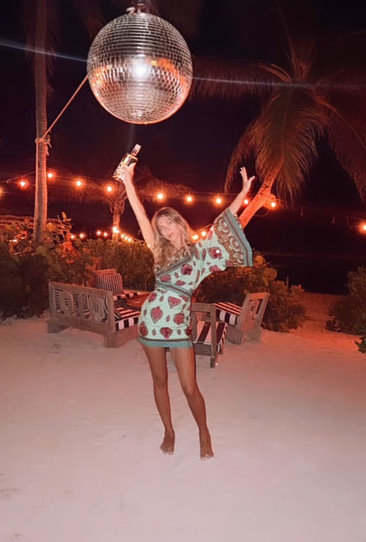
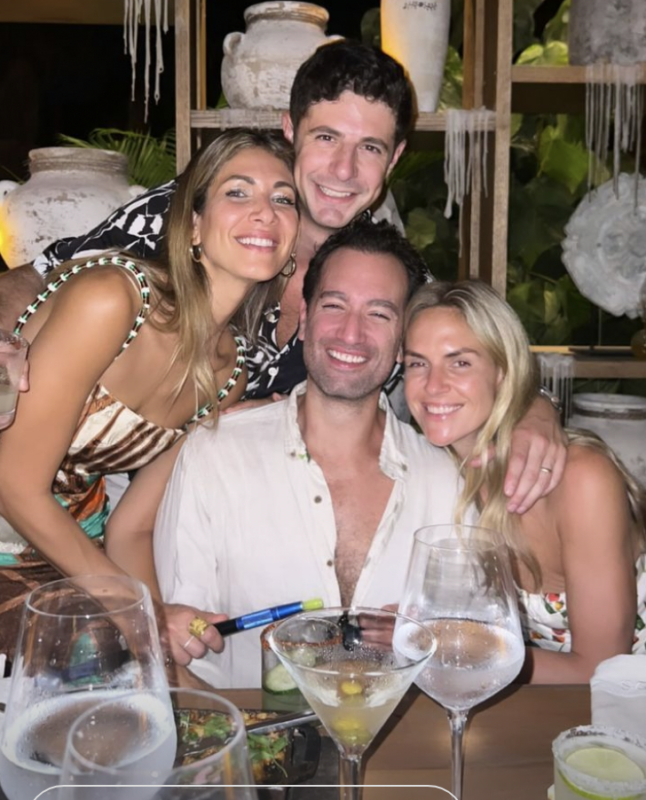
Erin Lichy packed her suitcase for Mexico with the cutest resort dresses. She’s on point with her fashion choices, and the white and red printed dress she shared on her Instagram stories looked absolutely incredible on her. Dresses are the go-to for vacations, and this sophisticated take on a tropical print is an absolute stunner for a beach getaway. 🌴

Best In Blonde,

Amanda


Erin Lichys White and Red Printed Dress

Click Here for Additional Stock / Click Here for More Stock / Here for Even More Stock / Here for Even More / Here for Even More / and Here for Even MORE

Photo: @erindanalichy


Style Stealers


Originally posted at: Erin Lichy’s White and Red Printed Dress

Read More
Starting a Business (or Side Hustle) from the Inside Out

starting a business or side hustle

Can your new business be a source of income and joy?

A space for your values, talents and creativity to shine?

I’m a firm believer in doing what you love.

Especially when it comes to starting a business (or side hustle).

After all, time is precious. And I don’t know about you, but if I’m going to spend 20, 30 or 40+ hours a week on a business or side hustle, I’d like an astronomical ROI: in dollars, mental stimulation, creative satisfaction, and the warm fuzzies I get from helping people out.

I want the package deal. How about you?

So instead of launching the 22,038th print-on-demand t-shirt business (not that there’s anything wrong with that), let’s look at the rich tapestry of your life experiences, passions, and latent insights that hold the key to your fabulous new enterprise.

And that, my friends, leads us to the following little exercise, designed to help you start a business from the inside out.

This process focuses on 5 areas of inquiry: Experiences, Expertise, Opportunities, Preferences, and Need.

Related: Would You Set Up A New Business in Your 60s?

Ready, Set…

Before we dive in, please choose a format for completing this exercise.

The format I find most helpful is a simple alphanumeric nested list in Google docs. This makes the entire document scannable (and if you’re anything like me, it will get looong). You can go as deep as you wish with related bullet points. Alternatively, you can write it all out, journal style. A paper and pen approach can offer a nice, relaxed pace. Add a hot mug of tea or other favorite beverage to really set the tone.

I’ll include this nested list example in our first area of inquiry, Experiences.

Experiences

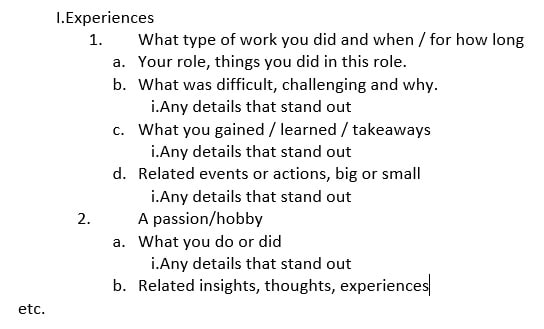
First, list your work experiences. Kind of like a resume, you’ll list what you did, when/how long, and your role. Include what you enjoyed, what you learned, what you struggled with. Any lessons, gifts, takeaways from that experience?

Repeat the process for other types of experiences: hobbies, events, projects, a daily ritual or routine you enjoy, special interests, and so on.

Here’s the nested list format I like to use:

For me, it starts with my current work (running my own marketing consultancy) and mentions everything from being an au pair in Paris at age 20 to my temp job at Pixar when I first moved to California. It touches on areas of importance to me including health & fitness, writing (an early passion fostered by my 3rd grade teacher, Mrs. Brown), and my morning routine where I dedicate the wee early hours to meditation, journaling and creative expression.

By touching on these varied life experiences, you’ll see them in a more objective light, while revisiting or rediscovering their meaning for you.

Expertise

Next, we explore your special talents and expertise.

What do you consider yourself to be an “expert” at or – modesty aside, please – better at than the average, ordinary citizen?

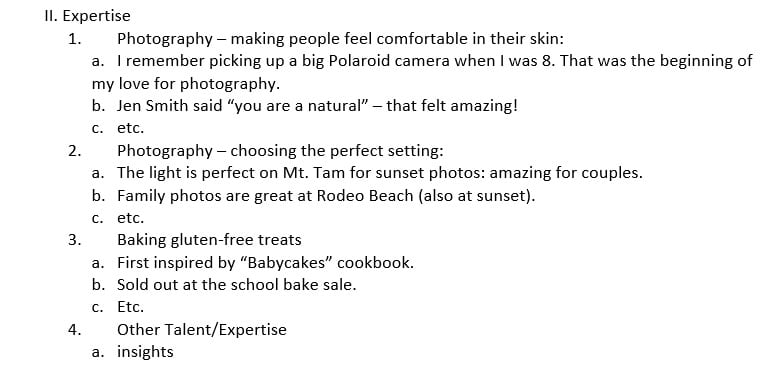
It could be that you’re an amateur photographer, but your expertise is with people. You just have a knack for getting them to feel good in their skin, and then, snap! You capture their gorgeous, natural smile, just like that.

Continue with the same format for Expertise, including sub-bullets for any insights that come up. Our photographer example might look like this:

    As in this example, I like to get specific with details (including names of people and what was said), to make it all the more real and rich. You can also list a talent/expertise more than once as I did, to focus on a specific aspect of it. Remember to keep the process “loosely organized” and just let the thoughts flow.

    Opportunities

    Once you’ve exhausted your areas of expertise (sorry, is this exhausting? 🙂 ), it’s time to look at opportunities.

    What are you good at? Who out there could use your services/products?

    Here’s a fill-in-the-blank to try:

    I’m really good at [this area of business/life or solving this specific problem] and [this kind of business or person] really needs [my product or service].

    For example:

    “I’m really good at helping people feel comfortable in their skin and then capturing them at the most beautiful natural settings in Marin County. Parents who want holiday card photos and small business owners who want updated headshots really need my no-fuss, all-fun photo services.”

    Continue to brainstorm ideas and write them down.

    Feelings are the key ingredients to starting a business from the inside out.

    It’s not the time to judge or assess your ideas. Instead, notice how you feel as they come up. Do you feel excited? Get butterflies? Remember (or better yet, jot down) these feelings – they are the key ingredients to starting a business from the inside out.

    For Opportunities, you can veer off the numbered list and just write these down, i.e.:

    On the topic of feelings… here’s a little something to keep in your back pocket, should you ever need it: How to Stay Motivated in Business Even When You Want to Give Up. (A miracle what a few moments of quiet reflection can do!)

    Preferences

    Preferences are a product of your values and your experiences. Being value-driven is a very good thing. Not wanting to repeat undesired experiences? That’s also a very good thing!

    So… what are your values, your life essentials?

    Your values get to have a big, strong say in what you do for a living.

    For me, my values are a no-brainer: freedom, flexibility and creative expression top the list.

    Freedom means no office, no commute, no boss. Flexibility means time is mine to play with, to schedule; it means I can put in 2 hours a day or 10, and that I’m always able to make it to my son’s school events. Creative expression is what lights my fire – it ignites my writing, my consulting, my digital products; it’s getting paid for what I love to do.

    And guess what? Starting your business from the inside out means your nearest and dearest values get to have a big say in what you do for a living.

    The other side of the Preferences coin, is of course, knowing what you DON’T want to do. Shoutout to Shari for bringing up this excellent point in her comment from Are You a Failed Retiree?

    What do you NOT want to do? For example:

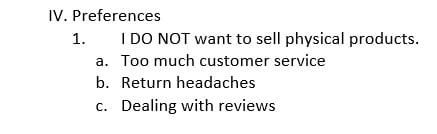
    I prefer NOT to sell physical products since this requires lots of customer service, shipping headaches, maintaining an Amazon store, requesting reviews, and dealing with returns. This business model is also not aligned with my zero-waste lifestyle.

    The more you can articulate your preferences and reasons for them, the more conviction you’ll have when choices have to be made later.

    A little share from me: The example above is mostly pretty true for me (though I’m not even remotely zero-waste, but I’m trying). Yet, I still get cool ideas for physical products all the time. Then I remember my conviction for what I DON’T want to deal with. Think of these as your core value reminders to save you from unnecessary detours down the road.

    And yes, you could offload unwanted tasks to a freelancer. Just keep in mind that you now need to manage that freelancer. If one of your values is “keeping it simple,” managing someone else might add layers of unwanted complexity.

    Write all the things you DON’T want to do and why. Get as specific as possible.

    The format could look like this:

    Need

    Finally, we reach the end!

    But first, do you have a business idea or two that feels inspiring, exciting?

    If not, just work with the most potent interests or sparks. “Something with photography,” for example.

    Picture yourself doing that activity – where are you, who are you with? See what comes to mind. Allow yourself to brainstorm. Allow any and every idea to come to the surface, and write them all down.

    You may also find it helpful to review your notes and highlight the parts that stand out.

    Once you have an idea or two, let’s explore Need.

    Is there a big enough market/need? Is your market too narrow?

    Work through the idea and explore angles to find a happy medium where your inside-out business idea meets a big enough need.

    Maybe that passion for photography makes your heart skip a beat. Let’s riff on that a bit:

    Lots of business owners here need to update their headshots. Hundreds (thousands?) of families in my town/surrounding area need photos for their holiday cards. So, what if I’m not a “professional” – that’s what makes me stand out. I bet there are plenty of people here who’d much rather come to my low-key, fun-and-done, pop-up session with an “amateur photographer who’s a wiz with her iPhone camera” than an elaborate 1-hour photo shoot. I’d make it all about them. Preview before you buy. 50 bucks a photo (or two or three or 5?) Digital only. Easy peasy. How about local popup photography sessions, just when the light is perfect? A 2-hour window at sunset in a beautiful location, to be disclosed (they need to join my mailing list, or follow my Instagram feed to find out). 10 people @ $50 a pop, 5-10 minutes per shoot. First come, first served. Special rates for pre-payers. Tell a few business owners about it and word will get around. Families, even more so.

    And there you have it: the start of a business idea from the inside out.

    See how I just let it flow there? Let it be messy and organic. Let your imagination run wild.

    Mini Last Step

    One more thing:

    Does this business idea meet your Preferences criteria? If not, don’t fret!

    Now is a great opportunity for making new and interesting connections between your values and your business idea. What creative solutions come up when you do this?

    You know what’s really cool? These solutions or new angles on a business are also what make it unique. I included this in my photography brainstorm already – maybe she doesn’t want to deal with calls and scheduling and rescheduling photo shoots, so she makes it a pop-up – first come, first served. All she has to do is show up; she’s in the driver’s seat.

    Wrapping Up

    I hope you find this exercise useful.

    Like all worthwhile endeavors, starting a business or side hustle deserves input from your truest and most honest self. I believe the best way to tap into “who you are and what you want” is to revisit all those experiences, get it all down on paper, and see what really lights your fire.

    Let’s Have a Conversation:

    What’s your passion, expertise or talent that could turn into a profitable and joyful enterprise?  Try the exercise and share your insights: What surprised you? What inspired you to take action? A toast to your success!

    Read More
    Ubah Hassan’s White Ruffle Dress and Back Embellished Boots

    Ubah Hassan’s White Ruffle Dress and Back Embellished Boots / Real Housewives of New York Instagram Fashion October 2023

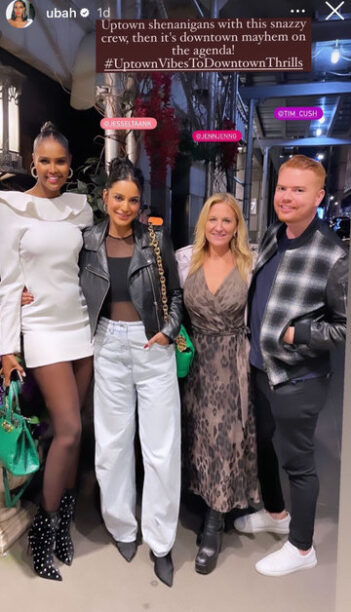
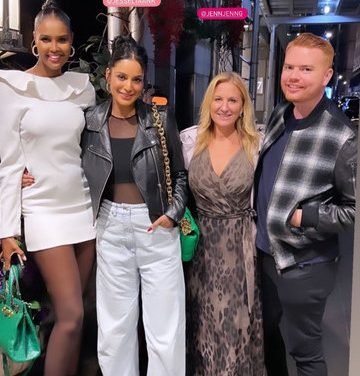
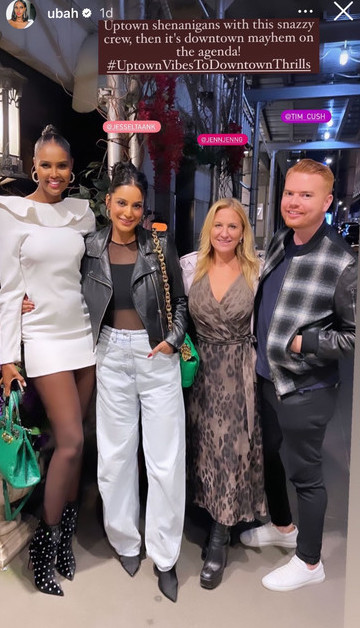
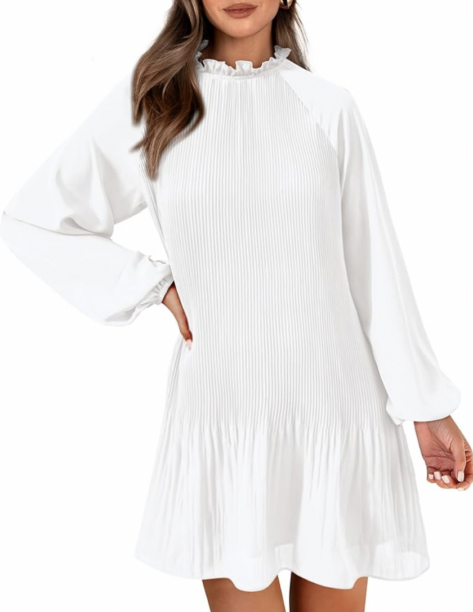
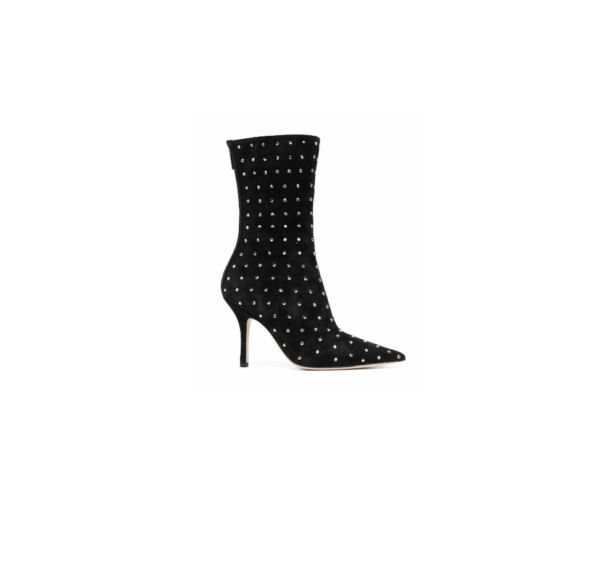
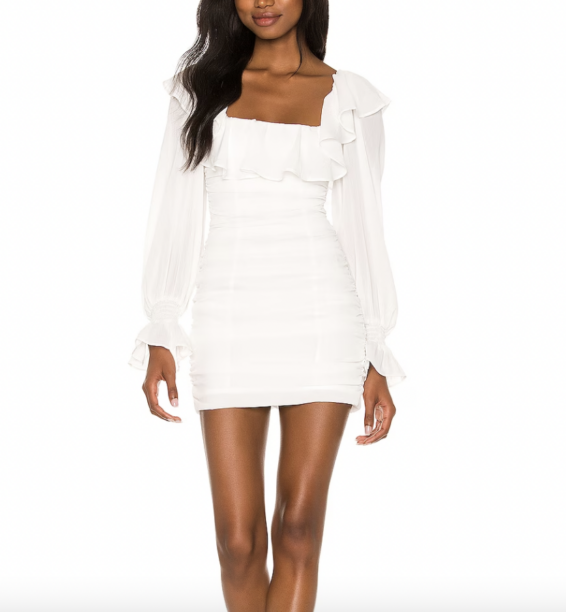
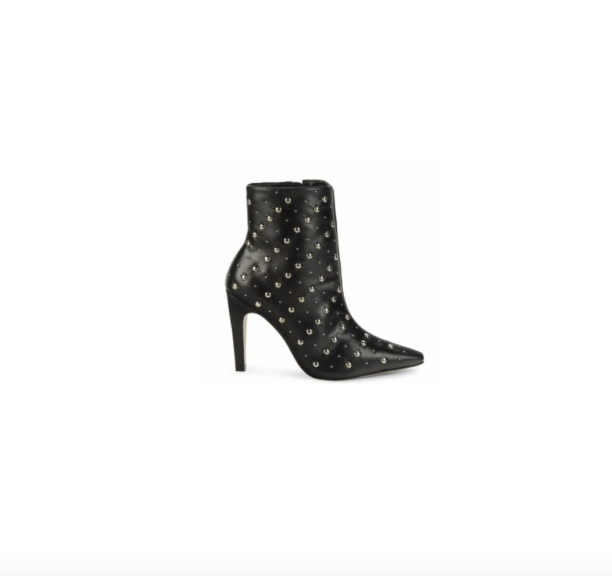
    I’d love to wander through downtown and uptown NYC in the hopes of bumping into Jessel Taank and Ubah Hassan. Ubah ‘s night out on the town, dressed in a gorgeous white ruffle dress and black embellished boots, with her hair slicked back in a bun, was a truly memorable moment. Ubah’s style is so distinctive that you couldn’t possibly overlook her on the street. What really caught my attention is the fact that Ubah’s white ruffle dress is now on sale! This dress is an ideal choice for a night out or a holiday event , so be quick to snag it and make Ubah’s

    style your own.

    Best in Blonde,

    Amanda


    Ubah Hassan's White Ruffle Dress and Black Boots

    Photo:@ubah


    Style Stealers


    Originally posted at: Ubah Hassan’s White Ruffle Dress and Back Embellished Boots

    Read More