
Month: October 2023

Who Are You? Your Thoughtful Answer May Support Your Higher Purpose

who are you and what is your higher purpose

Have you been wondering how you’re supposed to show up at this critical stage of your life?

Aligning your essence with your mission may be a good place to start because your passions and purpose in life are inextricably tethered to how you view yourself.

Reflect on This: Who Are You?

Perhaps you began by stating your name and occupation. Or maybe you listed the various hats you’ve worn over the years.

During a challenging season in my life, a spiritual counselor asked me this question, and it really caused me to think. Immediately, I pondered the roles I had played, my responsibilities and societal expectations: loving daughter, dedicated teacher, genuine friend, compassionate caregiver, environmental steward, and a host of other functions I had been immersed in at the time.

The counselor listened, smiled and said, “Okay, let me be more specific – who are you at your core and why are you here?” That profound two-part question stuck with me and required more thoughtful exploration. After our discussion, I went home and meditated on my essence.

It Took a While, But I Know Who I Am

I had not really thought about who I was on a deeper, spiritual level. Then it occurred to me that, above everything else, I am a spiritual being – a unique expression of Spirit, incarnated to honor It and to do Its will – and that I am here to live, learn, love, grow and be a blessing to others. Knowing who I am as a spiritual being provides the confidence I need to succeed.

Today, I’m intentional about the words I place after “I am.” My elevated self-assessment motivates me to continually contemplate how I’m supposed to engage in the world. I’ve been teaching most of my life: The neighborhood kids when I was in grade school. Students and adults during my 32-year tenure in the public schools. And currently, speaking to and coaching mature women on how to overcome limiting beliefs so they can flourish in their second half.

However, while teaching is my forte, I know I’m more than a teacher. Being aware of who I am at my core keeps me open at the top. And this awareness helps me feel prosperous in any role I choose. In other words, I’m not tied to teaching in the traditional sense – I remain receptive to growing with my next divine appointment.

I’m constantly being guided to use my natural abilities in a variety of ways to lift others. Currently, my experiences have provided a new opportunity to blend my love for teaching and my passion for wellness to position myself as a change agent – transforming the world’s view of aging so it’s positive, not negative. My mission gives my life purposeful direction and fulfillment.

Who Are You?

I’d like to encourage you to consider your truth and be able to articulate it with confidence. If you’ve been thinking about the role you’re supposed to play in the second half of your life, taking time to go deep may provide some clarity on defining your calling.

Turning within requires you to get to know yourself intimately. This is how you connect to your inner wisdom and develop a personal relationship with your Creator. This practice builds a solid foundation and helps you move through life, aware and alert, determining what is right for you.

You may recall in my previous posts that I emphasize the power of words. Focus on your words. Words can become things. You create that which you think of and say. So, who do you say you are? What are you telling yourself right now?

“You are human in expression, but divine in creation and limitless in potentiality.” —Eric Butterworth

Always Affirm Your Highest Thought

If you initially answered my first question with a collection of occupations and roles in society like I did, no problem. That’s a great place to begin. But can you express who you are without including your previous occupations or current roles?

You are a creative being with infinite potential. You are more than a renowned sculptor, a New York Times best-selling author, a successful travel agent, or a creative website builder. You are not limited by your job title.

Wrap your heart and soul around your true nature first and then infuse your passions and purpose into that. Instead of answering, “I am a sales executive for a prominent software company,” acknowledge your divine qualities first. Yes, you are good at what you do (or what you did), but the nameplate displayed on your desk does not solely define you. You are not recreating your identity; you are affirming your true individuality.

It All Comes Down to Living Authentically

At my core I am a beloved expression of Spirit – everything else is an extension of that truth. Frame your spiritual declaration so it illuminates power and possibility.

Sometimes we can be led off course by societal expectations, others’ view of who we should be and our own inner critic. If you’re still trying to find the correct words, consider what you’d like your legacy to be. What key phrases do you want displayed on your epitaph, or what inspiring account do you imagine others will share at your homegoing celebration? You get to create in advance what that looks and feels like, by living your life authentically.

In his book, Practical Application of Science of Mind, new thought leader, Ernest Holmes, wrote, “Every demonstration is made at the exact level of the expectancy, the expectancy embodied in thought.” Using your “I am” as your daily affirmation to keep you centered in your reality may help you fulfill your higher calling with steadfast conviction.

Let’s Have a Conversation:

Who have you grown up to be? What critical questions can you ask yourself, in order to align your purpose with your truth? How can your spiritual practices support your mission in life?

Read More

Real Housewives of New York Season 14 Reunion Looks

Real Housewives of New York Season 14 Reunion Looks

I am SO sad to see #RHONY season 14 come to it’s end. But it’s bittersweet because now it’s time for the reunion which is always hot and juicy. We shared the looks when they were released, but ICYMI we’re rounding them up again in one place because they are just that good.

Usually with reunion looks they can be sort of over-the-top pageant or costume like. Which I’m not hating on, they are just harder to wear for normal events. But something I loved about the NY ladies was that their outfits weren’t too farfetched and could actually be worn to something (especially Jenna’s 😉)! Which is why it’s even more important to re-share the deets so you can have a New York outfit for your next big event.

Sincerely Stylish,

Jess


Erin Lichy’s Season 14 Reunion Look

Erin Lichy's Season 14 Reunion Look

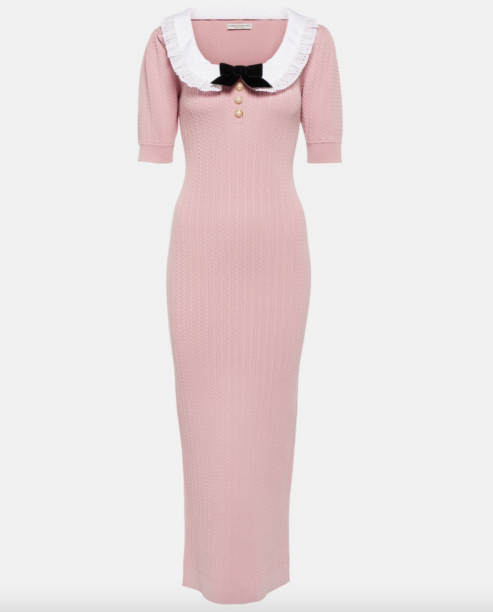
Dress Sold Out by David Koma

Photo + Info: Bravo TV

Style Stealers


Jenna Lyons’ Season 14 Reunion Look

Jenna Lyons' Season 14 Reunion Look

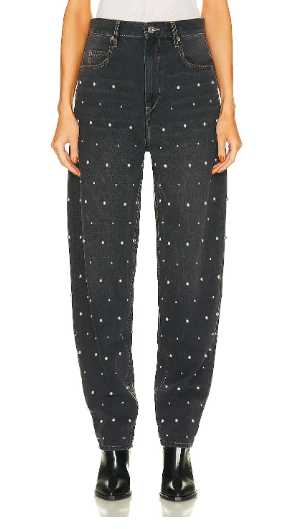
Shirt by Thom Browne / Jeans by Levi’s

Photo + Info: Bravo TV

Style Stealers


Ubah Hassan’s Season 14 Reunion Look

Photo + Info: Bravo TV

Style Stealers


Jessel Taank’s Season 14 Reunion Look

Photo + Info: Bravo TV

Style Stealers


Sai De Silva’s Season 14 Reunion Look

Sai De Silva's Season 14 Reunion Look

Shoes by Maison Ernest

Photo + Info: Bravo TV


Brynn Whitfield’s Season 14 Reunion Look

Sai De Silva's Season 14 Reunion Look Real Housewives of New York Season 14 Reunion Looks

Shoes by Roger Vivier

Photo + Info: Bravo TV

Style Stealers


Originally posted at: Real Housewives of New York Season 14 Reunion Looks

Read More

Your #1 Medicine for Loving Life After 60

medicine for loving life

When you are not feeling your best, what is your go-to medicine?

There are endless remedies for what may be ailing you. But there is one particular medicine guaranteed to lift your spirits, heal emotional trauma, and have you loving more of your life.

Laughter is that medicine.

In this 3rd article in The Healing Power of Laughter series and the accompanying video, we will explore the soothing medicine of laughter and how it can help you create a more loving life after 60.

Is Laughter Really Effective Medicine?

Laughter has been medically proven to elicit immediate joy, reduce stress, and improve your overall well-being. That also means laughter serves as an effective medicine by reducing the intensity of negative emotions associated with trauma, such as fear, anger, and sadness.

When you laugh with others, a bond of shared experience and mutual support is established, helping create a sense of connection and community. This is important medicine for those of us who have experienced trauma and feel isolated in an ever-changing world.

Because trauma can often leave us feeling powerless, helpless, and alone, by laughing with others, you can reclaim a sense of belonging.

As for laughing by yourself, the medicine here is regaining control over your emotions and your life through self-love and self-care. When you laugh, it helps you more easily focus on the positive aspects of your life, even in the face of adversity.

Incorporate Laughter into Your Life

Another way laughter is medicine for loving your life after 60 is how it can help create a sense of self-empowerment, leading to more activities of self-love and self-care. For what better medicine or tool is there for developing a more consistent practice of self-love and self-care than laughter?

Here are five easy, yet profound ways you can incorporate the healing medicine of laughter into your life today:

Embrace Humor as a Way of Life

When you embrace laughter, you embrace life. Therefore, try to find humor in everyday situations, even if they are not initially funny. This is not about laughing at your misfortune or other people’s life challenges. It is, however, about learning to laugh at yourself and allowing life to reveal its own sense of humor.

Self-Love and Self-Care Practices

When it comes to the medicine of laughter, self-love and self-care is essential and laughter is a huge part of that. Take time for yourself every day to do something that makes you happy and laugh, such as reading a humorous article, book, watching a comedy, or spending time with someone who makes you laugh.

Spend Time with Funny People

Spending time with people who make you laugh is fantastic and immediate medicine, which lessens stress and improves your mood. Make time to see friends or family members who have a good sense of humor. Join a social group or club where you can meet new people and laugh together. You can also watch or attend comedy shows.
Engage in Playful Activities

Engaging in playful activities can be an excellent way to bring the medicine of laughter into your daily life. Tap into childhood imagination and ask your inner child what they would like to do to have more fun.

Be Spontaneous

When you are spontaneous, you are open to trying new things. Trying new things can be a fun way to open yourself up to more laughter. When you step out of your daily routine, you will often find yourself less rigid, which leads to more laughing and a lot more fun in your life.
Laughter Is Personal Medicine

Laughter may be universal, but what makes one person laugh is not the same for another. Therefore, laughter is personal medicine, and it is up to you to discover what you find humorous.

Whatever form of laughter’s medicine may ideally be aligned with you, be sure to enjoy the processing of exploring different avenues of humor and laughter.

An important part of all of this is opening yourself up to find what kind of laughter resonates with you at this stage of life. Go outside of your daily routine today and laugh your way to a new, more fulfilling life after 60.

I invite you to join me in the video where I will share additional insights on the healing medicine of laughter. I will also guide you through five, empowering journal prompts to integrate what you are learning.

Let’s Have a Conversation:

Is laughter important to you? Have you noticed laughter’s positive effects on your mood and physical/emotional wellbeing? In what ways has laughter enhanced your life? Where do you look for funny stories? Are there funny people in your life you can turn to?

Read More

“Stop Talking Like That, Grandma!”

end of life asset planning

I don’t remember what age it started, but, at one point, the grandma I visited the most started ending each visit, phone conversation or otherwise, with a comment like, “Well, if I’m still around, I will see you next time.” At first, I didn’t give it much thought but then she kept insinuating the same message every time… that she may not be around much longer.

She didn’t have a specific health ailment but was seeing friends and family members about her age pass away. Now, I am watching family and friends that are my parents’ age getting unexpected calls, attending funerals, and sending sympathy cards regularly. It’s no wonder it became top of mind, and it’s helped me better understand my grandmother’s mindset.

Scolding Grandma

With October being National Estate Planning Awareness Month, it’s important to be aware that about 60% of Americans still pass away without estate planning documents in place. It’s a tough subject to want to address, so the majority don’t. And even when they do, it can be challenging.

One retiree told me recently that she was trying to communicate with her adult children verbally about her written wishes and the location of those documents when one of the teenage grandchildren happened to walk by and overheard some of the conversation.

“Stop talking like that, Grandma!” was his scolding reaction. He wasn’t the intended recipient of the information in this case, but his words definitely reflect a common family reaction when trying to talk about what can feel like a difficult topic.

Grandma as a Widow

On the one hand, we have what has been referred to as a tsunami in the United States, with folks retiring to the tune of 10,000/day for the next 10-15 years! And with health care and medical advancements, it’s projected that many may spend over a third of their lifetime in retirement.

But on the other hand, the average age of a widow in the United States is 57. So those young, unexpected loss of life events continue to happen as well. 80% of married men die married, and 80% of married women die single. And since this isn’t an IF but a WHEN situation, we women should be especially realistic about preparing for it sooner than we ever anticipate it happening.

Soapbox for Grandmas

The number one reason people don’t buy life insurance is that they fear they will jinx themselves and die sooner. I have a feeling that mindset may be at play here with estate planning as well. But the reality is that we all know someone who has died unexpectedly young.

We hope that won’t be us or anyone in our family but to do nothing about something inevitable at whatever age seems not only irresponsible but unloving to me. Sorry, this is a soapbox for me, likely because I am in an industry that sees these sad stories regularly.

Sad Stories

I talked with a woman who had been widowed young with two small children, and no life insurance in place on her husband who had passed away unexpectedly. Moving forward with nothing, she survived very well monetarily but to this day still struggles with the fear of financial insecurity because of her widowhood experience.

I watched a 401k plan go to the brother of a decedent instead of his long-time spouse because a beneficiary form was never updated after he married decades ago. I heard the story of a successful businessman, with four businesses, who left his wife a mess. No business succession documents, no estate planning documents, asset titles and beneficiaries were a mess, and there were four pole sheds of “stuff” to be dealt with.

A Need for Everyone

That is why everyone of every age who owns anything of value (i.e., bank accounts, real estate, retirement/investment accounts, etc.) and cares about who it goes to, needs to be aware of and take action on not just the estate planning documents but the “homework” as well that goes with that (account titling, beneficiary designations, etc.).

To help understand consequences, get organized, and finish taking action, there are many resources out there. Use whatever format is most likely to help you get this done: a book, webinar, course, DIY checklists, etc.

One example is a series of fillable checklists that I have designed and compiled, called the Everyone Bundle. And watch for my online course that will be a self-paced DIY process that will serve as your accountability partner to nudge, encourage, and hold your hand through the entire process.

Thanking Grandma

From my experience, helping families with financial planning for over 20 years, estate planning is still the most procrastinated, back burner area. So, instead of saying, “Don’t talk like that, Grandma!” my comment would be, “Thank you for talking like that, Grandma!” That way your family will thank you someday instead of cursing you for leaving them a mess.

Let’s Have a Conversation:

Have you brought up the estate planning subject with your family? What was their reaction? Or is there something that is holding you back from talking with them and documenting your estate planning? Have you had or heard sad stories related to a lack of estate planning?

Read More

Enrich Your Life by Decluttering

enrich your life by decluttering

Recently, a friend told me about the transformative journey she had been on after diving into Marie Kondo’s The Life-Changing Magic of Tidying Up: The Japanese Art of Decluttering and Organizing. She applied Kondo teachings to her closet, and as she discarded the old, her whole attitude to clothes changed.

Before long, the ripple effect of decluttering had touched every nook and cranny of her home. And the more she decluttered, the lighter and more invigorated she felt.

I think we can all benefit from a decluttered life.

Why Declutter?

Decluttering goes beyond just making your home look tidy. It’s about having a space and adopting habits that enrich your quality of life. Decluttered surroundings can reduce our stress levels by making it easier to locate things.

Keeping your home decluttered makes you realize what possessions you truly need, and once you’ve seen how much superfluous stuff you’ve accumulated over the years, you’ll be much less likely to throw money away on things you don’t need. And when there is less to tidy away and less to organize, keeping your home clean takes much less time, giving you the freedom to focus on your passions. Not only that, your home becomes more attractive to look at and be in.

More peace, more money, more free time: Who wouldn’t want to trade their drawerfuls of junk for these things?

Understanding Cluttering Habits

Before diving into decluttering, it’s vital to reflect on our relationship with our possessions and tidiness, because the better we understand it, the more likely our decluttering efforts are to succeed.

Often, people claim a lack of time is all that’s holding them back from decluttering. Others say that they prefer their home to have a messy, “lived-in” look. And many of us are excellent at rationalizing keeping things we haven’t used in years, imagining scenarios where what we’ve thrown away just happens to be the one thing we now need.

If any of the above sounds familiar, it’s worth asking: Are you really being honest with yourself? Or are you trying to avoid the stress that, for an understandable range of reasons, we may feel when faced with the prospect of parting with things from our past, or of restraining ourselves from accumulating more?

Living among clutter can sometimes be a sign of a deeper personal problem, especially when it crosses the threshold into hoarding. As the British mental-health charity Mind describes on its website, we may start hoarding because of past trauma, grief, anxiety, or a range of other causes.

Recognizing there may be a psychological or emotional dimension to your clutter can be difficult. But as with all work on your mental health, it’s very much worth doing it. And once you start looking at decluttering in these terms, rather than being another chore, it can become a critically important milestone in taking control of your well-being.

Starting Your Decluttering Journey

As we’ve just seen, accumulating clutter often has a mental component to it. Unsurprisingly, then, the place to begin decluttering is our minds. Just as you can rationalize keeping clutter, so too can you rationalize decluttering. Importantly, though, the rationale for decluttering is much more positive, and embracing it is empowering.

Do we see the world as a place of abundance, or are we afraid of want? Can we imagine what the uncluttered version of our home would look like? Is everything in our home something we love? If not, can we do something positive with it, sharing it with the world?

Decluttering also has a mental foundation in the sense that it requires commitment and resolve. Becoming uncluttered is a matter of starting off small but determinedly. Acknowledge that your decluttering operation won’t be completed in a day, but don’t use that as an excuse not to start it.

Instead, set a day and time to begin the work, and stick to it. Tackle one area at a time – a closet, for example. Not only will it feel manageable, but you’ll also get a sense of accomplishment, propelling you to tackle more spaces.

The Decluttering Formula

Decluttering is much less daunting if you consistently work according to simple steps. Here’s the four-step approach I take to each space:

  1. Empty: I begin by clearing out the targeted area.
  2. Clean: Before anything goes back into the space, I give the space a thorough cleaning.
  3. Sort: I divide items into three categories: keep, donate, and discard.
  4. Re-arrange (neatly): If I want to continue storing something from the keep category in the place where it was before, I neatly put it back there. If I think storing it somewhere else would make more sense, I take it there.

The third step is usually the one people find most mentally difficult. If you’re not careful, you’ll come up with a reason for keeping everything. So having just a couple of relevant, simple tests that you apply to each item is important.

For clothes, I always ask: Have I worn this in the past year? Does it still match my sense of style? Do I feel good when I wear it? Putting the item on usually gives me the answer to that last question immediately.

Once you’ve mastered one space, apply the four-step formula closet by closet, drawer by drawer, room by room.

Maintaining a Clutter-Free Lifestyle

So that all our decluttering work isn’t undone in a matter of weeks, we need to develop new habits—and so do the people we share our home with. A good time to get them on board with your new approach to clutter is when you have started making noticeable progress with your decluttering blitz, because you’ll be giving them the chance to experience an uncluttered and tidy version of their home. Trust me, once they’ve seen it, they won’t want to go back to how it was before!

The golden rule guiding the habits that let us keep on top of clutter for good is this: we clear up after ourselves now, not later.

When we rise in the morning, we make our bed. Any used dishes are rinsed and placed in the dishwasher as soon as we’ve finished our meal. When we arrive home, we hang up our coats and always store purses, keys, etc., in the same safe space, away from the front door.

When we undress, we hang up our clothes or place them in the laundry. When we use anything, we put it back in its place as soon as we are finished with it. When we bring a new purchase into our home, we take steps to donate or discard the item that it’s replacing.

Remember, it takes time to establish a habit – anywhere between three and 36 weeks, depending on which study you read. You’ll probably have a few lapses along the way; be kind to yourself if you do. By being persistent, you can transform your home into a serene sanctuary that you’re proud of. And the consistent order you’ve created will boost your overall well-being.

Let’s Have a Conversation:

Do you love your home? Is it clean and well organized? What work does it need to transform it into a peaceful, restful haven?

Read More