Month: October 2023

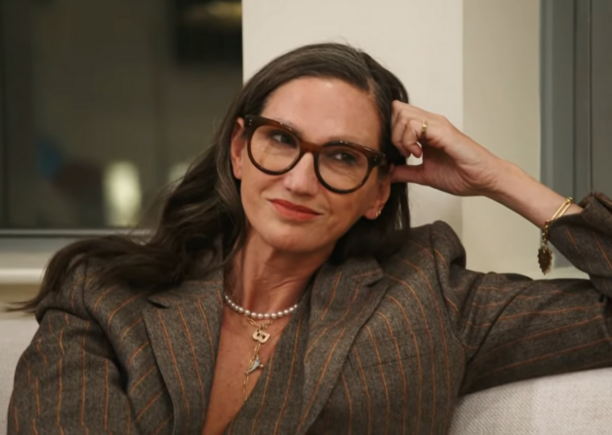
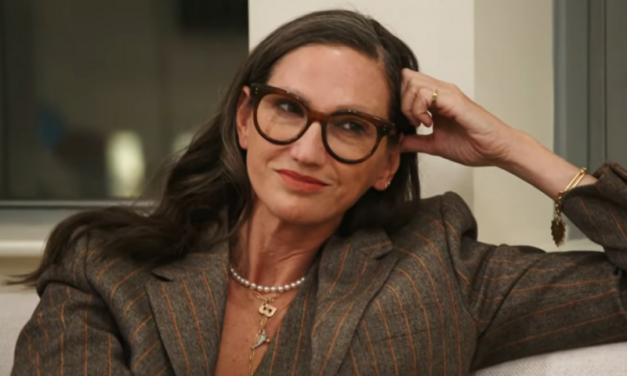
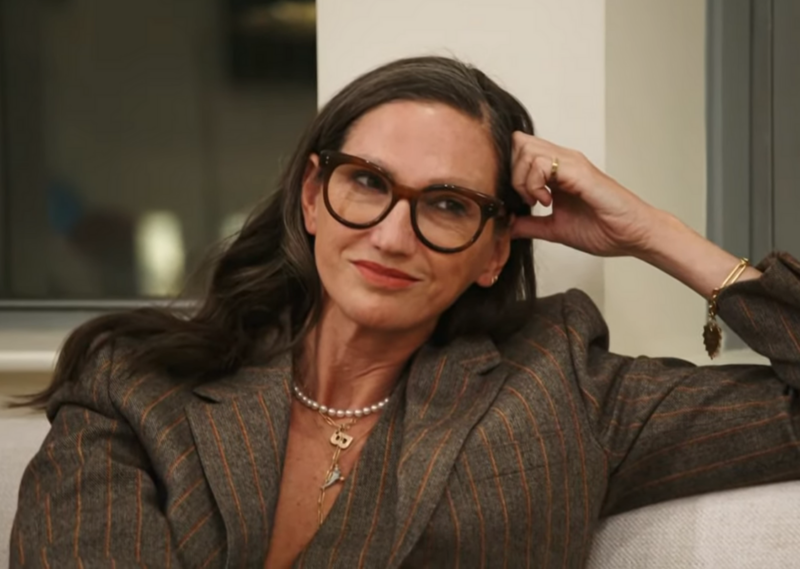
Jenna Lyons’ Grey Pinstripe Blazer

Jenna Lyons’ Grey Pinstripe Blazer / Real Housewives of New York Season 14 Episode 13 Fashion

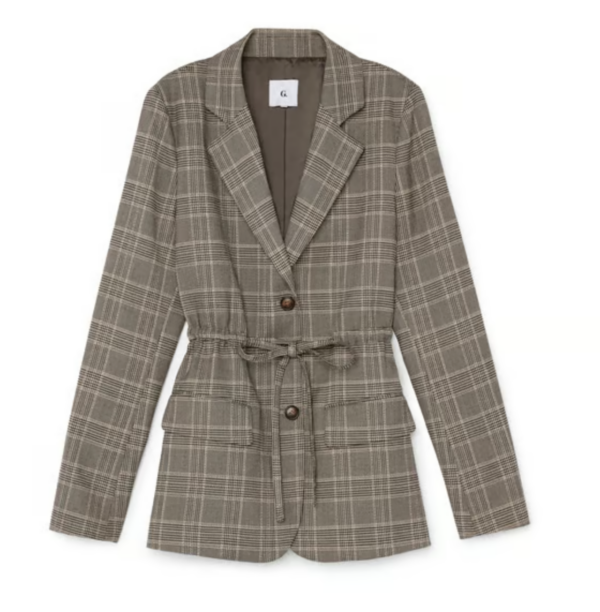
It’s no shock that business woman Jenna Lyons would be ‘business woman chic’ in her grey pinstriped blazer. But what was a little shocking was finding out that this is actually a mens jacket! I always love when Jenna does that because after growing up with three brothers and now living with my boyfriend, I’m always scoping out the boys’ closet and sometimes there’s some good finds with that oversized fit! But even if shopping the mens section isn’t your thing, that’s okay because the only area you really need to be shopping in is in the Style Stealers below. 

Sincerely Stylish,

Jess

Jenna Lyons' Grey Pinstripe Blazer

Style Stealers


Originally posted at: Jenna Lyons’ Grey Pinstripe Blazer

Read More

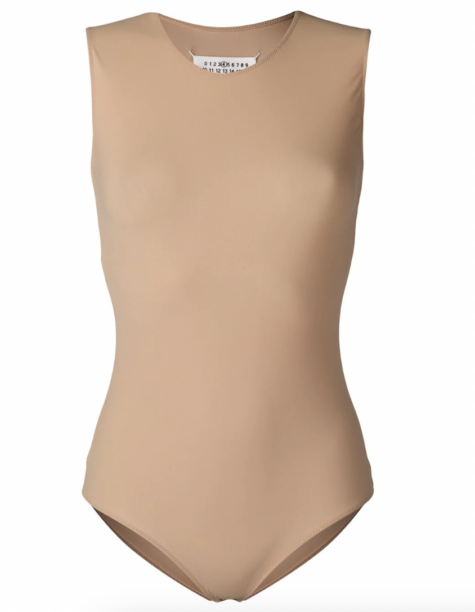
Erin Lichy’s White Ribbed Button Up Bodysuit

Erin Lichy’s White Ribbed Button Up Bodysuit / Real Housewives of New York Season 14 Episode 13 Fashion

Erin Lichy is finally out off the hot seat when it comes to the drama this week on #RHONY. That doesn’t mean she isn’t sitting pretty at this lunch in her white ribbed bodysuit! But that is not super surprising because Erin has a knack for putting together simple yet chic outfits. And this piece is just that and also very versatile if you think about it. Which means the only thing worth inserting yourself into is your friends fight the Style Stealers below.

Sincerely Stylish,

Jess


Erin Lichy's White Ribbed Button Up Bodysui

Click Here for Additional Stock / Click Here for More Stock / And Here for Even More

Click Here to Shop Additional Colors


Style Stealers


Originally posted at: Erin Lichy’s White Ribbed Button Up Bodysuit

Read More

Is There a Connection Between Hearing Loss and Falls in Older Women?

hearing loss and falls

Today, approximately 50 million people in the United States are suffering from hearing loss. Yet nearly 42 million (that’s nearly 80%!) of them go without treatment. Hearing loss has been listed by the Department of Health and Human Services as the third most common chronic health condition affecting seniors. Third!

Hearing loss is estimated to affect nearly 50% of adults in the 60 to 70 age bracket, nearly 67% of adults between 70 to 80 years, and the numbers only go up from there. As we live longer and science continues to increase life expectancy, we need to be best prepared to deal with this debilitating disorder and understand how it can impact our lives.

Falling Is One of the Consequences of Living with Untreated Hearing Loss

Hearing is one of the major senses; in fact, I believe it is the single most important sense we have. Hearing plays a major role in our fight or flight, prey vs. predator, and history as human beings, and hearing today has the important role of keeping us communicating and connected with the world around us – at home, at work, and in our community.

To further support the claim that hearing is the single most important sense we have, I offer the fact that the organ of hearing, the cochlea (aka the inner ear), is embedded deeply in the skull, in the hardest bone in our entire body, the temporal bone, giving our organ of hearing the highest level of protection.

It is important that you understand the dire consequences of untreated hearing loss and how improved hearing can decrease your risk of falling and help you maintain your independence as you actively age.

A Mild Hearing Loss Is a Major Problem

In addition to the importance of maintaining an active, engaged life with family and friends, early treatment of hearing loss is important for maintaining proper brain health. Simply put: Hearing Care is Preventative Medicine.

Your hearing drives your conception of everything and everybody around you; thus, hearing is always driving cognition. Hearing is driving memory. It’s driving your image of the environment around you. You don’t turn your hearing on or off; you can’t close your ears like you can close your eyes. There really isn’t a sense or portion of your brain that isn’t connected to your auditory system.

I believe this speaks to how important hearing is to live and to thrive. We are bombarded with sound at all times and the brain is constantly, in real-time, making decisions as to whether or not certain sounds are important, trying to figure out how to categorize the sound and if it is important to store away and remember it for reference at a later date.

A mild hearing loss can take away significant portions of the auditory world around you – and is likely the reason behind why patients with untreated hearing loss are at a significantly higher risk of experiencing a devastating fall.

How Hearing Loss May Lead to a Fall

While falling is a complex issue influenced by various factors, hearing loss can contribute to this risk in several ways:

Balance and Spatial Awareness

The inner ear plays a crucial role in maintaining balance and spatial awareness. Hearing loss can disrupt the normal functioning of the inner ear, leading to balance problems. This can make older women more susceptible to falls, as they might struggle to maintain their equilibrium.

Auditory Cues

Our environment provides important auditory cues that help us navigate and avoid obstacles. Sounds like footsteps, approaching vehicles, or warnings from others alert us to potential dangers. With hearing loss, these cues may go unnoticed, increasing the likelihood of accidents and falls.

Distracted Attention

Older adults with hearing loss often need to expend more cognitive effort to understand speech and sounds. This increased cognitive load can lead to distractions and reduced attention to the physical environment, making them more vulnerable to tripping or stumbling.

Communication Barriers

In social situations, individuals with hearing loss may struggle to communicate effectively. This can lead to isolation and withdrawal from activities, reducing opportunities for physical exercise and social engagement, both of which play roles in maintaining physical strength and balance.

Decreased Awareness

Hearing loss can lead to decreased awareness of one’s surroundings. For instance, not being able to hear approaching footsteps or warning signals can make it difficult to respond quickly to potential hazards.

Delayed Response

If an older woman cannot hear warning signals or instructions promptly, her ability to react in a timely manner to avoid falling may be compromised.

Psychological Impact

Hearing loss is often associated with feelings of frustration, anxiety, and even depression. These emotional states can affect cognitive function and reaction times, indirectly increasing the risk of falls.

Miscommunication

Misunderstandings due to hearing loss might result in miscommunication with healthcare providers or caregivers, leading to incorrect medication usage or missed medical advice that could impact overall health and well-being.

How to Be Proactive About Auditory Health

To mitigate these risks, it’s essential for older women with hearing loss to take proactive steps:

Regular Hearing Check-ups

Regular hearing assessments can help identify and address hearing loss early.

Treat Your Hearing Loss

The medical treatment of hearing loss can significantly improve hearing and reduce your risk of a traumatic fall.

Environmental Modifications

Creating a safe home environment by removing hazards and ensuring proper lighting can reduce the risk of falls.

Physical Activity

Engaging in regular physical activity can help maintain strength, balance, and coordination, reducing the risk of falling.

Communication Strategies

Learning effective communication strategies can help reduce frustration and improve social interactions.

Regular Medical Check-ups

Routine check-ups with healthcare providers can address any health issues that might contribute to falls.

In Summary

Hearing loss can affect older women’s balance, spatial awareness, and overall awareness of their environment, increasing their risk of falls. Taking steps to address hearing loss and its associated challenges can help mitigate these risks and improve overall well-being.

Treating hearing loss can increase auditory and environmental awareness, decrease the risk of falls, and ultimately mean living a healthier and more independent lifestyle.

This is your hearing, your brain, and your overall health we are talking about here; never be afraid to insist on being heard and having your questions answered by your clinician.

Let’s Have a Conversation:

How well do you hear? Has your hearing worsened with age? Do you treat it? In your experience, how has hearing loss affected your life?

Read More

Stuck in a Groove? We’ve Been Primed to Create!

finding creativity after 60

I have a confession to make. Writing this essay was painless. I did not have to cloister myself in a cabin in the woods, empty my calendar of obligations, or stay up all night. As a retirement writer, the ideas for most of my pieces seem to arrive effortlessly: after all, I am living them daily!

For the most part, many of the ideas which became posts on my website arrived to me in just one morning at the beginning of my retirement. They were carefully recorded for a potential book, which morphed into a website.

For the actual writing, my practice was to wait until I had an inspiration, usually early in the morning, select a topic and conduct the required research. Then I wrote the piece, usually in one sitting. I do not have super-powers. There are many retirees who find themselves easily sliding into the creative process.

Why am I sharing this? Read on.

Creativity and the Older Brain

Why is it that creativity, a capricious character, regularly appears and disappears in the human lifespan without a trace? Let’s start with some very good, unexpected news. The “older brain” is well suited to creativity! Real science conducted through brain studies and views of the two brain hemispheres is the genesis for this novel idea. Novel? Well maybe not.

Laura Ingalls Wilder created her Little House on the Prairie books between the ages of 65 and 71 and plans for the Guggenheim Museum was completed by Frank Lloyd Wright at age 92. Yes, MRIs were not yet invented, but the older brain was still thriving!

The essence of this modern research is that the aging brain oddly resembles the creative brain of younger people. The boring explanation is that there is a deceleration of neural communication channels, just like there is a general downtrend in all physical processes with age. The reason why this is a good thing, is that information takes a slower, alternative route (think back roads), and this process makes new connections.

Older folks have broader attention spans and can connect divergent ideas effortlessly! Layer that upon a lifetime of experiences from which to draw upon and you have a happy brain taking a slow drive down a country road, eager to explore the interesting sights well off the highway. That older driver has also earned the right to be more disinhibited by living a good number of years, has reduced the need to please others, and thrives in disregarding social expectations.

How Creative Are Younger Brains?

To understand what happened to our creative urges in our lifetimes, let’s move to the opposite end of the age spectrum: childhood. Research shows that by fourth grade, most of us have lost our birthright to creativity.

Moving backwards, we have experienced years of “self-control,” or the domination of executive functioning, a focus on the narrow world of logic and facts, and we’ve been socialized to be too sensitive to the judgments of others.

Juxtapose those experiences to early childhood, which was a time when 2/3 of our waking hours were spent in the realm of the imagination, the genesis of creativity. We were more open to new possibilities, less constrained by rules, lived in the present, and were not as affected by the judgments of others. Are you starting to see some similarities between these two distant stages of life?

Is Creativity Just for “Artists?”

Researchers into creativity such as Soviet psychologist Lev Vgotsky and Sir Kenneth Robinson believe creativity exists in all people. Most of us buy into the myths that only “special people” are creative. That creativity is only expressed in the arts, and it is a purely uninhibited form of self-expression.

Nothing could be further from the truth. Creativity draws from powers we all have as humans, and it is possible in many, many contexts. The creative person has an appetite for discovery and a compelling motivation, which is uniquely personal.

The simple requirements for creativity are that something needs to be made, it must be different than what existed previously, and it is useful in solving a problem.

These criteria can span the material world, science, technology and almost every field of human endeavor. The creation can also be a new mental construct. Those who do create, generally, are more emotionally engaged. They are brave enough to feel the full range of human emotion.

Morning Pages and the Artist Date

Where does one begin to access one’s lost creativity? What is the appropriate context? How can all the years of being responsible and attending to the mundane be undone? The guru on this subject is Julia Cameron, whose book The Artist’s Way, circa 1992 has guided countless “artists” uncover their subterranean riches.

Her basic principles include the ideas that “creativity is the natural order of life. There is an underlying, in-dwelling creative force infusing all of life, including ourselves. The refusal to be creative is self-will and is counter to our true nature.” If you can change your mindset to embrace these ideas rather than dwell on Required Minimum Distributions from your IRA, imagine how your life can change.

At this time, you may not need any “exercises” to release your creative power. Perhaps you are dependably cooking, playing an instrument, or gardening and have been all throughout your work life. For those of us who had to dig back into the years before having children or a challenging career, Ms. Cameron has two excellent suggestions: Morning Pages and the Artist Date. Both require a regular commitment of time – no excuses!

The Morning Pages

The Morning Pages require you to write three pages, longhand, as soon as you wake up every day! It is a stream of consciousness writing and meandering, and editing is strictly prohibited. It gets all of that detritus floating in your mind out of the way, which is a block to your creativity. Most of the time, your writing flies under the radar of “The Censor” which also limits your creative output.

The Morning Pages clue you into what thoughts are close to the surface, and they might really surprise you. It is very similar to a meditation practice, but it is done on paper. You do it regardless of your mood and responsibilities. The idea is to help you find your creative voice.

The Artist Date

The second regular exercise is the Artist Date. This is an activity to “fill your well,” which undoubtedly has been empty for possibly decades. The Artist Date is a two-hour outing or activity with your creative self each week.

It is a fundamental self-nurturing experience of spending quality time with a part of you that needs a “loving aunt.” It may involve a walk in the country, a shopping trip to an antique shop, a visit to an art gallery or a meal in an ethnic restaurant. A soak in a tub, chopping vegetables, and even a Zumba class all count, as long as these dates are regular fixtures on your calendar.

Another Route – “Restorers”

Fjolla Arifi writing in the Huffington Post offers up five restorative activities to increase physical and mental health – they can even positively affect one’s mortality! Not surprisingly, they are all creative pursuits: listening to music, solving puzzles, singing and dancing; drawing, painting, and sculpting; and creative writing (what I do on my website).

All tap into that great store of life experiences. Inhibitions fall away, non-dominant brain hemispheres get a workout, and possibly a beautiful product is made.

As we age, we are well-aware of our decreasing capabilities. Leaving your creativity on the table is like walking away from a winning lottery ticket!

Let’s Have a Conversation:

Do you have a creative urge? Has your creativity popped up now and again? When was the first time you noticed its reappearance? Have you pursued a creative activity? If not, what might be holding you back?

Read More

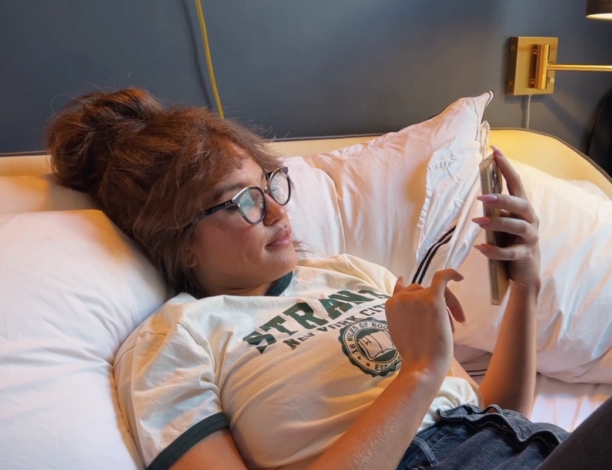
Brynn Whitfield’s Blue Light Glasses

Brynn Whitfield’s Blue Light Glasses / Real Housewives of New York Season 14 Episode 13 Fashion

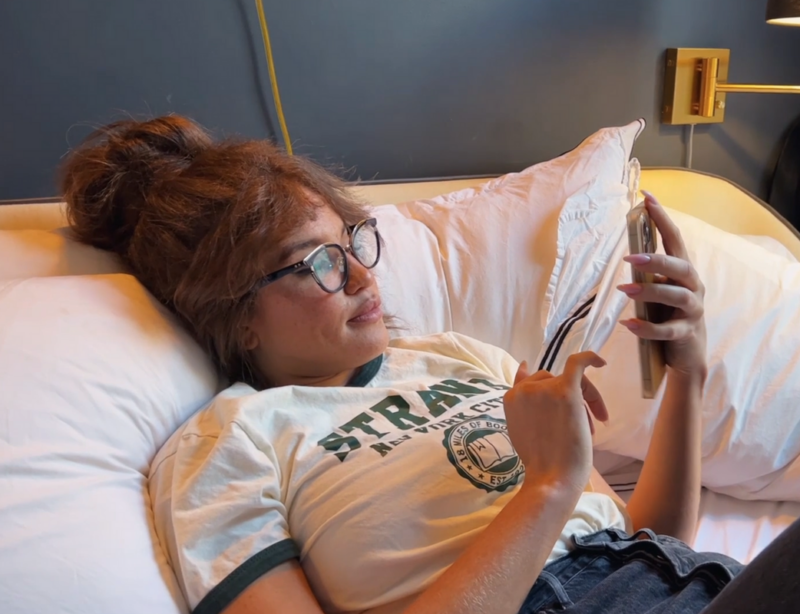
I’ve been missing Brynn Whitfield while she’s been quarantining! But we do get a quick look at her during that time FaceTiming her brother and wearing a very cute pair of black blue light glasses on tonight’s episode. And you’ll be pleased to know that they are actually from Amazon which means they are affordable (my favorite word) and on top of that they are in stock too. So knowing we can all easily get our hands on a pair is pretty sick

Sincerely Stylish,

Jess


Brynn Whitfield's Blue Light Glasses

Style Stealers


Originally posted at: Brynn Whitfield’s Blue Light Glasses

Read More