Month: October 2023

Can Cake Designs Really Be Considered Art? You Bet!

Cake designs as an art form? I hear you question…. REALLY?!

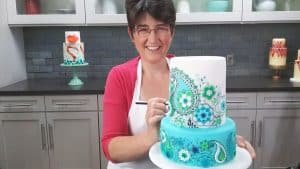
Well, yes, beautifully designed and decorated cakes come into existence using the same processes and considerations as the latest collections on the London or Paris catwalks. I am a cake designer, and for me, cake is my canvas and sugar my medium.

I have always been creative and when I was younger I wanted to paint but never found the time. Through creating birthday cakes for my children however, I discovered I had a flair for design. This spurred me onwards and upwards. It has not always been easy and as Elizabeth Gilbert says:

“It’s difficult to create things, if it wasn’t difficult, everyone would be doing it and it wouldn’t be special or interesting.”

I find that people are generally fascinated by my work and frequently ask where my ideas and inspiration come from.

Looking for Cake Design Inspiration

It’s impossible to design in a vacuum; like all true artists and designers I need inspiration and this can come from absolutely anywhere. For instance, it’s not unusual for me to spent an afternoon, sitting in the warm glow of my wood burner, designing a wedding cake for a magazine.
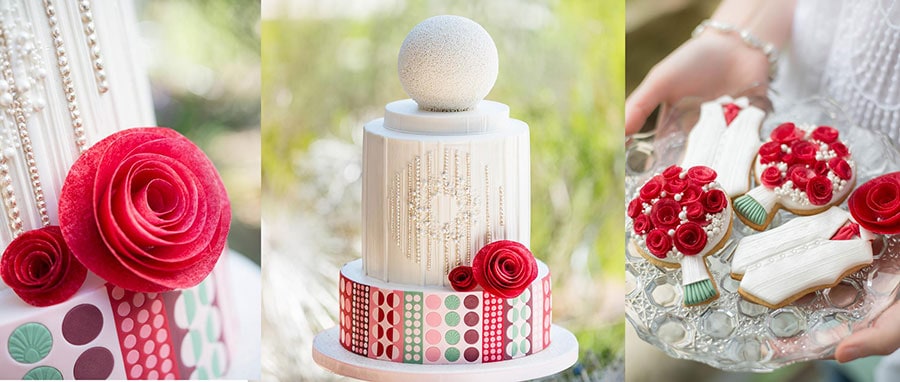
retro-circle-wedding-cake-by-lindy-smith

Developing an Idea

You may think it sounds rather unlikely, but the idea for this particular design came from an overheard, rather negative remark that a bride had chosen fuchsias as her wedding flower. Now, like the bride, I love fuchsias.

As a young teenager, I collected cuttings, propagated them and grew many beautiful fuchsias. I carefully overwintered the plants in my mother’s greenhouse and was very proud of my interesting collection that flowered so profusely each and every summer.

I know this may well seem a little weird to today’s teenagers, but I grew up with no television in a rural area with little going on. It was long before the distractions of the internet and mobile phones. Fuchsias held a certain appeal for me and still do, which I guess is why this chance remark stayed with me and why I felt I needed to give the flower my “support.”

Drawing on Multiple Sources for Inspiration

Designing is a process with an unknown outcome, so where to start? For me, I like to create a context for an idea. I start by researching and collecting design references. I love this part of the process; it is where I look through my photographs and design reference books. I have collected quite a library over the years. I search the internet for trends and any additional inspiration, particularly for current colour palettes.

I open myself up to ideas, let my eyes feast on the beautiful details and allow one idea to spark another. For me, it’s like picking sweets in a sweet shop; ultimately I must make choices where one choice often leads to another. Once my bag is satisfactorily full, I begin to sketch.

In this instance, I started by sketching a late flowering fuchsia from my garden as this was to be central to my design. I sketched details from the design references that appealed to me: art nouveau patterns, historical ornament details, large fabric ruffles inspired by trends on the catwalk and a touch of gingham. To you, these may sound rather a mishmash of ideas but they were golden nuggets from which a cake design emerged.
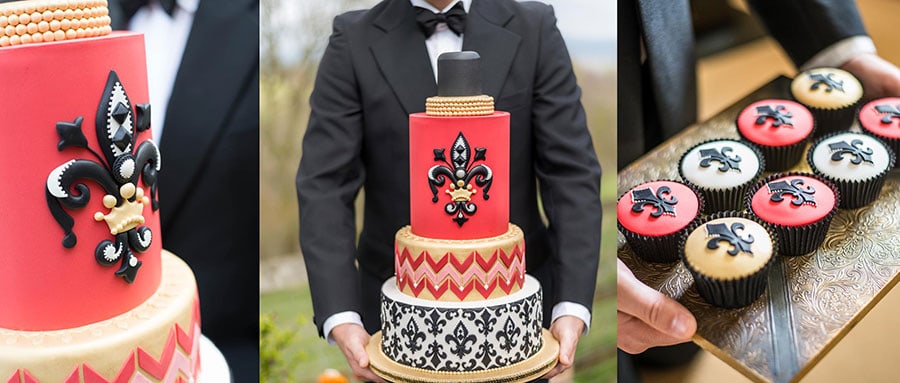
fleur-de-lis-wedding-cake-by-lindy-smith

Fairy Dust

In her book, Big Magic, Elizabeth Gilbert likens this creative process to “fairy dust” and says, “I can feel myself being gently propelled by some external force, something is carrying me along – something powerful and generous and that something is decidedly not me.”

I feel exactly the same and it’s wonderful. It doesn’t always happen. Sometimes I can’t make an idea work no matter how hard I try; it’s like groping around in the dark for a light switch and not finding one. Conversely very, very occasionally a fully formed design pops into my head by magic, and I have to grab it whilst I can!

Cake may not be essential to our lives but it certainly enriches our experience. If I were a painter, I would fill canvas upon canvas and they would probably sit in a pile in my loft – I’ve no idea if I would be a good painter – but as a cake designer, my art is very much admired but it doesn’t last long.

I like it that way. It means I can continue to explore ideas and see where my creativity takes me next. Visit my Facebook page for latest news and endeavours – how exciting!

Let’s Have a Conversation:

Where do you go to find creative inspiration? Do you think that cake designs should be considered art? Please leave your comments below and share your creative experiences.

Read More
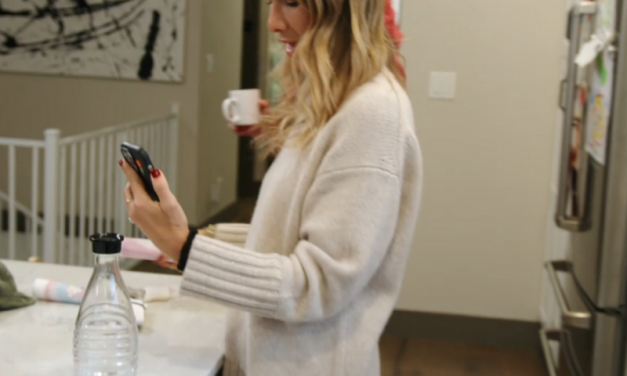
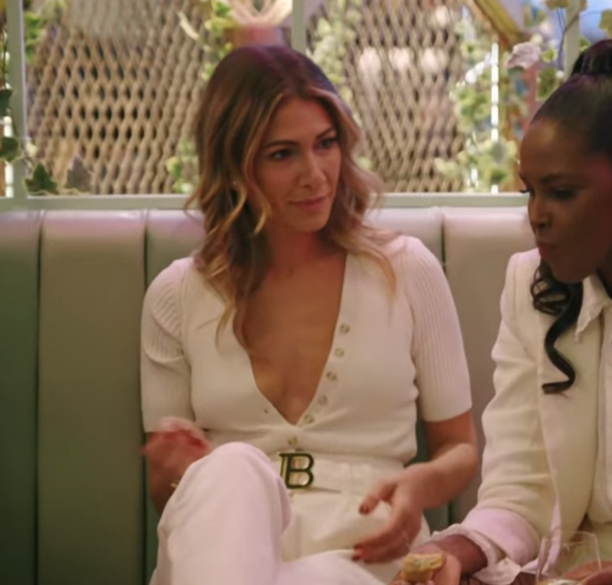
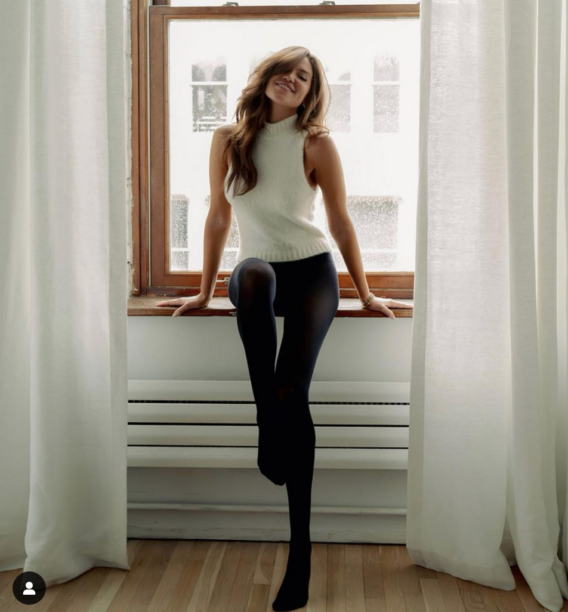
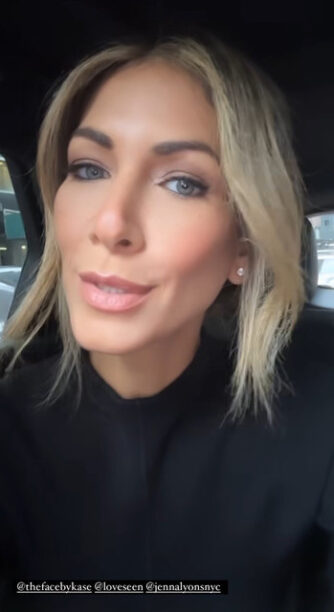
Erin Lichy’s Beige Knit Turtleneck Sweater

Erin Lichy’s Beige Knit Turtleneck Sweater / Real Housewives of New York Season 14 Episode 13 Fashion

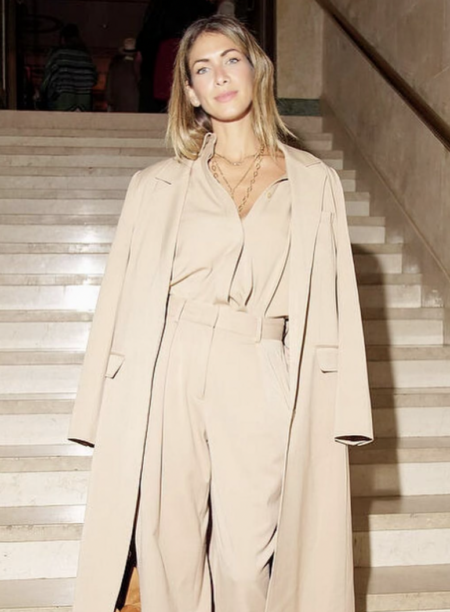
The gossip queens of #RHONY are gonna do what they do best and gossip. But something else they do pretty dang well is fashion. As you can see Erin Lichy is showing that in her beige knit turtleneck sweater on tonight’s episode. This turtleneck looks soooo cozy it makes me want to put it on and cuddle up with a cup of wine coffee. And since peak sweater season is almost upon us means we need to order something just like this to warm us up (and hopefully in less than 25 minutes).

Sincerely Stylish,

Jess


Erin Lichy's Beige Knit Turtleneck Sweater

Style Stealers


Originally posted at: Erin Lichy’s Beige Knit Turtleneck Sweater

Read More
My Healing Journey from Survivor to Thriver

journey from survivor to thriver

October is Breast Cancer Awareness Month, and each year at this time, I reflect on my own breast cancer journey.

In 2001, when I was diagnosed with ductal carcinoma in situ (DCIS), an early form of breast cancer, everything was going well in my life. I was 47 years old and had three wonderful children, ages 12, 16, and 18. Happily married, my husband and I had just celebrated our 24th wedding anniversary.

After being given my options and seeking numerous medical opinions, I chose to have a mastectomy and reconstruction. The surgery and immediate recovery were basically uneventful, except for the emotional upheaval and occasional panic attacks.

Journaling Saved Me

My journaling practice from diagnosis to post-op recovery, became my saving grace. Sometimes I would write poems such as this one:

Robbed Twice

The day after the doctor

cut off my breast

I got on the phone

to my therapist

who told me to give

myself some time

to figure out who I am

after being slashed

by the knife.

I was pleased that my surgeon had recommended reconstructive surgery at the time of my mastectomy so that I would, “wake up with a breast.” But, as a very sensual person, the nature of my surgery profoundly affected my view of myself as a woman.

In addition to the loss of sensation on the mastectomy side, each morning and night when dressing and undressing I was reminded of my physical deformity. My surgeon assured me that most women are asymmetrical and that nobody would notice.

My surgeon’s input was also instrumental in my healing. I’ll never forget how he suggested that I keep a journal during my post-op period.

Helping with Words

I’m the type of person who prefers to move on from negative experiences, so when I was ready, I tucked those journals away in my office closet. Soon thereafter, friends, family members, and colleagues encouraged me to write a book to help other women with their own breast cancer journeys. Given my nursing, psychology, and writing background and my keen desire to help others, I was often referred to as a warrior.

About nine years after my breast cancer diagnosis, I published a self-help memoir, Healing with Words: A Writer’s Cancer Journey, which incorporated my journals, poems, and personal story. At the end of each chapter, writing prompts are offered for readers to document their own stories.

From Darkness to Light

I do believe that in order to see the light, we must first pass through the darkness, and while my scars have ruined my seemingly perfect facade, they’re a constant reminder of my survival. My poetry serves as a reminder that sensuality can continue even after a mastectomy and reconstruction, and it’s about highlighting the beauty in any situation.

I have acknowledged and accepted that my body’s landscape will never look and feel the same. My daily glances in the mirror continue to be a consistent reminder of my loss – my right breast removed and replaced with a silicone pouch. There’s no escaping that truth.

Positivity Is Imperative to Healing

To thrive means to go on with your life, but also surrounding yourself with those who offer positive healing energy and who make you feel good about yourself and your situation. I suppose this is what happens when you come face-to-face with your own mortality – you try not to allow people into your lives who drain you of the vital energy that is essential for your own healing.

It Didn’t End There

Exactly five years after my breast-cancer diagnosis, during a routine blood test, I was diagnosed with smoldering myeloma, a form of blood cancer. I was shocked once again and driven back to my journals to help me make sense of the news.

I had always been productively creative, but this new diagnosis brought with it an added sense of urgency to share my words and passion with the world. I’d never been afraid of dying, but immediately after this diagnosis, I went into overdrive, burning the candle at both ends and putting out book after book. I truly felt my impending mortality.

I’ve always cherished my journaling time, and this was especially true during my cancer journey – from diagnosis to recovery. It was a time for deep reflection, and each morning I sat in my backyard overlooking the lake with my cup of coffee and poured my sentiments onto the pages of my journal.

The Journey Matters

Many women have used journals to record their breast-cancer experiences. Some of these journals or books have been published, such as those by Audre Lorde, May Sarton, Betty Rollin, Rose Kushner, Hilda Raz, and Elizabeth Berg, to name a few.

For me, journaling on gave me the opportunity to get to know myself on a deeper level. A lot came forth during my journaling practice. I realized that I didn’t want to be identified as a cancer victim. Rather, I wanted to be the person who overcame cancer. I didn’t want empathy or sympathy; I just wanted to be respected and loved.

Now, more than 20 years after my breast cancer diagnosis, I’ve returned to my daily routines, but the emotional and physical scars of having had breast cancer and then multiple myeloma will always be present. Over the years, the pain has dulled somewhat, and I’m less sensitive; and more proud of my survival, revival, and ability to thrive.

Here is another poem I wrote in my journal, which was later published in my second memoir, Healing with Words: A Writer’s Cancer Journey: (If you write me, I will send you and autographed copy.)

Bifurcation

Having a breast sliced off

leaves a woman with two lives—

the one before the loss

and the one after.

Healing Takes Time

Journaling has taught me that emotional healing usually takes longer than physical healing. As cancer survivors and thrivers, we’re often led to reflect upon our mortality and wonder what people will say about us after we’re gone.

I want to be remembered as a woman warrior who survived in spite of all odds, and also as a positive person who contributed to the happiness of others in whatever way possible – without jeopardizing my own health. I also want to be remembered as someone who celebrated life’s high points and navigated quickly through turbulence.

Let’s Have a Conversation:

Do you think of yourself as a survivor or warrior? What is your most prominent battle? Did you win? What means did you use to remain above water and thrive?

Read More

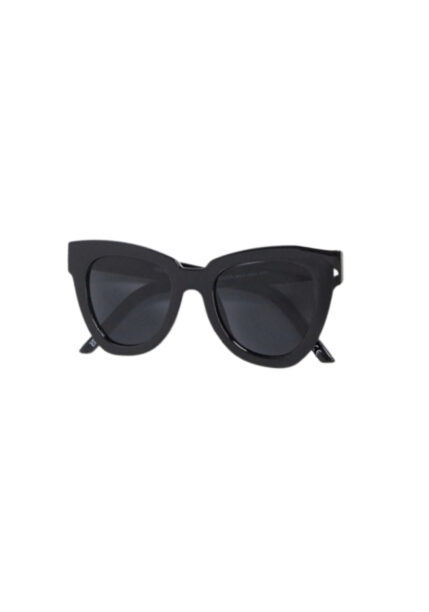
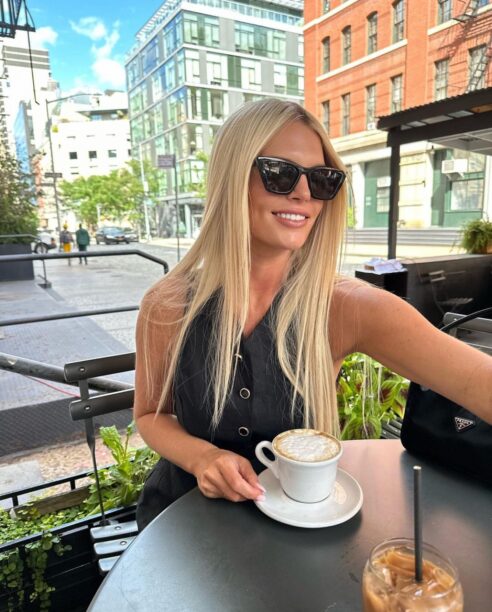
Olivia Flowers’ Black Sunglasses

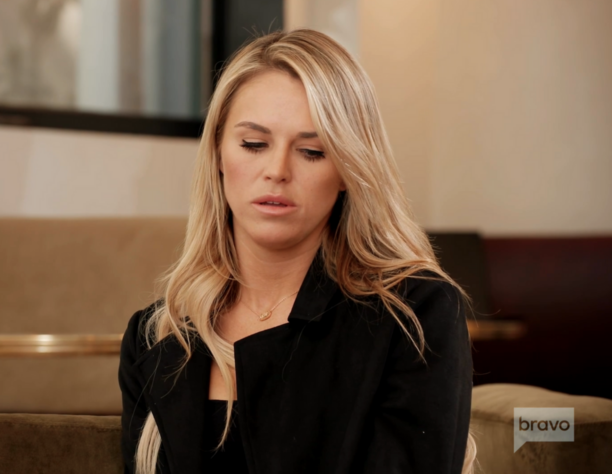
Olivia Flowers’ Black Sunglasses / Southern Charm Season 9 Episode 4 Fashion

Oof this scene between Olivia Flowers and Taylor Ann Green on tonight’s Southern Charm is tough to watch. But something that makes it a little better is getting a good close up of Olivia’s black sunglasses after. I love this style and this brand of sunnies because they will probably never go out of style and can be worn during any season. And they help protect your eyes from the sun which is pretty prime. If only they could protect your ears too so you don’t have to hear about your BFF and your ex talk about possibly *trying* something.

Sincerely Stylish,

Jess


Olivia Flowers' Black Sunglasses

Style Stealers


Originally posted at: Olivia Flowers’ Black Sunglasses

Read More
How to Stop Being a Worry Wart

how to stop worrying

If you’re a worry wart, you are definitely not alone. I was a worrier for a long time. I thought worry was just a part of life. There was really no way to get around. It just happens. You live with it until the worrisome situation blows over and you can breathe again.

Have you ever lost a night’s sleep because you couldn’t get rid of chaotic, anxious thoughts? Count me in! Those of us navigating our way through the 60+ years can undoubtedly find ourselves excessively pondering health concerns, relocation decisions, retirement issues, or problems with adult children.

Worry Keeps Us Captive

Feeling isolated, lonely, frustrated, and stressed comes easily. Along with that, appetite can diminish, and healthy eating flies out the window. Overwhelm keeps us from going for a walk, connecting with a friend, or engaging in social activities we enjoyed at one time. There is so much to worry about! If we don’t worry about it, who will?

What worry warts really want is to subdue the never-ending flood of “what if” questions and imaginations. Those are a constant for them. What if this happens? What will I do if that happens? Functioning calmly would be a dream come true. Managing stress with a few relaxing strategies would be life-giving.

No doubt about it, getting rid of overwhelm would “make their day”… and week … and month … and year. It would make life a whole lot better! Getting a good night’s sleep and waking up without a bucket load of fear sounds like such a relief.

This Was Me

About 11 years ago, this was my life. I was smack dab in the middle of an emotional nightmare. I wasn’t sleeping. Disturbing relational and legal problems surfacing in my family had me tied in knots. I was obsessed with scary, unsettling thoughts. Visits to my doctor increased. Xanax became a calming friend. To say the least, I was a major mess.

Months later, as this crisis shifted into low gear, I declared, “I’m not living like this anymore!” The help I found prompted a 180-degree shift in my way of managing stress and worry. I learned how to become free from the tyranny of anxiety.

You might say I’ve become immune to excessive worry and fear. I am thriving and constantly learning more about living an anxiety free life. The time and effort were certainly worth it for me. After overcoming anxiety, I became a certified anxiety coach so I could help other women do the same thing.

So, is there hope for worry warts? Yes!

The FIRST STEP to Squashing the Worry-Wart Tendency

Exploring the root cause of stress and anxiety is the starting place; it’s always the first step. It takes courage and commitment. Uncomfortable thoughts and feelings may show up. However, journeying through them instead of avoiding them is the path to releasing unease. It’s about delving into questions like these:

  • What scary stories am I telling myself?
  • What am I imagining as the worst scenario?
  • Down deep, what’s triggering me?
  • What’s my inner critic telling me?
  • What’s really driving my overwhelming anxiety?

The SECOND STEP in Dealing with Obsessive Worry

Moving forward, after sorting out what really prompts worry, means making a life-changing shift. It’s about letting go of old thoughts and accepting new thoughts. This is always the SECOND STEP.

Recognizing and releasing anxious thought patterns and replacing them with new, positive thoughts makes a world of difference. Using tools to establish new thought blueprints opens the mind’s windows for a radical shift in feelings and behavior. Practicing calming strategies turns down anxiety. It’s a powerful, fundamental key to lessening overwhelm.

The THIRD STEP Towards an Anxiety Free Life

A plan to stay anxiety free is the next step. Developing a personal plan to create daily practices of anxiety free living makes it a reality. Regular times to calm down, relax and recharge provide pauses to refresh and remember helpful strategies. This helps deal with anxiety in the moment when old triggers show up.

There are new habits to lean on and combat worry-wart patterns of thinking. Developing self-awareness helps prevent repeating old thought patterns and staying stuck. This kind of mindfulness is life-giving.

A Client’s Worry

Perhaps you identify with my 75-year-old client who found it hard to function because worry was keeping her emotionally paralyzed. In that state of distress, she was unable to think clearly and so she floundered, wondering what to do next. She was numb with anxiety. A good night’s sleep evaded her. She was beside herself.

Over a series of conversations, we uncovered the sources of her stress and anxiety. My client went from being riddled with anxiety to a much more peaceful life. After a serious health setback, she talked about living her best life.

Needless to say, this was a 180-degree turnaround from our first meeting. Learning to manage anxious thoughts has been a huge emotional life saver. She is equipped to manage her thoughts and emotions. She’s living an intentionally calmer, stress free, happier life.

I’ve observed “beyond anxiety” stories repeated in the lives of women at various ages and stages of life. It IS possible to calm chaotic thoughts, manage worry and become anxiety free. I’d be happy to support you in exploring what breaking free from a worry-wart life could look like for you. Find out more about this opportunity here.

Let’s Have a Conversation:

What is your relationship with anxiety? Do you worry more or less at this stage in your life? Have you found the culprit of your anxiety? For how long has it kept you captive?

Read More