Month: October 2023

Learning to Live Alone… with Other People

living alone after 60

Learning to live alone can be very empowering – and expensive.

As solo women, we often prefer to live alone, but we want to do so in an environment which also provides social connections, activities and the sense of community we crave. Community makes it easier to maintain our independence by allowing us to “live alone, together,” the core of the Entourage concept that I write about in my book Retiring Solo.

Money is a factor in solo living, but creativity can compensate for a lack of cash. Resourceful women are falling in love with the idea of having neighbors – and potentially also roommates – again.

The Right Mix of Solitude and Sociability

In her book, How We Live Now, social psychologist Dr. Bella DePaulo calls the simultaneous search for independence and community a mission to find “the right mix of sociability and solitude.” She writes, “There are two things that just about everyone wants in their life. Time with other people and time to themselves.”

Roger that.

I live in a free-standing home in an active adult community. I moved in because that was exactly what I wanted: the ability to live alone in my own space while surrounded by community and, with that, the freedom to be as social (or as reclusive) as I choose!

As an ambivert, someone with both extrovert and introvert characteristics, I love the idea of being able to close my front door and retreat into my own space, knowing that I have neighbors just outside who are available for a chat, an impromptu meal or for keeping an eye on things while I am away. That probably appeals to you, too.

Finding the Right Match

It is a common misconception that people who live alone are unhappy or lonely. It’s not whether we live alone, but whether we feel alone.

There can be nothing lonelier than living with the wrong person. Being confined to a space – no matter how large – with someone who is a bad match can feel far more isolating than being alone ever could. There is an old saying, “It is better to be alone than in bad company.” Very true.

“Friendships have emerged as the essential twenty-first century relationship,” explained DePaulo. That trend is also carrying over into living arrangements. People want to avoid isolation and create support networks while also reducing their housing costs and responsibilities.

Learning to Live Alone – Making the Numbers Work

Living solo may not be an option when costs are high and money is limited. When we live alone, we pay 100 percent of the rent or mortgage and other expenses. There is no one to share the cost, no second income to fall back on when times get tough.

There are many new ways to live in community, including homes clustered around shared areas in pocket neighborhoods; apartment complexes with common spaces; co-housing communities where residents share administration and chores; active adult communities; and senior independent living facilities that offer housing, food, activities and support services.

Shared housing, or living with roommates, is becoming increasingly popular given the cost of most housing options today. Solo homeowners are opening their doors to like-minded housemates. Groups like Women Living in Community connect potential tenants with homeowners.

House sharing also allows you to build your own micro-community where people live separately but together and watch out for each other. If you are looking for an encore business to start, creating a service that connects potential housemates could be a great idea!

Rethinking a Roof Over Your Head

Living with other people carries costs that you may not be willing to bear, e.g. lack of privacy, compromise, friction, shared decision making, conflicting personal habits, friends or design taste. When you live solo, you truly are the queen of your own castle.

Think about what is important to you. Consider your finances. Do you have a support network? How social are you? How much privacy do you need? Shared living could be a good solution for your needs.

Living in an active adult community will be a learning experience for me. I also fancy the idea of sharing a home with other like-minded women in the future, particularly as I get older.

Let’s Have a Conversation:

Are you learning to live alone? Have you found a way to live successfully with other women? What are the challenges of living alone but together? What unexpected benefits have you found by having other women close by? Please join in the conversation to share your thoughts and experiences.

Read More

Angie Katsanevas’ Monogram Set

Angie Katsanevas’ Monogram Set / Real Housewives of Salt Lake City Season 4 Episode 5 Fashion

Angie Katsanevas’s black long coat had to come off so that we could see her monogram set at Lisa Barlow’s Vida tequila party. And if it’s Lisa Barlow approved you know it checked all the boxes. My friends in NY don’t dress to impress like Lisa’s, but if they dressed like Angie I’d totally be borrowing the best of it.

Best In Blonde,

Amanda


Angie Katsaneva's Monogram Set

Click Here for Additional Stock in Her Top / Here for More

Click Here for Additional Stock in Her Bottoms / Here for More / And Here for More


Style Stealers


Originally posted at: Angie Katsanevas’ Monogram Set

Read More

Angie Katsanevas’ Brown Strapless Ruched Mini Dress on WWHL

Angie Katsanevas’ Brown Strapless Ruched Mini Dress on WWHL / Real Housewives of Salt Lake City Season 4 Fashion

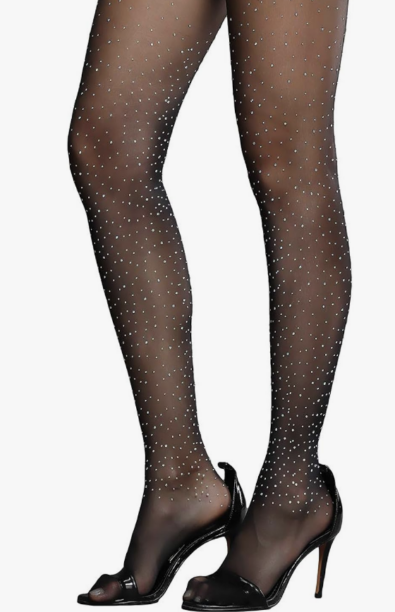
In true Clubhouse fashion I would cast my vote for Angie Katsanevas’ brown strapless ruched mini dress that she wore on Watch What Happens Live last night as a fashion standout. The open-thumb gloves on her were a fun detail, and the matching embellished tights perfectly completed the lower half of her outfit. And while watching her co-guest Bowen Yang was quite comical, I couldn’t help but think that Angie absolutely stole the spotlight with her look. And the best part? Her look is available for you to scoop up for your own watch what happens me moment.

Best In Blonde,

Amanda


Angie Katsanevas Brown Strapless Ruched Mini Dress

Click Here for Additional Stock in Her Dress / Here for More Stock / Here for Even More Stock

Click Here for Additional Stock in Her Stockings / Here for More Stock / Here for Even More Stock / Here for Even More

Photo + ID: @angiekatsanevas


Style Stealers


Originally posted at: Angie Katsanevas’ Brown Strapless Ruched Mini Dress on WWHL

Read More

Cruising the Smart Way: Ship Choice, Activities, Safety and More!

senior cruises

Statistically, cruising has one of the highest, if not the highest, vacation satisfaction rating. And it’s easy to understand why.

With the ease of unpacking only once, no meals to cook or dishes to wash, these floating resorts carry you to fascinating and beautiful places around the world. No wonder cruising is considered the most stress-free way to travel, especially for those over 60.

Before you jump on your first or next cruise, here are five often-overlooked yet common-sense cruise tips for anyone over 60, gleaned from my 50+ years of cruise vacations.



Choose the Right-Size Ship for You

Small, medium or large; cruising is not a one size fits all vacation.

If a quick getaway and low price is your main objective, the best rates are offered on older ships. Deep-discounted long weekend cruises are very attractive to families with kids, party people and budget-conscious vacationers.

carnival-sunshine-waterworks

Mega-Ships

On the other hand, the newest and largest ships offer over-the-top amenities with spectacular evening entertainment, multi-level outdoor sports complexes, daring water slides and dozens of dining options (some with a fee). Enrichment lectures are usually non-existent.

Remember, the larger the ship, the more walking you’ll do. If your mobility is restricted and you don’t bring a wheelchair or scooter, a mega-ship might be too immense.

If a mega-ship is your first choice, check out the newest 3,000+ passenger ships from Carnival, Royal Caribbean, Princess, Celebrity and Norwegian.

Medium Sized Ships

Maybe a medium sized, 1,000-2,999 passenger ship is more appealing. What it doesn’t have in outdoor activities and pool parties, it might make up for in slightly more personal service and upscale ambiance. There will be fewer out-of-pocket dining venues and slightly less time spent waiting in lines.

These ships include some of the slightly older vessels of Carnival, Norwegian, Princess and Royal Caribbean. Holland America’s ships are traditionally smaller. They’re the only cruise line in this category with the most ships with fewer than 2,000 guests.

Because of Holland America’s long-standing commitment to curate a following of “older” clientele, this cruise line has a higher percentage of retirees than many of the other lines. But if you’re young at heart, you won’t be disappointed. There are plenty of activities for all ages.

Small Ships

Small ships with fewer than 1,000 passengers carry a higher price tag but with a more all-inclusive experience plus in-stateroom features like designer bath products, a cozy, soft robe and slippers, and hangers that aren’t permanently attached to the rod. Service is much more personalized, too.

Another advantage of small ship cruising is that these ships can reach more diverse and remote ports than the larger ships. The guest to crew ratio is low and dining venues are fewer and more refined.

Look into Azamara, Silversea, Regent, Crystal, Viking Ocean and the small ships of Princess Cruises, the Island Princess and Ocean Princess.

argyll-splendour

River Cruises

If cultural immersion and serious enrichment are appealing, consider a river or inland waterways cruise. From Paris to Prague and the Mississippi to the Mekong, there’s a river cruise for almost every budget, intellect and physical ability. With fewer than 200 passengers on Europe river ships, it’s a very congenial, relaxed atmosphere.

Major river cruise companies to consider for Europe are: AmaWaterways, Viking River, Tauck, Avalon and CroisiEurope and Uniworld. Cruising the USA are American Cruise Line, Un-Cruise Adventures, Blount Small Ships and American Queen Steamboat.

Select the Itinerary within Your Physical Abilities

Caribbean cruises are known for their wide selection of high-energy shore excursions. Zip-lining above rainforest canopies, parasailing over crystal clear water and climbing waterfalls are just a few of the more strenuous or adventure-filled activities.

If you prefer something a little more intellectual or relaxing, try a 15-day Princess cruise round-trip from California to Hawai’i, a seven-night transatlantic crossing aboard Queen Mary 2 or a river cruise anywhere.

Safety First

Just because you’re on a vacation doesn’t mean it’s okay to let down your guard for safety. From a slip and fall on a wet pool deck to forgetting to put your cash in the safe, there’s always something that can accidentally go awry.

Going ashore in the evenings is very popular. Passengers head out for local bars and restaurants. Almost everyone disembarks at similar times. It’s going back to the ship that’s tricky. You might find yourself alone on a deserted and dark street. Solution: have the restaurant call or flag a taxi or wait and tag along with others leaving the restaurant to head back to the cruise port. Don’t go it alone.

Stay Healthy at Sea

One way to totally trash a great cruise vacation is to get sick. The best way to prevent disease transmission is to wash your hands well and often. Use hand sanitizers as you enter the restaurant and again after handing the menu back to your waiter.

Avoid elevator buttons and hand rails (use only as needed and then wash your hands), wash your hands as soon as you return from shore and use sani-wipes for the TV remote.

A couple of weeks before your trip, ask your doctor to prescribe a “care package” to cover any unforeseen maladies. This might include Imodium, sea-sick pills, cold medication, prescription cough syrup and antibiotics for severe colds or stomach illnesses. This could prevent an expensive visit to the ship’s doctor.

Travel Insurance

Even if you could predict that you won’t get sick or fall and break an ankle, what if an immediate family member back home is rushed to the hospital or worse? Primary, third-party travel insurance isn’t only to insure your health during the cruise. The right policy will cover lost luggage, delayed or missed connections, pre-existing conditions and even fly you home if needed. Note that this is not the type offered through the cruise line, which is secondary to any existing policy coverage.

Cruise line insurance acts as backup to what your own at-home health insurance covers. If you’re a US citizen on Medicare, you’re not covered if the ship is more than 6 hours away from a U.S. port.

Private travel insurance companies include: Travel Guard, Travel Insured and Travel Safe. Compare different companies’ rates and plans before you purchase a policy.

Suggested read: 5 BEST NEW CRUISES FOR SOLO WOMEN OVER 50.

Let’s Have a Conversation:

Now that you have some of the basic information, it’s time to plan your cruise. Do you have a preference for a dazzling new mega-ship or a laid-back, luxurious small ship cruise? If you could choose any river cruise in the world, where would you go? What tips would you share with first-time cruisers? Please join the conversation.

Read More