Month: January 2024

Unveiling Nature’s Power: A Wedding Speech for Millennials’ Well-being

power of nature

At my son Max’s wedding to Sarah, as the mother of the groom, I found myself delivering a speech on nature’s power that unexpectedly resonated with the entire audience, particularly the younger generation. Reflecting on the impact, I realized the relevance of the message beyond the wedding celebration and wanted to share it with a wider audience, especially seniors in my Sixty and Me community.

Where Is Normal?

Recalling a childhood memory with Max, I recounted a moment when, as a Grade 1 student, he asked me “Mommy where is normal?” I was distracted and answered, “I don’t know, you tell me.” After a minute or so he said, “I think it’s out in the middle of the lake somewhere.”

I’m sure if I asked him the same question today, he would likely say “normal” is anywhere in the world, preferably outdoors in nature, and always with Sarah.

Childhood Memories in Nature

During Max’s early years, he enjoyed lying on the ground, gazing into tree branches, and calling the dancing light “angels.” Fast forward to the wedding day, many of Max and Sarah’s friends told me how much my speech reminded them of their precious childhood memories at lakes, rivers, with trees, and in nature.

My speech really connected with the 20–30-year-olds – a demographic deeply immersed in careers and technology – and made them remember nature’s significance in their young lives.

This highlighted for me that not only do I need to share this outside mindset message with my generation, but it is just as important for the younger generations. So, following the wedding, on my podcast Your Outside Mindset, I shared personal insights gained from battling lupus, urging this younger generation to incorporate nature and green spaces into their daily lives.

7 Reasons to Spend Time Outdoors – Every Day

In collaboration with Max and Sarah, currently residing in London, I compiled seven compelling reasons for spending 20 minutes daily outdoors:

Reduced Worry

Green spaces alleviate rumination, breaking the cycle of fearful thoughts and promoting better mental health.

Enhanced Clarity and Well-Being

Outdoor environments facilitate a light, easily shifting focus, restoring attention and cognitive function.

Immediate Stress Relief

Nature’s patterns decrease stress by up to 60%, providing quick relief in your mind and body at the same time.

Longevity

Studies show that regular exposure to green spaces can increase lifespan by 8-12%.

Resilience Building

Green spaces contribute to faster recovery from stress, fostering resilience in facing life’s challenges.

Emotional Regulation

Spending time outdoors helps balance and regulate emotions, promoting a sense of well-being.

Improved Mood and Self-Esteem

Just five minutes in green space positively affects mood and self-esteem, and helps prevent/manage chronic illness.

The Essential Role of Nature

Summarizing these benefits, I emphasized the profound impact of green spaces on physical health and well-being. These findings were shared in more detail in my book, Take Back Your Outside Mindset where I highlight the transformative power of embracing an “outside mindset.”

Personal experience taught me to turn the darkness of a lupus diagnosis into joy and light by immersing myself in green spaces. I encourage you and yours to step away from your screens to spend a few minutes in nature, and embrace the positive changes it brings.

So my message goes beyond a wedding speech, and I hope it serves as a reminder to all age groups about the essential role of nature in creating a healthier and more balanced life.

Let’s Have a Conversation:

How often do you go out in nature? Have you noticed any effects on your mindset? Do you feel calmer, less worried/stressed? What other benefits do you think spending time in nature has had on your health and well-being?

Read More

Want to Lose Weight but Struggle with Menu Planning and Food Prep?

menu planning

As a registered dietitian, I can tell you that menu planning can be helpful for weight loss. You probably know it’s something you “should” do, but for some reason you just can’t.

You might find yourself saying things like:

  • It’s too hard.
  • It takes up too much time.
  • I hate menu planning.
  • It feels too much like a diet.
  • I’m too tired to think about what to eat.
  • I probably won’t succeed so why bother?

Truth is, you could have the best diet or nutrition plan ever, but if you don’t have the beliefs to back it up you won’t lose the weight.

Here’s why…

Our Beliefs Dictate About 90-95% of Our Behaviors

The thoughts that we think on a regular basis (like those above) become our beliefs. And then they start running the show behind the scenes.

This means that if you believe that menu planning and food preparation is too hard, then it will be. If you believe a menu plan is too much like a diet, and you’re sick of dieting, you’ll be very resistant to creating a plan. And if you don’t believe you’ll succeed, then you probably won’t.

Who on earth wants to do something they believe is too hard, takes up too much time, and won’t work anyway? The answer is, NOBODY!

But There Is Hope

It’s not really about the food. It’s about changing your beliefs.

When you change your beliefs it’s easy to eat healthy and lose weight.

To find out what your beliefs are try this…

  1. Write down the negative thoughts you have about menu planning and food preparation. You can use the list above to get you started, if it relates to you.
  2. Close your eyes and visualize those negative thoughts in your mind. Maybe you see them as words on a computer screen inside your head or flashing across your forehead.
  3. Say these words over and over and notice how you FEEL. Did these words motivate you? Were they inspiring? Or did they make you want to forget about menu planning and food prep and call Door Dash for dinner?

Remember, these thoughts are actually your beliefs, and they are the drivers behind your actions and behaviors. With negative beliefs in the driver’s seat, it’s no wonder you’re not successful.

So what can you do?

The First Step Is to Identify Your Negative Beliefs

You just did this with the technique above. A client I worked with recently shared that her negative beliefs included:

  • Cooking is too hard.
  • Menu planning is overwhelming.
  • I don’t have the desire or will to cook.

We figured out where these beliefs came from, how they were sabotaging her, and how they made her feel like a failure each time she tried to lose weight.

The Second Step Is to Let These Negative Beliefs Go

These negative beliefs are literally the emotional baggage that is weighing you down and hindering your success. You need to find a way to completely eliminate these beliefs.

I use all kinds of tools to help my clients eliminate beliefs that sabotage their weight loss, which are easily available on my YouTube channel if you’d like to learn more.

The Third Step in the Process Is to Create New Beliefs That Support You Instead of Sabotage You

Here’s how that works…

My client who said she hated cooking now has the belief that cooking is easy and that menu planning is freedom for her.

The results? This week she made a big batch of beef stew, veggie soup, and chicken with pecans on top. Amazing! And she shared that it truly was easy and fun.

Another client who dreaded menu planning and found it too hard is now involving the family. They recently had a fun afternoon creating menus for the month, and she is finally starting to lose weight.

And a woman shared that she used to buy veggies she would never eat and then throw them out as they’d go bad in her fridge. She now chops them up when she buys them and actually eats them fresh. She was pleasantly surprised how easy this was, and she didn’t turn to junk food snacks. Wow!

If you really want to lose weight, it’s essential that you change your behaviors.

And if you want to change your behaviors, you’ve got to change your beliefs.

If you want to learn more about how to make this happen for YOU, I warmly invite you to watch my free training: How to Stop Cravings and Emotional Eating So You Can Lose the Weight and Keep It Off.

Let’s Have a Conversation:

What do you find the most difficult in creating meal plans? How far ahead have you created meal plans? Does this reduce meal planning stress for you? Do you think meal plans help you with weight management?

Read More

Is Your Lymphatic System Resilient?

lymphatic system

With so many viruses circulating this time of year, it’s important to talk about what makes your body resilient and actively supported in the first place.

Your lymphatic system warrants your attention and there’s no shopping required. It plays a prominent role in immunity and has a critical foundational role in a strong immune system. When your lymphatic system is functioning well it enables a healthy rebound from illness and often prevention itself.

What’s It All About?

The lymphatic system is a complex matrix of vessels, capillaries, nodes and organs that include bone marrow, thymus, tonsils, spleen as well as mucous membranes. Its function is vital to preventing disease. In simple terms, it’s a passageway for immune cells, proteins, fats and oxygen and a clearing system for toxins and waste.

Lymph vessels bring oxygen and nutrients to cells and remove waste from them. Clusters of cells known as lymph nodes filter out anything suspicious and restore excess fluid and proteins back to your blood.

Lymph vessels called lacteals make up the largest collection of lymph vessels in the body. They’re essential in absorbing fats and the fat-soluble vitamins A, D, E, and K. So no matter how much vitamin D you take, if it’s not being absorbed it’s likely not helping you.

How Does Aging Affect the Lymph System?

Aging, along with poor diet and lifestyle choices, creates challenges for the lymphatic system. As you get older, systems slow down due to a lifetime of toxic buildup, overload and the more sedentary lifestyle that often sets in.

Dehydration

Dehydration happens at any age but as you get older it takes the body longer to recognize that it needs to be hydrated. This onset of dehydration causes lymph tissue to become stiffer and less elastic, causing joint pain and limited mobility. The tissue also becomes more fatty and accompanies atrophy of muscle.

Inflammation Becomes More Prevalent

Research shows that weakened vessel walls and a decrease in muscle cells can cause fluid leakage resulting in inflammation that weakens muscle contraction and impairs lymph flow.

Low Nitric Oxide

Nitric oxide production decreases significantly by the time we reach our 40s. Limited nitric oxide availability has been shown to cause leaky lymphatic vessels, weaker muscle contraction and is associated with the development of lymphedema, atherosclerosis and obesity.

Chronic Stress

Stress sits in the gut and wreaks havoc when it’s chronic. Food allergies, sensitivities, diets high in processed foods, artificial sweeteners, refined sugar and oxidants cause congestion of these vessels and slow down lymph flow and detoxification.

Lymphatic Drainage

In the brain, studies show impaired lymphatic drainage plays an important role in the onset of Alzheimer’s disease. When lymph vessels start to leak due to toxic buildup, skin cancers and other skin conditions can develop in older adults. Make sure your body is sweating, and if you notice you hardly perspire, check in with your physician.

Dead Cells

Dead cells and damaged cells that aren’t efficiently flushed out create an inability to fully absorb oxygen and nutrients while weakening their ability to fight infection and the onset of disease. Chronic stress is a big factor in exacerbating this inability.

Possible Signs of Impairment

There are many symptoms that on their own could relate to almost anything, but when you experience a few of these it may be a sign of a sluggish lymphatic system that needs attention.

  • Brain fog
  • Constant colds
  • Cellulite
  • Cold hands and feet
  • Constipation
  • Ear infections, build up of ear wax
  • Excessive sweating
  • Fluid retention, bloating
  • Itchy dry skin
  • Onset of allergies
  • Puffy eyes
  • Respiratory congestion
  • Swollen nodes (most noticeable at the neck, below the ears and jaw line, groin and armpits)
  • Stiff achy joints
  • Swollen ankles/feet
  • Sinus congestion
  • Skin rashes

Good Nutrition Equals Healthy Lymph

Mineral imbalance, an irritated digestive system and a gut that doesn’t function well is added stress on the body and the lymph system. It destroys lymph tissue and has negative impact suppressing immune function by reducing lymphocyte capabilities.

Adopting an anti-inflammatory diet will boost your body’s ability to maintain a proper functioning lymphatic system when paired with some of the suggested actions above.

Avoid highly processed foods, refined sugars, and poor quality proteins and fats that cause inflammation and a build up of toxins. Eat an abundance of leafy greens, vegetables and fruits rich in polyphenols. Add in seeds, nuts, wild fish, ginger, turmeric, garlic and high fiber foods that bind to toxins and flushes them out.

Complement good food with restorative herbal teas such as nettle for allergies and sensitivities, ginger for inflammation, and lemon, burdock, dandelion and chamomile for cleansing.

Get Moving

Lymphatic vessels, although similar to blood vessels, differ in how they move fluid. The heart acts as a pump to move blood but the lymphatic system doesn’t have any active pump. It relies on skeletal muscle movement, smooth muscle contraction within the vessels and simple respiratory action to move fluid along and flush toxins out through your kidney, liver, colon, skin and lungs.

Below are some ways to keep your lymph flowing. Make some of these part of your regular daily routine, and make movement a priority in your life.

Hydration

Hydration is vital to a healthy functioning lymph that is 90% water. In addition, it maintains healthy joints and prevention of dehydration in the body as cells need water to function. Drinking at least half your body weight in ounces is a good place to start, yet often much more is needed.

You can add a tablespoon of ground chia seeds to your water to help you absorb what you drink and a pinch of salt or squeezed lemon for additional electrolytes and cleansing properties.

Massage

Massage in areas like the gut, armpits, neck where lymph nodes and vessels are in abundance can benefit from treatment to help flow, especially when there is acute swelling. There are many practitioners that specialize in lymphatic drainage massage.

Dry brushing, like massage, stimulates movement. It also improves blood circulation and exfoliates the skin. All vessels move in one direction toward the heart so brushing should always be clean strokes toward the heart.

Breathing

Diaphragmatic breathing helps push lymph along and additionally massages the lymph nodes. This is full belly breathing. Your belly expands with every inhale and deflates with every exhale. Our breath is powerful when we use it correctly. When you breathe through your nose you release nitric oxide which, as stated above, is very beneficial to changes that occur with age.

Body Movement

Movement and exercis are another great way to improve nitric oxide production and decrease inflammation. A sedentary lifestyle is a straight road to lymph problems. So get up and move when you can. Stretching, walking, running, jumping, yoga, tai chi, gardening, cleaning. The list is endless.

Strategic Showers

Alternating hot and cold showers, baths, foot baths or other forms of water therapy is a great way to wake up your system and get things moving.

Let’s Have a Conversation:

Have you noticed some changes in your lymphatic system? What choices in nutrition and lifestyle are you prepared to make to boost your immunity?

Read More

Captivate Hearts this Valentine’s Day with Exquisite Jewelry – Exclusively Available on QVC!

Valentine's Day jewelry QVC

Valentine’s Day is fast approaching, and what better way to celebrate love and friendship than with exquisite jewelry exclusively available on QVC! At Sixty and Me, we are excited about gifting and receiving jewelry on this special day.

The tradition of exchanging tokens of affection, including handwritten notes and small gifts, became popular during the 17th century. By the 18th century, exchanging cards and tokens on Valentine’s Day had become widespread in England. Over time, the commercialization of Valentine’s Day accelerated, and the practice of giving gifts, particularly jewelry, became more common. Jewelry has always been a timeless symbol of love, cherished for its enduring nature and emotional significance.

💎 Excellent Craftsmanship, Irresistible Elegance 💎
At QVC, you can find jewelry pieces that are expertly designed and that are crafted with beautiful gemstones. Each item reflects outstanding craftsmanship, ensuring that the chosen gift embodies sophistication and timeless elegance.

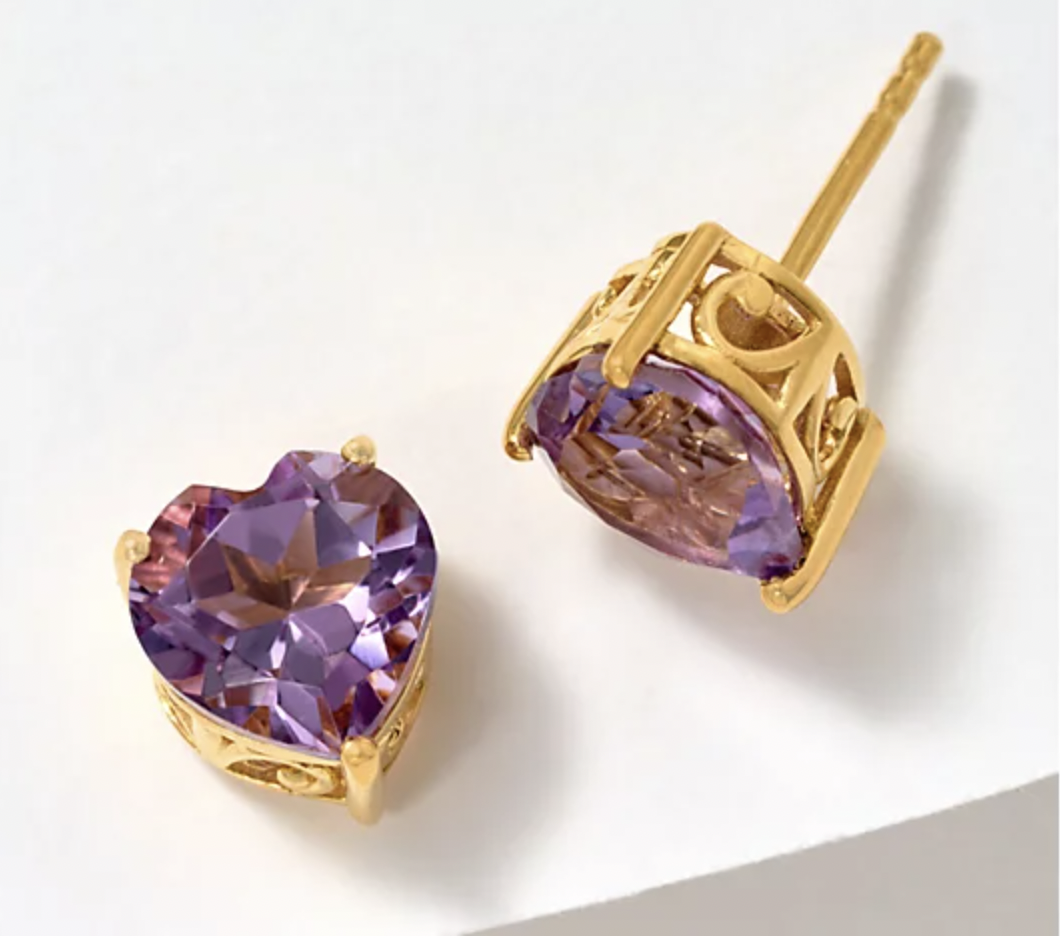
Take a look at these Affinity Gems Semi-Precious Gemstone Heart Cut Stud Earrings – offered in Citrine, Garnet, Pink Amethyst, and White Topaz. The heart shape is subtle, which makes the earrings elegant and classy.

Affinity Gems Semi-Precious Gemstone Heart Cut Stud Earrings exclusively available on QVC

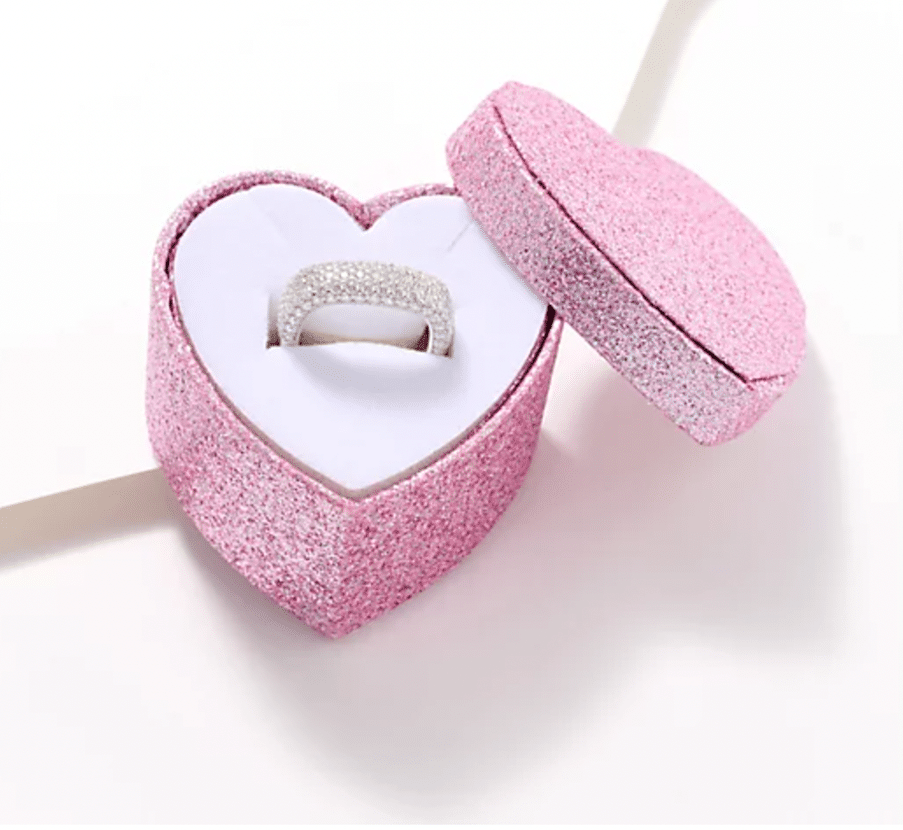
We also like this Diamonique x Jennifer Miller Squared Band Ring that comes in its own heart-shaped box. The earrings are offered in sterling silver or 14K gold-plated sterling silver. The total Diamonique® simulated diamond (cubic zirconia) weight is approximately 1.64 carats.

Diamonique x Jennifer Miller Squared Band Ring exclusively available on QVC this Valentine's Day

✨ Exclusive Designs, Timeless Glamour ✨

Whether leaning towards classic elegance or contemporary chic, QVC offers the perfect piece to complement your loved one’s style. Create unforgettable moments with designs that tell a story and make lasting memories.

The Diamonique Set of 3 Boxed Earrings is perfect for when you want a variety of earrings to choose from. Select the best pair to suit your mood or your outfit of the day.

Diamonique Set of 3 Boxed Earrings exclusively available on QVC this Valentine's Day

The Diamonique Classics Braided Band Ring resonates with timeless elegance and can become the symbol of your bond. It comes in both Rhodium-plated sterling silver and 14K gold-plated sterling silver, in Rose, Silver, or Yellow. The Total Diamonique® simulated diamond weight is approximately 0.20 carats.

Diamonique Classics Braided Band Ring exclusively available on QVC

🌹 Symbolic Expressions, Endless Love 🌹

From heart-shaped pendants to intricately designed rings, each jewelry piece at QVC symbolizes enduring bonds meant to be cherished for a lifetime.

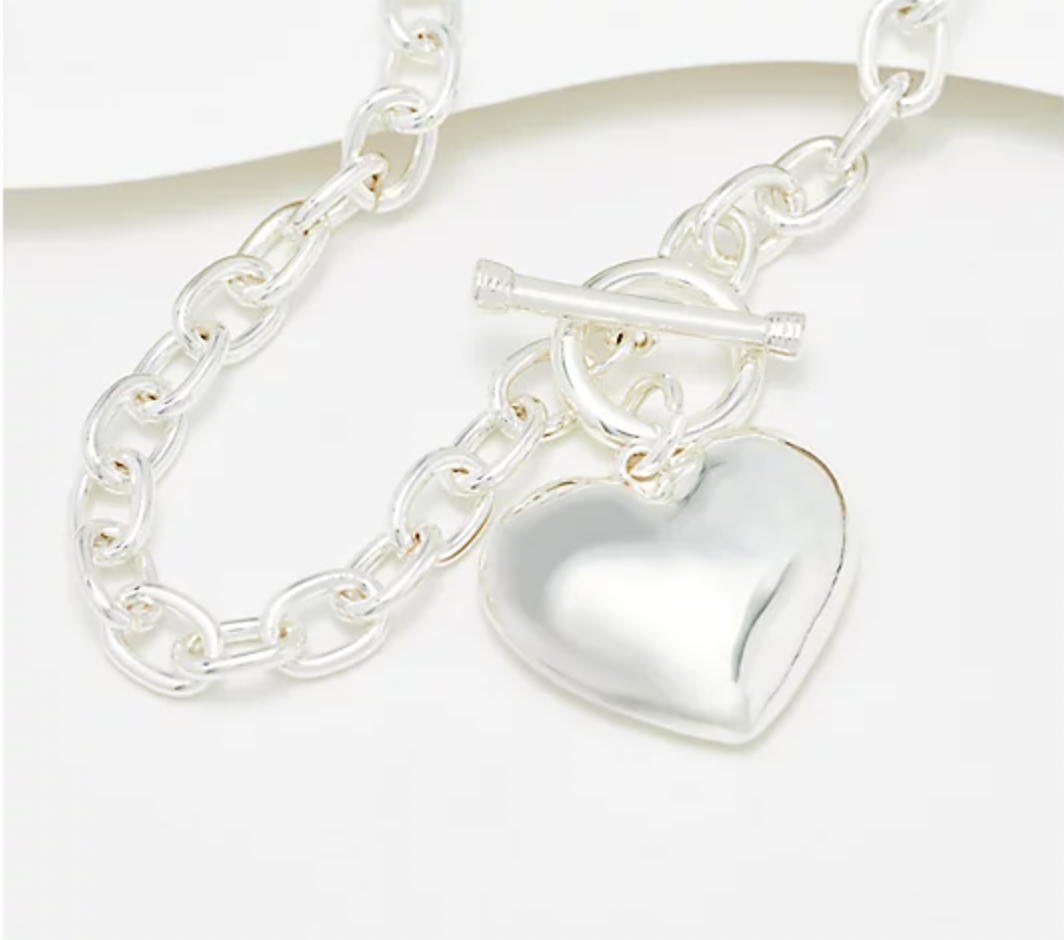
We particularly fell for the Joan Rivers Heart Charm Toggle Necklace with Rolo Chain. It’s on several of our wish lists!

Joan Rivers Heart Charm Toggle Necklace with Rolo Chain exclusively available on QVC this Valentine's Day

💖 Quality Assurance, Affordable Luxury 💖

A commitment to precision and attention to detail guarantees that each QVC piece is a reflection of enduring love. Take a look at their exclusive deals and affordable prices, making luxury jewelry accessible to everyone.

Heart pendants are ultra-feminine, and the Diamonique x Jennifer Miller Pave Halo Heart Necklace is perfectly designed to be both elegant and stylish. It’s a versatile design that can be worn casually as well as for formal events. 

Diamonique x Jennifer Miller Pave Halo Heart Necklace exclusively available on QVC

🎁 Hassle-Free Gifting, Unmatched Convenience 🎁

Selecting the perfect Valentine’s Day gift is now more convenient than ever. Skilled hosts are ready to guide you through the selection process, helping you find the ideal piece for your loved one. Enjoy a seamless ordering experience and reliable delivery, ensuring the gift is as memorable as the moment itself.

Wink, wink… Why not share this article with your significant other and drop a hint about your favorite pieces?

Let’s Have a Conversation:

Do you like to shop on QVC? Which jewelry piece is your favorite? How do you like to celebrate Valentine’s Day? Tell us about it in the comments below. 

Read More

The Art of Remembering How We Have Become Who We Are

memories; memoirs

The beginning of a new year is a good time to reflect on not only the memories of the year prior, but the accumulation of memories that define who we are. Certain milestones, natural and manmade disasters, joys, triumphs, and crises are all considered emotional experiences that help mold who we are and what we consider to be our identities.

In fact, our memories and experiences set us apart from everyone else and some memories have more powerful impact than others. When it comes to painful memories, in the filing system of our minds, some memories will just not go away, for example those intense ones associated with loss and illness.

Memories Are Unique

As a memoirist, the aspect of memory has always fascinated me. During graduate school for my MFA in writing, I examined the interplay of memory and imagination and how memories are processed. In my thesis, I compared two memoirs, Eudora Welty’s One Writer’s Beginnings and Mary McCarthy’s Memories of a Catholic Childhood.

I quickly learned how inaccurate our memory can be and how two people can encounter the same event but remember it completely differently. This often happens among family members when recalling experiences from years gone by.

Not only is each person’s perception of a situation unique, but sometimes the imagination gets braided into the actual memory. Thus, we may no longer be able to distinguish reality from what we made up or what we convinced ourselves to be actually true.

Researchers have found that truthful or honest memories tend to be sharper or more vivid, and have more visual images and sounds associated with them. For example, I have very clear and vivid memories of my wedding day 37 years ago, the birth of my three children, and other poignant milestones.

Types of Memory

There are three types of long-term memory systems – implicit, explicit, and emotional. Implicit memories are unconscious, prompted, and non-intentional. They apply to various skills or performing an activity such as riding a bike.

Explicit memories are spontaneous and remembered consciously. These are fact-based memories and apply to personal experiences, episodes, and events.

Emotional memory tends to be vivid and intentional. It is also the long-term memory system that most applies to writing a memoir, because it encompasses both conscious and unconscious remembering.

Emotional Memory and Memoirs

Autobiographical memory is what we remember about our own past experiences. Memoirists typically have access to highly emotional memories and these are what make a memoir compelling to read. Other factors that make a compelling memoir include a strong story line with a beginning, middle, and end, and memorable characters who somehow change the beginning to the end of the book.

Some of the most popular memoirs are about those who face situations with high stakes and who endure emotional experiences, which many of us can relate to. Powerful memoirs also offer some sort of universal truth even if someone’s particular story is highly unique.

I was once honored to hear author Joshua Foer speak about his book, Moonwalking With Einstein: The Art and Science of Remembering Everything. His innate wisdom, stellar communication skills, and confidence were quite memorable. At the time, he was only 30 years old and exuded so much wisdom.

We Care About Memory

I was reminded of how the subject of memory is of interest to both young and old. The young want to use it to its maximum, and the old want to hold on to all they have previously learned. During his presentation, Foer confessed that even though he won a memory championship, he did not remember most of what he learned in college.

He said that memorizing does not necessarily help us remember information long-term. He said that what we tend to remember is what is most important to us. He claimed that when learning something new, it is good to “tag it onto” something you already know. By the time we turn 60, we do have a nice collection of memories and realize that this method is an easier way to remember and learn.

This might be a good time to put all your memories in one place. Maybe consider journaling or writing a memoir. Consider checking out my book, Writing for Bliss and Writing for Bliss Companion Journal. Both these books can help you on your journey.

Further read, 6 BLISSFUL WAYS TO WRITE DURING THE NEW YEAR.

Let’s Have a Conversation:

What is the state of your memory? How do you take care of it? Do you often realize that you remember events differently from others? What is your favorite memoir?

Read More