Month: February 2024

Is Everyday Happiness Like Your Favorite Pair of Jeans?

everyday happiness is like your favorite pair of jeans

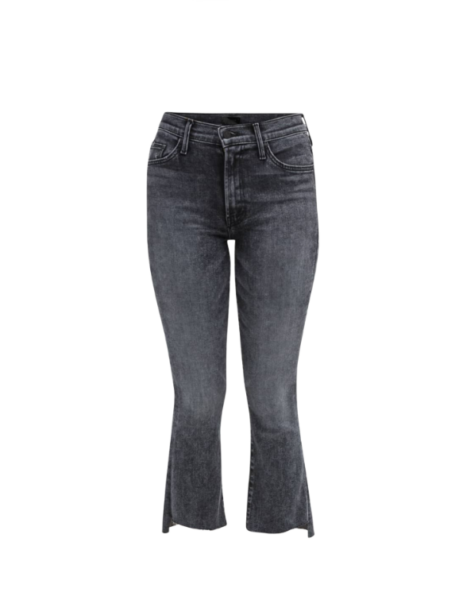
When you reach for your pair of everyday jeans, what are they like? Mine are soft and feel lived in. I love this comfy go to pair because when I slip into them, I know I’m home. Yes, they are commonplace, nothing special about them anymore after hundreds of washes. Some irregularities are now showing up in the fabric, but I don’t care.

I use this example to explain what everyday happiness can be. Instead of fabric with zippers, snaps, or pockets, it’s a feeling. It’s commonplace and comfortable. It doesn’t need a huge dump of dopamine to happen. It doesn’t need an event or a dollar amount. It’s a go to emotion that I choose to slip into, and you can choose it too.

The Meaning of Everyday

Here’s a definition of the word everyday, “…something which happens or is used every day or forms a regular and basic part of your life, so it is not especially interesting or unusual.”

Why have we made happiness so hard to find? Does there have to be a rush of excitement, or a special party, or someone else providing something outstanding for happiness to happen? Does it need to be especially interesting or unusual? Is it possible that the pursuit of happiness, chasing it down like an elusive goal that we never quite meet, leaves us empty?

Not Perfect, But OK

What if we stopped all that and settled into an everyday emotion of being, OK? If you rate yourself on a scale of 1-10, with 10 being that crazy mountaintop extreme joy (happiness), where are you right now? My answer is that I’m a solid 5. I’m not lower and I’m not higher, and that feels comfy and right.

If your answer is that you’re a 3 or an 8, is that comfy for you? Everyone has a different answer. The point is that everyday happiness is absolutely great. It’s where we live, and where we do our daily life.

I ran across this quote from Mike Dooley in his Notes from the Universe. Does this resonate with you? “…step one for changing the entire world is falling in love with it as it already is. Same for changing yourself. And best of all, with this approach, there is no step two.

Settle in to being OK with where you generally are on that happiness scale. Once you put the constant push of obtaining more happiness on the back burner, you can be comfy and live in the regular habitual place of everyday happiness. The trick here is to remind yourself of what makes the answer a 3 or 5, instead of a 1 or 2.

For me, it’s that I have a warm home, a cat that seeks my lap to cuddle in every time I sit down, and sometimes a cup of coffee from my old espresso machine. It’s the common things that bring joy and contentment to me. I’ve made that so. I used to seek the thrill of something better, bigger, sparkly, and edgy to bring the same feeling. It was elusive and when I finally got that thing, the happy feeling that went with it didn’t last long. Not an everyday thing for sure.

The Happiness Scale Can Take a Leap Up Sometimes

Don’t get me wrong, when the out-of-ordinary, wonderful thing shows up, my happiness scale will take a big leap. For example, when my son sent me flowers for Mother’s Day. This has never happened before, and he’s in his late 30s! That was a huge leap! I was content and happy with him, without the flowers. But when a leap in the scale comes, it’s just a delight. After that, I settle in to the ordinary, commonplace, routine, everyday gratefulness for the small stuff in life, that brings me immense joy. Can you do this too?

One of the definitions of the word routine is regular, unvarying, habitual, unimaginative, or rote procedure. Is there anything wrong with that? Happiness can be rote. It doesn’t have to be extraordinary.

I love what this super smart person, Dr. Glenn Williams, Senior Lecturer in Psychology at Nottingham Trent University, said about the topic, “…. it is the small, and often unexpected, pleasures in life that can make us smile each and every day to help us build happier and more meaningful lives for ourselves and for others.”

The Scale Can Take a Big Dive Too

I’m not minimizing problems, heartaches, or sadness that life brings to shoot your happiness average all to heck. Those days happen. Please remember when you are miserable and trying to breathe through the day, you will once again get to your normal everyday feeling sometime in the future. You’ll bounce back, you’ll be resilient, you’ll win. It’s going to be ok. Look for the everyday. Pull on your lived-in jeans and grab your cup of espresso.

A Few Parting Tips Here to Make This Work for You

  • Look hard for the things that make you feel content and ok. Remember them by writing them down, maybe going over them in your head, or building a routine of doing them often.
  • Kick back and try to not reach for the next thing, the bigger deal, or the upscale purchase. Be still. Try that for a time to see if you are ok with the average everyday stuff.
  • Please, please, don’t look to someone else to provide you with happiness. That’s putting the responsibility outside of yourself. That’s not fair to them, and usually doesn’t work. People let us down. They may not mean to, or may do it accidently, but they are just people. So, squarely face this as your own responsibility in life. It’s yours.
  • I found this article with 40 suggestions of things that don’t cost a penny but bring that contented happy feeling. Seek out other tips and tricks to try that can bring that solid feeling.
  • If you have trouble finding your content everyday happiness feeling, I urge you to find a life coach. Get some help with this. If your friend feels the same as you, they are not the ones to talk it over with. If your relative or husband is a constant source of pain, they aren’t either. A neutral non-judgmental coach will help. You will be amazed at what three to six sessions can do for you. Don’t struggle endlessly trying to get this right. Dip into your account, spend the money on yourself and live out your days with a grip on the everyday.

Let’s Have a Conversation:

I’m interested in your comments. Please share your tips for living in a common routine of everyday happiness. What has helped you live there? What is standing in your way? Do you think we have made being happy too hard to find?

Read More

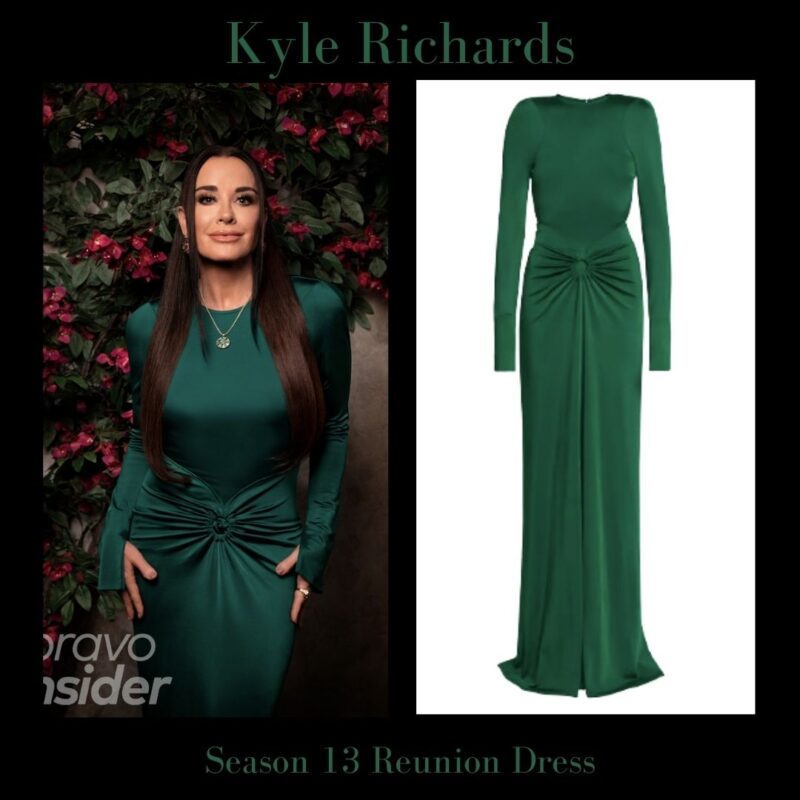
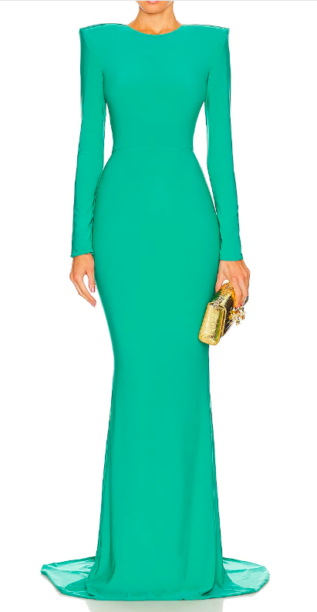
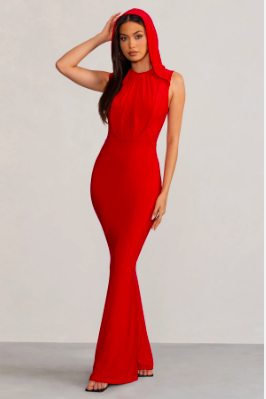
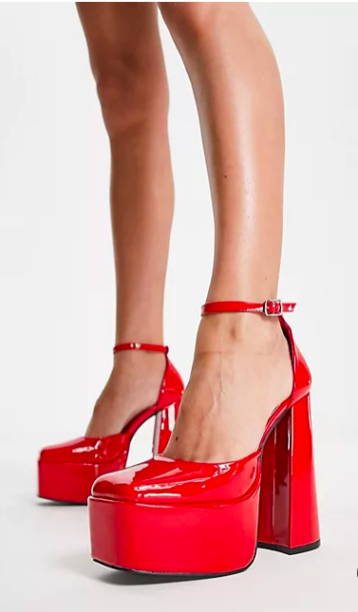
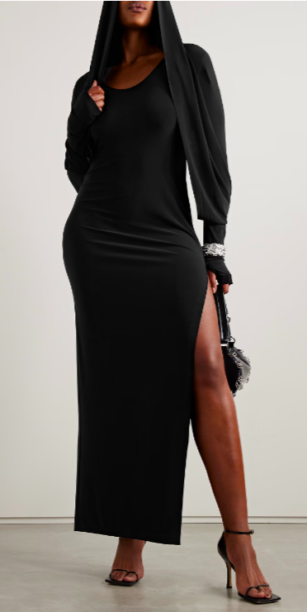
Real Housewives of Beverly Hills Season 13 Reunion Looks

Real Housewives of Salt Lake City Season 13 Reunion Looks

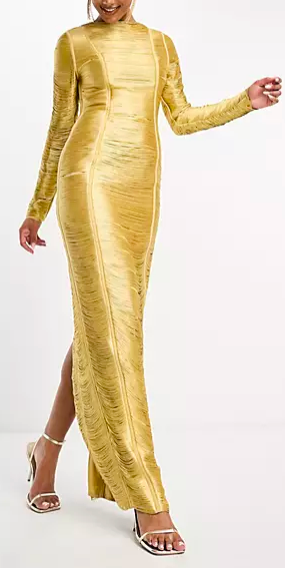
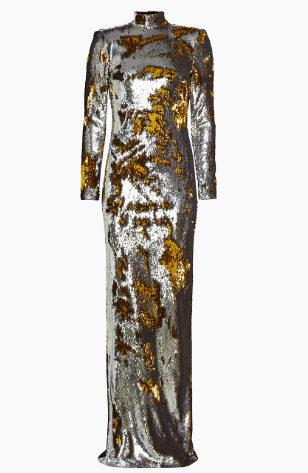
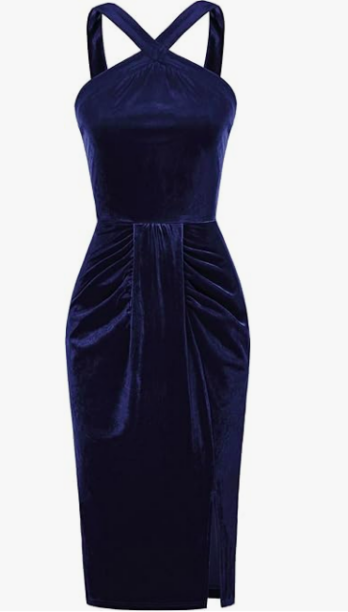
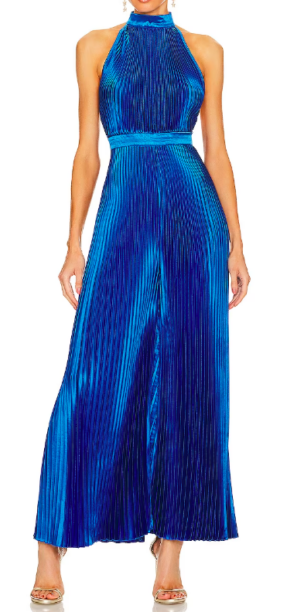
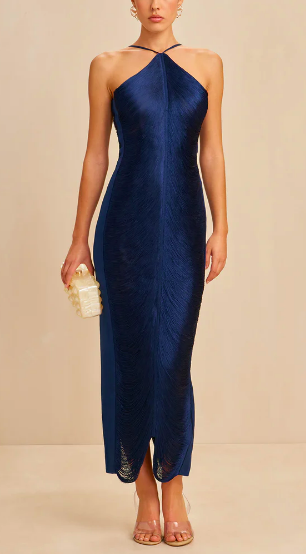
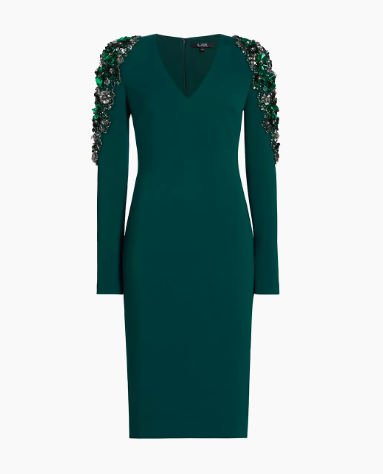
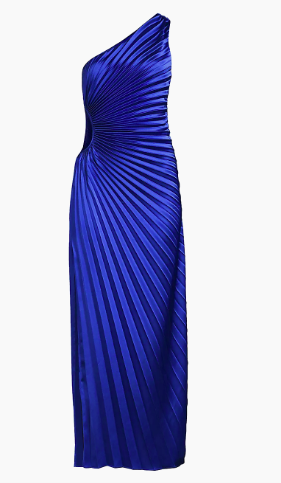
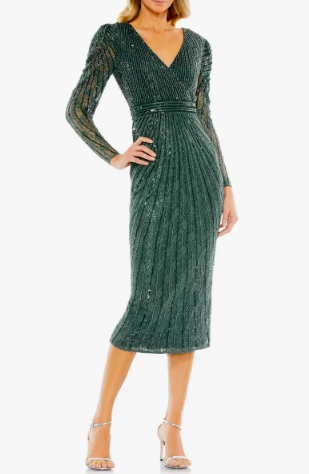
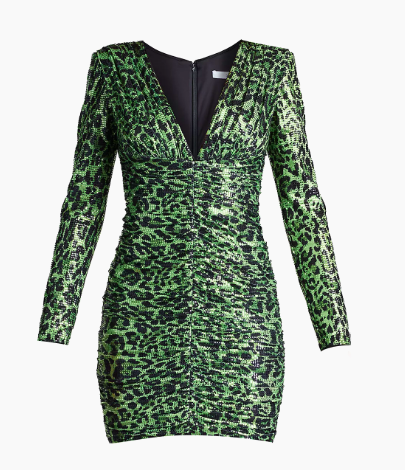
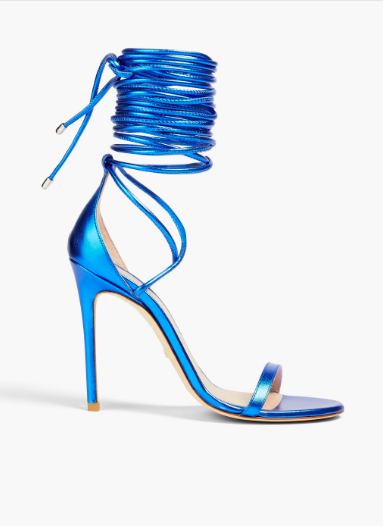
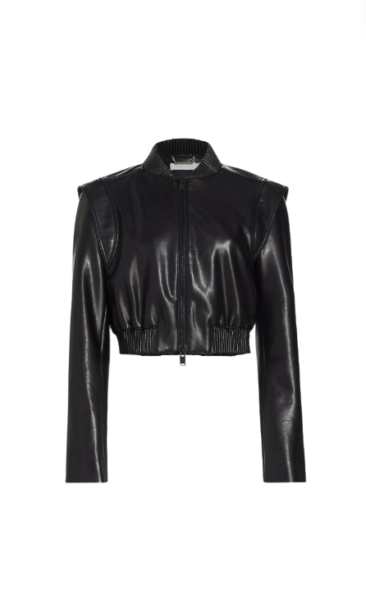
The Real Housewives of Beverly Hills Season 13 Reunion looks are in! The women opted for jewel tone looks ranging from glam gowns to metallic mini dress. And as always in Beverly Hills, it’s expensive to be them.

The Realest Housewife,

Big Blonde Hair


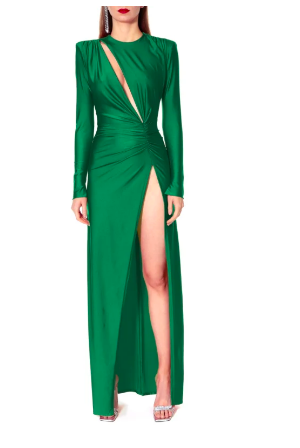
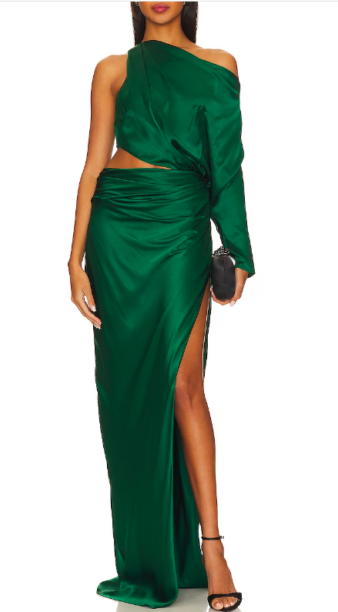
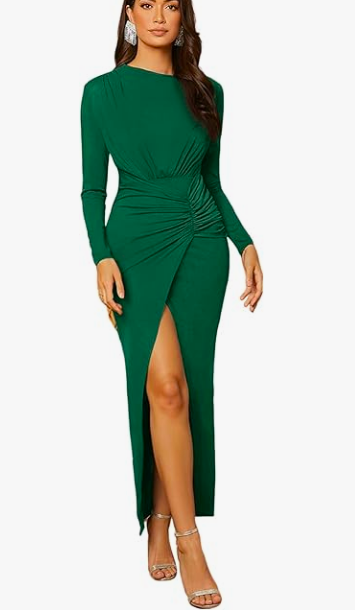
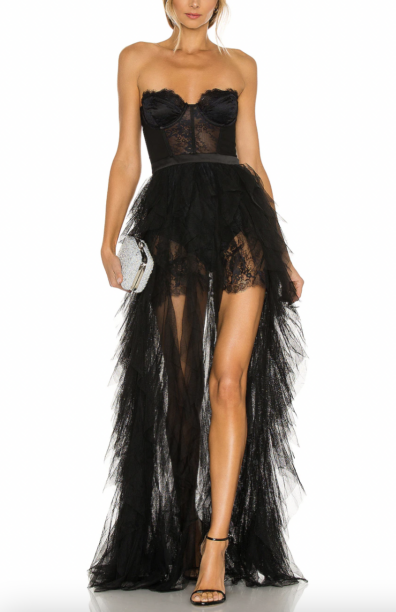
Kyle Richards’ Real Housewives of Beverly Hills Season 13 Reunion Dress

Kyle Richards Season 13 Reunion Look

Click Here for Additional Stock / Click Here for More Stock / Click Here for More Stock / Click Here for Even More Stock

Photo + Info: Bravo TV // Click Here for Styling Credits

Style Stealers


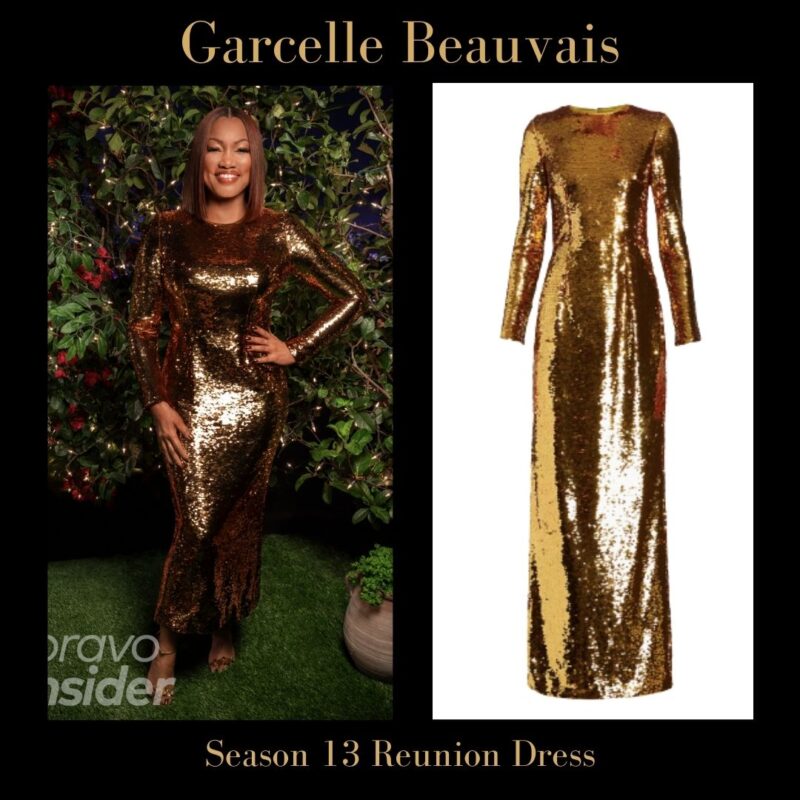
Garcelle Beauvais’ Real Housewives of Beverly Hills Season 13 Reunion Dress

Garcelle Beauvais' Season 13 Reunion Dress

Click Here for Additional Stock / Click Here for More Stock

Photo + Info: Bravo TV // Click Here for Styling Credits

Style Stealers


Dorit Kemsley’s Real Housewives of Beverly Hills Season 13 Reunion Dress

Dorit Kemsley's Season 13 Reunion Dress

Photo + Info: Bravo TV // Click Here for Styling Credits


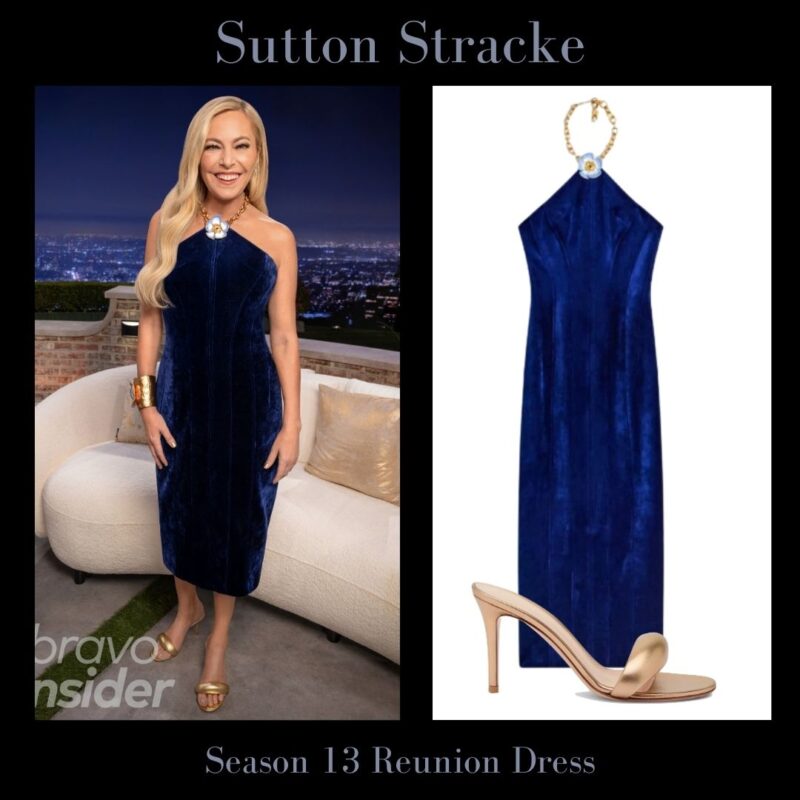
Sutton Stracke’s Real Housewives of Beverly Hills Season 13 Reunion Dress

Sutton Stracke's Season 13 Reunion Dress

Photo + Info: Bravo TV // Click Here for Styling Credits

Style Stealers


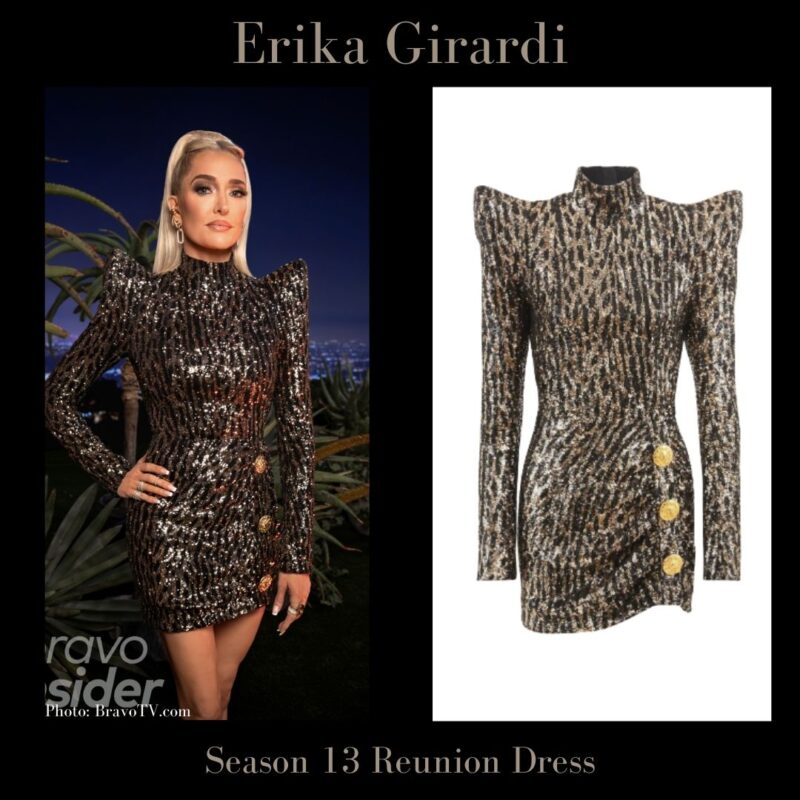
Erika Girardi’s Real Housewives of Beverly Hills Season 13 Reunion Dress

Erika Girardi's Season 13 Reunion Dress

Click Here for Additional Stock / Click Here for More Stock

Photo + Info: Bravo TV // Click Here for Styling Credits

Style Stealers


Crystal Kung Minkoff’s Real Housewives of Beverly Hills Season 13 Reunion Dress

Crystal Kung Minkoff's Season 13 Reunion Dress

Photo + Info: Bravo TV // Click Here for Styling Credits

Style Stealers


Annemarie Wiley’s Real Housewives of Beverly Hills Season 13 Reunion Dress

Annemarie Wiley's Season 13 Reunion Dress

Photo + Info: Bravo TV // Click Here for Styling Credits

Style Stealers


Originally posted at: Real Housewives of Beverly Hills Season 13 Reunion Looks

Read More
Driving: A Right or a Privilege in Old Age?

driving in old age

From time to time, there is an item in the news concerning old people and driving. One of my favourites concerned the late Duke of Edinburgh who had a car accident when he was in his late 90s. The car he was driving had ended up on its side – and it was reported that he was a bit “shaken up.” As one would be, even if you were much younger.

It started some conversations about old people and driving.

Old People and Cars

This is a serious issue – and one which affects a lot of us these days.

In my case, it was my father. I lived an ocean away from my parents and kept in touch by telephone but went to visit a couple of times a year or more. My dad would always meet me at the airport – driving, of course.

At some point, when he was in his mid-80s and his eyesight was failing, I began to worry for his safety. And that of other people, including myself.

He had always been an excellent driver and never travelled far. Mostly, he drove around his quiet suburban neighbourhood. He lived in a retirement community and often ferried other residents around the area for shopping or other outings.

Not surprisingly, he loved the sense of freedom that owning and driving a car brought.

So, understandably, it was a hard subject to broach.

“Don’t bother to meet me at the airport,” I said breezily a few days before I was due to travel. But he wasn’t fooled.

“You’re worried about my driving,” he replied, “but really, I’m just fine.” I asked him to get his friend, who was a lot younger, to drive him to the airport. Which he did.

Later, I raised the subject again. I stressed that I was worried because of his eyes: there might be a small child in front of the car. Without missing a beat but with a slight smile, he answered, “But there probably won’t be.”

He knew he was beaten and knew that he shouldn’t be driving. But he had loved his car for as long as I could remember – indeed, from before I was born. And now, in his old age, it gave him independence, and he liked the fact that it allowed him to be helpful to others.

Not driving to old people is not only about the car. It is also a symbol of decline and loss of faculties. It tells you that you are on the way down.

My father did decide to stop. Perhaps he was relieved, but he never indicated any such emotion. And at dinner, a number of his friends, who had already been told of my audacity, thanked me. They had tried hints, they had tried reason, but he wouldn’t listen. But they were pleased he listened to me.

A Global Problem

Soon after this happened, I spoke to a friend in Germany who’d had the same problem with her father. Another friend in the UK had it with her mother.

I realised that this was a problem all over the world – how to tell an otherwise independent parent that they should stop driving. You are embarrassed, they are defensive – and it is altogether difficult for everyone.

I wonder how many people as they grow into their 60s and beyond face this issue – with their very elderly parents or with a spouse or, indeed, with themselves.

We love our cars, we love the freedom driving brings, and it can be a real question whether our minor frailties have grown too large for us to cope.

You do need to keep an eye out for yourself and for those around you. You don’t want it to be you ­– or those you love – to be in the newspaper for this reason.

Flowers for Forgiveness

But let me tell you the end of my story. Immediately after that trip from the airport when my dad was not driving for the first time, I found a bowl of flowers on the table in my room.

This was not at all usual and I was taken aback. With them, he had left a note: “With love and forgiveness.” I asked him, of course, what he was forgiving me for. “For telling me not to drive,” he said.

We all do things in our own way. He was a constant surprise.

Let’s Have a Conversation:

Do you think driving is a right or a privilege? Have you had to deal with an elderly relative who needed to stop driving? What techniques worked for you? Do you worry yet about your own driving? Please share your thoughts and concerns below.

Read More
Don’t Let These 8 Important Healthy Aging Habits Get Away from You

Don’t Let These 8 Important Health Habits Get Away from You

Life can get super busy. You lunge
from pillar to post in a matter of minutes, forget appointments, miss food
items from your list at the supermarket, can’t fit in daily exercise, or fail
to call people you promised to call. There aren’t enough hours in a day to do
it all.

In the middle of living a full and
enriching life, you skip some of your health habits – habits that sustain the well-being
of your mind, body, and spirit. Exercising is the easiest health habit to
bury in your busy day.

You’ll get to it later.

Even if you have the best intention
to exercise, when you reach the end of the day the only place you want to be is
on the couch or in bed. You promise to get back to it tomorrow. Skip one day, skip the next.

Honor
Your Daily Exercise Routine

My mother never
missed a day of exercise. She did her routine on the carpeted floor of her
bedroom every day before she entered the kitchen to fix breakfast.

She was fully dressed,
in a suit with heels, false eyelashes in place. Those daily 20 to 30 minutes,
with abs and stretch work, gave my mother a perfect figure.

In today’s world, much of exercise has returned to the living room for a class of yoga, or weightlifting, or cardio. No matter what you do, 30 minutes is sufficient to accomplish your daily exercise routine.

Exercise is the most import thing
you can do for your general welfare – a healthy heart, weight control, a longer
life, and tight skin.

Facial
Exercise Alternative

Doing exercises to strengthen facial muscles is a worthy goal; however, how many of you can sustain a daily practice of exercising the face?

There is an easier way to target sagging; that is, anything that gets your blood pumping, such as hiking, power walking, gentle yoga, swimming, or any type of cardio. Either of these will stimulate collagen and bring blood to the facial surface.

Thus, exercising at least 3 times
a week for 30 minutes at a time 
can help keep your skin looking firmer and younger.

Increase Collagen
Production

When you exercise, tiny capillaries
in your skin dilate, which moves nutrient-rich blood to the skin. These
nutrients help collagen-producing cells (fibroblasts) to work more efficiently.
And more collagen means plumper skin that resists sagging.

This increased blood flow gives you a rosy glow that lasts all day. Note how your skin plumps up when you take a sauna, either hot or wet. That’s due to your blood moving closer to the surface.

Deep Clean Your
Pores

Over the years, I was devoted to
facials and microdermabrasion. I had expert advice that I never forgot.
Thoroughly cleaning your face twice daily reduces clogged pores.

Impurities like dirt and oil stretch
out your pores over time and drag down the skin, leading to an aged, droopy
look, giving your skin a
less youthful texture and ultimately creating the optical illusion of sagging.

When you exercise, you produce sweat,
and sweat cleans the pores by bringing oil, bacteria, and dirt out onto the skin’s
surface. A deep cleanse of the facial surface will give your skin color and
bounce it back to beauty.

Reduce Stress

It is common knowledge that stress
is physically destructive to your skin. Stress leads to the production of cortisol, a
hormone that blocks collagen production. However, over time, excessive stress can
cause your skin to actually lose its internal structure, thereby negatively
changing the molecular structure.

You can reduce stress and lower cortisol levels with regular exercise. A study published in 2008 by scientists from Michigan State University found that cortisol levels drop by as much as 18.5% after an intense workout.

That means exercising regularly will
not only make you feel more relaxed every day, it will also protect your skin
from premature sagging, thinning, and slacking.

Increase Skin Cell
Regeneration

The importance of sleep to good
health cannot be over-estimated. Exercise and sleep have a dynamic
relationship. The more you exercise, the better you sleep. The benefit
translates into younger-looking skin.

While your body rests at night,
natural healing processes are activated – including regenerating your skin’s natural collagen and
elastin – two molecules that are essential in the fight against gravity. A good
night’s sleep can take years off your appearance.

Detoxification

Detoxification is a buzz word in
beauty circles today. It’s meaning refers to removing toxins out of the skin,
thereby, increasing circulation. This process happens when increased blood
flows to the liver.

The blood carries toxins out of the
skin, thereby eliminating them. Note that increased blood flow to the liver
means your blood will be “cleaned out” faster and fewer
environmental toxins will invade your skin.

Posture Improvement

As much as you love your computers
and tablets, they are the primary reasons that your body spends too much time
slouching and your facial skin sagging. It also compromises your neck muscles
and encourages a rounder back.

Make sure your computer is at the
proper height while you work with a straight back. It’s preferable to sit on a
ball or stand. Most importantly, train yourself through exercise to keep your
head held up and align the neck with the spine.

With almost 50 years working out and
teaching yoga, coupled with a swimming routine, my best recommendations for
improving posture are yoga, Pilates, and dancing.

When I’m pressed for time, I hike or power walk around my neighborhood hills (two miles), swim a half mile at the gym, or practice a half hour of yoga.

You will see the results of your healthy
habits in no time. Adhering to a routine of daily exercise will visibly show on
your tighter face and straighter posture. You will look younger, have more
energy, and be more conscious of your mind, body, and spirit connection.

Let’s Have a Conversation:

What are your healthy habits? How often do you
do them? What is your routine? Please share with our community!

Read More
Exercises to Build and Protect Bone Density

exercises bone density

When I was growing up, my mom always reminded me how important it is to have enough calcium for healthy bones. That might seem odd, but she knew we had a family history of osteoporosis and wanted me to be strong and healthy.

As a non-diagnosed lactose intolerant kid before there were so many dairy alternatives, along with an inability to take big pills, I felt like there wasn’t much I could do to follow these instructions to get enough calcium and build my bones.
As an adult, I have worked for years in Physical Therapy. I started my own fitness coaching programs for women and men over 55 almost 8 years ago. Throughout my career, I have made a conscious effort to learn as much about osteoporosis and bone health as I could since I want to provide my clients with the very best support. I have learned that there is so much more to building bone density including nutrition, lifestyle, and exercises.

With a disease so prevalent, 54 million Americans are affected, it is alarming that there is still some misinformation and lack of education regarding osteoporosis and bone health.

Just a few weeks ago, my husband shared that his coworker was diagnosed with osteoporosis, and she spoke as if it was a death sentence and that she had to stop doing any activity, which is absolutely not true!

Exercise can help to prevent further bone loss, build stability, improve your balance, and keep you strong. Let’s uncover the exercises that can help you to build your bone density and exercises to avoid. 

The Truth About Weight Bearing Exercise

It is possible to build bone density and prevent further deterioration at every stage of life. Weight bearing exercises are important for building bone density. Through the principle of Wolff’s law, our bones will adapt, remodel, and strengthen with more stress placed on them.

Exercises in the water, swimming, and biking are not weight bearing exercises, while they may be helpful for your joints, they will not help to build and prevent bone density loss. Walking and yoga are also not enough exercise to help build your bone density, especially if you are a regular walker.

If you walk regularly, your body is used to the challenge of walking, and therefore, this activity is not enough of a stress or challenge to build bone density. 

Challenge yourself if you are a regular walker by using a weighted vest while walking to improve bone health, be sure to maintain great posture and avoid the tendency to lean forward too far while walking. 

Impact Exercises Can Help to Build Bone Density

If you have healthy joints and have not yet been diagnosed with osteopenia or osteoporosis, you can add some impact exercise to build your bone density. Beyond my mom’s advice for calcium, and if we had known more, adding impact exercise as a kid is a great way to ensure you build bone density, as most of our bone growth peaks in our 30s.

Kids should do martial arts, gymnastics, jump rope, and impact exercises to keep their bones strong. As we age, often we hear about “low impact” exercises which are often helpful for joint issues, but to build bone density we need some impact. Try these exercises if you have healthy joints and are not diagnosed with osteoporosis:

Exercises to Avoid with Osteoporosis or Osteopenia

If you have been diagnosed with osteoporosis, there are some exercises and movements in daily life that you should avoid. Avoid the combination of bending, lifting, and twisting, such as reaching and twisting to pick up a heavy bag of groceries. Instead, turn and face the object, square off, and bend at your hips and knees to pick up safely.

You will also want to avoid crunches as they put too much pressure on the spine. Avoid deep bending or flexion and extension past neutral exercises at the spine, especially under tension, using weight, or for a prolonged period of time. Examples of these are child’s pose in yoga (deep flexion), or sphinx pose (deep extension), these movements can be modified for less stress on your spine. 

Exercises to Build and Maintain Bone Density and Bone Health

Posture and Stability

It is important to build strength in your spinal extensor muscles to maintain good posture and build stability in the spine.

Here are 3 exercises to help build your spinal extensors and protect your spine to help you build stability: 

Strength Training

Strength training exercises are so important to build bone density. Be sure to keep good form and a neutral spine, start slow to ensure good technique, and then gradually increase your weights. Your body needs the challenge to build bone density, lift weights where you can still maintain good form but heavy enough to give you a challenge by the last few repetitions.

Aim for 2-3 strength training workouts a week focusing on the major muscle groups such as glutes, mid back, and quads. When possible, aim for standing exercises with free weights versus seated machines to work your muscles in a more functional pattern and add some dynamic stability.

In this video I show 3 strength training movements that can help you to build bone density: 

Balance

Maintaining good balance is also a critical part of bone health. If you have bones that are brittle, having a fall could cause a fracture. Unfortunately, falls often lead to hospitalizations and can lead to health spiraling downwards.

Balance exercises are more than just standing on one foot or static balance. Balance training includes reaction time training like catching a ball, pickleball, tennis, stepping and agility or quick movements, strength training to build strong muscles and your core, mobility and stretching to maintain flexibility, and static balance, like the ability to stand on one foot.

In this video, I will demonstrate some exercises to help improve your balance:

Let’s Have a Conversation:

What is the state of your bones? Have you received a recent diagnosis of osteoporosis? What do you do to keep your bones strong and healthy? Have you heard of exercises to avoid?  

Read More