

Month: February 2024

Second Home: What Type Is Right for You?

second home what type is right for you

As noted in the first blog of this Sixty and Me series, there are various types of second homes:

  • Single-family house
  • Condominium or apartment
  • Mobile/manufactured home
  • Recreational vehicle or trailer
  • Boat

In this blog, we’ll cover each type so you can wisely analyze which one is best for you.

Single-Family House

  • Stand-alone structure or a townhouse.
  • Typically has a dedicated driveway and garage and maybe a yard.
  • Some developments offer shared amenities like pools or social rooms.
  • May have more storage space than other second home options.
  • The homeowner must deal with exterior and interior maintenance.

Single-family American craftsman house.

One thing to remember for all second home types is the “double up” situation. This means the homeowner has the responsibility of ownership for two homes. Whether it’s do-it-yourself or hired out, there is more effort to maintaining two homes. Of course, if the second home is rented, the landlord will cover some costs.

Potential second home buyers need to consider the possibility of a Homeowner’s Association (HOA) and the rules for all homes under its authority. These might include:

  • Architectural and maintenance specifications
  • Allowed noise
  • Property upkeep standards
  • Parking
  • Policies about short-term rentals like VRBO or Airbnb
  • Trash and recycling
  • Pet types and numbers.

HOAs typically assess fees for their services. Home buyers need to factor these potential costs into their buying decisions.

Condominium/Apartment

  • Multi-unit buildings.
  • More likely to offer shared amenities like social rooms or outdoor greenspaces.
  • Additional storage may be offered for extra fees.
  • Rentals cover most maintenance, while condo owners depend on the HOA to cover some maintenance.
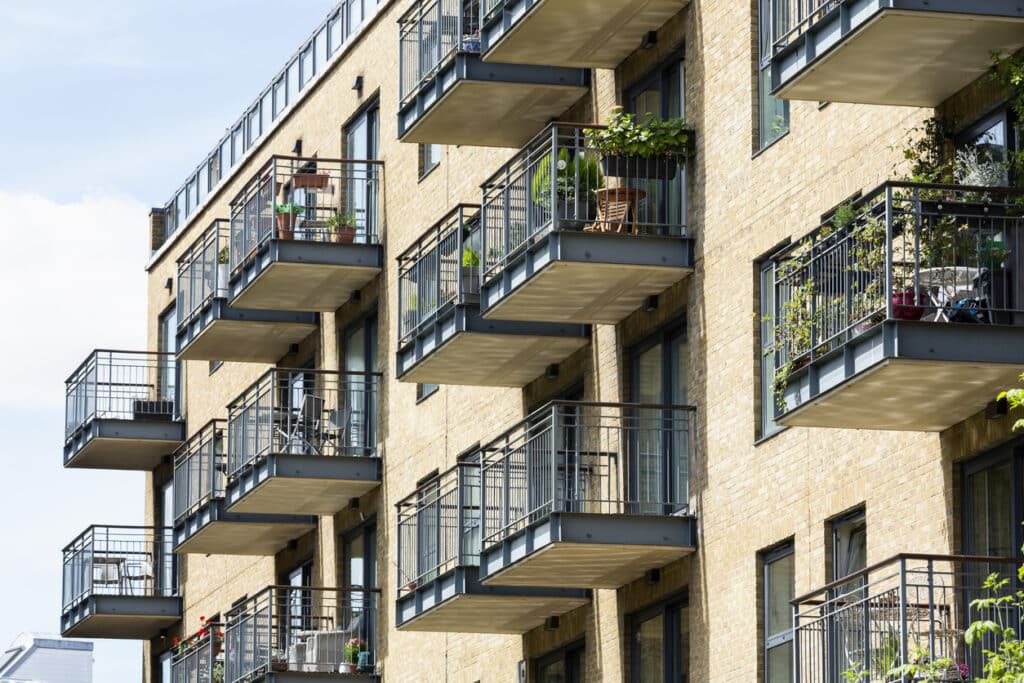
Close-up view of a typical riverside balconies in London.

A condominium or apartment may be the only way some can afford a second home. The tradeoff is that multiple unit dwellers live close to their neighbors, so there are more rules to help everyone enjoy a peaceful living experience.

In researching the condominium or apartment, check to see if the building accepts temporary living because some HOAs, landlords or property managers prefer year-round residents.

Although some may have to endure other residents who don’t follow the rules or management that neglects building maintenance, condominium or apartment residents don’t have to worry about day-to-day maintenance. Another advantage may be numerous social interaction opportunities because more people are around.

Mobile/Manufactured Home

  • Stand-alone structures towed into place on an owned or leased lot.
  • May have a yard that may or may not be HOA-maintained.
  • Some communities offer shared amenities like pools or social rooms.
  • Less storage in the unit, but some lots allow outbuildings.
  • The homeowner is responsible for the maintenance of the structure.
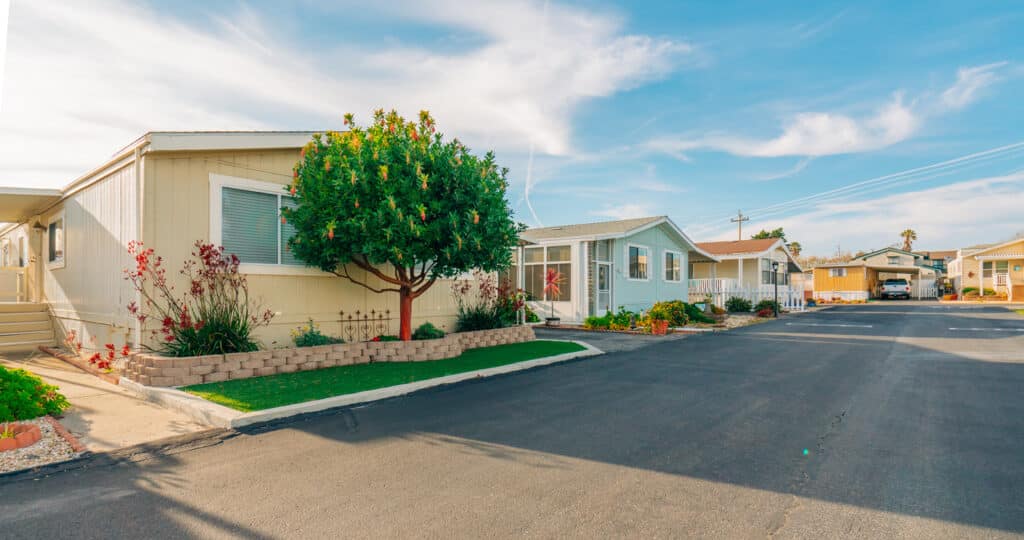
Mobile home park, age-restricted (55+) community in small beach town in California.

A mobile/manufactured second home makes sense for the budget-conscious. In 2022, the average cost was $145,200 compared to $428,700 for a traditional home.

Despite their “cheap” reputation, late-model mobile/manufactured homes are higher quality than in the past. Also, many of these homes are situated in communities with well-maintained streets, sidewalks and communal areas like pools and clubhouses.

Unfortunately, mobile/manufactured homes tend to lose value over time. Owned land beneath can appreciate over time, but the structure itself depreciates. It’s also important to remember that mortgage financing may only be available from a lender specializing in mobile/manufactured homes.

RV Living

  • Mobile one-family home on wheels – motorhomes and towable RVs.
  • Usually parked permanently or temporarily in parks with services and amenities.
  • Very little storage.
  • The owner covers all expenses of the RV, although RV rentals are popular.
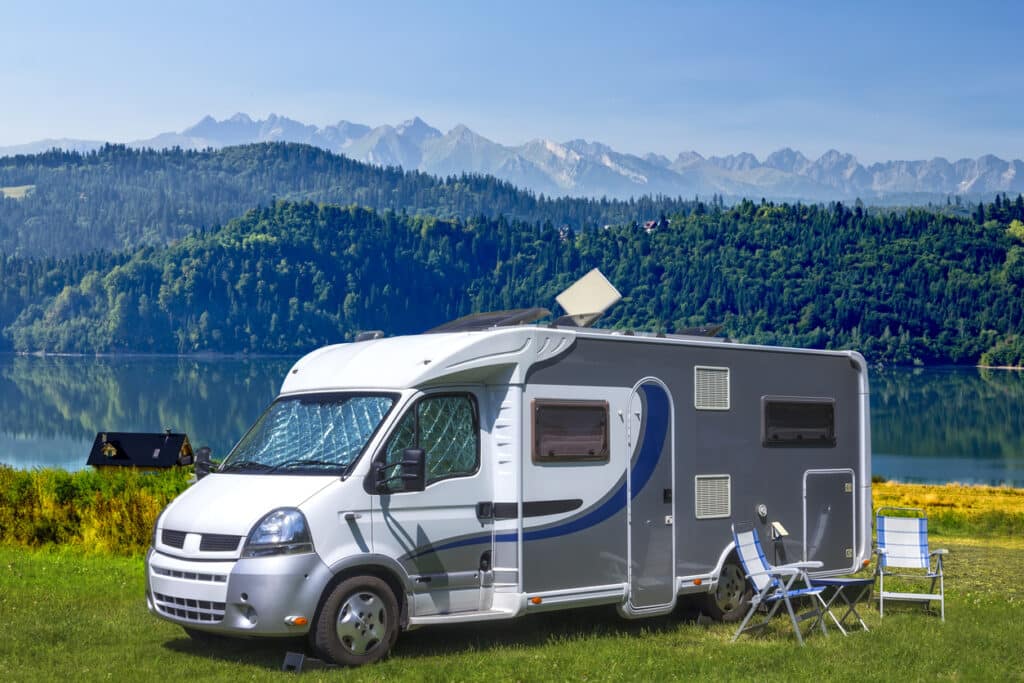
RV Home in the Tatra Mountains, Poland.

While calling an RV a “second home” might seem strange, enthusiasts revel in life on the open road. RV living was popular before COVID-19, but interest spiked during the pandemic. Nevertheless, important pros and cons must be considered before committing to this lifestyle.

Pros:

  • Ability to move or stay as desired.
  • Social interaction with other RVers.
  • Traveling in both comfort and style.
  • Lower costs versus staying in hotels and motels.
  • Closer to nature.

Cons:

  • Smaller living and storage space.
  • Lack of privacy/too much togetherness.
  • Depreciating asset.
  • Weather risks.
  • Maintenance time and expense.
  • Ongoing planning for travel and resources.

One trend that has emerged in the last decade is upscale RV parks. These communities feature luxury conveniences, including pools, tennis courts, fitness centers, clubhouses and restaurants.

Read more about RVs at RV TRAVEL TIPS FOR SENIORS and THE BEST RV TRAVEL CLUBS FOR SENIORS.

Boat

  • “RV on the water.”
  • Can be a houseboat permanently moored at a pier.
  • All the small space constraints of an RV or worse.
  • The owner bears all maintenance costs, which can be significant.
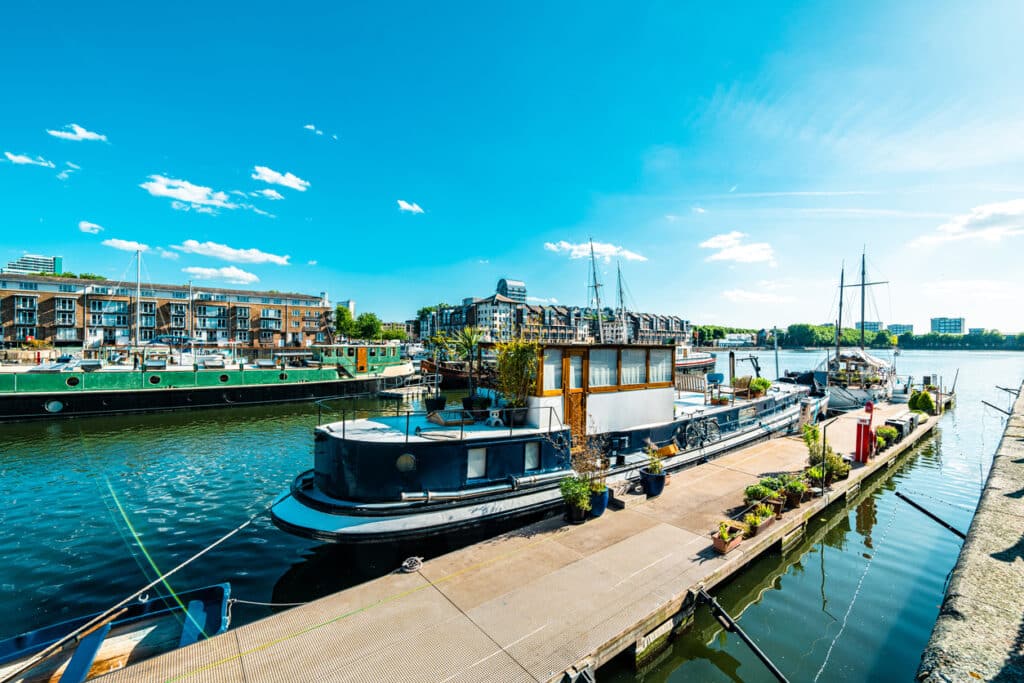
Docked boat house.

Boat living as a second home shares many pros and cons with an RV lifestyle. One big positive committed boaters report is living on the water brings one closer to the natural rhythms of life. Also, the camaraderie among other “boat people” creates a great social atmosphere.

There are many options for a second home. Careful consideration of all the pros and cons of each will help you choose the right type for you.

Let’s Have a Conversation:

Which type of second home sounds like something you might invest in? Why? Are you more of a freedom seeker or do you prefer to be securely grounded? Where would you consider purchasing/renting a second home?

Read More

Activate Your Soul Sister Power! How Friendships Can Be Your Personal Fountain of Youth

friendships can be your personal power of youth

Whether you identify with Thelma and Louise, Ya Yas like Vivi and Teensy, or as a Magnolia ala Truvy and Ouiser, as a woman, you probably recognize the unique importance of female friendships. But are you aware of how these friendships increase in importance as you age?

While friendships at all ages play a significant role in a person’s life, the importance of having close friends becomes even more pronounced in later years. As it turns out, there are significant mental and physical health benefits to friendships as you age, and women are often better positioned to take advantage of them. That doesn’t mean they always do, though.

Got Your Back – Different Friends Fill Different Needs

There’s no such thing as having too many friends, but there are different types of friends. They’re all important and play a role in happiness and well-being. As you age, the diversity in your friendships profoundly impacts your life because each type plays a specific role. The more diverse your friend group is, the more aspects of your life that will be enriched.

Whether you call them besties, BFFs, or soul sisters, the types of friends that are most beneficial tend to fall into the following categories:

Ride or Die Rita

This is the friend who will stand by you through thick and thin. Loyalty is a crucial quality in friendships, and having someone who’ll support you consistently, no matter the circumstance, is invaluable.

Secret Keeper Sue

Friend with whom you can share your deepest thoughts, feelings, and concerns. These friends provide a safe space for vulnerability and emotional expression.

Practical Patty

This friend is the one you can count on in times of need. She knows how to offer practical support and assistance when faced with challenges and can help you see the forest when you can only seem to focus on trees.

Fun Fiona and Adventurous Annie

These are the try-anything-once, lets-do-it-and-see-what-happens, get-you-out-of-your-comfort-zone friends who bring joy, laughter, and a sense of adventure to your life.

Blunt Betty

Really want to know how that dress makes you look? Blunt Betty will tell you. She pulls no punches and can be painfully honest, telling us not what we want to hear but what we need to hear.

No Judgement Judy

Friends who listen without judgment and offer empathy, provide emotional support and understanding during both good times and bad.

Different Background Dianne

Friends with different backgrounds offer new and exciting perspectives on life. They can broaden your horizons, expose you to new ideas, enrich your understanding of the world, and challenge what you think you know.

Shared Hobby Hannah

Sharing common interests and hobbies provides a source of camaraderie and fun.

Miss You, Mandy

Distance doesn’t have to end a close friendship, especially with the technology available today. Faraway friends give you reasons for long conversations where you can recount your most recent life events, hear theirs, and feel like you can look through a window that shows you something more than your own backyard.

What a group, right?

Of course, it’s pretty standard for one friend to play more than one of these roles, but it would be nearly impossible for one friend to play ALL of them. And if you’re fortunate enough, you may have more than one friend in each category.

The Psychological Importance of Friendships

So, why are all those women and their roles important? Sure, they’re probably fun, but if you’re in your golden years and want to just mind your business and keep your own company, what’s wrong with that?

Well, it’s not so much that there’s something wrong with it but more that there’s nothing particularly right with it.

Friendships contribute significantly to mental well-being and overall life satisfaction and have the additional benefit of promoting physical health.

They do this by providing,

Emotional Support and Understanding

Women tend to want, even need, to share their thoughts, feelings, and vulnerabilities with close friends. This creates a supportive environment and provides context and perspective to life and your position in it. Think of friendship as like echolocation – the interaction with friends provides feedback that can help you understand and have a healthy perspective about your place in life. This emotional support becomes crucial as individuals navigate life changes, losses, and transitions in later years.

Reduced Feelings of Loneliness

Social connections play a pivotal role in reducing feelings of loneliness and isolation – two things that are known contributors to feelings of depression and hopelessness.

Women live, on average, 5-7 years longer than men. So, as women age, changes such as retirement, loss of a spouse or other loved ones can leave a woman feeling like an island in her own life. Friendships fend off these feelings, keeping a woman feeling connected to others, fueling feelings of belonging, and alleviating loneliness.

They also provide a common ground to land when you’re feeling alone. Others who can sympathize with what you’re experiencing help you know you’re not alone.

Coping Mechanisms for Stress

Friendships provide a buffer against stress and anxiety. A reliable support system helps women (and men, too) cope with life’s challenges more effectively. The shared experiences and understanding among friends builds resilience and more ability to navigate difficulties.

These friendships also act like a release valve when it comes to pent-up frustrations and upsets. No judgement Judy and secret keeper Sue are great listeners when you need to get stuff off your chest or just talk things through.

Sense of Identity and Purpose

As women age, their family and career roles shift. These transitions are times when friendships can become a source of validation and affirmation. Positive interactions with friends can reinstate or reinforce a sense of purpose and value when everything you’ve relied on for those things changes.

Encouragement of Personal Growth

As we age, it’s easy to feel like it’s too late to take on new things or engage in new adventures. Friends can help us see that’s not true and give us the confidence and courage to continue growing. They can inspire us to pursue new interests, set new goals, and continue learning. Support and encouragement from friends contribute to ongoing personal development in later years.

What Does All That Translate into When It Comes to Mental and Physical Health?

Research shows that strong social connections, including friendships, are linked to increased longevity and overall quality of life.

They help maintain and increase:

Neuroplasticity

Trying new things, learning from others, stimulating conversation, and even disagreements help keep your brain active and able to change and grow. This can help lessen age-related cognitive decline.

The Release of Endorphins

Sharing laughter, excitement, activities, and even challenges increase the release of endorphins, which promote feelings of happiness and clarity. Endorphins also help reduce stress levels. Too much stress and anxiety can cause unhealthy biological responses, like high blood pressure or an overload of cortisol, both of which can be damaging to our bodies.

Motivation

Friends help motivate us to do things that keep us healthy, feeling more alive, and young. Those who maintain strong social connections often move more, eat healthier, and receive encouragement to care for themselves, such as getting regular screenings and needed treatments.

Friendships can also provide the motivation to embrace life and live it, rather than giving into feelings that your best years are behind you and being tempted to quit trying to engage in life.

How to Unlock Girl Power

Some of us are fortunate enough to have life-long friendships that meet many needs, but as I stated earlier, you can never have too many friends.

So, if you’re looking for ways to increase your friendships or supercharge the ones you have, consider the following tips:

Become a Joiner

Joining social groups related to hobbies, volunteering, or book clubs can provide opportunities to meet like-minded individuals. Local senior centers can be a good place to connect with people and make new friends.

Learn New Things

Enroll in classes or attend events that interest you. Whether it’s art classes, fitness programs, workshops, or concerts, these settings can facilitate interactions with people who share similar passions.

Consider Social Media

Online platforms can be a convenient way to find and connect with old friends and meet potential new friends.

Host Gatherings

Take the initiative to host gatherings or social events. Whether it’s a small dinner party, a game night, or a casual get-together, hosting provides an opportunity to bring people together and foster connections.

Volunteer

Volunteering allows you to contribute to your community and allows you to meet others who share your values and commitment to making a positive impact.

All these things can be done to broaden your social circle, but they can also be done with your current friends. Strengthening current friendships through activities and efforts is good for both of you.

Women tend to be naturally more emotionally ready to be a friend and receive friendship. It’s wise as you age to capitalize on that innate inclination and put time and effort into activating your girl power. Your mind and body will be better for it, and your life will ultimately be richer, happier, and more satisfying too.

Let’s Have a Conversation:

How many friends do you have? What roles do they serve in your life? What role do you serve in their lives? Where do you find new friends? How do you connect with them?

Read More

Lessons from the Different Stages of Dating

stages of dating

As always, I like to bring my real dating experiences to you so we can all learn together from these relevant lessons. So, today’s article is about Bob (not his real name).

I connected with Bob on Match.com, which is where I meet most of the men I date. I really enjoy online dating and believe it’s a good fit for me.

Texting or Calling?

We chatted through the platform for a day or so and then exchanged phone numbers so we could connect more personally. Typically, I like to go from text to a phone call, and then to a date all within about seven days. It helps keep the fire blazing until we can meet and see if there is any real connection.

In Bob’s case, I discovered he didn’t like to talk on the phone much at all, so he was a texting fiend, and he was going out of town for work. Warning: if a man can’t meet you in person within 10 days, there is a high probability that he’s a scammer. I was a little concerned about that, but we had a date scheduled for later in the week, and I wouldn’t be out anything if he cancelled.

So, we texted for eight days, which is longer than I have ever texted a man in my entire dating experience. It wasn’t all bad because we had some in-depth conversations that we probably wouldn’t have had if we were talking face to face, but it still was weird. Texting is time consuming, and I’m not a huge fan but it’s not a deal breaker.

So We Finally Met

When I walked in, I was pleasantly surprised. He was better looking than his photos, dressed nicely, and wore grown up shoes. I know that sounds silly, but that’s important to me. I take time and effort to look nice on a first date, and I like my date to do so as well. I also knew that he was smart, funny, and knew how to adult without any mothering. All good things.

We had fun on our eight-hour date. There were no awkward silences and chemistry was brewing. However, you would have thought that with all that previous texting, I would have discovered that he was only five months past a live-in relationship. He didn’t tell me how recent his breakup was, and I was surprised and taken aback. I was his first date after the previous woman. Hmmmm…. But, in all fairness, I didn’t tell him I was a dating coach either, so I guess some things are better talked about in person.

During that very long conversation I learned that he never talks on the phone unless there is an emergency, has very quirky eating habits, and has a behavior disorder that causes him to be obsessively accurate and rigid in some of his beliefs. Another hmmmmm…

I didn’t see any of that on our first date at all, so I agreed to a second.

Second Date

Even on our second date, I didn’t see any red flags. What I did learn, however, was that he was scared to death of making another mistake in his love life and was absolutely not ready to move on romantically. I’m not sure he knows that yet, but I do.

No one can guarantee roses and fairy tales after a few dates. Even long-term relationships need consistent nurturing to maintain that ‘in love’ feeling. It was obvious that we are at different stages in our journey to finding love.

I like him a lot. He’s fun, funny, we have tons in common, and we can have deep conversations. Even so, I was fairly certain that we wouldn’t have a third date as a result of how he was feeling.

In the End

He sealed the deal the next day when he sent me a text that read, “Hope ur appts went well today. I don’t necessarily feel like talking much tonite (but can if you want).” Mehhhh, not really. I didn’t care one way or the other. If there was any doubt for me, this made it crystal clear that we’re not a love match. Both of us should have been excited to talk to each other by this time. And neither of us was.

His no phone communication style seems childish to me, and I can feel his closed heart. Overall, it didn’t feel good enough for me to want to invest any more time. So, I moved on easily with a text without any hard feelings.

All About Lessons

I learn something with everyone I meet. This is exciting because as I coach my clients, I tell them that every man they date brings them closer to the right man for them. And I feel like I’m seeing this for myself as well.

The last two men I dated have been closer to what I’m looking for in a partner than any other men I’ve met in the past. I can feel myself getting closer to the right guy. The key for all of us is to focus on having fun, remain true to yourself, and keep an open heart so you can catch cupid’s arrow when she sends the right one for you.

If you want to learn more about the four key ingredients you need to find love over 50, grab an autographed copy of my book, The Perfect Dating Guide for Women over 50. It helps smart, savvy women date with clarity and confidence so they can find the special someone who adds that little bit of spice into their life.

Let’s Have a Conversation:

Would you date someone who told you they had a compulsive personality disorder? And what boundaries would you set?

Read More

5 Career Change Ideas That Involve Working with Animals

encore career

If you’re looking to make a career change in your 60s, then it can help to start by considering what you’re passionate about. For an animal lover, getting to spend all day hanging out with a bunch of furry friends can be a dream come true.

With that said, here are five job
ideas that could help you take a step towards the purr-fect career.

Dog Walker

Would you love to take a walk on the
wild side? Well, as a Dog Walker, you can. Often a dog will never be more
excited to see you than when you’re arriving to take him out for his favourite
part of the day.

If you love dogs and have a reasonable
level of fitness, then there’s no reason why you can’t get started straight
away. The easiest way to start building a client base is to sign up to a dog
walking website like Tailster,
which will connect you with dog owners near you.

RSPCA Inspector

If you’d love to be able to swoop in
and rescue an animal when they need you most, then why not consider a role as
an RSPCA Inspector? They work to reduce animal cruelty by removing animals from
unsafe situations and educating their owners.

The role is hugely rewarding but also
physically and emotionally challenging. You may have to lift heavy equipment or
animals, and you’ll need to be a strong swimmer, in case you find yourself
working around water.

If this piques your interest, then
it’s best to contact your local RSPCA rescue centre to enquire about trainee
positions.

Assistance Dog Trainer

Could you help train the next
generation of canine heroes? Assistance Dog Trainers work with dogs to teach
them how to guide and assist people with sight and/or hearing loss, so that
they can live as normal a life as possible.

The satisfaction rate in this role is
high, as you’ll get to follow puppies on their journey into their new role,
until they are released to someone whose life they will ultimately change for
the better.

If you like what you hear, then it’s
worth getting in touch with an organisation like Guide Dogs UK or Hearing Dogs for Deaf People – who regularly take on trainees in
paid positions – to find out what your options might be.

Dog Groomer

Are you a dog lover with a creative flair? Dog grooming can offer a fun and varied career which will allow you to carry on learning long after your initial training is over.

Dog Groomers are like hairdressers or
beauty therapists for dogs, as they make dogs look and smell fantastic by
providing services such as washing, trimming, and teeth cleaning.

Dog grooming salons often take on trainees with no previous grooming experience. You can browse trainee Dog Groomer roles on the Rest Less website.

Pet Behaviourist

Have you ever wondered what your pet
is thinking or feeling? As a Pet Behavourist, you would analyse unusual pet
behaviour and work towards resolving it, so that both animal and owner can
become happier and strengthen their bond.

If you think that this is something you
might like to do, then it’s worth doing some volunteering with an
animal charity
.
This will give you the chance to talk to people in the industry and work out
whether it’s the right career for you.

Working with animals can offer both
mental and physical health benefits, so even if the roles above don’t work for
you – then that’s not to say there’s not something else animal-related that’s
out there for you.

Let’s Have a Conversation:

Which animal-related career sounds the
most interesting? Have you worked with animals before? Is there a particular
type of animal that you’d love to work with? Please share with our community!

Read More