
Month: February 2024

Aromatherapy for Improved Sleep: A Natural Solution for Restful Nights

aromatherapy for improved sleep

Sleep is a vital part of our overall health and wellbeing, especially as we age. However, many women over 50 often struggle with sleep disturbances, leading to fatigue, mood swings, and even health problems. If you’re one of them, you might be interested in exploring a natural, non-invasive solution: aromatherapy.

Aromatherapy and Sleep

Aromatherapy, the practice of using essential oils for therapeutic benefits, has been used for centuries to promote relaxation and sleep. These oils, extracted from plants, have unique scents that can influence our mood, stress levels, and sleep patterns.

Which Essential Oils Can Help with Sleep?

Here are some essential oils known for their sleep-promoting properties:

Lavender Oil

Lavender is perhaps the most well-known sleep-promoting essential oil. Its calming scent helps reduce anxiety and stress, promoting a sense of tranquility that can lead to better sleep.

Chamomile Oil

Chamomile, often consumed as an herbal tea, also comes in oil form. Its soothing properties can help calm the mind and body, preparing you for a restful night’s sleep.

Bergamot Oil
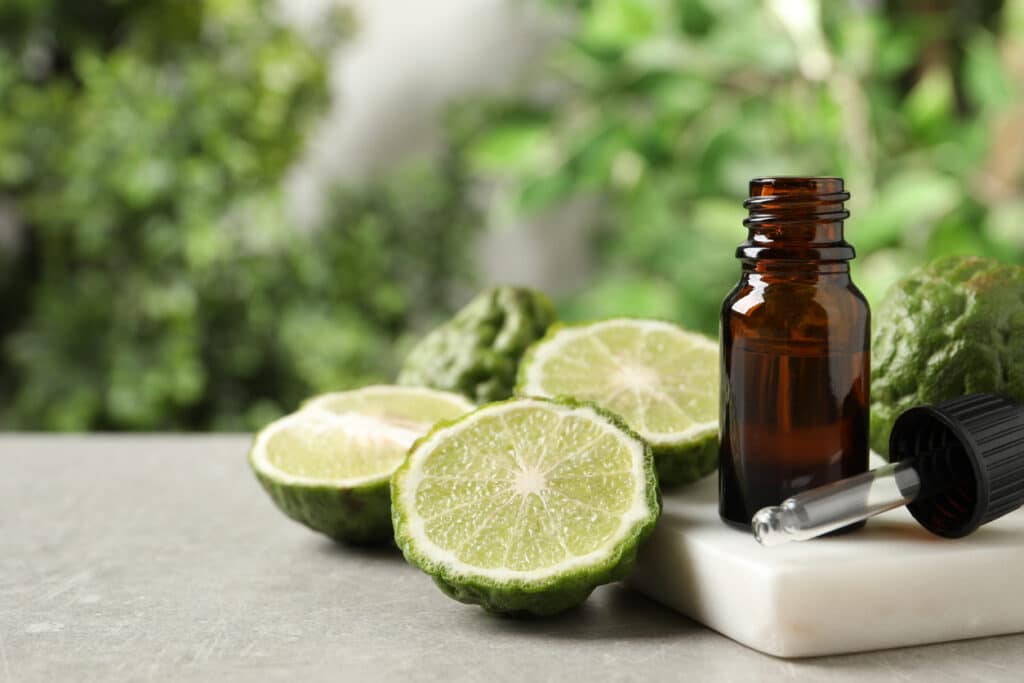
Unlike most citrus oils, bergamot is calming rather than stimulating. It can reduce anxiety and promote relaxation, making it easier to fall asleep.

Ylang-Ylang Oil

This oil has a unique, floral scent that can promote feelings of comfort and calm, helping you relax and drift off to sleep.

Sandalwood Oil

Known for its warm, woody scent, sandalwood can help quiet the mind, reducing wakefulness and promoting deeper sleep.

Clary Sage Oil

This oil has sedative properties that can induce feelings of relaxation, helping you fall asleep faster and stay asleep longer.

How to Use Essential Oils to Induce Sleep

To use these oils, you can add a few drops to a diffuser or a warm bath before bed. Alternatively, you can mix them with a carrier oil and apply them to your skin. However, remember to do a patch test first to ensure you don’t have an allergic reaction.
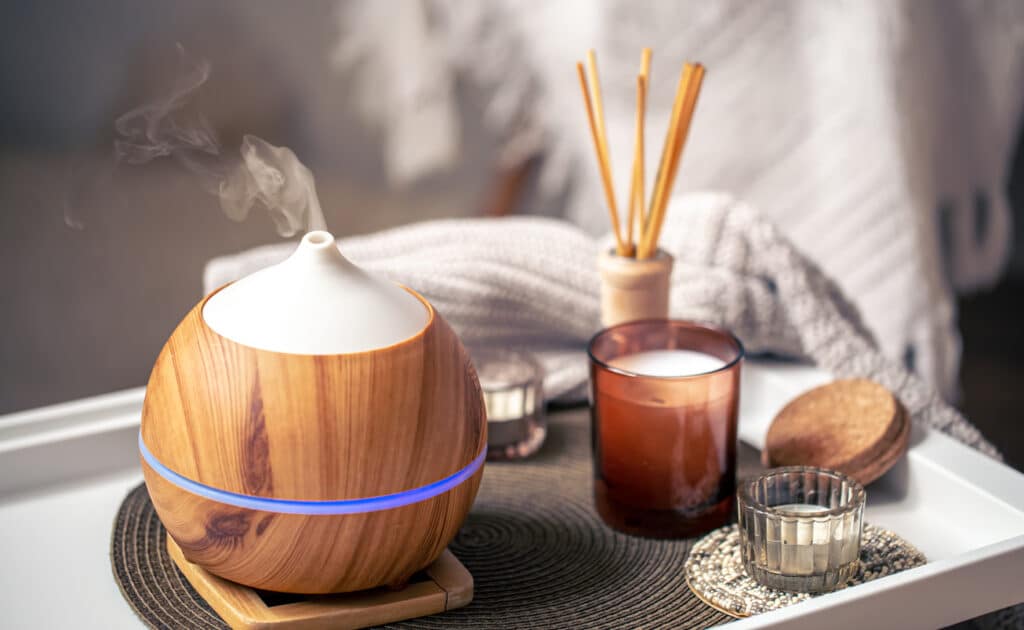
In addition to promoting better sleep, aromatherapy can also improve overall wellbeing. The scents of these oils can stimulate the limbic system, the part of the brain that controls emotions and memory, promoting relaxation and reducing stress.

In conclusion, aromatherapy offers a natural, effective solution for those struggling with sleep disturbances. By incorporating these essential oils into your nightly routine, you can create a calming environment that promotes restful, rejuvenating sleep. So, why not give aromatherapy a try and experience the benefits of a good night’s sleep?

To learn more about aromatherapy and how you can use it, read WHAT IS AROMATHERAPY? IT’S MORE THAN JUST A PRETTY SMELL!

Let’s Have a Conversation:

Do you use aromatherapy in your daily life? What do you use it for? Have you tried aromatherapy for better sleep? What results have you noticed? Which oils work best for you?

Read More

The Joy of Writing – Is It for You?

writing

I have always loved to write. Should you give it a try? The answer depends on what you want to do – and be.

Many people think that this is a glamorous activity, but I can assure you that it is not. You sit at home on your own, in your own world. Or in a cafe, with noise all around, but in your head, you are alone with your computer.

You struggle to think how to put your thoughts. Sometimes nothing comes. Sometimes what does come is not worth the candle.

In the old days of paper, you often found yourself with a wastebasket full of scrunched up bad starts. Now, you just press a computer key and everything disappears.

And yet I love it. Because sometimes you say exactly what you wanted to say. And then it is wonderful.

Children and Writing

Most of us were expected to write from time to time as a child. I am sure I wrote the usual dull stories of princesses that young girls tend to write. I don’t remember them at all.

Perhaps you wrote something more interesting then.

What I do remember is going to my father’s office one Saturday morning, when he had urgent work to do, but needed to look after me. I was given some paper and pens and was told to sit quietly at a big table.

The idea came to me to write the story of my life (I would not have known the word ‘autobiography’). I had one line for each age.

The whole thing ended with the memorable statement “Age 8: And then I understood what life was.”

For some reason – I didn’t know why at the time ­– my parents thought this was funny. Or, perhaps, charming.

They kept this document safe, and I found it with their papers after they had died, along with the jacks and rubber ball I used to play with at more or less the same time.

Finding a Career

I never thought of pursuing writing as a career, for instance becoming a novelist. This was never seen as a ‘real’ career. I also didn’t feel I had enough to write about. And, most importantly, it would not support my husband through his PhD.

But writing can take many forms and, in the end, I found my way. I became a social researcher and wrote numerous reports, articles and, yes, even books on the topics of my research. I liked doing this and others seemed to like what I produced. And so it went on year after year.

When I chose to work freelance, I was asked to do a lot of writing – reports from Committees of Inquiry or for Government departments, more mundane reports and even research proposals. I also found myself doing a lot of editing.

Even after retirement, I carried on doing unpaid what I had previously done for pay, because it was what I liked to do. I even went back to that day in my father’s office and wrote a kind of memoir.

Not that I really know what life is.

The Process of Writing

So why do I like writing? For as long as I can remember, I just liked the process – I enjoy the challenge of working out how to begin and how to find the right word for any particular context. The rhythm of a sentence is important to me.

I like seeing a piece of writing grow, like a knitter of an ever-increasing blanket or sweater.

And equally importantly, I love the process of cutting it back, namely editing. It is like weeding. Just as a garden can suddenly have a shape and a beauty when the weeds have gone, so too can a piece of writing.

Should You Take Up Writing?

Would I recommend writing as an activity to take on in your 60s or beyond? Why not, if you have the inclination, feel you have something to say and want to try.

Even if you’re not sure what you want to say, it is worth having a go.

You may find a whole new career, writing down stories you told your children or grandchildren or exploring difficult or interesting experiences from your life.

Or you might even find yourself producing a novel.

If you are seeking fame or, indeed, an easy income, it is definitely not a good idea. It is possible to become rich and famous as a writer, but it is exceedingly unlikely.

But it is a great way to challenge yourself and do something that is genuinely creative. And you can do it anywhere and anytime.

Think about it.

Let’s Have a Conversation:

Have you ever tried to write something? What did you write about? How did it make you feel?

Read More
5 Ways to Grow and Not Decay

ways grow old and not decay

We can easily slip (or decay) into a life that we do not want. We may not even know how it has happened. Like the saying goes, the life we counted on can “just slip away.”

Our health can deteriorate. Our mental state can become confused and dull. Our friends and family may get tired of helping us.

These are the dangers of a passive and sedentary life. And as we age, the dangers become more real.

The choice is ours – every day. Do we want to grow or decay?

Feeling Younger Every Day

I first came across this idea, of grow or decay, from a valuable book I read a few years ago. It is called Younger Next Year (2007). It was written by a man of retirement age, Chris Crowley and a physician/internist, Dr. Harry Lodge.

Together they put together a detailed, science-based program to become functionally younger each year and to live a life of “newfound vitality and pleasure.”

As they say on the book’s cover, Dr. Harry Lodge provides the science and Chris Crowley the motivation.

Decay Is Optional

Crowley and Hodge make a critical distinction between aging and decay. They write, aging is inevitable, but it is biologically programmed to be a slow process. Most of what we call aging, and most of what we dread about getting older, is actually decay. We’re stuck with real aging, but decay is optional.

Aging can be a slow, minimal and surprisingly graceful process, they say. Even with our appearance, there is a huge difference between a great-looking, healthy older person and one who has let themselves go.

The Worst Outcome Is Getting Old and Living

After years working as a general medical internist, Dr. Hodge had an epiphany. People often think, he says, that they will grow old and die. This is not the worst outcome.

The worst outcome is getting old and sick, or maybe even disabled, and still having many more years to live.

So let’s make our years count by getting stronger (and feeling younger). Here are a few ways to be more active.

How to Grow and Not Decay

1. Look for Challenges

Here is a clue to start. Look for activities that get your hearts pumping and activities that you look forward to doing.

Even better if they involve other people and centre around some type of learning and challenge.

Some activities can be completely new, like joining Toastmasters and improving your public speaking. This will get your heart pumping for sure. I joined Toastmasters for a few years, a while back, and had a lot of fun. I was surrounded by very positive people that wanted to learn and help each other. Most cities have several groups, each with their own personality.

2. Go Deeper

Engaging your mind does not have to involve new areas of interest. It can be just as stimulating to go deeper with the things that you already enjoy and love.

A good friend of mine is a lover of rock music. So he challenged himself by offering to give a talk on the British music invasion at a senior centre he belongs to.

He also spends his time going deep into ancestry records for both sides of his family. This is creative, stimulating and gives him great stories to share with friends and family.

3. You Can Do More Than You Think

You might think that activities drain us of energy. But when you are engaged in activities that interest and excite you, you gain energy.

For example, when you feel good helping others this can give you added energy. When you get excited by impressive sports achievements or are moved by a piece of music, you gain energy.

So you may be able to do more of a certain activity than you think, because the activity itself will help put some energy back in and give you more endurance – as well as excitement.

4. Use Your Age to Your Advantage

Sometimes in sports, it is the older players that end up scoring more goals. The younger ones may be skating or running faster, but they’re not always playing smarter – nor being more productive.

Age and experience matter. And they can be very useful to others.

One example I came across was someone who helped other seniors with their computer frustrations. Or consider a man who was lonely after his wife passed away and decided to help other people in his community with simple home repairs, at no charge to them. He became a big hit.

Coaching or mentoring younger people can also be very stimulating and rewarding. It can expose you to new and different ways of thinking, from a younger generation.

5. Organize Your Life

Chronic stress is not a healthy challenge, and it’s very bad for your health. It contributes to decay not growth.

A disorganized home or disorganized finances can be a big drain on your energy and on your health. This state of affairs does not stimulate you, does not energize you, it only wears you out, literally.

Here is the take home message from Crowley and Hodge.

“Everything you do physically, everything you eat, everything you think and feel, every emotion and experience changes your body and brain in physical ways…  (You can make you) stronger, more agile, smarter and better able to take hard knocks.”

Let’s Have a Conversation:

Have you ever thought you spend too much time on the couch? Don’t you deserve a more interesting life? What is a simple step that you can take today? Do you consider your life one of growth or decay?

Read More
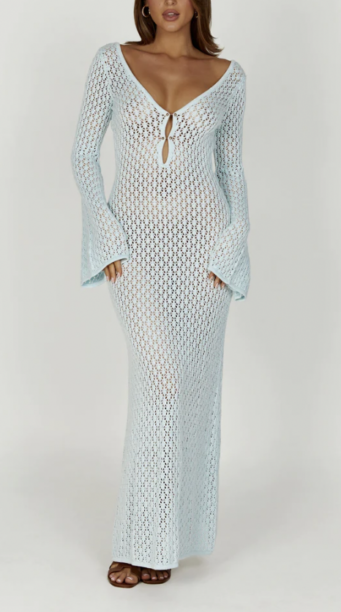
Kiki Barth’s Blue V Neck Maxi Dress

Kiki Barth’s Blue V Neck Maxi Dress / Real Housewives of Miami Instagram Fashion February 2024

I absolutely adore Kiki Barth from the Real Housewives of Miami! From supermodel to Reality TV star, her beauty shines through always. Her recent Instagram post in a plunging blue v-neck dress is simply stunning and the epitome of chic. You could throw it on for a runway look anywhere in warm weather. And pairing it with a blazer adds a classic touch that elevates the whole outfit. So if you’re looking to capture your own model moment then head down the runway below because her dress is fully stocked!

Best in Blonde,

Amanda


Kiki Barth's Blue V Neck Maxi Dress

Click Here for Additional Stock / Here for More Stock / Here for Even More Stock

Photo: @kikibarth


Style Stealers



Originally posted at: Kiki Barth’s Blue V Neck Maxi Dress

Read More