Month: February 2024

Let’s Talk About PLESA

talk about PLESA

Are you one of 63% of workers who cannot cover a $500 emergency expense? Effective January 1, 2024, help may come from your employer in the form of a PLESA which was created by the SECURE 2.0 Act of 2022.

What Is a PLESA?

PLESA stands for pension-linked emergency savings account. Your retirement plan sponsor must choose to add this feature to your benefits. It is not required. If adopted, a PLESA would allow non-highly compensated employees in 401(k), 403(b), and 457(b) retirement plans to make contributions to a separate PLESA account. PLESAs are meant to allow employees to accumulate easy to access funds that can be used in an emergency. These accounts are not meant for retirement savings.

Contributions

Contributions to PLESAs are made by payroll deduction and must take the form of after-tax contributions. Annual contributions to PLESAs may not exceed $2,500 or the amount designated by your plan sponsor. If a contribution exceeds that amount, you, the employee, may elect to contribute those funds to a different plan account instead. Otherwise, the excess is distributed to you.

If your plan sponsor chooses to offer PLESAs, you may have the option to enroll, or you may be automatically enrolled. Check with your benefits coordinator. Highly compensated employees, those with eligible compensation greater than $150,000 (2023 and indexed for inflation), are not allowed to open a PLESA.

Distributions

You can draw on your PLESA account as frequently as monthly to pay unpredictable, short-term emergency expenses such an unforeseen car or house repairs. There is no annual limit on withdrawals, nor a minimum balance required for the account. If your employer makes matching retirement plan contributions, they are required to match your PLESA contributions at the same rate. Those matching contributions are not added to the PLESA account, however. They go into a retirement plan account.

Funds in PLESAs must be held at a financial institution in cash, in an interest-bearing savings account, or in a certificate of deposit. The goal is to keep the funds liquid and safe. If you leave the company’s employment or the company terminates the plan, you must be allowed to transfer funds into a designated Roth account in the retirement plan. If none is available, then the funds are eligible for distribution to you. You may not transfer other employer plan funds into a PLESA.

How Widespread Will PLESAs Be?

There are good reasons an employer and plan sponsor may choose not to add a PLESA to their offering. For example, PLESAs will require extra bookkeeping to set up accounts and for recording contributions and withdrawals, as well as to invest funds at financial institutions in cash and cash-like instruments. Nevertheless, if you feel a PLESA would help you save for an emergency, talk with your benefits coordinator about adding it to your company’s offering.

IMPORTANT REMINDER: PLESAs do not take the place of saving for retirement. PLESA funds only cover emergencies.

This blog is part of a series that describes some of the new features or changes to your retirement plans created by the SECURE 2.0 Act of 2022. You might want to check out my other blogs about other SECURE 2.0 Act changes: Retirement Plan Catchups; Military Spouse Tax Credits; Inherited IRAs; and RMD Rules Have Changed.

Also read, EXTRA RETIREMENT PLAN CATCH-UPS ARE COMING YOUR WAY.

Let’s Have a Conversation:

Does your company offer a PLESA? If they do or if they did, would it help you save for an emergency? Do you have other ways that you save for emergencies?

Read More

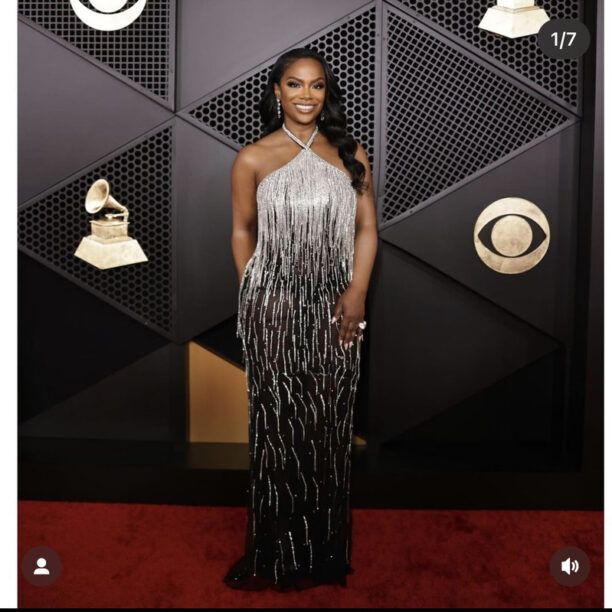
Kandi Burruss’ Crystal Embellished Gown

Kandi Burruss’ Crystal Embellished Gown / Real Housewives of Atlanta Instagram Fashion February 2023

Kandi Burruss not only owned the Grammys with her crystal embellished gown but dropped the bombshell of leaving RHOA! Her dress featured a beautiful, embellished upper half perfect for sitting at the table for the Grammys, with a halter neck adding an elegant touch. This dress symbolizes new beginnings, and though we’ll miss this OG housewife, she’ll forever be an icon.

Best In Blonde,

Amanda


Kandi Burruss' Crystal Embellished Gown

Click Here for Additional Stock

Photo: @kandi


Style Stealers


Originally posted at: Kandi Burruss’ Crystal Embellished Gown

Read More

Have Fun Moving through the Winter

fun exercises

We’re into our second full month of winter. I don’t need a calendar to tell me this. When I have misplaced one half of each of my two favorite pairs of gloves, we have passed the half-way point of winter.

Thus far, my favorite hats are still accounted for, but looking a bit scruffy at the moment. If you see a woman running down the street wearing a red mitten on one hand and a black glove on the other, that is likely me.

Although I do love running and hiking, just for fun I began looking for some forms of exercise that wouldn’t require gloves and hats. Although I may not have tried all of these, let me share a few activities that are supposedly trending this year.

And, of course, what you choose to do for exercise is between you and your doctor.

Weighted Hula Hoops

These hula hoops have grown up from those we enjoyed as 12-year-olds. They are intended to help with fitness and weight loss. They vary in size from kids’ to plus sizes. Some even have a counter built in.

Weighted hula hoops are available on multiple online sites, lots of glitzy colors to make it fun, and I saw prices varying from $13 to $40.

Backward Running or Walking

This is a good one so long as you have a bit of space free of throw rugs and pointed pieces of furniture. And you can do it in around 60-second bits of time as your intervals.

I do this occasionally and feel most comfortable backward walking across an open space in my kitchen or basement. Walking backwards is said to improve coordination, increase focus and build stronger legs. Besides, again, it’s fun. In the depth of winter, we need some fun.

So, put that cup of coffee in the microwave to reheat for a minute. When the timer beeps you will have completed one circuit. This Healthline article about backward walking and running provides more detail on benefits and duration.

Online Fitness 30-Day Challenges

Challenges were a strong trend last year and a number of sites offered online fee-free challenges. This year, some of those have gone to paid membership. Still, there are several sites I have followed that remain available to anyone.

There are several benefits to a 30-day challenge. First, you are beginning from scratch along with everyone who is following online. Other participants may post about how it went for them that day, so there is a feeling of comradery even if you are working at it solo on your living room floor.

Last year, I participated in a Livestrong 30-day push-up challenge as well as a 30-day plank challenge. I continued those challenges for separate 30-day periods. Livestrong offer various 30-day/4-week challenges on their website.

I was surprised at how much my ability to do pushups improved. Now, I didn’t get to the full number doing a full pushup, but I was half-way there before I switched to a modified push-up form. I count that as a success since it was a vast improvement over where I started at the beginning of the challenge.

This year, I am again doing the 30-day Yoga Journey with Adrienne. Even though that 30-days is about to finish, the series will usually stay on the site for some time after its completion.

I hope one of my three offered options appeals to you on these frigid days when we are down to miss-matched gloves and slightly tattered hats. For those of you in warmer climes, any of the above will work well on your lanai or deck before the morning sun is too high for comfort.

Let’s Have a Conversation:

How are you keeping your body moving through this long winter? Have you found a new exercise that is as fun as it is beneficial?

Read More

Grandparenting Matters in All Generations

grandparenting

My first thought when my oldest daughter told me she was expecting my first grandchild was “at last!” I was 64 years old, with four adult children more focused on their careers than on starting families. Most of my friends were already grandparents. Some of them even had great-grandchildren. I was ready to join the grandparenting club. 

What I wasn’t prepared for was how I would feel when my daughter placed her infant in my arms. I suddenly realized I was holding the future of our family. Before I could process that thought, the tiny creature curled her hand around one of my fingers and I was instantly in love.

My granddaughter was born in February. I retired from teaching and moved over a mountain range to live a few houses away from my daughter and granddaughter. Many new parents would have cringed to have their parents so close, but this new mom had asked for my help, and she was fine with my proximity.

From then on, I took my granddaughter for long walks in her stroller while her mother rested or painted. As she was able to go longer between feedings, I expanded our walks to include the grocery store, the bakery, and the park. We built traditions together – singing, reading, playing outside in my patio, now furnished with a water table, sand box, and child-safe plants. My guest room became her playroom.

When she graduated to overnight visits, she slept in a day bed with me on the trundle beside her. When she started preschool, I helped with afternoon pickups and dancing lessons. Soon it was carpools and summer camps, art lessons, and Taekwondo.

Now I have six grandchildren. Each child has a unique place in my heart, and we make special memories together. We’ve planted seeds, made gingerbread people, furnished doll houses, and enjoyed hot chocolate around campfires.

Grandparenting Today

There are 70 million grandparents in the United States today. The average age to become a grandparent is now 50, although many individuals become grandparents earlier. By 2030, there will be more people of grandparent age than children and youth. We can have a tremendous impact on society by becoming active grandparents and mentoring younger generations.

My first grandchild helped me see life differently. I slowed down, observed on my hands and knees the progression of a line of ants across the pavement, or the fuzziness of a Lamb’s Ear leaf against my cheek, or the way sand felt when poured slowly from one hand to another.

As a single parent, I hadn’t had the leisure to watch my own children play, to observe them discovering the world, to notice their growth. Now that I didn’t have to worry about my job, the dishes, the laundry, the shopping list and all those other daily tasks of parents, I was free to play with her and the other grandchildren to come.

Soon we were engaged in deep conversations about friendship, family, homeless people, and saving the whales. Spending time with my grandchildren took me back to the basics and enriched my life. 

Grandparents Enrich Family Life

But I have also enriched the lives of each of my grandchildren. Young children experience their world as an environment of relationships, and these relationships affect all aspects of their development. I hope my grandchildren have rich memories of the times we spend together. Even if they don’t, I know that I have provided experiences and conversations that have helped in some way to make them the adults they will soon become.

Parenting is difficult. Not all families can have, or wish to have, grandparents just down the street. But most families will be richer for including the grandparent generation in their children’s lives. Teaching a seven-year-old how to knit, or play chess, or plant vegetables will give children a heritage of connection. Participating in family activities and engaging with your grandchildren will add a richness to their lives as well as yours.

Across the Miles

One of my daughters who works from home has encouraged her five-year-old daughter to FaceTime her grandparents on snow days, holidays, and other occasions when Mom is on the computer and the hours stretch out ahead of her.

Her daughter has become adept at including each of us in her arts and crafts projects, detailed recounting of weekend activities, and singing silly songs. It’s not always possible for families to connect like this, of course. We don’t always agree across generations, and sometimes the little hurts build up and make it hard to reconnect. I’ve thought about this a lot and spoken with many families who have done so successfully.

These conversations have prompted me to write a book about grandparenting. Grandparenting Matters will be about the changing nature of grandparenting in the western world, and how families can most effectively meet the challenge.

It won’t be a book about activities to do with your grandchildren or a keepsake album or stories about how grandparenting changed the lives of 20 of my closest friends – there are lots of those already. Rather, this book is a guide to grandparenting in this fast-moving world, both interpersonally and technologically.

Some of my stories will be about cross-generational families and how they mended broken relationships and built new, stronger ones. Other examples will be of single parents, single grandparents, and how illness, unemployment, or incarceration can derail the best of plans. I will give suggestions for building resilience in the children of struggling families.

How You Can Help

During my research for this book, I will talk with grandparents of different cultures, grandparents who live thousands of miles away, grandparents who live with their children and families who move in with Grandma. We’ll explore the changing needs of maturing grandchildren and aging parents, the value of sharing family history with children, and of teaching ethics and kindness and how to say thank you.

Grandparenting does matter. The distinguished developmental psychologist Urie Bronfenbrenner wrote, “The grandparent/grandchild relationship is… second in emotional importance only to the parent/child relationship.” That makes grandparenting worth understanding. I would love to hear your stories about grandparenting.

Let’s Have a Conversation:

What is your relationship with your grandchildren? What was your relationship with your grandparents? In what ways are you a different grandparent to your grandchildren?

Read More

Set Yourself Up for Successful Guitar Practice

successful guitar practice

Whether you’ve just started playing guitar or you’ve been at it for years, you probably want to get the most out of each practice session. The power of preparation can’t be overestimated! Start setting the stage for success by creating a physical space that supports your commitment.

Your Physical Space

The great thing about the guitar is that you can take it with you wherever you go. All you need is a place to sit comfortably while holding your guitar correctly. But this advantage can become a liability if it enables you to avoid creating the optimal space for daily practice. A little time and planning can go a long way toward crafting an environment that enables satisfying and successful learning and playing.

You don’t need much room for your practice, but you do need a designated area where you feel comfortable. Your space should be private, so you’ll be able to concentrate without any concern for how you might sound to someone else. Practice is a whole different thing than performing. You need to feel free to repeat passages ad nauseum and make mistakes boldly!
If you share a living space with someone else, you may need to collaborate on ways to keep your sounds to yourself. If you’re playing a classical guitar (nylon string), you’ll probably do fine by being in a separate room with the door closed. But you’ll need an extra layer of sound protection if you’re playing a larger guitar with steel strings, or if you play an electric guitar through an amplifier.

If your housemate is amenable to listening to music, books, or podcasts through headphones when they’re home during your practice time, your problems are solved! But that’s not always necessary if you typically play using amplification because you can use your own headphones! I use the Fender Mustang headphone amp and find it really satisfying for most sessions. When I want to sing or play backing tracks through my amplifier, though, I still appreciate my husband using his headphones.

Furnishings

Furnish your space with an armless chair or stool that enables you to hold the guitar correctly and without tension. I use an armless office chair, which I can set at a height that allows me to have my feet flat on the floor and enables me to swivel between metronome, music stand, recording devices, and, in my case, students.

Because your posture is important when playing guitar, you’ll need a music stand and footstool. It’s also helpful to have a small table next to your chair for all of your accessories.

Increase your desire to practice and enhance your overall experience by making your practice space pleasant. Furnish it with fresh flowers or plants, pleasing or inspiring artwork, and aromas that contribute to calmness, energy, and focus.

Equipment and Accessories

You’ll want to be able to easily reach a capo, a metronome, picks, extra strings, instructional books, paper, pencil, your guitar journal, and the recording device of your choice. You’ll also need a device to use for listening to or watching audio files or videos of the songs you’re working on. If you use your phone to access a metronome app or watch YouTube videos, avoid getting distracted by texts or emails. Make a commitment to stay focused during your precious practice time!

Your Mental Space

Once you’ve shut out the physical world, you’ll still need to corral your thoughts. Make a point of clearing your mind when you enter the practice room and perform a repeat clearing after any mentally intense periods. Pause, shake out your hands, take a deep breath, and release all thoughts. Sit in this empty state for as little as 10 seconds or up to five minutes. When you start again you may be surprised by how relaxed and productive you are!

Your Emotional State

Creating an optimal emotional state for practice can be tricky. Who knows what emotions you’ll experience on any given day? Fortunately, you don’t need to anticipate or control your emotions, because as you engage with your guitar, they will almost certainly shift.

Keeping this in mind can help you avoid the trap of avoiding your guitar until you feel like practicing. Truthfully, the best time to practice your guitar is often when you feel like it the least. After a few times of stepping into practice when your heart’s not in it, you’ll probably begin to look forward to practice as a way to balance or soothe a challenging or unpleasant emotional state.

Further read, CAN THERE EVER BE ENOUGH TIME FOR WHAT YOU WANT?

Let’s Have a Conversation:

What furnishings or accessories do you find inspiring in your practice area? Can you be sufficiently assertive in claiming privacy in your guitar time? What songs tend to shift your mood the most?

Read More