Month: March 2024

Living with Digestive Issues and Still Having a Social Life

living with digestive issues

It’s not easy living with digestive issues, food allergies, or intestinal conditions – waking up each morning wondering if what we ate yesterday will impact today; never knowing when and how our bodies will react to food, even food that is usually safe to enjoy.

It’s confusing, annoying, and sometimes depressing. It can often lead to isolation, or a reluctance to make plans, join others at restaurants or accept invitations to private homes for a meal.

Want to Know the Stats?

The statistics on how many women struggle with these conditions are staggering. According to the Center for Disease Control, 6.2% of women have food allergies and it’s estimated that more than 20% of the world’s population has some sort of food sensitivity.

Two-thirds of the patients diagnosed with Irritable Bowel Syndrome are women, and the exact number of those suffering without a diagnosis is nearly impossible to accurately estimate, but hovers somewhere around 20% of the American population, and according to the National Institute of Health less than 20% of those experiencing chronic symptoms seeks medical treatment.

Many women, like myself, have suffered for decades being treated for the symptoms, usually unsuccessfully, without ever knowing the cause – until finally being diagnosed with a condition with no cure. The only real relief on offer is a complicated restricted diet.

So, how do we live with chronic dietary issues and still enjoy an engaged, happy life? Here are a few adjustments I’ve made over the past few years that have helped.

Don’t Guard Your Condition as a Secret

Yes, it can be awkward to share the details, embarrassing even. But at least tell your closest friends and family so they can support you. Try to frame information in a positive dialogue about what foods are healthier for you and how to make enjoying a meal possible. Always try to answer questions as candidly as you can. I’ve found most of my friends and family are eager to help me and even seek out restaurants, recipes and products that fit into my diet.

Be Honest with Servers in Restaurants

I was thrilled the other day to be asked by a server if there were any dietary restrictions the kitchen should know about. Her question even came with the offer to make substitutions so that I could enjoy a dish without the dairy. They have made a lifelong customer!

If the server isn’t as forthcoming as this one, mention your restrictions and ask for assistance. Most hospitality professionals are aware of dietary requirements and are willing to accommodate their guests.

Let Your Host Know of Your Dietary Needs

When accepting an invitation to someone’s home, be honest about your dietary limitations. Explain that you can’t eat certain foods and let them know you are quite comfortable enjoying a portion of the menu, if they don’t mind.

I’ve also had guests with celiac disease bring their own dinner, so they could enjoy everyone’s company without concern, since my kitchen is not free of gluten.

Invite Others to Join You in Alternative Healthy Activities

We can enjoy common interests that aren’t centered around food. Make dates to work out, enjoy a hobby, go shopping or spend a day outdoors hiking, biking or sightseeing. There are so many ways to be together in which we can fully participate.

Be an Advocate – Help People Understand

There is so much misinformation and confusion around gastrointestinal disease, food allergies and the multitude of conditions that make up our population, we need to take every opportunity to educate and encourage others to be supportive. We don’t need to go into detail, but explaining our condition honestly helps dissipate the misconception that food sensitivity, allergies and stomach issues are just the latest fad.

Be Supportive of Others and Make the Connection

I’ve found there is a comforting connection that forms when two people within the same circumstance share their secrets, struggles and offer support. No one knows the life altering, time consuming and energy draining effects of living with these conditions like another who lives with them. Share information, your experience, creative recipes, products and resources and, perhaps most importantly of all, be a compassionate person who understands. You just might make a new friend in the process.

Life is still rewarding, social and enjoyable, we just need to be open to opportunities, be creative and always see what is possible.

Let’s Have a Conversation:

Are digestive issues part of your daily life? How do you handle them? Do they keep you from being social? What have you found helps you in social events or when visiting with friends/family?

Read More
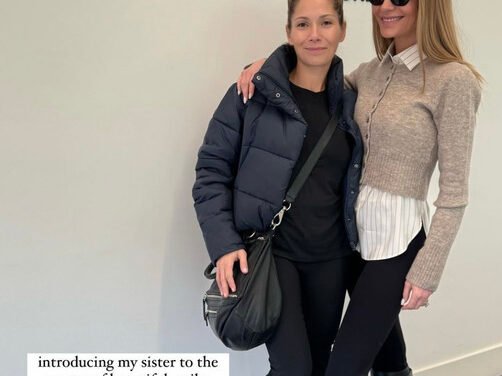
Dorit Kemsley’s Tan Cashmere Cardigan

Dorit Kemsley’s Tan Cashmere Cardigan / Real Housewives of Beverly Hills Instagram March 2024 Fashion

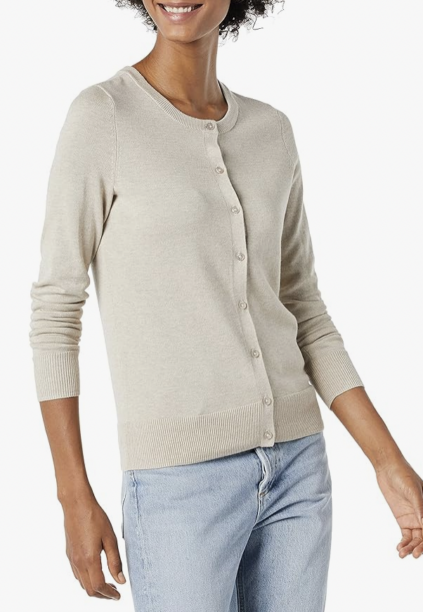
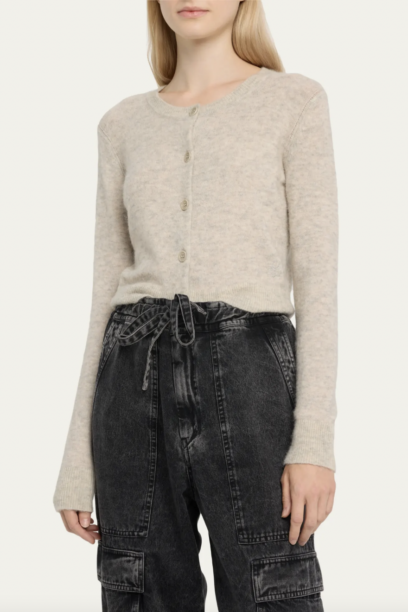
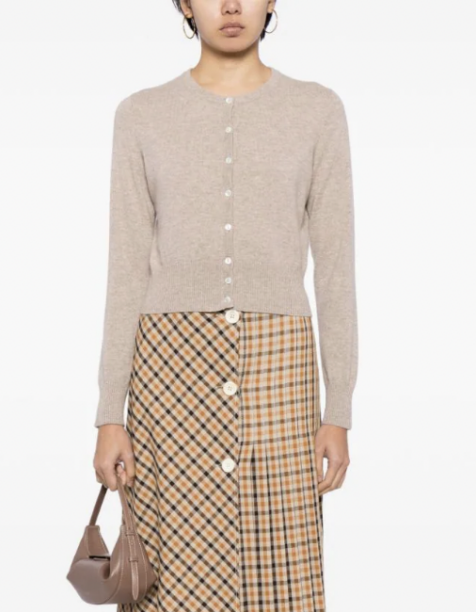
Dorit Kemsley is stunning in her recent Instagram story in a tan cashmere cardigan while standing next to her sister. She styled it effortlessly with a button-down and black leggings for a super chic business casual vibe. So give yourself a beautiful smile by Dr. Sam shopping a new cardigan below.

Best in Blonde,

Amanda


Dorit Kemsely's Tan Cashmere Cardigan

Photo: @doritkemsely 


Style Stealers


Originally posted at: Dorit Kemsley’s Tan Cashmere Cardigan

Read More

Nurturing Sisterhood After 60: Celebrating, Connecting, and Supporting Each Other

sisterhood after 60

In a world where relationships are often measured by digital connections, the strength of bonds formed by women after the age of 60 is nothing short of inspiring. Beyond the confines of societal expectations and stereotypes, women find solace, understanding, and empowerment in the sisterhood that flourishes in their golden years, yet we get busy within our world and oftentimes need to be reminded that a small gesture can make a significant difference in one of our “sisters” day!

I wanted to share and encourage you to consider ways that we can be mindful of supporting each other and contribute to our own well being on a consistent basis. Here are some ideas!

1. Cultivate Genuine Connections

Friendship takes center stage in the lives of women after 60. The friendships formed during this phase of life are often characterized by a deep connection that transcends superficialities. Women understand the importance of having a solid support system, and they actively contribute to building and sustaining these relationships.

Picture this: Mary and Susan, two artistic rebels in their 60s, met in a pottery class where their creations were more abstract than practical. Their bond formed over shared laughter at the expense of their lopsided clay masterpieces, evolving into a friendship that withstands the test of time.

2. Celebrate Individual Achievements

Another crucial aspect of women supporting each other is the celebration of individuality. By now, many women have overcome societal pressures and expectations, allowing them to embrace their true selves. Instead of competing or comparing, these women champion individual achievements and celebrate the diverse paths each has taken. Imagine Jane, the aspiring entrepreneur, launching her post-retirement business selling handmade dog sweaters.

Drawing inspiration from historical figures like Eleanor Roosevelt, who continued to champion humanitarian causes well into her 60s, Jane’s friends not only adorned their pets with these quirky creations but also turned Jane’s home into a runway for canine fashion shows – proving that embracing individuality can be as entertaining as it is empowering.

3. Create Inclusive Spaces

Establish environments that welcome diversity and inclusivity. Whether in physical social gatherings or online communities, ensure that all voices are heard and respected. Enter the online community Sixty and ME! A sanctuary where women over 60 share their experiences, wisdom, triumphs and, yes, the occasional mishap.

Channeling the spirit of Maya Angelou, who in her later years became an advocate for elder women, these women share wisdom with a touch of humor, creating a lighthearted atmosphere that brings laughter into the shared experiences of aging.

4. Offer Emotional Support

In the face of life’s challenges, women often find strength in unity and being there for one another in those times which can often be faced alone. A brief phone call, text or a basket left at the front door with your favorite goodie lets one know that you are there for them when they are ready to be heard.

5. Explore Shared Hobbies and Activities

Strengthen the bonds of sisterhood by engaging in shared hobbies and activities. Imagine the “Golden Girls Walking Club,” where the term “power walk” takes on a whole new meaning. With walking sticks doubling as dance partners and occasional impromptu aerobics sessions, these women redefine fitness in their 60s, proving that laughter and exercise can go hand in hand.

Drawing inspiration from historical trailblazers like Ruth Bader Ginsburg, who continued her workout routines well into her 80s, these women exemplify that staying active and connected is a key ingredient for a fulfilling life at any age.

The support system that women create for each other after 60 is a testament to the enduring power of sisterhood. These amusing anecdotes and historical inspirations highlight the real-life stories of women who have leaned on each other, demonstrating the importance of cultivating meaningful connections and celebrating the beauty of female camaraderie throughout the golden years.

After all, history shows us that women supporting women is not just a contemporary concept but a tradition that spans generations. Do you feel that you could use some support as you are entering a new season? I would love to connect with you, and there are various free resources on my website!

Let’s Have a Conversation:

How are you showing up for other women in your life? Have you created a network that has enabled you to be present in your life and support others at the same time? Please share in the comments so we can all learn and grow together!

Read More