
Month: March 2024

How to Create a Conversation Renaissance in Your Marriage

There’s something comforting about sitting quietly with your spouse and not feeling pressured to come up with small talk. On the other hand, there’s something quite mind-numbing about knowing your conversational repertoire is limited to “What do you want for dinner?” and “Can you turn the TV up?”
Of course, most discourse between partners isn’t that limited, but when you’ve been married a long time, it can feel that way.
If you’re among the many (many) couples who live in a conversation desert, you’re not alone. But take heart! There are ways to bring the simulating conversation back to your relationship and discuss more than meal choices, laundry, or the weather.
Why Talking to Each Other Is Important
“We’re fine. We’re so in tune with each other that we don’t really need to talk.”
Hmmm. If you or your spouse think that statement is fair and true, well, sorry. You’re wrong.
Regular conversations with your partner are crucial to creating and maintaining the happiness and satisfaction that should be part of a long-term relationship.
Conversations in a relationship are essential as they provide many benefits.
Connection and Intimacy
Talking helps foster a deep emotional connection between partners. Sharing thoughts, feelings, and experiences creates intimacy and reinforces the emotional bond between partners.
Understanding and Empathy
Conversations help partners understand each other better. Through talking, couples develop and maintain empathy for each other, which is crucial for providing support and navigating difficult times together.
Conflict Resolutions
Conflict is a part of all long-term relationships. A little conflict is actually healthy as long as it doesn’t become abusive or go unresolved. Effective communication is fundamental for resolving these conflicts.
Preventing Drift and Stagnation
Regular communication helps prevent emotional distance in a relationship. It keeps the connection alive and ensures that both partners continue to grow individually and as a couple.
Building Trust
Communication is the foundation of trust in a relationship. When partners communicate consistently, it builds trust and strengthens the sense of security.
In short, no matter how tuned in you feel to your partner, talking to each other and having regular conversations is important. And let’s be fair, neither of you is a mind reader, which means you may be surprised by what you hear and learn when you talk.
What You Talk About Is Important
“Okay, conversations are important. Fine. We talk. We’re good.”
Are you?
Before you turn away, assuming you and your spouse have plenty to talk about, ask yourself the following question:
Do the primary things you discuss in complete sentences fall into one of the following categories?
- Family (Kids, grandkids, your husband’s weird brother, etc.)
- Finances (He spends too much money, the price of milk, stock market gyrations)
- Future planning (Retirement, the will, which child needs money this time)
- Health (everything hurts, why does my knee make that noise, the roulette wheel of next tests and scans).
In relationships measured in decades and past 60, these are the most common topics of conversation.
Don’t misunderstand – these topics are important, and I’d argue that some conversation is better than none. But when we talk about upping your conversation game, none of those falls into the scintillating column.
Think for a minute about when you first met. You could probably talk for hours and never feel lost on topics. Granted, you were getting to know each other, and there was a lot to talk about then.
But just because you know each other well doesn’t mean there aren’t new things to explore.
In fact, while you’ve been getting comfortable with each other over the years, you’ve also each been changing. Your perspectives, knowledge, and opinions are likely at least somewhat different than when you first met.
Conversations about the right topics can
Cultivate Romance
Keeping the romance alive involves more than just physical gestures. It also requires an ongoing emotional connection gained through communication.
Improve the Quality of Connection
Engaging in meaningful discussions will enhance the overall quality of the time spent together. This contributes to the satisfaction with your companionship, as well as mutual enjoyment.
Sounds Easy – So Why Isn’t it?
“Okay, it’s important to talk, and what you talk about matters. Is it really just that simple?”
Maybe. But not always.
If having great conversations were easy, you’d be doing it, right? The truth is that the longer you’re together, the harder really talking becomes.
Seems like it would be the opposite, doesn’t it?
There are some very common reasons for why the ability to have really good, engaging conversations with your partner dwindles over the years.
Among them are:
Over Familiarity
Remember that “in-tune” feeling you likely had at one time? That familiarity with your partner is something you once strived for, and it probably served you well when you were in the thick of raising young children, work, and household chaos. The downside is that when everything settles down, feeling “in tune” can mean you stop being curious about each other and rely on shorthand communication that’s now unnecessary and potentially detrimental.
Lack of Effort
This one speaks for itself. If you aren’t trying to engage, then engagement doesn’t happen. Just because your relationship has lasted for years doesn’t mean you stop trying to keep it strong. There’s no finish line to a happy relationship – it will require effort and attention as long as you want it to be strong.
Assumptions
“I don’t ask him because I know what he’ll say,” “I already know what he thinks about things,” “You just want to argue,” “You never listen,” “You don’t want to discuss (insert topic here).”
Can you relate?
When you’ve been together a long time, it’s easy to assume you know what he thinks, how he’ll react, and what topics interest him. Let me reiterate – time changes many things about people. There’s a good possibility that your partner has developed some new opinions or ideas.
Imbalance in Engagement
A universal truth about conversation is that it takes two people. So, bringing your conversational world back to life will take participation from both of you.
If one of you routinely looks at their phone, keeps watching TV or doing the crossword while you’re talking, then conversation won’t work, and frustration will build. Ensure that you both buy into the need for talking and are equally engaged.
Misguided Attempts
So, you’re ready to talk and have ideas for exciting new topics. But oddly, when you bring up the latest developments in archaeological technology being used in the jungles of Madagascar, your husband’s eyes glaze over.
A conversation also needs to be about a topic you’re both at least mildly interested in. So, before you get frustrated and claim there’s nothing to talk about, be thoughtful about the topics you choose.
How to Start Your Own Conversation Renaissance
“Alright, conversations are important, and the topic matters. And we have some bad habits to overcome. How are we supposed to make this happen?”
There’s no magic formula, but there are some best practices that will set you on your way.
Let’s start with the biggest and the one that sounds the silliest.
Have a Conversation About Your Need for Conversation
Yes, it sounds like needing to have meetings about meeting, but this is a necessary step.
You’re aiming for agreement about how to be engaging and mentally and emotionally available to one another. As mentioned, a conversation requires two participants. If only one of you is committed to trying, things become significantly more difficult.
Note: It’s not impossible to be the instigator and lead the effort alone. Your partner may respond to your attempts over time. But the chances of success are much greater when you’re both on the same page.
Next, consider the following tips:
Practice Interest
This may be a fake-it-til-you-make-it scenario for some, but by asking specific and targeted questions about your spouse and their day, you begin building conversation and open doors to new topics.
Instead of a generic “How was your day?” Try asking more specific questions about particular events or experiences.
Share Something Personal About Yourself or Your Day
Sharing personal experiences, thoughts, or feelings you’ve had recently increases vulnerability and can encourage your spouse to do the same and lead to deeper conversations.
Discuss Future Plans and Dreams
No, this isn’t about taking social security early or reassessing your living trust. This talk is about the fun stuff.
It could involve short-term plans like weekend activities or long-term goals like travel or moving. It doesn’t even have to be realistic or likely (think – what would we do if we won the lottery). Planning and dreaming together can be both exciting and bonding.
Explore Mutual Interests
Did you know he wanted to try glassblowing? Does he remember how much you like going to horse races?
Discover, rediscover, and explore shared hobbies or interests. This could involve watching a movie or TV show, reading a book together, skydiving, spelunking, or trying out some other new activity you both enjoy.
Ask Thought-Provoking Questions
Open-ended questions encourage reflection and thoughtful responses. For example, ask about your partner’s aspirations, dreams, or how they envision life together in the future.
Play Conversation Games
Lighthearted conversation games can make talking more fun. For example, you could play “Two Truths and a Lie” or take turns asking each other hypothetical questions – “What would you do if…?”
Explore Current Events or Trends
There’s no shortage of bizarre current events to talk about. You can use the latest news or trends as a jumping-off point for new conversations.
Create Quality Time for Talking
Whether it’s a date night, a weekend getaway, walk around the neighborhood, or just a quiet evening at home, spending focused time together can naturally lead to meaningful conversations.
Be Present and Listen Actively
Showing genuine interest in what your spouse says is a must for sustaining strong conversations. Put away distractions, maintain eye contact, and actively listen.
Using conversation starters like these not only fosters communication but also demonstrates your commitment to the relationship.
Remember, the key is to be intentional and genuine about wanting to connect.
Communication is a powerful tool for expressing love, appreciation, and affection. By taking the initiative to start new conversations, you can create a positive cycle of communication that contributes to the ongoing growth and happiness of your marriage.
Also read, BUILDING AND MAINTAINING EMOTIONAL INTIMACY IN RELATIONSHIPS AFTER 60.
Let’s Have a Conversation:
Do you struggle with keeping the conversation alive in your relationship? Have you found anything that works well? Share your thoughts and tips and join the conversation.
Read More

Lisa Barlow’s Neon Embellished Cardigan
Lisa Barlow’s Neon Embellished Cardigan / Real Housewives of Salt Lake City Instagram Fashion March 2024
I’ve never felt as stylish at Target as Lisa Barlow was shopping for her @no7usa day cream. Her neon embellished cardigan is simply stunning, making her glow like the true queen she is. And with green in the air for Saint Patrick’s Day it couldn’t have come at a better time. So scroll down to find your own pot of gold waiting below! 
Best In Blonde,
Amanda

Photo: @lisabarlow14




Seen on #RHOSLC










Instagram By Request
-

Tamra Judge’s Tan Leather Crop Top and Leggings
-

Lisa Barlow’s Gold Pants and Asymmetric Black Top
-

Melissa Gorga’s Cargo Jeans
-

Kristin Cavallari’s Black Cutout Dress
-

Melissa Gorga’s Navy Velvet V Wire Gown
-

Lisa Hochstein’s Wave Print Skirt Set
-

Madison LeCroy’s Brown Check Vinyl Jacket
-
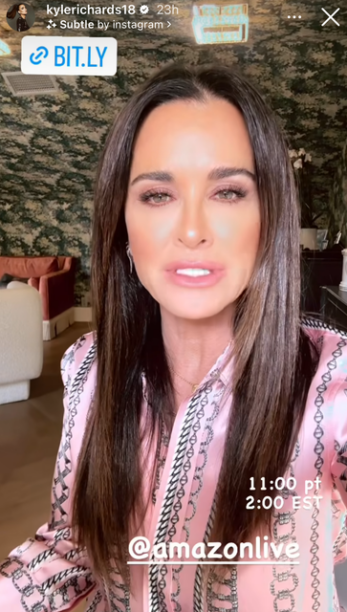
Kyle Richards’ Pink Chain Print Button Blouse
-

Madison LeCroy’s Ivory Tie Jacket and Pants Set
-

Sonja Morgan’s Pink Crystal Mini Dress
-
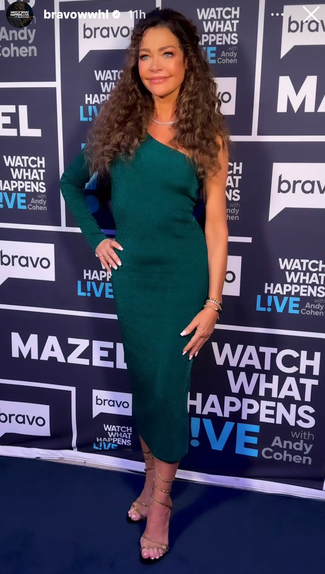
Denise Richards’ Green One Shoulder Metallic Midi Dress
-
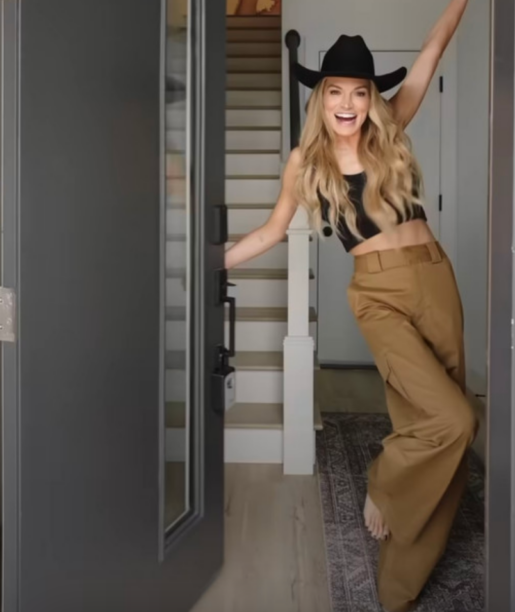
Lindsay Hubbard’s Camel Wide Leg Cargo Pants
-

Melissa Gorga’s Denim Shirt Dress
-

Kiki Barth’s Green Floral Off the Shoulder Dress
-

Paige DeSorbo’s Black Cutout Blazer Dress on WWHL
-
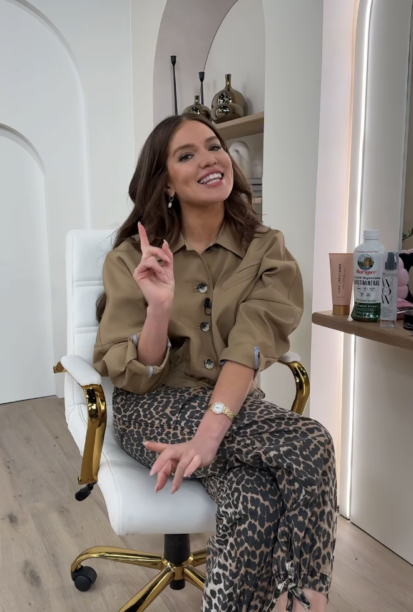
Brynn Whitfield’s Tan Jacket + Leopard Pants
Latest Posts





Originally posted at: Lisa Barlow’s Neon Embellished Cardigan
Read More

Piano Lesson 31: The Magic of the Musical Mind and a Music Mystery!

We’re going to look at some astonishing scientific evidence showing that complex activities such as taking music lessons “resulted in a 50% reduced risk of developing dementia” and that taking piano lessons, specifically, reduces our risk of cognitive decline and decreases depression symptoms. (Read one of the many amazing studies here.)
Aside from the cognitive benefits, piano lessons are fun! If you haven’t joined our free piano course, I hope you will consider giving it a try, now! Borrow a keyboard and try a few lessons. You can find my previous Sixty and Me Free Piano Lessons on my Author page. Join our lessons any time and move at your own pace! I am being sincere when I say, it’s never too late to learn to play the piano.
31.0 “Playing Music Is the Brain’s Equivalent of a Full Body Workout!”
Have you ever seen the Ted-Ed lesson on how playing an instrument is like “fireworks” going off in your brain? Through delightful animation, Anita Collins shows us that playing a musical instrument gives us a huge boost in brainpower. She tells us that “practice strengthens brain functions, allowing us to apply that strength to other activities.”
If you ever wondered why it’s difficult learning to play the piano, consider this: “Playing a musical instrument engages practically every area of the brain at once.” Watch this short video, I think you will enjoy it!
There have been many scientific studies for many years showing that musical training boosts cognitive function in older adults and that piano lessons, in particular, improve our quality of life, enhance our mood, and raise our ability to think effectively, to concentrate, and to remember new information. I love knowing that by studying and playing musical instruments along with exercising, I’m giving myself the best chance of maintaining optimal brain health.
And now, Welcome to Lesson 31! This week we are focusing on note reading, and we have a song, some drills and a puzzle to help us improve our skills.
31.1 Mystery Song and Some Puzzles to Solve, p.79-81
On p.79 you will play the Mystery Song and see if you can guess the tune. If you are American of a certain age, you will recognize this folk tune by a 19th century songwriter known as “The Father of American Music.”
If you are not American, this tune will not be familiar, so you will have to rely on your note reading and rhythm skills to figure out how to play it. And that’s what these two weeks will be all about – practicing your note reading through games, drills and song.
Once you think you are playing the song correctly, click on my ANSWERS link at the top of my website: UpperHandsPiano.com. Then click on p.79 (in BOOK 1) to find out the title of the Mystery Song, and the answers to the p.80 Word Search. (You can then search for this title on YouTube to hear the song performed by many artists.)
Click on “p.80 word search visually” to see all of the solutions for p. 80. Watch my video introducing this week’s lesson, and demonstrating one of the rhythms in the Mystery Song here:
Passion Practice
- Let’s revisit Exercise #2 (Appendix iii) in C and G, this time playing it with hands together. This is a great exercise for the brain and for finger agility. It might feel a little confusing playing it with hands together, but you are ready for this challenge!
- p.79 – Count and play the Mystery Song on p.79. Watch my video 31.1 above to hear how I count line two, measure 4, and line 3 measure 1. Remember Dotted Half Notes get 1½ counts (“1 & 2”) and are followed in this song by Eighth Notes which get ½ count (“&”). Fill in the letters to read the message below the song.
- p.80-81 As I suggested in my video, play the 2nd and 3rd lines on p. 80 – hands separately – before writing the letters next to the note heads. Try the Word Search for a fun brain teaser. For the first week, play the 1st line on p.80, forward and backward, saying the note names as you play. Then on your second week, play the 2nd line the same way.
- Chord Calisthenics – Let’s revisit Chord Calisthenics #1, this time playing with hands together! Do the whole page (Appendix vi), all 12 keys.
- Happy Spring! (If you are on my timeline, in the Northern Hemisphere, that is!) Review Spring, p.63. You can find the demonstration video and a reminder of how to play the repeats in Lesson 20.
Let’s Have a Conversation:
Have you noticed an increase in your ability to think clearly, concentrate and remember things since starting our piano lessons, as the scientific studies predict? Do you find that even when it feels challenging, playing the piano makes you feel better? I notice that sometimes if I am feeling worried, anxious or stressed, if I sit at the piano and fully engage in my practice, it lifts my spirits. Does that work for you? Leave a comment below and tell us about the effects of piano lessons on your mood and mind.
Read More
