
Month: August 2024

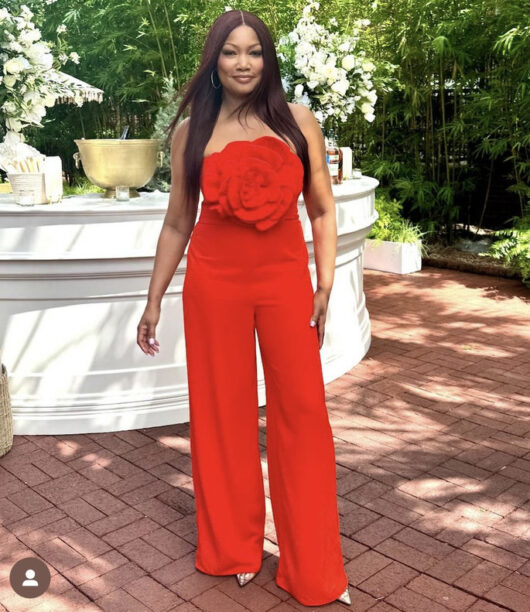
Rachel Fuda’s Black Colorblock Jumpsuit

Rachel Fuda’s Black Colorblock Jumpsuit / Real Housewives of New Jersey Season 14 Finale

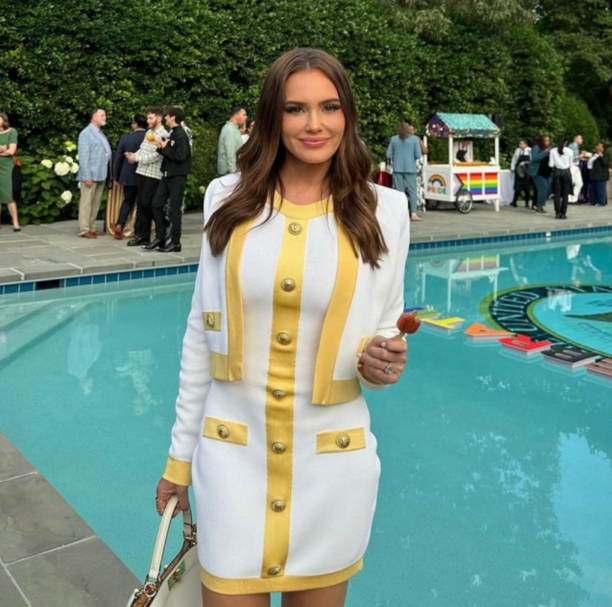
Rachel Fuda may no longer be able to wear the beautiful clothes she brought for the trip that went up in flames (literally), but luckily for us, we still got a glimpse of her new brown faux leather jacket and it’s available! And I totally agree with Rachel’s motto that if you look good, you feel good. So if you want to feel like the boss you are, pop out in style by scrolling down to snag these two statement pieces!

Best In Blonde,

Amanda


Click Here for Additional Stock in Her Jumpsuit

Click Here for Additional Stock in Her Jacket


Style Stealers


Originally posted at: Rachel Fuda’s Black Colorblock Jumpsuit

Read More

Chronic Pain, Age and Depression

Chronic Pain, Age and Depression

Chronic pain, age and depression often go hand in hand. Studies have shown chronic pain and depression can worsen each other. Therefore, it is very important to treat both. Here are some modalities of treatment.

Medications

Studies have shown medications targeted for both depression and chronic pain have better results than medication designed for only one of these disorders. Of note, all medications prescribed should be tailor fit for you in particular. Your other health conditions, history, and concurrent medications may mean some medications are not in your best interest. 

SSRI

SSRI (selective serotonin reuptake inhibitors) have been shown to be effective in the treatment of chronic pain and depression. They are usually better tolerated than other medications in the elderly. Examples of SSRIs include fluoxetine, citalopram, fluvoxamine, and sertraline. 

Selective Norepinephrine Reuptake Inhibitors

Duloxetine and venlafaxine are examples of selective norepinephrine reuptake inhibitors. These seem to be particularly effective in neuropathic pain such as diabetic neuropathy.

Tricyclic Antidepressants

Nortriptyline, amitriptyline, and clomipramine are some tricyclic antidepressants. These medications are often used in fibromyalgia, orofacial pain and cancer pain. 

Noradrenergic and Specific Serotonergic Antidepressants

Mirtazapine is the medication most prescribed in this category. There have been studies showing it may help with cancer pain and other studies show it increases pain tolerance.

Norepinephrine-Dopamine Reuptake Inhibitors

Bupropion is mainly used to treat depression and to help stop smoking. But a study did show that bupropion decreases allodynia. Allodynia is when pain is experienced with things that would not cause pain in most people, like putting on clothes or the feel of running water. 

Serotonin Antagonist and Reuptake Inhibitors

Trazodone is the most common medication in this category. It has been shown to be effective in fibromyalgia and cancer pain.

Psychotherapeutic Treatment

Counseling can be very helpful in treating chronic pain and depression. There are various forms of psychotherapy to alleviate these disorders, such as: cognitive behavioral therapy, biofeedback, psychodynamic therapy and acceptance and commitment therapy. Studies have shown a significant reduction in pain and depression when psychotherapy is used with medication rather than using medication alone. 

Acupuncture

Research has shown acupuncture to be very effective in treating chronic pain and depression. Acupuncture has been found on numerous occasions to be just as efficacious as counseling alone. 

Healthy Lifestyle

Caring for your overall health can significantly decrease chronic pain and it may alleviate depression. 

Nutrition

Eat a well-balanced diet and try to attain and maintain a healthy weight.

Sleep

Getting enough sleep is essential in warding off chronic pain and depression. This can be a vicious cycle though. It is very difficult to get enough sleep when you are experiencing chronic pain and depression. Do all you can to get good sleep. Go to sleep at the same time nightly and avoid napping. Make sure bedtime is free of distractions such as TV, phone screen or bright lights.

Decrease Stress

Decreasing stress is, of course, easier said than done. We know stress definitely increases chronic pain and depression. Proven methods of decreasing stress are art therapy, dance, music, meditation, journaling, yoga and breathing exercises. 

Support Groups

Support groups not only increase the joys of social interaction, but they are an excellent source of information. Others may be able to help with self-management techniques, and they may know of local resources for treatment of chronic pain and depression. If leaving your home is difficult, there are online support groups that may become a supportive community for you. 

Chronic pain in the elderly may cause decreased social interaction to the point of isolation. This may result in feelings of hopelessness and helplessness. And, this may lead to depression. Therefore, it is important to treat both chronic pain and depression. There are plenty of ways to treat these disorders as listed in this article. If you are experiencing chronic pain and depression, consult your physician for a treatment plan that is best suited for you.

If you are having thoughts of self-harm, 

  • Dial or text 988 to speak to a trained counselor at the Suicide and Crisis Lifeline.
  • Dial 1-800-662-HELP(4357) for referrals to local support groups, community organizations and treatment facilities.

Let’s Have a Conversation:

How has aging contributed to chronic pain and depression? What treatment modalities have you tried for these conditions? Which treatment methods did you find most effective? Please share in the comments below.

Read More

Retirement: How to Find New Joy with Your Spouse

Retirement How to Find New Joy with Your Spouse

We anticipate retirement for decades! We envision relaxation and newfound freedom complete with happy family times and fun. The ideal includes a vital and meaningful life, with our loving spouse by our side, filled to the brim with activities and pursuits that satisfy all of our passions in life.

To make the most of retirement, we also need to be realistic.

This includes being clear-eyed about the potential impacts that changes in daily routines, roles, and relationship dynamics may have.

Acknowledging that transition to a new retirement lifestyle may be a significant adjustment helps us to be better prepared as a couple for whatever may come our way.

It only makes sense to do our best to anticipate and prepare for potential challenges while simultaneously embracing our new phase of life with curiosity and optimism.

The Joys of Retirement

Retirement can bring about a multitude of potential joys and opportunities. It offers the freedom to pursue personal passions, hobbies, and interests that may have been put on hold during the working years.

With more time available, we also may have the chance to travel, volunteer, or engage in meaningful activities that bring fulfillment and a sense of purpose.

We may also have unprecedented opportunities to strengthen relationships, spend quality time with loved ones, focus on personal well-being, prioritize health and wellness, while simultaneously enjoying a more relaxed and leisurely pace of life.

Financial freedom, the ability to engage in lifelong learning, and the opportunity to leave a lasting legacy through mentoring or community involvement are also potential joys that retirement can bring.

A fulfilling and rewarding retirement journey that is rich in experiences, growth, and contentment is within reach – especially if we anticipate and prepare for potential hiccups that may compromise a smooth transition.

Challenges to Prepare for When You (or Your Spouse) Retire

When a spouse retires, it can bring about unexpected challenges that may impact the dynamics of the relationship and daily routines.

One common challenge is adjusting to having more time spent together, which can lead to potential conflicts over personal space, routines, and interests.

The retiree may also struggle with finding a new sense of purpose and identity outside of the workplace, while the non-retired spouse may need to accommodate changes in household responsibilities and financial planning.

Additionally, retirement can highlight differences in expectations, communication styles, and spending habits, leading to potential sources of tension within the relationship.

Navigating these unexpected challenges requires open communication, flexibility, and a willingness to adapt to this new phase of life together.

Seeking support from each other, setting realistic expectations, and finding a healthy balance between togetherness and independence can help couples successfully navigate the transition to retirement and strengthen their connection along the way.

Strategies to Preserve Harmony as You or Your Spouse Retire

1. Keep Communication About Retirement Open

One of the key strategies to preserve harmony as you and your newly retired spouse adjust to your new normal is to maintain open and honest communication.

It’s essential to discuss your expectations, fears, and concerns about retirement openly with each other.

Share your thoughts on how you envision spending your time together and apart, and be receptive to your spouse’s ideas and desires for this new phase of life.

2. Establish Boundaries with Your Spouse

While spending more time together in retirement can be a wonderful opportunity to strengthen your bond, it is also important to establish boundaries and maintain a sense of independence.

Create a balance between shared activities and personal time to pursue individual interests and hobbies.

Respect each other’s need for space and autonomy while also nurturing your connection as a couple.

3. Explore Shared Interests with Your Spouse

Retirement offers a chance to explore new hobbies and interests together.

Discover shared activities that you both enjoy, whether it’s gardening, cooking, traveling, or volunteering.

Engaging in shared experiences can help you bond as a couple and create lasting memories during this exciting phase of life.

4. Maintain Individual Friendships in Retirement

While it’s natural to want to spend more time with your spouse in retirement, it is equally important to maintain your individual friendships and social connections.

Encourage your spouse to nurture their own relationships outside of the marriage and make time for your own personal social activities and outings.

A healthy balance between time spent together and apart can enrich your relationship and personal well-being.

5. Plan for Retirement Together

Collaborate with your spouse to create a retirement plan that reflects the goals and aspirations of each of you.

Discuss your financial situation, housing preferences, travel dreams, and healthcare needs to ensure that you are on the same page when it comes to retirement planning.

Having a shared vision for your retirement years can help alleviate stress and uncertainty during this transition.

6. Support Each Other’s Well-being

As you adjust to retirement, prioritize each other’s physical and emotional well-being.

Encourage regular exercise, healthy eating habits, and self-care practices to maintain good health and vitality in retirement.

Be a source of emotional support for your spouse during moments of uncertainty or anxiety about this new phase of life and seek professional help if needed.

7. Strive for Flexibility and Adaptability in Retirement

Finally, remember that adjusting to retirement is a process that requires flexibility and adaptability. Be open to trying new things, embracing change, and facing challenges together as a team.

Approach this transition with a sense of curiosity and willingness to explore new possibilities, knowing that you have each other’s support and companionship along the way.

Retirement Is an Opportunity to Deepen Your Connection

Enjoying quality time with your newly retired spouse is an opportunity to deepen your connection, strengthen your communication skills, and embark on new adventures together.

You can navigate this transition with ease and joy, especially if you keep communication open, and follow the practical suggestions shared above.

This phase of life is an opportunity to create meaningful memories, deepen your bond, and enjoy the journey together.

Let’s Start a Conversation:

Are you retired or planning to retire soon? What hopes and dreams do you have for the next phase of life? Is your spouse retired? What conversations have you had to prepare you both for this important transition? Please share lessons learned and suggestions for how to find new joy in retirement with your spouse!

Read More

Margaret Josephs’ Black Padded Shoulder Shirt

Margaret Josephs’ Black Padded Shoulder Shirt / Real Housewives of New Jersey Season 14 Finale Fashion

It’s the season finale of #RHONJ tonight and for the final gathering Margaret Josephs decided to wear a black padded shoulder shirt. Now I have a few questions. Did she wear black to represent the death of the current  #RHONJ as we know it? Did she wear shoulder pads like a football player incase she needed some extra protection? I guess we’ll never know, but one thing I do know is that the top she wore is very cute and fully stocked. Which means the one thing you should definitely not question is shopping it. 

Sincerely Stylish,

Jess


Margaret Josephs' Black Should Pad Top

Click Here for Additional Stock in her Bodysuit

Photo + Info: @therealmargaretjosephs


Originally posted at: Margaret Josephs’ Black Padded Shoulder Shirt

Read More
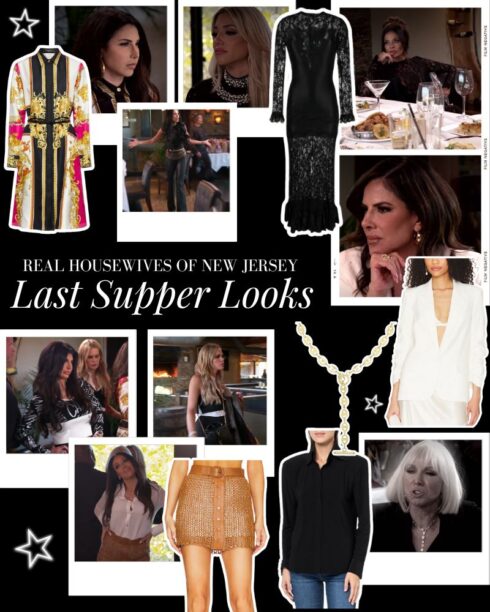
Jenn Fessler’s White Pearl Embellished Blazer

Jenn Fessler’s White Pearl Embellished Blazer / Real Housewives of New Jersey Season 14 Finale Fashion

This was my first season fully covering the Real Housewives of New Jersey, and I have to say Jenn Fessler might be my fashion leading lady! I have loved all of her looks this season including this white pearl embellished blazer she wears tonight for the finale. It’s a crisp clean and versatile jacket that you are sure to Generation Love to own.

Sincerely Stylish,

Jess


Jenn Fessler's White Pearl Embellished Blazer

Photos: @rhonjobsessed


Style Stealers


Originally posted at: Jenn Fessler’s White Pearl Embellished Blazer

Read More