
Month: May 2025
Muscle Up, Buttercup: Why Strength Is the New Fountain of Youth

Let me tell you something most women don’t hear enough after 60:
- You are not too old to get strong.
- You are not too far gone to feel powerful again.
- And no, it’s not downhill from here – unless you’re hiking. (In which case, great quad workout!)
Here’s why I say that with confidence: I’ve lived it.
 My Comeback Story (And Why It Matters for You)
I’ve been working out 4–5 days a week for over 40 years. I spent 25 of them in health clubs, helping others stay strong. I even trained like a bodybuilder once and won Miss Monroe County at 26 (don’t worry – this isn’t a “look at me” moment, it’s a “this is possible” moment).
But after two hip surgeries, I found myself struggling to get off the floor – literally. Yoga poses I used to do with ease became awkward and painful. I didn’t feel confident. I didn’t feel strong.
But I knew something most people don’t:
We can grow new muscle at any age.
So, I went back to the basics. I lifted small weights. I hiked, biked, took yoga classes that challenged me in new (humbling) ways. And slowly, I rebuilt my strength, balance, and confidence.
 The Truth About Muscle After 60
Most women lose about 3–8% of their muscle mass per decade after 30, and the decline speeds up after 60. This loss, called sarcopenia, isn’t just about strength – it affects everything from posture and metabolism to hormones and how well you bounce back from illness or injury.
But here’s the good news:
A landmark study published in the Human Kinetics Journals found that even people in their 90s can build significant muscle mass and strength through resistance training.
Yes, really.
 What Muscle Really Does for You
Muscle is not just about how you look in a tank top – although that’s a nice bonus. Here’s what science (and real life) shows us about muscle:
Boosts Your Metabolism
Muscle burns more calories at rest than fat – up to 3x more per pound.
Shapes Your Body
When you lose fat and maintain muscle, you see those beautiful curves and definition.
Improves Posture and Confidence
Good posture, supported by strong muscles, literally makes you appear taller, younger, and more self-assured. It’s your body’s natural power pose.
Supports Balance and Stability
One study found that strength training reduces fall risk in older adults by up to 34%.
Improves Glucose Control and Reduces Inflammation
Resistance training improves insulin sensitivity – key for managing blood sugar and reducing chronic inflammation.
Increases independence
Stronger legs = fewer mobility issues. Strong arms = fewer calls for help opening jars or carrying groceries.
Even Helps Your Brain
Muscle-building exercise releases myokines – proteins that support brain health and may protect against cognitive decline.
This is the stuff that keeps you vibrant, upright, active, and living life on your own terms.
 Why Posture Is More Than Just “Sitting Up Straight”
Muscle is the scaffolding of your body – it holds you upright. And when your muscles are toned and strong, your posture naturally improves, which makes a huge difference in how you feel (and how people respond to you).
Research shows that standing tall with good posture boosts mood and self-confidence – even if you’re faking it at first. Strong core and back muscles support this naturally.
When your posture is aligned, your confidence rises – and so does your vitality.
 Real Talk: What’s Holding You Back?
Here are the top objections I hear from women (and what science has to say):
“I Hate the Gym”
You don’t need one. Home-based strength routines using body weight, bands, or light dumbbells are just as effective – especially if you’re just getting started.
“I’m Too Old”
Studies show that muscle can be built at any age. In fact, older adults often gain strength faster in early stages because their baseline is lower. Every rep counts.
“I Don’t Want to Get Bulky”
This myth needs to retire. Women naturally have lower testosterone, and strength training tends to produce tone, not bulk. (Unless you’re training like a pro and eating like one too – and even then, it’s hard.)
 Final Thought: You Are Not Declining – You’re Rebuilding
If you’ve been feeling slower, stiffer, or just not like yourself lately – I want you to know:
- You’re not broken.
- You’re not weak.
- You’re in transition – and that means there’s still room to grow.
Muscle is the only tissue we can grow as we age that improves nearly every aspect of our health. It’s the most regenerative thing you can do for your body – and your future.
 Ready to Get Stronger? I’ve Got a Gift for You
Want some simple, science-backed ways to get started?
I created a free guide just for you: “10 Sure Ways to Gain More Muscle (Even If You’re Over 60 and Hate the Gym)”
You’ll learn:
- What to do at home to tone up safely.
- How to work around joint pain or past injuries.
- Why strength = longevity (and how to make it fun).
- The exact type of movement that builds definition (not just bulk).
To your strength, your sass, and your beautifully toned muscles!
Let’s Have a Conversation:
How would you describe your muscles? Are they strong or weak? Can they carry your posture and keep you balanced when walking?
Read More
How to Heal Your Inner Child as Women Over 60

As women over 60, many of us are experiencing our first opportunity to truly reflect on both our present and our past, including happy times as well as more problematic memories. If we are fortunate, the outcomes of our self-reflection include heightened wisdom, self-discovery and self-awareness. This may include revelations about our childhood, and recognition of key experiences that may have shaped our behaviors and life experiences. The essence of this identity we carry from our early life is sometimes referred to as our “inner child.”
For many, inner child work can hold the key to understanding and healing wounds that we may have carried for decades.
As we navigate the golden years of our lives, it is not too late to heal. In fact, for women over 60, healing these wounds becomes vital for our future overall well-being.
What Is the Inner Child?
The inner child is a psychological concept that represents the childlike aspects of personality, emotions, and psyche that were developed during the formative years. It embodies the innocence, spontaneity, creativity, and vulnerability that you experienced as a child.
Your inner child carries the memories, beliefs, emotions, and unresolved issues from your childhood that continue to influence your thoughts, behaviors, and relationships in adulthood.
Understanding and acknowledging your inner child can help you connect with your authentic self, heal past wounds, and cultivate self-compassion and self-awareness.
By nurturing and caring for your inner child, you can work towards integrating these aspects into your adult self, ultimately finding greater emotional well-being and personal growth.
How Do You Know Your Inner Child Needs Healing?
If you experience recurring feelings of inadequacy, insecurity, unworthiness, fear, difficulty expressing emotions or emotional triggers that seem to stem from your past experiences, you may benefit from inner child work.
Difficulty forming healthy relationships, low self-esteem, self-sabotaging behaviors, and struggles with setting boundaries can also be indicators that your inner child needs healing.
Recognizing these signs can be the first step toward self-discovery and recovery.
Common Childhood Experiences That Impact Adult Women
Many women do not recognize how childhood experiences shape their adult lives. From feelings of abandonment to issues of self-worth, these emotional wounds can linger.
It’s important to recognize experiences from your past that may still affect you today. Many believe that there are 7 forms of childhood abuse and neglect that can create challenges in adulthood if they are not appropriately resolved.
Some common issues include:
- Lack of emotional support or the presence of emotional abuse.
- Traumatic events such as violence.
- Overbearing expectations and conditional love from parents.
- Excessive solitude or responsibility at an early age.
Identifying these experiences can help you understand your current emotional state.
Practices to Help You Heal Your Inner Child
This pivotal stage of life invites us to explore the depths of our emotions, challenge ingrained beliefs, and unlock the door to a newfound sense of liberation and empowerment.
Healing your inner child allows you to address old patterns and beliefs. By working through these issues, you can foster healthier relationships and improve emotional resilience.
This healing process also encourages greater self-love and an openness to new experiences.
Practices to help heal your inner child include:
Reflect on Your Past
Reflect on your upbringing, childhood experiences, and the messages you internalized about yourself. Identify any painful memories or traumas that may still be affecting you and acknowledge the emotions associated with them.
Practice Self-Compassion
Treat yourself with the same kindness and compassion that you would offer to a beloved child. Accept vulnerabilities and imperfections with understanding and grace, nurturing a sense of unconditional love for yourself.
Reconnect with Your Inner Child
Seek out activities that evoke a sense of childlike joy and wonder. Whether it’s painting, dancing, singing, or simply spending time in nature, allow yourself to reconnect with the innocence and spontaneity of your inner child.
Release Limiting Beliefs
Challenge and reframe any limiting beliefs or negative self-talk that may have originated in your childhood. Replace these harmful narratives with empowering affirmations that reflect your true worth and potential.
Seek Support
Enlist the help of a therapist, counselor, or support group to guide you through the process of inner child healing. Sharing your experiences and receiving professional guidance can offer valuable insights and emotional support.
Forgive
Learning to forgive yourself is essential. It allows you to break the cycle of negative self-talk. Replacing harsh criticism with kindness can transform your inner dialogue.
- Write a letter to your past self expressing understanding and love.
- Practice positive affirmations daily.
- Meditate on self-forgiveness and peace.
Also practice forgiveness towards those who may have hurt you in the past.
Release any resentment or anger that may be weighing you down, allowing yourself to experience emotional liberation and inner peace.
Celebrate Your Growth
Recognize and celebrate the resilience and strength you have developed throughout your life journey. Honor your growth, wisdom, and inner power as a woman over 60. Be proud of the fullness of who you are today.
It’s Not Too Late to Heal Your Inner Child
It’s important to recognize that the process to heal your inner child is ongoing and deeply personal. Undertaking this is a courageous endeavor that can help you cultivate a profound sense of empathy, compassion, and understanding towards yourself and others.
By nurturing and acknowledging the needs of your inner child, you can create a foundation of self-love, acceptance, and healing that empowers you to embrace the next chapter of your life with renewed clarity and purpose.
Healing can lead to profound self-discovery and emotional liberation.
Know that your past experiences do not define you to help allow for growth. Self-compassion promotes healing and will help you move forward with confidence.
Together, we can unlock the power of healing our inner child and begin to truly embrace the fullness of who we are in our 60s and beyond.
Let’s continue this conversation and support one another on this journey of self-discovery and healing.
Thank you as always for reading.
Let’s Start a Conversation
What emotions or memories surfaced for you as you reflected on your childhood experiences and the concept of healing your inner child?
In what ways do you think reconnecting with your inner child can impact your sense of self-compassion and self-acceptance in your 60s?
What steps are you inspired to take to nurture and heal your inner child?
How do you envision incorporating practices of joy, creativity, and playfulness into your life to reconnect with your inner child?
Have you experienced any challenges or resistance in embracing your inner child, and if so, how do you plan to address them?
In what ways can we continue to uplift and empower each other as women in the journey of embracing our inner child and fostering healing and self-discovery in our 60s and beyond?
Read More
9 Hiking Trails in the USA for Women Over 50

Do you enjoy hiking? Many women our age find hiking enjoyable. There’s no better feeling than sliding into my hiking boots and setting out to lose myself (not literally) in nature. Are you interested in finding out about hiking trails in the USA that are perfect for women over 50?
Hiking is an excellent activity for us for several reasons. It can help improve cardiovascular health and strength, which can help prevent age-related conditions such as heart disease and osteoporosis. Hiking also provides a low-impact workout that is easy on the joints, making it an ideal form of exercise for those with arthritis or other joint issues. It also offers a chance to get outside and enjoy nature, which can help reduce stress and improve mental health.
There are plenty of renowned hiking trails in the USA that are suitable for women over 50. You choose how many miles you want to hike – you can do a simple day hike on a part of the trail or a multi-day hike spanning a larger part of the route.
Here are some top-rated hiking trails in the USA for women over 50:
- Appalachian Trail – This famous trail runs for over 2,200 miles along the east coast of the United States. It offers a range of terrains, from gentle paths to steep climbs, and it’s a great option for those who want a long-distance challenge.
- Grand Canyon National Park – The Grand Canyon is an iconic destination for hikers, and there are various trails available to suit different fitness levels. The Bright Angel Trail is a popular choice, with stunning views of the canyon.
- Yellowstone National Park – Yellowstone is home to a variety of trails, ranging from easy walks to challenging hikes. The Grand Loop Trail is a popular option, taking hikers on a 3–4-day journey through some of the park’s most beautiful scenery.
- Zion National Park – Zion offers a range of hikes, from easy strolls to challenging treks. The Angels Landing Trail is a must-do for adventurous hikers, offering stunning views of the park from a high vantage point.
Keep reading to discover more hiking trails in the USA.
What Makes a Good Hiking Trail for Women Over 50
Several factors can make a hiking trail good for women over 50.
Moderate Terrain
Trails that are not too steep, with gradual inclines and relatively even footing are good for women over 50 who may have mobility or balance concerns.
Access to Facilities
Access to restrooms, water, and shaded areas is important, especially for longer hikes or hikes in hot weather.
Well-Marked Trails
Trails that are well-marked with clear signs and maps are helpful for women over 50 who may have concerns about losing their way.
Scenery
Trails with beautiful scenery can be very motivating and uplifting, making the experience more enjoyable and memorable.
Safety
Hiking trails that are safe, with minimal risks of dangerous animals or hazardous terrain.
Length
Hiking trails that offer varying lengths, from short walks to longer treks, can provide options for women over 50 with different fitness levels and preferences.
Helpful Hiking Apps
Hiking apps are mobile applications designed to help hikers plan and navigate their hikes, track their progress, and access helpful information about their surroundings.
AllTrails

AllTrails is a popular mobile application and website that provides a comprehensive guide to hiking, biking, and running trails across the world, with a focus on the United States and Canada. The app offers an extensive collection of trail maps, GPS tracking, wayfinding features, user reviews, and community features.
AllTrails also allows users to record their hikes and track their progress, and offers personalized recommendations based on the user’s location and preferences.
Hiking Project

Hiking Project is another very popular mobile app that offers a comprehensive guide to hiking trails throughout the United States. The app provides detailed trail maps, descriptions, photos, and user reviews for thousands of hiking trails, as well as GPS tracking and wayfinding features to help hikers navigate their way along the trail. Hiking Project also offers personalized recommendations, allows users to create and save their own trail lists, and provides up-to-date information about trail conditions and closures.
Read more: Exploring the Great Outdoors: 10 Best Hiking Apps.
Hiking Trails Perfect for Women Over 50
Appalachian Trail
The Appalachian Trail is a 2,200-mile-long hiking trail that runs from Georgia to Maine, passing through 14 states in the eastern United States. It offers stunning views of forests, mountains, and waterfalls, as well as opportunities to encounter wildlife and connect with nature.
The best time of year to hike the Appalachian Trail depends on your personal preferences and level of experience. Generally, the trail is open year-round, but the best time to go is during the spring or fall when the weather is milder and the foliage is at its most beautiful.
In the spring, you can enjoy the wildflowers and budding trees, while in the fall, you can experience the breathtaking fall colors. The summer months can be hot and humid, making hiking more challenging, while the winter months can be icy and treacherous, requiring more advanced hiking skills.
- Trail difficulty: Moderate to difficult
- Elevation gain: Varies by section; some areas have steep climbs
- Estimated time to complete: Varies; day hikes to multi-week treks
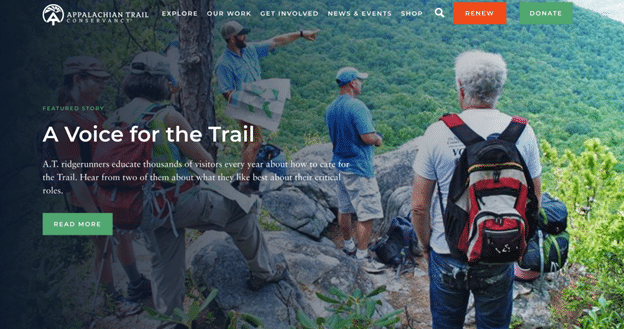
Visit the Appalachian Trail website for more information.
Grand Canyon National Park
Grand Canyon National Park is a natural wonder of the world and a popular destination for hikers and outdoor enthusiasts. The park covers over 1.2 million acres and is home to the Grand Canyon, a massive, colorful, and awe-inspiring geological formation that is over 277 miles long, up to 18 miles wide, and over a mile deep. The park offers a variety of hiking trails, ranging from easy walks along the rim to challenging multi-day backpacking trips into the canyon.
The best time to visit Grand Canyon National Park is during the spring or fall when the temperatures are milder and the crowds are smaller. The summer months can be very hot, with temperatures exceeding 100 degrees Fahrenheit, while the winter months can be very cold and snowy, making hiking more challenging.
The park offers a variety of ranger-led programs, educational exhibits, and visitor centers that provide information on the park’s geology, ecology, and history, making it a great destination for learning and exploration.
- Trail difficulty: Moderate to difficult
- Elevation gain: 4,380 feet (Bright Angel Trail)
- Estimated time to complete: 6-8 hours (round trip for Bright Angel Trail)

Head on over to the Grand Canyon National Park website to plan your hike.
Yellowstone National Park
Yellowstone National Park is a vast wilderness area covering over 2 million acres in the western United States. It is known for its unique geological features, including geysers, hot springs, and mud pots, as well as its diverse wildlife, such as bears, wolves, bison, and elk. The park is also home to a variety of hiking trails that offer visitors the opportunity to explore the park’s natural beauty up close.
The best time to visit Yellowstone National Park is during the shoulder seasons of spring and fall when the crowds are smaller, and the weather is milder. The summer months can be very crowded, with long lines and wait times, and the winter months can be very cold and snowy.
- Trail difficulty: Easy to moderate
- Elevation gain: Varies; generally moderate inclines
- Estimated time to complete: 3–4 days for Grand Loop Trail

Visit the Yellowstone National Park website to learn more about the hiking trails.
Zion National Park
Zion National Park is a beautiful wilderness area located in southwestern Utah. It is famous for its towering red sandstone cliffs, narrow canyons, and lush vegetation.
The park has a range of hiking trails that cater to all abilities, from easy walks to strenuous hikes that offer stunning views of the park’s natural beauty.
The best time to visit Zion National Park is in the spring and fall when the weather is mild, and the crowds are smaller. Summers can be very hot and crowded, while winters can be cold and snowy.
Like most National parks, Zion has ranger-led programs, educational exhibits, and visitor centers that provide information on the park’s geology, ecology, and history.
It’s important to stay hydrated, wear comfortable shoes and clothing, and carry plenty of snacks and water when hiking in Zion.
- Trail difficulty: Moderate to difficult
- Elevation gain: 1,488 feet (Angels Landing Trail)
- Estimated time to complete: 4-5 hours (round trip for Angels Landing Trail)

Check out the Zion National Park website.
Pacific Crest Trail
The Pacific Crest Trail is a long-distance hiking trail that runs from the border of Mexico and the United States through California, Oregon, and Washington, and ends at the border of the United States and Canada. It covers over 2,650 miles of stunning wilderness, including deserts, forests, and mountains. The trail is a popular destination for hikers seeking a challenging and rewarding outdoor adventure.
The best time to hike the Pacific Crest Trail is during the summer months, typically from late May to early October, when the weather is mild and the days are longer.
It’s important for older hikers to take their physical abilities and health conditions into account when planning a hike of this magnitude, and to consult with a doctor before embarking on such a journey.
The trail offers a unique opportunity to experience some of the most beautiful and remote areas of the western United States and provides a chance to challenge oneself physically and mentally.
Hikers should make sure to carry plenty of water, food, and appropriate gear, and to take precautions for wildlife encounters and trail hazards.
After reading the book Wild by Sheryl Strayed several years ago, I added the PCT to my bucket list. The book has since been adapted into a movie featuring Reese Witherspoon.
- Trail difficulty: Difficult
- Elevation gain: Varies
- Estimated time to complete: 4-6 months (full trail)
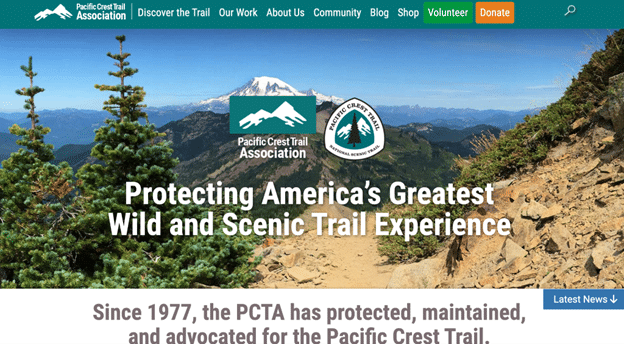
Get more information about the Pacific Crest Trail here.
Acadia National Park
Acadia National Park is located on the coast of Maine and covers over 47,000 acres of rugged coastline, forests, and lakes. The park offers numerous hiking trails that range in difficulty from easy walks to strenuous climbs, as well as opportunities for wildlife watching, kayaking, and rock climbing.
The best time to visit Acadia National Park is during the fall months, from mid-September to mid-November, when the weather is mild and the crowds are thinner. The park can be crowded during the summer months, making it difficult to find solitude on the trails. Hiking in the fall also provides an opportunity to see wildlife preparing for winter and to enjoy the stunning fall colors.
Hikers should make sure to carry plenty of water, food, and appropriate gear, and to take precautions for ticks and other wildlife.
- Trail difficulty: Moderate
- Elevation gain: 1,058 feet (Precipice Trail)
- Estimated time to complete: 2-3 hours (Precipice Trail)

Visit the website to plan your hike.
Rocky Mountain National Park
Rocky Mountain National Park is located in the western part of the United States, in the state of Colorado. The park is known for its stunning mountain landscapes, wildlife, and outdoor recreational opportunities.
It encompasses over 400 square miles of wilderness, including more than 100 peaks that rise above 10,000 feet in elevation. The park offers a wide variety of hiking trails, ranging from easy walks to challenging backcountry treks, as well as opportunities for camping, fishing, and wildlife viewing.
The best time of year to visit would be during the summer months, from June to August, when the weather is warmer and the trails are more accessible.
- Trail difficulty: Moderate to difficult
- Elevation gain: 1,710 feet (Sky Pond Trail)
- Estimated time to complete: 4-6 hours (round trip for Sky Pond Trail)

For more information on this national park visit the website.
Great Smoky Mountains National Park (Tennessee & North Carolina)
The Clingmans Dome Trail and Laurel Falls Trail offer stunning vistas and manageable terrain, making them excellent choices for women over 50 looking for a scenic and relatively easy hike.
The Clingmans Dome Trail is a paved 1-mile trail leading to the highest point in the park, offering breathtaking panoramic views. Laurel Falls Trail is a gentle 2.6-mile round-trip hike that leads to a beautiful 80-foot waterfall, making it perfect for those who prefer a shorter, rewarding trek.
- Trail difficulty: Easy to moderate
- Elevation gain: 332 feet (Clingmans Dome Trail), 314 feet (Laurel Falls Trail)
- Estimated time to complete: 30-45 minutes (Clingmans Dome Trail), 1-2 hours (Laurel Falls Trail)

Visit the park Website.
Olympic National Park (Washington)
The Hoh Rainforest Trail is a great low-impact hike through a lush, moss-covered forest. This magical trail offers a peaceful atmosphere and a chance to experience one of the most unique ecosystems in the country.
The 5-mile round-trip hike to Five Mile Island is a popular choice, taking hikers through a dense rainforest with towering trees, ferns, and abundant wildlife. The well-maintained, mostly flat trail makes it ideal for those looking for a relaxing yet immersive outdoor experience.
- Trail difficulty: Easy to moderate
- Elevation gain: 200 feet (Hoh Rainforest Trail)
- Estimated time to complete: 2-3 hours (round trip for Five Mile Island hike)

Visit the park website for more information.
Safety & Health Tips for Older Hikers
Hiking is a rewarding and healthy activity, but it’s important to prioritize safety and health, especially as we age. Taking the right precautions can make all the difference in having an enjoyable and worry-free hiking experience.
Hydration Tips
- Staying hydrated is critical while hiking, as dehydration can lead to dizziness, fatigue, and more serious health concerns.
- Always bring more water than you think you’ll need, and consider using a hydration pack for easy access.
- Electrolyte supplements or drinks can help replenish lost minerals, especially on hot days or longer hikes.
- Avoid excessive caffeine or alcohol before your hike, as these can contribute to dehydration.
Sun Protection
- Protecting your skin from the sun is crucial to prevent burns and long-term skin damage.
- Apply broad-spectrum sunscreen with at least SPF 30 before starting your hike and reapply every two hours.
- Wear a wide-brimmed hat to shade your face and neck.
- UPF-rated clothing provides extra protection against harmful UV rays.
- Sunglasses with UV protection can prevent eye damage from prolonged sun exposure.
Altitude Concerns
- If hiking at high elevations, be aware that altitude sickness can occur due to lower oxygen levels.
- Acclimate gradually by spending a day or two at a moderate elevation before tackling higher trails.
- Drink plenty of water and eat carb-rich snacks to maintain energy levels.
- Recognize symptoms of altitude sickness, such as headaches, nausea, or dizziness, and descend if they persist.
- Avoid alcohol and heavy exertion when first arriving at high-altitude locations.
Solo Hiking Precautions
- While solo hiking can be empowering, extra safety measures should be taken.
- Always let a friend or family member know your hiking plans, including your expected return time and trail details.
- Carry a personal safety device such as a whistle, pepper spray, or a GPS-enabled emergency beacon.
- Use hiking apps like AllTrails or Gaia GPS for navigation and offline trail maps.
- Stick to well-marked, popular trails and avoid isolated or unfamiliar routes.
- Trust your instincts—if something feels off, turn back or seek help.
Final Preparation Notes
Remember to always prepare adequately before embarking on any hiking adventure. Adequate preparation includes bringing the necessary gear, such as appropriate footwear, clothing, and equipment for the specific trail and weather conditions.
Read more: 4 Hiking Outfits for Women Over 50, and 10 Best Hiking Jackets for Women Over 50.
It’s essential to consult with your doctor before engaging in any strenuous physical activity, especially if you have any underlying medical conditions that may be affected by hiking.
It’s also important to research the trail and its difficulty level, terrain, and potential hazards beforehand, as well as to let someone know your planned route and expected return time. By taking these precautions, you can reduce your risk of injury, illness, or getting lost while enjoying the beauty of nature.
Read HOW (AND WHY) TO CULTIVATE A LIFELONG RELATIONSHIP WITH WALKING.
Let’s Have a Conversation:
Do you enjoy hiking? Have you hiked any of these trails? Do you plan to hike the trails mentioned in the article? Tell us about it in the comments below.
Read More
