Month: July 2025

How the Other Half Gardens: Sneak a Peek at America’s Most Beautiful Private Spaces

How the Other Half Gardens Sneak a Peek at America’s Most Beautiful Private Spaces

Looking for a close-to-home adventure that feels a little naughty? Across America, enthusiastic home gardeners open their yards to the public during seasonal Open Days coordinated by The Garden Conservancy.

Stepping through a stranger’s garden gate feels a little like trespassing initially, but expect to be welcomed warmly by volunteer hosts and the proud homeowner, eager to show off lush perennial borders, heirloom rose beds and manicured hedges.

It’s a wonderful just-for-two outing or a fun way to spend a day outdoors with your FWDN – Friends with Dirty Nails.

The Garden Conservancy’s Open Days Program

The 20-acre Maywood Gardens in Bridgewater, CT, is the largest I’ve visited
The 20-acre Maywood Gardens in Bridgewater, CT, is the largest I’ve visited. Photo credit: Cathy Bennett Kopf

The Garden Conservancy is a not-for-profit founded in 1989 by Frank Cabot, creator of two of North America’s most famous gardens (Stonecrop and Les Quatre Vents). Its mission is to “preserve, share, and celebrate America’s gardens and diverse gardening traditions for the education and inspiration of the public.”

In addition to providing grants to deserving public and not-for-profit gardens and sponsoring lectures, the Garden Conservancy coordinates seasonal Open Days. Passionate gardeners in 40 states open their private backyards to the public to inspire and engage.

Gardening is a popular leisure activity for seniors, combining physical activity with an appreciation for nature and beauty. Seasonal articles tout the health benefits of gardening, particularly for seniors.

Visiting one of the participating Open Days gardens is a wonderful way to kickstart your garden dreams and get you digging.

Also read, Want Garden Inspo? Stop Scrolling Instagram and Do This Instead.

Meet Plants and the People Who Love Them

Grouping planters is a wonderful option if you have a small yard
Grouping planters is a wonderful option if you have a small yard. Photo credit: Cathy Bennett Kopf

The participating gardeners love their yards and are eager to share their passion with visitors. They’re normally onsite during their scheduled Open Day and are ready and willing to share their highlights and epic failures.

During my visits, I’ve learned the secret to early dahlia blooms (frequent applications of the popular fertilizer with the yellow and green label) and which of the stinky deer repellents works in my Hudson Valley neighborhood. Although I adore visits to places like the New York Botanical Garden, I’ve learned practical, achievable information by touring these private yards.

And I’ve fallen in love with dozens of plants and design schemes that I try to copy with varying degrees of success.

Take a Trip, Tour a Garden

An en plein air watercolorist at work in one of the Open Days gardens I visited. Photo credit: Cathy Bennett Kopf

In addition to everything I learn when touring an Open Days garden, I get the thrill of traveling to some place exotic, even if it’s a suburban backyard an hour from my house. Weeks in advance, I float the idea to my husband. He’s often a willing companion, but, if he’s not interested, I easily round up one of my green-thumbed friends.

After purchasing tickets, I’ll scout out other things to do near the garden and figure out a great lunch spot, so we can make a day of it. Many of the gardens near me are in northwestern Connecticut, a region that also has excellent antique stores and farm-to-table restaurants.

What You Need to Know

You’ll need to purchase tickets in advance to tour a garden. Tickets become available two months in advance of the scheduled Open Day. And popular gardens do sell out. I’ve been trying for three years to score a ticket to designer Bunny Williams’ Litchfield, CT, garden. Maybe I’ll get lucky someday.

You can search by day, location or keyword. On a given weekend, there are usually one or two gardens within easy driving distance of my Hudson Valley home, so I normally search by day. For each garden, there’s a detailed description, including size and a few photos.

Don’t judge a garden by the website photos. Having attended several Open Days, I don’t think the photos accurately represent what you’ll experience. Instead, read through the description. If you prefer a natural garden full of native plants, look for that information. I prefer to ogle clipped topiary and abundant cottage-style beds for inspiration, so I look for “English-style” gardens.

Also see, French Gardening: Your Topiary Masterpiece Awaits.

Additional Open Days Tips

  • When you visit will also impact your experience. If you love tulips, look for gardens open in late spring. Prefer dahlias? Then you’ll want to tour in late summer.
  • Open Days are rain or shine events. You can choose not to attend if the weather forecast is miserable, but you won’t receive a refund.
  • Wear comfortable clothes and walking shoes that can stand up to uneven terrain and possible mud. Sunscreen, a hat and water are musts.
  • Do not expect refreshments or available bathroom facilities since these are private homes.
  • A small car is easier to park. Many of the gardens attract crowds and you might need to wedge your vehicle into a small space on a narrow private road. We leave my hubby’s huge pickup truck at home on Open Days!

Let’s Have a Conversation:

Are you a garden lover? Do you have your own garden? Have you visited private gardens in the past? What do you look for in such tours?

Read More

Divorced at 61: What I Learned About Starting Over After the Life I Planned Fell Apart

Divorced at 61 What I Learned About Starting Over After the Life I Planned Fell Apart

I didn’t expect to get divorced in my 60s. We met at 47, and this was our second marriage for both of us. I often described my husband as the most gentle and caring man I’ve ever known. We had an easy rhythm; conflicts were discussed, not yelled about. Our routines were not unusual. We walked the beaches of Maine. We cooked together, nothing fancy. Occasionally, we would eat popcorn for dinner while reading books by the fire.

We took care of each other, even in the most inconsequential things: me placing a water glass on his bedside table and him refilling my coffee as I wrote in the morning. Perry was attentive. We touched each other often, like shorthand. I’m here. I’m here. He wasn’t a big talker, and that was fine. The touch, I thought, does not lie.

After years of building a life, I’d imagined my husband and I together until the end, laughing and commiserating as we handled the shifts and tweaks that aging requires.

Instead, I found myself stunned, single, and standing at the edge of a future I hadn’t planned.

A Therapist… Who Needed Therapy

As a therapist, I have helped countless people navigate heartbreak and reinvention. I thought I knew how to handle emotional pain. But none of my training had prepared me for the abruptness of his leaving and telling me he wanted a divorce because he wanted to have babies.

I was a mess. I was lost. I wondered how could this happen to me!? I’m a therapist, after all. I am supposed to understand people. How could I have missed this? How could I have missed how unhappy he was? My whole sense of self shattered.

Writing Through the Wreckage

I began scribbling notes just to stay afloat. I kept every email and every text and transcribed all our phone calls. I titled it the Perry Leaving Journal. I didn’t understand what had happened or why it had happened, but that didn’t matter. I wrote it all down and hoped I could figure it out later. That journal became a memoir: If You Must Go, I Wish You Triplets. (Yes, that’s the real title. Humor helps.)

What started as a private project to understand my feelings and make sense of my life became a way to reclaim my voice, my story, and my strength. I wrote my way out of grief and into something new.

Why I’m Writing to You

Starting over in your 60s is not just possible – it’s powerful. It’s also messy, hilarious, painful, awkward, and liberating.

In this monthly space, I’ll be sharing what helped me, what hurt, and what I wish I’d known sooner. Think of it as a conversation between wise, complicated women – because that’s what we are.

You’re Not Alone

If you’re in the middle of your own unexpected chapter – or recovering from one – I hope these posts make you feel less alone.

Because reinvention isn’t just for the young. It belongs to all of us.

Also read, Creativity as a Path to Reinvention in Midlife.

Let’s Have a Conversation:

What event started your reinvention journey? Did you feel pushed toward it or did you genuinely embraced it?

Read More

How to Create a Vision Board That Actually Inspires Change

How to Create a Vision Board That Actually Inspires Change

Have you ever made a vision board that looked beautiful but didn’t really do anything? You’re not alone. Many people create vision boards filled with magazine clippings and trendy quotes, only to tuck them away in a closet or forget about them after a few weeks.

So let’s change that.

This guide will show you how to create a vision board that actually inspires change. One that helps you get clear on your goals, stay motivated, and move toward what matters most to you. Are you looking to improve your health? Deepen your relationships? Start a new career path? Or just feel more grounded and inspired? A meaningful vision board can be a powerful and motivating tool.

What Exactly Is a Vision Board?

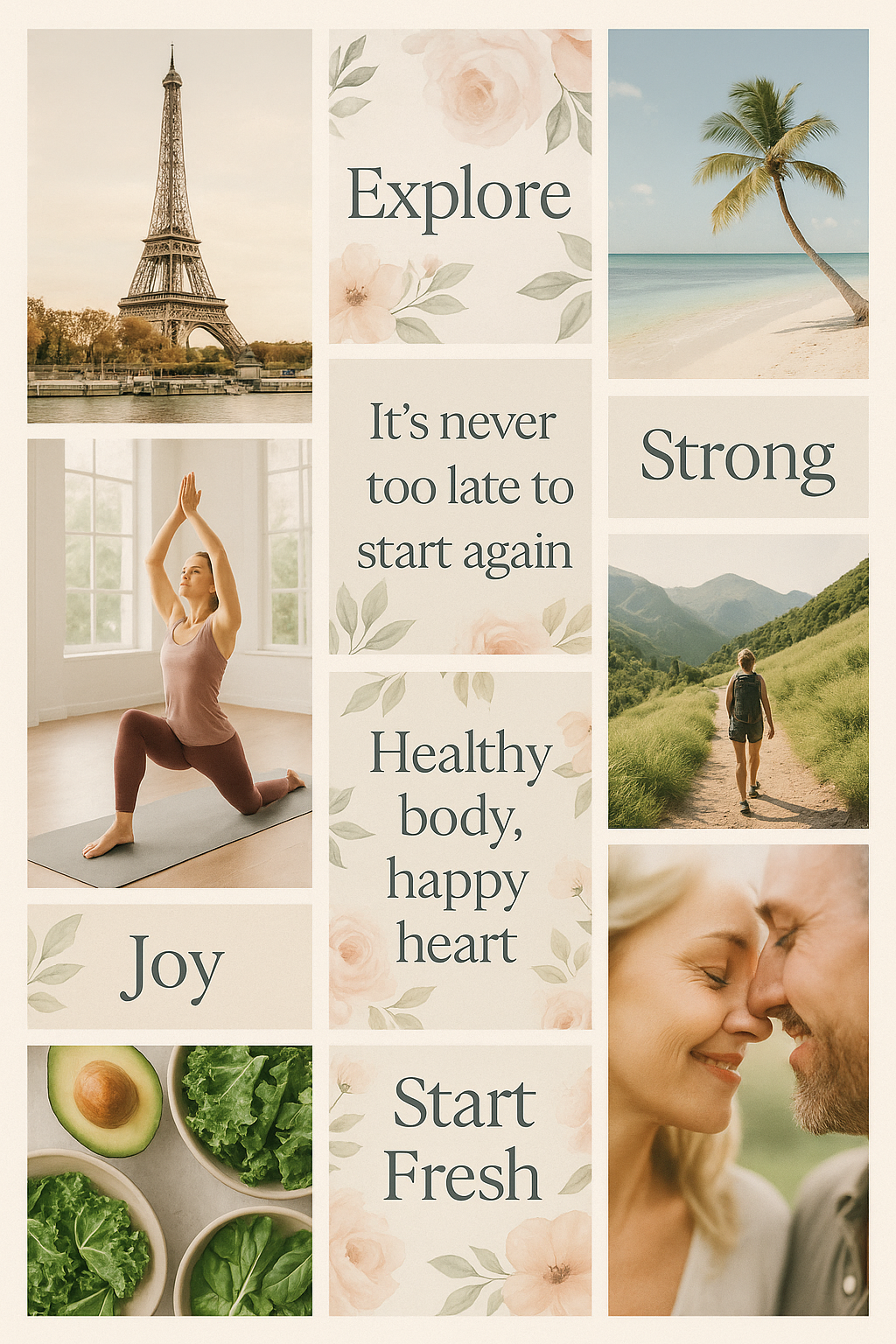
A vision board is a physical or digital collage that represents your dreams, goals, values, and desires. It can be as simple as a piece of cardboard with taped images or as elaborate as a multi-layered digital design. But at its core, it’s a visual representation of where you want to go in life and what you want to experience along the way.

Rather than writing down a to-do list or abstract goals, a vision board helps bring your intentions to life in a tangible, visible way. Every time you see it, it reminds you of what you’re working toward, reignites your motivation, and helps you keep your focus, especially when life gets distracting.

It isn’t just about wishing, it’s about reinforcing what you want to create, emotionally and practically.

Why Make a Vision Board in the First Place?

Life moves fast. It’s easy to get caught up in everyday tasks and lose sight of what you really want. Creating a vision board gives you a pause button and a chance to reconnect with what lights you up.

Here are some reasons people make vision boards:

  • Clarify goals – When you visualize what you want, it becomes easier to define and pursue.
  • Stay focused – The board acts as a regular visual cue, pulling you back to your purpose.
  • Boost mood and mindset – Surrounding yourself with images that spark joy and energy can shift your perspective and keep you positive.
  • Encourage small steps – A vision board isn’t just about big dreams; it can help motivate you to take consistent action, even if it’s one baby step at a time.

Are you at a crossroads? Starting a new project? Or simply feeling stuck? Creating a vision board can help you realign with your intentions and rekindle your inspiration.

Read more: Take a Mini Getaway – Make a Travel Vision Board.

How Do I Choose a Focus or Theme?

Before you begin gathering supplies or scrolling through images, take a moment to ask yourself:

  • What areas of my life do I want to feel more aligned with?
  • Where do I feel stagnant or ready for change?
  • What am I excited to experience, create, or become?

You might decide to focus your board on a single goal, like improving your physical health or launching a creative business, or you might choose to make a board that touches on several areas of life. Some common themes include:

  • Health and wellness
  • Relationships and connections
  • Travel and adventure
  • Personal growth
  • Financial goals
  • Creative expression
  • Spiritual exploration
  • Career or passion projects

There’s no wrong answer. The most important part is that it resonates with you and represents your own values and vision for the future.

What Materials Do I Need to Make a Vision Board?

I’ve been making vision boards for as long as I can remember. Over time, I’ve shifted from cutting out magazine images to creating digital versions. Now, I use mine as the desktop background on my laptop, so I see it multiple times a day; it’s a constant, quiet reminder of what I’m working toward.

That said, there are two main ways to create a vision board: physical or digital. Choose what fits your style, space, and comfort level. 

For a physical vision board:

  • Poster board, corkboard, or canvas
  • Scissors and glue, or push pins
  • Magazines, printed images, postcards, or photographs
  • Markers, washi tape, or stickers for extra design touches
  • Inspirational quotes, affirmations, or handwritten notes
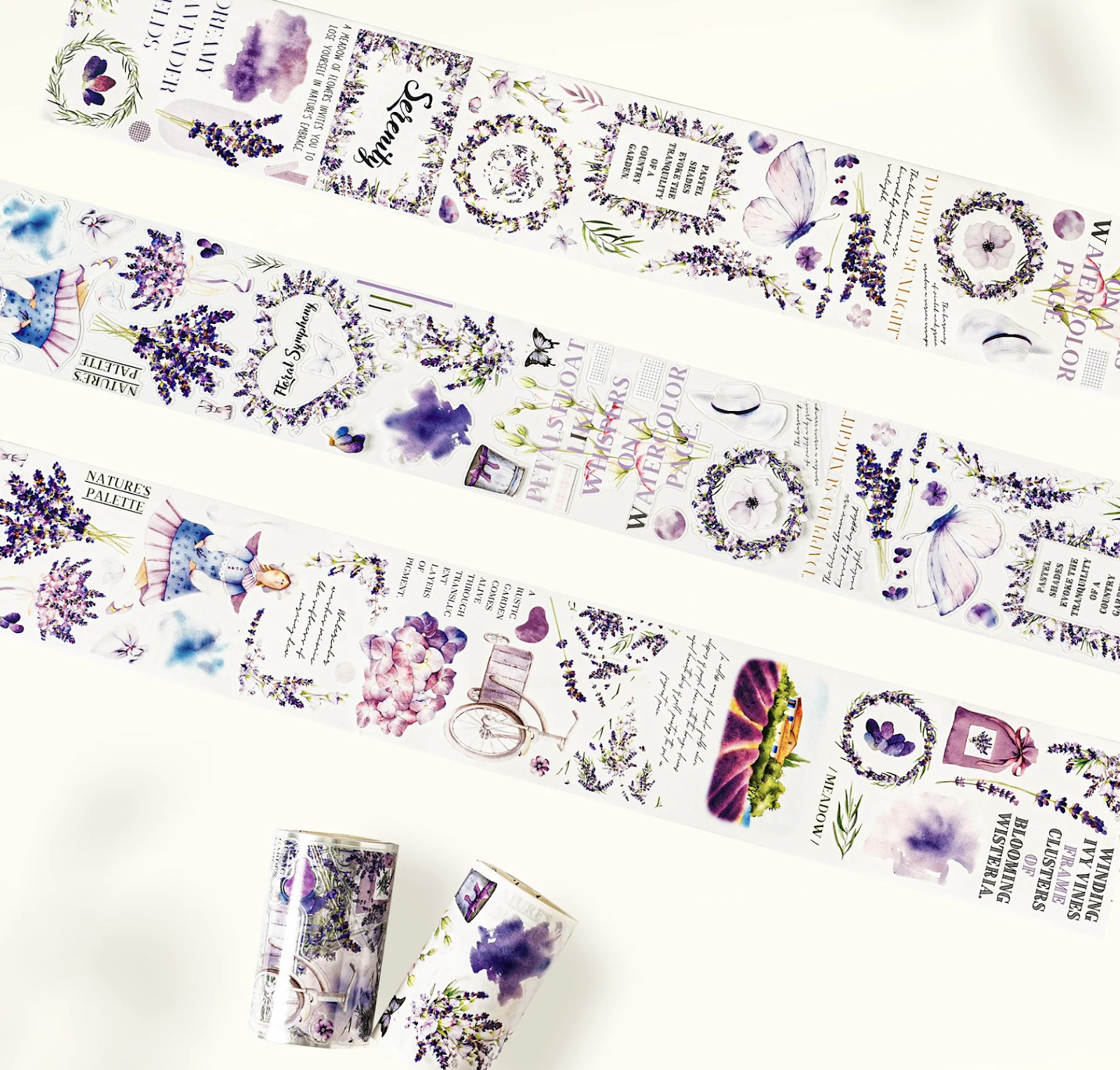
Pre-cut Purple Muse Wide Washi/PET Tape

Pre-cut Purple Muse Wide Washi/PET Tape

For a digital vision board:

  • Design tools like Canva, Pinterest, Google Slides, or PowerPoint
  • A folder of curated images from online searches or personal photos
  • Fonts or graphics that match your theme
  • A device where you can regularly view your creation (desktop, tablet, phone)
  • You can also print copies of your vision board and place them in your home 

If you’re someone who enjoys tactile, hands-on projects, you might find the physical method more rewarding. If you prefer flexibility and tech-friendly updates, digital might be your best option.

What Should I Include on My Vision Board?

Here’s where the fun begins! Now that you’ve chosen a format and a theme, you can start selecting what goes on the board. This is your chance to get creative and express yourself visually.

Include:

  • Images: Choose pictures that feel right, not just ones that are pretty. Think about emotions, colors, and symbols that represent your aspirations.
  • Words & Phrases: Add affirmations, mantras, or single power words like “trust,” “freedom,” “joy,” or “focus.”
  • Quotes: Include meaningful quotes from books, thought leaders, or your own journaling. Choose words that inspire and anchor you.
  • Symbols: Add abstract items like hearts, arrows, ladders, butterflies, or compasses, anything that represents your journey or transformation.
  • Personal Items: Ticket stubs, small mementos, or old photographs can also hold powerful meaning if they represent something you’re working toward or something you’re letting go of.

Remember, this board is not about perfection or design skills. It’s about building a visual that speaks directly to your heart.

Where Should I Place My Vision Board?

To truly inspire change, your vision board needs to be seen regularly.

Put it somewhere you’ll naturally encounter it throughout your day:

  • In your home office or workspace
  • By your bathroom mirror
  • Near your bedside table
  • As your computer or phone background
  • On the inside of a closet or cabinet door

If you made a digital vision board, save it to your device screens or print it out to keep near your planner or journal.

The key is to see it often enough that the images and messages start to integrate into your daily awareness, without it becoming visual wallpaper you stop noticing.

How Do I Keep It Fresh and Relevant?

Your goals and mindset evolve, and so should your vision board.

Revisit it regularly. Once a month, take a few minutes to check in:

  • Are the images and words still meaningful?
  • Have any goals shifted?
  • Do you want to remove anything that no longer fits?
  • Is there anything new you’d like to add?

It can help to treat your board like a living document. Add sticky notes with updates. Layer on new words. Swap out old visuals. Keeping your board fluid makes it more reflective of your real-life journey.

How Can I Use My Vision Board in Everyday Life?

The power of a vision board comes from using it, not just making it.

Here are a few ways to incorporate it into your routine:

  • Daily glances: Take 30 seconds in the morning or evening to simply look at it and breathe.
  • Journaling: Use an image or phrase from your board as a journal prompt.
  • Affirmations: Choose one word or quote from your board and repeat it aloud or write it on a sticky note to carry with you.
  • Meditation: Sit quietly and focus on one section of your board, letting it guide your intention for the day.
  • Check-ins: Ask yourself weekly: “What small step can I take toward this vision?”

Small, consistent engagement keeps the energy alive and helps bridge the gap between visualizing and doing.

What If I Don’t See Results Right Away?

Vision boards are not wish lists or shortcuts. They don’t magically make things happen, but they can help shift your mindset, boost your confidence, and keep your goals in front of you.

If things don’t happen as quickly as you’d hoped, that doesn’t mean the board isn’t working. It might mean:

  • The goal needs more time to unfold.
  • There are steps you haven’t taken yet.
  • A deeper belief or fear needs to be addressed.

Keep showing up. Reflect, adjust, and stay open to change. Sometimes the process brings results you didn’t even plan for, but that are better than you imagined.

Can I Make a Vision Board with Friends or Family?

Absolutely! Hosting a vision board gathering is a great way to connect, share dreams, and encourage one another. You can:

  • Host an afternoon session with magazines, snacks, and music.
  • Invite everyone to bring old photos or inspiring quotes.
  • Share your finished boards and explain what each part means to you.
  • Plan a follow-up in a few months to see how everyone’s visions are unfolding.

Doing it with others can help spark ideas, break through blocks, and deepen your motivation.

What Makes a Vision Board Actually Inspire Change?

It’s not about aesthetics or creating a “Pinterest-worthy” board. It’s about creating something that feels deeply meaningful to you.

When you take the time to clarify what you truly want, select images and words that evoke emotion, and use the board consistently as a tool, not a decoration, you begin to train your mind to stay focused, flexible, and intentional.

Change doesn’t happen all at once. But with a vision board that’s aligned with your heart, you’re planting seeds for transformation, one step, one image, one intention at a time.

Read more: Going Beyond the Vision Board.

Let’s Have a Conversation:

Have you ever created a vision board? What is your process of creating your vision boards? Do you prefer to create your board physically or digitally? Where do you put it, and how often do you look at it? Tell us about it in the comments below. 

Read More

Ariana Madix’s Silver Sequin Cutout Dress on Love Island Aftersun

Ariana Madix’s Silver Sequin Cutout Dress on Love Island Aftersun / Love Island Season 7 Episode 29 Fashion

We here at BBH may have been off for the holiday last week, but Miss Ariana Madix certainly was not. Because she was working it on Love Island Aftersun wearing this silver sequin cutout dress. And now we have a job to do with letting you know where to shop it or at least something similar. 

Sincerely Stylish,

Jess


Ariana Madix's Silver Sequin Cutout Dress on Love Island Aftersun

Styling : @emilymen @karissaleeloveday 

Photo: @loveislandusa


Style Stealers

!function(d,s,id){
var e, p = /^http:/.test(d.location) ? ‘http’ : ‘https’;
if(!d.getElementById(id)) {
e = d.createElement(s);
e.id = id;
e.src = p + ‘://widgets.rewardstyle.com/js/shopthepost.js’;
d.body.appendChild(e);
}
if(typeof window.__stp === ‘object’) if(d.readyState === ‘complete’) {
window.__stp.init();
}
}(document, ‘script’, ‘shopthepost-script’);


Turn on your JavaScript to view content


Originally posted at: Ariana Madix’s Silver Sequin Cutout Dress on Love Island Aftersun

Read More