Hair care

Latest

Why You Should Commit to the Carry-On and Tips for Making it Easy

Why You Should Commit to the Carry-On and Tips for Making it Easy

The world is divided into two different kinds of people: overpackers and underpackers. If you fall into the first category, don’t turn away yet! Give me a few minutes to try and convince you that there is a better way to travel.

As you might already suspect, I am an underpacker. My measure of a packing fail: Coming home with even one thing in my suitcase that I did not need, use or wear during my trip. I do fail sometimes, but not often anymore.

Here’s how to pack lighter – all lessons I learned the hard way.

Start with an Attitude Change

It helps that I don’t really care how I look. I don’t mean I would travel in ripped or dirty clothes. But I don’t need to be the glammed up center of attention. In fact, when you’re traveling, the more you can blend in, the better. You’re less likely to be targeted by pickpockets and local scammers.

Spend a little time researching what the locals wear and try to pack like that. This is the lesson I learned when I wore my electric blue winter coat to Romania, a former Soviet block country where there were two colors of winter coat: grey and black.

So if you simply must be a fashion plate, try to pare down the clothes to a capsule wardrobe of items you can mix and match and pieces that will do double duty.

Use a Packing List

These printable packing lists will give you a feel for the things you’ll need. If the list includes something you don’t think you’ll need, don’t pack it. If there is something missing, make a note on the printed sheet so you don’t forget it.

Check the Weather Forecast

I make this recommendation because I live in Chicago. We like to say, “If you don’t like the weather, wait 10 minutes.” Here, the calendar might say May, but the thermometer might say March. Or July.

So check the forecast for your destination. It will tell you whether to pack a raincoat, sunhat, shorts, or sweaters.

Start Packing Early

If you have a spare bed, room, couch or some other spot to hold the things you want to pack, start a week early and put everything on the bed that you think you might want on your trip.

Then walk away.

Come back the next day and look it over. Is there anything missing? Is there anything you think you might not need on the trip? Make adjustments accordingly.

Then walk away.

Come back the next day with the intention of making choices. If you have two pairs of pants on the bed, take away one pair. If you have four shirts, take away two. And so on, until you have cut in half the things on the bed.

Then walk away.

The next day, it’s time to pack. Start with the pieces of clothing you absolutely MUST have with you.

If you run out of suitcase before you run out of clothes to pack, you get to make a choice: Leave something else behind or pay $40 or more to check a bag.

Buy Packing Cubes

I resisted buying this travel essential for years. Now I can’t believe I ever traveled without them.

Packing cubes are flexible pouches with a brilliant zipper system. You pack them with the clothes you want to take, and zip them shut. Then – this is the brilliant part – you zip a second zipper to compress the insides flat. (Think of it like your expandable suitcase, when you open that second zipper, it gives you an extra inch or two of suitcase space. When you zip it shut, everything inside is compressed.)

As a bonus, the clothes you lay inside the packing cube are much more likely to stay wrinkle free. I don’t know why. But it’s true.

Stick with One Basic Color

When I head to a Caribbean resort, that color will be white. But most of the time, it’s black – black pants, a black skirt, a black dress. Then I add color in the tops I will wear with the pants and skirt. Finally, I pack a few scarves and funky costume jewelry to dress everything up or down and add more color.

Wear the Heavy Stuff on the Plane

There are plenty of TikTokers and travel hacker influencers who will tell you to wear layers and layers on the plane to save suitcase space. Or to pack a pillowcase with your stuff and pretend it’s a pillow, not a suitcase, so it doesn’t count as a carryon.

While that might be useful info for travelers on uber-budget airlines that charge for anything that doesn’t fit under your seat, you really don’t have to go that crazy. Just use a little common sense.

If, for example, you’re flying from Florida to Colorado, you know you’ll need your winter coat, hat, gloves, hiking boots and heavy jeans. Wear the jeans and hiking boots on the plane, stuff the hat and gloves in the coat pockets and carry the coat on the plane rather than packing it in a suitcase.

I do this anyway because I’m always chilly on a plane. I’m always surprised when I see someone boarding a flight in shorts and flip flops. I would be blue by the time I landed!

Think Layers, Not Bulk

Thin layers are always the right answer, no matter where you are. Even a Caribbean vacation requires preparing for chilly evenings or overly air-conditioned restaurants. Layers are the answer to staying warm and packing light.

Make the Best Use of Your Under-Seat Bag

Finally, remember that you get not one, but two things to carry onto the plane – a bag that goes into the overhead and a smaller bag that fits under the seat in front of you.

Don’t waste the space in that second bag!

My go-to is a roomy backpack because I travel with a lot of electronics – laptop, Kindle, phone, ear buds and all of the cords and accessories they require. But those only take up two zippered compartments. That leaves two more compartments for other things – makeup bag, an extra pair of shoes, etc.

The other thing that works for me is a big striped bag that is super flexible. I can cram a lot into it and still stuff it under the seat. The downside of that is it is heavy to carry, unlike my backpack which easily distributes the weight across my shoulders.

Practice, Practice, Practice

I know. This isn’t easy. Especially if you’ve always been an overpacker. But practice will make perfect. Try it on your next quick weekend trip. That will give you a chance to see how it feels to only pack what you’ll need for 2-3 days, how much you like being able to lift that light carry-on bag and how happy you are not worrying about whether your suitcase will show up at the other end of your flight.

Just remember to pack one more thing: a credit card. That way, if you find you truly can’t live without something for a few days, you can head to the store to buy it.

Let’s Have a Conversation:

Are you an overpacker or an underpacker? What’s your favorite packing hack? Share with us in the comment section below.


Uncategorised

Latest

I Need a New Shoulder, Part I

I Need a New Shoulder, Part I

My friend Stewart retired from his corporate attorney job after almost 40 years, eager to fill his leisure with travel, golf, and his lifelong love of skiing. Schussing down the mountain one day in the crisp cool air, he was hit from behind by a snowboarder who gave little more than a backward glance. Stewart, 66, suffered a fractured shoulder along with bumps, bruises, and a concussion.

After his bones mended, his doctor recommended a reverse shoulder replacement, a procedure that I am also facing in two days as I write this article. Sharing my experience with my sixtyandme readers might resonate with those facing a similar situation.

I no longer ski, though I loved it once. Standing at the top of a mountain opened up a world of possibilities. However, years of pushing stretchers as a nurse, lifting patients, and supporting women through labor did a job on my shoulders, especially my right one. I have overworked and re-injured it several times by lifting heavy pieces of luggage, children, and moving furniture because I didn’t want to wait for help.

Living with rheumatoid arthritis, osteoporosis, and even hobbies like knitting and yin yoga have done additional damage. In short, my joints have been used and abused and now I have added severe osteoarthritis in my right shoulder to my diagnosis list, with multiple tears throughout the structures supporting the joint.

Therapies First

I’ve tried many treatments in my shoulder – injections of corticosteroids, hyaluronic acid, and multiple courses of physical therapy among them. Most helped considerably and kept my shoulder healthy enough to do my everyday tasks but over time, the pain worsened. I worked with a rehabilitation physician who tried an experimental procedure that failed me. I took oral steroids, rested it, and exercised as instructed by a licensed physical therapist.

All of these procedures strengthened some of the structures, delaying the inevitable, and enabled me to cope with the damage in my dominant arm until surgery remained the only option.

My physical therapy team touted the quick recovery of their patients who get reverse shoulder replacement and undergo rehab. They play tennis and golf again, for example. In the past, my team gave me exercises to increase weight tolerance and flexibility, but my last round of physical therapy consisted mostly of massage.

“Your joint is shot,” the lead PT told me.

I delayed longer than I should have as I did not want surgery. I didn’t want any part of anesthesia, a hospital stay, or the months of rehab that follow. My rheumatologist listed my options, which included everything I had done already.

“I’d rather see you do surgery now, than wait until you’re in your 70s,” he mused.

Selecting a Surgeon

Insurance companies like to tell us what pool of doctors we can choose from. There are great surgeons among them but that does not mean I did not do extra credit homework on the subject. I asked a doctor that I trusted for a referral. He recommended a particular surgeon with a stellar reputation who treated athletes with complicated shoulder injuries. Though I have never been accused of being an athlete, my injuries fell into a similar category of impairment. I read all the physican’s reviews and board certifications, reinforcing my confidence. He worked at a hospital two hours away.

I then researched the hospital, and was pleased to see it had an A rating, the top tier for institutions and a five-star rating from Medicare. A hospital with a lower rating may have an excellent surgical department as well so it’s important to delve more into the specific data that is used for ratings. For example, I recently had a minor surgery in another hospital that is rated C, but the surgical department itself is highly rated.

Procedures First

My surgeon required an MRI prior to my appointment though it is my understanding not all do. I’ve had MRIs before, in other regions of my body, and the shoulder was the easiest for me. The technician worked with my limited range of motion and pain tolerance to position the arm with care and the scan itself moved quickly. My best friend says she falls asleep during an MRI, a skill I’ve never mastered.

To endure the clackety clack and machine gun sounds of the machine, I repeat a soothing mantra to myself during each phase of the scan. I use three words, my children’s names, and that gets me through without added anxiety. Many people do need sedation prior to having an MRI. The test is important, so do what you need to get through it.

Surgeon’s Office Visit

My surgeon operates from a full-service satellite facility of the hospital. His physician’s assistant, who also comes to the operating room, performed a complete history and physical on me, reviewing my records. I had to get specific clearances from my rheumatologist and cardiologist as well. Because I am in a clinical trial for rheumatoid arthritis, my implanted device had to be turned off prior to surgery.

The surgeon spent ample time with my husband and me, answering our myriads of questions. He reviewed my MRI results and explained the procedure in detail. I had more X-rays taken of the shoulder, and, though he does 250 of these procedures a year, care was shown through his team’s patience and understanding of my situation.

The Procedure

A reverse shoulder replacement does not mean they put your shoulder on backwards, as my youngest brother jokes. In short, it means instead of the ball of the humerus (the upper arm bone) pointing upwards, it is removed and a prosthesis ball is seated in a man-made socket at the top of the humerus, upside down, its attachment at the joint. That gives a torn rotator cuff, whose job it is to support and control the arm, a way to retire. I appreciated this reenactment video which gave many great details that I was unaware of. It’s possible to access the full surgery on YouTube, but warning: it is graphic.

Preoperative Preparation

My hospital has an additional service to assure that the medical record is complete. A nurse reviewed all the instructions and a hospitalist did a quick exam. Fresh lab work and cervical spine X-rays were done to ensure that I am healthy and strong enough for any intervention. For the 48 hours before the surgery, I must wash the shoulder area each morning using two different kinds of antibacterial soaps in order to prevent an infection in the operative site. We have normal bacteria that lives on the skin that typically is helpful to us, as long as it stays on the outside. This pre-surgical scrub reduces the amount of those bacteria.

As with any surgery, I will be fasting and arrive at the hospital well in advance of the operative time. The anesthesiologist will place a regional block in my shoulder giving me relief from post-operative pain for the first 24 hours or more. I will have anti-inflammatories and narcotics if needed as the block wears off. I will stay overnight in the hospital but it’s an option. The plan is to go home the next morning with my arm in a sling for six weeks or so.

Infrastructure

It’s important to be prepared at home for the immediate post-operative period. I ordered a particular sling that my doctor recommends, and I expect I will wake up from surgery with it in place. My insurance covered this piece of durable medical equipment. There are other recommendations that I received both from medical advice as well as Stewart’s first-hand (one-handed?) experience. By the way, he is doing well. He can lift a full glass to his mouth and drive again. He expects to be golfing by fall, a mere six months after his surgery, having worked hard in rehab to regain strength and function.

It is recommended to use a recliner for sleep because the shoulder needs elevation which is harder to achieve by sleeping flat. We moved our existing recliner to the bedroom and that’s where I will start my home recovery. It is a short walk to the bathroom with no throw rugs in the way. The last thing I want to do is fall with my shoulder immobilized.

I invested in reliable footwear in the last several years, to increase my chances of staying upright after a series of falls. I purchased an inexpensive shoulder exerciser, a pulley that fits over my closet door, and have hand weights and other equipment that I’ve collected through the years. A responsible physical therapist will show you ways to do the same exercises with existing products in your home, like filled water bottles or dish towels so you don’t have to spend money on such equipment.

In addition, I have a machine to circulate ice water over my joint after surgery to keep inflammation at bay in the initial days. These machines are expensive and considered optional, but I was able to borrow one. Ice packs would work too. My wedge pillow will be helpful once I’m able to sleep in my bed again. An item that is recommended, though not covered by insurance, is amino acid replacement, the powder that dissolves in a beverage to help re-build muscle and enhance healing. I invested in this option after checking with my internist to make sure the ingredients won’t affect my kidneys or liver function.

My daughter is coming to help with my grandchild in tow for entertainment. I’m fortunate to have a husband who is healthy and strong as well. Pool your resources, especially if you are alone. Consider the feasibility of bringing in a home health aide to assist in personal care. If you are active in a church or other community group, put the word out. If friends offer, take them up on it for meals or rides to physical therapy or doing your laundry. If only I had someone who would keep my cat from climbing onto my sling!

What Comes Next?

I made an appointment for a physical therapy evaluation two weeks after my surgery. When I write Part II of this experience next month, I will have been through the surgery, the immediate postoperative period, and started active rehabilitation. I understand it will entail a great deal of time over the summer and well into the fall.

What I’ve learned in the past is physical therapy, when performed as instructed, works. I am dedicated to the follow through and reaping the benefits of using my arm to its full capacity again. With a reverse shoulder replacement, I may not have the ability to reach straight overhead or behind my back, but regaining adequate function and sleeping without pain will be worth the effort.

Let’s Have a Conversation:

I hope you don’t have to have joint replacement, but if you or someone you know does, Part II of my journey may be of interest to you next month. Please comment below and let me know if you are going through something similar. Have you any tips on the rehab process not listed above? I’d love to hear from you.

Skin Care

Latest

How to Make Your Own Essential Oil Blend for Mature Skin (Recipe)

A Basic Essential Oil Blend for Everyday Mature Skin Care

With all the wonderful natural facial serums on the market today, it can be a little overwhelming choosing the correct formula with safe, non-toxic ingredients, all at a reasonable price. The good news is that it’s easy and fun to make a quality product on your own using the miracle of nature – essential oils. 

When I started working with skincare formulas in 2003, one of the first products I was excited about making was an essential oil-based facial serum. My skin needs were changing, and a moisturizing oil made perfect sense for dry, maturing skin.

I decided to work with four wonderful healthy aging essential oils I had discovered: Lavender, Frankincense, Rose Geranium, and Carrot Seed.

The natural and highly effective nature of essential oils makes them perfect for skincare. When blended for their various properties and used with a carrier oil that matches your skin type, you can create a serum tailor-made for your skin.

What Are Essential Oils?

Essential oils are the essence of plants. Hidden away in many parts of the plant, like the flowers, seeds, and roots, they are very potent chemical compounds. They can give the plant its scent, protect it from harsh conditions, and help with pollination.

The benefits of essential oils on humans are diverse and amazing. Lavender flower oil, for example, contains compounds that help soothe skin irritation and redness, while the scent reduces feelings of anxiety and stress.

The beautiful Rose essential oil is hydrating to the skin and sometimes used to treat scarring, while the scent is known to help lift depression. 

There are many essential oils to choose from for specific skincare needs. I have used a myriad of different combinations but keep coming back to the tried and true blend from my very first serum.

The four essential oils used are the workhorses of skincare for mature skin, as well as being wonderfully uplifting for mind, body, and spirit. 

The Base Oil Blend Formula

Here’s what you’ll need:

Bottle

1 oz. amber dropper bottle. You can find those in pharmacies or online.

Base (Carrier) Oil

As a base, you can use one of the oils below or a combination of several that meet your skin’s needs:

  • Jojoba oil is my base oil of choice. It’s incredible for most skin types: it’s extremely gentle and non-irritating for sensitive skin, moisturizing for dry skin, balancing for oily skin, ideal for combination skin, and offers a barrier of protection from environmental stressors. It also helps skin glow as it delivers deep hydration.
  • Rosehip oil smooths the skin’s texture and calms redness and irritation.
  • Argan oil contains high levels of vitamin E and absorbs thoroughly into the skin leaving little oily residue.
  • Avocado oil is effective at treating age spots and sun damage, as well as helping to soothe inflammatory conditions such as blemishes and eczema.
  • Olive oil is a heavier oil and the perfect choice if your skin needs a mega-dose of hydration. Just be aware that olive oil takes longer to absorb and leaves the skin with an oily feeling. This may be desirable for extremely dry, red, itchy skin.

Essential Oils

  • Lavender essential oil is very versatile and healing. It helps reduce inflammation, kill bacteria, and clear pores. Its scent is also calming and soothing.
  • Frankincense essential oil helps to tone and strengthen mature skin in addition to fighting bacteria and balancing oil production.
  • Rose Geranium essential oil helps tighten the skin by reducing the appearance of fine lines, helps reduce inflammation and fight redness, and offers anti-bacterial benefits to help fight the occasional breakout. The scent is also known to be soothing and balancing.
  • Carrot seed oil is a fantastic essential oil for combination skin. It helps even the skin tone while reducing inflammation and increasing water retention.

The Recipe

Let’s start with a simple recipe:

  • 1 oz. Jojoba oil (or carrier oil of your choice)
  • 10 drops Lavender
  • 10 drops Frankincense
  • 10 drops Rose Geranium
  • 10 drops Carrot seed oil 

Place the essential oil drops in the amber dropper bottle then fill with Jojoba/carrier oil. It’s that simple!

Applying Your Homemade Serum

Use this serum morning and evening as part of your regular skincare routine. Serums work best when applied after cleansing your face. You can cleanse with Coconut Oil or a mixture of oils for enhanced hydration (we will cover this in the next article) or use your regular facial cleanser.

Essential oils will not interfere in any way with your normal skincare products.

Keep in mind that the serum is concentrated. Use only a pea-sized amount, work it into your fingertips, and apply evenly over the face without tugging or pulling.

If your skin feels tacky, reduce the amount on the next application. Your skin should feel soft, not oily. Follow with your regular moisturizer if you like. 

Making your own facial serum is fun and rewarding! I look forward to hearing your thoughts and ideas on essential oils and making personalized serums and skincare.

What facial serum do you use? Have you made one yourself? What is your favorite essential oil for skin care? Please share your thoughts with our community!

I Need a New Shoulder, Part I

I Need a New Shoulder, Part I

My friend Stewart retired from his corporate attorney job after almost 40 years, eager to fill his leisure with travel, golf, and his lifelong love of skiing. Schussing down the mountain one day in the crisp cool air, he was hit from behind by a snowboarder who gave little more than a backward glance. Stewart, 66, suffered a fractured shoulder along with bumps, bruises, and a concussion.

After his bones mended, his doctor recommended a reverse shoulder replacement, a procedure that I am also facing in two days as I write this article. Sharing my experience with my sixtyandme readers might resonate with those facing a similar situation.

I no longer ski, though I loved it once. Standing at the top of a mountain opened up a world of possibilities. However, years of pushing stretchers as a nurse, lifting patients, and supporting women through labor did a job on my shoulders, especially my right one. I have overworked and re-injured it several times by lifting heavy pieces of luggage, children, and moving furniture because I didn’t want to wait for help.

Living with rheumatoid arthritis, osteoporosis, and even hobbies like knitting and yin yoga have done additional damage. In short, my joints have been used and abused and now I have added severe osteoarthritis in my right shoulder to my diagnosis list, with multiple tears throughout the structures supporting the joint.

Therapies First

I’ve tried many treatments in my shoulder – injections of corticosteroids, hyaluronic acid, and multiple courses of physical therapy among them. Most helped considerably and kept my shoulder healthy enough to do my everyday tasks but over time, the pain worsened. I worked with a rehabilitation physician who tried an experimental procedure that failed me. I took oral steroids, rested it, and exercised as instructed by a licensed physical therapist.

All of these procedures strengthened some of the structures, delaying the inevitable, and enabled me to cope with the damage in my dominant arm until surgery remained the only option.

My physical therapy team touted the quick recovery of their patients who get reverse shoulder replacement and undergo rehab. They play tennis and golf again, for example. In the past, my team gave me exercises to increase weight tolerance and flexibility, but my last round of physical therapy consisted mostly of massage.

“Your joint is shot,” the lead PT told me.

I delayed longer than I should have as I did not want surgery. I didn’t want any part of anesthesia, a hospital stay, or the months of rehab that follow. My rheumatologist listed my options, which included everything I had done already.

“I’d rather see you do surgery now, than wait until you’re in your 70s,” he mused.

Selecting a Surgeon

Insurance companies like to tell us what pool of doctors we can choose from. There are great surgeons among them but that does not mean I did not do extra credit homework on the subject. I asked a doctor that I trusted for a referral. He recommended a particular surgeon with a stellar reputation who treated athletes with complicated shoulder injuries. Though I have never been accused of being an athlete, my injuries fell into a similar category of impairment. I read all the physican’s reviews and board certifications, reinforcing my confidence. He worked at a hospital two hours away.

I then researched the hospital, and was pleased to see it had an A rating, the top tier for institutions and a five-star rating from Medicare. A hospital with a lower rating may have an excellent surgical department as well so it’s important to delve more into the specific data that is used for ratings. For example, I recently had a minor surgery in another hospital that is rated C, but the surgical department itself is highly rated.

Procedures First

My surgeon required an MRI prior to my appointment though it is my understanding not all do. I’ve had MRIs before, in other regions of my body, and the shoulder was the easiest for me. The technician worked with my limited range of motion and pain tolerance to position the arm with care and the scan itself moved quickly. My best friend says she falls asleep during an MRI, a skill I’ve never mastered.

To endure the clackety clack and machine gun sounds of the machine, I repeat a soothing mantra to myself during each phase of the scan. I use three words, my children’s names, and that gets me through without added anxiety. Many people do need sedation prior to having an MRI. The test is important, so do what you need to get through it.

Surgeon’s Office Visit

My surgeon operates from a full-service satellite facility of the hospital. His physician’s assistant, who also comes to the operating room, performed a complete history and physical on me, reviewing my records. I had to get specific clearances from my rheumatologist and cardiologist as well. Because I am in a clinical trial for rheumatoid arthritis, my implanted device had to be turned off prior to surgery.

The surgeon spent ample time with my husband and me, answering our myriads of questions. He reviewed my MRI results and explained the procedure in detail. I had more X-rays taken of the shoulder, and, though he does 250 of these procedures a year, care was shown through his team’s patience and understanding of my situation.

The Procedure

A reverse shoulder replacement does not mean they put your shoulder on backwards, as my youngest brother jokes. In short, it means instead of the ball of the humerus (the upper arm bone) pointing upwards, it is removed and a prosthesis ball is seated in a man-made socket at the top of the humerus, upside down, its attachment at the joint. That gives a torn rotator cuff, whose job it is to support and control the arm, a way to retire. I appreciated this reenactment video which gave many great details that I was unaware of. It’s possible to access the full surgery on YouTube, but warning: it is graphic.

Preoperative Preparation

My hospital has an additional service to assure that the medical record is complete. A nurse reviewed all the instructions and a hospitalist did a quick exam. Fresh lab work and cervical spine X-rays were done to ensure that I am healthy and strong enough for any intervention. For the 48 hours before the surgery, I must wash the shoulder area each morning using two different kinds of antibacterial soaps in order to prevent an infection in the operative site. We have normal bacteria that lives on the skin that typically is helpful to us, as long as it stays on the outside. This pre-surgical scrub reduces the amount of those bacteria.

As with any surgery, I will be fasting and arrive at the hospital well in advance of the operative time. The anesthesiologist will place a regional block in my shoulder giving me relief from post-operative pain for the first 24 hours or more. I will have anti-inflammatories and narcotics if needed as the block wears off. I will stay overnight in the hospital but it’s an option. The plan is to go home the next morning with my arm in a sling for six weeks or so.

Infrastructure

It’s important to be prepared at home for the immediate post-operative period. I ordered a particular sling that my doctor recommends, and I expect I will wake up from surgery with it in place. My insurance covered this piece of durable medical equipment. There are other recommendations that I received both from medical advice as well as Stewart’s first-hand (one-handed?) experience. By the way, he is doing well. He can lift a full glass to his mouth and drive again. He expects to be golfing by fall, a mere six months after his surgery, having worked hard in rehab to regain strength and function.

It is recommended to use a recliner for sleep because the shoulder needs elevation which is harder to achieve by sleeping flat. We moved our existing recliner to the bedroom and that’s where I will start my home recovery. It is a short walk to the bathroom with no throw rugs in the way. The last thing I want to do is fall with my shoulder immobilized.

I invested in reliable footwear in the last several years, to increase my chances of staying upright after a series of falls. I purchased an inexpensive shoulder exerciser, a pulley that fits over my closet door, and have hand weights and other equipment that I’ve collected through the years. A responsible physical therapist will show you ways to do the same exercises with existing products in your home, like filled water bottles or dish towels so you don’t have to spend money on such equipment.

In addition, I have a machine to circulate ice water over my joint after surgery to keep inflammation at bay in the initial days. These machines are expensive and considered optional, but I was able to borrow one. Ice packs would work too. My wedge pillow will be helpful once I’m able to sleep in my bed again. An item that is recommended, though not covered by insurance, is amino acid replacement, the powder that dissolves in a beverage to help re-build muscle and enhance healing. I invested in this option after checking with my internist to make sure the ingredients won’t affect my kidneys or liver function.

My daughter is coming to help with my grandchild in tow for entertainment. I’m fortunate to have a husband who is healthy and strong as well. Pool your resources, especially if you are alone. Consider the feasibility of bringing in a home health aide to assist in personal care. If you are active in a church or other community group, put the word out. If friends offer, take them up on it for meals or rides to physical therapy or doing your laundry. If only I had someone who would keep my cat from climbing onto my sling!

What Comes Next?

I made an appointment for a physical therapy evaluation two weeks after my surgery. When I write Part II of this experience next month, I will have been through the surgery, the immediate postoperative period, and started active rehabilitation. I understand it will entail a great deal of time over the summer and well into the fall.

What I’ve learned in the past is physical therapy, when performed as instructed, works. I am dedicated to the follow through and reaping the benefits of using my arm to its full capacity again. With a reverse shoulder replacement, I may not have the ability to reach straight overhead or behind my back, but regaining adequate function and sleeping without pain will be worth the effort.

Let’s Have a Conversation:

I hope you don’t have to have joint replacement, but if you or someone you know does, Part II of my journey may be of interest to you next month. Please comment below and let me know if you are going through something similar. Have you any tips on the rehab process not listed above? I’d love to hear from you.

Read More

Man Sale, Half Price: Tools for Women

man sale

I am resurrecting a sign and a theme that I came upon vacationing in rural Wisconsin several years ago that is still timely to this day. My husband and I drove by a “Man Sale, ½ Price” sign one June day and out of curiosity turned around to follow the sign and see what it was about. I guessed right, it was a tool sale. And just like many sales, the last day is discounted.

Shopping for Tools

There were men and women at the sale shopping for tools. It made me think of the tools I have designed for women to use: money tools for women to get their financial house in order. Ideally, they are for single women or married women (before a man in their life is gone but also important to use after he is gone).

One of my favorite sayings is “don’t let a man be your financial plan.” I sound like a man hater but I’m not! I have three sons (plus a daughter) and happily married for 40+ years. But I am a realist. Women need to be comfortable using their money tools. So I guess I could say I have a Man Sale going on too, and my Mind, Money, Motion tools are always half price!

The Statistics as a Wake-Up Call

My passion to help women get financially organized stemmed from this statistic: 90% of all women will eventually be solely in charge of their household finances. When I learned that and also thought about all the women I have met over my 20+ years in financial services, I was compelled to be a resource and an advocate for helping women get more familiar and comfortable with their financial lives.

As a CFP®, it is not uncommon for me to visit with couples and hear the husband tell me they are looking to find someone to help his wife after he’s gone. Everyone seems to know what the statistics say, that women typically outlive men. I even know a pastor who wrote an article in the church bulletin to help the men in his parish get the message: “She’s Cute. She’s Funny. She’s My Future Widow.” He was begging the men in his church to help their wives, even after they are gone, by getting their financial house in order now.

The Incapacity and Death Question

Whether you are single or married, it truly does behoove you to think about what no one likes to think about: incapacity and death. Incapacity is the “will I need long term care type of help?” question. And of course, death is the “what do you want to happen to your accounts and personal belongings after you’re gone?” question.

Having gone through both of those situations personally and professionally now several times with families, I cannot emphasize enough how wise you are if you take action in what I call “the calm before the storm.” We all think so much more clearly and make wiser decisions when our brains are not emotionally stressed.

The classic example I see over and over is the care decision. Would you rather decide where you need to move to from your hospital or rehab bed when you are told you cannot go home? Or from the calm comfort of touring several places to make that decision before there is ever a need? Most people choose the first option! Because it will never happen to me or it’s too negative to think about.

More than Estate Documents

The risk of incapacity is an unknown, hopefully we never need those living arrangements. But the risk of dying is an absolutely guaranteed event. So do you want your family to thank you or to curse you after you are gone? Will you leave them in comfort and clarity or chaos and confusion?

To prepare, I have numerous tools to help families. There is so much more you can do than having estate planning documents in place and current (although that is extremely important as well, especially the Powers of Attorney). I’m hoping the Before and After Loss checklists or the Suddenly Single Course are helpful to many.

Remember, anything you do in organizing to make everything findable and creating a financial inventory with correctly titled and beneficiaried accounts will be so important! It’s helpful to you now and to your family later. Prepare now so there is less to repair later.

Time to Think and Act:

What steps have you taken to love your family after you’re gone? Or to decide your next best living arrangements in case that is needed? Or to get your financial house in order? Let’s have a discussion.

Read More

K. Michelle’s Black Leather Confessional Blazer

K. Michelle’s Black Leather Confessional Blazer / Real Housewives of Atlanta Season 17 Episode 13 Fashion

K. Michelle is speaking business-but-make-it-sexy in her black leather confessional blazer on tonight’s episode of #RHOA. I love this structured tailoring because it’s flattering on anyone. And you can never go wrong with investing in a statement piece like this for your years to come, so scroll below and scoop up a new lovely leather jacket.

Best in Blonde,

Amanda


K. Michelle's Black Confessional Blazer

Style Stealers

!function(d,s,id){
var e, p = /^http:/.test(d.location) ? ‘http’ : ‘https’;
if(!d.getElementById(id)) {
e = d.createElement(s);
e.id = id;
e.src = p + ‘://widgets.rewardstyle.com/js/shopthepost.js’;
d.body.appendChild(e);
}
if(typeof window.__stp === ‘object’) if(d.readyState === ‘complete’) {
window.__stp.init();
}
}(document, ‘script’, ‘shopthepost-script’);


Turn on your JavaScript to view content


Originally posted at: K. Michelle’s Black Leather Confessional Blazer

Read More

Shamea Morton’s Brown Houndstooth Blazer

Shamea Morton’s Brown Houndstooth Blazer / Real Housewives of Atlanta Season 17 Episode 13 Fashion

Shamea Morton looks gorgeous in her brown houndstooth blazer for their first dinner in Scotland on tonight’s episode of #RHOA. The temperature is cold there, and this layering piece is perfect to throw on with a mini skirt, as she did, or with trousers. Her exact piece is limited stock, but lucky for us, we can always put a Style Stealer straight into our cold weather wardrobes.

Best In Blonde,

Amanda


Shamea Morton's Brown Houndstooth Blazer


Style Stealers

!function(d,s,id){
var e, p = /^http:/.test(d.location) ? ‘http’ : ‘https’;
if(!d.getElementById(id)) {
e = d.createElement(s);
e.id = id;
e.src = p + ‘://widgets.rewardstyle.com/js/shopthepost.js’;
d.body.appendChild(e);
}
if(typeof window.__stp === ‘object’) if(d.readyState === ‘complete’) {
window.__stp.init();
}
}(document, ‘script’, ‘shopthepost-script’);


Turn on your JavaScript to view content


Originally posted at: Shamea Morton’s Brown Houndstooth Blazer

Read More

11 Comfortable Sandals for Older Women

11 Comfortable Sandals for Older Women

Looking for a new pair of sandals? Sandals come in a variety of styles and materials and are worn for many different occasions.

Here is our list of comfortable sandals for women over 60.

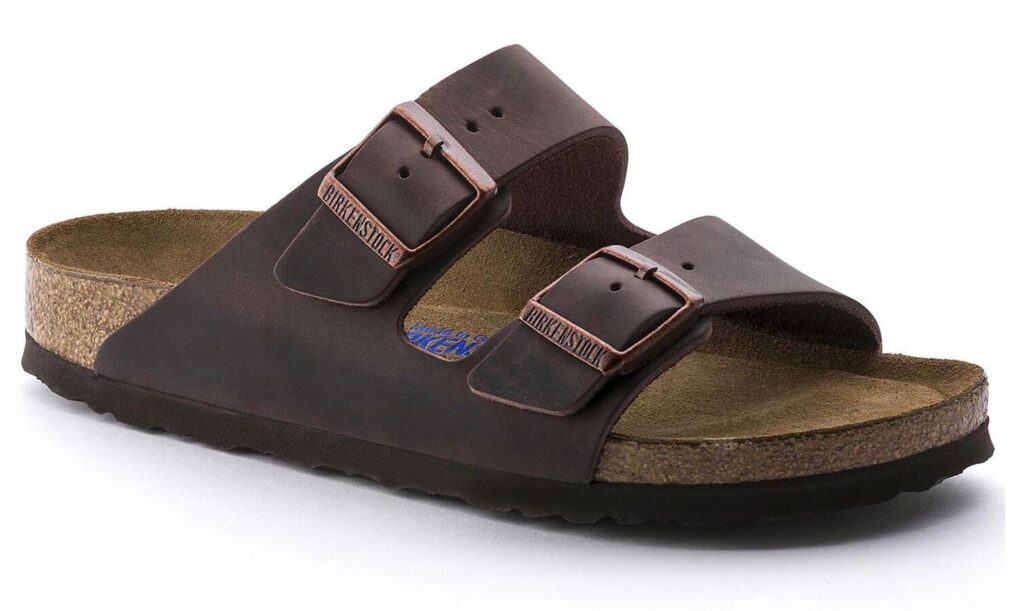
  1. Birkenstock Arizona Soft Footbed – The super comfortable sandals from Birkenstock are one of their all-time best sellers. 
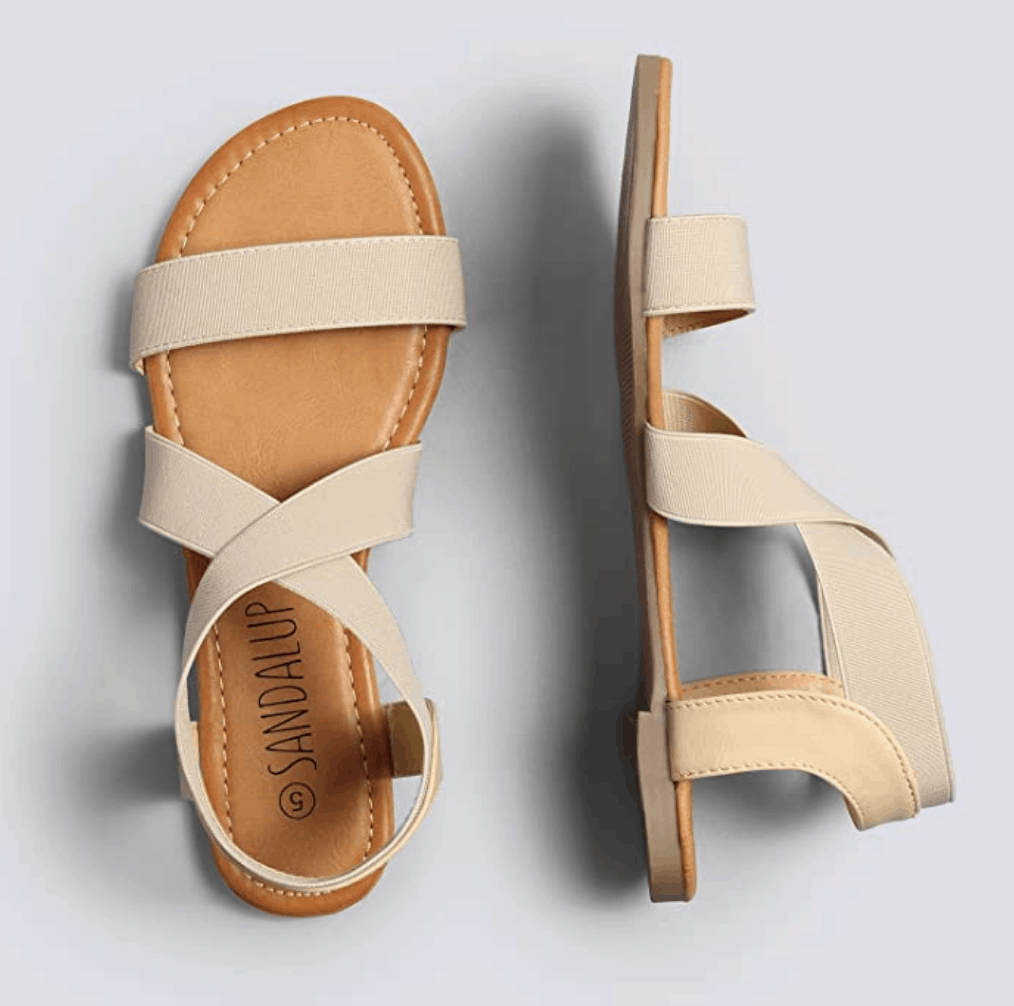
  2. SANDALUP Elastic Flat Sandals –These elastic sandals are lightweight and made to perfectly adjust to your feet without constraining them. They come in a variety of colors and are very affordable. 
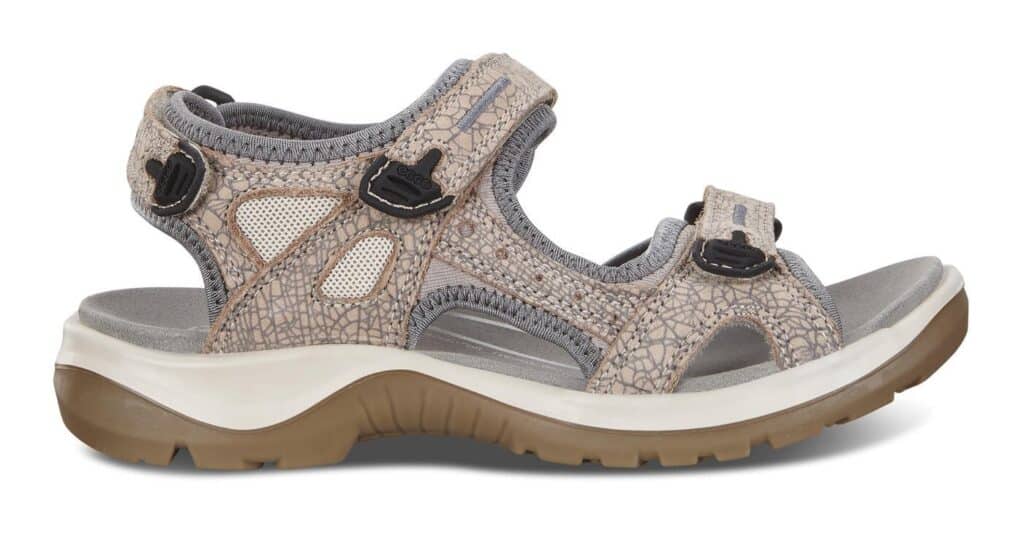
  3. ECCO Women’s Offroad Sandal – Looking for a sandal that is sturdy and made for more sporty activities? The ECCO Yucatan Sandal straps and adjusts to your feet comfortably. Check out the different colors and patterns offered. These are my go-to for summer hikes.
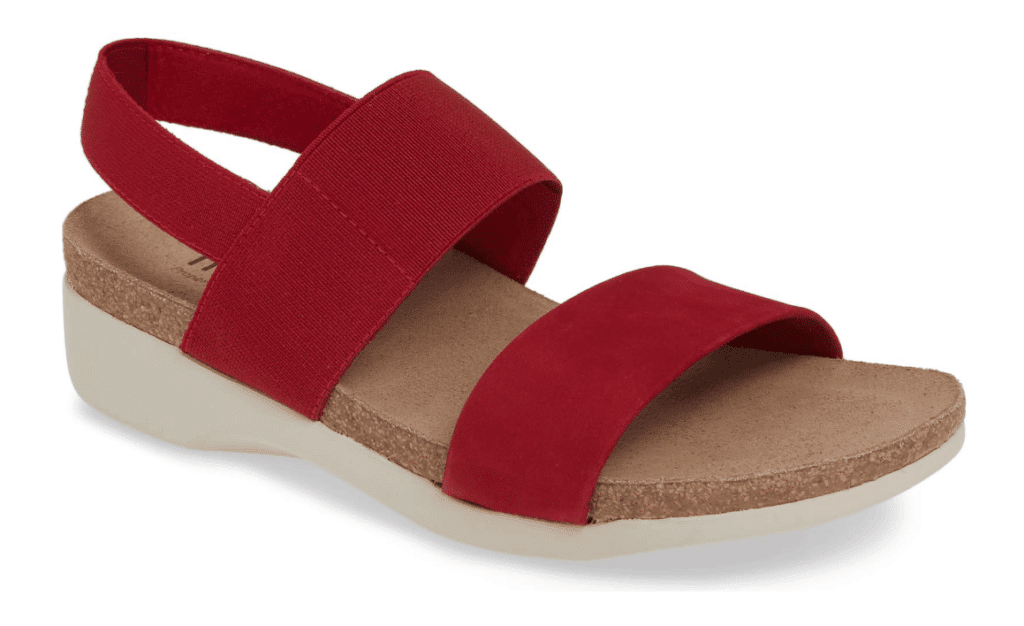
  4. Pisces Sandal by MUNRO – MUNRO specializes in great-fitting footwear. They offer a large selection of widths in a variety of styles. The Pisces Sandal comes in W (wide) and WW (extra wide) width.
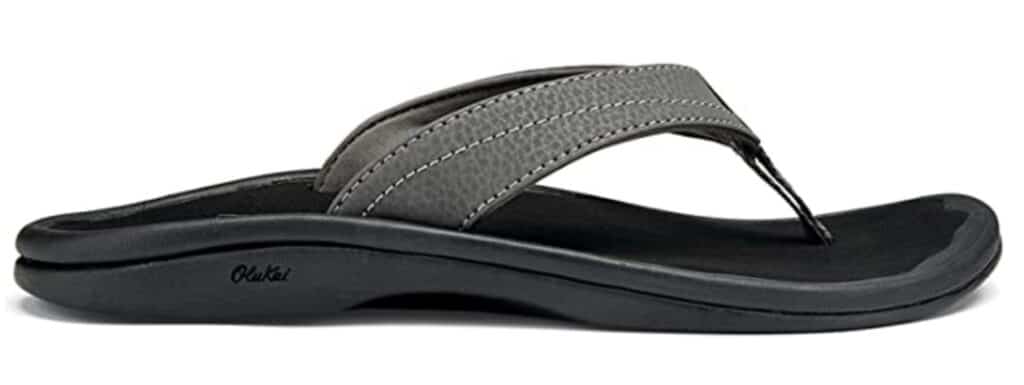
  5. OLUKAI Ohana Beach Sandals – Being 60 and over doesn’t mean you should throw your flip-flops out the window. The OLUKAI Ohana sandal is the perfect tried-and-tested flip-flop that is built to last.

Keep reading to discover our complete list of sandals for mature women.

One thing they should all have in common is that they need to be comfortable. From the beach flip-flop to the strappy cute sandals you wear out to dinner – you need to be cozy and feel stable in your sandals.

I’ve put together a selection of comfortable sandals that I feel are the best for older women. They all have rave reviews and positive feedback from actual customers. Many I have actually owned and can attest to their comfort and durability.

And by the way, some of the sandals that made it on my list won’t break the bank or compromise on style. But, I do admit that paying a little more for quality sandals will generally provide more wear time. I have bought inexpensive sandals that have lasted only a few months before they started to break down and I have also bought pricier ones that I am still wearing after several years.

Birkenstock Arizona Soft Footbed

Birkenstock Arizona Soft Footbed

Birkenstock has been around for several decades and is known for its comfortable footwear that is made to last. I admit I have several pairs of sandals from Birkenstock that I have purchased over the years and I practically live in them. They really do last a long time! The classic Arizona Soft Footbed model is one of their best sellers.

SANDALUP Elastic Flat Sandals

SANDALUP Elastic Flat Sandals

SANDALUP Elastic Flat Sandals are comfortable and stylish summer footwear that combines ease and fashion effortlessly. These sandals feature a stretchy elastic upper that provides a snug and flexible fit. The slip-on design allows for convenient on and off, while the cushioned footbed offers all-day comfort. 

With a flat sole and a minimalist yet chic aesthetic, these sandals are versatile and can be paired with various outfits, from casual to dressier occasions. Also, they come in a variety of colors.

ECCO Women’s Offroad Sandal

ECCO Womens Yucatan Sandal

The ECCO Women’s Offroad Sandal is a durable choice for outdoor adventures. These sandals feature a combination of leather and textile materials, ensuring both comfort and longevity. The adjustable straps allow for a customizable fit, while the cushioned footbed provides excellent support and shock absorption. 

With a rugged rubber outsole, these sandals offer traction on various terrains. These sandals are suitable for hiking, walking, or everyday wear. The ECCO Yucatan Sandal is a reliable and comfortable option if you are seeking outdoor footwear.

Pisces Sandal by MUNRO

Pisces Sandal by MUNRO

The Pisces Sandal by MUNRO offers timeless style with its two-strap design while providing exceptional comfort with its lightweight and supportive footbed. 

With a 1 1/2″ heel and 1/2″ platform, these sandals offer a subtle lift. The textile and leather upper, along with the suede and microfiber lining, enhance durability and comfort. The EVA sole ensures a cushioned and stable stride.

OLUKAI Ohana

OLUKAI Ohana

The OLUKAI Ohana sandal is the ultimate choice for beach comfort and style. Crafted with water-resistant synthetic straps and a quick-drying jersey knit lining, these sandals keep your feet feeling at home. 

The compression-molded EVA midsole and ICEVA footbed provide all-day comfort and support. With a lightweight and durable design, Available in sizes 5-12, these sandals are a must-have if you need a stylish and reliable beach companion.

Birkenstock Gizeh Vegan Big Buckle

Introducing the Gizeh Vegan Big Buckle in vegan material, a stylish update to the classic Birkenstock thong sandal. Featuring a fun large buckle, this feminine sandal offers both comfort and ease of wear. The microfiber-lined footbed and high-quality textile upper ensure a comfortable fit. 

With an anatomically shaped cork-latex footbed and an EVA sole, these sandals provide optimal support. They are completely vegan-friendly.

Cypress Strappy Sandal from VIONIC

Experience the smart and stylish Cypress Strappy sandal from VIONIC, designed for ultimate comfort. With three points of adjustability, these sandals provide a customizable fit for long flights or workdays. 

The sandal features leather uppers with a microfiber-covered footbed. The built-in VIO MOTION Technology footbed is lightweight and features arch support that absorbs shock, reducing stress on your feet, ankles, and knees. 

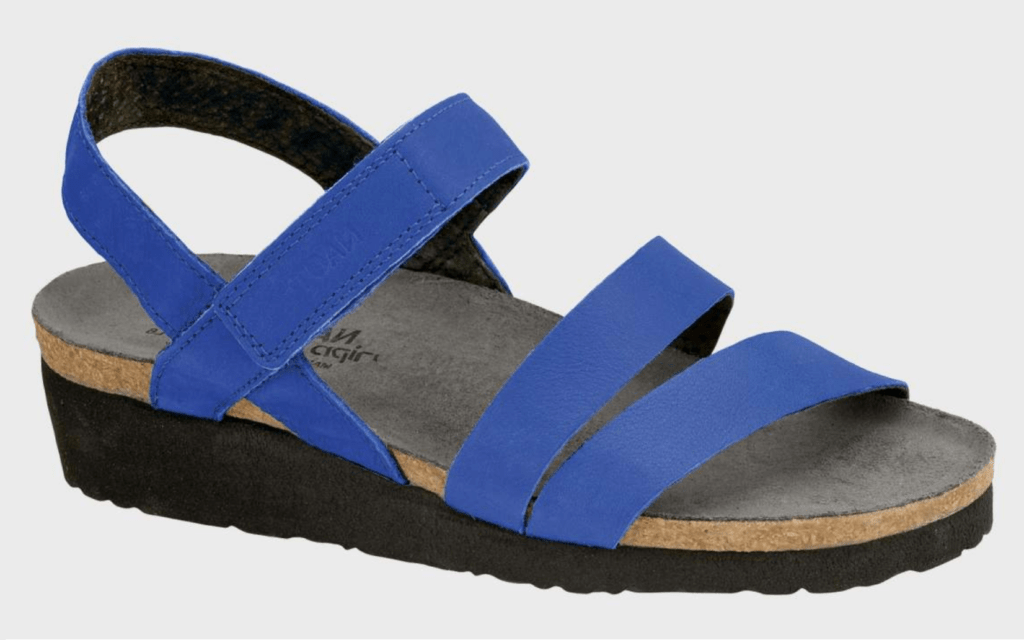
Kayla Sandal by NAOT

Kayla Sandal by NAOT

The Kayla sandal by NAOT is a three-strap sandal featuring a hook & loop strap at the instep and a backstrap for enhanced stability and support. The anatomic cork & latex footbed, wrapped in plush suede, molds to the foot’s contours over time. 

This sandal is also available in a wide-width option. NAOT has earned the American Podiatric Medical Association (APMA) acceptance for promoting good foot health.

Skechers Meditation Luxe – Modern Event

Stay comfortable and chic with these Skechers sandals. This vegan thong sandal has a pretty scalloped synthetic upper adorned with rhinestones, a customizable backstrap, and a cushioned Arch Fit® footbed for unparalleled support.

Teva Midform Universal Knotted Sandal

The knotted sandal is your versatile summer slingback, perfect for any occasion, whether casual or chic. Available in neutral tones that complement any outfit. this essential warm-weather sandal features a plush topsole for lasting comfort throughout the day.

Reader Recommended Sandals 

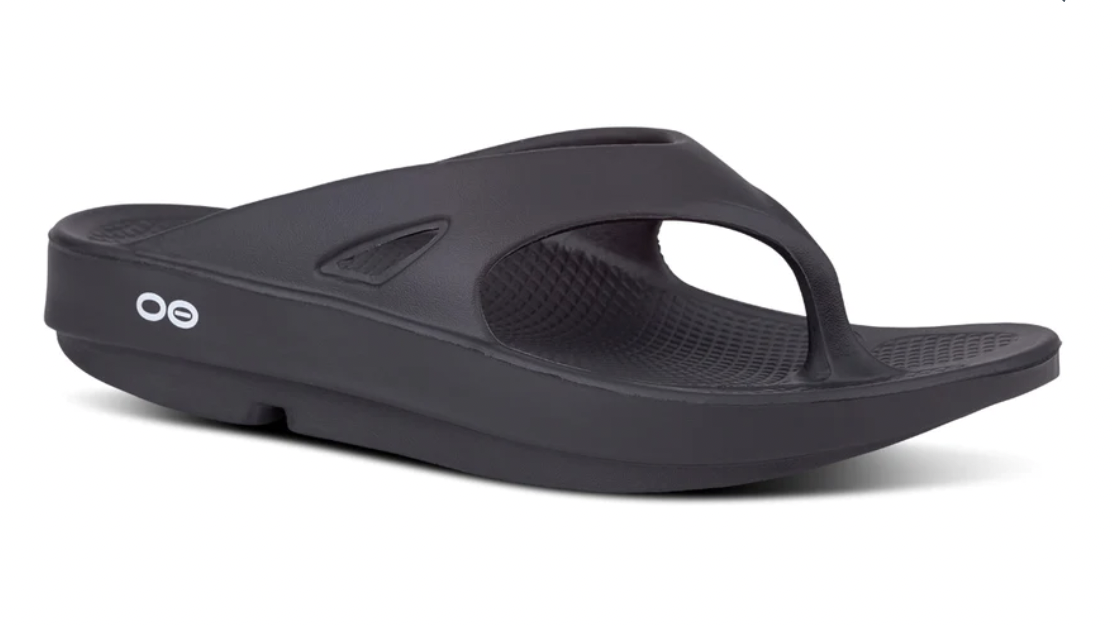
OOFOS Original Sandal

OOFOS Original Sandal

Valerie and Joella swear by their OOFOS. Valerie says that “They conform to my feet and feel like walking through Jello, but still with good support.” 

Spenco Women’s Yumi Sandal

Spenco Women's Yumi Sandal

Another Sixty & Me reader, Peggy, recommended Spenco sandals. These sandals have helped with her plantar fasciitis. 

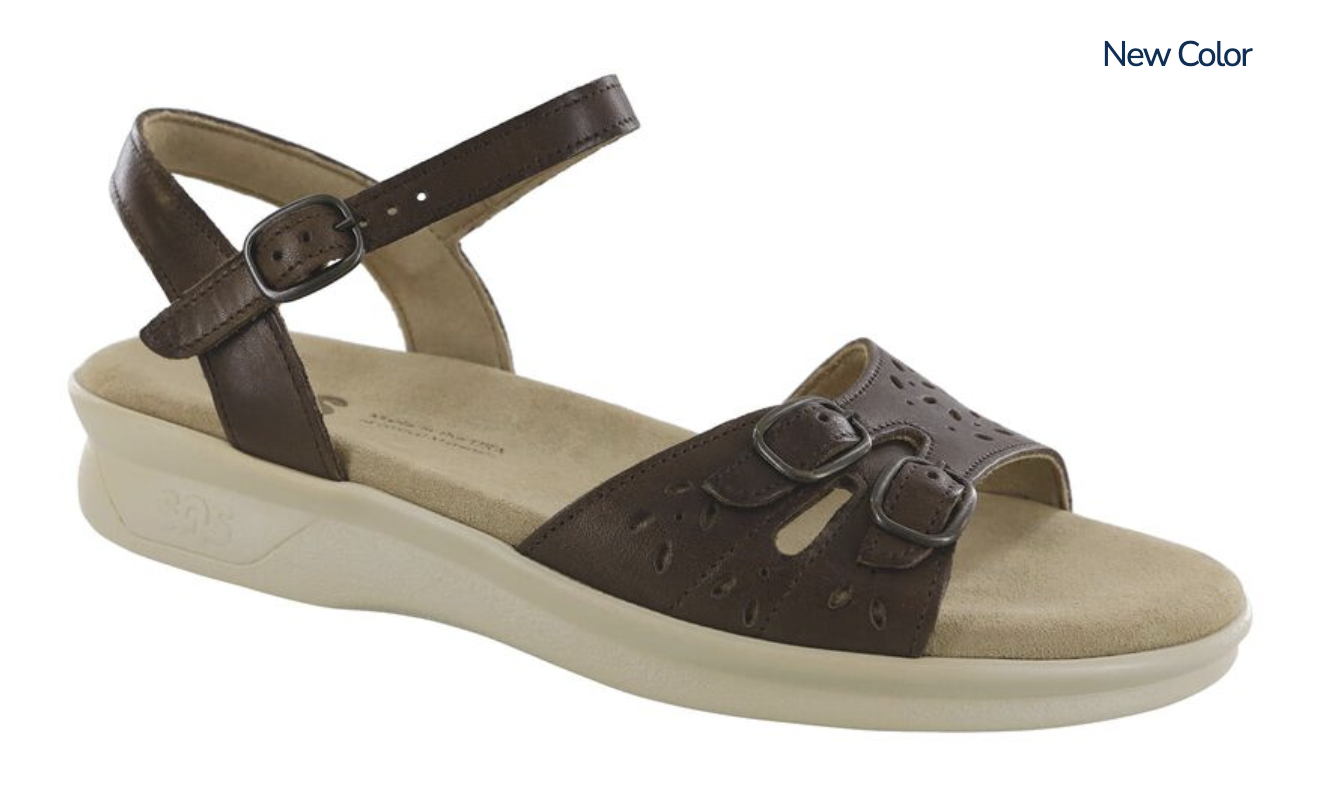
SAS Duo Quarter Strap Sandal

Linda suggests SAS Duo Quarter Strap Sandals. She says that they are incredibly comfortable and have great cushioning while still providing support.

Thanks for all the recommendations!

Let’s Have a Conversation:

Do you like wearing sandals? Which style is your favorite? Do you have another favorite sandal to share with the community? Let’s have a conversation!

Read More

Permanent Weight Control After 60: The Simple Truth We Keep Trying to Avoid

Permanent Weight Control After 60 The Simple Truth We Keep Trying to Avoid

Most of us have heard so many diet theories that weight control can begin to sound mysterious. Low carb. Low fat. Fasting. Cleanses. Special foods. Magic supplements. No eating after 7 p.m. Eat like a caveman. Eat like a movie star.

After a while, it is easy to feel that permanent weight control must be complicated.

I don’t believe it is.

The Basic Truth Is Simple

Body weight is controlled by calories in versus calories out. If we take in more calories than our body burns, we gain weight. If we take in fewer calories than our body burns, we lose weight. If the two are about equal, our weight stays about the same.

That may not be glamorous, but it is the foundation of permanent weight control.

This does not mean everyone’s body is exactly the same. Age, hormones, medications, sleep, muscle mass, stress, and medical conditions can all affect appetite and metabolism. But none of those things eliminate the basic rule. They may make weight control easier or harder, but they do not cancel calories.

Food vs Exercise

One reason many people struggle is that we overestimate the role of exercise and underestimate the role of food.

Exercise is wonderful. I believe in it strongly. Walking, strengthening the legs, keeping balance, improving circulation, maintaining muscle, and staying active are all important after 60. Exercise helps us feel better, move better, age better, and live better.

But exercise is usually not the controlling element in weight loss.

It is much easier to eat 300 extra calories than it is to burn 300 extra calories. A cookie, a muffin, a handful of nuts, a sweet coffee drink, or a second helping can add calories quickly. Burning those same calories may require a long walk or a serious workout.

That is why many people say, “I exercise every day, but I still can’t lose weight.”

They may be exercising, but they may also be eating enough extra calories to cancel the exercise.

This is not a criticism. It is simply how the body works.

What Permanent Weight Control Looks Like

Permanent weight control usually requires a permanent eating pattern, not a temporary diet. A diet is something people “go on” and then “go off.” That is why so many diets fail. The weight may come off for a while, but if the old eating habits return, the old weight usually returns too.

The better question is not, “What diet can I tolerate for six weeks?”

The better question is, “What way of eating can I live with permanently?”

For many people, the answer is not severe restriction. It is awareness, consistency, and modest changes repeated every day.

A person may begin by reducing portions slightly. Or by cutting down on sweets. Or by avoiding second helpings. Or by replacing high-calorie snacks with lower-calorie choices. Or by eating more slowly and stopping before feeling stuffed. Or by keeping tempting foods out of the house most of the time.

Small daily changes can become powerful because they are repeatable.

It Isn’t About Punishing Yourself

After 60, I believe it is especially important not to turn weight control into punishment. Food is one of life’s pleasures. A good meal, a favorite dessert, or a celebration with family should not become a source of guilt. The goal is not perfection. The goal is control.

Control means we decide what we eat instead of letting habit, emotion, boredom, or convenience decide for us.

It also helps to be honest about “little extras.” Many calories hide in foods we do not think about: butter, salad dressing, sauces, crackers, cheese, wine, candy, pastries, sweet drinks, and snacks eaten while watching television. None of these is evil. But they count.

The body counts calories whether we count them or not.

  • If my weight is going up, I am probably taking in more calories than I am burning.
  • If my weight is staying the same, I am probably eating about what my body burns.
  • If I want my weight to go down, I need a modest, steady calorie deficit that I can maintain.

That is the heart of it.

Finally

Exercise should still be part of the plan. It helps preserve muscle, strength, independence, and confidence. But for most people, the kitchen has more control over body weight than the gym.

A wise plan after 60 is not to starve, punish, or exhaust ourselves. It is to create a way of eating that is enjoyable, reasonable, and slightly lower in calories than what caused the weight gain.

Permanent weight control is not magic. It is not a secret. It is not found in the newest diet trend.

It is the daily balance between what we take in and what we burn.

Once we accept that, we can stop chasing miracles and start making calm, sensible choices that work for the rest of our lives.

Over to You:

Where do you struggle with body weight? Do you diet often? How many different diets have you tried? Have you tried a balanced, controlled food intake that brings calories down?

Read More

Loading