Month: December 2020

The Best Setting Sprays For Blemish-Prone Skin Types

If you suffer from chronic breakouts, or just a blemish here and there, you’re probably critical of the skincare and foundation you put on your face. Non-comedogenic (read: non-pore-clogging) and oil-free formulas are usually sought after labels for those with any type of breakout-prone skin. Setting (and priming) sprays are ambiguously classified in the not-skincare but not quite makeup arena, but these makeup-extending products are often an under-looked culprit causing breakouts, irritation, and clogging pores. So, we went on a quest in search of a solid setting spray for blemish-prone skin.

Many popular and high-end setting sprays contain coconut oil, which, according to a decent body of clinical research, can clog pores and therefore, lead to breakouts, blackheads, and extreme texture. Another common breakout-inducing factor to consider when looking for a safe setting spray is the type of finish it offers. Generally speaking, mattifying formulas will not only extend the wear-time of your makeup for much longer than dewy versions, but it will also help keep oil at bay, which can, in turn, prevent clogged pores, blackheads, and milia from cropping up — especially during the humid and sweaty summer months.

If you prefer to stick to all-natural options, selecting a spray with anti-inflammatory properties, such as a spritz infused with rosewater is a great preventative measure that doesn’t pose the risk of irritation. Now, if you’re sensitive and prone to pimples, there are also some other key ingredients you’ll want to avoid to prevent flare-ups: silicones, synthetic fragrances, essential oils, and cocoa butter. We’ve rounded up some reliable setting sprays that will keep your makeup intact all day long, without the risk of causing an unsightly breakout the following day.

Read More

Prone to Getting Greasy During The Day? Replace Morning Moisturizer With Overnight Masks

If you’re like me and plagued by oily skin year-round, you know that keeping grease at bay is not exactly an easy feat. Sure, you can commit to perpetually toting around blotting sheets and finishing powders to touch-up unwanted your “glow” everywhere you go, but frankly, having to pull out a mirror every hour or so just isn’t conducive to living your best life. There’s no shortage of shine-reducing powders and ultra matte foundations that will certainly keep excess oil at bay, but before you become tempted to take your oil-controlling endeavors to the next level and forgo the moisturizing step in your skincare routine altogether, allow me to share this beauty hack that a makeup artist shared with me years ago.

When I asked her for her oily-skincare favorites on a humid day in Wisconsin (when the swampy atmosphere had reached its unbearable peak) she offered a different solution than I’d expected. Instead of suggesting the obvious oil-free moisturizer or matte SPF, she advised that I go a little extra for my nighttime skincare, with a richer moisturizer at night, which she promised would allow me to skip it the next day completely.

You see, neglecting to hydrate your skin completely can actually result in increased oil production because your skin feels compelled to try to compensate for the lack of moisture to keep it balanced. However, it is undeniably true that even using an oil-free SPF or moisturizer during the day can leave you feeling the need to blot just hours after you apply your skincare and/or makeup. One way to make sure your skin stays supple and nourished without risking a slip-and-slide makeup disaster is to use a richer overnight mask while you sleep, as I was advised (yes, this method actually works). This extra delivery of hydration will have you waking up with soft skin that feels plump and makeup-ready without the need to apply additional creams to prep. We’ve rounded up a few of our favorite night-time hydrators to keep oily skin healthy, without risking excess grease the following day.

Read More

4 Things Most People Don’t Get About Loneliness After 50

myths-about-loneliness-after-50

Many Sixty and Me articles discuss loneliness and the myths that go along with it. Here is another light shed on that topic.

Feeling Alone and Lonely is Highly Individual

I encountered loneliness in my late teens. Even though I was born into a large family and connected with friends through school and university, I felt the acute existential loneliness that comes with an inquiring mind.

As I explored the meaning of living and practiced techniques for emotional and spiritual happiness, I found that my loneliness wasn’t tied to having or not having intimate contacts. It was true that my intimate relationships fulfilled me enough most of the time to not feel lonely.

However, at times I felt deeply lonely living with loving people. At other times, I felt totally connected when hiking solo, and I felt totally happy and connected alone at home. Am I an exception to the norm? I don’t think so. The many different reactions people have to being alone indicates that the feeling of loneliness is a highly individual one.

“But you will cease to feel isolated when you recognize, for example, that you do not have a sensation of the sky: you are that sensation. For all purposes of feeling, your sensation of the sky is the sky, and there is no ‘you’ apart from what you sense, feel, and know.”

—Alan Watts, The Wisdom of Insecurity

Mindfulness Can Help to Resolve Loneliness

At the time when I had lost my husband of 20 years I felt out of balance, vulnerable to the point I couldn’t stand to be around others. To cope with the pain, I felt inside me; I went back to practicing meditation.

I sat down on my cushion, wrapped myself in my blanket and started watching my breath and the sensations in my body. After doing that for a while I felt held, wrapped in the arms of my own attention.

I no longer felt alone, lost and vulnerable. The change in how I felt was so radical that I put two and two together. Mindful attention in the moment, I realized, was the essence of connection.

Living Alone and Being Happy

We are social creatures; we reach for others in the hope of getting their attention. Throughout the ages, being part of a social structure has meant survival. In our wealthy Western society that premise is no longer true. Our systems of survival are being automated more and more by the day. We can live alone and survive. Can we live alone and be happy?

Tools for Living Alone

I’ve found that by filling my time with activities and people that require mindful attention I have safeguarded my happiness. I spend some time meditating to sharpen my mindfulness abilities. Creative endeavors also put me in the Flow, a state of absorption similar to a meditative state.

I connect actively with nature, which creates a sense of belonging to something bigger than me, bigger than the vicissitudes of daily living. And yes, I spend time with people who can give and take attention and caring. Living alone has become a choice, a way to explore myself in ways I never could in a daily partnership.

Living alone has given me the tools that I need to avoid feeling lonely.

What activities help you to feel totally connected to life? Which ones are your flow activities? Do you find that meditation helps with loneliness? What are your thoughts on living alone and being truly happy? We invite you to join the conversation.

Read More

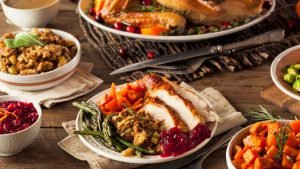
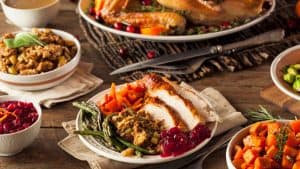
5 Nutritious Holiday Food Choices You May Not Have Considered

thanksgiving holiday meal

With the holiday season fast approaching, you may be feeling despair at the thought of facing all those tempting foods you so love. But you needn’t gain weight or eat foods with zero nutritional value.

The key is to make the best choices from the array of dishes spread out before you. Here are five foods often found in holiday meals that are actually quite good for you.

Apples for Crunch and Nutrients

It’s always a good idea to reach for any dish containing fruits or vegetables. The common apple is one fruit often transformed for the holidays into sweet treats or included for crunch in salads. While the first isn’t so great, the second choice is excellent.

Be sure to look for apples with the peel still on, since that is where the largest concentration of nutrients is found. And choose red over green when possible, as the red-skinned apple varieties contain anthocyanins, a photosynthetic pigment which is a powerful flavonoid that helps protect the body against disease.

Apples are a good source of fiber, vitamin C, and antioxidants (phenols and flavonoids). They also have phytonutrients (polyphenols and flavonols). Phytonutrients are chemicals found in plants that provide health benefits and they are particularly dense in apples. This structure provides a strong antioxidant benefit which aids cardiovascular function, helping to decrease the amount of bad, or LDL, cholesterol and triglycerides in the bloodstream.

And even though apples are considered “high carb” they can help regulate blood sugar and slow down the body’s absorption of other carbohydrates and glucose. In addition, the flavonoids found in apples stimulate insulin production in the pancreas and insulin receptors in the cells.

Whole Cranberries for Antioxidants

This is the season when you will find fresh cranberries stocked in the produce aisle of your local market. Take advantage of them now, perhaps buying enough to use in a holiday dish along with a few extra packages to stick in your freezer.

Don’t buy cranberry juice or canned cranberry sauce – unless it’s the whole berry variety – because, just like the apple, the skin is where the nutrients are packed in.

One cup of fresh, whole cranberries provides 5 grams of fiber, along with healthy doses of manganese, vitamin C, vitamin E, copper, vitamin K and pantothenic acid. Cranberries are packed with antioxidants, second only to blueberries. They are also a top source of phytonutrients that provide anti-inflammatory, antioxidant and anti-cancer benefits for the human body. Read more here.

Pumpkin Is for More than Pies

Hopefully you can find more than just pumpkin pie in the spread of food on your holiday table. Pumpkin bread, pumpkin seeds – in salads or used as a crust for other vegetables or meats – and roasted chunks of pumpkin are all nutritious choices to complement a holiday meal.

In one cup of cooked pumpkin you will find a minimal number of calories with a good amount of protein and fiber. Pumpkin is a great source of vitamin A, vitamin C, vitamin E, riboflavin, potassium, copper and manganese as well as fair amounts of thiamin, vitamin B6, folate, pantothenic acid, niacin, iron, magnesium and phosphorus. That’s a lot of nutrition packed into one small cup of squash!

All these nutrients provide an antioxidant effect in the human body, which helps lower blood pressure, prevent degenerative eye diseases and support good heart health. The beta-carotene found in pumpkin, as well as other orange-hued vegetables, offers protection against heart disease, asthma, certain types of cancer and helps to delay body degeneration due to aging.

Pumpkin’s high potassium levels reduce the risk of stroke, muscle mass and bone density loss and the formation of kidney stones. One more bonus to eating pumpkin is its immunity benefit, due to the high vitamin C and beta-carotene levels.

Pick Sweet Potatoes over Yams

Sweet potatoes are another nutrition-dense food you are likely to find on the holiday table. Skip the sugar-coated casserole topped with marshmallows, however, and opt for the roasted variety or perhaps a salad that combines greens and nuts with this healthy tuber.

If you have a choice between pumpkin pie and sweet potato pie, opt for the latter, which is likely to have a bit less sugar but a lot more vitamin A and vitamin C. For a delicious, savory side dish that includes sweet potatoes, onions and apple cider, try this recipe for Sweet Potato, Cheddar and Cider Gratin.

Don’t confuse sweet potatoes with yams, however, as they are two different vegetables. In the U.S., you are much more likely to find sweet potatoes in the grocery store, even if the bin is labeled as “yams.”

Sweet potatoes are very similar, nutritionally, to their “cousin,” pumpkin. In one cup, you will find more calories (180 as opposed to 49), but its superior nutritional value more than makes up for it. In fact, that one cup of sweet potatoes contains over 200 percent of the RDA (Recommended Daily Allowance) of vitamin A as well as impressive amounts of vitamin C, manganese, copper, pantothenic acid, biotin, potassium, fiber, vitamins B6, B3, B1 and B2 and phosphorus.

The presence of all these nutrients means that sweet potatoes have excellent antioxidant and anti-inflammatory properties as well as blood sugar regulation. Even though they are high in carbohydrates and natural sugar, giving them a high glycemic index rating, sweet potatoes actually even out blood sugar levels.

In addition to all these great health benefits, sweet potatoes have antifungal and antibacterial properties. Next time you suffer from a superficial cut, try applying a slice of sweet potato!

Turkey: White Meat and Dark

What holiday dinner would be complete without turkey? When it comes to a choice between ham and turkey on the holiday table, turkey wins hands-down as far as popularity, and with good reason. It is the healthier choice, by far, in terms of fat and calories, and it is extremely versatile as a leftover.

In about half a cup of turkey you will find 125 calories in white meat or 147 calories in dark meat without skin – not enough to make a big difference so go ahead and enjoy either. Note that dark meat is more nutritionally dense.

That half cup of turkey also has 2 grams of fat (white)/5 grams of fat (dark); 0 grams of carbs; 26 grams of protein (white)/24 grams of protein (dark); good amounts of vitamins B6 and B12, niacin, selenium, choline and zinc. There is tryptophan – but not enough to put you to sleep. In fact, all meats have some level of tryptophan.

The high amount of protein in turkey as compared to low levels of fat means that it has the ability to fill you up while stabilizing insulin levels and maintaining lean muscle mass. This makes it a good choice for diabetics.

Enjoy Your Holiday Meals

The holiday season only comes once a year and by all means, you should enjoy it. But instead of indulging in every dish at once, try to have a little restraint and make healthier choices. You will feel much better after the New Year is rung in and you are left with distant memories of buffets and parties and holiday events.

What special treats do you have planned for your holiday meals? Which of these holiday super-foods do you include in your celebrations? Do you have any special family recipes? Please share!

Read More

Tayshia Adams’ Pink Satin Lace Trim Robe

Tayshia Adams’ Pink Satin Lace Trim Robe on The Bachelorette

The Bachelorette Season 16 Episode 12 Fashion

(*Cue Chris Harrison voice*) This week on The Bachelorette Tayshia Adams’ journey comes to an emotional end. However lucky for us no tears need to be shed over her pretty pink satin lace trim robe considering it’s still up for grabs and ready for you to give your final rose credit card transaction of the season to.


Fashionably,

Faryn


Tayshia Adams’ Pink Satin Lace Trim Robe

Click Here to Shop Her Flora Nikrooz Robe

Originally posted at: Tayshia Adams’ Pink Satin Lace Trim Robe

Read More