
Month: September 2021

A 21-Day Journey to Unlock the Power of Gratitude

unlock gratitude

How often have you wondered what your life would look and feel like if you could magically bottle up a moment’s worth of joy and fulfillment to experience all the time?

Some will say this is not possible. What if it is?

In my personal life experiences, coupled with over a decade of research into what it takes to liberate yourself from myths, rules, and limiting beliefs about what you can do, be, and have, I kept coming back to gratitude as the key to unlocking sustainable joy and fulfillment.

You have likely heard or read about how powerful and liberating gratitude is. Yet, as someone who has spent most of my life learning the fine art of practicing it, I will admit, at times it is not as simple as it sounds.

With a 21-day affirmation, I will share with you how to gracefully ease into the practice of sustaining your sense of joy and fulfillment through gratitude. To get started, let us re-establish and re-frame what gratitude is and how it shapes our perception of life.

Where Do You Start Loving Your Life?

When it comes to gratitude, the first place to start is where you are right now. This precise moment in your life is worthy of celebration – is it not?

What if the idea of feeling good about yourself seems like a cruel fantasy when you take into consideration the current state of the world or what others are telling you is possible, based on your age?

Sustainable joy and fulfillment are very real possibilities when you allow yourself to realize that today you are the youngest you will ever be. Therefore, where do you start loving your life, and loving who you are but from a genuine place of gratitude for where you are right now.

What Does Gratitude Do for You?

Author Maya Angelou once famously wrote, “When you know better, you do better.” What you know at this stage of your life gives you the freedom and creative license to enjoy more of life on your terms than perhaps you allowed yourself in the past.

This is where the power of gratitude is tapped into, amplified, and sustainable.

Gratitude melts away the burden of fear and dissolves limiting beliefs because it reframes your perception of life, from the inside out. Gratitude also creates a more joyous set of experiences for yourself and those you love.

You may agree with this, but when you look in the rearview mirror at your past, you might perceive a time from your youth as being far better than where you are now. Or you may see a past filled with pain and disappointment, which could affect your willingness to be grateful for your life today.

What these two examples have in common is that they separate you from your present moment, which creates unsatisfying feelings based on lack. Therefore, the more you practice gratitude, the more you look at your past through a new, healthy lens of appreciation.

The 21-Day Affirmation Journey

Changing how you view your past reframes your perception of gratitude in the present. It removes the pain of past mistakes and acknowledges that you not only know better at this point in your life, but you are doing better.

This is less about pretending you are happy and more about no longer viewing your mistakes or lack of perfection as signs of not being good enough just as you are.

To further reinforce your worthiness for a life of sustainable joy and fulfillment, I invite you to say the following affirmation to yourself for the next 21 days.

I am grateful for my life.

I am valuable.

I am appreciated.

I am acknowledged.

I am loved.

I love back.

I play and laugh.

I enjoy being me.

I am good enough.

In order to for these words to take root into your subconscious and reprogram any lingering feelings of disappointment, I invite you to say the affirmation three times in a row, three times a day for the next 21 days.

I encourage you to say these words out loud and allow yourself to arrive at an empowered state of being where you see yourself embodying them, knowing they are absolutely true for you.

How have you used the power of gratitude so far? How has it helped you reframe your mind? What was your life like before you embraced practicing gratitude?

Read More

Downsizing Your Home After 60? Get Ready to Live!

Downsizing Your Home After 60

I had just finished a book reading at a local bookstore, and the first question came from a man who was sitting toward the back of the room. He shared that he had begun a “small downsizing,” and that the first question he got from a neighbor was, “Are you getting ready to die?”

Everyone in the room laughed, as did I. And then I said, “Well, what you might have said to him was ‘Actually I’m getting ready to live.’” Everyone went, “Oooooooooo!” It was one of those moments when you thank whomever you give thanks to for providing that kind of answer to you at that moment.

Downsizing Your Home Is Certainly Not All Sweetness and Light

If you’re getting ready for a major downsizing of your home, does that feel like too much of a stretch? If so, I completely understand. In my book, The Upside of Downsizing: Getting to Enough, I talk about the emotional journey I took as I did a huge downsizing of my home.

It most definitely was not all sweetness and light and feelings of liberation. It often was hard and exhausting and painful and sad. And that’s not to be overlooked or minimized. And yet…

And Yet, Enough

When I got to my new, much smaller apartment, I realized I had enough. I had enough space. I had enough stuff. Having gone from a 2000-square foot house to an 800-square foot apartment, and having gotten rid of piles and piles of stuff – some of it very important to me – I knew I had enough.

A Very Freeing Feeling

It was a very freeing feeling! I didn’t need all that stuff piled up in the garage. I didn’t need all of the clothes and coats and socks and t-shirts squeezed into closets and drawers. I was absolutely fine with what I had.

Including enough space.

I didn’t need any more rooms. I didn’t need any more closets. I had enough of everything. Was it easy? No. Was it freeing? Yes. In retrospect, and thanks to the man in the audience that night, what I now realize I am is free to live in a new and different way.

Now a Careful Shopper

What have I noticed so far? Well, I buy much less than I used to, and I’m much more careful about what I do get.

For example, one of my very favorite things to do is go to art and wine festivals in the late summer. If you haven’t been to one of these festivals, most last a weekend and involve booth after booth of things people have made or unique products that often are hard to find in stores.

It’s fun to grab a drink and wander among the booths, “window shopping” without the windows. Inevitably, while doing this, I have found all sorts of things I didn’t really need but thought it would be fun to have. Or very often, I would find what I thought would be the perfect holiday gift for a friend.

Now a Looker Rather Than a Shopper

That has all changed now. I still like to wander around and look at things, but I usually don’t buy anything because I have no place to put it when I take it home.

As for presents, most of my friends and I have agreed to give each other a great big hug for a present instead of yet one more thing neither of us needs.

I also notice that, although I sometimes miss my big yard and garden, especially in the spring when it’s time to plant, it is a relief not to have to worry about taking care of the yard and trees and critters who inevitably get in and eat things.

Downsizing Your Home = Easy to Get Up and Go

It also is much easier to get ready to travel and not have to worry about getting things watered and looked after. Now I just water the plant on the balcony, tell the cat sitter to water it once while I’m gone, then lock the door and leave. For those of you who like to travel, this is incredibly freeing.

I foresee a time when it will be easier to find things because there are fewer places to look! I can’t say this has happened yet because it’s too soon after I moved, and I’m still looking for where I or someone else put things while we were unpacking.

I’m sure this will happen at some point, however, and that will be a relief because most of us don’t like to spend time looking for something we can’t find.

Have you considered or gone through downsizing? What ways have you found to prepare for life afterwards? These are some of mine. I would love to hear the story of your post-downsizing experience in the comments below.

Read More

How to Cope with the Suicide of a Loved One

coping with loved one's suicide

Although suicide isn’t a subject most of us like to talk about, the fact is that September is National Suicide Prevention Month. Suicide is an issue that has been occupying my mind for more than five decades. It all began when I was 10 years old and my grandmother took her life in my childhood home – her bedroom was next to mine, and I’m the one who found her.

How Can We Know?

Ironically, my grandmother took her life on Labor Day weekend in 1964. She was caring for me when my immigrant parents went to work. Although her death certificate never specifically stated suicide, it did say that she died from an overdose of sleeping pills.

I suppose I’ll never know the whole truth, but what I did learn after reading her diary years later was that she’d been depressed prior to taking her life. Unfortunately, depression, other forms of mental illness, and substance abuse are common precursors to suicide.

Back in the 1960s, there was little talk or awareness about the warning signs of suicide. Today, there’s a push to raise public awareness about the topic, and also to connect survivors with postintervention services.

In pre-Covid-19 times, there was a large national event held in cities across America called The Out of Darkness Walk, which was a fundraiser geared to suicide awareness. My hope is that it will return in the years to come.

Writing Helped Me Cope

When my grandmother died, my mother gave me a journal so I could write down my feelings. I discovered at an early age that writing helped with the healing process. Children tend to be quite resilient, but as I grew older and when I found my grandmother’s diary, I had many questions about why she took her life.

In fact, I began to miss her more and more the older I got. I was so sad that she was never able to share my growing-up years with me. However, I was grateful for all the time I did get to spend with her, and for everything she taught me.

She encouraged me to follow my passions, always dress nice, and take the high road. I can only imagine what other lessons she would have imparted to me. To help me further understand her life and death, and to honor her, I wrote my first memoir, Regina’s Closet: Finding My Grandmother’s Secret Journal.

Other Tools to Heal from Loss Due to Suicide

If you’ve had a friend or loved one who committed suicide – whether you feel the agony of guilt or not – there’s no doubt that you’ll need certain tools to help you heal from this type of loss. Here are some that might offer you comfort:

Try to Live in the Present Moment

Accept what happened, and trust that with time, everything will fall into place. Do mindful meditation and relaxation exercises, which include deep breathing. This is especially important in the early-morning hours and before going to bed at night.

Seek Support

Speak to friends, family members, therapists, or spiritual advisers. The more you reach out for assistance, the easier it will be to heal. Many people use social media as a support system, as it helps them feel encircled by the thoughts of caring individuals. Be in the company of those who make you feel better rather than those who bring you down.

Write Down Your Thoughts

There’s nothing like journaling to allow your feelings to flow. You might also consider writing a letter to the deceased loved one, expressing what you feel.

Engage in Fun or Relaxing Activities

Consider doing whatever distracts you – whether it’s being in nature, going to a movie, getting a spa treatment, reading your favorite book, writing letters, or participating in an athletic activity. Follow your heart.

Practice Self-Care

This means being mindful of what makes you feel good, but it’s also about eating balanced meals and being sure you get enough exercise.

Be Patient with Yourself and Others

Healing from grief takes time. It’s important to cry when you feel like crying, and sitting and contemplating when you feel like contemplating. As time goes on, you’ll develop a greater sense of peace and acceptance.

Remember, no one is an island. When we’re experiencing deep emotional pain, we must reach out and seek the help of those who are able to be our guiding lights.

Have you experienced the loss of a loved one due to suicide? What were your initial thoughts? How did you cope with the loss? What tools helped you the most?

Read More

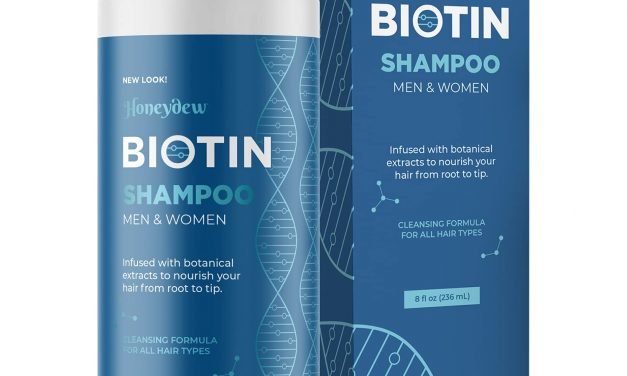
Shoppers Swear This $10 Shampoo Leads To ‘Thicker, Fuller, Better Looking Hair’ In Just A Few Weeks

When it comes to hair regrowth, shoppers flock to biotin-rich shampoos and conditioners to help build fuller and more voluminous locks. There are dozens and dozens of brands that tout life-changing results from their products, but it seems only one has caught the eye of Amazon shoppers: Honeydew’s biotin shampoo.

The $10 hair product has garnered more than 20,000 perfect ratings and somehow has maintained a solid 4.3-star rating. Shoppers have gone so far as calling it a “miracle shampoo.” One reviewer wrote that it stopped their locks from falling out during showers after just one use.

“It has now been less than two weeks, I’ve used it like three or four times, and I have new hair sprouting like new grass in my thinning spots,” the shopper wrote. “Anyone who is on the fence as to whether they should try this shampoo should! I’m almost laughing. I have baby little blonde hairs sprouting up this fast. And my hair, how it feels and smells, it’s unbelievably fabulous.”

Our mission at STYLECASTER is to bring style to the people, and we only feature products we think you’ll love as much as we do. Please note that if you purchase something by clicking on a link within this story, we may receive a small commission of the sale.

Honeydew Biotin Hair Shampoo for Thinning Hair

Courtesy: Honeydew.

Biotin, a B-vitamin in foods beloved for their healthy and enriching fats like salmon, sweet potatoes, and eggs, is just one of the mighty ingredients in this shampoo. Other hero additions include zinc and keratin. According to Healthline, zinc “helps keep the oil glands around the follicles working properly,” thus helps hair tissue regrowth and repair. And, of course, the keratin protein is known for smoothing out and conditioning hair. Think about it: the smoother locks you have, the less tangles you get, and the less breakage you’ll experience trying to get those straightened out.

Thousands of shoppers with different hair textures and concerns swear by Honeydew’s shampoo. In the reviews, it’s easy to spot people commenting about how transformed their colored hair, dried-out hair, or curly hair is after each use. (It’s important to note that there are no concrete studies regarding biotin and its ability to regrow and restore hair—there’s only anecdotal evidence from shoppers who swear by the vitamin-rich products in which it’s in.)

One shopper, who identified as an African-American woman with 4C hair, wrote that she “used this shampoo for the first time yesterday, and my hair and scalp feels amazing.” They continued saying that, aside from the sections of severely heat-damaged locks, “this shampoo saved the rest of my hair.”

Another added to all of the acclaim, writing that the shampoo resulted in “thicker, fuller, better looking hair within 1-2 weeks” of use. To get the best out of every bottle, lather a quarter-sized amount into your wet locks. The brand recommends leaving it in for up to three minutes so that it can fully absorb, then rinse it out. If only everything in life was this easy.

Read More

Why Quality Sleep Is the First Step Toward Chronic Pain Management Over 60

Quality-Sleep-Is-the-First-Step-Toward-Chronic-Pain-Management-Over-60

Over half of the adult population 60 and above experience chronic pain. Chronic pain is defined as any pain lasting longer than three months and is a very different experience for your brain than acute pain. 

Unfortunately, chronic pain can have lasting implications on brain health in older adults and can even increase the risk of developing dementia.

One of the most common problems we hear from our clients living with chronic pain is how their sleep suffers. Chronic pain creates a vicious cycle of disrupted sleep in which lack of sleep causes heightened sensitivity to pain. Increased pain will impair your ability to sleep, and the cycle continues.

Disrupted sleep is yet another risk factor for dementia, so it’s critical to address lack of sleep if you are living with chronic pain. Sleep is also necessary for your body’s ability to heal and recover from the pain you’re experiencing.

There are many reasons why you might not be sleeping well, from struggling with falling asleep in the first place to waking up too frequently throughout the night.

If you are struggling to sleep, you’ve come to the right place!

What You Need to Know About Sleep

Good quality sleep is a basic human need that tends to be overlooked in the discussion of health and wellness. When was the last time you talked to your medical provider about a new health problem you are experiencing, and they asked about your sleep habits?

According to the Centers for Disease Control and Prevention, nearly 19% of adults in the US report not getting enough rest or sleep! This is a huge number of people, and, compared to other lifestyle changes that can improve your health, this is the lowest hanging fruit.

While our primary goal as therapists is to teach our patients how to move better, we can’t make meaningful progress without the foundations of good health in place. Improving your sleep is an essential first step toward better health, whether you have chronic health conditions or not.

What Is Sleep Deprivation?

As we mentioned above, there might be more than one reason you aren’t getting the sleep you need to feel your best. Any combination of these reasons can lead to sleep deprivation.

Sleep deprivation occurs when you either don’t get enough sleep total, sleep at the wrong time of day, or don’t get good quality sleep. Adults who experience sleep deprivation may report not feeling refreshed when they wake up and feeling tired throughout the day.

The negative effects of sleep deprivation are detrimental throughout your day from start to finish! As stated above, lack of sleep can impair brain and physical function, leads to loss of productivity and has even been linked to early risk of death.

Sleep deficiency is associated with high blood pressure, diabetes, stroke, heart disease, and depression. Starting to get the picture on why sleep is so important?

Now that you understand the WHY, let’s talk about where to start to get your best night’s sleep on a regular basis!

Your Ideal Sleep Environment

Everyone has what we call an ideal sleep environment. This means that your space is set up to facilitate better rest and that both your nightly and morning routines set you up for success.

Step 1: Create Your Ideal Night Routine

Establishing a pre-bedtime routine is the most important component of a good night’s rest. Going through the same motions before you go to bed every night will let your body know that it is time to rest. Create a routine that promotes rest and relaxation close to your chosen bedtime.

Start by spending just a few minutes preparing for the following day to help your morning run smooth. This step will allow you some peace of mind knowing you are prepared for the following day, so you are not thinking about it during the night.

The next step is focusing on a routine that tells your body and mind to relax. A light stretching routine before bed might help to relax you, but avoid a vigorous workout that might keep you awake.

Also, avoid watching TV or looking at a phone within 30 minutes to an hour of going to bed as the light from the screen can alter your circadian rhythm.

Avoid keeping any screens in the bedroom that may tempt you before bed or during the night. Instead, try meditation or journaling prior to bed (I highly recommend a guided app like Headspace).

Set a schedule to go to bed at the same time every night and stick to it. That way your internal clock will set itself. The first few days of this might be difficult, but don’t give up too soon! It might take some adjustment over a few weeks to find your ideal time to go to sleep.

And finally, create an environment that is a comfortable temperature with soft lighting to let your body and mind calm down for the night.

Step 2: Improving the Quality of Your Sleep

Experts can’t seem to agree on the ideal amount of sleep for everyone. Some will say you need at least seven or eight hours while others might do fine with six hours. It may take some trial and error, but you’ll figure out the right amount of sleep to wake up feeling refreshed.

Make sure your bedroom is dark and quiet enough to promote rest. Again, keep your room at a comfortable temperature for you. If you find yourself waking up throughout the night and having trouble falling back to sleep, avoid watching TV or scrolling through your phone.

Don’t focus on the time or stress yourself out over not getting enough sleep. Try focusing on your breathing until you fall asleep again.

Step 3: Create Your Ideal Morning Routine

Believe it or not, what you do with the first few hours of your day impacts your sleep the following night. Try setting a usual wake up time and stick to it every day, just like you stick to your bedtime.

It’s easier to wake up feeling refreshed if you have something to look forward to in the morning. Create rituals that make you look forward to your day and wake up early enough so you don’t feel rushed. Enjoy a cup of coffee or tea while you read a book, meditate, or journal.

Try moving in some way in the morning, whether it’s a short stretching or strengthening routine or a walk. Spend a few extra minutes thinking about what the rest of your day will look like before you really have to start.

Start your day off right with a breakfast of whole foods and avoid those quick, processed food options full of sugar that will lead to an energy crash later.

The good news is, there are many treatment options when it comes to living well with chronic pain. And sleep is a great place to start! Creating better sleep habits takes time, patience, and a sense of awareness.

Remind yourself you don’t have to get everything right the first time and make small changes until you start to see the results you want! Daily practice leads to healthier habits over time.

How can you improve your sleep today? What is your bedtime routine? How do you structure your morning hours? Please share in the comments below.

Read More