Month: October 2021

Over 50 and Struggling with Confidence Outside of Work? Here’s What to Do!

confident at work and home

As a divorce recovery coach for professional women over 50, there is a common theme I see in all of my clients. I bet you fall into this category, too!

  • You’re hard-working and dedicated to the profession you chose.
  • If you’re retired, you most likely had an incredible career that you’re proud of.
  • You care deeply about your work and your coworkers.
  • You’ve sacrificed a lot to get to where you are. Sometimes you look back wondering how on earth you managed to climb the professional latter and run the household.

But now that you’re divorced and over 50, you may struggle with finding that balance between work and your personal life. 

You may feel on top of your game at work, or you did before you retired, but the moment you log off or come home, you struggle with feeling lonely, bored, and frustrated that you can’t be the same confident woman at home post-divorce that you can whenever you walk into the office. 

Here’s the good news though. 

If you are over 50, you can easily feel confident outside of work. Here’s how. 

Step 1: Reflect on How Far You’ve Come at Work Over the Past Few Decades

You’ve been working for decades most likely. Seriously. I want you to step away from the computer and think about where you were at work 20-30 years ago, and where you are right now.

Whether you were a teacher trainee, a bright-eyed new real estate agent, the rare female intern at the male-dominated company, the brand-new nurse on night shift, or anything in between, take a moment to reflect on the following: 

How much experience and insight have you gained since you started your career decades ago?

How many lives have you changed and influenced for the better at your workplace?

What barriers did you knock down whether they were cultural or psychological to get to where you are? 

How has your hard work and brilliant mind set you up for the financial security you’re feeling now? 

When you reflect on this path, you should be able to list quite a few things that you’ve accomplished. 

Whether it’s the fact that you’ve closed over $5 million in home sales in the past two years, or helped your students get into the college of their dreams, or you managed to keep your VP out of hot water (again) – every day at work you are using your skills, work ethic, and all-around incredible character to make life better for people. 

If you’re 50 and better, you have probably faced similar challenges that you overcome without even thinking about it. You may not have known the good you were creating when you were younger at work, but take a look back and see how far you’ve come. 

Now that you have those years and that experience under your belt, actively reflect on (and give yourself credit for) the fact that…

  • You are a role model for the young people who look up to you.
  • Younger colleagues are watching you and want to ask you all the questions about how you became as successful as you are.

Your strength and determination and courage at work did not come easy. But the fact that you’ve earned them is what gives you the confidence in the workplace that you may be lacking at home.

Step 2: Repeat the Exact Steps Above, but Apply Them to Your Personal Life 

Your work self and your home self are the same person. It’s time to start acting like it. Navigating the highs and lows of your career is what gives you professional confidence. You already have the skills to be and feel confident in your personal life. 

But it takes a simple mindset shift. 

Reflect on the following things when it comes to your personal life. 

What are some difficult things you have managed in your personal life that you never would have imagined 20-30 years ago?

Those events could be a life-changing illness, raising children, a loss in your family. And yes, your divorce

What did you learn about yourself from those events that made you stronger? 

How did those lessons make you more resilient?

What did you face and overcome during that life event?

And here’s the most important step of the process. 

How will you embrace those personal challenges you’ve overcome? 

Because once you embrace them and give yourself credit for the grace and determination you have shown in your personal life, the faith in yourself comes. It may be a pebble here, a pebble there. But the more you acknowledge your strength, the more assured you’ll feel when it comes to making decisions in your personal life. 

The more assured you feel, the less self-doubt you’ll have. 

The less self-doubt you have, the more confidence you gain. 

And those bits of confidence you collect and care for – like a beautiful garden you tend with sunlight and water – will build overtime to the feeling of…

  • Self-Love 
  • Self-Worth
  • And the knowledge that you can do damn near whatever you want, and nobody is going to stop you. 

But it comes from acknowledging how far you’ve come. How courageous and persistent you’ve been at work and at home. And giving yourself the grace and credit you deserve. 

Now it’s your turn! 

What are you most professionally proud of after decades in the workplace? Do you struggle with confidence at home, whether you are retired or just at the end of a day at the office? If so, what will you do to bring that work confidence home with you at the end of the day? 

Read More
This Cleansing Balm Literally ‘Melts’ Makeup Off Your Face—& TikTok Can’t Get Enough Of It

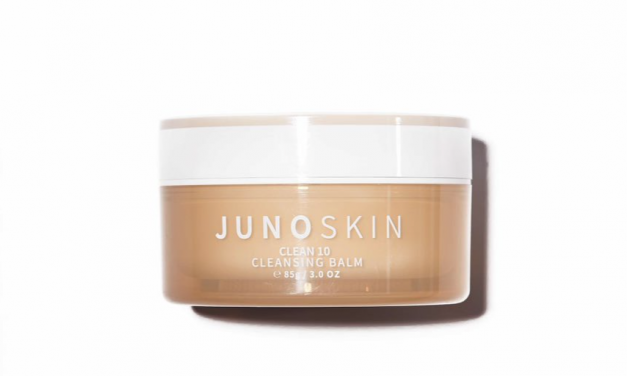
There’s nothing in the world that means more to us than a quality TikTok find. Just this past month alone, users have inspired us to buy a shockingly affordable (and effective) pack of camel toe-preventing thongs and a wrinkle-erasing eye gel—then its dupes because, of course, it sold out. Now, we’re running to the virtual shopping aisle of Juno & Co to buy its $15 cleansing balm, because we’ve simply seen too many rave reviews not to.

It all started when @rogerwh0 posted a video using the balm all the way back in March. In in, you see just how effective the milky gel can be at removing makeup and sunscreen.

RELATED: Shoppers Swear This Volumizing Mascara Leads To ‘Fuller, Thicker, and Healthier Lashes’

Juno & Co Clean 10 Cleansing Balm

Courtesy: Juno & Co.

“As someone with combo oily skin, I love how the Clean 10 balm breaks down excess oils and impurities without leaving a greasy feel or stripping the skin,” they said. Months later, the brands hashtag has over 118 million views—the majority of which are for reviews of this product.

Our mission at STYLECASTER is to bring style to the people, and we only feature products we think you’ll love as much as we do. Please note that if you purchase something by clicking on a link within this story, we may receive a small commission of the sale.

Even TikTok sensation @Glamzilla tested this cleanser out for their million-plus followers.

@glamzilla

#stitch with @rogerwh0 Y’ALL I’M ACTUALLY SHOOK?! It’s only $15.. 🔥 😱 #skincare #junoco #fyp #makeup

♬ original sound – GLAMZILLA

In the minute-long video, you can watch as the beauty guru gently rubs the cleanser in her hands before applying it to her made-up face. As she places pressure on her face, her eye shadow, mascara, and foundation literally drip off her skin. It’s strangely satisfying to watch, tbh.

“It’s actually melting off?” she said of her makeup. “What the heck, I was not expecting this!”

This melting effect is all thanks to the oil-based cleanser’s 10 ingredients, which include vitamin-rich Japanese Barley Magic, Vitamin E, and orange peel oil. Per the brand, these enriching ingredients combine to brighten skin, reduce dark spots, and cleanse without stripping away any essential natural oils from your face.

Don’t let the idea of an oil-based cleanser scare you, especially if you have oily or acne-prone skin. A general rule of thumb in the skincare industry is that the dryer your skin is, the thicker the oil it’ll produce. So, when you cleanse it with oils and hydration, it will produce less of this acne-causing oil.

“It’s the best cleansing balm on the market,” wrote one reviewer. “I always had a hard time taking my makeup off but this is like butter”

A soothing cleanser that takes all of your makeup off without stripping your skin? Sign us up. Shop the $15 skincare essential here before, like everything else beloved on TikTok, it sells out.

Read More

How Much Does a Financial Advisor Cost?

financial advisor

You’re probably very capable when it comes to managing your finances. But if you ever want advice on financial planning, investments, or other money-related topics, a financial advisor might be able to help. Whether you just want answers to a few questions or you want a long-term relationship, there might be an advisor out there for you.

But How Much Will It Cost?

Naturally, it only makes sense to pay for something that you’ll get value from. It’s hard to quantify the value of saving time, getting clarity on your finances, and enlisting help from an expert. But still, we all appreciate knowing how much something might cost before we commit to anything.

With that in mind, let’s review some research on how much financial advisors typically charge, and we’ll recap some of the most popular ways advisors charge their clients.

How Do You Pay?

Before getting into amounts, it’s critical to understand exactly how you pay somebody for advice. Some advisors set their own rates, while others get paid commissions that are set by product providers. You can broadly categorize your engagement with an advisor in one of two ways:

  • Fee-only financial planners
  • Commission-based advisors

There are also “fee-based” advisors, who might charge either fees or commissions (or both). This interview from Sixty and Me explores that topic in more detail, but to keep things simple, we’ll cover fee-only and commissioned advisors here.

Fee-Only Advisors

A fee-only advisor does not receive any commissions for product sales to clients. Instead, you might pay:

  • Hourly charges
  • Assets under management (AUM) fees for investment management
  • Flat “menu” prices for services
  • Fees based on complexity, net worth, or other measures

With a fee-only advisor, you typically know how much you’ll pay in advance, and you generally receive an invoice each time your advisor bills you.

Commission Advisors

An advisor who receives commissions gets paid when you buy something or invest money. For example, when buying into a mutual fund or purchasing an annuity, the person you work with might get a commission based on the amount you buy.

How Much Do You Pay?

There are several surveys that study how much fee-only financial planners charge. 

Fee-Only Advisor

While studies are helpful, you ultimately need to check with an advisor to understand exactly how much you might pay. These surveys often show the “median,” which is the middle of all survey results when lined up from smallest to largest. Because of that, you can assume that roughly half of advisors charge more and half charge less – and we can’t know exactly how much more or less.

Financial Planning

Fees for a financial plan are roughly $2,500 to $3,000 at the median. Those plans might touch on a variety of topics, including retirement income, taxes, investing strategy, and more.

Hourly Charges

Experienced financial planners tend to charge roughly $250 per hour. That can vary based on location and other factors.

Investment Management

When you hire a fee-only advisor to manage assets for you, the charge is often 1% of assets under management for the first $1 million (and many people retire with less than $1 million). Above that, pricing is often lower. Advisors might or might or might not include financial planning and other services with that fee.

Other models

Compensation models continue to evolve, and advisors can design any type of arrangement that works well for clients and satisfies regulators. For just a few examples, some advisors:

  • Charge based on complexity (for example, if you own a business or not, if you’re married or single, etc.);
  • Offer one-time advice meetings that cover a handful of items for a flat fee;
  • Set an annual fee as a percentage of your net worth or income (1% to 2%, for example);
  • Manage investments for a flat-dollar fee instead of a percentage of assets.

Note that the information here primarily comes from research by Michael Kitces and Bob Veres, and other studies show similar pricing.

Commission Advisors

If you work with an advisor under a commission payment arrangement, the amount can vary depending on the product and the specific vendor. That said, some common commission schedules are below.

Mutual Funds

When buying traditional mutual funds with a commission, the standard fee is up to 5.75% of the amount you invest. But as you invest more (or if you make a sizeable investment), that sales charge might be lower.

A portion of the cost goes to your advisor – typically at the time you invest, although there might be ongoing “trail” payments as well. Different mutual funds have different commission structures, so be sure to read a prospectus to understand risks and fees.

Stock Trades

A traditional stockbroker might charge 1% to 2% of the amount they buy for you. I don’t see this model much anymore, but some advisors likely work with clients under these arrangements.

Insurance Products

Annuities often bake the advisor’s compensation into the product. As a result, you can’t always tell how much you’re paying. The “cost” is often a factor of how attractive the benefit rates, surrender schedule, and other features are. However, immediate lifetime income annuities might pay agents as little as 1%, while investment-oriented annuities could have commissions ranging from 4% to 8% or more.

Many Other Options

This is just an overview of typical commission schedules on traditional products. But it’s critical to ask for disclosures and read them carefully. Whether it’s a mutual fund, REIT, or anything else (there are countless financial products out there), the amount you pay can be all over the board.

Next Steps

You might not need to hire a financial advisor. But if you decide to do so, you’re now better prepared to understand some of the costs.

The most important thing when working with an advisor is to find somebody who is capable and trustworthy. I’ll admit that I’m biased toward fee-only advisors because I am one myself, but there are many good commission-based advisors out there, as well.

That said, a fee-only advisor might have fewer conflicts of interest – you can pay them simply to provide advice, and their income doesn’t depend on you buying a product. On the other hand, commission-based advisors might argue that they ensure you take action and implement things appropriately. That can be true, although some fee-only advisors walk you through implementation, as well.

Be sure to consider multiple factors besides pricing when working with an advisor. For example, you might want to find somebody with experience helping women plan for retirement, or you might need an advisor who focuses on executive compensation packages from your workplace. With the right combination of expertise and acceptable pricing, you might have a satisfying experience.

What do you think? Is it worth paying a financial planner for advice, or do you prefer to handle everything yourself? What tips do you have for anybody who is thinking about working with an advisor?

Read More

How Selling Your Life Insurance Policy Can Bring You Cash

life settlement

Well, the short answer is because you no longer need or want it. But there is more to it, according to Lisa Rehburg, a Life Settlement Expert.

What Are Life Settlements?

“Your life insurance policy is an asset that you own, just like your car or house. And, like any asset, it can be sold. You may be surprised to know that selling a life insurance policy has been legal in the United States since 1911, and is highly regulated by state insurance departments nationwide,” she said.

Policies are sold through what is called a life insurance settlement, or life settlement for short. Simply put, a life settlement is the sale of a life insurance policy to a third party (usually an investor group) for more cash.

The investor group then becomes the new owner, continues to pay the premiums, and receives the benefit. Clients receive a lump sum payment that is 3 – 5 times greater, on average, than the surrender value of the policy. And yes, even term policies can be sold.

As a refresher, term insurance provides protection/coverage for a specified period of time, providing the greatest amount of coverage for the lowest initial cost. Permanent insurance offers lifelong protection, including a death benefit while accumulating cash value tax-deferred.

Boomers Are Top Candidates

Typically, the best candidates for life insurance settlements are people over 65 with a policy face amount of at least $100,000, but this is just a guideline.

The numbers are staggering. 500,000 seniors a year lapse their life insurance policies, walking away from over $100 billion in benefit. That is a lot of value that seniors are giving up, for nothing, each year. Additionally, 90% of seniors who have let a policy lapse would have considered selling it had they known life settlements existed.

Reasons to Sell Your Life Insurance Policy

Each situation is unique, and reasons for selling a policy vary, but in each case, the person no longer needs, wants or can afford their policy. The most common situations include:

  • A term policy is nearing the end of the policy term;
  • One may have retired, and with mortgages paid off and kids through school, no longer needs the coverage;
  • The policy may be too expensive to maintain;
  • A business owner sold a business and no longer needs the “key person” coverage;
  • One spouse may have passed away, leaving the other with no need for life insurance;
  • A rental property or second home has been sold, leaving no need for the coverage;
  • Perhaps one is looking for ways to pay for assisted living, or home care.

Why Consider a Life Settlement?

The reality is that a life settlement may be a good option if your life circumstances have changed, and you find yourself no longer needing your life insurance policy. Please consult your financial and insurance professionals when considering a life insurance settlement.

After all alternatives have been considered, and it is determined that the policy is going to be lapsed or surrendered, a life insurance settlement can offer a significantly greater value. Lisa notes that an evaluation of a life insurance policy is free of charge, and there is no obligation to take any offers received. It can’t hurt to try – but it can hurt not to!

Do you own a life insurance you no longer need or want? What are you going to do with it? Have you considered selling it through a life settlement? If you already have done that, can you say the benefit was significantly higher than letting the life policy lapse? Please share your experience!

Read More

This Cleansing Balm Literally ‘Melts’ Makeup Off Your Face—& TikTok Can’t Get Enough Of It

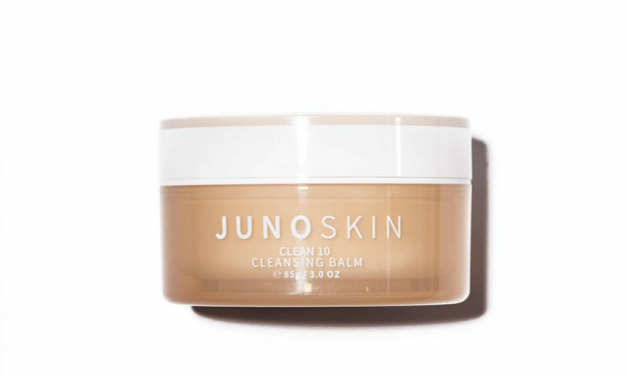
There’s nothing in the world that means more to us than a quality TikTok find. Just this past month alone, users have inspired us to buy a shockingly affordable (and effective) pack of camel toe-preventing thongs and a wrinkle-erasing eye gel—then its dupes because, of course, it sold out. Now, we’re running to the virtual shopping aisle of Juno & Co to buy its $15 cleansing balm, because we’ve simply seen too many rave reviews not to.

It all started when @rogerwh0 posted a video using the balm all the way back in March. In in, you see just how effective the milky gel can be at removing makeup and sunscreen.

RELATED: Shoppers Swear This Volumizing Mascara Leads To ‘Fuller, Thicker, and Healthier Lashes’

Juno & Co Clean 10 Cleansing Balm

Courtesy: Juno & Co.

“As someone with combo oily skin, I love how the Clean 10 balm breaks down excess oils and impurities without leaving a greasy feel or stripping the skin,” they said. Months later, the brands hashtag has over 118 million views—the majority of which are for reviews of this product.

Our mission at STYLECASTER is to bring style to the people, and we only feature products we think you’ll love as much as we do. Please note that if you purchase something by clicking on a link within this story, we may receive a small commission of the sale.

Even TikTok sensation @Glamzilla tested this cleanser out for their million-plus followers.

@glamzilla

#stitch with @rogerwh0 Y’ALL I’M ACTUALLY SHOOK?! It’s only $15.. 🔥 😱 #skincare #junoco #fyp #makeup

♬ original sound – GLAMZILLA

In the minute-long video, you can watch as the beauty guru gently rubs the cleanser in her hands before applying it to her made-up face. As she places pressure on her face, her eye shadow, mascara, and foundation literally drip off her skin. It’s strangely satisfying to watch, tbh.

“It’s actually melting off?” she said of her makeup. “What the heck, I was not expecting this!”

This melting effect is all thanks to the oil-based cleanser’s 10 ingredients, which include vitamin-rich Japanese Barley Magic, Vitamin E, and orange peel oil. Per the brand, these enriching ingredients combine to brighten skin, reduce dark spots, and cleanse without stripping away any essential natural oils from your face.

Don’t let the idea of an oil-based cleanser scare you, especially if you have oily or acne-prone skin. A general rule of thumb in the skincare industry is that the dryer your skin is, the thicker the oil it’ll produce. So, when you cleanse it with oils and hydration, it will produce less of this acne-causing oil.

“It’s the best cleansing balm on the market,” wrote one reviewer. “I always had a hard time taking my makeup off but this is like butter”

A soothing cleanser that takes all of your makeup off without stripping your skin? Sign us up. Shop the $15 skincare essential here before, like everything else beloved on TikTok, it sells out.

Read More