Month: April 2023

Ariana Madix’s Nude Sheer Embellished Dress

Ariana Madix’s Nude Sheer Embellished Dress

Vanderpump Rules Instagram Fashion April 20, 2023

Ariana Madix’s nude sheer embellished dress worn for her partnership with Bloomingdales truly sums up how she’s handling this breakup, publicly anyways. While the other two parties involved don’t seem to be doing so well, Ariana continues to garner positive press but saying very little and looking very hot. And I couldn’t be happier! Well, unless I had her dress.


The Realest Housewife,

Big Blonde Hair

Ariana Madix's Nude Sheer Embellished Dress


Click Here to Shop her Retrofete Vinci Dress

Photo: @ArianaMadix


Originally posted at: Ariana Madix’s Nude Sheer Embellished Dress

Read More

How (and Why) to Cultivate a Lifelong Relationship with Walking

why start walking

I took my first steps when I was five months old and have been walking – mostly without even thinking about it – ever since. Probably you have, too. Some of us walk to clear our minds or boost our moods. Walking is preventive medicine for most of what ails us.

I only went out for a walk and … going out, I found, was really going in.

—John Muir

If you’re dealing with challenges such as joint pain, mobility issues or just finding the time to get out, let this article inspire you to take your next steps towards whole body health and wellness. Walking is a basic human movement that enhances all bodily functions, supports brain health and calms the mind. Besides that, walking is free!

If you’re already lacing up your walking shoes, just take a quick glance at this list of 5 reasons to take a walk before you head out the door. 

  • You can walk off aches and pains.
  • Walking can enhance your therapy sessions.
  • A regular walk might help sharpen your memory.
  • Walking may stop you from brooding.
  • You can learn something new.

I’m sure many of you could add to the above list of benefits and incentives for taking a walk.

Walking as Refuge

As an angsty teenager, I would storm out of the house and take long walks alone to decrease the tension of living in a home where loud fights and bitter silence between my parents were the norm. Our street ended in wetlands that led to a small lake. My heart and mind relaxed and settled as I roamed, or even sat still, listening to the wind and watching blackbirds flitting through the cattails. 

I didn’t learn until much later that walking reduces stress as it produces endorphins. All I knew at the time was that spending time in nature was where I was able to hear my own thoughts and find myself. 

Walking as Healing

After a near-fatal bout of bacterial meningitis six years ago, my main goal was to be able to walk again. In the hospital, my doctor whispered in my ear, “I hear you practice tai chi, get out of bed and do it.” I couldn’t walk to the bathroom alone, much less take one tai chi step, but he put the idea back in my head just days after I almost died.

After a month at home on bed rest with infusion therapy I was able to shuffle around the block with the help of a caregiver, first using a walker, then hiking poles. With any extra energy I tried to do tai chi. Two months later I was able to return to my tai chi school, only to sit and watch practice with tears running down my face. 

I slowly reached my walking goal by improving my stamina in the only way I could: five minutes at a time.

Did you know that it’s just as good to take two or three short walks each day as it is to try to carve out the time for those 10,000 steps? Many of us already walk 3000-4000 steps daily while doing errands and housework. “Increasing step counts by even a few thousand strides on most days could be a sufficient and achievable goal” with measurable health benefits.

What If Walking Could Save Your Life?

Recent reports in the Guardian and the New York Times covered a study showing that if more of us took a short, daily walk many of us could live a little longer. The Guardian headline reads: “Walking just 11 minutes a day could stop 10% of early deaths, researchers find.”

Does knowing that make you want to get out and walk? Or was it just one more meaningless data point flowing by in an endless stream of overwhelming information? Perhaps it even made you feel a little guilty for not being able to find the time for an 11-minute walk every day!

Because, as biomechanist and walking advocate Katy Bowman says in response to reading that article in the Guardian, “‘Exercise now to not die later’ is the opposite of effective messaging. While movement is absolutely … ABSOLUTELY… an investment in your future (and boy do we have a ton of data to prove it), this idea isn’t enough to get people moving. Movement needs to make our lives better right now if we’re going to go through the hassle of making it happen. It must also make more than just our bodies perform better. It has to enrich other parts of our lives too.”

Most of us won’t decide to change our lives or our habits in response to a research study. Some of us find motivation in the deeper “why” and others are inspired by the practical “how.” 

11 Ways That Walking Can Help You Feel Better Right Away

Listen to Bowman’s podcast “Eleven Feel-Good Reasons for an 11-minute walk” to spark your imagination and maybe get you out the door. Here’s her list of when, how and why to walk:

  • A morning – on foot or on wheels – sunlight bath.
  • A lullaby walk that helps you sleep better that night.
  • A blood-sugar balancing walk.
  • A couples therapy/mini date.
  • Using a walk for some tech-free connection time with kids.
  • The business meeting or Zoom session defrag.
  • Walking as meditation.
  • Something to do instead of scrolling on your phone for even a handful of minutes.
  • A way to slow down and get some perspective by noticing more of the world around you.
  • An opportunity to get to know the people nearby.
  • A way to take your play on the go.

You could make it an even dozen reasons by listening to the podcast while you walk!

Celebrate Every Walk You Take

I’m definitely not sharing research or tips to try to guilt-trip you into moving more. Here’s my offer, based on the Tiny Habits model of behavioral change through bite-size actions that you can feel good about right away

Celebrate the next time you take a walk, whether it’s from your bedroom to the bathroom in the middle of the night or when you stroll through the yard picking up dog poop. Walking to the mailbox on the street in front of your apartment counts, too. And all those steps you take while shopping for groceries.

You’re up. You’re moving. And you can feel good about that!

Moving well isn’t only defined by taking 10,000 steps a day or hiking the hardest trail as fast as you can. (Although if either one of those is your goal, please celebrate that, too!)

Moving well can be as simple as not stubbing your toe on the edge of the dresser in the middle of the night, not stepping in the poop, getting to the mailbox by way of the lawn instead of the sidewalk. You get to define what moving well means to you every day, in every way.

Let me remind you to move! Sign up for my occasional Aging Well newsletter and get a free guide to four simple movements to improve posture and feel stronger.

Let’s Have a Conversation:

Why do you walk? What are some of the benefits you’ve gained from walking? How has your walking changed over the years? 

Read More

A 66 Year Old Shopper Called This Duo a ‘Miracle Worker’ For Age Spots & Dark Circles


If you purchase an independently reviewed product or service through a link on our website, STYLECASTER may receive an affiliate commission.

Attention: Fellow shoppers have discovered a legendary skincare combination that will bring “smaller pores, healed dry patches, diminished dark circles, disappearing age spots and reduced scars,” so you might want to drop everything and listen. Straight from the horse’s mouth (A.K.A. a 66 year-old reviewer), L’Amarue’s best-selling eye cream and face cream make for one mighty duo—one that makes your skin look “better than it has in 10-plus years.” 

Described by the brand as a go-to essential “that you can rely on for instant skin pick-me-ups and long-term intensive care alike,” the product combination wastes no time in getting to work. The face cream swiftly targets forehead lines, crows feet, dark spots, discoloration and even acne. I typically despise referring to things as “one-size-fits-all,” but this formula can truly be used by users of all ages to lessen varying concerns.

The eye cream is no run-of-the-mill formula, either. It’s been highly approved by those who suffer from eczema and have extremely sensitive eyelids. One person even called it “the best money spent on skin product, ever” after they noticed a difference on fine lines on the third day of use. “Suddenly all the fine lines around my eyes disappeared and my outer corners and under eyes looked 15 years younger (I am 45 years-old),” they wrote.

L'Amarue The Duo

L’Amarue

L’Amarue The Duo

L’Amarue is giving you an ample opportunity to test the duo out—it’s currently running a special Mother’s Day promotion, where you can score yourself and the mother figure in your life any of its offerings for 20 percent off with MDAY23.

Considering the winning skincare combination contains a unique inclusion that no other products on the market have, you’ll want to act fast. The eye and face cream duo feature the brand’s patented Heart to Heart complex, which encourages effective communication between your skin cells. Essentially, this complex sinks deep beneath the skin to manage inflammation, prevent and repair signs of aging, stimulate collagen growth and balance oil production both long term and short term.

The brand has a handful of products under its belt, all of which are worth a shot. From it’s body cream that corrects dry, scaly skin to it’s do-it-all balm for cuticles, peeling lips and more, you may find L’Amarue is what your routine’s been missing. Dip your toes in with The Duo for less than $77 (just make sure to use the sale code MDAY23.)

StyleCaster Shopping Newsletter Sign Up

Read More

This Eye Cream Made One Shopper Look ‘15 Years Younger’ In Days—& We Have a Special Code


If you purchase an independently reviewed product or service through a link on our website, STYLECASTER may receive an affiliate commission.

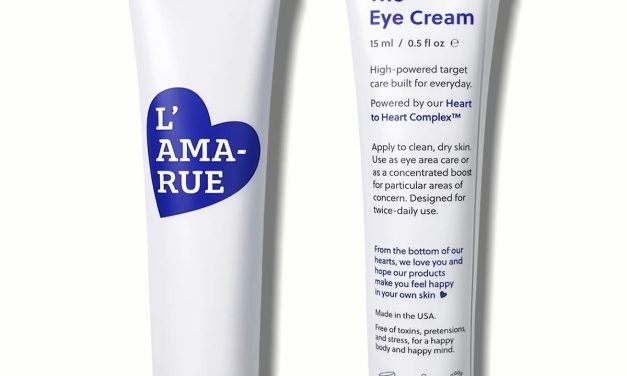
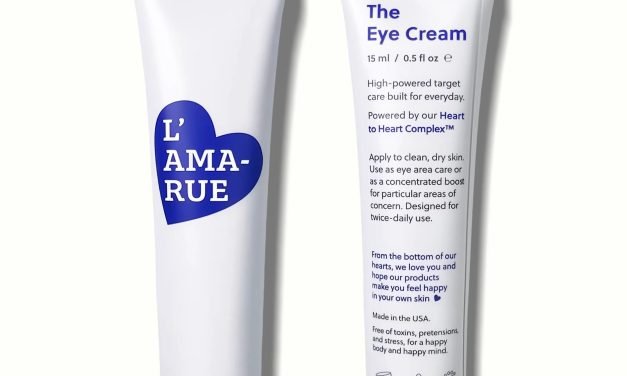
Some skincare products can take 28 days to yield visible results, according to the Dermatology and Mohs Surgery Institute, because that’s how much time it takes for new skin cells to form. Waiting a whole month can feel like such a drag, especially if you’re dealing with a specific skin concern. For those who are targeting their under eyes, if you’re tired of waiting to see a difference, give L’Amarue’s The Eye Cream a go. 

The formula is rich without feeling heavy, sticky or greasy, which is amazing news for those who want to wear it under their concealer and eye makeup. Rather than emphasize fine lines, it smooths and conceals them, according to shoppers.

“At first I liked how it felt and moisturized but I didn’t notice a difference in [the] appearance of fine lines until the third day of use,” wrote one reviewer. “Suddenly all the fine lines around my eyes disappeared and my outer corners and under eyes looked 15 years younger (I am 45 years). I also use it around my mouth and to calm blemishes. It is so effective and makes me feel so good, I get anxiety when I think about running out. Without a doubt, this is the best skin product I have ever used.”

If this sounds like your cup of tea, you’re in for an early Mother’s Day treat from L’Amarue. With promo code MDAY23, save 20 percent on The Eye Cream—and everything else on the site—through May 19. You might as well pick a tube up for both you and Mom!

Now, back to the under-eye skin savior. The all-star ingredients that make this cream so good include L’Amarue’s patent-pending Heart to Heart Complex, which “naturally directs your skin’s cells to communicate in a healthy, focused, clear way. By encouraging positive protein pathway signaling, it keeps the skin’s set of instructions simple, for all your skin wants and needs,” per the brand. 

L'Amarue The Eye Cream

Photo: L’Amarue.

The fast-acting formula is also filled to the brim with antioxidants like vitamin A, vitamin C, vitamin E, horse chestnut seed extract, red raspberry seed oil and caffeine. These ingredients address visible signs of aging, hyperpigmentation, healing, inflammation, eczema and circulation.

It doesn’t stop there, though. Of course, you want an eye cream to hydrate. This one incorporates hyaluronic acid, squalane and glycerin to plump skin, strengthen the skin barrier, fight harmful pollutants and tackle wrinkles. Additionally, sea kelp bio ferment, chia seed oil, omega-6 fatty acids and xanthan gum support the skin biome. Boy, was that a mouthful! It just goes to show the thought that went into creating this anti-aging, fast-acting eye product. 

RELATED: People Are Low-Key Obsessed With This Cream That ‘Dramatically’ Helps Acne Scars & Premature Aging 

To apply, gently tap less than a pea-sized amount of the cream onto your under-eye area. Do this once or twice a day to see the best results. And if a blemish or acne scar crops up, feel free to apply this product on those areas, as well. Shoppers applaud the eye cream for how well it works for multiple uses. 

L’Amarue Eye Cream is an absolute masterpiece! Not only do I use it for around the eye at bedtime, but I also lightly tap onto my problem spots,” raved one five-star reviewer. “It goes to work right away to calm and delicately nurture those areas. The next morning, WOW!”

“This is my favorite eye cream. I’ve noticed a huge difference in the plumpness of the skin near my eyes,” wrote another shopper. 

Do your under eyes a favor and give them a little dab of L’Amarue’s Eye Cream. Just remember to enter code MDAY23 to save 20 percent.
StyleCaster Shopping Newsletter Sign Up

Read More

The Hearing Loss and Diabetes Connection: Learn More About Signs and Prevention

hearing loss and diabetes connection

Do you or someone you know have diabetes? Did you know that there is a significant connection between diabetes and hearing loss?

Hearing loss happens for many reasons. In past articles, we’ve discussed, ways to protect your hearing, and important tips for treating your hearing loss. But this article is going to focus on the connection between hearing loss and diabetes, especially for those in their 60s, 70s, 80s and up!

With nearly 130 million people living with pre-diabetes or diabetes, you likely have a loved one who suffers from this condition. You also probably know that it affects many parts of the body, including the feet, hands, kidneys, and eyes.

But did you know that diabetes can also lead to nerve damage in your ears?

High blood sugar levels, over time, can damage the small blood vessels and nerves in your inner ear. Low blood sugar can damage how the nerve signals travel from your inner ear to the brain. Both of these types of damage can ultimately lead to hearing loss.

Unfortunately, while we know that millions of people suffer from hearing loss around the globe, we also know that hearing loss is twice as common in those who have diabetes. Even individuals who suffer from prediabetes are 30% more prone to hearing loss than those with normal blood sugar levels.

Signs of Hearing Loss

The first thing you’re going to want to do is watch for signs of hearing loss. They include:

  • Having to turn the TV or the radio up louder than others may think is necessary.
  • Asking others to repeat themselves often.
  • Trouble hearing small children or softer voices.
  • Always thinking people are mumbling.
  • Having a hard time hearing in noisy places such as restaurants.
  • Reading lips to understand better.

So, How Can You Protect Your Hearing If You Have Diabetes?

Studies have shown that people with diabetes who have concerns about hearing loss should immediately talk to a hearing health care provider to have their hearing tested and addressed if necessary.

Changes in your ability to hear can alter your active lifestyle and social interaction with family and friends.

Ways to protect your ears if you have diabetes include:

  • Keeping your blood sugar levels in control.
  • Avoiding other hearing loss causes, such as exposure to loud noises.
  • Getting your hearing checked consistently (every year).
  • Talking with your hearing health care provider about medications you may be taking that can damage your hearing. Other options may be available.
  • Maintaining a healthy diet.
  • Exercising! Move your body regularly.
  • Avoid smoking.
  • Manage your stress.

Diagnosis of Hearing Loss

Once you make an appointment for consultation, the audiologist will review your medical history with you and assess any symptoms. Your local hearing healthcare provider will then carry out the most comprehensive cognitive screening and diagnostic hearing exam. This process includes:

Cognitive Screening

Both diabetes and hearing loss significantly increase the risk of cognitive decline and dementia. Therefore, your hearing healthcare provider must provide you with a cognitive screening to help determine your risk of decline.

Determine Your Stage of Hearing Loss

A combination of hearing tests will help your provider determine your stage of hearing loss, from 1 to 4. Like many medical disorders, hearing loss is progressive (i.e., it will get worse over time), and it is important to know where you are at in the progression of the disorder.

Impact of Hearing Loss on Cognitive Performance

It’s not enough to just ‘raise your hand when you hear the beep’. To best treat your hearing loss, we must know exactly how your brain responds to words, how much effort is needed to hear others, how the brain deciphers speech from noise, and so much more.

Middle Ear Tests

This is a test where your hearing healthcare provider will insert a small probe into your ear to see how your eardrum is moving, determine whether or not it has a tear, and whether or not there is fluid buildup. This test can assist the doctor in ruling out certain other causes of hearing loss.

OAE (Otoacoustic Emissions)

This test shows how well your inner ear is responding to sound. A small probe will measure vibrations from the hair cells in response to sound.

ABR (Auditory Brainstem Response)

If needed, this test allows the provider to determine how the pathways between the inner ear and the brain are working. Electrodes will be placed on your head and attached to a computer so the hearing specialist can see brain wave activity.

Treatment Options

Sensorineural hearing loss is the type which is usually associated with diabetes patients. It occurs due to nerve damage between the inner ear and the brain. Treatment typically includes one of the following:

  • Hearing Aids – Electronic devices that fit comfortably and invisibly in the ear.
  • Cochlear Implants – Hearing devices that sit under the skin in the inner ear.
  • Auditory Brainstem Implants – An implant inserted through surgery if the hearing nerve is determined to not be functioning and is causing severe hearing loss.

Conclusion

Following the prevention steps above and scheduling an appointment with a hearing specialist is a huge step towards protecting your hearing if you have diabetes. Whether you are 60, 70, 80, or even a young 90, hearing is extremely important toward living your best life while aging.

If you are experiencing hearing loss, there is help available. Don’t put it off until it is too late. I hear too many times, “Doc, I wish I had come in sooner.” Put the pleasure back in hearing again.

Until next time, cheers to hearing!

Let’s Have a Conversation:

Do you or a loved one have diabetes? Have you spoken to your doctor about having your hearing tested? Have you considered the impact that blood-sugar can have on your brain, your risk of hearing loss and risk of dementia?

Read More