
Hair care

Latest

Why You Should Commit to the Carry-On and Tips for Making it Easy

Why You Should Commit to the Carry-On and Tips for Making it Easy

The world is divided into two different kinds of people: overpackers and underpackers. If you fall into the first category, don’t turn away yet! Give me a few minutes to try and convince you that there is a better way to travel.

As you might already suspect, I am an underpacker. My measure of a packing fail: Coming home with even one thing in my suitcase that I did not need, use or wear during my trip. I do fail sometimes, but not often anymore.

Here’s how to pack lighter – all lessons I learned the hard way.

Start with an Attitude Change

It helps that I don’t really care how I look. I don’t mean I would travel in ripped or dirty clothes. But I don’t need to be the glammed up center of attention. In fact, when you’re traveling, the more you can blend in, the better. You’re less likely to be targeted by pickpockets and local scammers.

Spend a little time researching what the locals wear and try to pack like that. This is the lesson I learned when I wore my electric blue winter coat to Romania, a former Soviet block country where there were two colors of winter coat: grey and black.

So if you simply must be a fashion plate, try to pare down the clothes to a capsule wardrobe of items you can mix and match and pieces that will do double duty.

Use a Packing List

These printable packing lists will give you a feel for the things you’ll need. If the list includes something you don’t think you’ll need, don’t pack it. If there is something missing, make a note on the printed sheet so you don’t forget it.

Check the Weather Forecast

I make this recommendation because I live in Chicago. We like to say, “If you don’t like the weather, wait 10 minutes.” Here, the calendar might say May, but the thermometer might say March. Or July.

So check the forecast for your destination. It will tell you whether to pack a raincoat, sunhat, shorts, or sweaters.

Start Packing Early

If you have a spare bed, room, couch or some other spot to hold the things you want to pack, start a week early and put everything on the bed that you think you might want on your trip.

Then walk away.

Come back the next day and look it over. Is there anything missing? Is there anything you think you might not need on the trip? Make adjustments accordingly.

Then walk away.

Come back the next day with the intention of making choices. If you have two pairs of pants on the bed, take away one pair. If you have four shirts, take away two. And so on, until you have cut in half the things on the bed.

Then walk away.

The next day, it’s time to pack. Start with the pieces of clothing you absolutely MUST have with you.

If you run out of suitcase before you run out of clothes to pack, you get to make a choice: Leave something else behind or pay $40 or more to check a bag.

Buy Packing Cubes

I resisted buying this travel essential for years. Now I can’t believe I ever traveled without them.

Packing cubes are flexible pouches with a brilliant zipper system. You pack them with the clothes you want to take, and zip them shut. Then – this is the brilliant part – you zip a second zipper to compress the insides flat. (Think of it like your expandable suitcase, when you open that second zipper, it gives you an extra inch or two of suitcase space. When you zip it shut, everything inside is compressed.)

As a bonus, the clothes you lay inside the packing cube are much more likely to stay wrinkle free. I don’t know why. But it’s true.

Stick with One Basic Color

When I head to a Caribbean resort, that color will be white. But most of the time, it’s black – black pants, a black skirt, a black dress. Then I add color in the tops I will wear with the pants and skirt. Finally, I pack a few scarves and funky costume jewelry to dress everything up or down and add more color.

Wear the Heavy Stuff on the Plane

There are plenty of TikTokers and travel hacker influencers who will tell you to wear layers and layers on the plane to save suitcase space. Or to pack a pillowcase with your stuff and pretend it’s a pillow, not a suitcase, so it doesn’t count as a carryon.

While that might be useful info for travelers on uber-budget airlines that charge for anything that doesn’t fit under your seat, you really don’t have to go that crazy. Just use a little common sense.

If, for example, you’re flying from Florida to Colorado, you know you’ll need your winter coat, hat, gloves, hiking boots and heavy jeans. Wear the jeans and hiking boots on the plane, stuff the hat and gloves in the coat pockets and carry the coat on the plane rather than packing it in a suitcase.

I do this anyway because I’m always chilly on a plane. I’m always surprised when I see someone boarding a flight in shorts and flip flops. I would be blue by the time I landed!

Think Layers, Not Bulk

Thin layers are always the right answer, no matter where you are. Even a Caribbean vacation requires preparing for chilly evenings or overly air-conditioned restaurants. Layers are the answer to staying warm and packing light.

Make the Best Use of Your Under-Seat Bag

Finally, remember that you get not one, but two things to carry onto the plane – a bag that goes into the overhead and a smaller bag that fits under the seat in front of you.

Don’t waste the space in that second bag!

My go-to is a roomy backpack because I travel with a lot of electronics – laptop, Kindle, phone, ear buds and all of the cords and accessories they require. But those only take up two zippered compartments. That leaves two more compartments for other things – makeup bag, an extra pair of shoes, etc.

The other thing that works for me is a big striped bag that is super flexible. I can cram a lot into it and still stuff it under the seat. The downside of that is it is heavy to carry, unlike my backpack which easily distributes the weight across my shoulders.

Practice, Practice, Practice

I know. This isn’t easy. Especially if you’ve always been an overpacker. But practice will make perfect. Try it on your next quick weekend trip. That will give you a chance to see how it feels to only pack what you’ll need for 2-3 days, how much you like being able to lift that light carry-on bag and how happy you are not worrying about whether your suitcase will show up at the other end of your flight.

Just remember to pack one more thing: a credit card. That way, if you find you truly can’t live without something for a few days, you can head to the store to buy it.

Let’s Have a Conversation:

Are you an overpacker or an underpacker? What’s your favorite packing hack? Share with us in the comment section below.


Uncategorised

Latest

You Can Quench Your Thirst in the Most Unexpected Places

You Can Quench Your Thirst in the Most Unexpected Places

Recently, I was in New York for a few days and – no surprise – it was muggy, hot, and absolutely packed with people. I love all of that. I love the energy, I love the noise, I am an unashamed people-watcher. But somewhere around 30,000 steps, with what I can only describe as a shopping back (that particular brand of lower-back protest that arrives after a long day of walking and carrying bags), I desperately needed four things: air conditioning, a seat, a bathroom, and a cold drink.

If you’ve spent any time in New York, you’ll know it has a way of tricking you into walking 30,000 steps before you’ve even noticed. It’s a gift and a curse.

I spotted a Macy’s – two of my four requirements sorted immediately. On the way to the bathroom, I caught a glimpse from the corner of my eye: a little café, open seats, air conditioning, and a view of the Empire State Building. In a hot second, we sat down and ordered a lemon drink from the menu.

It was extraordinary. Bright, cold, perfectly balanced – exactly what 30,000 steps in the New York heat demands. I asked the waiter if he could get the recipe from the bartender. He came back with a vague list that was, shall we say, lost in translation. So, I ordered another one. Purely for research purposes.

Back home in Arizona – which is considerably hotter than New York, without the benefit of 30,000 steps to justify it – I set about recreating it. My version is not the same as the original. But in the true spirit of La Limone, it is quick, easy, refreshing, and delicious. And you don’t need to walk anywhere near 30,000 steps to earn it.

Sparkling Lemonade Spritzer

Makes 1 cocktail

  • 1 martini glass, prechilled if possible
  • 2 medium ice cubes
  • 1 lemon
  • 1 oz limoncello
  • 1 oz prosecco
  • 2 oz lemon-flavoured sparkling soda

Place the ice cubes in the bottom of the glass. Squeeze the juice from half the lemon over the ice, then add the limoncello, prosecco, and lemon soda. Take the other half of the lemon and create your garnish – a few small wedges, a twist of peel, or a thin slice placed on the rim. Serve immediately.

Sparkling Lemonade Mocktail

Makes 1 mocktail – all the zing, no alcohol.

  • 1 martini glass, prechilled if possible
  • 2 ice cubes
  • 1 lemon
  • Lemon-flavoured sparkling soda water

Place the ice cubes in the glass. Squeeze the juice from half the lemon over the ice. Top with lemon sparkling water. Garnish with a wedge, a twist, or a thin slice of the remaining lemon half.

The La Limone Philosophy

Some of the best recipes come from a moment of desperation and a willingness to order something twice. Both books – La Limone: Recipes and Stories from a Life Well Zested and La Limone Kitchen Cookbook – are full of recipes that began exactly this way: a flavour I encountered somewhere, couldn’t let go of, and had to figure out for myself. That’s the whole La Limone approach. You don’t need a professional kitchen. You just need curiosity, good ingredients, and occasionally, a very hot day.

Find both books at lalimone.com or on Amazon.

Over to You:

What’s your go-to drink when summer heat gets the better of you? And have you ever tracked down a recipe after falling in love with it somewhere unexpected? I’d love to hear your stories in the comments.

Skin Care

Latest

How to Make Your Own Essential Oil Blend for Mature Skin (Recipe)

A Basic Essential Oil Blend for Everyday Mature Skin Care

With all the wonderful natural facial serums on the market today, it can be a little overwhelming choosing the correct formula with safe, non-toxic ingredients, all at a reasonable price. The good news is that it’s easy and fun to make a quality product on your own using the miracle of nature – essential oils. 

When I started working with skincare formulas in 2003, one of the first products I was excited about making was an essential oil-based facial serum. My skin needs were changing, and a moisturizing oil made perfect sense for dry, maturing skin.

I decided to work with four wonderful healthy aging essential oils I had discovered: Lavender, Frankincense, Rose Geranium, and Carrot Seed.

The natural and highly effective nature of essential oils makes them perfect for skincare. When blended for their various properties and used with a carrier oil that matches your skin type, you can create a serum tailor-made for your skin.

What Are Essential Oils?

Essential oils are the essence of plants. Hidden away in many parts of the plant, like the flowers, seeds, and roots, they are very potent chemical compounds. They can give the plant its scent, protect it from harsh conditions, and help with pollination.

The benefits of essential oils on humans are diverse and amazing. Lavender flower oil, for example, contains compounds that help soothe skin irritation and redness, while the scent reduces feelings of anxiety and stress.

The beautiful Rose essential oil is hydrating to the skin and sometimes used to treat scarring, while the scent is known to help lift depression. 

There are many essential oils to choose from for specific skincare needs. I have used a myriad of different combinations but keep coming back to the tried and true blend from my very first serum.

The four essential oils used are the workhorses of skincare for mature skin, as well as being wonderfully uplifting for mind, body, and spirit. 

The Base Oil Blend Formula

Here’s what you’ll need:

Bottle

1 oz. amber dropper bottle. You can find those in pharmacies or online.

Base (Carrier) Oil

As a base, you can use one of the oils below or a combination of several that meet your skin’s needs:

  • Jojoba oil is my base oil of choice. It’s incredible for most skin types: it’s extremely gentle and non-irritating for sensitive skin, moisturizing for dry skin, balancing for oily skin, ideal for combination skin, and offers a barrier of protection from environmental stressors. It also helps skin glow as it delivers deep hydration.
  • Rosehip oil smooths the skin’s texture and calms redness and irritation.
  • Argan oil contains high levels of vitamin E and absorbs thoroughly into the skin leaving little oily residue.
  • Avocado oil is effective at treating age spots and sun damage, as well as helping to soothe inflammatory conditions such as blemishes and eczema.
  • Olive oil is a heavier oil and the perfect choice if your skin needs a mega-dose of hydration. Just be aware that olive oil takes longer to absorb and leaves the skin with an oily feeling. This may be desirable for extremely dry, red, itchy skin.

Essential Oils

  • Lavender essential oil is very versatile and healing. It helps reduce inflammation, kill bacteria, and clear pores. Its scent is also calming and soothing.
  • Frankincense essential oil helps to tone and strengthen mature skin in addition to fighting bacteria and balancing oil production.
  • Rose Geranium essential oil helps tighten the skin by reducing the appearance of fine lines, helps reduce inflammation and fight redness, and offers anti-bacterial benefits to help fight the occasional breakout. The scent is also known to be soothing and balancing.
  • Carrot seed oil is a fantastic essential oil for combination skin. It helps even the skin tone while reducing inflammation and increasing water retention.

The Recipe

Let’s start with a simple recipe:

  • 1 oz. Jojoba oil (or carrier oil of your choice)
  • 10 drops Lavender
  • 10 drops Frankincense
  • 10 drops Rose Geranium
  • 10 drops Carrot seed oil 

Place the essential oil drops in the amber dropper bottle then fill with Jojoba/carrier oil. It’s that simple!

Applying Your Homemade Serum

Use this serum morning and evening as part of your regular skincare routine. Serums work best when applied after cleansing your face. You can cleanse with Coconut Oil or a mixture of oils for enhanced hydration (we will cover this in the next article) or use your regular facial cleanser.

Essential oils will not interfere in any way with your normal skincare products.

Keep in mind that the serum is concentrated. Use only a pea-sized amount, work it into your fingertips, and apply evenly over the face without tugging or pulling.

If your skin feels tacky, reduce the amount on the next application. Your skin should feel soft, not oily. Follow with your regular moisturizer if you like. 

Making your own facial serum is fun and rewarding! I look forward to hearing your thoughts and ideas on essential oils and making personalized serums and skincare.

What facial serum do you use? Have you made one yourself? What is your favorite essential oil for skin care? Please share your thoughts with our community!

You Can Quench Your Thirst in the Most Unexpected Places

You Can Quench Your Thirst in the Most Unexpected Places

Recently, I was in New York for a few days and – no surprise – it was muggy, hot, and absolutely packed with people. I love all of that. I love the energy, I love the noise, I am an unashamed people-watcher. But somewhere around 30,000 steps, with what I can only describe as a shopping back (that particular brand of lower-back protest that arrives after a long day of walking and carrying bags), I desperately needed four things: air conditioning, a seat, a bathroom, and a cold drink.

If you’ve spent any time in New York, you’ll know it has a way of tricking you into walking 30,000 steps before you’ve even noticed. It’s a gift and a curse.

I spotted a Macy’s – two of my four requirements sorted immediately. On the way to the bathroom, I caught a glimpse from the corner of my eye: a little café, open seats, air conditioning, and a view of the Empire State Building. In a hot second, we sat down and ordered a lemon drink from the menu.

It was extraordinary. Bright, cold, perfectly balanced – exactly what 30,000 steps in the New York heat demands. I asked the waiter if he could get the recipe from the bartender. He came back with a vague list that was, shall we say, lost in translation. So, I ordered another one. Purely for research purposes.

Back home in Arizona – which is considerably hotter than New York, without the benefit of 30,000 steps to justify it – I set about recreating it. My version is not the same as the original. But in the true spirit of La Limone, it is quick, easy, refreshing, and delicious. And you don’t need to walk anywhere near 30,000 steps to earn it.

Sparkling Lemonade Spritzer

Makes 1 cocktail

  • 1 martini glass, prechilled if possible
  • 2 medium ice cubes
  • 1 lemon
  • 1 oz limoncello
  • 1 oz prosecco
  • 2 oz lemon-flavoured sparkling soda

Place the ice cubes in the bottom of the glass. Squeeze the juice from half the lemon over the ice, then add the limoncello, prosecco, and lemon soda. Take the other half of the lemon and create your garnish – a few small wedges, a twist of peel, or a thin slice placed on the rim. Serve immediately.

Sparkling Lemonade Mocktail

Makes 1 mocktail – all the zing, no alcohol.

  • 1 martini glass, prechilled if possible
  • 2 ice cubes
  • 1 lemon
  • Lemon-flavoured sparkling soda water

Place the ice cubes in the glass. Squeeze the juice from half the lemon over the ice. Top with lemon sparkling water. Garnish with a wedge, a twist, or a thin slice of the remaining lemon half.

The La Limone Philosophy

Some of the best recipes come from a moment of desperation and a willingness to order something twice. Both books – La Limone: Recipes and Stories from a Life Well Zested and La Limone Kitchen Cookbook – are full of recipes that began exactly this way: a flavour I encountered somewhere, couldn’t let go of, and had to figure out for myself. That’s the whole La Limone approach. You don’t need a professional kitchen. You just need curiosity, good ingredients, and occasionally, a very hot day.

Find both books at lalimone.com or on Amazon.

Over to You:

What’s your go-to drink when summer heat gets the better of you? And have you ever tracked down a recipe after falling in love with it somewhere unexpected? I’d love to hear your stories in the comments.

Read More

12 Best Shampoos for Thinning Hair

best shampoos for thinning hair

In a world where hair is often considered a symbol of vitality and beauty, the experience of thinning hair can be disheartening. Whether caused by age, genetics, hormonal changes, or various environmental factors, thinning hair is a common concern that transcends gender and age boundaries. The quest for a solution often begins in the shower, where the choice of shampoo plays a pivotal role in promoting healthier, fuller-looking locks.

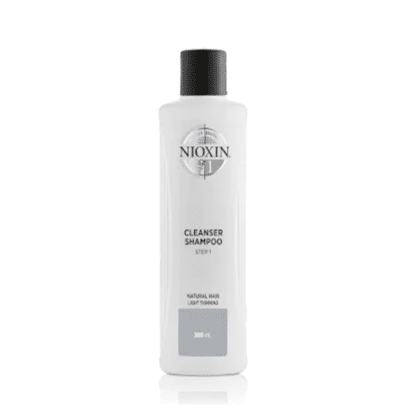
  1. Nioxin System Cleanser ShampooKnown for its three-part systems designed to promote thicker and fuller hair.
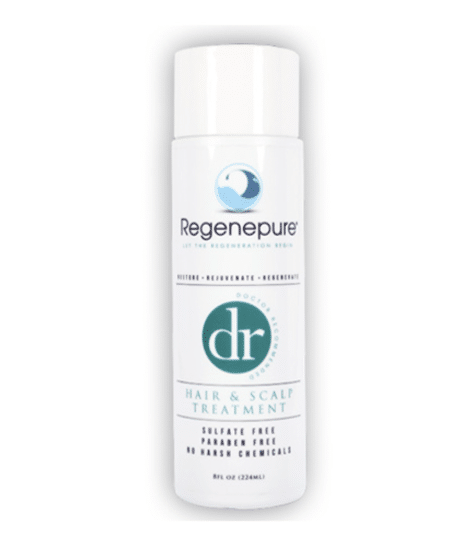
  2. Regenepure DR ShampooContains ketoconazole, a known antifungal and DHT-blocking ingredient. It’s designed to cleanse the scalp and promote hair growth.
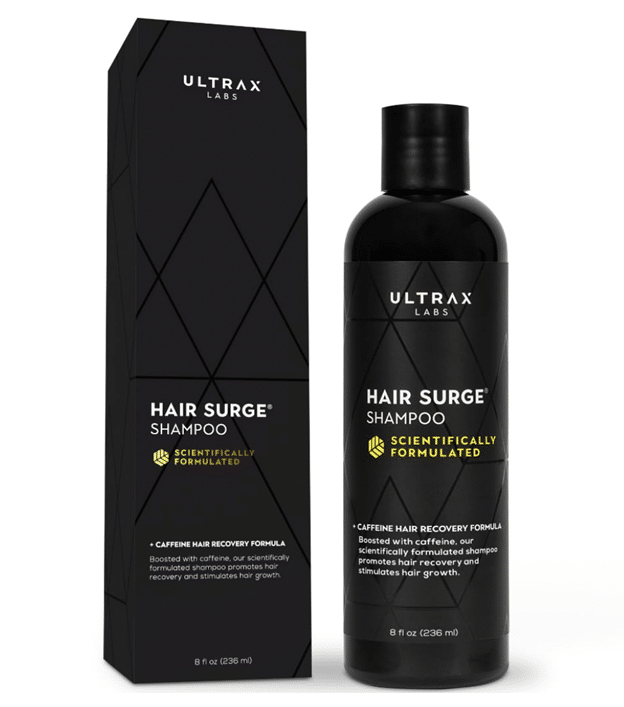
  3. Ultrax Labs Hair SurgeRecognized for its caffeine-infused formula, Hair Surge aims to stimulate hair follicles, promoting healthier and thicker hair.
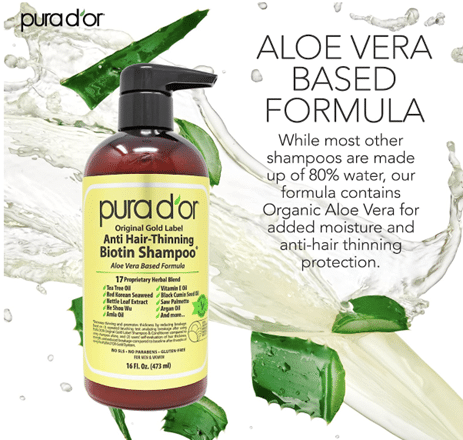
  4. Pura d’Or Original Gold Label Anti-Thinning ShampooFeatures a blend of natural ingredients, including biotin and argan oil, to nourish and strengthen hair while reducing thinning.
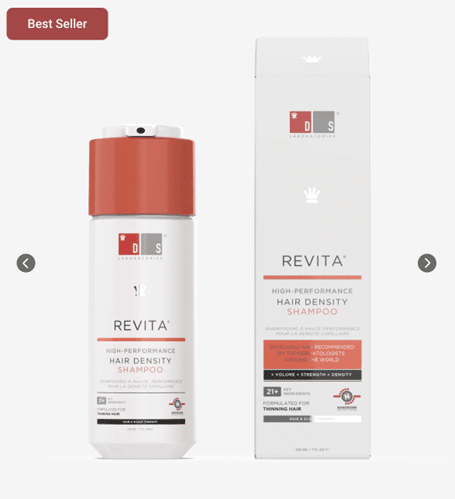
  5. Revita Hair Stimulating ShampooContains ketoconazole, caffeine, and other active ingredients to promote hair growth, reduce inflammation, and improve overall hair health.

Finding the right shampoo for thinning hair can be overwhelming with countless options promising thicker and stronger strands. Let’s take a look at some of the top shampoos designed for thinning hair, exploring scientifically backed ingredients and user testimonials. We aim to guide you in making an informed decision to bid farewell to hair troubles and unlock the secrets to revitalizing and rejuvenating your tresses.

What to Look for in a Shampoo for Thinning Hair

When searching for a shampoo for thinning hair, several key factors can guide your decision to find the most effective solution for your specific needs.

Ingredients

Look for shampoos containing key ingredients known to promote hair health, such as biotin, caffeine, ketoconazole, saw palmetto, and niacinamide. These ingredients are often associated with strengthening hair follicles and encouraging growth.

DHT Blockers

Dihydrotestosterone (DHT) is a hormone linked to hair loss. Shampoos with DHT-blocking properties, like ketoconazole or saw palmetto, can help reduce its impact on hair follicles.

Stimulation of Scalp Circulation

Ingredients like caffeine and menthol can stimulate blood flow to the scalp, promoting better nutrient delivery to hair follicles and supporting a healthier environment for hair growth.

Sulfate-Free Formula

Sulfates can be harsh on the hair and scalp, potentially causing dryness and irritation. Opt for sulfate-free shampoos to maintain a gentler cleansing routine.

Moisturizing Properties

Thinning hair can be more prone to dryness. Choose a shampoo with moisturizing ingredients, such as argan oil, shea butter, or glycerin, to keep the hair hydrated and prevent further damage.

pH Balance

A balanced pH is crucial for a healthy scalp. Look for shampoos that maintain a pH close to the scalp’s natural level to support optimal hair and scalp health.

Clinical Studies and User Reviews

Consider products with scientific backing, such as clinical studies demonstrating their efficacy. Also, user reviews can provide insights into real-world experiences with the product.

Free from Harmful Additives

Avoid shampoos with excessive chemicals, parabens, and sulfates, as these can contribute to scalp irritation and compromise hair health.

Hair Type Consideration

Different shampoos cater to various hair types. Choose a product that suits your hair type (dry, oily, curly, straight) while addressing thinning concerns.

Consistency and Patience

Results may take time. Choose a shampoo that aligns with your routine and be consistent in usage to allow the ingredients to work effectively over time.

Best Shampoos for Thinning Hair

Before choosing a shampoo, it’s crucial to understand your specific hair needs, consider any potential allergies or sensitivities, and, if possible, consult with a healthcare professional or a dermatologist for personalized advice.

Nioxin System Cleanser Shampoo

Nioxin System Cleanser Shampoo

Nioxin is renowned for its three-step system aimed at promoting thicker, fuller hair, with the cleanser shampoo being a key component. Specifically designed for those dealing with thinning hair, this shampoo effectively and gently cleanses the scalp and hair follicles. By eliminating excess sebum and impurities, it creates an optimal environment for healthy hair growth.

The Nioxin cleanser shampoo stands out for its advanced formula, incorporating botanicals, vitamins, and nutrients that nourish the scalp and invigorate hair follicles. With ingredients like biotin and panthenol, it not only cleanses but also enhances the diameter of each hair strand, providing immediate volume and thickness.

What makes Nioxin unique is its personalized care approach, offering different formulations to cater to various hair types and levels of thinning. This attention to individual needs allows you to tailor your hair care routine, contributing to the effectiveness of the overall system.

Regenepure DR Shampoo

Regenepure DR Shampoo

Regenepure DR Shampoo is known for its special formula with ketoconazole. It’s designed to clean the scalp and promote hair growth, making it popular for issues like dandruff and hair thinning.

Ketoconazole in the shampoo acts as a powerful antifungal, tackling problems like dandruff and creating a clean scalp for healthy hair. It also blocks DHT, a hormone linked to hair loss, providing a supportive environment for hair growth.

Beyond ketoconazole, Regenepure DR Shampoo includes vitamins, minerals, and botanical extracts to nourish the scalp and enhance overall hair health. Users appreciate its dual-action benefits, addressing both cleansing and hair growth in one product.

Designed for regular use, this shampoo is part of a targeted approach for those dealing with scalp issues and hair thinning. Its positive feedback underscores the brand’s commitment to long-term hair and scalp health.

Ultrax Labs Hair Surge

Ultrax Labs Hair Surge

Ultrax Labs Hair Surge features a caffeine-infused formula known for stimulating hair growth. Caffeine penetrates follicles, boosting blood circulation and nutrient delivery for healthier hair. This dual-action approach extends the growth phase, aiming to develop stronger strands over time.

Hair Surge combines caffeine with essential oils, ketoconazole, and saw palmetto, forming a comprehensive formula that not only stimulates follicles but also nourishes the scalp for sustained hair vitality. Users appreciate its lightweight feel and pleasant scent, making it a recommended part of regular hair care routines for consistent effectiveness.

Pura d’Or Original Gold Label Anti-Thinning Shampoo

Pura d'Or Original Gold Label Anti-Thinning Shampoo

Pura d’or Original Gold Label Anti-Thinning Shampoo is renowned for its natural composition of a unique blend of biotin and argan oil. Biotin, a vital B-vitamin fortifies hair from the inside, minimizing breakage and enhancing overall strength.

On the other hand, argan oil, rich in essential fatty acids and antioxidants, provides external nourishment by moisturizing and promoting a silky texture. This shampoo ensures a gentle yet effective cleansing experience without parabens or sulfates. Regular use is recommended for individuals seeking a natural and comprehensive solution to nourish and strengthen their hair while addressing the concerns of thinning.

Revita Hair Stimulating Shampoo

Revita Hair Stimulating Shampoo

Revita Hair Stimulating Shampoo is known for its advanced formula containing ketoconazole, caffeine, and other active ingredients. The shampoo’s blend of active elements aims to promote hair growth, reduce inflammation, and improve overall hair health.

With an invigorating feel, it’s recommended for consistent use as part of a regular hair care routine. Revita Hair Stimulating Shampoo emerges as an advanced option in hair care, providing a comprehensive solution for individuals looking to address hair thinning.

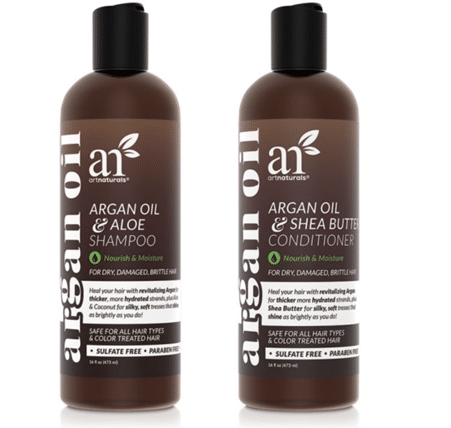
ArtNaturals Argan Oil Shampoo

ArtNaturals Argan Oil Shampoo

ArtNaturals Argan Oil Shampoo is praised for its simple yet effective formula featuring argan oil. This shampoo is all about moisturizing and hydrating the hair to create a scalp environment that supports improved hair growth.

The key ingredient, argan oil, with its rich mix of fatty acids and vitamins, deeply nourishes each strand, preventing dryness and promoting silky, manageable hair. Regular use of this gentle shampoo is recommended for those seeking an uncomplicated way to enhance overall hair health and maintain a balanced scalp.

Avalon Organics Biotin B-Complex Thickening Shampoo

Avalon Organics Biotin B-Complex Thickening Shampoo

Avalon Organics Biotin B-Complex Thickening Shampoo is known for its emphasis on biotin, a B-vitamin recognized for promoting hair strength and thickness. This shampoo is formulated to harness the natural benefits of biotin, providing a simple solution for those seeking healthier and fuller hair. With regular use, the shampoo’s B-Complex ensures complete nourishment for both the hair and scalp, leaving users with revitalized and strengthened locks.

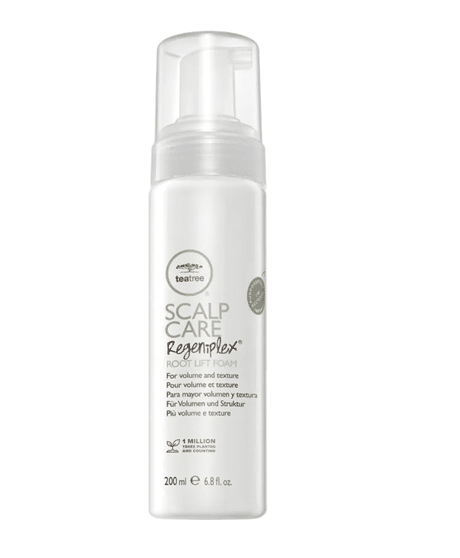
Paul Mitchell Tea Tree Scalp Care Anti-Thinning Root Lift Foam

Paul Mitchell Tea Tree Scalp Care Anti-Thinning Root Lift Foam

Paul Mitchell Tea Tree Scalp Care Anti-Thinning Root Lift Foam is not your typical shampoo but a unique solution for visually boosting hair thickness. With its focus on adding volume and lift at the roots, it creates the illusion of fuller hair. Enriched with tea tree oil, it also supports a healthy scalp without weighing down the hair. While it doesn’t replace regular shampoo, it’s an effective addition for those seeking a visual enhancement in hair thickness.

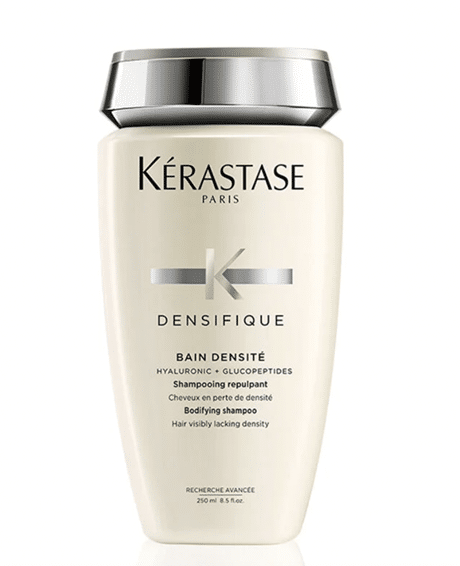
Kérastase Densifique Bain Densité Shampoo

Kérastase Densifique Bain Densité Shampoo

Kérastase Densifique Bain Densité Shampoo is a standout in the Densifique range, specifically crafted for those dealing with thinning hair. This shampoo goes beyond regular cleansing, working to add density and body to the hair.

With ingredients like Hyaluronic Acid and Intra-Cylane®, it aims to plump and strengthen individual hair fibers, resulting in visibly thicker and fuller-looking hair. Users appreciate its luxurious texture and pleasant scent, making it a favored choice for those seeking a solution to enhance hair thickness and volume.

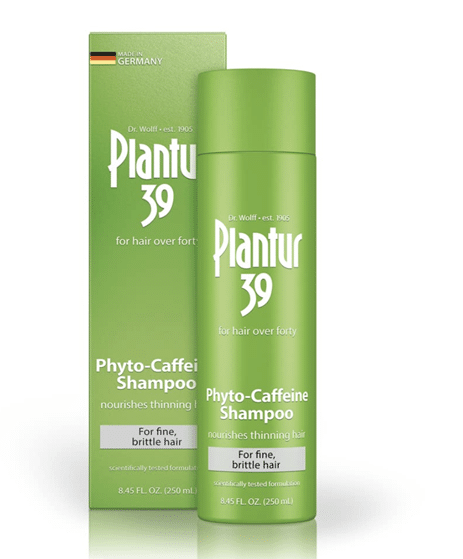
Plantur 39 Phyto-Caffeine Shampoo

Plantur 39 Phyto-Caffeine Shampoo

Plantur 39 Phyto-Caffeine Shampoo is designed for women over 40, recognizing their unique hair needs. The key ingredient is caffeine, known for stimulating hair roots and enhancing growth. Applied topically, caffeine boosts scalp blood circulation, providing essential nutrients to hair follicles and potentially encouraging stronger, healthier growth. Beyond caffeine, the formula includes botanical extracts and conditioners to address age-related hair issues. This shampoo is tailored to be a vital part of the hair care routine for women over 40, offering a rejuvenating and fortifying experience to support resilience, vitality, and improved hair growth.

Vegamour GRO Revitalizing Shampoo

This sulfate-free, plant-based shampoo uses clinically tested phyto-actives like mung bean, red clover, and curcumin to support visibly thicker hair. It also includes Karmatin™, a vegan silk protein that bonds to strands for protection and shine. Users say it helps reduce shedding and boosts volume without leaving residue.

Nutrafol Root Purifier Scalp Microbiome Shampoo

Designed to work alongside Nutrafol’s hair supplements, this dermatologist-developed shampoo supports the scalp’s natural balance. It features prebiotics and a blend of natural ingredients like Australian wild berries and hydrolyzed vegetable protein to clear buildup, balance oil, and strengthen follicles.

How Often Should You Use a Shampoo for Thinning Hair?

Frequency depends on your hair type and the shampoo formula. Most can be used 2–4 times a week. Clarifying formulas or those with ketoconazole might be better every other day, while gentler options like biotin- or argan-based shampoos are safe for daily use. Always follow up with a nourishing conditioner to prevent dryness and breakage.

Do Thinning Hair Shampoos Actually Work?

While no shampoo can perform miracles overnight, many formulas are designed to improve the scalp environment and minimize hair breakage. Ingredients like biotin, caffeine, niacinamide, and ketoconazole have been shown to support healthier hair over time. Consistent use (often over 8–12 weeks) combined with a healthy diet and low-stress lifestyle, can lead to noticeable results. It’s important to have realistic expectations and view shampoo as just one piece of the hair health puzzle.

Further read, HAIRSTYLES FOR WOMEN OVER 60 WITH FINE HAIR.

Let’s Have a Conversation:

Do you have thinning hair? Do you use thinning shampoos? Which is your favorite brand? Have you tried any of the shampoos on our list? Tell us about it in the comments below.

Read More

Emergency Financial List: What Your Family May Need This Summer

Emergency Financial List What Your Family May Need This Summer

For many, summer is when families come together. We check the more obvious things: flights, medications, hotel reservations, and maybe passports if it’s an international trip.

But families often overlook another kind of preparedness. If something unplanned happens while traveling, like a hospitalization, would your loved ones know where to find your financial and legal information?

If you have done estate planning, such as creating a will, trust, power of attorney, or health care directive, great. But just because you created those documents does not necessarily mean your family has a clear instruction list.

Estate Documents Are Only Part of Your Emergency Financial List

You might have a will or power of attorney (and those are important), but neither of these documents, by itself, will tell your family what they need to know when an emergency happens.

  • Would they know who you bank with?
  • Would they know where you keep your documents?
  • Would they know which bills you pay monthly versus annually, and which are on autopay and from what account?
  • Would they know what the names of your attorney, accountant, financial advisor, or insurance company are?

Will your family ultimately “figure it out”? Probably. But oftentimes, they cannot, at least not as quickly as they would like.

For some, when they think of estate planning, they think of death or illness. That is understandable. But I propose, instead, that you view estate planning as a way to reduce confusion for the people in your life who will try to help you while you are living.

The Emergency Financial List Nobody Wants to Make

I get it: who wakes up excited to make an emergency financial list? It will probably be tedious and, for some, emotionally uncomfortable. However, the list does not need to be perfect. Your goal is to create a practical roadmap for the trusted people in your life.

The document might include the following:

  • Financial Accounts: Bank, investment, and retirement account names.
  • Insurance Policies: Life, health, long-term care, home, or auto insurance providers.
  • Monthly Bills: Mortgages, rent, utilities, credit cards, and loans (please note if you use autopay).
  • Key Contacts: Phone numbers for your estate attorney, financial advisor, and tax preparer.
  • Medical Information: Medicare or supplemental insurance details, a prescription list, and current doctors and specialists.
  • Home Logistics: Safe deposit box location, house keys, and alarm codes.
  • Emergency Notifications: The names and phone numbers of those your trusted person should notify.

Importantly, you do not need to share this list with everyone in the family. The goal is for the trusted person, or people, to know how to find certain information if you are unable to communicate.

And, if you hold on to account statements for accounts that are closed, please make a note that the account is closed. It will be one less phone call for the trusted person to make.

Why “My Kids Will Figure It Out” Is Not a Plan

You may see or talk to your loved ones often. But that does not mean they necessarily know where you keep your paperwork, if you have changed banks recently, or what bills are on autopay.

This is probably even more important if you live alone, are widowed, divorced, or live in a blended family. One person, an adult child, might assume a different person, a step-parent, knows where everything is, but that step-parent might assume the attorney has it all covered. Meanwhile, the attorney is completely unaware that an emergency has even occurred.

This is one reason to be careful before using a joint account as a shortcut. Adding a person to your account can be easy to do and can provide convenience. But in reality, there is a change in legal ownership. There is no distinguishing between helping, managing, and inheriting.

That’s why a little time spent today to organize can help your loved ones.

When Unfinished Paperwork Becomes Someone Else’s Problem

Unfinished paperwork doesn’t just disappear. And it can end up in someone else’s lap at the worst possible time.

A friend of mine lost her father unexpectedly. She soon discovered that when his own parents had passed away years earlier, no one had fully completed the title changes and estate administration. Now it was up to my friend not only to deal with her father’s estate but also to manage two generations of paperwork while grieving.

One way to mitigate this is to ask: When was the last time I reviewed titles and beneficiary designations, including any Transfer on Death deeds? Did someone fully deal with older family members’ estates? Do the people you name as your executor or agent under your power of attorney know where to find your financial list and documents?

Be Careful with Passwords and Sensitive Financial Information

An emergency list can be a double-edged sword: useful but also a new security concern. You should never email important information like passwords, account numbers, and Social Security numbers. Also, do not leave the financial list out in plain sight.

Some alternatives to consider include:

  • Digital Options: Using a secure password manager and making sure a trusted person knows how to use its emergency access feature (if one is available).
  • Physical Options: If you are writing the financial list, keep it in a home safe or lock box and let your trusted person know where the key is.
  • Professional Options: Talk with the appropriate attorney, financial advisor, or professional to help figure out what information to share, in what format, and with whom.

You are trying to balance sharing too much with not sharing anything at all.

Summer Travel Can Be a Good Time to Start the Conversation

If your adult children or trusted friends are visiting, it could be an opportunity to let them know where you keep your important information.

There is no need to go into details about your finances, but you can simply let them know where you keep your financial list and how it will provide a roadmap for them. You are still in control, but you have also helped minimize the guessing for your loved ones during a stressful time.

A Few Questions to Think About

Would your trusted person know where to find your legal documents and financial accounts? Who has legal authority to step in and manage your bills if you become incapacitated? Do you have any outstanding title, estate, or beneficiary paperwork to finish? If you have had to help sort through paperwork for a parent, spouse, or friend, what do you wish they would have written down ahead of time?

Read More

Lindsay Hubbard’s Grey Cropped Trench Coat

Lindsay Hubbard’s Grey Cropped Trench Coat / In The City Fashion Season 1 Episode 7 Fashion

Lindsay Hubbard meets the guys in a chic grey cropped trench coat at the bar on tonight’s episode of In The City. We did some digging to find the tea on where you can scoop up similar styles and placed them below so that you can pick up a new wardrobe staple that instantly levels up your future plans to be fashionable.

Best in Blonde,

Amanda


Lindsay Hubbard's Grey Cropped Trench Coat

Click here for Additional Colors


Style Stealers

!function(d,s,id){
var e, p = /^http:/.test(d.location) ? ‘http’ : ‘https’;
if(!d.getElementById(id)) {
e = d.createElement(s);
e.id = id;
e.src = p + ‘://widgets.rewardstyle.com/js/shopthepost.js’;
d.body.appendChild(e);
}
if(typeof window.__stp === ‘object’) if(d.readyState === ‘complete’) {
window.__stp.init();
}
}(document, ‘script’, ‘shopthepost-script’);


Turn on your JavaScript to view content


Originally posted at: Lindsay Hubbard’s Grey Cropped Trench Coat

Read More

Living Apart Together: Is It the Right Choice for You?

Living Apart Together Is It the Right Choice for You

One of the most common worries I hear from women over 60 who are dating is the lack of available partners in their area. I get it. But I also see happy, committed couples every single day who have made a different kind of choice: they’re in love, they’re all in, and they don’t share a home!

Sharing living space isn’t the only way to show commitment. For many women, an LAT setup – Living Apart Together – has turned out to be not a compromise, but a genuine revelation.

What “Living Apart Together” Actually Means

In a LAT relationship, couples are committed and usually relatively close geographically, but they each keep their own home. These couples see each other regularly and consider themselves fully committed. Keeping separate homes is a deliberate choice.

The term was coined by a Dutch journalist in the 1970s. What’s new is that researchers are now paying serious attention to it. A study published in The Journals of Gerontology found that non-residential unions are growing steadily, especially among older adults who’ve navigated a previous marriage and want more say over how they structure their next chapter.

Why Women Over 60 Choose This

Many women I work with have raised kids, been through divorces, and spent years accommodating another person’s habits and rhythms. Keeping what they’ve built for themselves feels right.

Here’s what typically drives the choice toward LAT:

  • You value your independence and personal space, and you feel you’ve earned it.
  • Your sleep schedules, daily routines, or living styles genuinely conflict.
  • You want to protect your finances or assets after a previous marriage.
  • Adult children or blended family dynamics make full cohabitation complicated.
  • You’d rather have time together feel chosen vs. obligatory.

This isn’t avoidance. For many couples, it’s clarity about what has not worked in the past.  If you’ve been carrying old relationship patterns into your decisions without realizing it, understanding your real motivations matters. Think about it.

The Real Benefits

Some people assume physical separation means emotional distance. Many LAT couples find the opposite is true. When you’re not navigating daily domestic friction together, you tend to show up for each other with more patience and more genuine desire. Time together is intentional, not the default. And intention is one of the most underrated ingredients in a lasting relationship.

What LAT couples consistently report:

  • Stronger emotional connection because time together is actively chosen.
  • A better physical relationship, partly because some time apart actually works (absence makes the heart grow fonder).
  • Less conflict over day-to-day domestic friction.
  • A stronger sense of self, which makes you a better partner.

The Challenges You Can’t Ignore

Physical separation, even just across town, can create emotional distance if you’re not deliberate about it. You have to be explicit about how much time you’ll spend together, what your expectations are, and where things are headed. LAT doesn’t let you coast on proximity.

Common challenges LAT couples face:

  • Building shared routines and a genuine sense of “us” takes more intentional effort.
  • If you’re sick or going through something hard, you may feel more alone.
  • Others might judge you and devalue your relationship.
  • Expectations that cohabiting couples leave unspoken have to be talked through directly.

Understanding what real compatibility looks like before committing to any structure is foundational. And the 8-step communication framework I teach becomes even more essential in a LAT relationship, because you cannot gloss over communication gaps by assuming that proximity equals connection.

Is It Right for You?

Both people have to genuinely choose this setup, not just tolerate it. So really ask yourself:

  • Am I choosing separate homes because it genuinely serves the relationship, or because I’m avoiding something harder?
  • Are my partner and I aligned on what we want and where this is going?
  • Does the time we spend together actually build our connection?

I’ve seen women thrive in LAT relationships when they choose them from a place of strength. I’ve also seen women drift into them from conflict-aversion or fear. There’s a real difference. If you’re not sure which one applies to you, that’s worth figuring out before you commit to any structure. As a dating coach, I’ve seen that the women who do the self-awareness work come out ahead every time.

The real question is whether you and your partner have the self-knowledge and honest communication to make this genuinely work, rather than using separate spaces as a comfortable way to sidestep the deeper work a committed relationship requires.

Those questions are worth sitting with. If the deeper work of building a relationship with real staying power is something you are ready for, that is exactly the kind of clarity I help women find.

Let’s Have a Conversation:

Have you thought about a different kind of relationship setup? Do you think a Living Apart Together type of understanding would work for you – physically, financially and emotionally?

Read More

The Unexpected Changes That Come with Personal Growth

The Unexpected Changes That Come with Personal Growth

Personal growth is great and is something that I want to continue doing for the rest of my life. I mean, who wants to become stagnant and stop growing? Have you heard the saying, ‘use it or lose it’? Well, that isn’t just geared towards our muscles; it’s also true of our wonderful brains. Just like our physical muscles, our mindset requires conscious practice to maintain and grow.

Our brain is not wired to keep us happy; it’s wired to keep us safe, to survive, to stay alive. If you aren’t actively training your mind to grow, your brain scraps those new connections and defaults right back to survival mode.

Now, as much as I want to continue growing – I expect many of you do too, and of course it sounds wonderful in theory – but what is often overlooked is that sometimes personal growth can also be uncomfortable.

Uncomfortable because, along with growth, inevitably some things can change.

Relationships Might Change

You might have been a people pleaser or that person who never says no, despite it eating into your own time, energy and wellbeing.

Growing might mean you start putting your best resource first – you! And so, you learn to say no, implement healthy boundaries, stop people pleasing and start to shift your priorities.

And sometimes not everyone is comfortable with that, and that’s okay. Not everyone will grow in the same direction or at the same pace.

Feeling Alone

You might also start to feel a little more alone or that you don’t fit into your old circles anymore. You are no longer interested in small talk, negativity or idle gossip.

It’s hard when this happens and it can be that awkward in-between stage. However, you can always meet like-minded people by getting yourself out to classes or events that align with your newfound growth. What’s going on in your area that aligns with your interests or goals?

You Are Less Likely to Settle

You now know what you want, and this is a good thing. But some might see that as being difficult or set in your ways. All it means is that you have decided what is important to you and what standards you wish to stick to. If something isn’t right for you or isn’t working, you’re less likely to go for it or stick around.

This might be in relation to work you want to pursue, relationships, friendships or how you spend your time. There’s a difference between compromising and settling for something that doesn’t serve you anymore, and there’s nothing wrong with having boundaries, goals, expectations or standards for your life. In fact, it’s super healthy.

It’s important to note that growth doesn’t solve everything. There will still be days when you are tested, when you doubt yourself, get angry, frustrated or feel you are slipping back into old ways.

The important thing to remember is that this is also normal. We are only human. We can still have bad days and we can still make mistakes. In those moments, remember how far you have come and be kind to yourself.

Emotions are natural and we can’t all be super ‘Zen’ all the time. So don’t beat yourself up. Be kind to yourself.

My Process of Growth

I’m currently in a process of growth and noticing how things are slowly changing around me. In one sense, it’s sad because it’s a different way of living, and along with that, how I interact with some people is also changing, as I’m not into the same things and vice versa.

So, the life I once knew is slowly transitioning.

And on one hand, that can feel a little unsettling at times. On the other hand, I am also learning to accept that the one constant is change, and that relationships or situations can’t last forever, and definitely not in the same capacity as they once did.

And that’s fine.

If any of this resonates with you and you’re feeling stuck, at a crossroads, or simply ready for a change, I offer complimentary Discovery Calls.

Sometimes it helps to have a conversation with someone outside of your situation. Someone who can listen, ask the right questions and help you explore what comes next.

Question for You:

Have you experienced any unexpected downsides to personal growth? Perhaps you’ve found yourself setting new boundaries, outgrowing old habits, or feeling a little disconnected from people and situations that once felt familiar. I’d love to hear about your experiences in the comments below.

Read More

Loading