Month: January 2024

Your Pelvis Sets the Stage (Literally) for a Healthy Upright Spine at Any Age (Simple Exercises!)

Your Pelvis Sets the Stage (Literally) for a Healthy Upright Spine at Any Age (Simple Exercises!)

It’s rare to find people in our society, especially past a certain age, who sit or stand with a fully-elongated, upright spine. In fact, chronic rounding of the spine, due to unhelpful postural habits, is compounded as we age.

Perhaps you’ve made attempts to pull yourself up into a more
upright position with limited success. This is a common scenario, since the
real secret to an upright spine lies, not so much in the spine itself, but in
the foundation on which the spine sits – the pelvis.

In order for anyone to sit up straighter and more comfortably, the
pelvis must be in the specific position that supports an upright spine.

Each of us first discovers this as a healthy baby and toddler, but
life often intervenes, and it may be necessary to re-learn how to “park”
our pelvis. In order to accomplish this, it helps to become familiar with our
“sit bones.”

Chances are, if you’ve ever attended an exercise class or
practiced yoga, you’ve heard about your sit bones (sometimes referred to as
“sitz” bones and anatomically named as ischial tuberosities) two boney knobs on each side of the base of
your pelvis.

These sit bones play a key role in determining if your spine is
able to be both solidly upright and comfortably relaxed, not just while
sitting, but when standing and walking as well.
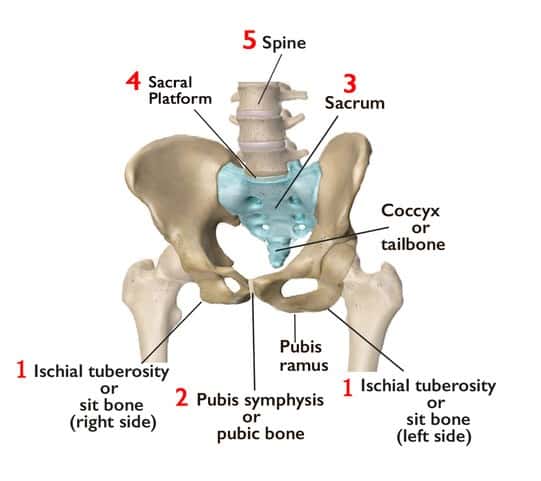
The pelvis resembles a bowl turned on its side. Many vital
internal organs are housed inside the pelvis, and the torso and legs connect by
way of the hip socket on each side of the pelvis. The sacrum at the back of the
pelvis provides a foundational platform on which we sit. 

The Sad Dog, the
Tense Dog, and the Happy Dog

Some years ago, when I first began sharing healthy posture tips with elementary age children in the classroom, I immediately
became aware that children are easily embarrassed by the mere mention of the
word “pelvis” and (god-forbid) “pubic” bone.

To spare them this embarrassment, I asked the children to
imagine being a dog that has just gotten into trouble for chewing a shoe – and I now invite you to do the same as you read through this,
since this dog analogy works well for anyone between ages five and
one hundred, and beyond. 

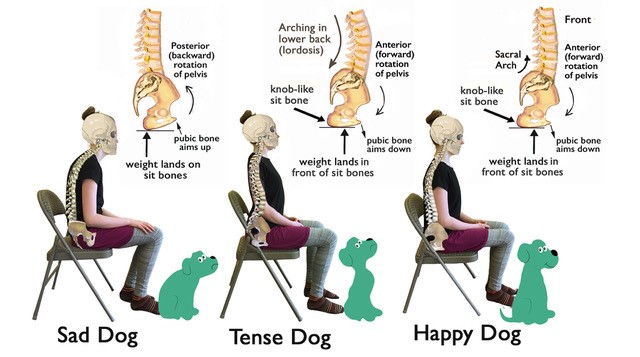
Picture a sad dog, and you’ll “see” that it tucks its tail between
its legs when it gets scolded. As you now tuck your own “tail” (coccyx or tailbone),
notice how your pelvis tips backward and your spine collapses and rounds.

If this position of the pelvis seems familiar to you, there’s a
good chance this is your default position, too. If so, you are hardly alone.

In fact, most of us today catch ourselves collapsing like a sad
dog and then try to counteract this by lifting up our chests and pulling our
shoulders back, using muscle tension to maintain a forced position – like a tense dog.

Before long, we grow tired of the work this takes, and we collapse
back down… only to continue this back-and-forth see-saw of collapsing downward
and then tensing upward, again and again. 

The secret to sitting comfortably upright without strain for
longer periods of time is something that all healthy, well-developing babies
and toddlers, the world over, discover all on their own. It’s the innate human
design that supports an upright spine without effort.

Parking Your Pelvis
with Your Hands

To relearn how to naturally set your own pelvis, begin by sitting on a more or less level surface with your feet
flat on the floor and your heels underneath your knees.

Lean forward slightly as you shift your weight to the left and
place your right hand, palm facing up, underneath your right buttock, toward
the middle.

As you bring your weight down onto your hand, shift around a bit
until you feel a boney knob-like protuberance. If you don’t feel it, keep
moving your hand around until you do. Don’t be shy – it’s in there – and you’ll know it when you find it!

Once you’ve found this sit bone, walk your fingers just in front
of the rounded, knobby part, and then use your hand to draw the entire sit bone
out behind you and place it onto the seat of your chair. Remove your
hand, and let your weight come onto both sides of your pelvis.

Pay attention to the difference between how each side feels. Can
you sense how your weight on the right side is now borne by the area in front
of your sit bone? 

Next, repeat this exercise with the other side. At this point, you
should be able to notice a couple of things: both sit bones are not just behind
now, but they may sense that they are further apart than they were before.

And now your pubis symphysis, commonly referred to as the
“pubic bone” is now down close to the surface of the chair. In other words,
your pelvis is now tipped forward, instead of backward.
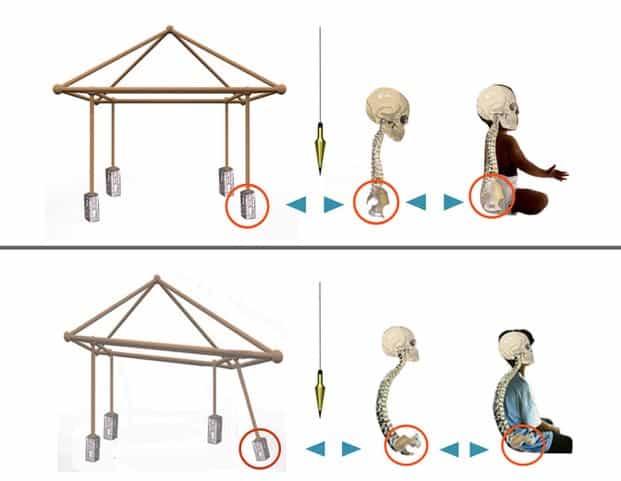
You can think of the pelvis as a foundational cement block, on
which a vertical post supports a simple roof-type structure.

The Hands-Free,
Socially Acceptable Short-Cut for Planting Your Pelvis

Of course, this hands-on approach for pelvic setting wouldn’t be
appropriate in a social situation, though it provides
a deeper experience of how our own individual pelvis works to support
us.

Instead, sit down on the seat with your feet flat on the floor.
Lean forward slightly as you shift your weight to one side.

This time, you’ll simply “walk” the front edge of the opposite sit
bone far back behind you onto the sitting surface, and then repeat this on the
other side. Your pubic bone is down close to the seat and your sit bones are
wide apart.

If you’re feeling any tension in your back or neck after doing
this, you’re most likely lifting up your chest like a tense dog. If this is the
case, take in a gentle and full inhaling breath, and as you exhale, give
yourself permission to release your chest down. 

Notice that relaxing the muscles throughout your torso doesn’t
cause your spine to collapse, as long as your pelvis remains well-parked like a
“happy dog.” You may also feel your chin drop slightly as your neck
relaxes along with any other unnecessary tension. 
Not only will you find that sitting like a Happy Dog makes it
easier to wag your tail (wink!), sitting on a well-planted pelvis will put a
smile on your face!

It does take a bit of practice to remember to apply this to your
daily life, but it gets easier the more you practice it. And, remember, it is
indeed possible to teach “old dogs” new tricks!

Let’s Have a Conversation:

What did you notice about sitting on a happy dog pelvis compared
to sitting like a sad dog or a tense dog? What’s your usual sitting position
and how does it make you feel at the end of the day? Let’s have a conversation!

Read More

Creating a More Loving World Begins with Personal Development

creating a more loving world begins with personal development

Service is paramount to living a satisfying life. So as you welcome a new year, how will you make a difference in the lives of others? Start with a focus on personal development.

We all talk about creating a world replete with love, respect, joy and passion, but are we prepared to do our part to make it a reality? Author and historian Edward Everett Hale said, “I am only one, but I am one. I cannot do everything, but I can do something. And because I cannot do everything, I will not refuse to do the something that I can do.”

Believe this: One person can make a difference! If just 10 people commit to setting a higher standard for themselves this year, imagine the ripple effects those decisions will make.

While major lifestyle changes may be challenging, small pivots can be fun, engaging and result in immediate, positive outcomes. But how do you get started? Here are some ideas to inspire you to venture forward. As you contemplate the suggestions, notice that they are interrelated and support a vision for activating what is already inside you.

8 Personal Tools to Help Transform the World

Love Yourself Unconditionally

Not only do self-love and love of others go hand in hand, but ultimately, they are indistinguishable.”

—M. Scott Peck

Love is the essence of all there is. When you wrap your heart around this truth, it may change how you see yourself. Become love in action. Recognize love as you! The most dynamic gift you can share with the world is to walk in appreciation and respect for life.

Self-love is a deliberate lifestyle pledge that must be cultivated daily. Your demonstration will speak volumes to those with whom you come in contact. Only when we love ourselves fully can we expect to share our love with others.

What limiting beliefs about yourself are you perpetuating? Are you engaged in negative self-talk? Remove the self-imposed barrier to your potential and become the prosperous, loving and dynamic person you were meant to be.

Express Gratitude Daily

“Gratitude unlocks the fullness of life…It turns denial into acceptance, chaos into order, confusion to clarity…”

—Melody Beattie

I like to begin my mornings with gratitude, because it sets the stage for how my day will unfold. When I concentrate on the good in my life, I discover even more things to be grateful for. Being filled with thanksgiving helps me see the world through a different lens.

Gratitude doesn’t necessarily remove your current challenges. But when you are grateful for the bountiful blessings in your life, you give power to hope. And this emotion gives rise to trust, faith and optimism. Think back on past experiences and count the times you received favor. Deciding to walk with an attitude of gratitude tends to rub off on others.

Exhibit Kindness

“I’ve learned that people will forget what you said, people will forget what you did, but people will never forget how you made them feel.”

—Maya Angelou

Let’s remind ourselves to be kind and to try to understand another person’s point of view. I realize that sometimes this can be difficult, but your efforts may contribute to another person’s growth. Approach challenges with kindness and composure, and be aware of your feelings.

Personal demonstrations of compassion are not in vain. Sometimes people benefit from models of humanity. Be the beacon of benevolence that helps someone along their path. Spirit works through others. The next time you consider withholding love, consider how your actions will make you feel.

Practice Active Listening

“Listening is a magnetic and strange thing, a creative force. The friends who listen to us are the ones we move toward. When listened to, it creates us, makes us unfold and expand.”

—Karl A. Menninger

When people trust you enough to reveal their most tender selves, consider it a compliment. Active listening is a way to hold space for others without judgment. Imagine people in their leading light, and provide feedback if they ask for it. Maintain eye contact and ask questions if appropriate, and try to empathize with the person’s emotional experience.

However, sometimes all a person wants is your undivided attention. Emphatic listening, the highest form of listening, is one of the most heart-centered practices to gift a person. And the only requirement is a little bit of your time.

Discover New Ways to Be Generous

“Generosity begets generosity.”

—Mark 4:25

Of coarse, you can be generous with your time, talent and treasure, but consider being generous with your praise and compliments as well. Make a game of it. Set out to catch people doing remarkable things and flatter them for it. You might change the trajectory of their day for the better and also encourage more of the same behavior.

You may recall in previous posts that I refer to myself as a serotonin dispensary. When I leave home to run errands, I freely offer smiles and compliments to those I meet. I have no idea who may be watching and listening. Genuine vibrations transmit long-lasting feel-good chemicals that can positively affect others within earshot.

Forgive Completely

“The only people with whom you should try to get even are those who have helped you.”

—John E. Southland

Demonstrate forgiveness through your actions. When I reflect on past critics and naysayers, I realize they are the ones who best served me. I have to remind myself that it’s not all about me and try not to take the violation too personally. Sometimes, people are reacting from their own raw wounds. You don’t have to understand it, but strive to rise above the situation.

And most importantly, there are times when you must forgive yourself for any perceived infractions you may have caused. We must practice being less judgmental of others and ourselves. What I’m suggesting is not always easy, but certainly contributes to world peace – as well as peace with ourselves.

Retrain Your Thoughts

“Change your thinking, change your life.”

—Ernest Holmes

Transformational change takes time and effort. Don’t expect overnight results. Retraining your thoughts is similar to breaking an undesirable habit and could take several months. However, know that the moment you start, you will be on a winning streak. What thoughts would you like to change? As an inspired aging motivational speaker and holistic wellness coach, I tell my mature and seasoned clients that they can accomplish amazing things in the second half of their lives. However, saying it is one thing – you must also believe it. Much of the resistance seems to be age-related. Some think they are too old or don’t have what it takes to realize their dreams.

You are still here for a reason and that reason is to shine your light. Don’t allow anything to stand in the way of your intentions. If you’ve been tossing around an idea for serving your community, take a step in that direction. You have everything you need to accomplish what is yours to do. Believe this deep in your soul. The world is waiting for you!

Temper Your Words

“Your own words are the brick and mortar of the dreams you want to realize. Your words are the greatest power you have. The words you choose and their use establish the life you experience.”

Sonia Choquette

Thoughts and words go hand in hand, for your words reflect your thoughts and feelings. The moment you utter a phrase, you are charting your experience in the world. That’s why it’s important to choose your words wisely. Your physical world reflects your consciousness. You must change your inner programming in order to manifest what you want. In other words, you must reframe your thoughts and words in order to experience desired results. But how?

What has helped me the most is affirmative prayer. Recognizing Spirit, unifying myself with Spirit, affirming my intention, giving thanks in advance for my demonstration, and releasing my intention into the Universe.

Further, short and succinct daily affirmations keep me focused on how I want to walk in the world. For instance, are you quick to anger? Take a few deep breaths before speaking. During those breaths, acknowledge your anger, but affirm: “My thoughts, words and actions are fueled by love, patience and kindness.”

Keep practicing until your desired responses to certain triggers become automatic. This personal practice supports a more peaceful planet.

Are You Ready to Create Your New Reality?

Becoming a compassionate presence in the world – and then serving others – begins with your desire to grow as an individual. However, the ultimate principle of personal responsibility is taking action. As you invest in yourself, notice your returns. When you strive to make a palpable difference in the world through amicable acts, you support your own growth and well-being.

The sanguine energy you attract into your life is built on respect and appreciation for yourself. When you love boldly, confidently and authentically, you pass it out into the world. Continue to radiate warmth wherever you are, and sparks of goodwill from unexpected sources will ignite you, too. Gautama Buddha said, “Thousands of candles can be lit from a single candle, and the life of the candle will not be shortened.” Be the candle that always burns bright.

Let’s Have a Conversation:

What ideas do you have for creating a more loving world? How do your philanthropic goals mirror your personal development goals? Describe one self-improvement intention you set for yourself this year.

Read More

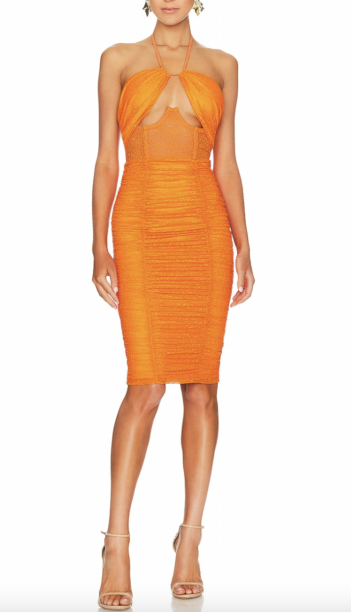
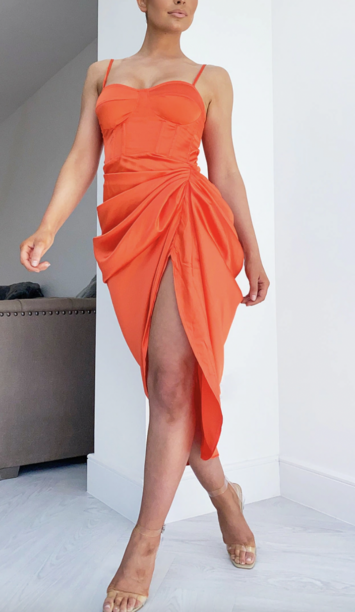
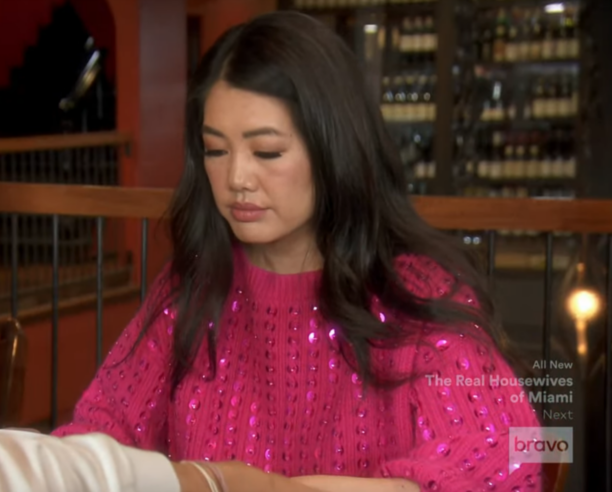
Guerdy Abraira’s Orange Fringe Midi Dress

Guerdy Abraira’s Orange Fringe Midi Dress / Real Housewives of Miami Season 6 Episode 12

Guerdy Abraira looked amazing in an orange fringe midi dress on her first post-surgery date. We’re all low-key obsessed with her style this season, and that dress just took it to the next level. Fingers crossed orange looks just as good on the rest of us because we need to add some of that pop to our wardrobe ASAP. So scroll down for more date night outfit inspiration!

Best in Blonde,

Amanda


Guerdy Abraira's Orange Fringe Midi Dress

Style Stealers


Originally posted at: Guerdy Abraira’s Orange Fringe Midi Dress

Read More

How to Make Your Savings Stick Around a Bit

make your savings stick around a bit

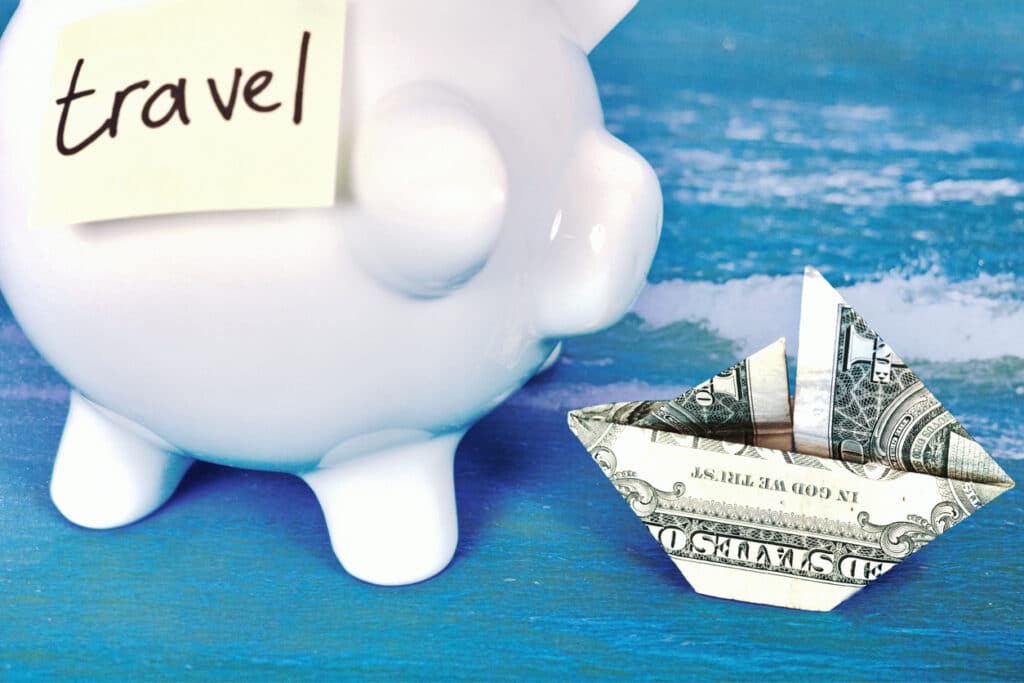
Regardless of your income, it can be difficult to build savings. We all know we should be building savings and not just using it for any purpose, but we haven’t really been told how to do that.

“Just Save Money”

Just expecting yourself to automatically build savings is not enough. It sounds like an incredibly do-able strategy for savings, right?

Conventional bits of wisdom like this make it sound incredibly easy to just magically be able to build savings. Unfortunately, it’s not that easy (but it certainly isn’t that hard).

Building (and keeping) savings isn’t a financial tool, it is the result of a well-built, personalized financial tool.

That simplistic expectation of just being able to save means the possibility of failure is high. I know it looks like everyone else may have their act together as far as savings, but believe me, they do not.

That false expectation of savings just being automatic and easy sets you up for failure. And once we have a few “failures” under our belts, we are highly unlikely to try again.

Start Building Your Savings Slow and Small

Even if on paper you can’t see any reason you couldn’t be saving $500 a month, start with $50. It doesn’t sound like this is going to result in having any savings at all, right?

But the slower you save money, the slower you UNsave it. This is about learning to trust yourself!

Start small, prove to yourself that you can keep with it for a month or two, then very slowly start to increase the amount you’re saving. Savings doesn’t do any good if it zips right back out of your account, so be gentle, go slow, and really savor your savings account balance!

Celebrate Your Savings as It Grows!

That doesn’t mean only celebrating $1,000, or six months of expenses, it means every month looking at your savings balance, or what you contributed, and bringing that home as a win. There is a very common, and legitimate concern that “If I see the money in my account, I’ll be tempted to spend it.” Hiding money away from yourself only confirms that you can’t be trusted.

By practicing savoring what you’ve done well rather than what you’ve “failed” at, you’re reinforcing abundance and making your savings naturally stickier.

Yes, even if the money went right back out again, celebrate when money goes into savings.

Carefully Name Your Savings

Very often we just call our savings “savings” or “emergency fund” or “rainy day fund.” But how would you know when to use that money? And how do you know when to leave it where it is?

Not knowing if or when to use savings can lead to a lot of ugly conflict, especially for couples, but some of that can be prevented if you carefully name your savings.

If you were to give your emergency fund a job, what would it be? What is the emotional benefit of your emergency fund? What is it meant to protect you from? Basically…

…how do you know when to use your savings?

If your answer to that question is “If I lose more than 30% of my income,” then name that savings “loss of income” (or similar). Now imagine you have that “loss of income” fund, but you’d like to put in a new deck. Can you use the “loss of income” fund for a new deck? TECHNICALLY, you sure can, but are you likely to? Probably not. Why? Because you named your savings carefully, and once we do that, our brains have a hard time deviating. We like to categorize, sort, and organize things, including dollars!

The more specific a job you give this money, the easier it will be to make a decision on when and how to use savings.

Consider More Than One Kind of Savings

Saving is a strategy and can get fairly complex. I encourage my financial coaching clients to have three kinds of savings.

(I get that that may sound overwhelming, but it doesn’t need to be. If it helps, think about your savings strategy as a kind of ecosystem… every element is connected to the others, and they all have a role to play.)

There are three “flavors” of savings:

Long-Term Savings

The purpose of building long-term savings is to smooth out the highs and lows of spending and income over years. However you name it, savings like this is for quickly handling big emergencies like a flooding water heater, or taking advantage of opportunities like a screaming deal on an investment property. Withdrawing from long-term savings typically comes along with a lot of thoughtfulness. Money goes in but rarely comes out.

Don’t think about these two questions too long!

How much should be in this big savings account? (The first answers are usually the correct ones!)

And how would you know when it’s time to use this savings? (Name this big savings after that thing: loss of income, tree falls on house, investment property, illness, etc.)

Short-Term Savings

The purpose of this kind of savings is to protect the long-term savings. This is typically a smaller dollar amount and money moves in and out of these funds quickly.

No matter how great your planning and budgeting is, occasionally something comes out of left field, and this “fly-swatter account” is great for just smacking down that annoying thing without much fuss. (If you have no savings, I recommend starting here).

Commonly there is little emotional investment with using and refilling this kind of savings because that’s its whole purpose!

Same questions again! How much should be in this account? How would you know when to use this account? (flat tire, minor injury or illness, etc.)

Project-Based Savings

These are the savings or funds that come and go as your life changes. Installing that deck, buying a car, extended time off work, getting a tattoo (yes, really), and vacations are all things I’ve seen people set aside money for in these project-based funds.

These project-based savings are typically pretty easy to name, AND you know how much is needed in each. And they’ll pop in and out of existence over time. Typically (but not always), these are the first accounts to be pivoted if something really goes sideways.

In Conclusion

How you plan, name, and structure your savings has a lot to do with how successful you are in KEEPING your savings. If all it took to build and keep savings was willpower or feeling stressed out, we’d all have fat savings accounts.

By being intentional and thoughtful with your savings strategy you can grow your savings and build your financial resilience!

Let’s Have a Conversation:

Do you find it easy or hard to save money? When did you start saving money? Did you go slow? How well do you do in the savings department these days?

Read More
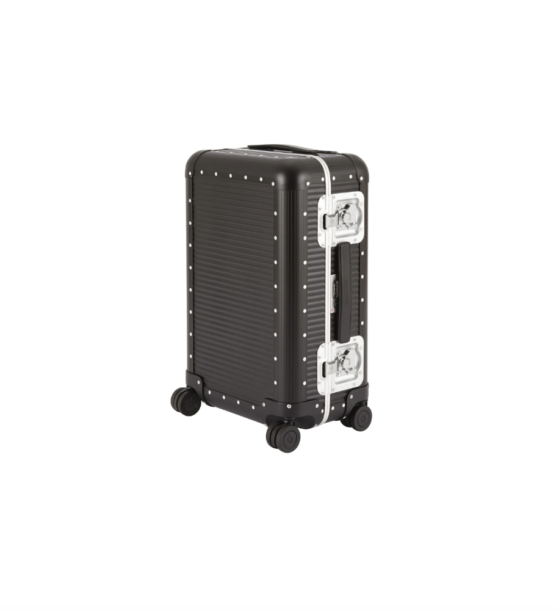
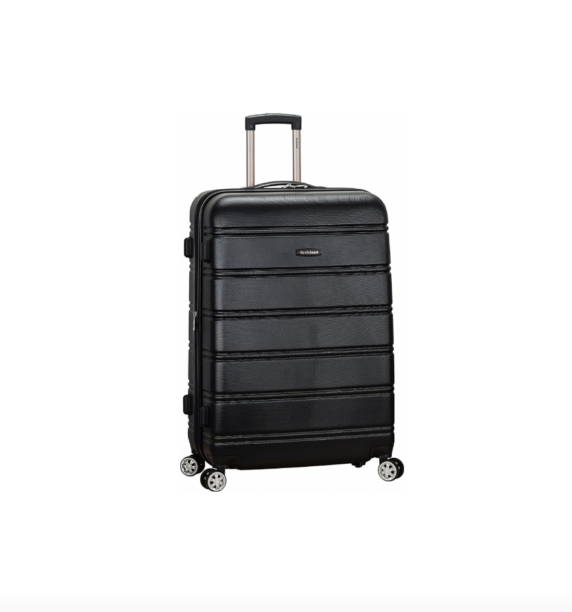
Dorit Kemsley’s Black Suitcase

Dorit Kemsley’s Black Suitcase / Real Housewives of Beverly Hills Season 13 Episode 12 Fashion

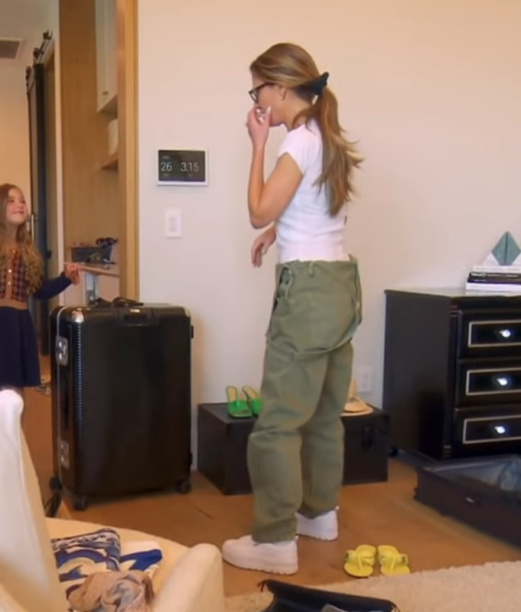
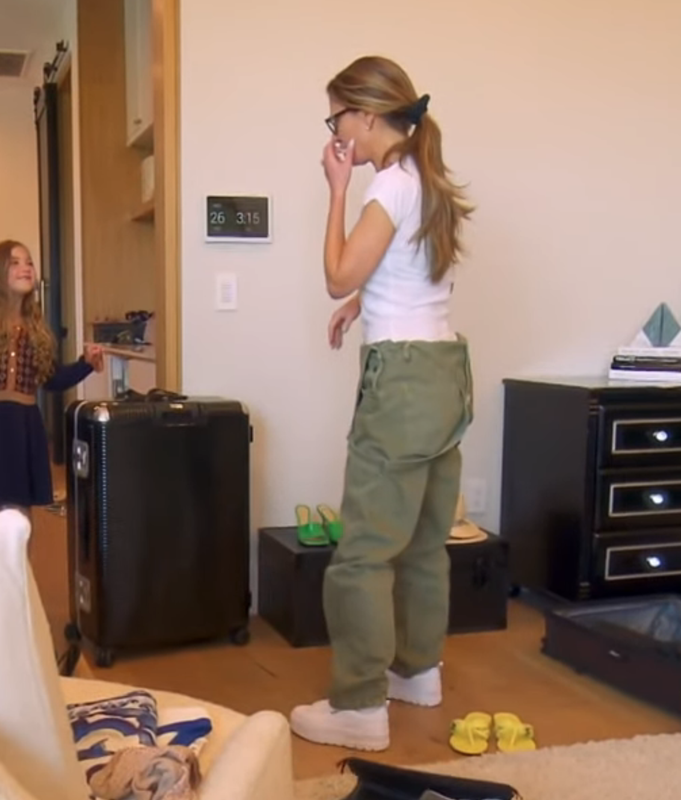
Dorit Kemsley’s little stylist on last night’s episode of RHOBH might be “helping” Dorit pack her bags for Spain, but with all that extra space, she could probably fit in there too! Don’t get us wrong, having a personal packer is a dream come true, but what’s even more dreamy is treating yourself to some fresh new luggage. Check out Dorit’s stylish suitcase below if you’re in the market for an upgrade!


Best in Blonde,

Amanda


Dorit Kemsely's Black Suitcase

Click Here for Additional Stock


Style Stealers


Originally posted at: Dorit Kemsley’s Black Suitcase

Read More